How to Fish a Crankbait for Michigan Walleye
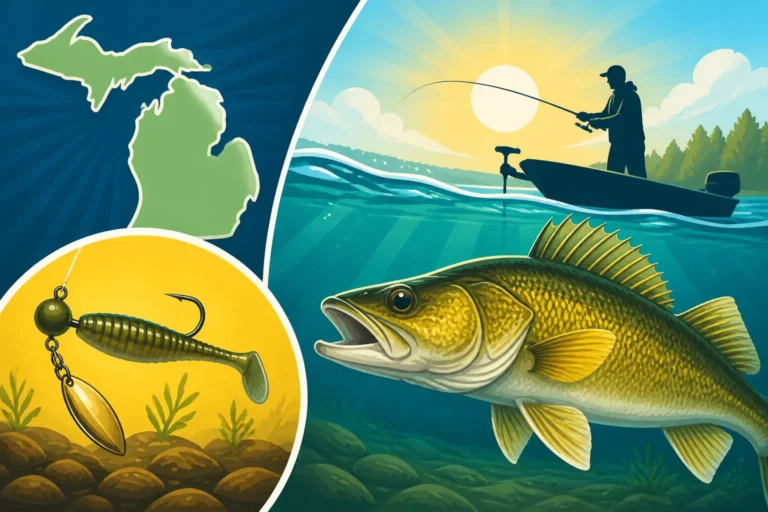
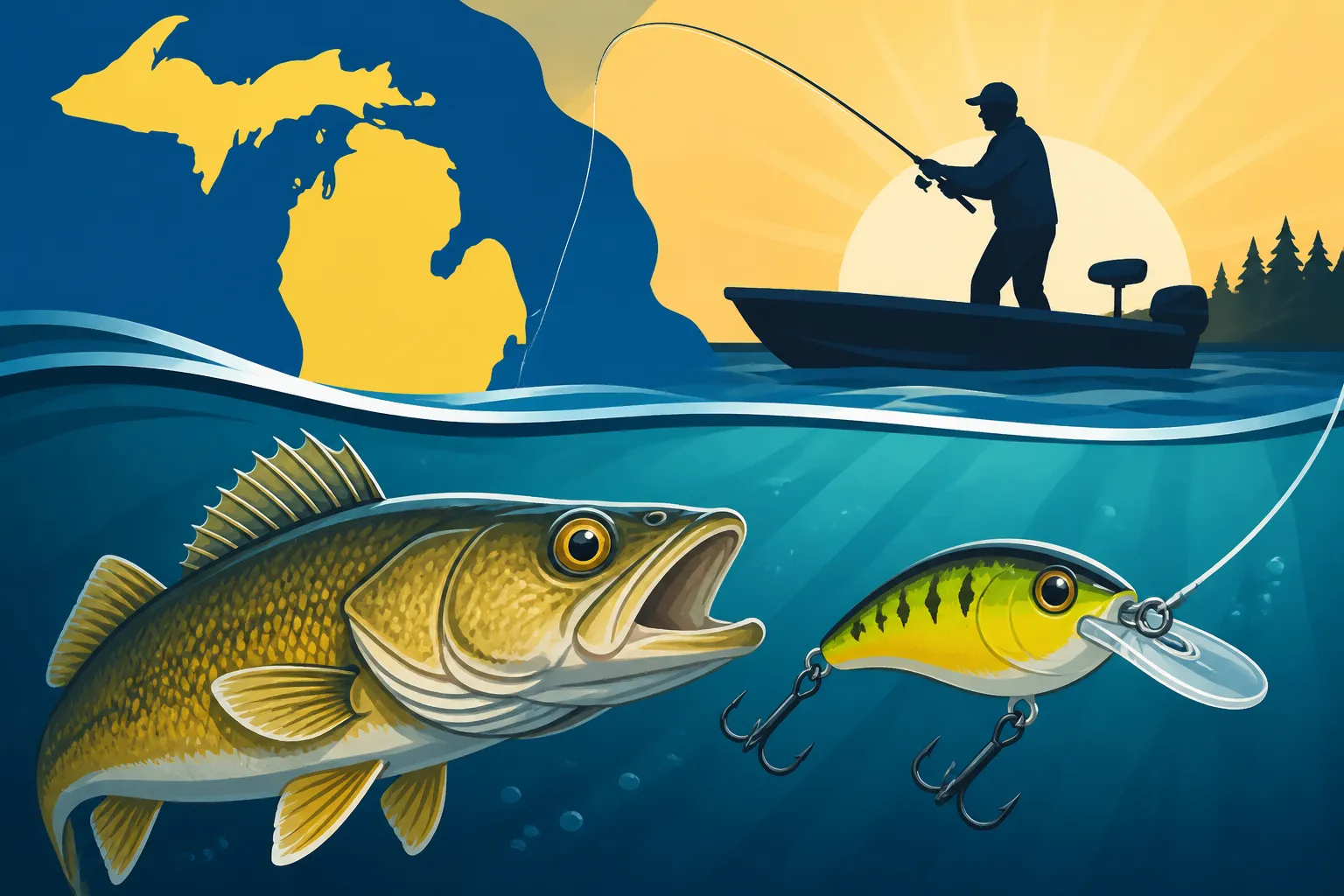
There's nothing quite like the thrill of feeling that distinct "thump" of a walleye hitting your lure, but sometimes, those golden-sided beauties can feel impossibly elusive. Many anglers struggle to consistently put walleye in the boat, often sticking to the same old jigs or live bait rigs, unaware of the incredible potential of crankbaits. If you've ever felt frustrated by unproductive outings or just want to expand your walleye repertoire, this guide is for you. We're going to dive deep into how to fish a crankbait for Michigan walleye, breaking down the techniques, gear, and strategies that will help you entice more of these delicious fish.
The Walleye's Weakness: Why Crankbaits Are So Effective
Walleye are cunning predators, known for their light-sensitive eyes and their tendency to hug structure and the bottom. They’re also highly opportunistic, always on the lookout for an easy meal. This is precisely where crankbaits shine, and why understanding their appeal is the first step to mastering this technique.
Mimicking Natural Prey and Triggering Strikes
Think about what a walleye eats: primarily baitfish like shiners, perch, and shad. A crankbait, with its wiggling action, vibrant colors, and sometimes rattling internal chambers, perfectly mimics a distressed or swimming baitfish. This imitation isn't just visual; the vibration sent through the water by a crankbait's lip can be detected by a walleye's lateral line, even in murky conditions or low light, which is often when these fish are most active. That subtle vibration can be the call to dinner they can't resist.
Beyond the imitation, crankbaits trigger an aggressive reaction. A walleye might be casually cruising a weedline, but when a crankbait darts past, diving and deflecting off cover, it can trigger an instinctual strike. It’s a reaction bite, almost like a reflex, rather than a thoughtful pursuit of food. This is especially true when you use a retrieve that's slightly erratic, mirroring a panicked baitfish.
Diving Depth and Covering Water Efficiently
One of the biggest advantages of crankbaits is their ability to reach specific depths and cover vast amounts of water quickly. Unlike jigs or live bait rigs that require more vertical presentation, crankbaits are designed to be cast or trolled, exploring a wide horizontal plane. You can use shallow-diving crankbaits to work over weed beds, medium divers to hit breaks, and deep divers to probe the depths of our larger lakes.
This efficiency is crucial for walleye fishing, especially when they're scattered across large flats or along lengthy contours. Instead of hoping a walleye swims over your stationary bait, you're actively seeking them out, presenting an enticing meal directly in their strike zone. For anglers who love covering ground and finding fish, crankbaits are an absolute game-changer.
Selecting the Right Crankbait for Michigan Walleye
Walking into a tackle shop can be overwhelming with the sheer variety of crankbaits on display. But don't fret! By understanding a few key characteristics, you can confidently choose the right bait for the conditions you're facing.
Understanding Crankbait Styles and Their Actions
Crankbaits come in a few main styles, each with a distinct profile and action:
- Shallow Divers: These typically have a small, almost horizontal lip and run from just a few inches down to about 5-8 feet. They're fantastic for fishing over shallow weed flats, rocky shoals, or along shorelines, especially in spring. Their tight wiggle can be very appealing.
- Medium Divers: With a slightly longer, more angled lip, these baits hit depths between 8-15 feet. They're incredibly versatile for exploring main lake points, medium-depth flats, and contour breaks. You'll find a wide range of actions here, from tight wiggles to wider, more aggressive wobbles.
- Deep Divers: These are easily identifiable by their very long, steep-angled lips. They plunge quickly, often reaching depths of 15-30+ feet on a long cast or while trolling. When walleye are holding deep on summer structure, these are your go-to.
- Lipless Crankbaits: These unique baits have no external lip; instead, their flat nose and internal weighting create a tight, high-frequency vibration and a distinctive "shimmy" on the fall. They're excellent for fishing over submerged vegetation, open water, or for ice fishing. They sink, so you can count them down to any depth.
- Jerkbaits (often used like crankbaits): While technically a different category, many anglers fish suspending jerkbaits with a retrieve that mimics a crankbait. These long, slender baits are fantastic for mimicking minnows and can be particularly effective in colder water when a more subtle, stop-and-go action is preferred.
Knowing the typical depth range and action of each style will help you select the right tool for the job. You can find a huge variety of these online, like on Amazon, making it easy to build your walleye arsenal.
Color, Size, and Rattle: Matching the Conditions
Beyond the basic style, three elements demand attention:
- Color: This is often hotly debated among anglers, and for good reason!
- Natural Colors: For clear water conditions, or when walleye are finicky, natural patterns like silver/black, perch, or shiner imitations are often best. They blend in and look realistic.
- Bright/Flashy Colors: In murky or stained water, or on cloudy days, you want something that stands out. Chartreuse, fire tiger, hot pink, or orange can be incredibly effective. Sometimes, a bright splash of color is what it takes to get noticed. It's often the case that the Best Lure Color for Murky Water Walleye is something highly contrasting.
- Metallic Finishes: Silver, gold, and chrome finishes provide flash, which can be irresistible to walleye, especially on sunny days.
- Size: The general rule of thumb is "match the hatch." If walleye in your lake are feeding on smaller baitfish, use a 2-3 inch crankbait. If they're targeting larger forage, a 4-5 inch bait might be better. A good starting point is usually a 3-4 inch bait, which is a versatile size for most Michigan waters.
- Rattle: Many crankbaits contain internal BBs or beads that create noise.
- Loud Rattles: These are great for stained water, windy conditions, or when you want to call fish from a distance. The extra noise can draw attention.
- Subtle Rattles/Silent Baits: In clear water or when fish are pressured, a more subtle rattle or even a silent crankbait can be more effective. Too much noise can spook wary walleye.
Retrieve Rate and Buoyancy
How you retrieve your crankbait is just as important as the bait itself. Walleye often prefer a slower, more deliberate retrieve, but sometimes an aggressive, erratic retrieve can trigger a strike. Experiment!
- Steady Retrieve: A consistent, moderate retrieve is often a great starting point, allowing the bait's natural action to shine.
- Stop-and-Go: Retrieve for a few cranks, pause, then retrieve again. This mimics a wounded baitfish and can be deadly.
- Deflection: A crankbait that deflects off bottom or cover often triggers a reaction strike. Understanding your bait's buoyancy also helps:
- Floating Crankbaits: These float at rest and dive when retrieved. When you pause, they float back up, which can be useful for clearing snags.
- Suspending Crankbaits: These stay at a specific depth when paused. This "hang time" can be irresistible to walleye, giving them a prolonged look at the bait.
- Sinking Crankbaits: Typically lipless crankbaits, these sink at rest, allowing you to control the depth by counting them down.
By paying attention to these details, you'll be well on your way to choosing and presenting crankbaits like a seasoned walleye pro.
Mastering Crankbait Presentation Techniques
Knowing which crankbait to pick is only half the battle; knowing how to present it effectively is where the real magic happens. Michigan offers diverse fishing opportunities, from the vastness of the Great Lakes to countless inland lakes and rivers, and your technique will vary depending on where you are and what the walleye are doing.
The Art of Trolling for Walleye with Crankbaits
Trolling is arguably the most popular and effective way to cover water and find walleye with crankbaits, especially on larger bodies of water like Saginaw Bay or Lake Michigan. It allows you to present your bait at a consistent depth and speed over specific structures.
- Speed is Key: Walleye often prefer a slower trolling speed, generally between 1.5 to 2.5 mph. However, don't be afraid to experiment. Sometimes a slightly faster or slower speed can make all the difference. Try making "S-turns" with your boat; the baits on the outside of the turn speed up, and those on the inside slow down, often triggering strikes.
- Depth Control: This is paramount. You need to get your crankbait into the walleye's strike zone.
- Line Counter Reels: These are invaluable for knowing exactly how much line you have out, which directly correlates to your crankbait's depth.
- Lead Core Line: This specialized line changes color every 10 yards, with each color segment typically taking your lure down 5-7 feet (depending on speed and lure size). It's a great way to get lures deep without added weights.
- Snap Weights and Trolling Sinkers: These attach directly to your line a certain distance in front of your crankbait, helping it get down faster and deeper.
- Planer Boards: For covering wide areas, especially in shallower water or over weed beds, What Is a Planer Board Used For is to spread out multiple lines away from the boat. This allows you to present a wider spread of baits and avoid spooking fish directly under your boat. Many anglers find these indispensable for efficient trolling.
When you're exploring vast areas like Saginaw Bay, a prime walleye spot, Saginaw Bay Walleye Fishing Spots, trolling with crankbaits is often the most productive strategy. Pay attention to your electronics to identify baitfish, schools of walleye, and changes in bottom contour.
Casting Crankbaits to Structure and Cover
While trolling covers open water, casting allows for a more precise presentation, targeting specific pieces of structure or cover that walleye are likely holding near. This is fantastic for smaller lakes, rivers, or when fish are concentrated.
- Targeting Key Areas: Focus your casts on weed line edges, rock piles, submerged timber, sharp drop-offs, points, and even bridge abutments. These are all classic walleye haunts.
- Retrieve Methods:
- Steady Retrieve: A slow, consistent retrieve is often all it takes, especially with a bait that has a good inherent wobble.
- Stop-and-Go/Erratic: Cast, retrieve a few cranks, pause, twitch your rod tip, then retrieve again. This mimics a wounded baitfish and can be incredibly enticing. Many walleye hit on the pause or just as you resume the retrieve.
- Bottom Contact: If your crankbait is designed to dive to the depth you're fishing, let it occasionally "tick" or deflect off the bottom or cover. This disruption can trigger a fierce reaction strike. Just be mindful not to get constantly snagged.
- Fan Casting: Work an area thoroughly by casting in a fan pattern, covering all possible angles of approach to the structure.
This method requires more active engagement and can be incredibly rewarding when you dial in on a productive piece of structure.
Essential Equipment for Crankbait Fishing
Having the right gear makes a huge difference in your success and enjoyment.
- Rod Selection: For casting, a medium-heavy action rod, around 6'6" to 7'6" in length, with a fast or moderate-fast tip, is ideal. This provides enough backbone to cast heavier baits and fight strong walleye, while the sensitive tip helps detect subtle bites and allows the bait to work properly. For trolling, longer, more forgiving rods (7' to 10' or even longer) with a medium or medium-heavy action are preferred to absorb shock and handle multiple lines.
- Reel Selection: A baitcasting reel is generally preferred for crankbait fishing, especially for trolling, as it offers better line capacity and control for heavier lines and baits. A good quality spinning reel can work for lighter crankbaits and casting applications. When considering a setup, think about what Best Spinning Rod for Walleye might pair with your chosen reel.
- Line Type:
- Monofilament (Mono): It has stretch, which acts as a shock absorber when a walleye hits, helping prevent hooks from tearing out. It's also typically less visible. A 10-14 lb test is common.
- Fluorocarbon: Offers low stretch, high abrasion resistance, and is nearly invisible underwater. It helps crankbaits dive deeper due to its density. 10-12 lb test is a good choice.
- Braided Line: Provides zero stretch and incredible sensitivity, perfect for feeling subtle bites or bottom contact. However, its lack of stretch means you need a rod with a softer tip, and a fluorocarbon or monofilament leader (3-6 feet) is highly recommended to improve stealth and absorb shock. A 15-20 lb braid with a 10-12 lb fluorocarbon leader is a popular setup.
- Leaders: If you're using braided line, a fluorocarbon leader is a must for stealth. In waters where pike are present (and they love crankbaits!), a bite leader made of heavy fluorocarbon or even a thin wire leader might be necessary to prevent cut-offs.
A well-balanced setup will allow you to cast further, feel more, and fight fish more effectively, leading to more walleye in your net.
Seasonal Strategies and Location Tips for Michigan Walleye
Michigan walleye behavior changes dramatically with the seasons, largely driven by water temperature and spawning cycles. Adapting your crankbait approach to these changes is critical for consistent success.
Spring and Early Summer Walleye on Crankbaits
Ah, spring! The air is crisp, the ice is gone (mostly!), and walleye are hungry after their spawn. This is a prime time to hit the water. When Does Walleye Season Open in the Lower Peninsula is an eagerly anticipated date for many anglers.
- Post-Spawn Aggression: After spawning, walleye are often found in shallower water, recovering and feeding heavily to regain energy. They're typically quite aggressive, making them excellent targets for crankbaits.
- Shallow Water Focus: Look for walleye in 5-15 feet of water, often near river mouths, shallow flats adjacent to deeper water, and the edges of emerging weed beds. Tributary mouths on the Great Lakes can be fantastic as baitfish gather there.
- Crankbait Choices: Shallow-diving and medium-diving crankbaits are your best friends here. A slow to medium retrieve is usually effective. Consider colors that mimic perch, shiners, or even a bright fire tiger if the water has some color. Lipless crankbaits can also be deadly when ripped through shallow weeds.
As spring transitions into early summer, the water warms further, and walleye remain active but might start to spread out more. Continue to focus on structure, but don't be afraid to experiment with slightly faster retrieves as their metabolism picks up.
Mid-Summer and Fall Deep Water Tactics
As Michigan's lakes warm up in mid-summer, walleye often retreat to deeper, cooler waters where they find thermal comfort and abundant baitfish. This is when your deep-diving crankbaits and trolling setups become indispensable.
- Seeking the Thermocline: On many inland lakes, walleye will hold along the thermocline – the layer where warm surface water meets cooler deep water. Baitfish gather here, and walleye follow. Your fish finder will be crucial for locating this depth.
- Deep Structure: Focus on deep humps, main lake points that extend into deep water, steep breaklines, and offshore reefs. Walleye will relate tightly to these features.
- Deep Diving Crankbaits and Trolling: This is the realm of the big-lipped deep divers. Trolling with lead core, snap weights, or even downriggers (What Are Downriggers Used For is explained in detail if you need a refresher on these tools) will help you reach those deeper fish. Adjust your trolling speed to match the mood of the fish – sometimes a subtle speed change is all it takes.
In fall, as water temperatures begin to drop, walleye often return to shallower feeding grounds, reminiscent of spring, before they head to their winter haunts. They'll gorge themselves in preparation for winter, making for some fantastic fishing, often with medium-diving crankbaits along classic structure. You might find them chasing larger baitfish, so don't be afraid to size up your baits.
Adapting to Water Conditions for Optimal Results
Walleye are highly sensitive to their environment, and factors like water clarity, current, and wind can significantly impact their behavior and your crankbait presentation.
- Water Clarity:
- Clear Water: In very clear lakes, walleye are warier. Opt for natural bait colors, subtle rattles, and longer leaders (if using braid). Focus on low-light conditions (dawn, dusk, cloudy days) or night fishing when their light-sensitive eyes give them an advantage.
- Stained/Murky Water: This is where brighter colors and aggressive rattles shine. The noise and vibration help walleye locate your bait. Think chartreuse, fire tiger, and fluorescent oranges.
- Current: In rivers or areas with strong current (like the Detroit River), crankbaits can be incredibly effective. Cast upstream and let the current work your bait downstream, presenting it naturally to walleye holding in current breaks or behind structure. Your crankbait's action will be amplified by the current.
- Wind: Don't let a little chop deter you! A moderate chop on the water surface actually breaks up light penetration, making walleye more comfortable feeding in shallower areas. It also creates current and movement that can trigger bites. Often, windy days are some of the best for walleye fishing with crankbaits, especially when trolling. The boat's movement can create an erratic action that fish love.
By paying close attention to these environmental cues and adjusting your crankbait selection and retrieve accordingly, you'll significantly increase your chances of success.
Troubleshooting and Advanced Tips for Crankbait Success
Even the most seasoned angler faces challenges. Sometimes walleye just aren't biting, or you might run into issues with your gear. Here are some tips to help you overcome common hurdles and refine your crankbait game.
When Walleye Ignore Your Crankbait: What to Change
You've got the perfect crankbait, you're in a prime walleye spot, but nothing's hitting. Don't throw in the towel! It's time to troubleshoot.
- Change Speed: Your retrieve might be too fast, or perhaps too slow. Make small adjustments. Try a burst of speed followed by a pause. Sometimes walleye want a specific tempo.
- Adjust Depth: Are you truly in the strike zone? Re-check your line counter, adjust your snap weights, or try a different diving crankbait. Even a foot or two can make all the difference. Walleye often hug the bottom or a specific depth range very tightly.
- Vary Color: If natural isn't working, try bright. If bright isn't working, try natural. Sometimes a subtle shift in hue, like going from chrome to gold, can unlock a bite. Have a small selection of colors ready to rotate through.
- Change Lure Size or Action: If they're not hitting a 4-inch crankbait, try a 3-inch, or even a 5-inch. Walleye can be incredibly particular. Also, different baits have different wobbles – some tight, some wide. Experiment with a bait that has a different action.
- Cover More Water/New Water: If you're casting and getting no bites after working an area thoroughly, it's time to move. Walleye are nomadic; they might have simply moved on. Trolling allows you to cover more ground and present your lure to a wider range of fish.
- Check Leader Length and Visibility: If you're using braided line with a short or heavy leader, try lengthening it or downsizing to a lighter fluorocarbon to enhance stealth in clear water.
It's all about experimentation. Walleye will tell you what they want if you pay close enough attention to the subtle cues.
Maintaining Your Crankbaits for Peak Performance
Your crankbaits are tools, and like any tool, they need proper care to perform their best.
- Sharpen Hooks Regularly: A dull hook is a lost fish. Carry a small hook sharpener and give your treble hooks a quick touch-up after every few fish or every time you hit the bottom. Walleye have bony mouths, and sharp hooks are essential for solid hook sets.
- Replace Worn Components: Split rings can weaken and hooks can bend over time, especially after catching several fish or getting snagged. Keep a supply of replacement hooks and split rings on hand. This is an easy and affordable way to refresh your baits, and you can stock up on these small items on Amazon.
- Tune Your Baits: If a crankbait isn't running straight, it's "out of tune." Most crankbaits have a small line-tie eye on the lip. Gently bend this eye in the opposite direction the bait is veering. For example, if it's running to the left, bend the eye slightly to the right. A perfectly tuned bait runs true and catches more fish.
- Proper Storage: Store your crankbaits in tackle boxes with individual compartments or in trays designed to prevent hooks from tangling. This keeps them organized, prevents damage, and ensures hooks stay sharp.
A well-maintained crankbait is a more effective crankbait, and it will serve you well season after season.
Ethical Angling and Understanding Regulations
As responsible anglers, it's our duty to understand and adhere to Michigan's fishing regulations to ensure healthy fish populations for the future.
- Know the Rules: Before every outing, take a few minutes to review the current Michigan Fishing Regulations Every Angler Should Know. These rules can change, and ignorance is not an excuse for violations. Pay close attention to Michigan Walleye Size and Possession Limits as these vary by body of water and can impact what you can legally keep.
- Catch and Release Practices: If you're not keeping fish, practice proper catch and release techniques. Minimize handling, especially by avoiding contact with the gills. Use a net to land fish gently, and release them quickly. For larger walleye, consider leaving them in the water while you remove the hook.
- Barbless Hooks: Some anglers choose to use barbless hooks or crimp down barbs to make releases easier, especially when targeting fish primarily for catch and release. This can significantly reduce stress on the fish.
Being a good steward of Michigan's incredible fisheries means understanding the rules and doing our part to protect these valuable resources.
| Crankbait Type | Typical Diving Depth (Casting) | Best Use Cases | Key Characteristics |
|---|---|---|---|
| Shallow Diver | 1-8 feet | Early season, shallow flats, weed lines, topwater areas | Small, horizontal lip; tight wiggle |
| Medium Diver | 8-15 feet | General purpose, main lake points, medium breaks | Longer, angled lip; varied wobble |
| Deep Diver | 15-30+ feet | Summer deep structure, thermocline, offshore reefs | Very long, steep lip; dives quickly |
| Lipless Crankbait | Any depth (sinking) | Weeds, open water, vertical jigging, ice fishing | No external lip; tight vibration, shimmies |
| Suspending Jerkbait | 3-10 feet | Colder water, finicky fish, mimicking minnows | Slender profile; suspends on pause |
Disclaimer
This article is for general informational purposes only and does not constitute professional advice. Laws, prices and regulations vary by location and change over time. Consult a qualified professional for guidance on your specific situation.