Michigan Ice Fishing Season Timing
Trying to figure out exactly when the ice fishing season truly kicks off in Michigan, or when it’s winding down, can feel like trying to hit a moving target. One year, you're out on solid ice by Thanksgiving, and the next, you're still staring at open water in mid-January. This guide will walk you through the typical timing for Michigan's diverse ice fishing opportunities, helping you understand the factors that dictate when and where you can safely drop a line.
Understanding Michigan's Ice Fishing Season Dynamics
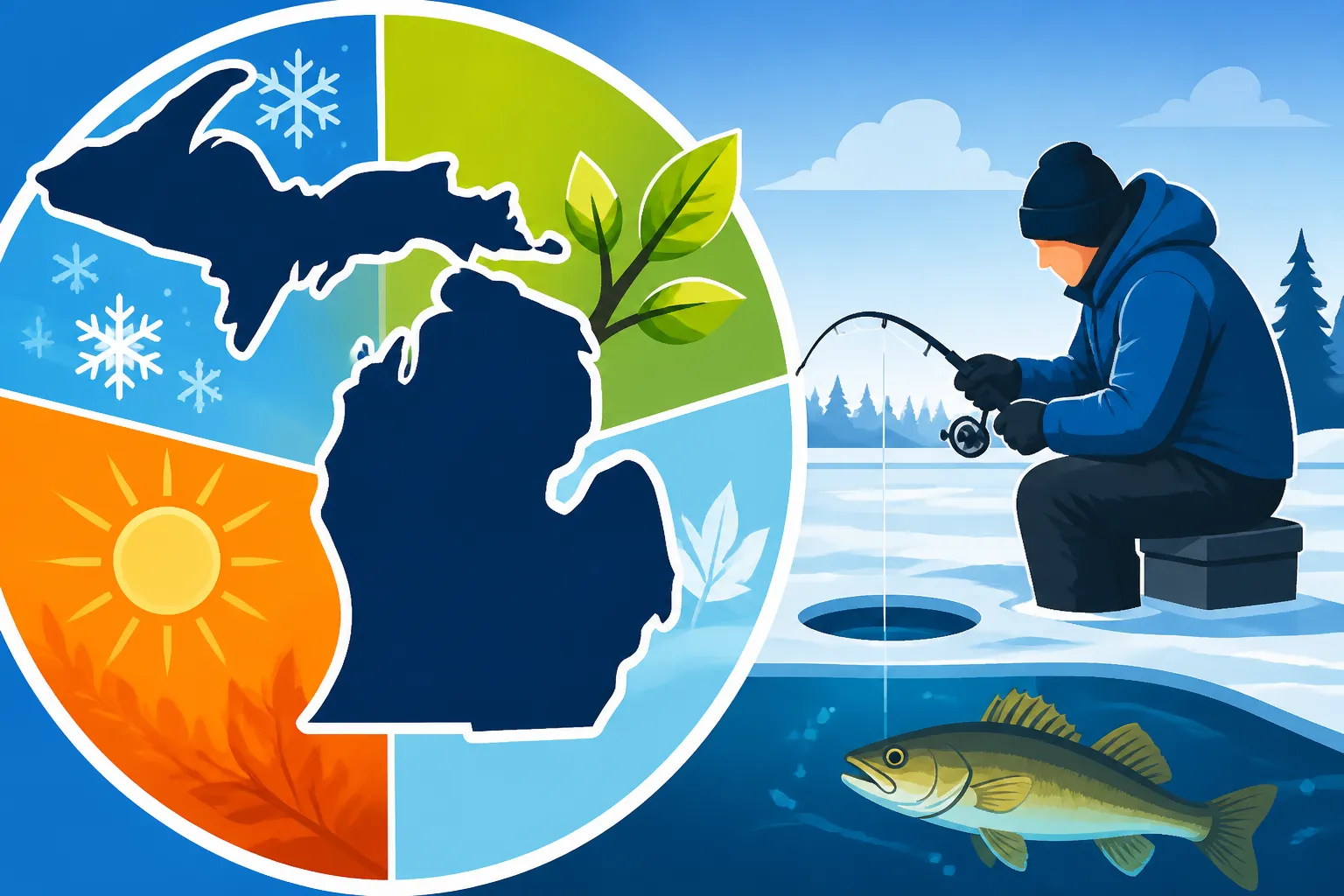
Michigan's geographical stretch, from the southern border up to the tip of the Keweenaw Peninsula, means there isn't a single, uniform ice fishing season. The timing is a delicate dance between dropping temperatures, snowfall, and the specific characteristics of each body of water. Understanding these dynamics is crucial for planning your ice fishing adventures and, most importantly, ensuring your safety.
When the Ice Typically Forms and Thickens
For many ice anglers, the anticipation builds as late fall temperatures dip consistently below freezing. Generally, smaller, shallower inland lakes in the Upper Peninsula and northern Lower Peninsula will start to skim over first, often by late November or early December. These initial layers of ice, known as "first ice," are highly sought after by experienced anglers because they often offer incredible fishing opportunities before heavy angling pressure sets in. However, first ice is also notoriously unpredictable and requires extreme caution.
As winter progresses, sustained cold snaps cause the ice to thicken. By mid-December to early January, many of the medium-sized lakes in the northern half of the state usually have enough ice to support foot traffic, and sometimes even snowmobiles or ATVs. Think about lakes like Higgins Lake or Houghton Lake; these larger inland bodies of water take longer to freeze solid due to their depth and size. The prime ice thickness for various activities, from walking out with a bucket to driving a truck onto the ice, can be found in a detailed resource like our guide on How Thick Does Ice Need to Be to Fish in Michigan?. This period, often from January through mid-February, represents the peak of the ice fishing season for many areas, offering the most stable and widespread ice conditions.
Regional Variations in Ice Development
The difference in ice formation between Michigan's Upper Peninsula (UP) and the southern Lower Peninsula (LP) is significant. In the UP, where harsh winters are the norm, lakes and even some bays of the Great Lakes (like Keweenaw Bay) can see fishable ice as early as November and sustain it well into April. The cold air masses from Canada hit the UP first and hardest, leading to a much longer and more reliable ice fishing window. This means anglers heading to places like Lake Gogebic or Indian Lake in the UP can often extend their season by several weeks on both ends compared to their southern counterparts.
Conversely, in the southern LP, particularly around cities like Detroit or Kalamazoo, the ice season is considerably shorter and often less consistent. Lakes in these regions, such as those in Livingston or Oakland counties, might only be safely fishable for a few weeks in January and February, if at all, especially during milder winters. The proximity to Lake Michigan and Lake Huron can also moderate temperatures, delaying ice formation. It’s not uncommon for ice anglers in the southern LP to have to travel north to find reliable ice. This regional disparity highlights why checking local conditions, whether through online forums, local bait shops, or the Michigan DNR's resources, is absolutely essential before venturing out.
Prime Time for Popular Ice Fishing Species
Understanding when the ice is safe is one thing, but knowing when specific fish are most active under the ice is the real secret to success. Different species have different behavioral patterns as the season progresses, and timing your trips to coincide with their feeding windows can dramatically improve your catch rates.
Walleye and Perch: Early vs. Mid-Season Action
Walleye and yellow perch are arguably two of Michigan's most sought-after ice fishing species, and their activity patterns can shift throughout the season. For many anglers, "first ice" is synonymous with some of the best walleye fishing of the year. During this early period, usually late November to early January, walleye often remain in shallower depths, much like they do in late fall. They are still actively feeding, trying to pack on calories before the depths of winter, and are often less wary due to less fishing pressure. Targeting them during twilight hours (dawn and dusk) in 10-25 feet of water, often near breaks or points, can be incredibly productive. You'll find these conditions in numerous smaller, productive lakes throughout the northern Lower Peninsula and Upper Peninsula.
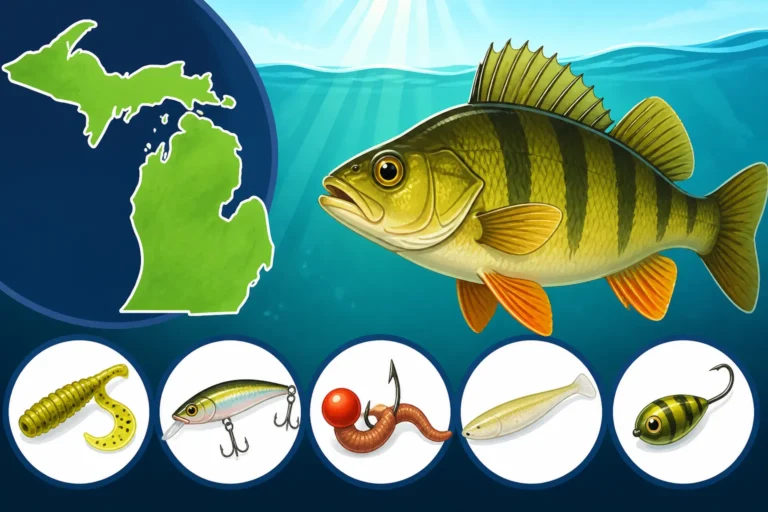
As the season progresses into mid-winter (late January to mid-February), walleye can become more lethargic and move to deeper main lake basins or suspend over structure. This is when finesse tactics and patience become paramount. Jigging small spoons or lipless crankbaits, often tipped with a minnow head, can coax bites. Yellow perch, on the other hand, often remain active throughout the entire ice season. Early and late ice can be excellent, but mid-winter can also produce consistent catches, especially if you locate large schools. Perch tend to congregate in expansive flats or near weed lines in 15-40 feet of water. Using small jigs, tungsten ice flies, or teardrop jigs tipped with wax worms or spikes are highly effective. For specific limits and sizes, it's always wise to consult the Michigan Walleye Daily Possession Limit andMichigan Yellow Perch Limit on Lake St. Clair pages.
Northern Pike and Panfish: Consistent Winter Bites
Northern pike offer another fantastic ice fishing opportunity in Michigan, and they can provide consistent action throughout the entire hardwater season. Pike are ambush predators, and they remain actively on the hunt under the ice. Early ice can be great as they are still focused on shallower weed beds before these areas are completely depleted of oxygen. As winter sets in, they might shift to slightly deeper edges of weed beds or rocky points, but their aggressive nature makes them a reliable target. Tip-ups are the classic method for pike, set with large shiners, suckers, or smelt, strategically placed near known pike haunts. You'll find excellent pike fishing in many Michigan lakes, including Higgins Lake and Burt Lake.
Panfish, including bluegill, crappie, and sunfish, are the backbone of many ice anglers' seasons. They are incredibly accessible and provide consistent action from the moment safe ice forms until late March. Bluegill and sunfish can be found in shallower, weedy bays, often in 5-15 feet of water, feeding on insect larvae and small crustaceans. Crappie, being a bit more nomadic, will often suspend in slightly deeper water (15-30 feet) over basin areas or near submerged brush piles, particularly during low-light conditions. The beauty of panfish is their willingness to bite on tiny jigs and live bait (like wax worms or spikes) throughout the entire season. Late ice can be particularly productive for all panfish species as they begin to stage for the spring spawn. For a detailed breakdown of gear and techniques, check out our articles on Michigan Ice Fishing Techniques for Walleye and Michigan Ice Fishing Techniques for Perch.
| Species | Peak Ice Fishing Season | Typical Depths (ft) | Preferred Tactics |
|---|---|---|---|
| Walleye | Early Ice (Dec-Jan), Late Ice (Mar) | 10-35 | Jigging spoons, lipless cranks, tip-ups with minnows |
| Yellow Perch | All Season (Dec-Mar) | 15-40 | Small jigs (tungsten), teardrops, spikes, wax worms |
| Northern Pike | All Season (Dec-Mar) | 5-25 | Tip-ups with large minnows/suckers, large spoons |
| Bluegill | All Season (Dec-Mar) | 5-15 | Micro jigs, ice flies, wax worms |
| Crappie | All Season (Dec-Mar) | 15-30 | Small jigs (plastics), minnows, suspended |
The Role of Weather and Ice Conditions in Season Timing
Beyond just the calendar, Mother Nature plays the ultimate role in dictating the start, duration, and end of Michigan's ice fishing season. Anglers must become amateur meteorologists, constantly monitoring forecasts and, more importantly, understanding how different weather patterns affect ice formation and safety.
Impact of Early Snowfall and Thaws
Early snowfall can be a double-edged sword for ice anglers. While a light, insulating layer of snow can actually help new ice form and prevent it from melting as quickly, heavy, early snowfall can be detrimental. A thick blanket of snow acts as an insulator, preventing extremely cold air from penetrating the water and freezing it. This can significantly delay the formation of safe ice, especially on larger, deeper lakes. Even after ice has formed, heavy snow can suppress further thickening, making an area with 4 inches of snow-covered ice actually less stable than bare ice of the same thickness.
Mid-season thaws are another major factor. Michigan winters are rarely a steady, uninterrupted cold. Warm spells, often accompanied by rain, can rapidly degrade ice conditions, especially on the edges of lakes, around inlets and outlets, and over areas with currents. A few days of above-freezing temperatures and sunshine can turn solid, clear ice into honeycomb ice, which is incredibly weak and dangerous, even if it appears thick. This is why vigilance is key; just because you fished a spot safely last week doesn't mean it's safe this week. It's not uncommon for parts of the state to experience a "false start" to the season, where early ice forms, only to melt away with an unseasonable warm-up, pushing the real start of the season back weeks.
Safely Assessing Ice Thickness and Stability
Knowing how to safely assess ice thickness and stability is paramount for any ice angler. Never trust ice solely based on its appearance or the fact that someone else is on it. Always check conditions yourself, starting close to shore and working your way out. The Michigan DNR recommends a minimum of 4 inches of clear, solid ice for foot travel. Double that (8 inches) is recommended for snowmobiles or ATVs, and even more for vehicles (12-15 inches for light trucks). However, these are general guidelines, and various factors can compromise ice strength. For comprehensive safety information, refer to the Michigan DNR's guidelines, which are often summarized in publications like the annual Michigan Fishing Regulations Every Angler Should Know.
Key things to look for include:
- Color of the ice: Clear or blue ice is generally the strongest. White or opaque ice, often caused by trapped snow, is usually weaker. Grey or "rotten" ice indicates deterioration and should be avoided at all costs.
- Sounds: Healthy ice makes cracking, booming, or groaning sounds as it expands and contracts. Soft, slushy sounds are a warning.
- Snow cover: As mentioned, heavy snow insulates, but it also hides hazards like pressure ridges, cracks, and open water. Use caution when navigating snow-covered ice.
- Currents and inlets/outlets: Areas with moving water, like river mouths, springs, or narrow channels, will always have weaker ice, regardless of overall lake conditions.
Carrying safety gear, such as ice picks, a spud bar, and a flotation suit, is not just a recommendation; it's a necessity. Being prepared for the worst-case scenario can make all the difference if you do encounter thin ice.
Key Dates and Regulatory Considerations
While Mother Nature provides the ice, the Michigan Department of Natural Resources (DNR) sets the rules for fishing under it. Understanding these regulations is just as important as knowing when the fish bite, ensuring you have a legal and enjoyable season.
General Inland Lake Season Rules
For most inland lakes in Michigan, the general fishing regulations apply year-round. This means that once safe ice forms, you can pursue most species without specific closed seasons for ice fishing. However, there are crucial nuances. For instance, while you can fish for many species, daily possession limits and minimum size limits still apply. These are often detailed by species, like the rules for Michigan Walleye Daily Possession Limit or theMichigan's Combined Trout and Salmon Daily Limit, which are critical to review before hitting the hard water.
One of the most important aspects is your fishing license. Just like open water fishing, you need a valid Michigan fishing license to ice fish if you are 17 years of age or older. The Michigan fishing license year runs from March 1st to March 31st of the following year. This means that if you bought an annual license in April, it's valid through the majority of the current ice fishing season. However, if you're planning a late-season trip in March, you'll need to make sure your license is current for the new license year. You can easily purchase or renew your license online or through the Michigan's DNR Hunt Fish App for Licenses and Reporting. For a deeper dive into license requirements, check out the Michigan Fishing License Guide for Residents and Nonresidents.
Great Lakes Ice Fishing Opportunities and Regulations
Ice fishing on Michigan's Great Lakes, or their connecting waters like Lake St. Clair or the St. Clair River, offers unique challenges and incredible rewards. Due to their immense size and depth, the Great Lakes rarely freeze completely. However, sheltered bays, harbors, and shallow nearshore areas can develop safe ice, particularly in the northern parts of Lakes Huron and Superior, and often in areas like Saginaw Bay on Lake Huron or parts of Lake St. Clair.
The timing for Great Lakes ice fishing is often shorter and more unpredictable than inland lakes. Saginaw Bay, for example, is a prime walleye and perch ice fishery, but safe ice might not develop until January and can be gone by mid-February due to its size and exposure. Lake St. Clair is renowned for its smallmouth bass and muskellunge, and its shallower nature often allows for earlier and more consistent ice than the deeper Great Lakes. However, currents in areas like the St. Clair River or Detroit River make ice incredibly dangerous or non-existent.
Regulations on the Great Lakes can sometimes differ slightly from inland waters, particularly concerning certain species or specific zones. Always consult the most current Michigan Fishing Regulations Digest PDF for any special Great Lakes regulations. For example, some boundary waters shared with neighboring states or Canada might have unique rules. The general premise, however, remains: if there's safe ice, and you have a valid license, you're usually good to go, provided you adhere to all species-specific limits and seasons.
Maximizing Your Ice Fishing Experience
Ice fishing in Michigan is more than just drilling a hole and dropping a line; it's about preparation, adaptability, and having the right tools to enjoy the challenging yet rewarding winter environment. Equipping yourself properly and understanding how to adjust your approach can turn a cold day into a memorable adventure.
Essential Gear for Michigan Ice Anglers
Having the right gear is non-negotiable for a comfortable and successful ice fishing trip in Michigan. The basic setup includes an ice auger to cut through the ice, an ice fishing rod and reel combo, and a bucket or sled to carry your gear and catch. However, to truly maximize your experience, you'll want to think beyond the bare minimum.
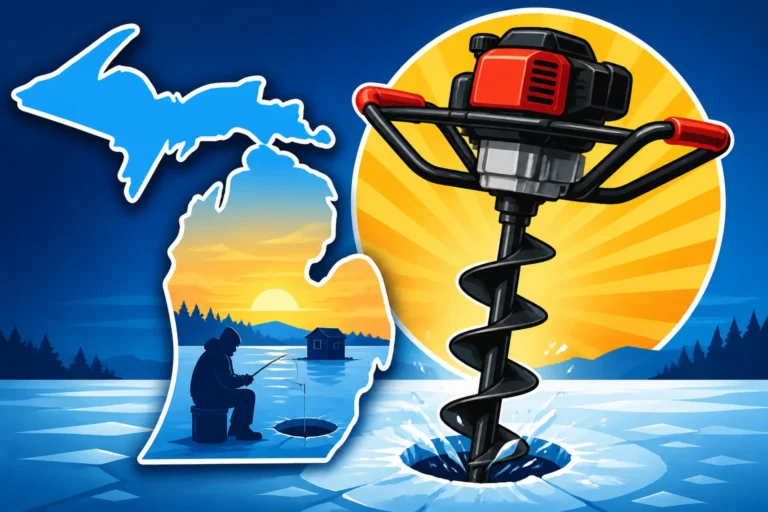
Consider upgrading your auger, especially if you're tackling thick mid-winter ice. While manual augers are fine for early ice or thinner conditions, a quality power auger (gas, propane, or electric) will save you immense effort. Brands like Strikemaster and Eskimo are popular choices. Many anglers find great deals on these and other specialized ice fishing tools on platforms like Amazon, ensuring they have robust equipment for Michigan's sometimes brutal winters. Next, an ice shelter can be a game-changer. From lightweight pop-up shelters to insulated hub-style shanties or even portable flip-over models, these shelters provide protection from the wind and cold, making long days on the ice much more enjoyable. For more detailed insights, check out What Gear Do You Need to Ice Fish in Michigan?,Best Ice Augers for Michigan Ice Fishing, and Best Ice Shelters for Michigan Ice Fishing.
Beyond the big-ticket items, don't forget the small essentials:
- Warm Clothing: Layers are crucial. Thermal base layers, fleece mid-layers, and a waterproof, insulated outer shell are a must.
- Footwear: Insulated, waterproof boots are critical for keeping your feet warm and dry.
- Heater: A small portable propane heater can make your ice shelter feel like a cozy cabin.
- Electronics: A flasher or fish finder is invaluable for locating fish and understanding depths, especially when trying to pinpoint suspended crappie or walleye. Brands like Vexilar and Marcum are industry standards.
- Safety Gear: Ice picks, a spud bar (to test ice thickness), and a throw rope are non-negotiables.
Adapting Techniques to Changing Conditions
Michigan's ice fishing season isn't static, and neither should your approach be. Adapting your techniques to early, mid, and late-season conditions, as well as daily weather shifts, will lead to greater success.
During early ice, fish are often still aggressive and active. They may be found in shallower waters, close to remaining green weed lines or structure where they were feeding in the fall. This is a great time for more active jigging with spoons or larger soft plastics. As the season transitions to mid-winter, fish generally become more lethargic. They might move to deeper basin areas or suspend in the water column. This calls for more subtle presentations: smaller baits, slower jigging motions, and paying close attention to your electronics to spot fish. This is also the time when scent can become more important, tipping jigs with minnow heads, wax worms, or spikes.
Late ice, typically in March, can offer some of the best fishing of the season, albeit often with rapidly deteriorating ice conditions. As the sun gets higher and the days lengthen, fish begin to stage for their spring spawn. They become more active, moving into shallower feeding grounds, and their bite can be ferocious. This is often an excellent time for aggressive jigging for walleye and targeting panfish in renewed shallow weed growth. However, this period demands extreme caution regarding ice safety, as warming temperatures can degrade ice rapidly, especially around shorelines. Being aware of the best times to fish, like those outlined in When Does Ice Fishing Season End in Michigan?, is key.
Remember, every day is different on the ice. Pay attention to light conditions (dawn and dusk are often prime), barometric pressure, and even moon phases. A strong cold front can shut down the bite, while stable weather often brings more consistent action. Flexibility in your lure choices, depths fished, and retrieve speeds will set you apart from less adaptable anglers.
Disclaimer
Fishing conditions, regulations, and ice safety can change rapidly. This guide provides general information and recommendations. Always consult the latest Michigan Department of Natural Resources (DNR) regulations and local ice condition reports before venturing onto the ice. Ice fishing carries inherent risks; prioritize safety and never assume ice is safe without verifying its thickness and stability yourself.