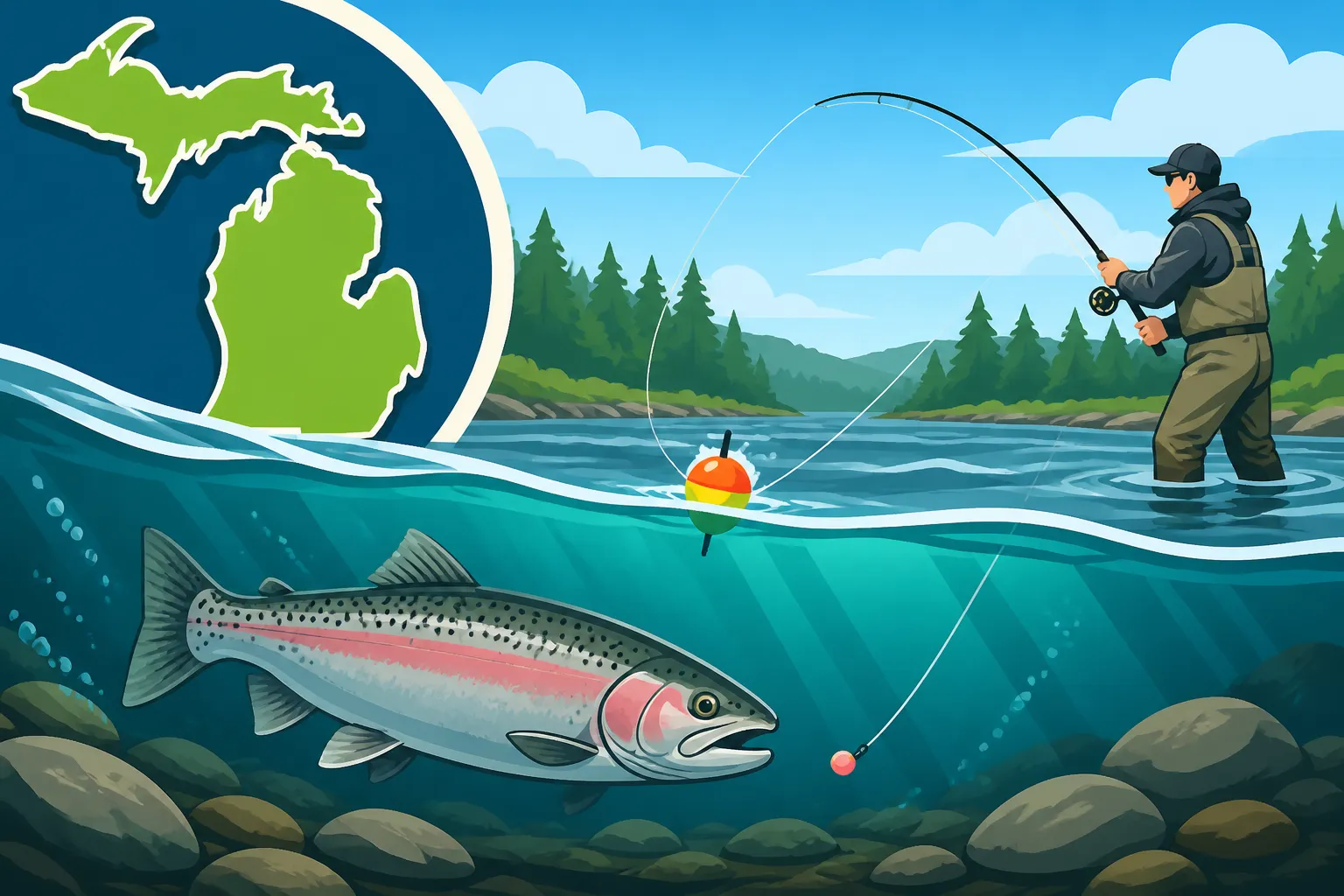
How to Float Fish for Steelhead
Steelhead fishing in Michigan rivers can be one of the most rewarding, yet frustrating, pursuits for any angler. These chrome beauties are notoriously finicky, and navigating varied river currents with a traditional cast-and-retrieve method often feels like you're fighting the river more than fishing it. That's where float fishing comes in, offering a remarkably effective and often less tiring approach to presenting your bait naturally to these elusive fish. This guide will walk you through everything you need to know to master float fishing for Michigan steelhead.
The Art and Science of Float Fishing for Steelhead
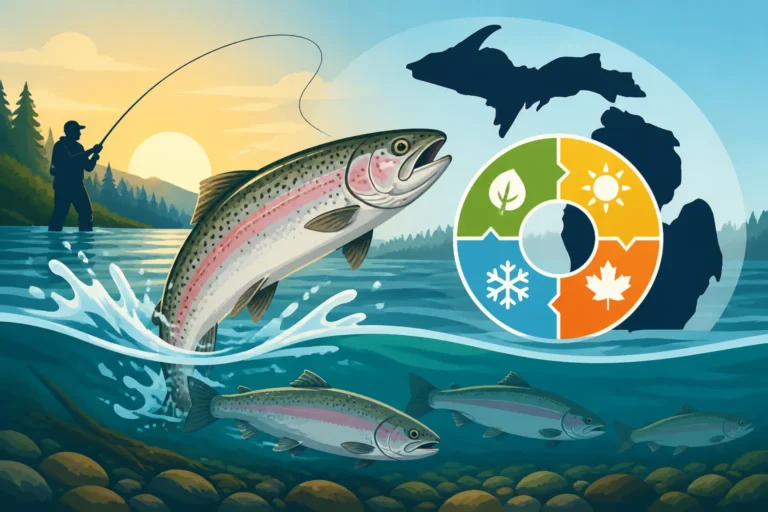
Steelhead, those incredible anadromous rainbow trout, present a unique challenge. They often hold in specific current seams, behind structure, or in deep pockets where traditional casting can be difficult to get a natural presentation. This is precisely why float fishing, sometimes broadly referred to as "drift fishing" or "centerpinning" when using specific gear, has become a go-to technique for many successful Michigan anglers. It allows for an incredibly natural, drag-free drift that mimics a free-floating food item, irresistible to a hungry or opportunistic steelhead.
Why Float Fishing Excels for Michigan Steelhead
Imagine a small bug or a cluster of fish eggs tumbling naturally down a river. That's the essence of what you're trying to achieve with float fishing. Unlike a spinner or spoon that moves with a retrieve, a float rig is designed to move at the exact same speed as the current around your bait. This subtle presentation is key when fish are pressured, wary, or simply not chasing actively. Michigan's rivers, like the Pere Marquette River or the Manistee River, have varying currents, depths, and structures that make this technique incredibly potent. A well-executed float drift means your bait spends more time in the strike zone, looking perfectly edible, which significantly increases your chances of a take. It's about letting the river do the work, while you guide your offering.
The Core Principles of a Perfect Drift
Achieving that "perfect drift" is what every float angler strives for. It's the moment your float, line, and bait are all moving at the exact same speed as the surrounding current, without any unnatural drag. This requires careful attention to line control, proper weight distribution, and selecting the right float for the conditions. If your float is moving faster than your bait (due to surface current pulling your line), your bait will swing unnaturally. If your float is dragging (due to not enough weight or too much line out), your bait won't get down to the fish effectively. The goal is a delicate balance, where your float looks like it's just 'floating' along, completely unhindered, but beneath the surface, your offering is dancing just above the riverbed where steelhead lie. This principle applies whether you're using a spinning reel or a specialized centerpin reel for Centerpinning for Michigan Steelhead.
Essential Gear for Your Michigan Float Fishing Setup
You don't need a boatload of specialized gear to start float fishing, but having the right tools for the job certainly makes a difference. Think of it as building a system where each component works together to create that perfect, natural drift. Many items are readily available on platforms like Amazon, making it easy to gather what you need.
Rods, Reels, and Line Choices
For float fishing, a longer rod is your best friend. Why? It helps with line management, allows for longer, more accurate drifts, and provides better leverage when fighting a strong steelhead.
- Rods: Most float rods for steelhead range from 10 to 13 feet, with some anglers even going longer. A medium-light or medium action is typical, offering a good balance of sensitivity for detecting subtle bites and backbone for fighting fish. The extra length helps keep as much line as possible off the water, minimizing drag. If you're wondering what to pick, consider a Best Rod Length for River Steelhead.
- Reels: While specialized centerpin reels are popular for their incredibly smooth, drag-free payout, a good quality spinning reel can absolutely do the job, especially for beginners. Look for a spinning reel with a smooth, consistent drag system and a decent line capacity, around a 2500-3000 size. For more serious anglers, exploring Best Reels for Steelhead Fishing might be worthwhile.
- Main Line: A high-visibility monofilament line, typically 8 to 12-pound test, is common for the main line. The high-visibility helps you track your float and detect subtle pauses or dips. You'll want something that floats or is at least neutrally buoyant to reduce sag and drag. When choosing, think about Best Line Weight for Michigan Steelhead.
- Leader Material: This is where you connect your bait. Fluorocarbon is excellent for leaders due to its near-invisibility underwater and abrasion resistance. A 6 to 10-pound test fluorocarbon leader is usually sufficient, depending on water clarity and fish activity. The length can vary from 18 inches to 6 feet or more, adjusted based on water depth and clarity.
| Component | Recommendation | Key Feature for Float Fishing |
|---|---|---|
| Rod | 10-13 ft, Medium-Light to Medium action | Length for line control and casting |
| Reel | 2500-3000 Spinning or Centerpin | Smooth drag, controlled line payout |
| Main Line | 8-12 lb High-Vis Monofilament | Visibility, reduces sag on water |
| Leader | 6-10 lb Fluorocarbon | Invisibility, abrasion resistance |
| Float | Thill, Raven, Drennan style (pencil, pear) | Sensitivity, buoyancy, visibility |
| Weights | Split shot, Slinky, Tungsten putties | Adjustable, allows for natural sink |
| Hooks | #6-#12 Octopus or Egg hooks | Sharp, strong, appropriate size for bait |
Floats, Weights, and Hooks
These are the unsung heroes of your float rig, crucial for achieving that natural presentation.
- Floats: Also known as bobbers (though "float" sounds more refined in this context!), these come in various shapes and sizes. Pencil floats are fantastic for slow to moderate currents, offering great sensitivity. Pear-shaped floats provide more buoyancy and stability in faster water or when using heavier baits. Brands like Thill, Raven, or Drennan offer excellent options. The key is to choose a float that can be "shotted down" (weighted) correctly, so only a small portion is visible above the water, increasing sensitivity. You can find a wide selection of these floats on Amazon.
- Weights: This is where the magic of the "shot pattern" comes in. You'll typically use small lead-free split shot, often in a "bulk and dropper" or "tapered" pattern. The bulk weight gets your bait down quickly, while smaller "dropper" weights are spread out below the float to create a natural, slow fall for your bait. Slinky weights or tungsten putties are also popular, especially in snaggy bottom conditions, as they tend to roll over obstacles more easily.
- Hooks: Sharp, strong, and sized appropriately for your bait. Octopus style hooks in sizes #6 to #12 are common. Make sure they are sticky sharp; a dull hook will cost you fish.
Bait and Lure Selection for Float Fishing
While the technique is king, the right bait definitely helps. Steelhead are opportunistic feeders, and their preferences can change based on water conditions and time of year.
- Spawn Bags: These are incredibly effective, especially during or after salmon and trout spawning runs in Michigan rivers. A small mesh bag filled with cured salmon or trout eggs is a steelhead magnet. You can tie your own or buy pre-made ones. Learning How to Fish a Spawn Bag for Steelhead can be a game-changer.
- Beads: Mimicking a single fish egg, beads are extremely popular. They are rigged to slide freely on your leader just above your hook, creating a very natural presentation. There's a debate about what constitutes an artificial lure, but in Michigan, beads are generally considered legal if not directly molded onto the hook. Check the rules regarding Beads and Artificial Lures Under Michigan Rules if you're unsure, but rigging a bead can be simplified with a guide on How to Rig a Bead for Steelhead.
- Worms: Live or artificial worms (like Berkley Gulp! or PowerBait worms) can be deadly, especially after heavy rains when worms are naturally washed into the river.
- Small Jigs: Tipped with a waxworm, maggot, or piece of plastic, small marabou or chenille jigs under a float can entice strikes.
- Flies: If you're into fly fishing, nymphs and egg patterns can also be fished under a strike indicator (which functions much like a float) with great success.
Mastering the Float Fishing Technique: Rigging and Presentation
Once you have your gear, the real fun begins: putting it all together and making those perfect drifts. This is where practice, patience, and attention to detail pay off.
Building Your Float Rig Step-by-Step
Setting up your rig correctly is paramount. A sloppy rig will lead to frustrating tangles and missed bites.
- Main Line to Float Stop: Start by threading your main line through a small thread bobber stop, followed by a small bead (to protect the knot from the float). These small items are available on Amazon.
- Attach Your Float: Slide your chosen float onto the main line. Many floats have an eyelet at the bottom and a spring or cap at the top to secure the line.
- Tie on a Swivel: At the end of your main line, tie a small barrel swivel. This helps prevent line twist, especially when using spawn bags or jigs.
- Attach Your Leader: To the other end of the swivel, tie your fluorocarbon leader. Remember, leader length can be adjusted based on depth and clarity.
- Add Your Weights: This is the critical "shot pattern." Start by adding a bulk of your split shot about 12-18 inches above your hook. Then, add smaller dropper weights, progressively lighter, every 4-6 inches down towards your hook. The goal is to get your float to sit perfectly, with just the top showing, and for your bait to sink naturally and slowly. This might require some trial and error on the water.
- Tie on Your Hook and Bait: Finally, tie your hook to the end of the leader using a strong knot like an improved clinch or snell knot, and bait it up!
Casting and Controlling Your Drift
This is where technique truly comes into play. You're not just casting and waiting; you're actively managing your drift.
- The Cast: A simple overhead or sidearm cast works well. Aim slightly upstream and across from where you expect fish to be. Don't cast too far that you can't control your line.
- Mending Your Line: As your float drifts downstream, the current can create a "belly" in your main line, causing it to pull your float unnaturally (this is called drag). To counteract this, "mend" your line by lifting your rod tip and throwing a loop of line upstream. This pushes the slack line above your float, allowing it to continue its natural drift. This is a continuous process throughout the drift.
- Following the Float: Keep your rod tip pointed at your float, following its path downstream. This allows you to react quickly to a bite and maintain optimal line control. Walk downstream with your float if necessary, covering the water thoroughly.
- Depth Control: Adjust your float stop to control the depth of your bait. You want your bait to drift just above the river bottom, where steelhead often hold. If you're constantly snagging, raise your float a bit; if you're not getting bites in deeper holes, lower it. This is a crucial adjustment when fishing different sections of the river, especially during the Fall Steelhead Run in Michigan Rivers or the Winter Steelhead Run in Michigan Rivers when fish might be holding deeper.
Setting the Hook and Fighting Fish
The bite on a float can be subtle or aggressive. Sometimes the float just twitches, sometimes it submerges completely, and sometimes it just stops.
- Setting the Hook: The moment your float shows any unnatural movement – a dip, a stop, a drag – set the hook! A quick, upward sweep of the rod is usually sufficient. Don't wait; steelhead can spit a bait incredibly fast.
- Fighting the Fish: Steelhead are powerful fighters, known for their blistering runs and acrobatic jumps. Keep your rod tip up, let your drag do its job, and try to keep the fish out of snags. Take your time, especially on long, light leaders. This is where a good quality reel with a smooth drag system truly shines. Remember to land fish quickly and gently if you plan on releasing them.
Reading the Water and Adjusting to Conditions
Knowing how to float fish is one thing, but knowing where to float fish and how to adapt to different river conditions is what separates successful anglers from frustrated ones. Steelhead are creatures of habit but can be influenced by subtle changes in their environment.
Identifying Prime Steelhead Lies
Steelhead are always looking for three things: food, cover, and a comfortable current speed. Learning to spot these "lies" is a skill developed over time.
- Current Seams: Look for areas where fast water meets slow water. Steelhead often sit in the slower water, waiting for food to be swept past them in the faster current. These seams can be along banks, behind large rocks, or in the transition zones of deeper pools.
- Deep Pockets and Pools: Steelhead will often hold in deeper water, especially during bright conditions or when water temperatures are colder. Deep bends in the river or large pools downstream of rapids are prime locations.
- Structure: Submerged logs, rock piles, undercut banks, and even bridge pilings offer excellent cover and current breaks. Fish your float close to these structures, but be prepared for snags.
- Tailouts of Pools: The shallower, faster water at the end of a deep pool can be a highway for migrating steelhead. They often rest here before moving further upstream.
- Entry and Exit Points: Look for where fish might move into or out of larger pools. These choke points can concentrate fish. Before heading out, it's always a good idea to check local fishing reports or guides like How to Identify a Steelhead Run River in Michigan to understand specific river characteristics.
Adjusting to River Conditions
Michigan's rivers are dynamic, and conditions can change rapidly based on weather and season. Being able to adapt is crucial.
- Water Clarity:
- Clear Water: Use lighter leaders (6-8 lb fluorocarbon), smaller baits (single beads, smaller spawn bags), and make longer casts to avoid spooking fish. This is also a good time to ensure your Best Waders for River Fishing and Best Wading Boots for Michigan Rivers are clean to avoid disturbing the bottom.
- Stained/Turbid Water: You can often get away with heavier leaders (8-10 lb) and larger, brighter baits (chartreuse or pink spawn bags, brighter beads). Fish might hold closer to the bank and be less wary.
- Water Temperature and Flow:
- Cold Water (Winter/Early Spring): Steelhead are often lethargic and hold in deeper, slower pools. Present your bait slowly and deliberately. This is especially true during the Winter Steelhead Run in Michigan Rivers. You might need to add more weight to get your bait down quickly in heavier currents. Understanding How Water Temperature Affects Steelhead Runs is critical.
- Warmer Water (Late Spring/Fall): Fish are more active and might spread out into faster runs and shallower water. They'll chase baits more readily. During the Fall Steelhead Run in Michigan Rivers, fish can be aggressive, keying in on salmon eggs.
- Light Conditions:
- Bright Sun: Fish tend to hold tighter to cover or in deeper, darker water. Use subtle presentations.
- Cloudy/Low Light: Fish might move out into more open water and feed more actively. Don't be afraid to try slightly more aggressive presentations or cover more water.
Float fishing offers an incredibly engaging and effective way to chase Michigan's incredible steelhead. It demands attention, finesse, and an understanding of the river, but the rewards—connecting with these powerful fish on their home turf—are absolutely worth it. So grab your long rod, tie on a float, and get out there!
Disclaimer
Fishing involves inherent risks. Always prioritize safety, understand local regulations, and respect wildlife and private property. This guide provides general information and should not replace professional advice or official Michigan Department of Natural Resources regulations. Always consult the most current Michigan fishing regulations before heading out.