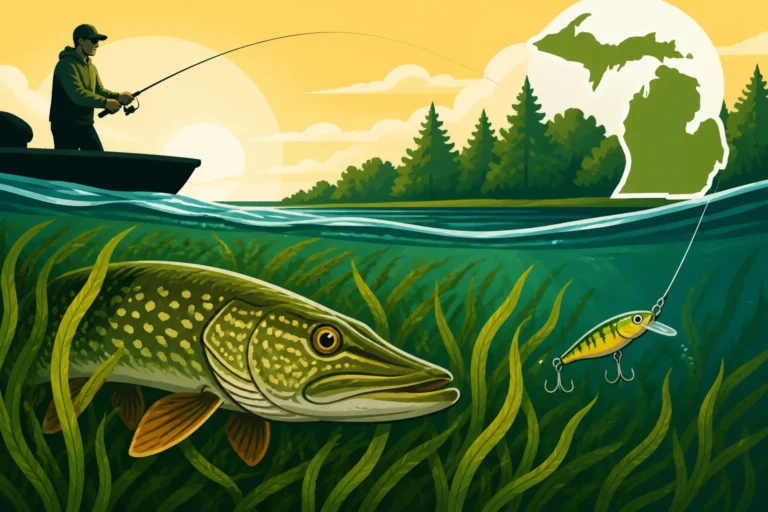
How to Fish for Northern Pike in the Spring
There’s nothing quite like the anticipation of spring in Michigan, especially if you’re an angler whose mind drifts to the toothy predators lurking in our waters. After a long winter, many of us are itching to hit the lakes and rivers, but targeting Northern Pike in the spring can feel like a bit of a puzzle. They're recovering from spawning, water temperatures are fluctuating, and figuring out where they are and what they'll hit can be a real head-scratcher. This guide is here to unravel that mystery, offering practical advice and techniques to help you consistently find and catch Northern Pike as Michigan thaws out.
Understanding Northern Pike Behavior in Spring
Spring fishing for Northern Pike isn't just about throwing out a lure and hoping for the best; it's about understanding their post-winter and post-spawn movements. These fish are creatures of habit, and those habits shift significantly as water temperatures rise. Knowing what drives them during this period is your first big step toward success.
Post-Spawn Recovery and Hunger
Think about it: after the exhausting process of spawning, Northern Pike are absolutely ravenous. They've spent a lot of energy, often in shallow, vegetated areas, and now they need to refuel. This hunger phase makes them quite aggressive and willing to strike a variety of baits. Typically, pike spawn when water temperatures are in the low to mid-40s Fahrenheit, often right after ice-out in late March or April, depending on where you are in Michigan. Once spawning is complete, usually by late April to early May, they'll often hold near the spawning grounds for a short period before spreading out a bit, always with an eye on an easy meal. This post-spawn period is a prime time for targeting them because their metabolism is kicking into high gear, and they're looking for substantial caloric intake to recover.
They're not just looking for any meal; they're looking for efficient meals. This means larger baitfish, frogs, or even smaller panfish that might be congregating in shallow areas. Don't be afraid to use bigger baits during this time. While you might think "spring" means finesse, for pike, it often means a hearty meal. They'll actively cruise weed lines and the edges of drop-offs, ambushing prey. The key is to present your offering in a way that triggers their predatory instinct, making it seem like a vulnerable and worthwhile target.
Preferred Habitats in Early Spring
As the ice melts and the sun begins to warm the shallow waters, Northern Pike will gravitate towards specific areas. Early in the spring, especially before and during the spawn, you'll find them in the shallowest bays, channels, and marshy areas with emergent vegetation. These spots offer cover, slightly warmer water, and prime spawning habitat. Think about those areas that melt out first on your local lake or river – that's where the pike are likely to be. They're seeking refuge from colder main lake currents and places where they can safely deposit their eggs.
After spawning, they don't venture too far immediately. They'll often pull back to the first available cover adjacent to these shallow spawning flats. This could be deeper weed lines, submerged logs, or transition areas where shallow water drops off into slightly deeper water. Look for pockets of warmer water, especially on the north-facing shores of lakes, which get more direct sunlight. These areas will attract baitfish, and where the baitfish go, the pike will follow. Understanding the Best Michigan Lakes for Northern Pike or even focusing on specific river sections can help narrow down your search, as different water bodies will have varying types of prime spring habitat.
Water Temperature and Pike Activity
Water temperature is arguably the most crucial factor dictating pike behavior in the spring. As winter loosens its grip, the water slowly begins to warm. Pike activity levels are directly tied to these temperature changes. During the coldest parts of early spring, just after ice-out, they can be sluggish. Their metabolism is slow, and they won't expend much energy chasing fast-moving baits. This is when a slower retrieve or a stationary dead bait presentation can be incredibly effective.
As the water temperatures climb into the mid-40s and low 50s Fahrenheit, pike become much more active and aggressive. This is often when they complete their spawning rituals and enter that aggressive feeding period. Anything above 50 degrees usually means they're on the hunt. Pay close attention to water temperature readings, either from your boat's electronics or a simple handheld thermometer. A few degrees can make a world of difference. Target areas where the water is a degree or two warmer, as these will be pike magnets. You might find pockets of warmer water near dark bottom areas, shallow bays, or where inflowing streams contribute slightly warmer water.
Essential Gear for Spring Pike Fishing
Having the right tools for the job can make all the difference, especially when you're trying to coax a hungry but sometimes finicky Northern Pike into biting. You don't need to break the bank, but investing in a few key pieces of gear tailored for pike will definitely increase your odds of success.
Rods, Reels, and Line
For Northern Pike, you want gear that can handle a powerful, thrashing fish with a mouthful of teeth. Forget your ultralight panfish setup; it simply won't cut it. A medium-heavy to heavy power spinning or baitcasting rod, typically in the 6'6" to 7'6" range, is ideal. This length gives you good casting distance for covering water and enough backbone to set hooks firmly and control a fighting fish. Look for a rod with a fast action tip to detect subtle bites but a strong blank to absorb powerful runs. Many anglers find that rods designed for bass or even Best Rod for Steelhead Fishing can cross over effectively for pike in the spring.
Pair your rod with a robust reel that has a smooth drag system. For spinning reels, a 3000-5000 size is generally appropriate. Baitcasting reels in a 200-300 size range work well. The drag is critical because pike can make explosive runs, and you want to be able to tire them out without snapping your line. As for line, braided line is a popular choice for its strength and lack of stretch, which provides excellent sensitivity. A 20-50 pound test braid is a good range. If you prefer monofilament, go with 12-20 pound test. Fluorocarbon main line can also be used, offering low visibility and good abrasion resistance, often in the 15-25 pound test range. You can find many reliable options for rods, reels, and lines on Amazon, perfect for getting set up for the season.
Leaders and Terminal Tackle
This is where many anglers targeting pike make a critical mistake: neglecting a leader. Northern Pike have incredibly sharp teeth, and they will cut through standard monofilament or fluorocarbon main line like butter. A strong leader is not optional; it's absolutely essential. There are a few good options. Heavy monofilament or fluorocarbon leaders (50-100 pound test) can work, but they still carry a risk of being cut if the fish engulfs the lure deeply.
The most reliable choice is a wire leader. You can buy pre-made wire leaders, usually 9-12 inches long, made from materials like titanium or steel. These come with swivels and snaps, making lure changes easy. Alternatively, some anglers prefer to tie their own using heavy fluorocarbon leader material, which offers a balance of stealth and abrasion resistance, though it's still not 100% bite-proof against a determined pike. For terminal tackle, use strong, sharp hooks. Many pike lures come with adequate hooks, but it's worth checking and upgrading to stronger trebles if necessary, especially if you plan on targeting larger fish. Make sure your snaps and split rings are also heavy-duty.
Lures and Baits for Spring Pike
When it comes to lures and baits, variety is key, as pike can be picky depending on the day and water conditions. However, some categories consistently produce in the spring.
Spoons: Classic metal spoons like Daredevils or Little Cleos in bright colors (red/white, five of diamonds) or natural finishes (silver, gold) are incredibly effective. Their wobbling action mimics injured baitfish, and their flash is irresistible. Sizes ranging from 3/4 oz to 1 1/2 oz are good for spring pike.
Spinnerbaits: These lures create a lot of flash and vibration, making them easy for pike to detect in murky spring waters. Single or tandem blade spinnerbaits with skirt colors in white, chartreuse, or black/blue are excellent choices. Sizes from 1/2 oz to 1 oz are typical.
Jerkbaits and Crankbaits: Suspending jerkbaits that can be twitched and paused near cover are fantastic, especially when pike are a bit sluggish. Choose models that dive to the depth of the weed lines you're fishing. Larger lipped crankbaits that dive to 5-10 feet are also effective when retrieved steadily. Natural baitfish patterns or bold firetiger colors often work well. Look for options on Amazon that explicitly mention pike or muskie for size and durability.
Soft Plastics: Large paddle tail swimbaits (4-8 inches) rigged on heavy jig heads, or soft plastic jerkbaits, can be deadly. Fish them slowly, mimicking an injured baitfish. Colors like white, chartreuse, and olive are often productive.
Live and Dead Baits: Don't overlook the power of natural baits. Large shiners, suckers, or even substantial golden shiners presented under a bobber or on a quick-strike rig can be incredibly effective, especially for larger pike that might be less inclined to chase a fast-moving lure. Dead smelt or suckers fished on the bottom or suspended slightly off structure can also entice big pike, particularly in colder water when they prefer an easy meal. For safety, always be sure you understand Michigan Fishing Regulations Every Angler Should Know regarding bait use in specific waters.
Top Techniques for Spring Pike Success
Once you have your gear sorted, it's time to put it to use. Spring pike fishing often requires a combination of casting, retrieving, and sometimes a more patient approach with natural baits. The key is adapting to the conditions and the mood of the fish.
Casting and Retrieving Strategies
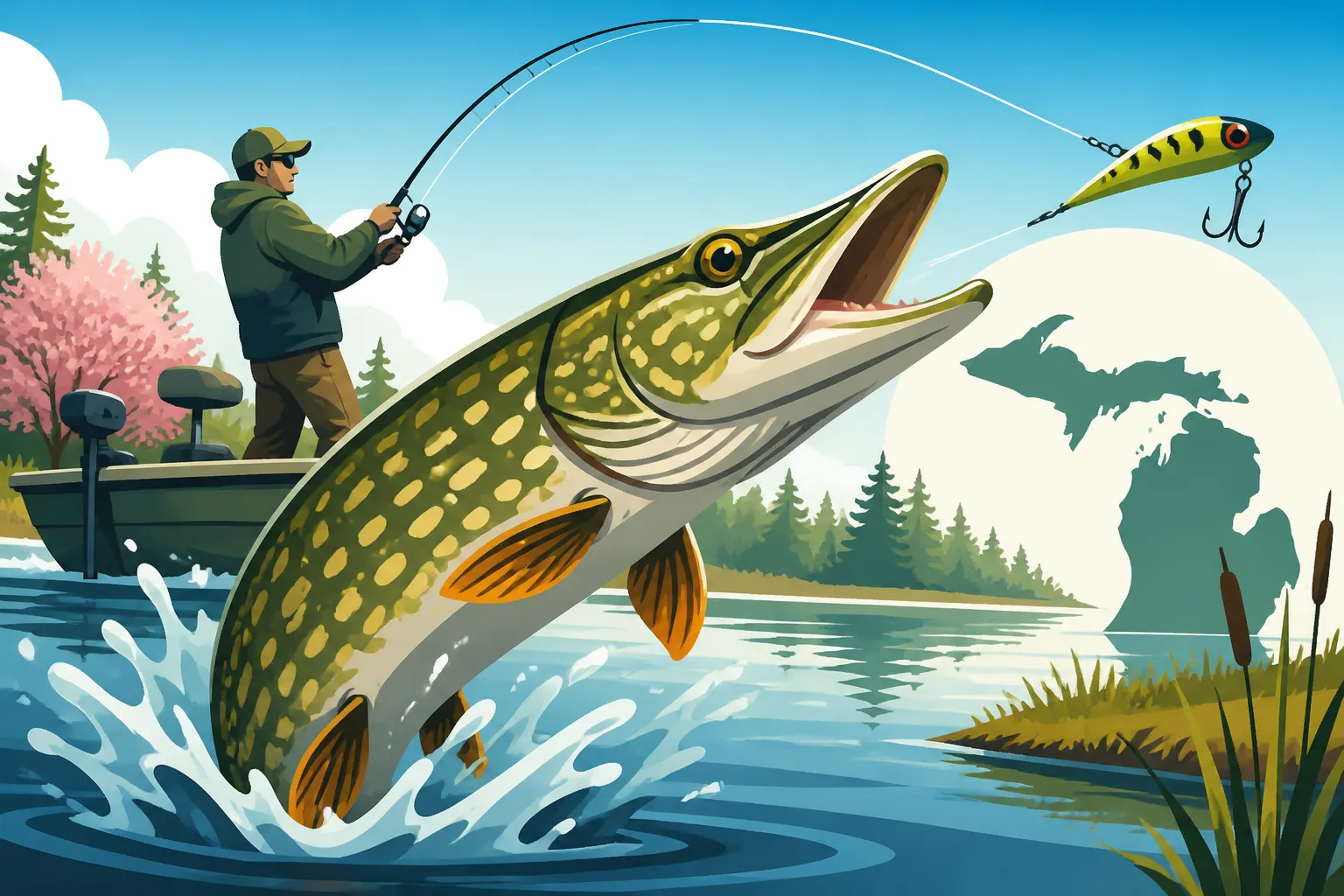
Casting and retrieving is perhaps the most common and active way to target spring pike. The general idea is to cover water, identify promising areas, and present your lure enticingly. Start by fanning casts across shallow bays, weed edges, and points. Pay close attention to any changes in depth, cover, or water temperature. For spinnerbaits and spoons, a medium-fast retrieve often works best, allowing the lure to wobble and flash without blowing out. Vary your retrieve speed and incorporate pauses or twitches to mimic an injured baitfish.
When using jerkbaits, a "twitch, twitch, pause" retrieve is incredibly effective. The pause allows the suspending jerkbait to hang tantalizingly in the pike's strike zone, often triggering a strike as the fish moves in for a closer look. Soft plastics on jig heads are best fished with a lift-and-drop or slow, steady retrieve along the bottom or just above the weeds. Remember, spring pike can be aggressive, but sometimes a slower, more deliberate presentation is what's needed, especially in colder water. Don't be afraid to experiment with retrieve speeds and patterns until you find what the fish are responding to on a given day.
Trolling for Deeper Pike
While many spring pike are caught shallow, some larger fish might be holding in slightly deeper water, especially after the initial post-spawn period. Trolling can be an excellent way to cover larger expanses of water and present lures at precise depths. This is particularly useful in larger inland lakes or on the Great Lakes where pike might be found along drop-offs, submerged humps, or near channel edges. Use deep-diving crankbaits or even spoons with planer boards to cover a wider spread.
Match your trolling speed to the lure and water temperature. Slower speeds (1.5-2.5 mph) are often best in colder water, allowing the lure to work effectively without over-stimulating sluggish fish. As the water warms, you can increase your speed slightly. Pay close attention to your fish finder to identify schooling baitfish or subtle changes in bottom structure, as these are often indicators of where pike will be lurking. Trolling allows you to put your lures directly in front of potentially inactive fish, often leading to strikes from those less willing to chase. This technique requires patience and careful monitoring of your gear, but it can pay off handsomely with bigger fish.
Live Bait and Dead Bait Presentations
Sometimes, nothing beats the appeal of natural bait, especially for those larger, more wary pike or when they're particularly lethargic. Live bait fishing with large shiners or suckers can be incredibly productive in the spring. You can fish them under a large bobber near weed edges or over submerged cover. The natural movement of the baitfish will often entice a pike that might ignore artificial lures. For best results, use a quick-strike rig, which has two treble hooks to ensure a solid hookset without deep-hooking the fish, making for easier and safer release if you're practicing catch and release.
Dead bait, such as smelt, large shiners, or chunks of suckers, can also be highly effective, particularly in colder spring waters. Pike are opportunistic feeders, and an easy meal lying on the bottom or suspended just above it is hard to pass up. You can rig dead bait on a quick-strike rig and fish it passively from shore, a dock, or anchored boat. Give the bait time to soak. Pike will often "mouth" a dead bait before fully committing, so a slight pause before setting the hook can be beneficial. Always be mindful of local regulations regarding the use of live and dead bait, as rules can vary by water body. This is crucial for ethical and legal fishing in Michigan.
Navigating Michigan's Spring Pike Regulations
Michigan has fantastic fishing opportunities, but it's essential to understand and abide by the regulations. Ignoring them can lead to hefty fines and impact future fishing privileges. Always consult the current Michigan Fishing Regulations Digest before heading out, as rules can change annually.
Understanding Season Dates and Limits
One of the great things about Northern Pike in Michigan is that they are generally open for fishing year-round on the Great Lakes, Lake St. Clair, and connecting waters like the St. Clair and Detroit Rivers. However, for inland waters, the season dates can vary. Typically, the inland pike season opens concurrently with the general fishing season, often in late April or early May, after the primary spawning period. It's really important to check the specific dates for the body of water you intend to fish. You can find detailed information in the Michigan Fishing Season Dates and Rules document.
In addition to season dates, there are specific size and daily possession limits for Northern Pike. For many inland waters, there's a minimum size limit of 24 inches and a daily possession limit of one pike. However, there are numerous exceptions for specific lakes, especially in the Upper Peninsula, where regulations might be more liberal or more restrictive to manage local populations. Always double-check the exceptions list in the regulations digest. For example, some lakes might have a 14-inch minimum, while others have no size limit but a higher daily bag. Knowing What Is the Northern Pike Size Limit in Michigan for your chosen spot is non-negotiable.
License Requirements and Catch Reporting
Before you even think about casting a line, you need to ensure you have a valid Michigan fishing license. Anyone 17 years of age and older needs a license to fish in Michigan, whether you're a resident or a nonresident. There are various types of licenses available, including annual, 24-hour, and multi-year options. The cost varies for residents and nonresidents, and there are discounts for seniors and those who are legally blind. For a full breakdown, check out the Michigan Fishing License Guide for Residents and Nonresidents or Michigan Fishing License Costs and Types Explained. You can easily purchase your license online through the Michigan DNR website or app, or from authorized retailers like many bait shops and sporting goods stores.
While there isn't typically specific catch reporting required for Northern Pike like there is for certain species such as Muskellunge, it's still good practice to be familiar with any potential changes or specific programs the DNR might implement. Always carry your fishing license with you, either a physical copy or an electronic version on your phone, as conservation officers can request to see it at any time. Adhering to these regulations helps ensure the health and sustainability of Michigan's incredible pike fishery for generations to come.
Here's a quick reference table for spring pike fishing approaches:
| Fishing Scenario | Recommended Lure/Bait | Retrieval/Presentation | Key Considerations |
|---|---|---|---|
| Early Spring (Cold Water, Post-Spawn) | Large Paddle Tail Swimbaits, Dead Bait (Smelt/Suckers), Large Shiners | Slow retrieve, Lift & drop, Soaking dead bait on bottom, Under float for live bait | Fish shallow bays, dark bottom areas. Focus on scent and slow movement. |
| Mid-Spring (Warming Water, Active Fish) | Spoons (Daredevil), Spinnerbaits, Suspending Jerkbaits, Live Bait (Shiners) | Medium retrieve, Twitch-pause, Medium-fast retrieve, Under float for live bait | Target weed edges, points, transition areas. Vary retrieve often. |
| Deeper Water / Covering Area | Deep-diving Crankbaits, Large Spoons | Trolling (1.5-3 mph), Steady retrieve | Use fish finder for structure and baitfish. Adjust depth with boat speed/lure. |
| Thick Cover / Ambush Points | Weedless Spoons, Spinnerbaits, Jig & Plastic | Cast close to cover, Steady retrieve, Jigging | Heavy line and leader. Be prepared for explosive strikes. |
Spring Northern Pike fishing in Michigan is an exciting endeavor, offering some of the best opportunities to tangle with these powerful, aggressive fish. While it can be a challenge to figure out their post-winter patterns, by understanding their behavior, equipping yourself with the right gear, and employing smart techniques, you’ll significantly boost your chances of success. So, grab your gear, check those regulations, and get out there – those Michigan pike are waiting!
Disclaimer
This article is for general informational purposes only and does not constitute professional advice. Laws, prices and regulations vary by location and change over time. Consult a qualified professional for guidance on your specific situation.