When Does Trout Season Open in Michigan
It’s a question that echoes across Michigan rivers and lakes every year: "When does trout season actually open?" For many anglers, the answer feels like a moving target, shrouded in a bit of mystery due to the different rules for inland streams versus our vast Great Lakes. This confusion is totally understandable, as Michigan’s diverse waters and abundant trout populations necessitate a layered approach to conservation and angling opportunities. Don’t fret, because this comprehensive guide is here to untangle all those regulations, making sure you know exactly when and where you can cast a line for your favorite trout.
The Dual Nature of Michigan's Trout Season
Unlike some states where a single date marks the beginning of trout fishing statewide, Michigan presents a more nuanced picture. This isn't to make things complicated just for the sake of it, but rather to best manage the incredible variety of trout habitats we have, from small, pristine brooks to the sprawling, mighty Great Lakes. Understanding this fundamental distinction is the first step to unlocking Michigan’s fantastic trout fishing.
Inland Waters: A Traditional Opening Day
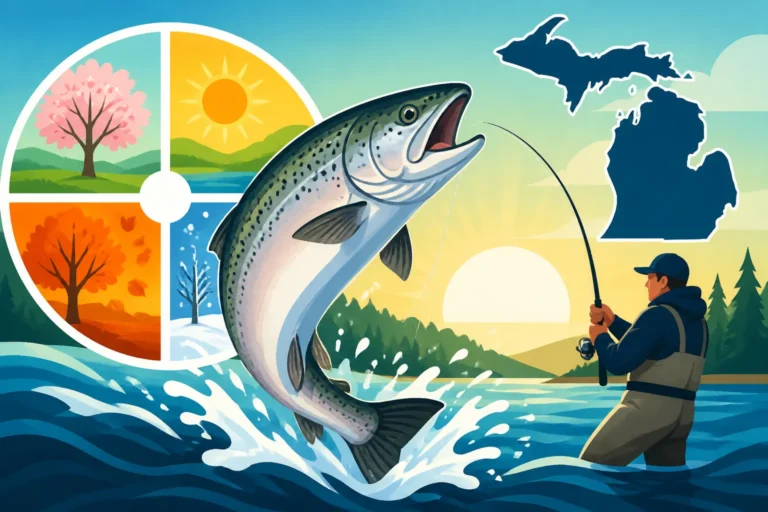
For many lifelong Michigan anglers, the phrase "trout season opener" conjures up vivid images: the crisp morning air, steam rising off a cold river, and the palpable excitement of the first cast on the last Saturday in April. This traditional opening day is deeply ingrained in our fishing culture, marking the start of a season that usually runs through September 30th on designated inland trout streams. This specific timeframe is crucial for the protection of wild trout populations, particularly during their crucial spawning periods, ensuring these beautiful fish can thrive for generations to come. It’s a conservation measure designed to balance angler enjoyment with the ecological health of our most delicate ecosystems.
Great Lakes and Their Tributaries: A Different Ballgame
Now, shift your focus to the immense expanse of the Great Lakes – Lake Michigan, Lake Huron, Lake Superior, and even the Michigan waters of Lake Erie. Here, the rules are largely different. For the most part, trout and salmon fishing on the Great Lakes themselves is open year-round. This continuous season reflects the migratory nature of these larger fish species, like lake trout, steelhead (which are sea-run rainbow trout), and various salmon, which spend much of their lives in the deep, cold waters of the lakes. However, this seemingly simple rule comes with a critical caveat: once these fish enter the rivers and streams that feed into the Great Lakes (known as "connecting waters" or "tributaries"), specific regulations often kick in, often mirroring the inland trout stream rules, especially concerning designated trout sections. It's a key distinction that catches many people off guard. You can learn more about these specific rules in our guide to Michigan's Great Lakes Fishing Regulations Guide.
Unpacking the Inland Trout Stream Opener
Let's dive deeper into those cherished inland streams and the highly anticipated opening day. If you're planning a trip to one of Michigan's renowned trout rivers, knowing the precise regulations is absolutely non-negotiable. Not only does it keep you on the right side of the law, but it also ensures you're participating in responsible angling practices that support the health of these sensitive environments.
Statewide General Season Dates for Designated Trout Waters
The cornerstone of inland trout fishing in Michigan is the general opening date: the last Saturday in April. This date applies to most streams and rivers classified as "designated trout waters" by the Michigan Department of Natural Resources (DNR). These are typically smaller, colder streams that support healthy populations of brook, brown, and rainbow trout. When that day arrives, anglers flock to rivers like the Au Sable, Manistee, and Pere Marquette, eager to test their skills after a long winter. The general season then typically concludes on September 30th. It’s important to note that while this is the general rule, Michigan's fishing landscape is complex, and always consult the official digest for specific river segments. Many anglers consider this opening to be the true start of their fishing year, a tradition passed down through families for generations.
The Role of Catch-and-Release Waters and Extended Seasons
To further protect and enhance wild trout populations, many sections of Michigan's inland trout streams are managed under special regulations, including year-round or extended catch-and-release seasons. These areas are often celebrated by purist fly anglers, as they offer the chance to fish for larger, more experienced trout without the pressure of harvest. For instance, some stretches of the Au Sable River, a true gem among Best Rivers for Trout and Steelhead in Michigan, might be designated "flies-only" or "artificial lures only" and open year-round for catch-and-release. In these special sections, you're expected to carefully release any fish you catch unharmed. It’s a wonderful opportunity to hone your skills and appreciate the beauty of the fish without worrying about bag limits. Always check the DNR digest, which clearly outlines these specific stretches and their unique rules.
Navigating Special Regulation Areas and Tackle Restrictions
Beyond catch-and-release, other special regulations can dictate what kind of tackle you're allowed to use. These rules are put in place for specific conservation goals, often to protect vulnerable populations of wild, reproducing trout. For example, some designated trout streams might be "artificial lures only," meaning no live bait is permitted. Other, even stricter regulations might limit you to "flies-only," where only artificial flies constructed from natural or synthetic materials are allowed. These restrictions are critical for reducing harm to fish, as artificial lures and flies tend to cause less deep hooking than natural baits. It's a common frustration when you're just trying to enjoy a day on the water, but these rules are there for a good reason. Before heading out, make sure your tackle box is compliant. You can dive deeper into what specific lures count as artificial in our detailed post, What Counts as an Artificial Lure Under Michigan's Trout Rules. Finding appropriate artificial lures and fly-tying materials is easy on platforms like Amazon, where a huge variety of options are available.
Great Lakes and Connecting Waters: Mostly Year-Round Action
The Great Lakes offer a different kind of trout and salmon fishing experience, characterized by vast expanses of water and migratory fish species. While the sheer size of these lakes can be intimidating, they provide incredible angling opportunities, often stretching throughout the entire calendar year.
The Continuous Season on the Big Water
On the main bodies of Lake Michigan, Lake Huron, Lake Superior, and the Michigan portion of Lake Erie, the season for trout and salmon is generally open year-round. This means that if you're trolling offshore for lake trout or chinook salmon in the middle of winter, you’re likely in compliance with the season dates (though you'll need a hearty spirit and the right gear for winter Great Lakes fishing!). This continuous season is a major draw for anglers seeking trophy-sized fish, allowing for flexibility in planning trips and targeting different species as they move through the seasons. It's a testament to the robust, albeit often stocked, populations of these magnificent fish in our greatest natural resources. You can explore more about specific target species in Michigan Trout Species Explained and Michigan Salmon Species Explained.
Tributary Exceptions and Migratory Runs
This is where the Great Lakes rules get a bit tricky for many anglers. While the lakes themselves are open year-round for trout and salmon, the rivers and streams that flow into them often revert to inland stream regulations once you move upstream beyond a designated mouth or boundary. These tributaries are vital for spawning migratory fish like steelhead and salmon. During their seasonal runs (typically spring and fall), these rivers can become teeming with fish. However, to protect these critical spawning aggregations, the DNR implements special regulations within these tributaries. These can include specific opening and closing dates for certain species, tackle restrictions, or even designated "closed" areas for spawning. It’s absolutely vital to know where these boundaries are and to respect the rules, as enforcement is often stringent during these peak migration periods. For example, understanding Michigan's Trout and Salmon Season on the Great Lakes covers how these tributary rules integrate with the overall Great Lakes season.
Key Species and Their Seasonal Influence
The year-round Great Lakes season is really a blanket term for targeting a variety of species throughout the year. For instance:
- Lake Trout: These powerful, deep-dwelling fish are often targeted year-round, particularly through ice fishing in winter or deep trolling in summer.
- Steelhead (Rainbow Trout): While present in the lakes year-round, they are primarily targeted during their famous spring and fall spawning runs up tributary rivers.
- Chinook Salmon (King Salmon): These giants are summer and fall favorites, with huge runs entering rivers in late summer and early fall.
- Coho Salmon (Silver Salmon): Similar to Chinooks, Cohos provide excellent action in the open lake during late summer and early fall, before their upstream migration.
- Brown Trout: While some resident populations exist in streams, many "seafaring" brown trout reside in the Great Lakes, growing large and powerful before making their way into tributaries.
Each of these species has peak times when they are most accessible or abundant, making the "year-round" season a dynamic and ever-changing fishery. This complexity means that while the season may be open, your success will depend heavily on targeting the right species at the right time.
Key Dates and Regional Considerations
Even with the general rules for inland and Great Lakes fishing, Michigan's sheer geographic size and varied climate mean that specific regional considerations and nuances often apply. It’s not just when the season opens, but also where you’re planning to fish that makes all the difference.
Lower Peninsula Inland Openers
As mentioned, the Lower Peninsula's designated trout streams generally open on the last Saturday in April. This date is highly anticipated by anglers, especially those targeting brook and brown trout in classic streams like the Jordan, Boardman, and various branches of the Au Sable and Manistee Rivers. Early season fishing in the Lower Peninsula can be challenging due to cold water temperatures and potentially high flows from snowmelt and spring rains, but it also offers the chance to catch actively feeding fish before they experience heavy angling pressure. Many anglers are already planning their trips and checking river conditions on their favorite local streams as early as March. If you're looking for guidance on gearing up for this, our guide on Michigan's Spring Trout Opener Techniques can be a huge help.
Upper Peninsula Inland Openers
While the official opening date for designated inland trout waters in the Upper Peninsula is also the last Saturday in April, the reality on the ground can be a bit different. The U.P. experiences a significantly longer and colder winter, meaning that many northern streams might still be iced over or running extremely high and cold well into May. Anglers in the U.P. often have to contend with these conditions, which can delay effective fishing by several weeks compared to their Lower Peninsula counterparts. However, this also means that when the season does become fishable, the fish may be less pressured and more eager to bite. It’s a testament to the rugged beauty and wildness of the U.P.'s fishing scene. Just be prepared for truly wild conditions if you head up north early in the season.
Late Season Opportunities and Closures
While the general inland trout season closes on September 30th, not all opportunities end there. In many Great Lakes tributaries, special extended seasons for steelhead or catch-and-release opportunities for resident trout might continue into the fall and even winter. For example, some rivers might offer a catch-and-release steelhead season throughout the fall and winter months, leading up to the spring run. These late-season windows are often dictated by specific river sections and species, highlighting the importance of checking the regulations digest annually. It’s crucial to know these dates, especially if you’re planning to fish later in the year. Our guide on Michigan Fishing Season Dates and Rules provides a broader overview of how all these seasons fit together.
| Water Type | General Opening Date | General Closing Date | Primary Target Species | Common Tackle Rules | Notes |
|---|---|---|---|---|---|
| Inland Trout Streams | Last Saturday in April | September 30th | Brook Trout, Brown Trout, Rainbow Trout | Varies (Bait, Lures, Flies) | Many special regulation sections with catch-and-release or tackle restrictions. |
| Great Lakes (Main Body) | Year-Round | Year-Round | Lake Trout, Chinook Salmon, Coho Salmon, Steelhead, Brown Trout | Open to most legal methods | Primarily boat fishing; no size/bag limits for certain species in specific areas (check regulations). |
| Great Lakes Tributaries | Varies by River/Section | Varies by River/Section | Steelhead, Chinook Salmon, Coho Salmon, Brown Trout, Rainbow Trout | Highly variable (often artificial lures or flies) | Regulations change frequently; check specific river sections in the digest. Often have seasonal closures. |
Note: This table provides a general overview. Always consult the current Michigan Fishing Regulations Digest for precise, up-to-date rules for your specific fishing location.
Understanding and Locating the Regulations
The single most important tool in any Michigan angler's arsenal, besides their rod and reel, is the current Michigan Fishing Regulations Digest. This document is your definitive guide to all rules, dates, limits, and special considerations. Relying on hearsay or outdated information is a sure way to find yourself in a sticky situation, and nobody wants their fishing trip ruined by a conservation officer.
The Michigan Fishing Regulations Digest: Your Bible
Seriously, consider the Michigan Fishing Regulations Digest your absolute bible for understanding everything from when does trout season open in Michigan to what counts as an artificial lure. Every year, the Michigan Department of Natural Resources (DNR) publishes a new digest, available both online on their website (usually as a PDF) and in print at most bait shops, sporting goods stores like Cabela's, and DNR customer service centers. Before your first trip of the season, or any trip to unfamiliar waters, make it a habit to obtain and thoroughly review the latest edition. It’s far more comprehensive and specific than any online forum or casual conversation can be. The digest is meticulously organized, providing detailed maps and tables for special regulation waters. For a deep dive into navigating this essential resource, be sure to check out our guide on Reading the Michigan Fishing Regulations Digest.
Key Sections for Trout Anglers
When you get your hands on the digest, don't just flip through it. Pay close attention to these critical sections:
- General Regulations: This section covers statewide rules that apply to all waters, such as possessing your Michigan Fishing License Guide for Residents and Nonresidents and general legal methods of take.
- Designated Trout Streams: This is where you'll find the nitty-gritty details for inland trout fishing. It often includes maps, tables, and specific rules for individual stream sections regarding season dates, size limits, bag limits, and tackle restrictions (e.g., "flies only," "artificial lures only").
- Great Lakes & Connecting Waters: This section outlines regulations for fishing on the Great Lakes themselves and the lower portions of their tributaries. Pay special attention to "Lake-specific Regulations" as rules can vary between Lake Michigan, Lake Huron, etc., and also between different species. For example, walleye limits on Lake Erie might be completely different than trout limits on Lake Superior.
- Special Regulations by County: Sometimes, unique rules for certain lakes or streams are listed under their respective counties. Always double-check your target area here.
Failing to read these sections thoroughly can lead to accidental violations, which can result in fines and even confiscation of gear.
Staying Current: Regulations Change Annually
A crucial point to remember is that Michigan fishing regulations can and do change every year. What was legal last season might not be this season. These changes are often driven by scientific data, conservation needs, or public input. For instance, a particular stream section might be reclassified from "general regulations" to "catch-and-release only" if a wild trout population needs extra protection. Never assume the rules are the same as last year. Make it a routine to check the current digest every spring. It might feel like a chore, but it's an essential part of being a responsible and successful angler in Michigan. We cover this topic in more detail in our article, Do Michigan Fishing Regulations Change Every Year?. Staying informed ensures you’re always compliant and helps preserve our amazing fisheries for everyone.
Planning Your Perfect Trout Fishing Trip
Knowing when does trout season open in Michigan is just the first step. To truly make the most of your angling adventures, a little foresight and preparation go a long way. Michigan offers such a diverse array of trout fishing experiences, from remote wilderness streams to easily accessible urban rivers, that thoughtful planning can elevate your trip from good to unforgettable.
Pre-Season Scouting and Preparation
Once you’ve confirmed the opening dates for your chosen waters, pre-season scouting can significantly increase your success. This doesn't necessarily mean hitting the water before the season opens (which would be illegal on most inland trout streams!). Instead, it involves reviewing maps, checking online forums for local conditions, and ensuring your gear is in tip-top shape. During the pre-season, many anglers will spend time tying new flies, sharpening hooks, and repairing waders. For those who enjoy fly fishing, this is a prime time to stock up on materials or new patterns. You can find an excellent selection of fly-tying supplies and pre-tied flies on Amazon, ensuring you’re ready for whatever hatches the trout might be feasting on. Also, check river gauge reports for your chosen streams to understand typical water levels and clarity for that time of year, helping you anticipate conditions on opening day.
Essential Gear for Michigan Trout Anglers
Having the right gear is paramount for a comfortable and successful trout fishing experience. Your setup will vary depending on whether you're fly fishing a small stream or casting spinners on a larger river, but some essentials are universal:
- Fishing License: Always, always carry your valid Michigan Fishing License Costs and Types Explained. It's the law.
- Rod and Reel: A light to medium-light spinning rod (5-7 feet) with a matching reel spooled with 4-8 lb test line is versatile for most inland streams. For fly anglers, a 3-5 weight fly rod is ideal for smaller trout streams, while a 6-8 weight might be preferred for larger rivers or targeting steelhead.
- Waders and Boots: Especially for river fishing, good quality waders (neoprene for colder weather, breathable for warmer) and sturdy wading boots with felt or rubber soles are essential for staying dry and safe. You can find highly-rated brands and various styles of waders and boots on Amazon.
- Tackle Box/Vest: Stocked with a variety of lures, flies, bait, weights, bobbers, and extra line. Always have a pair of forceps or pliers for hook removal.
- Net: A small, soft-mesh landing net helps to safely land and release fish, minimizing stress and injury.
- Safety Gear: A first-aid kit, a whistle, and a knife are always good to have. If you're going into remote areas, consider a GPS device or satellite communication device.
Remember, Michigan weather can be unpredictable, especially in spring. Dress in layers, and bring rain gear, even if the forecast looks clear.
Respecting the Resource and Other Anglers
Finally, a responsible angler is a considerate angler. With the popularity of Michigan’s trout streams, especially on opening day and during peak seasons, it’s inevitable you’ll encounter other people. Practicing good etiquette and respecting the environment are crucial for ensuring everyone has a positive experience and that our fisheries remain healthy.
- Leave No Trace: Pack out everything you pack in, and perhaps even pick up any trash you find.
- Wade Smart: Be mindful of where you wade. Avoid disturbing spawning redds (nests of fish eggs) and try not to spook fish or kick up excessive sediment.
- Give Space: Give other anglers plenty of room. Don't crowd someone's fishing spot. If you want to pass someone on the river, do so quietly and on the bank, not through their fishing water. A simple nod or polite "mind if I pass?" goes a long way.
- Practice Catch and Release: If you're not planning to keep your catch or are fishing in a designated catch-and-release area, handle fish gently, keep them in the water as much as possible, and use barbless hooks to minimize harm.
By following these guidelines and understanding when does trout season open in Michigan, you're not just going fishing; you're becoming part of a community that values conservation, courtesy, and the thrill of the chase.
Disclaimer
Please note that fishing regulations can change. While every effort has been made to provide accurate and up-to-date information, it is the angler's responsibility to consult the current Michigan Fishing Regulations Digest published by the Michigan Department of Natural Resources (DNR) before fishing. This guide is for informational purposes only and does not constitute legal advice.