How to Jig for Walleye in Michigan
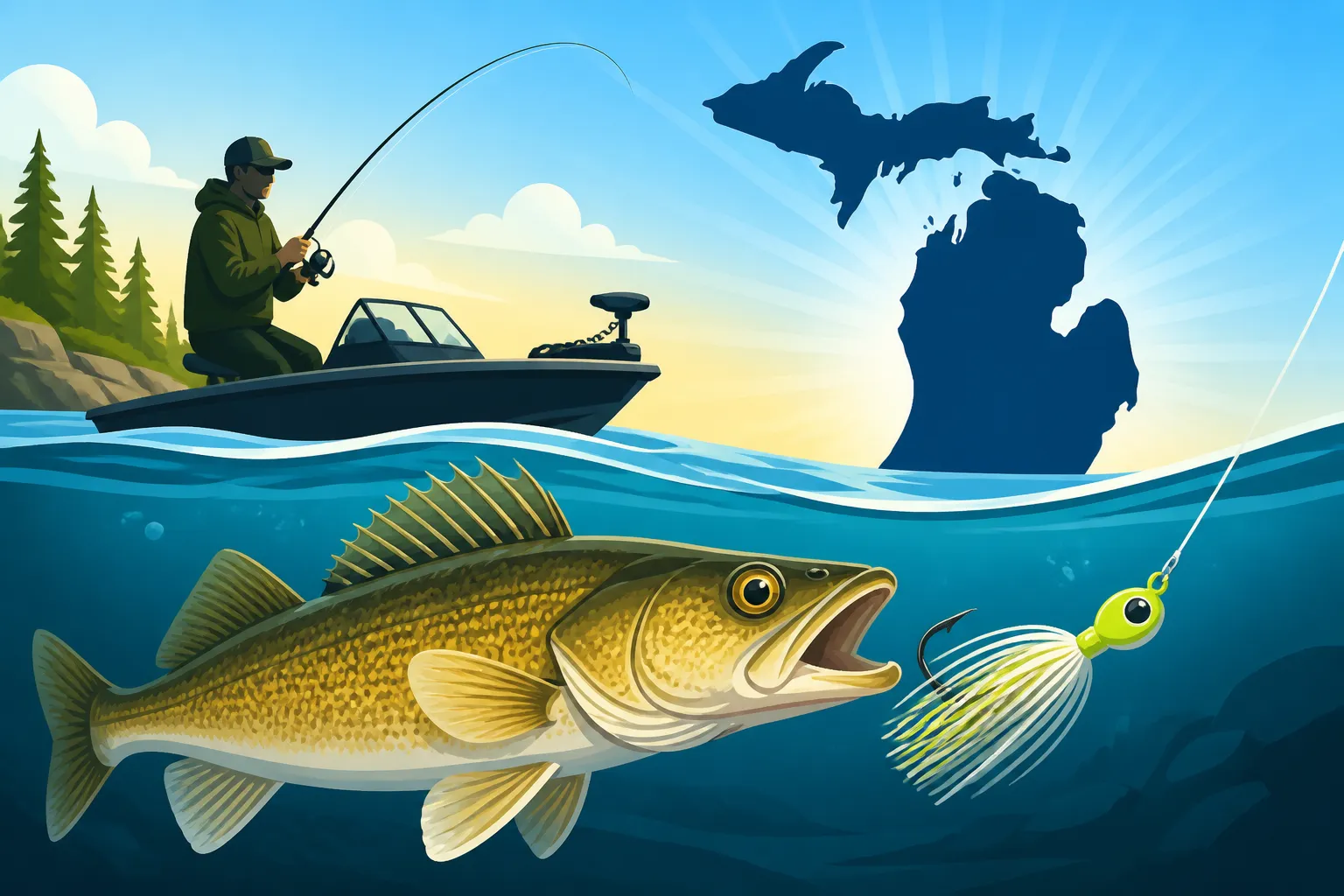
There's nothing quite like the thrill of feeling that distinct "thump" on your line, signaling a hungry walleye has found your jig. For many anglers in Michigan, cracking the code to consistent walleye jigging can feel like an endless quest, fraught with frustration when the bite just isn't there. This comprehensive guide is here to demystify the art of jigging for walleye in Michigan, breaking down everything from their elusive behavior to the precise techniques that will put more of these sought-after fish in your cooler.
Understanding Walleye Behavior for Jigging Success in Michigan
Before you even think about tying on a jig, you've got to think like a walleye. These fish are masters of their environment, and understanding their habits, movements, and preferences is the secret sauce to consistent success. In Michigan, with our vast network of Great Lakes, inland lakes, and rivers, walleye behavior can vary wildly, making local knowledge and adaptability incredibly important.
Seasonal Movements and Preferred Habitats
Walleye are constantly on the move, driven by water temperature, available forage, and spawning urges. Knowing where they are at different times of the year is half the battle.
During the spring, as water temperatures rise into the 40s and 50s Fahrenheit, walleye move into shallower areas to spawn. This means rivers, shallow flats, and rocky shorelines become prime territory. Places like the Detroit River and Saginaw Bay on Lake Huron are legendary for their spring walleye runs. After spawning, they might linger in these areas for a bit, feeding aggressively to recover, before dispersing to deeper haunts. You'll often find them relating to current breaks in rivers or the edges of flats in lakes, ambushing unsuspecting baitfish.
As summer progresses and water temperatures climb, walleye typically move deeper to find cooler, more oxygenated water. They'll often school up on structure—think deep weed lines, rock piles, humps, sharp breaks, and even submerged timber. If you're on a large inland lake like Houghton Lake or Higgins Lake, targeting these deeper structures can be incredibly productive. On the Great Lakes, they might be found anywhere from 15 to 40 feet deep, often suspended over bait schools or clinging to bottom structure.
When fall arrives, and water temperatures begin to drop again, walleye make another push into shallower waters, often mirroring their spring movements. They feed heavily in preparation for winter, making this a fantastic time to jig. Look for them on points, reefs, and flats adjacent to deeper water. This is when some of the biggest fish of the year can be caught, as they're actively gorging themselves.
In winter, especially during ice fishing season, walleye activity can slow down, but they're still catchable. They tend to hold tight to bottom structure in deeper basins, often near sharp breaks or humps. Ice anglers often find success jigging right on the bottom or a foot or two above it, in some of Michigan's Best Ice Fishing Lakes.
Prime Times for Jigging Walleye
Walleye are famously crepuscular, meaning they are most active during dawn and dusk. This low-light preference is largely due to their superior eyesight, which gives them an advantage over their prey in dimmer conditions.
Early Morning and Late Evening: These are hands down the most productive times to jig for walleye. As the sun rises or sets, walleye move from their deeper holding areas to shallower feeding grounds, or vice-versa. The edges of flats, drop-offs, and river channels are hotspots during these periods. Don't be afraid to fish an hour before sunrise and an hour after sunset; these windows can be magical.
Night Fishing: For those willing to brave the dark, night fishing for walleye can be incredibly rewarding, particularly in clear water lakes where walleye are even more light-sensitive during the day. Jigs tipped with live bait or glow-in-the-dark plastics can be deadly under the cloak of darkness. To learn more about this exciting pursuit, check out our guide on How to Catch Walleye at Night in Michigan. You'll often find walleye pushing into much shallower water at night, sometimes just a few feet deep, especially on full moon nights or when there's an overcast sky.
Overcast Days and Choppy Water: Don't let a cloudy, breezy day deter you. These conditions often mean lower light penetration and disturbed water surfaces, which can make walleye more comfortable and aggressive during daylight hours. The chop on the water can also break up light, scattering it in a way that further benefits their vision. Sometimes, the nastier the weather (within safe limits, of course!), the better the walleye bite.
Reading the Water: Structure and Current
Walleye are highly structure-oriented fish. They love edges, breaks, and anything that offers them cover or a natural ambush point. Your ability to identify and target these features will directly impact your success.
Lake Structure: In lakes, focus on contours and transitions. This includes weed lines (especially the deeper, outside edges), rock piles, submerged humps, points extending into deeper water, and sudden drop-offs. A good topographical map or a reliable fish finder is invaluable here. Walleye will often sit on the deep side of a break, looking up into shallower water for baitfish, or positioned right on top of a hump waiting for an easy meal.
River Structure: Rivers present their own unique challenges and opportunities. Walleye in rivers will use current breaks, eddies, log jams, bridge pilings, and the deeper sections of channels. They're trying to conserve energy while staying close to food sources. Look for the seams where fast water meets slow water; walleye will often hold in the slower current, darting into the faster flow to snatch passing prey. The Detroit River, for instance, is a prime example where understanding current and subtle bottom changes is key to success.
Bottom Composition: Pay attention to what's on the bottom. Walleye often prefer hard bottom areas like gravel, rock, or sand, especially during spawning season or when foraging for crawfish and gobies. Soft, mucky bottoms are generally less productive, though they might hold baitfish that walleye are pursuing. Your jig can tell you a lot about the bottom; a distinct tap-tap-tap as it bounces indicates a hard bottom, while a dull thud or a feeling of "mush" suggests soft sediment.
Essential Gear and Tackle for Effective Walleye Jigging
You can have all the knowledge in the world about walleye behavior, but without the right tools, you'll still struggle. Jigging for walleye requires a specific setup designed for sensitivity, control, and the ability to detect those subtle bites. Don't skimp on quality here; a cheap rod or line can be the difference between catching a trophy and going home empty-handed.
Rod, Reel, and Line Selection
The foundation of any good jigging setup is the right rod, reel, and line. These components work together to transmit the feel of your jig and the lightest of bites.
Rods: For walleye jigging, sensitivity is paramount. A fast or extra-fast action spinning rod, typically 6'6" to 7'6" in length, with a medium-light to medium power, is ideal. The fast action means the tip bends easily, allowing you to feel subtle bumps, but the backbone remains stiff, giving you the power to set the hook firmly and fight a strong fish. Brands like St. Croix, Fenwick, and Shimano offer excellent options. If you're going for a more budget-friendly setup, you can still find good sensitivity on platforms like Amazon. For river jigging, where you might be casting a bit further or need to quickly move fish away from structure, a slightly longer rod (7' to 7'6") can be beneficial. For vertical jigging directly below the boat, a shorter rod (6' to 6'6") offers more precise control.
Reels: Pair your sensitive rod with a high-quality spinning reel in the 1000 to 2500 series. Smooth drag, light weight, and a precise retrieve are key. Brands like Shimano, Daiwa, and Penn are popular choices among serious walleye anglers. Ensure your reel balances well with your chosen rod, as an unbalanced setup will lead to fatigue and reduced sensitivity. A good reel will provide consistent line lay, preventing frustrating tangles and ensuring a smooth casting experience.
Line: This is often where anglers make a critical mistake. For maximum sensitivity and hook-setting power, braided line is the way to go for your main line. A 8-15 pound test braid is usually sufficient, with 10-pound being a sweet spot for most applications. Braid has almost no stretch, so every tick, tap, or change in bottom composition is transmitted directly to your rod hand. Because braid is visible in clear water and walleye have excellent eyesight, you'll need a fluorocarbon leader. A 6-10 pound test fluorocarbon leader, 2-4 feet long, is a good starting point. Fluorocarbon is nearly invisible underwater and is more abrasion-resistant than mono, which is helpful around rocky structure. Connect your braid to your fluorocarbon leader using a strong knot like an FG knot or an Albright knot.
| Component | Recommendation | Key Features |
|---|---|---|
| Rod | 6'6" – 7'6" Medium-Light to Medium Power Spinning Rod | Fast/Extra-Fast Action for sensitivity, strong backbone for hooksets. |
| Reel | 1000 – 2500 Series Spinning Reel | Smooth drag, lightweight, precise retrieve. |
| Main Line | 8-15 lb Braided Line | Zero stretch for maximum sensitivity, small diameter for casting. |
| Leader | 6-10 lb Fluorocarbon (2-4 ft) | Nearly invisible, abrasion-resistant. |
The Art of Jig Selection: Weight, Color, and Style
Jigs are the heart of walleye jigging. The right jig, presented correctly, can make all the difference. Michigan's diverse waters demand a varied tackle box.
Jig Weight: This is perhaps the most critical factor. Your jig needs to be heavy enough to reach the bottom quickly and stay there, but light enough to present naturally and allow you to feel bites. Rule of thumb: use the lightest jig you can get away with while still maintaining bottom contact.
- 1/16 to 1/8 oz: Ideal for shallow water (under 10 feet), minimal current, or very light bites.
- 1/4 oz: The "bread and butter" walleye jig. Excellent for 10-25 feet of water and moderate current.
- 3/8 to 1/2 oz: For deeper water (25-40+ feet), stronger currents (like the Detroit River), or windy conditions when you need to maintain control.
- 3/4 oz and up: Used in extreme depths or very strong currents, often in larger Great Lakes systems.
Jig Color: While anglers often obsess over color, walleye can be finicky. Have a variety on hand.
- Natural Colors: White, black, brown, green pumpkin, and pearl are staples that mimic baitfish or crayfish.
- Bright/Visibility Colors: Chartreuse, orange, pink, and glow-in-the-dark colors are excellent in stained or murky water, low light conditions, or when walleye are aggressive. For more on this, check out our insights on the Best Jig Color for Michigan Walleye.
- Combinations: Often, a jig head of one color with a soft plastic trailer of another, contrasting color, can be very effective.
Jig Style: There's a myriad of jig styles, each with its own action.
- Round Head Jigs: The most common and versatile. They fall naturally and present well with live bait or plastics.
- Erie Jigs (Stand-up Jigs): Designed to stand up on the bottom, presenting the bait vertically. Great for slower presentations.
- Bullet/Banana Jigs: Cut through current efficiently and can be good for vertical jigging in rivers.
- Paddle Tail Jigs: Often used without additional bait, the paddle tail creates a thumping action that attracts fish. Brands like Rapala (with their VMC line of jigs) and Northland Tackle offer excellent options readily available on Amazon.
Live Bait and Soft Plastic Additions
While the jig itself is crucial, what you put on it often seals the deal. Tipping your jig adds scent, bulk, and a lifelike appearance that walleye can't resist.
Live Bait: This is a classic for a reason.
- Minnows: Live minnows like shiners, fatheads, or emerald shiners (where legal) are deadly. Hook them lightly through the lips or just behind the dorsal fin to keep them lively. A 2-3 inch minnow is a good all-around size.
- Crawlers (Nightcrawlers): Half a nightcrawler threaded onto a jig can be irresistible, especially in warmer water. The scent trail it leaves is a huge draw. For spring walleye, specifically, live bait can be a game-changer. Our guide on Best Live Bait for Michigan Walleye in Spring dives deeper into this topic.
- Leeches: Similar to crawlers, leeches offer a natural presentation and a lot of enticing movement. They're particularly tough and can withstand multiple strikes.
Soft Plastics: These have come a long way and often outfish live bait in certain situations, offering durability and versatility.
- Paddle Tails/Grubs: These create vibration and movement that can mimic baitfish. Sizes from 2.5 to 4 inches are common.
- Minnow Imitations: Soft plastic baits designed to look exactly like minnows, often with realistic eyes and finishes.
- Worms/Finesse Baits: Smaller, subtler plastics are great for pressured fish or when the bite is tough.
- Scented Plastics: Many brands infuse their plastics with fish attractants, adding another layer of appeal. Berkley Gulp! and Z-Man are popular choices for durable, scented soft plastics that can be found at most tackle shops and on Amazon.
Mastering Jigging Techniques for Michigan Walleye
Once you've got your gear dialed in, it's time to learn how to present your jig effectively. Jigging isn't just about dropping a lure in the water; it's about subtle movements, feeling the bottom, and understanding how to entice a strike. The right technique, at the right time, can turn a slow day into a memorable one.
Vertical Jigging: The Classic Approach
Vertical jigging is probably the most common and effective technique for walleye, especially when fishing directly below the boat or through the ice. It's about precision and staying on top of the fish.
Positioning is Key: Whether you're in a boat or on the ice, you need to position yourself directly over the fish or the structure you're targeting. For boat anglers, this often means using your trolling motor to slowly drift or "spot lock" over a hot spot. When ice fishing, drill your holes strategically along breaks or over humps.
The Drop and Bounce: Drop your jig straight down until it hits the bottom. You should feel a distinct "thud" or see your line slacken. Once on the bottom, reel up the slack until your line is taut, with just enough tension to feel the jig's weight. Now, the jigging begins:
- Lift: Lift your rod tip sharply, anywhere from 6 inches to 2 feet, to pull the jig off the bottom.
- Fall: Immediately drop your rod tip back down, allowing the jig to fall naturally on a semi-slack line. This is the crucial part where most bites occur. The walleye often strikes as the jig flutters or spirals back down.
- Pause: After the fall, let the jig sit on the bottom for 1-5 seconds. This pause can be incredibly effective, giving a curious walleye time to inspect and commit to the bait. Many times, the "thump" will happen right after the jig hits bottom or during this pause.
Experiment with Cadence: There's no single "right" retrieve. Walleye can be incredibly finicky about how they want the bait presented. Experiment with:
- Lift Height: Short, subtle lifts vs. aggressive, high lifts.
- Fall Speed: Letting it free-fall vs. controlling the fall with your reel.
- Pause Duration: Quick taps vs. long, enticing rests.
- Shake and Wiggle: Sometimes a subtle shake of the rod tip while the jig is on the bottom can trigger a strike.
Snap Jigging and Dragging: Dynamic Presentations
While vertical jigging is a staple, sometimes you need a more aggressive or covering presentation. Snap jigging and dragging are excellent ways to do just that, especially when fish are scattered or actively feeding.
Snap Jigging: This technique is all about creating erratic, sudden movements that mimic a fleeing baitfish. It's often highly effective in river systems with current or when walleye are chasing.
- Cast: Make a cast upcurrent or out from the boat, allowing the jig to sink to the bottom.
- Slack and Snap: Reel in the slack until you have a direct connection to your jig. Then, give a sharp, upward snap of your rod tip (often 2-3 feet).
- Fall and Follow: Immediately drop your rod tip, following the jig as it falls back towards the bottom on a controlled slack line.
- Feel for the Bite: The walleye often hits on the fall or as the jig settles. Pay close attention to any changes in line tension or subtle taps.
- Repeat: As the jig drifts or you slowly retrieve, repeat the snap-and-fall motion, covering water and enticing strikes. This technique is particularly effective with jig-minnow combinations or soft plastics that have a lot of tail action.
Dragging Jigs: This is a slower, more methodical approach, perfect for covering expansive flats or when walleye are lethargic and less willing to chase. It's often used from a boat moving slowly with a trolling motor or a controlled drift.
- Bottom Contact: Cast your jig out and let it sink to the bottom.
- Slow Retrieve/Drift: Maintain just enough line out so that your jig is continually dragging or lightly bouncing along the bottom. You're not actively lifting and dropping as much as you are pulling it along.
- Rod Position: Keep your rod tip low, almost parallel to the water, which allows you to feel the bottom more effectively.
- Subtle Wiggles: Occasionally, give a very subtle shake or a short, gentle sweep of the rod tip to lift the jig a few inches off the bottom before letting it settle back down.
- Feel for Resistance: Bites often feel like increased weight, a spongy feeling, or a very light tick. Set the hook immediately. Dragging jigs works wonderfully with live bait like a full nightcrawler or a large minnow, letting the bait do most of the work enticing the fish.
Interpreting Bites and Setting the Hook
Detecting a walleye bite can be one of the most challenging aspects of jigging. Unlike aggressive bass strikes, walleye bites are often incredibly subtle – sometimes just a light tap, a spongy feeling, or even just your line going slack when it should be taut. This is where your sensitive rod and braided line really earn their keep.
The "Thump" or "Tick": This is the classic walleye bite. You'll feel a distinct, sharp "thump" or "tick" as the walleye inhales the jig. This is your cue to set the hook immediately.
The "Mush" or "Spongy" Feeling: Sometimes, it feels like your jig has just snagged a clump of weeds, or the weight on your line suddenly feels heavy or "mushy." This is often a walleye that has picked up your jig and is just sitting there. Don't hesitate – set the hook! When fishing the soft mud bottoms of Saginaw Bay, this can be a very common bite.
Line Slack or Movement: Watch your line closely, especially where it enters the water. If your line suddenly goes slack when it should be falling, or if it twitches or moves sideways, a walleye might have eaten your jig on the fall. Again, set the hook!
Setting the Hook: When you feel a bite, don't just gently pull. You need a quick, firm, upward sweep of the rod tip to drive the hook home. Remember, walleye have bony mouths, and a weak hookset can mean a lost fish. Because you're using braided line with no stretch, a sharp, responsive hookset is crucial. Don't rear back like you're trying to cast to the moon; a strong, controlled sweep is all that's needed.
Maximizing Your Catch: Advanced Tips and Troubleshooting
Even with the best gear and techniques, walleye fishing can still throw you curveballs. Being able to adapt and troubleshoot on the water is what separates good anglers from truly great ones. Let's look at some ways to refine your approach and ensure a safer, more compliant fishing experience.
Incorporating Electronics: Fish Finders and Mapping
In today's world, fishing without electronics is like trying to navigate Michigan without a map. Modern fish finders and GPS units are invaluable tools for locating walleye and presenting your jigs effectively.
Fish Finders (Sonar): Your fish finder is your underwater eyes. Learn to interpret what it's telling you.
- Arches: Classic arches often indicate fish. Larger, stronger arches closer to the bottom are prime walleye targets.
- Bottom Contour: Identify humps, drop-offs, submerged channels, and rock piles. Walleye will relate to these structures.
- Bait Balls: If you see schools of baitfish, walleye are likely nearby, often positioned below or around them, waiting to ambush.
- Thermocline: In summer, your sonar can often show the thermocline (the layer where water temperature changes rapidly), which is often where walleye will suspend.
Brands like Lowrance, Humminbird, and Garmin offer excellent units with features like Side Imaging and Down Imaging, which give you incredibly detailed views of the bottom and surrounding structure. Using these tools to mark waypoints on productive spots allows you to return to them precisely, enhancing your Best Time to Fish Saginaw Bay for Walleye efforts dramatically. You can find many robust fish finders available on Amazon with competitive pricing.
GPS and Mapping: Modern units combine sonar with highly detailed GPS mapping, showing you depth contours, navigation aids, and even previously marked waypoints. This is essential for:
- Precise Positioning: Getting back to that specific rock pile or humps that produced fish last week.
- Drift Management: Planning your drift path to cover productive structure.
- Safety: Navigating safely, especially in large bodies of water like the Great Lakes.
Adapting to Conditions: Wind, Clarity, and Depth
Walleye are highly susceptible to environmental factors. Being able to adjust your strategy based on conditions is a hallmark of an experienced angler.
Wind: Wind is both a blessing and a curse.
- Blessing: A good chop on the water can break up light, making walleye more active during the day. It also creates current and concentrates baitfish.
- Curse: Too much wind makes boat control difficult and can make feeling subtle bites nearly impossible.
- Adaptation: On windy days, try to drift with the wind, using a drift sock to slow your progress if needed. Use heavier jigs to maintain bottom contact, or seek out sheltered bays and shorelines where the wind's effect is less severe. You might also consider adjusting your presentation, switching to more aggressive jigging or even trolling to cover water.
Water Clarity:
- Clear Water: Walleye will be more skittish and visible. Use lighter lines, more natural jig colors (whites, greens, blacks), and fish during low-light conditions (dawn, dusk, night) or deeper water. A slower, more subtle jigging retrieve is often best.
- Stained/Murky Water: Walleye are more confident and less sight-dependent. Use brighter jig colors (chartreuse, orange, glow), increase scent with live bait or scented plastics, and use more aggressive presentations to draw attention. The walleye in the Detroit River, for example, are often found in turbid waters, so bright colors are common.
Depth: Always be aware of the depth you're fishing and adjust your jig weight accordingly. If you're not consistently hitting the bottom, or if your line is bowing too much in current, go heavier. If you're constantly snagging, or your presentation looks unnatural, go lighter. Remember the adage: "Fish where the fish are, with what they want." And what they want often changes with depth.
Safety and Regulations for Michigan Walleye Anglers
Michigan is an incredible state for walleye fishing, but it's crucial to be a responsible angler. This means adhering to all regulations and prioritizing safety on the water.
Michigan Fishing Regulations: Before you even cast a line, make sure you understand the current Michigan fishing regulations. These rules govern everything from license requirements to specific daily limits and minimum size limits.
- Licenses: You will absolutely need a valid Michigan fishing license. You can purchase these online through the DNR website, on the Michigan DNR Hunt Fish App, or from authorized retailers. Our guide, Michigan Fishing License Guide for Residents and Nonresidents, can help clarify requirements.
- Daily and Possession Limits: Walleye have specific daily possession limits that vary by water body and season. For instance, the general Michigan Walleye Daily Possession Limit is five fish, but there can be specific exceptions. It's imperative to consult the latest Michigan Fishing Guide, available as a PDF on the DNR website, or in print at tackle shops.
- Size Limits: There are also specific minimum size limits for walleye, and sometimes slot limits (where fish within a certain size range must be released). Make sure you know these numbers for the water you're fishing. For instance, most inland waters have a 15-inch minimum size limit. Our detailed guide on Michigan Walleye Size and Bag Limits provides all the necessary specifics.
- Great Lakes Specifics: If you're jigging on the Great Lakes, be aware that some regulations can differ from inland waters. Always check the Great Lakes section of the fishing guide.
Boating Safety: If you're fishing from a boat, safety is paramount.
- Life Jackets: Ensure you have enough US Coast Guard-approved life jackets for everyone on board, and wear them, especially in cold water or rough conditions.
- Weather: Always check the weather forecast before heading out. Michigan's weather, especially on the Great Lakes, can change rapidly.
- Navigation Equipment: Have reliable navigation equipment, a marine radio (for Great Lakes), and tell someone where you're going and when you expect to return.
- Ethanol-Free Fuel: Many Michigan marinas offer ethanol-free fuel, which is better for marine engines and can prevent common engine problems. This is especially important for smaller outboards often used on fishing boats.
By combining an understanding of walleye behavior, selecting the right gear, mastering your jigging techniques, and adhering to safety and regulations, you'll be well on your way to consistent success and many memorable days on Michigan's incredible walleye waters.
Disclaimer
Please remember that fishing regulations, conditions, and fish behavior can change. Always consult the latest Michigan Department of Natural Resources (DNR) fishing guide for the most up-to-date rules and regulations before heading out on the water. Your safety is your responsibility.