How Many Eggs Does a Steelhead Lay
Many Michigan anglers are fascinated by the incredible journey of steelhead, those majestic migratory rainbow trout, from the Great Lakes into our rivers to spawn. Understanding their reproductive biology, especially the sheer number of eggs they lay, is key to appreciating their resilience and the conservation efforts that support them. This comprehensive guide will explore the average egg production of Michigan steelhead, the critical factors influencing it, and the intricate process of their spawning ritual, offering a deeper insight into these remarkable fish.
The Steelhead's Reproductive Journey in Michigan
Steelhead are truly unique among trout species found in Michigan. Unlike their resident rainbow trout cousins who spend their entire lives in rivers, steelhead embark on a remarkable anadromous migration. They spend most of their adult lives growing large in the vast expanse of the Great Lakes, packing on size and strength, before returning to the rivers of their birth (or stocking) to spawn. This cycle, which can see them return to spawn multiple times over several years, sets them apart and directly impacts their reproductive potential. It's an incredible feat of nature, and one that makes these fish such a prized catch and a wonder to observe.
The journey itself is arduous, typically beginning in the fall and continuing through late winter and into spring. During this time, the fish navigate complex river systems, often facing obstacles and predators, all while developing their eggs (or milt for males). The timing of these runs is crucial, influenced heavily by water temperature and flow. Michigan Steelhead Run Timing can vary significantly from river to river, and even week to week. You might find some early "fall-run" steelhead moving into rivers like the Manistee or Muskegon in October, while others, the "winter-run" fish, patiently wait until late winter or early spring before making their move. Fall Steelhead Run in Michigan Rivers and Winter Steelhead Run in Michigan Rivers each offer unique challenges and opportunities for anglers and showcase the diverse patterns of these fish.
Once in the spawning grounds, usually gravelly riffles, the females are ready to contribute to the next generation. It’s a testament to their strength and instinct that they undertake this journey year after year, sometimes for several seasons, if they survive the rigors of spawning and return to the lake. This ability to "repeat spawn" is a significant factor in the overall reproductive output of a steelhead population. This multi-year spawning capability differentiates them from Pacific salmon species, which typically die after a single spawning event, giving steelhead a distinct advantage in propagating their species over time.
Factors Influencing Egg Production in Michigan Steelhead
When we talk about "how many eggs does a steelhead lay," it's not a single, fixed number. It's a dynamic range influenced by several key biological and environmental factors. These factors can vary widely even within the same river system or year, making a precise average challenging but offering a range for understanding. It's a complex equation where many variables contribute to the ultimate reproductive success of a single hen.
Size and Age of the Female
This is arguably the most significant factor. Larger, older female steelhead generally produce more eggs than smaller, younger ones. A robust, well-fed female that has spent several years in the Great Lakes accumulating energy reserves will have a much higher egg count. Imagine a young female, perhaps only a "skipper" or "half-pounder," returning to spawn for the first time; she might lay a few thousand eggs. Compare that to a massive, multi-year spawning hen that has spent four or five seasons in Lake Michigan, growing to an impressive size—she could easily carry tens of thousands of eggs. This is why preserving larger, mature fish is so important for the overall health of the fishery. Their contribution to the gene pool and sheer number of eggs is invaluable, providing a strong foundation for future generations.
Nutritional Health and Lake Conditions
The quality of life a steelhead experiences in the Great Lakes directly impacts its reproductive fitness. Abundant food sources, like alewives or smelt, allow steelhead to grow quickly and build up the fat reserves necessary for egg development and the energy-intensive spawning migration. If lake conditions are poor, with sparse food or high disease rates, female steelhead may be smaller or produce fewer, less viable eggs. A healthy Great Lakes ecosystem is therefore paramount for strong steelhead runs in the rivers. Anglers often discuss how the 'condition' of the fish coming into the rivers can vary season to season, and this is directly linked to their foraging success in the lake. You can often tell a healthy fish by its vibrant color and plump belly, indicating it has fed well in the lake.
Genetics and Stocking Origin
While Michigan's steelhead are all rainbow trout (Oncorhynchus mykiss), different strains exist, some wild-spawned and some hatchery-raised. Hatchery fish, often of a specific genetic lineage, might have different inherent egg production characteristics than truly wild, naturally reproducing steelhead. The Michigan DNR does a tremendous job managing these populations, and understanding the genetics of the various strains helps predict and manage reproductive output. For example, some strains might be bred for faster growth, which could indirectly lead to earlier or larger egg production. Does the DNR Stock Trout in Michigan Rivers? is a crucial aspect of this management, as stocking efforts aim to supplement natural reproduction and maintain fishable populations, especially in systems where natural recruitment might be limited.
Environmental Stressors and River Conditions
The journey upriver is no walk in the park. Factors like extreme water temperatures, low water levels, pollution, or physical barriers can stress the fish, potentially affecting egg viability or even preventing spawning altogether. A difficult run might mean fewer resources available for laying eggs, or a higher mortality rate post-spawn. High flows can wash out existing redds (nests), while low flows can make migration impossible. These environmental challenges underscore the delicate balance required for successful steelhead reproduction. Anglers can monitor river conditions closely, with many resources available through the Michigan DNR or even portable sonar units available on platforms like Amazon that provide real-time water data and temperature readings, helping them understand what the fish are experiencing. How Water Temperature Affects Steelhead Runs is a critical piece of the puzzle, as temperature dictates everything from metabolic rates to spawning cues.
How Many Eggs? A General Range:
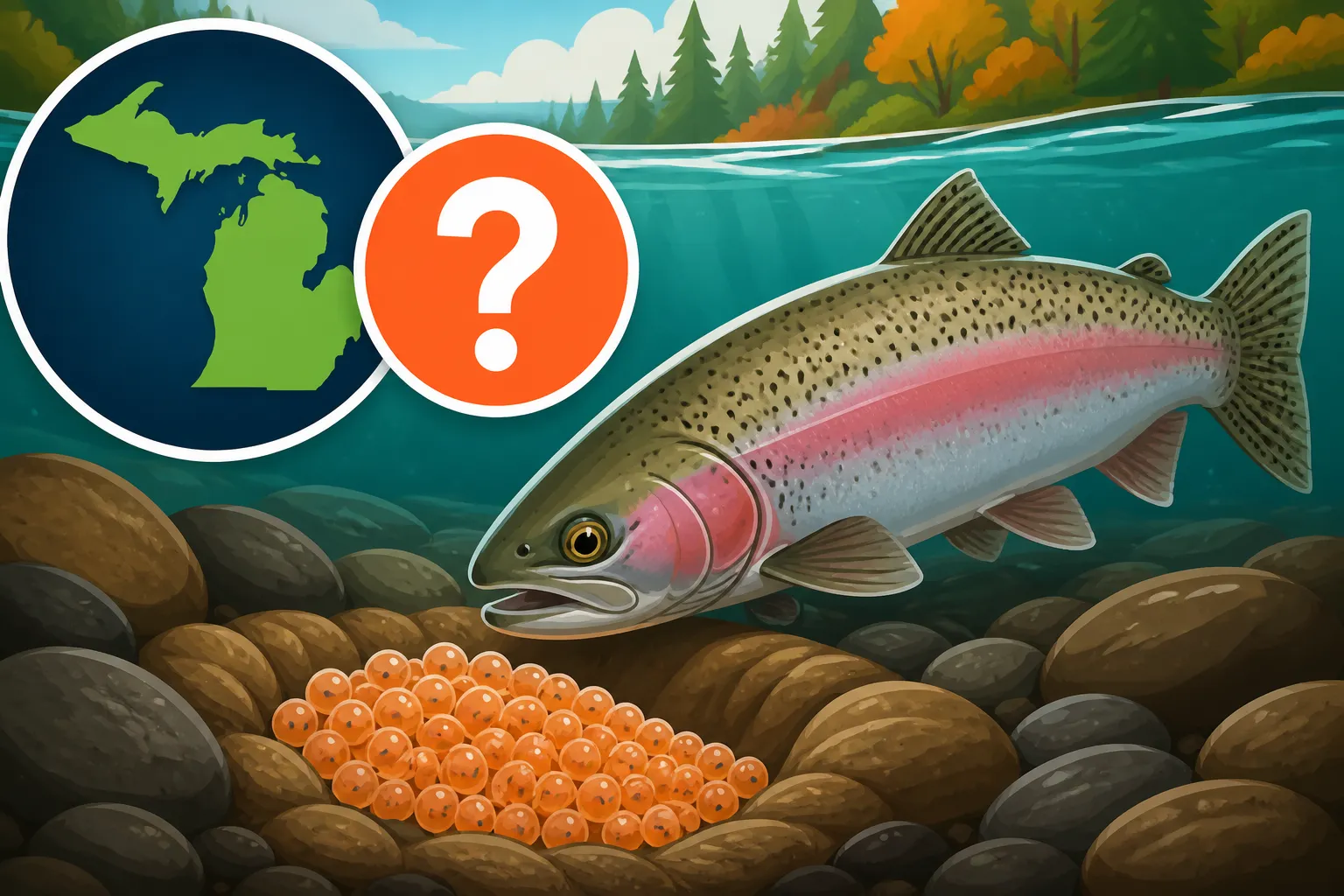
Considering all these variables, a typical mature female Michigan steelhead might lay anywhere from 2,000 to 10,000 eggs, with larger, older females capable of producing upwards of 12,000 to 20,000 eggs. These numbers are estimates, of course, but they give you a sense of the incredible reproductive potential of a healthy steelhead. Imagine thousands of tiny, orange pearls, each a potential future trophy fish!
| Factor | Impact on Egg Production | Typical Egg Count Range (General) |
|---|---|---|
| Small/Young Female | Lower egg count due to less accumulated energy and smaller body size. | 2,000 – 6,000 eggs |
| Medium/Mature Female | Average egg count for a healthy, repeat spawner. | 6,000 – 12,000 eggs |
| Large/Older Female | Higher egg count, significant contribution to population. | 12,000 – 20,000+ eggs |
| Poor Lake Conditions | Reduced food, slower growth, fewer eggs. | Lower end of typical range |
| Optimal Lake Conditions | Abundant food, fast growth, more eggs. | Higher end of typical range |
| Stressful River Run | Energy depletion, potential egg reabsorption. | Reduced viability or quantity |
| Ideal River Conditions | Easy migration, less stress. | Optimized production |
The Spawning Process: From Redd to Fry
The act of spawning itself is a fascinating and intricate dance that plays out in the gravel beds of Michigan's rivers. It’s where those thousands of eggs transition from potential to reality, a truly breathtaking natural phenomenon that any angler or nature enthusiast would be lucky to witness.
Redd Construction
Once a female steelhead finds a suitable spot, typically an area with clean, flowing gravel, she begins to construct a "redd" – a nest in the riverbed. She does this by turning on her side and vigorously fanning her tail, dislodging gravel and creating a depression. This is an incredibly labor-intensive process, and you might see several redds in close proximity in prime spawning areas, appearing as lighter, cleared patches on the riverbed. The males, often vying for her attention, will be nearby, ready to fertilize the eggs. This commitment to creating a safe haven for her eggs is vital for their survival against currents and predators. Often, anglers using polarized sunglasses, easily purchased online from retailers like Amazon, can spot these lighter-colored depressions and the fish tending to them.
Egg Deposition and Fertilization
After the redd is prepared, the female will drop a batch of eggs into the depression. Immediately, one or more male steelhead will move over the redd and release milt (sperm) to fertilize the eggs. This process happens very quickly to maximize the chances of fertilization before the eggs are swept away by the current. The female then moves slightly upstream and begins fanning gravel back over the fertilized eggs, covering them to protect them from predators and the elements. This burying process is crucial for incubation, keeping the eggs safe from sunlight, swift currents, and hungry mouths. She might repeat this process several times over a few days, creating multiple egg pockets within the same redd or even creating several distinct redds, spreading her genetic investment.
Incubation and Hatching
Once buried, the eggs begin their incubation period. This duration is heavily dependent on water temperature. Colder water means a longer incubation time, while warmer water speeds up the process. Generally, steelhead eggs in Michigan rivers will incubate for several weeks to a few months, typically hatching sometime in late spring or early summer. During this time, the tiny embryos develop within the egg, slowly growing eyes and a spine. Eventually, they hatch into "alevins," which are tiny fish with a prominent yolk sac attached to their bellies, providing initial nourishment. They remain in the protective confines of the gravel, feeding on their yolk sacs, until they are strong enough to emerge as "fry." This delicate stage is where most mortality occurs, as predators like sculpins, stoneflies, and even other fish seek them out.
Smoltification and Lake Migration
The fry, once they emerge from the gravel, will spend a year or two (sometimes more) in the river, growing and developing into parr. These juvenile fish will exhibit distinctive parr marks on their sides, providing camouflage against the riverbed. When they reach a certain size and age, usually between 4-8 inches, a remarkable transformation called "smoltification" occurs. Their bodies physiologically adapt to saltwater (though the Great Lakes are freshwater, the adaptation is similar to anadromous fish moving to the ocean), and they lose their parr marks, becoming sleek and silvery. This signals their readiness to migrate downstream to the Great Lakes. This is a critical stage in the Steelhead Life Cycle in Michigan Rivers. This downstream migration usually happens in spring, often in conjunction with rising water temperatures and increased flows. Once in the Great Lakes, they begin the cycle anew, growing large and preparing for their own spawning journey.
Conservation and the Future of Michigan's Steelhead Population
Understanding the egg-laying capacity and reproductive cycle of Michigan steelhead underscores the immense challenges and critical importance of their conservation. These fish face numerous threats throughout their complex life cycle, from their time in the Great Lakes to their arduous river migrations and delicate spawning rituals. It's a constant battle to ensure their survival and maintain the robust fisheries we cherish.
Habitat Protection and Restoration
The most fundamental aspect of steelhead conservation revolves around protecting and restoring their habitat. This includes ensuring clean, cold, and well-oxygenated water in both the Great Lakes and their tributary rivers. River sections with ideal gravel for redd construction are vital, and efforts to remove dams or mitigate their impacts (like fish ladders) are crucial for allowing fish access to spawning grounds. Controlling sediment runoff from agricultural and urban areas prevents the smothering of redds, which can suffocate developing eggs. Organizations and the Michigan DNR constantly work on projects like planting trees along riverbanks to maintain cooler water temperatures, an essential factor as How Water Temperature Affects Steelhead Runs profoundly impacts spawning success. The health of the entire river system, from its headwaters to its mouth, directly influences the ability of these fish to complete their life cycle. Knowing Best Rivers for Trout and Steelhead in Michigan helps us focus conservation efforts where they are most needed.
Sustainable Angling Practices
Anglers play a pivotal role in conservation. Practicing catch-and-release, especially for larger, older females (often called "hens") that are crucial for egg production, helps sustain populations. Using appropriate gear, like circle hooks and soft-mouthed nets (many excellent options available on platforms like Amazon for quick delivery), minimizes harm to released fish. Adhering to Michigan Fishing Regulations Every Angler Should Know, including bag and size limits, is non-negotiable. It's also helpful to know the difference between Rainbow Trout and Steelhead: What's the Difference to understand which fish are most valuable to release during spawning runs. The decision to harvest a fish, particularly a large hen, should always be weighed against its reproductive potential. Every angler has a responsibility to be a steward of these incredible resources. Be mindful of Michigan's Combined Trout and Salmon Daily Limit to ensure you're fishing within legal and sustainable boundaries.
Managing Invasive Species
Invasive species pose a continuous threat to Michigan's steelhead. Species like zebra mussels and quagga mussels alter the food web in the Great Lakes, potentially impacting the steelhead's food sources by competing for plankton and clarifying water in ways that disrupt native ecosystems. More directly, the sea lamprey, a parasitic invader, can decimate adult steelhead populations in the Great Lakes, significantly reducing the number of fish available to return to rivers and spawn. Ongoing control efforts by agencies like the Great Lakes Fishery Commission are critical for mitigating these impacts and allowing steelhead to thrive. Without these efforts, the natural balance of the ecosystem would be severely compromised, leading to fewer fish in our rivers and lakes.
Stocking Programs and Genetic Diversity
While natural reproduction is the ideal, stocking programs have been instrumental in establishing and maintaining steelhead fisheries in Michigan, particularly in rivers where natural spawning habitat is limited or where populations need a boost. The DNR strategically stocks millions of fish each year. However, it's also important to maintain genetic diversity within these stocked populations and to support wild, naturally reproducing runs wherever possible. Over-reliance on a few genetic strains can make a population vulnerable to disease or environmental changes. Balancing hatchery contributions with robust wild populations is a key objective for long-term sustainability. These efforts, along with angler participation and habitat protection, are what truly secure the future of steelhead in Michigan's waters.
The incredible number of eggs laid by a single female steelhead is a testament to nature's strategy for survival, but it's also a stark reminder of how many challenges those eggs and subsequent fry face. Each small egg holds the potential for a magnificent migratory fish, making every conservation effort, from careful angling to habitat restoration, incredibly valuable. By understanding their biology, we can all contribute to ensuring these phenomenal fish continue their vital journey in Michigan's waters for generations to come.
Disclaimer
This article is for general informational purposes only and does not constitute professional advice. Laws, prices and regulations vary by location and change over time. Consult a qualified professional for guidance on your specific situation.