How Big Do Lake Trout Get in Michigan
One of the most thrilling questions Michigan anglers ask is about the sheer size of the mighty lake trout lurking in our deep, cold waters. There's a certain mystique around these ancient fish, and whether you're dreaming of a pan-sized meal from an inland lake or a true Great Lakes monster, understanding their growth potential is key to success. This guide will dive deep into how big lake trout really get in Michigan, exploring the factors that influence their size and where you might encounter a genuine giant.
The Average Michigan Lake Trout: What Most Anglers Encounter
When you head out fishing for lake trout in Michigan, what you're most likely to reel in depends heavily on where you cast your line. These fish have adapted to a variety of cold-water habitats, and their size can vary dramatically from one body of water to another.
Inland Lake Lakers: The More Modest Catches
Many of Michigan's beautiful inland lakes, especially those that are deep and cold enough to support a year-round population of lake trout, will typically yield fish in the 18 to 25-inch range. These fish usually weigh between 2 and 5 pounds, which is a fantastic size for the dinner table and still offers a good fight on lighter tackle. Think about lakes like Higgins, Torch, or even some of the deeper, less-fished bodies of water in the Upper Peninsula.
The reason these inland lake trout tend to be smaller isn't that they're unhealthy, but rather due to factors like their environment. These lakes might have less abundant or less fatty forage compared to the Great Lakes, leading to slower growth rates. Additionally, many inland lakes experience higher fishing pressure, meaning fewer fish live long enough to reach truly monumental sizes. Catching a laker over 10 pounds in an inland lake is definitely a noteworthy accomplishment and something to be proud of!
Great Lakes Giants: A Different Ballgame
Now, if you venture out onto the expansive waters of the Great Lakes—particularly Lake Superior and parts of Lake Michigan and Lake Huron—you're stepping into the realm where lake trout truly become giants. The sheer vastness of these lakes, combined with an incredibly rich and diverse forage base, provides the perfect environment for lake trout to grow to impressive proportions. It's not uncommon to hear tales of anglers battling fish in the 15 to 25-pound range, and even larger specimens are certainly out there.
On average, a good-sized lake trout from the Great Lakes might measure between 25 and 35 inches and weigh anywhere from 6 to 15 pounds. However, these are just averages. Experienced Great Lakes anglers often target fish that can push well past the 20-pound mark. The abundant populations of high-fat baitfish like alewives, smelt, and ciscoes act as a super-fuel for these lakers, allowing them to put on weight much faster than their inland cousins. If you're looking for a genuinely heavy fish, the big lakes are where you'll want to focus your efforts. Michigan's Great Lakes Fishing Guide can help point you in the right direction.
Age and Growth Rate: A Slow but Steady Climb
Lake trout are not quick growers. Unlike some other fast-maturing species, these fish can take their time to reach impressive sizes, often living for many years, even decades, in the cold, stable environments they prefer. Most lake trout in Michigan will reach sexual maturity between 6 to 8 years of age, but they continue to grow throughout their lifespan. A 10-pound Great Lakes laker might be anywhere from 10 to 15 years old, while a 20-pounder could easily be pushing 20 years or more.
This slow growth rate is part of what makes catching a truly large lake trout so special. It represents a fish that has navigated countless seasons, evaded predators, and outsmarted numerous anglers. Their longevity is a testament to their resilience and the stability of their deepwater homes. Understanding this slow, steady growth helps us appreciate the true age of the magnificent fish we sometimes encounter.
Chasing the Dream: Michigan's Trophy Lake Trout Potential
For many dedicated anglers, simply catching a lake trout isn't enough; they dream of landing a true "trophy"—a fish that will be etched in memory and perhaps even on the wall. Michigan offers some incredible opportunities to pursue these giants, especially in its deepest waters.
Defining a "Trophy" Lake Trout in Michigan
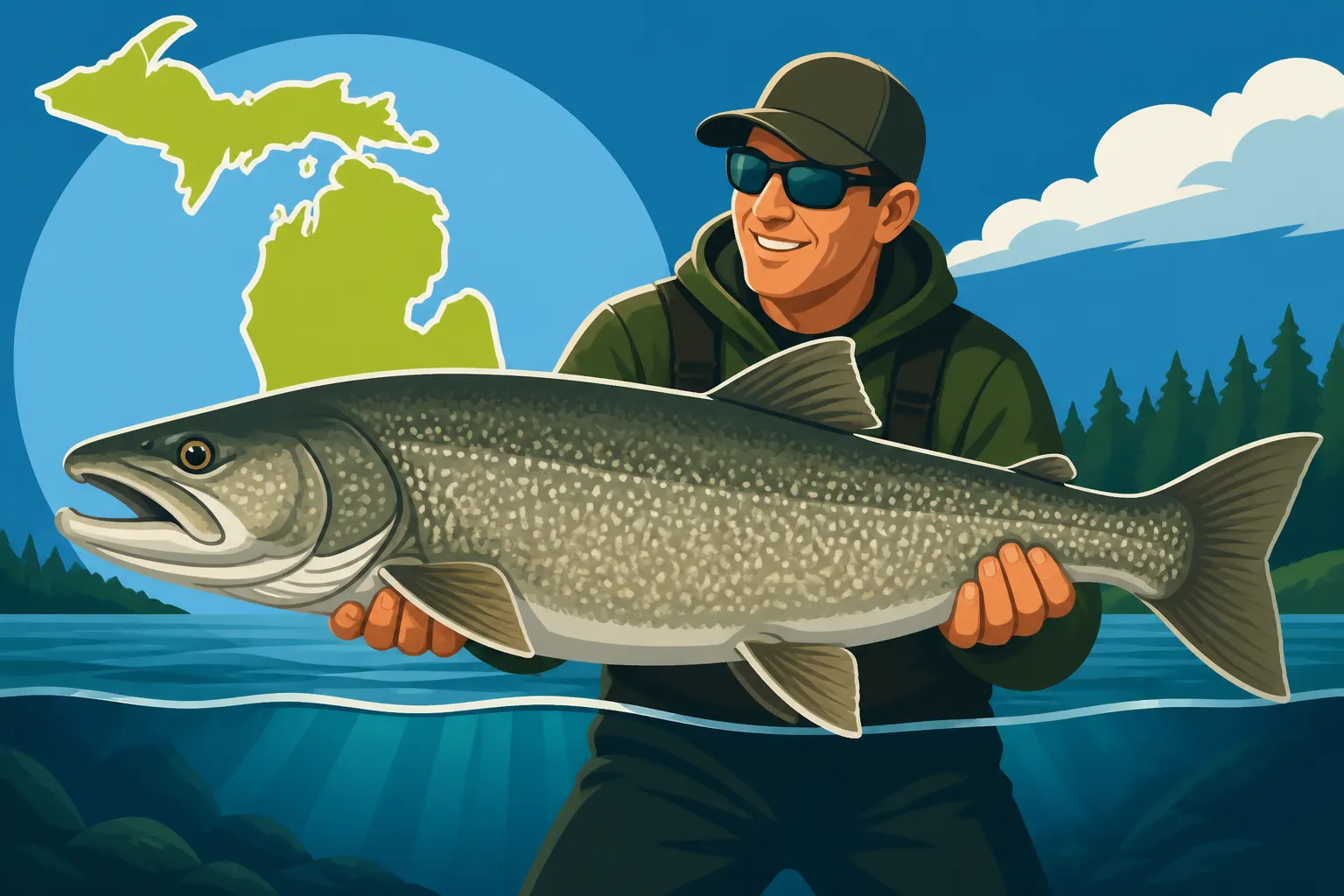
What constitutes a "trophy" lake trout can be subjective, but generally, most Michigan anglers would agree that a laker pushing 35 inches or weighing 20 pounds or more falls into this esteemed category. These are the fish that require serious dedication, specialized gear, and often a good measure of luck. They are rare, majestic creatures that command respect. Landing one means you've successfully targeted one of the apex predators of Michigan's cold, deep waters.
The fight from a fish of this size is legendary. Imagine reeling in something that feels like you've hooked into a small submarine, pulling line, and testing the limits of your gear and your endurance. It's an experience that keeps anglers coming back year after year, hoping for that one epic battle.
The State Record and Near-Record Holders
Michigan boasts some truly incredible lake trout records, showcasing the immense potential of its waters. The state record lake trout stands as a testament to the colossal size these fish can achieve. Imagine hooking into a fish weighing over 60 pounds – a feat that's truly awe-inspiring. What Is the State Record Lake Trout in Michigan provides more details on this historic catch.
While breaking the state record is an incredibly rare event, anglers regularly report catches that are well into the 30, 40, and even 50-pound class, especially from the deepest, most remote areas of the Great Lakes. These near-record fish become local legends, inspiring others to spend countless hours on the water. These stories highlight the fact that while average sizes are certainly common, the potential for a true leviathan is always present in Michigan's rich fishing grounds.
Where to Find the Big Ones: Key Locations and Conditions
If you're serious about targeting trophy lake trout, your best bets are generally the deepest, coldest, and most remote sections of the Great Lakes. Lake Superior, with its immense depths and pristine waters, is often considered the undisputed king for giant lake trout. Areas off the Keweenaw Peninsula, Marquette, and Munising are renowned for producing colossal fish. Lake Michigan and Lake Huron also hold massive lake trout, particularly in their deeper, northern sections where they feed heavily on abundant baitfish populations.
These monster lakers don't just hang out anywhere. They prefer specific conditions: deep water (often 100 feet or more), cold temperatures, and access to significant underwater structure like reefs, humps, and ledges where baitfish congregate. Timing can also play a role, with spring and fall often being prime seasons when lake trout might be found in slightly shallower waters before retreating to the deep in summer. Knowing your bathymetric charts and having good sonar is crucial for locating these prime trophy habitats.
Factors That Fuel a Lake Trout's Immense Size
It's not just about luck when it comes to growing big. Several environmental and biological factors contribute significantly to a lake trout's ability to reach monumental proportions. Understanding these elements can give you an edge in your pursuit of a trophy.
Abundant Forage: The Protein Powerhouse
The most critical factor in a lake trout's growth is its diet. Like any creature, an abundance of high-quality food translates directly into faster growth and larger ultimate size. In Michigan's Great Lakes, the presence of prolific, high-fat baitfish species like alewives, rainbow smelt, and ciscoes provides an ideal "power food" source for lake trout. These caloric-rich meals allow the lakers to pack on pounds at an impressive rate. Without this rich forage base, even in ideal conditions, lake trout simply wouldn't have the fuel to grow so large.
Conversely, in some inland lakes where the primary forage might be smaller minnows or invertebrates, lake trout may grow more slowly and not reach the same maximum sizes, simply because their diet doesn't support that kind of rapid bulk accumulation. The ecosystem's ability to support a healthy and abundant baitfish population is paramount for growing trophy lake trout.
Deep, Cold, Oxygenated Waters
Lake trout are classic cold-water fish. They thrive in environments with stable, consistently cold water temperatures, typically below 55°F (13°C). This is why they are often found in the deep, abyssal zones of large lakes, especially during the warmer summer months. These deep areas provide a thermal refuge where they can comfortably metabolize their food and conserve energy. How Deep Do Lake Trout Live At is a common question, and it's because these depths are crucial for their survival and growth.
Equally important is the presence of high dissolved oxygen levels. Deep, cold lakes like the Great Lakes naturally have excellent oxygen content even at great depths, which is essential for these active predators. Lakes that suffer from low oxygen in their deep waters during summer (a condition called hypoxia) will not be able to support healthy populations of large lake trout, regardless of food availability. The combination of cold, clear, and well-oxygenated water is their absolute sweet spot.
Age, Genetics, and Fishing Pressure
While diet and habitat are paramount, the individual fish's genetics also play a role, as does the overall fishing pressure on a particular body of water. Some lake trout might simply have the genetic predisposition to grow larger and live longer than others. When these genetically superior fish are given the optimal conditions and allowed to age naturally, they can become truly massive. Lake trout can live for a very long time, with some individuals in northern, pristine waters documented to live over 30 years.
However, fishing pressure can significantly impact the average and maximum size of a fish population. In areas with heavy angling, fewer fish may survive long enough to reach their full growth potential. This is why careful management through regulations, such as minimum size limits and possession limits, is crucial for maintaining healthy populations with the potential for trophy-sized fish. Knowing Michigan Fishing Regulations Every Angler Should Know is vital for contributing to conservation efforts.
Gear Up for the Big One: Preparing for a Trophy Encounter
Landing a truly large lake trout isn't just about finding them; it's also about being properly equipped for the battle. These are powerful fish, and underestimating them can lead to disappointment.
Rods, Reels, and Line for Serious Lakers
When targeting big lake trout, you need to step up your tackle. Forget your ultralight spinning gear; this is a job for heavy-duty setups. Most serious Great Lakes anglers employ sturdy trolling rods, often 7 to 10 feet long, with a medium-heavy to heavy action that can handle the stress of pulling large divers or downriggers and battling powerful fish. Paired with these rods are robust baitcasting reels, often level-wind models, capable of holding hundreds of yards of strong fishing line.
For line, braided lines in the 30 to 60-pound test range are popular for their strength and low stretch, which helps detect subtle bites in deep water. A fluorocarbon or monofilament leader of similar strength is typically added to provide some shock absorption and stealth. You can find a fantastic selection of these heavy-duty rods, reels, and lines on platforms like Amazon, making it easy to build out your gear arsenal. Best Trolling Rods for Michigan Salmon might also be a good reference, as similar gear is often used for large lakers.
Essential Electronics and Deepwater Tactics
Modern fishing electronics are absolutely indispensable for targeting deepwater lake trout. A good sonar unit with down-imaging and side-imaging capabilities can reveal not only the depth and contours of the lake bottom but also baitfish schools and individual lake trout lurking in the depths. GPS is also crucial for marking successful spots, navigating vast waters, and following precise trolling paths.
When fishing deep, downriggers are often used to present lures at exact depths, or heavy lead core line and diving planers are employed to get baits down to where the fish are holding. Knowing How Deep to Troll for Lake Trout is key to success, and your electronics will confirm you're in the strike zone. These specialized deepwater tactics are what allow anglers to consistently connect with the biggest fish.
Responsible Handling of Large Fish
If your goal is to land a trophy lake trout, it’s imperative to also prioritize its health, especially if you plan to release it. Large, older lake trout are valuable breeders, and their survival ensures the future of the fishery. When you do hook into a big one, fight the fish efficiently but don't overplay it, which can exhaust it to the point of no return. Use a large, soft-mesh landing net to bring the fish aboard, minimizing scale and slime removal.
Handle the fish gently and quickly. If you plan to take photos, do so immediately, keeping the fish wet and supporting its body horizontally to avoid internal damage. Get accurate measurements with a tape measure you might have ordered from Amazon, then release it promptly. Proper catch-and-release techniques are vital for ensuring these magnificent fish continue to thrive and grow, offering future anglers the same thrill of a potential trophy encounter.
| Water Body Type | Typical Size (Inches) | Typical Weight (Pounds) | Trophy Potential (Inches) | Trophy Potential (Pounds) |
|---|---|---|---|---|
| Inland Lakes | 18-25 | 2-5 | 28-35+ | 8-15+ |
| Great Lakes (Average) | 25-35 | 6-15 | 35-45+ | 20-40+ |
| Great Lakes (Record) | 45-50+ | 60+ | N/A | N/A |
Ultimately, how big a lake trout gets in Michigan is a dynamic interplay of its environment, food sources, age, and genetics. While average catches provide plenty of action, the allure of the truly colossal lake trout continues to draw anglers to Michigan's deep, cold waters, forever chasing that next legendary fish.
Disclaimer
This article is for general informational purposes only and does not constitute professional advice. Laws, prices and regulations vary by location and change over time. Consult a qualified professional for guidance on your specific situation.