What Is the Difference Between Chinook and Coho Salmon
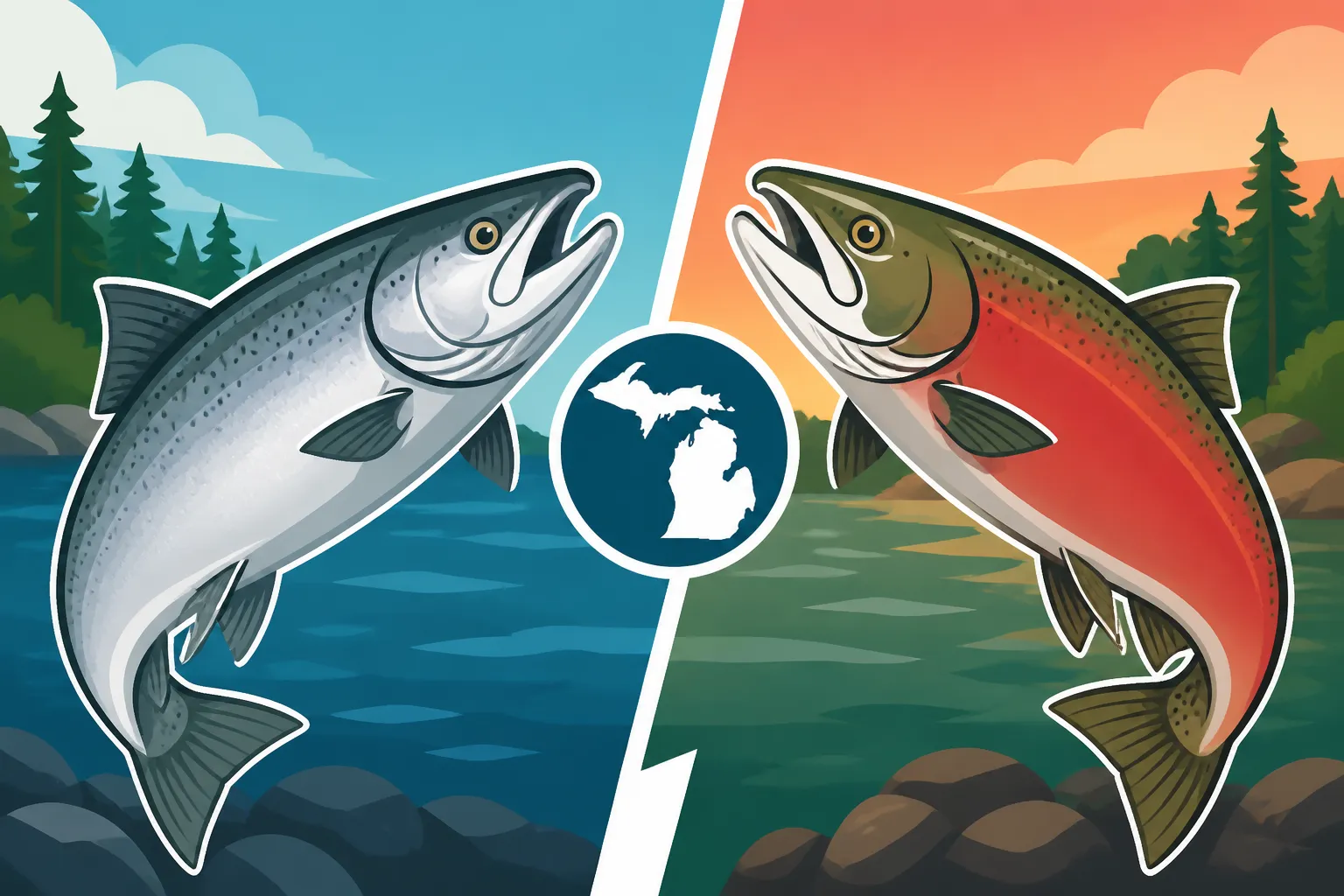
It's a common scenario out on Michigan's vast waters: you've got a salmon on the line, it's putting up an incredible fight, and as you reel it closer, you start wondering, "Is this a Chinook or a Coho?" For many anglers, especially those new to Great Lakes salmon fishing, telling these two powerhouse species apart can be a real head-scratcher. This guide is here to clear up that confusion, giving you the knowledge you need to confidently identify your catch and better understand these magnificent fish that call Michigan home.
Understanding Michigan's Salmon Species
Michigan's salmon fishery is world-renowned, drawing anglers from all corners of the globe. But it wasn't always this way! Pacific salmon, including both Chinook and Coho, aren't native to the Great Lakes. They were introduced decades ago to help control booming alewife populations and to create a fantastic sport fishery, and boy, did it work. These introductions transformed the fishing landscape, turning Michigan into a premier salmon destination.
The presence of various salmon species, each with its own characteristics, adds layers of excitement and challenge for anglers. While there are other salmonids like Atlantic Salmon and various trout species that behave similarly, Chinook and Coho are often the main targets and the most commonly confused. Knowing the nuances of each species is not just about bragging rights; it's crucial for understanding their behavior, tailoring your fishing techniques, and adhering to specific regulations. You can learn more about the diverse fish available in the state by checking out our guide on Michigan Salmon Species Explained.
Chinook Salmon: The King of the Great Lakes
When we talk about sheer power and size in Michigan's salmon fishery, the Chinook salmon, often affectionately called the "King Salmon," reigns supreme. These fish are true titans, known for their incredible runs and the arm-aching battles they put up. Catching a trophy Chinook is a rite of passage for many Great Lakes anglers.
Physical Characteristics and Identification
One of the first things you'll notice about a Chinook is its size. They are typically the largest of the Pacific salmon species found in the Great Lakes. While specific sizes vary, they often dwarf other salmonids in the boat. A 20-pounder is a great catch, and fish well over 30 pounds are not uncommon, making them quite formidable opponents. You can explore just how massive these fish can get in our article, How Big Do Chinook Salmon Get in the Great Lakes.
Beyond size, there are a few key identification markers for Chinook:
- Mouth and Gums: This is often the most reliable identifier. A Chinook salmon will have a distinctly black mouth, and more importantly, their gum line will also be black or dark. If you gently lift their upper jaw, you'll see a dark strip along the gums.
- Tail Spots: Look at the tail, or caudal fin. Chinook salmon typically have spots on both the upper and lower lobes of their tail. These spots can be irregular in size and shape but are generally present across the entire tail.
- Body Color: While ocean-phase Chinooks are very silvery, their color can change dramatically as they approach spawning. They can develop a darker, brassier, or even reddish-brown hue, especially on their backs and flanks. Their overall body shape is robust and powerful.
- Scales: Chinook scales are large and firmly embedded in their skin, giving them a tough, armored feel.
Habits, Habitat, and Fishing
Chinook salmon are highly migratory, spending much of their lives offshore in the deeper, colder waters of the Great Lakes. They are voracious predators, feasting on baitfish like alewives and smelt, which fuels their impressive growth. As summer progresses and water temperatures rise, Chinooks will often move into shallower depths, particularly around structure or temperature breaks, making them more accessible to anglers.
When it comes to fishing, Chinooks are known for their powerful, sustained runs. They can strip line off your reel with astonishing speed and endurance, making heavy-duty tackle a necessity. Trolling with large spoons, plugs, or cut bait is a very popular and effective method for these fish, especially offshore. During the fall spawning runs into rivers like the Manistee or Au Sable, they become aggressive, hitting roe bags, skein, or large flies. Many anglers will head to trusted sporting goods stores or even online marketplaces like Amazon to find the robust rods, reels, and heavy line needed to tackle these kings. For more specific details on chasing these giants, take a look at Chinook Salmon in Michigan's Great Lakes.
Coho Salmon: The Silver Bullet
While perhaps not reaching the sheer bulk of their Chinook cousins, Coho salmon, often called "Silver Salmon," are no less exciting to catch. These acrobatic fighters are celebrated for their incredible aerial displays and aggressive strikes, making them a favorite for many Michigan anglers.
Physical Characteristics and Identification
Coho salmon are generally smaller than Chinooks, though still respectable fish. A typical Great Lakes Coho might range from 5 to 12 pounds, with some larger individuals pushing into the mid-teens. They are known for their sleek, streamlined bodies, which contribute to their energetic fights. You can see typical sizes for these fish by reading How Big Do Coho Salmon Get in Michigan.
Here are the key identification features for Coho salmon:
- Mouth and Gums: Unlike the Chinook, Coho salmon have a distinct white or light-colored gum line on their lower jaw. Their mouth interior is generally lighter, though it can still be somewhat dark. This white gum line is often the easiest and quickest way to differentiate them from Chinooks.
- Tail Spots: When you examine a Coho's tail, you'll notice that the spots are typically concentrated only on the upper lobe of the caudal fin. The lower lobe will usually be spot-free or have very few, faint spots.
- Body Color: Coho are aptly named "Silver Salmon" due to their striking, bright silver sides when they are out in the open lake. Their backs are usually a metallic blue or green. As they approach spawning, they take on a darker, reddish hue, particularly in males.
- Scales: Coho salmon have smaller scales than Chinooks, and they tend to shed them more easily when handled. This can sometimes leave a "silvery" residue on your hands or boat deck.
Habits, Habitat, and Fishing
Coho salmon are known for their schooling behavior and their tendency to cruise in shallower, warmer waters than Chinooks, especially during spring and early summer. They are fierce predators, actively chasing baitfish near the surface or in the upper water column. Their aggressive nature makes them a thrilling target for anglers.
Fishing for Coho is often characterized by fast, acrobatic fights. They love to jump and thrash, making for an exciting experience on lighter tackle. Trolling with smaller spoons, flies, or plugs is highly effective for Cohos. They are also popular targets for casting from shore or piers, especially during their spring and fall runs. Many anglers find a good selection of Coho-specific spoons and flies on Amazon, allowing them to stock up before hitting the water. For more detailed insights into targeting these feisty fish, check out our guide on Coho Salmon Fishing in Michigan.
Key Differences for Anglers: Chinook vs. Coho
Understanding the subtle yet significant differences between Chinook and Coho salmon isn't just an academic exercise; it has real implications for anglers hoping to maximize their success and comply with Michigan's fishing regulations.
Side-by-Side Visual Cues
The most crucial step in differentiating these two species lies in a few key visual distinctions. Getting these down will serve you well when you're out on the water.
| Feature | Chinook Salmon (King) | Coho Salmon (Silver) |
|---|---|---|
| Size | Generally larger, often 15-30+ lbs | Generally smaller, often 5-12 lbs |
| Gum Line | Black or dark on both upper and lower jaws | White or pale on the lower jaw, mouth can be dark |
| Tail Spots | Spots typically on both upper and lower lobes | Spots typically only on the upper lobe |
| Body Color | Silvery, often developing brassy/dark tones; robust | Bright silver sides, blue/green back; streamlined |
| Scales | Larger, firmly embedded | Smaller, more easily shed |
| Pectoral Fin | Generally longer, sometimes reaching past dorsal fin | Shorter, typically not reaching past dorsal fin |
Paying close attention to the mouth and tail are your best bets for a quick and accurate identification, especially when fish are still in the water or quickly brought aboard. If you're struggling to visually identify them, our article How to Tell a Coho Salmon From a Chinook Salmon offers additional tips and detailed images.
Behavior and Fishing Strategy
The differences in how Chinooks and Cohos behave directly impact the most effective fishing strategies. Knowing what you're targeting allows you to select the right gear, lures, and locations.
Chinooks, being larger and more powerful, typically require heavier tackle. This means sturdier rods, higher test line (often 20-30 lb monofilament or braid), and larger reels with strong drags. Their preference for deeper, colder water offshore often dictates trolling deeper with downriggers, divers, or heavy lead core setups. Lures for Chinooks are generally larger spoons, plugs like Maglips or J-Plugs, and meat rigs. When they run, they're typically strong, sustained pulls. You can find excellent selections of heavy trolling gear and large lures at your local tackle shop or through online retailers like Amazon, ensuring you're ready for a King's fight. Detailed strategies for them can be found in How to Troll for Chinook Salmon on Lake Michigan.
Coho salmon, on the other hand, are often found shallower and are known for their aerial acrobatics. This means you can often use lighter tackle – perhaps 10-20 lb line, and rods with a bit more give to handle their jumps. Because they often cruise higher in the water column, you might find success trolling with simply planer boards, lead core without divers, or even casting from shore. Lures for Cohos tend to be smaller, brighter spoons (like Silver Streaks or Dreamweaver Super Slims), smaller plugs, or even flies. When a Coho hits, prepare for a show! Their strikes are often aggressive, and they'll jump multiple times, trying to throw the hook. Mastering these tactics is key, and you can learn more from our guide on How to Troll for Coho Salmon on the Great Lakes. Understanding the Best Months for Salmon Fishing in Michigan will also help you target each species when they are most active.
Regulations and Limits
While Michigan's fishing regulations often group salmon species together for daily possession limits, there can sometimes be nuances or specific exceptions. It's always, always essential to consult the latest Michigan Fishing Guide before you head out, as regulations can change. For instance, while you might have a general salmon possession limit, understanding which species you've caught ensures you're accurately reporting or adhering to any specific rules that might apply to a particular body of water or season.
For the most part, Michigan's combined trout and salmon daily possession limits apply to both Chinook and Coho. This means that regardless of species, your total number of kept fish must fall within the stated limit. However, certain areas or specific times of year might have unique stipulations. Knowing the difference between the two ensures you're not mistakenly misidentifying a fish that could potentially be subject to a special rule. Always stay informed; you can explore the general rules in Michigan's Combined Trout and Salmon Daily Limit.
In Michigan fishing, knowing the difference between a Chinook and a Coho salmon isn't just about identification; it's about connecting with the diverse and thrilling fishery our state offers. Each species presents its own unique challenge and reward, making every hook-up an adventure. By understanding their characteristics and behaviors, you're not just a better angler; you're a more informed and respectful steward of Michigan's incredible aquatic resources.
Disclaimer
This article is for general informational purposes only and does not constitute professional advice. Laws, prices and regulations vary by location and change over time. Consult a qualified professional for guidance on your specific situation.