Michigan’s State Fish Records
There's a special kind of thrill that comes with fishing in Michigan, a sense of connection to the water and the rich history of angling in this beautiful state. But for some, that thrill escalates to an almost mythical pursuit: the chase for a state record fish. Many anglers don't even know where to begin to find out what the current records are, let alone what it takes to actually break one. This guide will walk you through everything you need to know about Michigan's state fish records, from understanding the categories to the meticulous process of documenting a potential record-breaker.
The Allure of Michigan's State Fish Records
Every time you cast a line into a Michigan lake or river, there’s that quiet hope, that deep-seated dream that maybe, just maybe, this will be the cast. This will be the one that puts up a fight unlike any other, the one that measures out longer or weighs more than you’ve ever seen. The idea of catching a state record fish isn't just about the size of the catch; it’s about becoming a part of Michigan's angling legacy, etched into the record books forever. It’s a testament to skill, perseverance, and a little bit of luck, and it inspires countless anglers to keep pushing their limits and exploring new waters.
What Constitutes a State Record?
A Michigan state record fish isn't just a big fish; it's a fish caught and documented according to a strict set of rules laid out by the Michigan Department of Natural Resources (DNR). These aren’t backyard bragging rights; these are official, verified achievements. To even be considered, the fish must be legally caught, typically by hook and line, within the boundaries of Michigan's waters. This means anything from the vast expanse of the Great Lakes to the smallest inland pond, as long as it's within state jurisdiction. The fish also needs to be of a species officially recognized by the state for record-keeping purposes.
Beyond the initial catch, the real work begins. It involves a very precise weighing process, often requiring a certified scale and witnesses, and rigorous species identification. It's a journey from the initial awe of the catch to the meticulous documentation that truly makes it a record. It ensures that every entry into the hallowed list of state records is legitimate and beyond reproach, truly representing the biggest fish of its kind ever caught in Michigan by legal means.
The Spirit of the Pursuit
Chasing a state record is more than just trying to catch the biggest fish. It's about developing an intimate understanding of specific species, their habits, their preferred habitats, and the most effective techniques to target them. It pushes anglers to become better observers, more patient, and more skilled. You're constantly learning about fish behavior, water conditions, and advanced gear that might give you an edge. Many record-seeking anglers spend countless hours researching, scouting locations, and refining their approach.
It's also about the connection to the natural world. In the pursuit of that giant walleye or monstrous muskellunge, you spend hours on the water, observing the ecosystem, understanding the subtle shifts in nature. It fosters a deeper appreciation for conservation and the health of Michigan’s waterways, because without healthy fish populations and habitats, there would be no record fish to chase. For many, the journey, the knowledge gained, and the sheer challenge are as rewarding as the catch itself.
Categories of Michigan State Records
Michigan recognizes different categories for state record fish, acknowledging the varied techniques anglers employ. The two primary categories are "Hook and Line" and "Spearfishing," each with its own set of rules and a distinct leaderboard. This distinction is crucial because the skill sets, equipment, and even the legalities involved are quite different between the two. Understanding these categories helps clarify what kind of record you might be pursuing and what specific regulations apply to your method of fishing.
Hook and Line Records: The Classic Challenge
This is perhaps the most traditional and widely recognized category for state fish records. It encompasses any fish legally caught using a rod, reel, and line, with bait or lure. This is the realm of most recreational anglers, whether you're casting from a boat, shore, or pier. The rules are designed to ensure fair play and sportsmanlike conduct, reflecting the time-honored traditions of angling. It’s not just about the size of the fish, but about the integrity of the catch itself.
When you're aiming for a hook and line record, you need to be acutely aware of Michigan Fishing Regulations Every Angler Should Know. This includes things like legal baits, tackle restrictions, and season dates. For instance, specific rules apply to Michigan's Trout and Salmon Season on the Great Lakes or the Lower Peninsula Trout and Walleye Opener. Using illegal methods, even inadvertently, would instantly disqualify a potential record. Every aspect of the catch, from the moment the fish bites to when it's landed, must conform to the established laws. It's a high bar, but it ensures that the record truly reflects an angler's skill within the accepted framework of the sport.
Spearfishing Records: A Different Skill Set
Spearfishing offers an entirely different challenge and requires a unique set of skills. This method involves diving into the water and using a spear to harvest fish. In Michigan, spearfishing is permitted for certain species and in specific waters, often focusing on non-game fish like carp and suckers, though some game fish may also be legal under specific conditions or during designated seasons. This category celebrates the prowess of underwater hunters, who rely on stealth, breath-holding, and accurate aim.
The rules for spearfishing records are just as stringent as hook and line records, if not more so, given the unique nature of the activity. It requires not only adherence to state regulations on equipment and species but also an understanding of underwater safety and ethical hunting practices. Just like with hook and line, any fish taken must be legally speared within Michigan waters, and the species must be on the official record list for spearfishing. This category highlights a fascinating and challenging aspect of Michigan's diverse fishing opportunities, acknowledging the incredible skill it takes to successfully harvest fish in their underwater environment.
Notable Michigan State Fish Records
Michigan's diverse waters, from the deep trenches of the Great Lakes to the countless inland lakes and winding rivers, have produced some truly colossal fish over the years. These record catches aren't just statistics; they are legendary tales whispered around campfires and emblazoned in the minds of aspiring anglers. Each record represents a monumental achievement, a moment when an angler connected with a fish that pushed the boundaries of what was thought possible. It's these stories that fuel the dreams of countless fishermen and women across the state.
Famous Walleye and Salmon Records
The walleye, with its delicious fillets and challenging fight, is a prized catch in Michigan. Anglers dream of catching the kind of walleye that pushes the scales. Many aspire to beat existing records in places like Saginaw Bay or Lake Erie waters. You can find excellent gear for targeting these big fish, from specialized rods to advanced electronics, on platforms like Amazon. Similarly, Michigan's Great Lakes are world-renowned for their salmon fisheries. Chinook and Coho salmon grow to incredible sizes, offering anglers a powerful, acrobatic fight. These magnificent fish migrate into rivers during their spawning runs, providing opportunities for record-sized catches on rivers like the Manistee or Au Sable.
The records for these species are a testament to both the health of Michigan’s fisheries and the skill of the anglers who pursue them. Imagine the thrill of reeling in a salmon that rivals the state record, a fish that embodies the wild power of the Great Lakes. The pursuit of these trophy fish often involves specialized techniques like deep-water trolling or precise river fishing, demanding extensive knowledge of the fish's habits and movements. Many anglers meticulously prepare for these opportunities, ensuring their tackle, from line strength to lure choice, is perfect for the challenge.
The Elusive Muskellunge Record
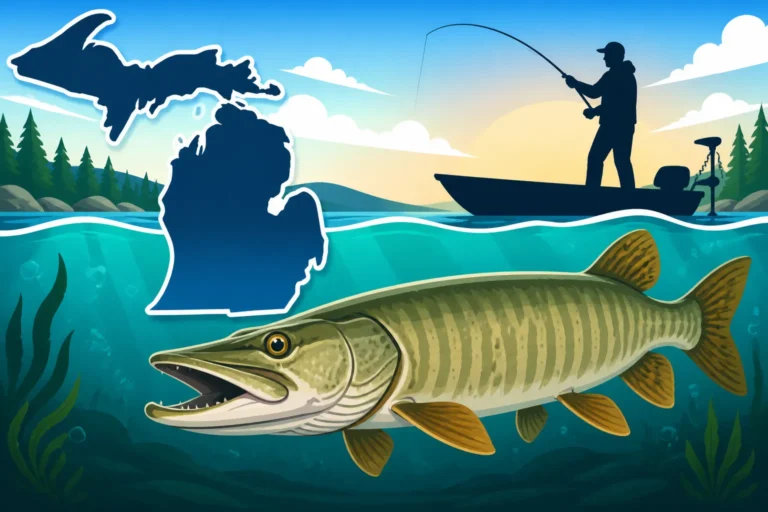
The muskellunge, often called the "fish of 10,000 casts," is one of Michigan's most enigmatic and challenging game fish. Known for its ferocious strikes and incredible size, landing a true trophy muskie is the pinnacle for many anglers. The state record for muskellunge is always a closely watched figure, inspiring dedicated muskie hunters who spend countless hours on the water, enduring blank days in hopes of a single, unforgettable encounter. These fish are true apex predators, and their immense size commands respect.
The rules for muskellunge are particularly strict, emphasizing conservation and careful handling. For example, there's a Michigan's One Muskellunge Per Year Rule and a Michigan's 24-Hour Muskellunge Reporting Requirement for any harvested fish. Even catch-and-release practices for these giants require specific techniques to ensure their survival, which is why topics like How to Catch and Release a Muskellunge are so important. The quest for a record muskie often involves heavy-duty gear, large baits, and an unwavering commitment to the chase. Finding a net that can handle these toothy behemoths is also a critical consideration for those seeking a record.
Record-Breaking Bass and Panfish
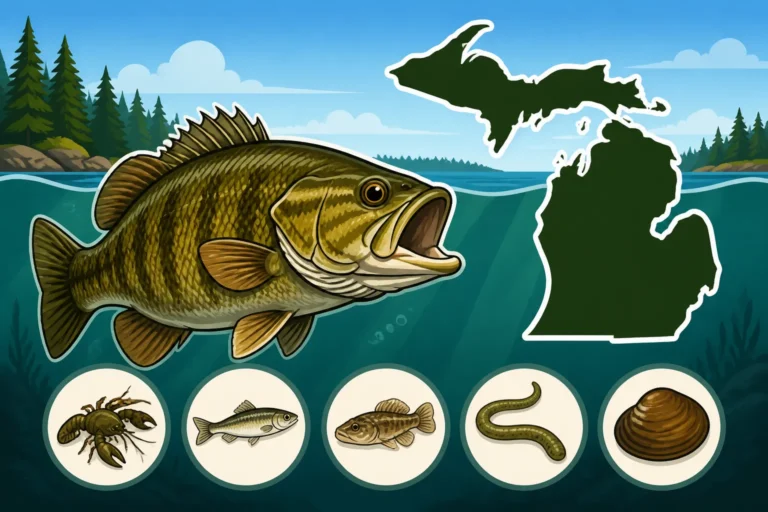
While salmon and muskie often grab the headlines for their sheer size, Michigan also holds impressive records for species like smallmouth and largemouth bass, as well as various panfish. Smallmouth bass, known for their aggressive fights and powerful runs, thrive in many of Michigan’s lakes and rivers, including the legendary smallmouth fishery of Lake St. Clair. Smallmouth Bass Fishing in Michigan is a favorite pursuit for many, and the potential for a record-breaking bronze-back is always present.
Even common panfish like yellow perch and bluegill have their own state records, proving that a record catch can come in all shapes and sizes. A massive yellow perch from a place like Lake St. Clair or the St. Clair River, where Michigan Yellow Perch Limit on Lake St. Clair applies, can be just as exciting as a larger game fish. These records often highlight the incredible growth potential of fish in certain nutrient-rich waters. It encourages anglers to appreciate every species and recognize that a record can be lurking in unexpected places, offering a chance for any angler, regardless of their preferred target, to make their mark in Michigan's fishing history.
The Process of Submitting a Record Catch
So, you've landed what you believe might be a state record fish. Congratulations! This is where the adrenaline gives way to a meticulous, time-sensitive process. It's not enough to simply catch a huge fish; you need to prove it, and the Michigan DNR has a specific protocol to ensure the validity and integrity of every state record claim. Rushing this step or missing critical details can mean the difference between becoming a legend and having your monumental catch remain just a great fish story.
Immediate Steps After a Potential Record Catch
The moment you realize you might have a record on your hands, precision and quick action are paramount. First and foremost, do not clean or gut the fish. The weight of the fish as it was caught is what matters. Keep the fish in the best possible condition, ideally on ice in a cooler to prevent weight loss due and preserve its condition. This is where a good quality cooler, readily available on Amazon, becomes an essential piece of gear. You’ll also need to identify the exact species of your catch. While many species are easily recognizable, some, like certain trout or salmon species, can be tricky to distinguish, especially if you're not an expert.
Next, you need to contact the Michigan DNR as soon as possible. They will guide you through the next steps and provide you with a list of certified weigh stations or authorized personnel. Time is of the essence, as fish can lose weight over time, even on ice. Having a camera or phone ready to take clear photos of the fish, ideally with a measuring tape visible for length, can also be helpful, though not a substitute for official measurement. Remember, a potential record isn't just about the fish itself, but about the story of its capture, verified and documented.
Official Weighing and Verification
This is the most critical step in validating a state record. The fish must be weighed on a scale that has been certified by the state or an authorized entity, ensuring its accuracy. This usually means a scale at a grocery store, a certified meat market, or a specific tackle shop designated by the DNR. It's not your bathroom scale or the one on your boat; it needs to be an officially calibrated instrument. The weighing typically needs to be witnessed by at least two independent adults who are not members of your immediate fishing party, adding another layer of verification.
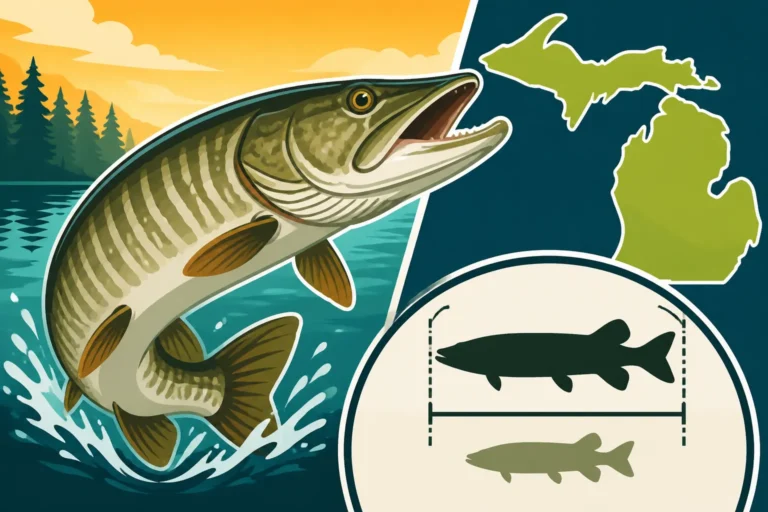
During this stage, the fish will also be officially measured for length and girth. This information, along with the accurate weight, helps confirm the fish's size and contributes to the official record. An expert from the DNR will often be involved in species identification, ensuring that your catch is indeed the species you claim it to be, especially for closely related species. This meticulous process helps prevent errors and ensures that the record books reflect accurate, unimpeachable data. You can always check the DNR website or reach out via their Michigan's DNR Hunt Fish App for Licenses and Reporting if you have questions about this crucial step.
Paperwork and Documentation
Once the fish has been weighed, measured, and identified, there's paperwork to complete. This usually involves filling out an official application form provided by the DNR. This form will require details about the catch, including the date, time, and location (as specific as possible, including body of water and county), the bait or lure used, and the names and contact information of the witnesses to the weighing. You’ll also need to submit clear photographs of the fish, showcasing its size and condition, and potentially the gear used.
This documentation is essential for creating a complete record of the catch. It's not just about the numbers; it's about providing a comprehensive narrative that supports the claim. The DNR staff will review all submitted materials to ensure everything meets their stringent requirements. Patience is key during this review period, as the DNR takes its time to verify every detail before officially recognizing a new state record. This thorough process ensures that Michigan's state record list remains a credible and esteemed honor for anglers across the state.
Why Chasing Records Matters
While the pursuit of a state record can seem like a personal quest for glory, it actually serves broader purposes that benefit the angling community and the natural resources of Michigan. It’s not just about getting your name in a book; it’s about contributing to a larger understanding of our fisheries and inspiring others to engage with the outdoors responsibly.
Conservation and Data Collection
Every state record fish, whether it's a massive lake trout or an exceptional yellow perch, provides valuable data to fisheries biologists. When an exceptionally large fish is caught, it offers insights into the health, growth rates, and genetic potential of a particular fish population. For instance, a record-breaking Michigan Muskellunge Daily Catch Limit often comes from specific lakes known for their big fish potential, informing biologists about successful management practices or unique environmental conditions in those waters. This kind of data helps the DNR monitor fish populations, understand habitat quality, and make informed decisions about stocking programs, size limits, and other regulations designed to maintain healthy fisheries for future generations.
The very act of tracking state records contributes to a long-term database that can show trends in fish size and distribution. A sudden influx of large fish of a certain species in a particular area might indicate a thriving ecosystem, while a decline in record-sized catches could signal a need for closer examination. Anglers who participate in this process become citizen scientists, contributing directly to the conservation efforts that ensure Michigan remains a premier fishing destination. This symbiotic relationship between anglers and resource managers is crucial for the sustainable future of our beloved sport.
Personal Achievement and Legacy
For the individual angler, catching a state record is the culmination of years of dedication, skill development, and countless hours spent on the water. It’s a profound personal achievement, a story that will be told and retold for generations. Imagine the pride of showing your grandchildren a picture of the fish that put your name in the record books, a tangible piece of your fishing legacy. This isn't just about a moment of glory; it's about the journey, the lessons learned, and the sheer joy of achieving something truly extraordinary.
Beyond the immediate thrill, a state record creates a lasting legacy, not just for the angler but also for the location where the fish was caught. It puts a spotlight on specific lakes or rivers, encouraging others to explore those waters while also reminding them of the potential for truly exceptional catches. This shared sense of awe and aspiration binds the angling community together, creating a vibrant culture around the sport. Whether you're chasing Michigan's State Fish Records or simply enjoying a day on the water, the possibility of a truly memorable catch is what keeps us coming back.
Maintaining the Integrity of Records
The value of Michigan's state fish records lies entirely in their integrity. Without strict rules and transparent verification, the records would quickly lose their meaning and prestige. The Michigan DNR invests significant effort into establishing and enforcing guidelines that ensure fairness, accuracy, and ethical angling practices. This commitment to maintaining high standards protects the honor of those who achieve a record and upholds the credibility of the record book itself.
Strict Rules and Fair Play
The foundation of any legitimate record-keeping system is a clear, unambiguous set of rules. For Michigan's state fish records, these rules cover everything from the methods of capture to the documentation process. Anglers must adhere to all current Michigan Fishing Regulations Every Angler Should Know, including license requirements, season dates, and specific gear restrictions. For example, knowing What Counts as an Artificial Lure Under Michigan's Trout Rules can be critical if you're targeting a record-setting trout. Any deviation from these regulations, intentional or accidental, can lead to disqualification. This emphasis on fair play ensures that every record is earned through legitimate means, reflecting true angling skill and adherence to the law.
The DNR also requires that record catches are made under conditions that are accessible to all anglers. This means no private pond fish unless the pond is open to public access, and no special exemptions for certain individuals. The playing field must be level, ensuring that anyone with the skill and dedication has an equal opportunity to break a record. This commitment to equitable opportunity is fundamental to the spirit of sport fishing and reinforces the idea that true greatness comes from honest effort within a shared framework of rules. Many anglers seeking to verify a potential record often consult official guidelines directly from the DNR, or look for detailed scales and measuring devices on Amazon.
Role of the Michigan DNR
The Michigan Department of Natural Resources plays a pivotal role in every aspect of the state fish record program. From establishing the initial guidelines to providing resources for anglers, and ultimately, to the final verification and recognition of new records, the DNR is the ultimate authority. Their fisheries biologists and enforcement officers are the experts who confirm species identification and ensure that all rules have been followed. This oversight is crucial for maintaining public trust and the scientific validity of the records. They are the gatekeepers of this esteemed list, ensuring that only truly exceptional and legitimately caught fish earn a place.
The DNR also acts as a repository of information, providing anglers with access to current record lists, application forms, and guidance on the submission process. They are a critical resource for anyone aspiring to a state record, offering the expertise needed to navigate the often-complex verification procedures. Without the diligent work of the Michigan DNR, the state's fish records would not hold the prestige and integrity that they do, making their role indispensable in celebrating Michigan's most impressive angling achievements.
Here's a look at some of Michigan's state fish records (note: actual weights and locations can change, always check the official DNR records for the most current information):
| Species | Record Weight (Approx.) | Location (Approx.) | Year (Approx.) |
|---|---|---|---|
| Walleye | 17 lbs | Pine River | Early 1950s |
| Chinook Salmon | 46 lbs | Lake Michigan | Late 1970s |
| Muskellunge | 58 lbs | Lake Bellaire | Mid 1940s |
| Lake Trout | 61 lbs | Lake Superior | Mid 1990s |
| Smallmouth Bass | 9 lbs | Indian Lake | Mid 1900s |
| Yellow Perch | 3 lbs | Lake St. Clair | Early 2000s |
| Brown Trout | 34 lbs | Lake Michigan | Mid 2000s |
| Northern Pike | 39 lbs | Lake Huron | Mid 1960s |
Please remember that this table provides approximate historical data. For the most current and official records, always refer to the Michigan Department of Natural Resources (DNR) website.
Disclaimer
This article is for general informational purposes only and does not constitute professional advice. Laws, prices and regulations vary by location and change over time. Consult a qualified professional for guidance on your specific situation.