Michigan Muskellunge Catch Reporting Phone Number
That heart-pounding moment when you finally land a Michigan muskellunge, especially a truly impressive one, is unforgettable. But then, the excitement can quickly turn into a slight panic: "How do I report this, and do I need to do it right away?" Many anglers find themselves scrambling, often wondering if there's just a simple phone number to call. This guide is here to untangle that confusion, explaining Michigan's muskie reporting requirements and showing you exactly how to fulfill your conservation duty, even if that means realizing the traditional phone call isn't the primary method anymore.
The Critical Need for Muskellunge Catch Reporting in Michigan
Catching a muskellunge in Michigan is more than just a personal triumph; it’s an important moment for conservation. The Michigan Department of Natural Resources (DNR) relies heavily on accurate reporting to manage this incredible, yet sensitive, fish species. Understanding why this reporting is so crucial helps us appreciate our role as responsible anglers.
Why Reporting Your Muskellunge Catch Matters
First and foremost, reporting your muskie harvest within 24 hours isn't just a suggestion—it's a legal requirement. The DNR uses this data to track population trends, assess the effectiveness of their stocking programs, and make informed decisions about future regulations. Imagine the immense effort that goes into raising and stocking these fish; without proper reporting, the DNR is essentially flying blind, unable to see if their efforts are paying off.
Every time a muskie is harvested and reported, it provides a piece of the puzzle. This information, combined with research data, helps ensure healthy muskie populations for generations to come. It helps the DNR understand growth rates, survival rates, and the overall health of specific muskie fisheries, like those on Lake St. Clair or the Detroit River. This commitment to data is also why Michigan has a strict Michigan's One Muskellunge Per Year Rule. That single fish you harvest contributes significantly to the collective knowledge that protects the species.
Understanding Michigan's Muskellunge Management Goals
Michigan's muskie management is a complex dance between conservation and providing exciting angling opportunities. The DNR actively stocks muskellunge in various waters across the state, including key Great Lakes areas and numerous inland lakes. For example, Lake St. Clair and the Detroit River are renowned muskie fisheries that benefit from targeted management strategies. Other waters, like Lake Hudson and Thornapple Lake, have specific regulations, such as a Michigan Lakes With a 50-Inch Muskellunge Minimum size limit, all designed to protect mature fish and allow for sustained reproduction.
By tracking harvest reports, the DNR can evaluate if these stocking efforts are successful and if current size and bag limits are appropriate. If reports show a decline in reported harvests or a shift in average size, it might trigger a review of regulations or an adjustment in stocking numbers. It's all about balancing the delicate ecosystem with the thrill of chasing one of Michigan's most iconic predators. Anglers who take the time to learn about Michigan Fishing Regulations Every Angler Should Know are truly partners in this important conservation work.
How to Report Your Muskellunge Catch in Michigan (Beyond Just the Phone)
When it comes to reporting your prized Michigan muskellunge harvest, the world has largely gone digital. While many anglers, myself included, might instinctively reach for the phone, the Michigan DNR has streamlined the process through online platforms. It’s quick, efficient, and ensures your data gets exactly where it needs to go.
The Primary Online Reporting System
The most common and encouraged way to report your muskellunge harvest is through the Michigan DNR’s online harvest reporting system. Think of it as your go-to digital portal for fulfilling your reporting obligation. This system is designed to be user-friendly, allowing you to submit all the necessary details from almost any internet-connected device.
To use it, you'll typically navigate to the Michigan DNR website, locate the "Harvest Reporting" section, and log in with your customer ID, which is usually found on your fishing license. Once logged in, you'll be prompted to enter specifics about your catch. This includes the date and time of harvest, the body of water where you caught the fish, the county, and the exact length of the muskie in inches. You'll also confirm whether it was harvested or if you released it (though catch-and-release is optional to report, it's always appreciated). The system is robust and guides you through each step, making sure you don't miss any critical information. For a full rundown, check out our guide on How to Register a Muskellunge Catch in Michigan.
Reporting Via the Michigan DNR Hunt Fish App
For many anglers, especially those always on the go, the Michigan DNR Hunt Fish App is an absolute game-changer. This handy app, available for both Apple and Android devices, isn't just for purchasing your Michigan Fishing License Guide for Residents and Nonresidents or checking bag limits; it also serves as a direct pipeline for harvest reporting. I've personally found it incredibly convenient to use right from the boat or shortly after returning to shore.
After you've downloaded and logged into the app with your DNR customer ID, you'll find a clear section for "Harvest Reporting." The process mirrors the online web portal, allowing you to input all the vital statistics about your muskie. One of the greatest advantages of the app is its ability to function even if you don't have immediate cell service. You can input all your data, and the app will store it, automatically uploading the report once you re-enter an area with connectivity. This ensures you meet the 24-hour reporting requirement without stress. It’s a fantastic tool, and we've got more details on its capabilities in our article about Michigan's DNR Hunt Fish App for Licenses and Reporting. You can find rugged, waterproof phone cases to protect your device while out on the water, easily available on platforms like Amazon, ensuring your reporting tool is always ready.
The "Official" Phone Reporting Procedure (And Why It's Not the Primary Method)
Now, let's address the elephant in the room: the phone number. Many anglers assume there's a dedicated hotline for muskie harvest reporting, much like there might be for deer or bear. However, the Michigan DNR has largely moved away from a direct phone reporting system for muskellunge harvests. The primary, preferred, and required methods are the online system and the Michigan DNR Hunt Fish App.
This can be a source of frustration for some, especially those who prefer traditional methods or find themselves without internet access. It’s understandable to want a simple number to call. The reality is, there isn't a specific, dedicated phone line for muskellunge harvest registration. The DNR's official stance is that all harvested muskellunge must be reported using the online harvest reporting system or the Michigan DNR Hunt Fish App within 24 hours.
If you encounter technical difficulties with the online system or the app, or if you have general questions about reporting, you can always contact the DNR Customer Service Center at 517-284-6057. However, understand that this line is for assistance and inquiries, not for directly registering your muskie harvest over the phone. They will likely guide you back to the digital platforms. So, while a phone number exists for general DNR contact, it's not the intended or accepted way to fulfill the 24-hour muskellunge harvest reporting requirement itself. This highlights why having your device charged and familiarizing yourself with the app is so important for Michigan's 24-Hour Muskellunge Reporting Requirement.
Key Information to Have Ready for Your Muskellunge Report
Whether you're using the online portal or the Hunt Fish App, having all your details organized and ready before you start the reporting process will save you time and prevent errors. This information is vital for the DNR to gather accurate data and manage muskie populations effectively.
Essential Data for Any Reporting Method
When you're submitting your muskie harvest report, you'll need to provide several key pieces of information. It's a good idea to jot these down immediately after your catch, perhaps in a small waterproof notebook you keep in your tackle box, or by snapping a quick picture of your measuring board next to the fish.
Here's a breakdown of what you'll need:
- Date and Time of Harvest: Be as precise as possible.
- Body of Water: The specific lake, river, or Great Lakes segment where the fish was caught. For example, "Lake St. Clair" or "Detroit River."
- County: The county associated with the body of water.
- Length of Fish: This is critical. Measure your muskie accurately from the tip of the snout to the tip of the tail (with the tail compressed). Record it to the nearest inch. Remember, Michigan has strict minimum size limits for muskellunge, often 42 or 50 inches, depending on the water body.
- Harvested or Released: For muskellunge, you are generally allowed to harvest only one per year, so this distinction is important. While catch-and-release doesn't require reporting, it's encouraged.
- Gear Used: What lure or bait did you use to catch it? This data helps the DNR understand angling pressure and preferred methods.
- Angler Information: Your Michigan fishing license number or DNR customer ID will be required to link the harvest to your annual limit.
Having these details handy makes the reporting process incredibly smooth. If you’re ever curious about specific regulations or need a refresher on measuring, our guide on Michigan Muskellunge Daily Catch Limit provides more context.
Here's a quick summary table of the required information:
| Information Category | Specific Detail Required | Example |
|---|---|---|
| Angler ID | Customer ID/License # | 123456789 |
| Date & Time | Exact Date and Time | 2024-05-15, 10:30 AM |
| Location | Water Body Name | Lake St. Clair |
| County | Macomb County | |
| Fish Details | Species | Muskellunge |
| Length (in inches) | 48 inches | |
| Harvested/Released | Harvested | |
| Method | Gear Used | Casting with a bucktail lure |
Why Accuracy in Reporting is Crucial
You might think, "Does it really matter if I'm off by an inch or two?" The answer is a resounding yes! Accuracy in your reporting is absolutely crucial for the DNR's ability to effectively manage Michigan's muskie fisheries. Think of each report as a data point in a massive scientific study. If enough data points are inaccurate, the overall conclusions drawn from that study will be flawed.
For instance, if anglers consistently underreport the size of harvested fish, the DNR might conclude that average muskie size is smaller than it truly is, potentially leading to unnecessary regulation changes or misdirected stocking efforts. Conversely, overreporting could mask problems in a population. The health and future of muskie fishing in Michigan literally depend on the integrity of the data provided by anglers like us. It's a testament to the trust the DNR places in the angling community, and our collective responsibility to uphold it. Your accurate report helps ensure that future generations can experience the same thrill you did when you landed that magnificent muskie.
Common Questions and Scenarios for Muskellunge Reporting
Even with a clear understanding of the reporting process, unique situations or lingering questions can arise. Let's tackle some of the most common "what if" scenarios when it comes to reporting your Michigan muskellunge.
What If I Don't Have Cell Service on the Lake?
This is a very common concern, especially when fishing some of Michigan's more remote inland lakes or even certain pockets of the Great Lakes. You've landed a beautiful muskie, it's harvested, and suddenly you realize you have zero bars on your phone. Panic sets in, because you know about the Michigan's 24-Hour Muskellunge Reporting Requirement.
Don't fret! The DNR understands that technology isn't always perfect in the wilderness. The key here is to accurately record all the necessary information (date, time, location, length, etc.) at the time of the catch. I always recommend carrying a small, waterproof note pad and pencil, or even using the notes app on your phone once you’re back in service. Once you return to an area with cell service or internet access, you must then complete the online report via the website or the Michigan DNR Hunt Fish App within that 24-hour window from the time of harvest.
The "24-hour clock" technically starts from the moment you harvest the fish, not when you get signal. So, as long as you make a good faith effort to report as soon as practically possible upon regaining connectivity, you'll be compliant. For anglers who frequently venture into truly off-grid areas, sometimes a satellite communicator or a device that pairs with your phone for emergency messaging (some brands available on Amazon) can offer peace of mind, though it's certainly not a requirement for muskie reporting.
Reporting a Catch-and-Release Muskellunge
Michigan anglers are increasingly practicing catch-and-release for many species, and muskellunge are no exception. The good news is that if you've caught and immediately released a muskie, you are not legally required to report it to the DNR. Our article on Is Catch-and-Release Muskie Fishing Legal Year-Round in Michigan? delves into this further.
However, the DNR highly encourages voluntary reporting of catch-and-release muskellunge. Why? Because this data is still incredibly valuable! It helps them understand the total angling pressure on a given fishery, the size distribution of fish that are being caught, and where anglers are having success. This information contributes to a more complete picture of the muskie population and helps the DNR make better management decisions for the entire species, not just those that are harvested.
If you choose to report a catch-and-release muskie, the process is the same as reporting a harvested one, but you'll simply select "Released" instead of "Harvested." Remember to handle these magnificent fish with extreme care to ensure their survival after release.
Penalties for Non-Reporting or Late Reporting
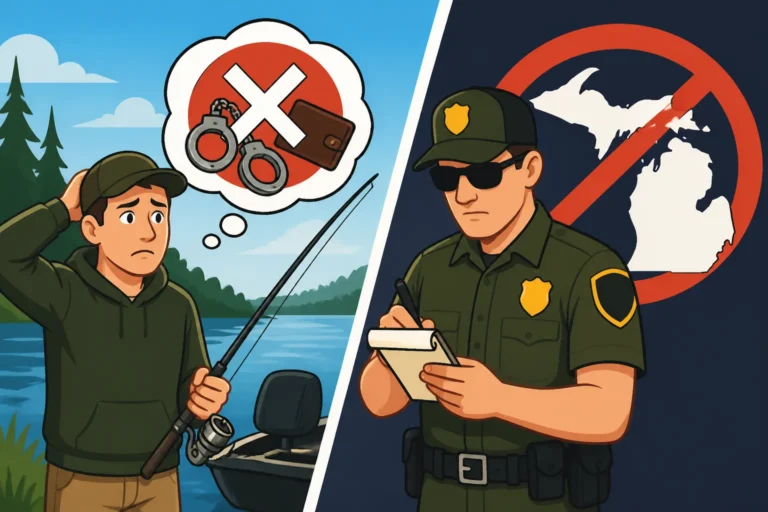
Ignoring the 24-hour reporting requirement for a harvested muskellunge is a serious offense in Michigan, and it's not something you want to mess around with. Fishing regulations, including reporting mandates, are put in place for a reason: to protect and sustain our natural resources.
If you are found to have harvested a muskellunge and failed to report it within the specified 24-hour window, you could face significant penalties. These can include fines, which can range from several hundred dollars to well over a thousand, and potentially the loss of your fishing privileges. In some cases, the illegally harvested fish itself might be confiscated. Conservation officers take these rules very seriously because accurate data is fundamental to their work.
The DNR's goal isn't to punish anglers, but to ensure compliance that supports sound fisheries management. A small lapse in memory or a delay in reporting can have unintended legal consequences. It's always best to err on the side of caution, be prepared with your reporting methods, and fulfill your obligations as a responsible Michigan angler. Knowing the ins and outs of your Michigan Fishing License Costs and Types Explained and the regulations associated with it is always a smart move.
Disclaimer
Please remember that fishing regulations, including reporting requirements, can change. While every effort has been made to provide accurate and up-to-date information, it is your responsibility to consult the most current Michigan Fishing Guide published by the Michigan Department of Natural Resources (DNR) or visit their official website before heading out to fish. This guide is for informational purposes only and does not constitute legal advice.