Is Kayak Fishing Safe on the Great Lakes?
The allure of slipping into a kayak and paddling out onto the immense, often unpredictable waters of the Great Lakes to chase after trophy fish is a powerful draw for many anglers. While the prospect of a quiet, intimate angling experience far from crowded boat ramps is enticing, the sheer scale and inherent dangers of these inland seas demand a level of respect and preparation far beyond what's needed for smaller, calmer waters. This guide will unpack the realities of kayak fishing on the Great Lakes, helping you understand the very real risks and the absolutely critical steps you must take to ensure your safety and enjoyment on Michigan's biggest fishing grounds.
The Allure and Inherent Risks of Great Lakes Kayak Fishing
There's no denying the magnetic pull of the Great Lakes for any angler. The vast expanses, the potential for incredible catches, and the profound sense of peace you can find away from the roar of outboard motors are truly special. However, it's precisely these qualities that can sometimes lull an unprepared paddler into a false sense of security, leading to dangerous situations.
Why the Great Lakes Call to Kayak Anglers
Imagine casting a line for Chinook salmon or lake trout in the crystal-clear depths of Lake Michigan, with nothing but the gentle lapping of waves against your hull and the cry of gulls overhead. Kayak fishing offers an unparalleled connection to the environment. You're low to the water, immersed in the elements, and have the ability to stealthily approach fish in ways a larger boat cannot. It's often more affordable than owning and maintaining a powerboat, and launching can be simpler from many shorelines or smaller access points. For those seeking solitude and a true challenge, the Great Lakes present an irresistible frontier. The opportunity to target massive fish like lake trout, coho salmon, or even an elusive walleye on Saginaw Bay from such a personal craft feels like a true accomplishment. The sheer size of the Great Lakes means endless opportunities for exploration, from sandy shores to rocky points, providing diverse habitats for many species.
Understanding the Great Lakes' Untamed Nature
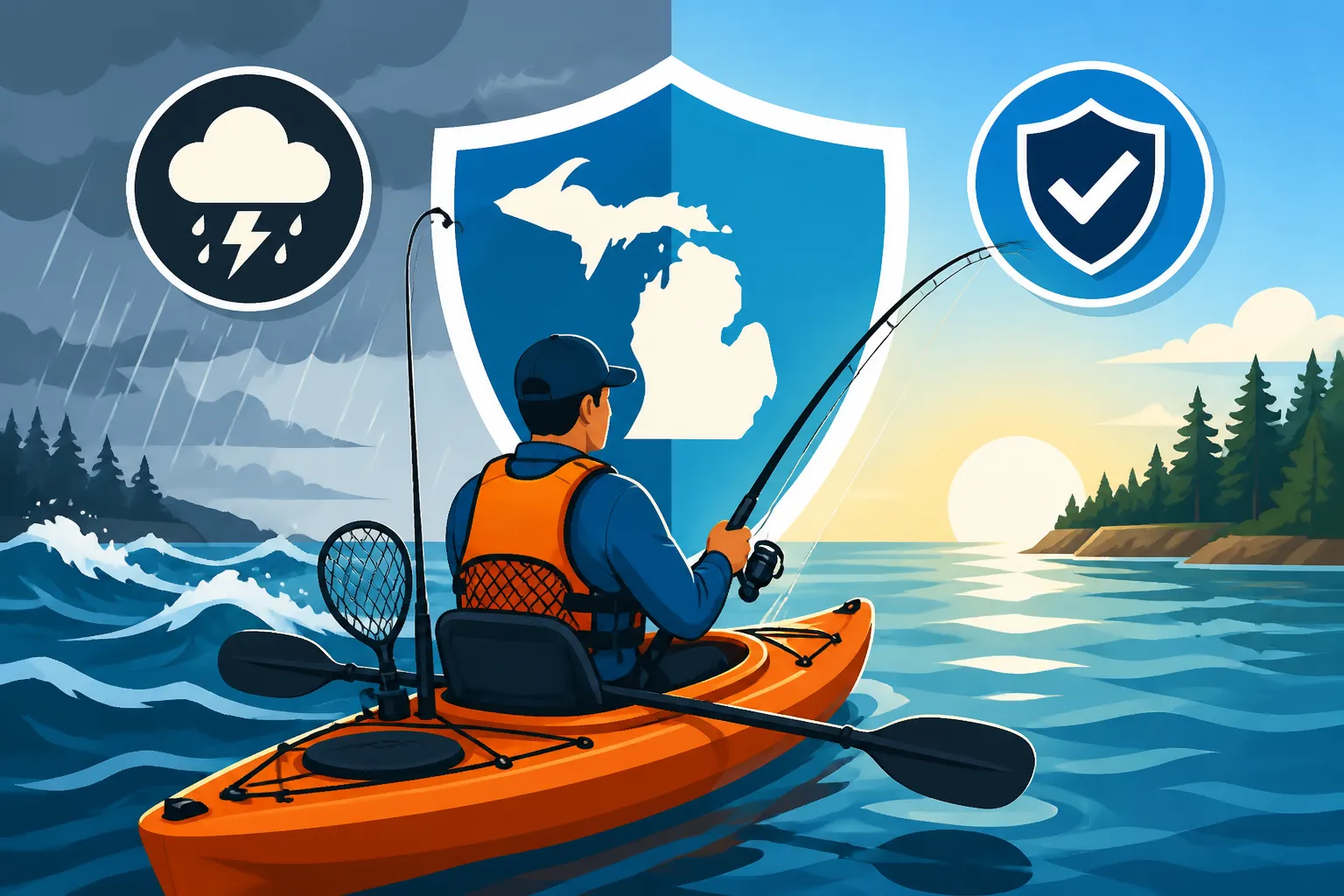
Let's be brutally honest: the Great Lakes are not glorified ponds. They are immense freshwater oceans with their own unique and formidable challenges. The most significant danger comes from their sheer size and depth, which allows for rapid, drastic weather changes. A calm morning can turn into a white-capped nightmare in a matter of minutes, driven by strong winds that build significant wave action across miles of open water. The water itself, especially away from the summer shallows, is often incredibly cold, leading to rapid hypothermia if you capsize. Commercial shipping lanes present hazards, with massive freighters that cannot see or quickly react to a small kayak. Distances can be deceiving; a shoreline that looks "close" can be miles away, and if you get into trouble, help can be a long time coming. These are not waters where you can afford to be underprepared or overestimate your abilities. Every outing requires a healthy respect for the power of nature and a meticulous approach to safety.
Essential Gear and Preparations for Great Lakes Safety
Venturing onto the Great Lakes in a kayak isn't just about having a paddle and a fishing rod. It demands a specialized setup and a commitment to safety gear. Think of it as preparing for a mini-expedition, not a leisurely paddle.
The Right Kayak Makes All the Difference
Not all kayaks are created equal, especially when it comes to the Great Lakes. A short, wide recreational kayak designed for calm inland lakes simply won't cut it. You need a vessel built for stability, tracking, and the ability to handle chop.
- Length and Stability: Generally, longer kayaks (12 feet or more) track better in open water and handle waves more efficiently. Wider kayaks offer more initial stability, which is great for casting and fighting fish, but can sometimes feel sluggish. Look for fishing-specific kayaks that balance these traits. Many modern fishing kayaks are designed with greater width and specialized hulls to provide a very stable platform, some even allowing stand-up fishing. These often come equipped with features like rod holders, storage hatches, and transducer mounts for fish finders.
- Sit-on-Top vs. Sit-in: For Great Lakes fishing, sit-on-top kayaks are overwhelmingly recommended. If you capsize, you can more easily re-enter a sit-on-top in open water. They also shed water quickly through scupper holes, which is crucial when waves break over your bow. Sit-in kayaks, while potentially faster and drier in calm conditions, can quickly fill with water if capsized, making self-rescue incredibly difficult and dangerous in cold, choppy conditions.
- Propulsion: While traditional paddle power is common, many Great Lakes kayak anglers opt for pedal-drive systems or even small electric trolling motors. Pedal drives free up your hands for fishing and can provide powerful propulsion, allowing you to cover more ground or fight against currents more effectively. An electric motor offers a similar advantage, though it requires battery management. These extra propulsion methods can be lifesavers if you need to quickly get back to shore in deteriorating conditions or battle a strong headwind. When considering your ideal craft, research the Best Kayaks for Michigan Fishing and specifically the Best Kayak for Michigan Lake Fishing to find models suited for these conditions.
Personal Flotation Devices Are Non-Negotiable
This isn't a suggestion; it's a commandment. Your Personal Flotation Device (PFD), or life jacket, must be worn at all times while kayak fishing on the Great Lakes. Not just strapped to the deck, not just tucked under your seat – it needs to be on your body, properly fitted.
- Type and Fit: Choose a PFD specifically designed for kayaking or paddle sports. These are typically thinner, less bulky, and allow for a full range of arm motion for paddling and casting. Ensure it fits snugly but comfortably, allowing you to breathe and move without riding up. Inflatable PFDs are popular for their low profile but require proper maintenance and understanding of how they work. While they are great for comfort, a traditional foam PFD offers immediate buoyancy without relying on inflation.
- Cold Water Protection: Remember that cold water is an immense threat, even in summer. The Great Lakes rarely warm up significantly beyond the very shallow nearshore areas. A PFD will keep you afloat, but it won't prevent hypothermia. Consider layering your clothing appropriately, and if fishing during colder months, investigate options like a dry suit or wet suit. Even in seemingly mild conditions, a sudden capsize in 50-degree water can be deadly within minutes. Prioritize wearing the Best Life Jacket for Cold Water Boating if you venture out when water temperatures are low.
Navigational Aids and Communication
Getting lost or being unable to call for help are serious concerns on the Great Lakes. You need redundant systems for both navigation and communication.
- GPS and Charts: A dedicated marine GPS unit or a reliable smartphone app with offline Great Lakes charts is essential. Your phone alone isn't enough; battery life and water damage are significant risks. Understand how to read nautical charts, identify depth contours, shoals, and potential hazards. A basic compass and knowing how to use it are also critical backups. Many anglers use fish finders that also offer GPS capabilities, allowing you to mark waypoints and navigate safely. Consider what kind of Fish Finders for Michigan Boat Fishing might work well for your kayak setup.
- Communication Devices:
- VHF Radio: This is your primary communication device on the Great Lakes. A waterproof handheld VHF radio allows you to call for help directly to the Coast Guard (Channel 16) or communicate with other boats. Cell phones are unreliable due to spotty coverage, especially a few miles offshore.
- Cell Phone (Waterproofed): Carry your cell phone in a truly waterproof case and keep it charged, but understand its limitations. It's a backup, not a primary.
- Whistle/Air Horn: A loud signaling device can alert nearby vessels to your presence, especially in fog or low light.
- Signal Mirror/Flares: These visual distress signals can be crucial for attracting attention from distant vessels or aircraft.
- Light: If there's any chance you'll be out at dusk or dawn, or if conditions turn unexpectedly, a 360-degree white light is a legal requirement and a safety must. A bright headlamp is also invaluable.
Emergency and Survival Essentials
Beyond your PFD and communication, a small kit of emergency supplies can make a huge difference.
| Item | Purpose | Importance Level |
|---|---|---|
| PFD (WORN) | Keeps you afloat; increases survival time in cold water. | CRITICAL |
| VHF Radio | Direct communication with Coast Guard/other boats. | CRITICAL |
| Paddle Leash | Prevents losing your paddle if you capsize. | HIGH |
| Anchor & Line | Holds position, especially in current or wind. | HIGH |
| First Aid Kit | Addresses minor injuries. | HIGH |
| Water/Snacks | Hydration and energy for unexpected delays. | HIGH |
| Knife (Fixed Blade) | Cutting tangled lines, emergency use. | HIGH |
| Bilge Pump/Sponge | Removes water from the kayak. | HIGH |
| Sun Protection | Sunscreen, hat, sunglasses for prolonged exposure. | MEDIUM |
| Dry Bag with Spare Clothes | Warm, dry layers if you get wet. | HIGH |
| Sound Signaling Device | Whistle or air horn for alerting others. | HIGH |
| Navigational Aids | GPS, compass, charts for staying oriented. | CRITICAL |
| Headlamp/Light | Visibility in low light conditions. | HIGH |
| Tow Rope | For assisting or being assisted by another craft. | MEDIUM |
- Paddle Leash: This simple device prevents you from losing your paddle if you capsize, a surprisingly common and devastating issue.
- Anchor: A small, collapsible anchor appropriate for a kayak is invaluable for holding your position while fishing, especially in currents or wind. Make sure you understand how to deploy and retrieve it safely without capsizing. Knowing the Best Anchor for Lake Fishing for your kayak is key.
- First Aid Kit: A basic waterproof first aid kit should always be on board for cuts, scrapes, or minor emergencies.
- Repair Kit: Duct tape, zip ties, and a multi-tool can fix many minor issues that could otherwise end your trip.
- Dry Bag: Pack a dry bag with spare clothes, a towel, and any electronics. If you capsize, having dry layers can literally save your life. Many great options can be found on Amazon or at Bass Pro Shops.
- Sun Protection: The sun's glare off the water can be intense, leading to sunburn and eye strain. Bring plenty of sunscreen, a wide-brimmed hat, and polarized sunglasses.
Mastering Conditions and Planning Your Trip
No amount of gear can replace good judgment and meticulous planning. This is where experience, respect for the Great Lakes, and a commitment to safety truly come into play.
Weather: Your #1 Consideration
The weather on the Great Lakes is fickle and unforgiving. It's not just about comfort; it's about survival. You must be hyper-aware of weather conditions before, during, and even after your planned trip.
- Check Multiple Forecasts: Don't rely on a single source. Check marine forecasts, local forecasts, and even radar. Look for wind direction and speed, wave height predictions, and any chance of pop-up thunderstorms. Pay close attention to small craft advisories. NOAA weather radio is an excellent resource for real-time marine forecasts.
- Understand Wind and Wave Dynamics: Even a relatively light wind can create significant chop on a large lake. An onshore wind can quickly build waves that make landing impossible at your planned access point. An offshore wind, while creating calm nearshore, can swiftly push you out into open water. Always consider the fetch – the distance the wind blows over open water – as this directly influences wave height. A steady 10 mph wind can be manageable for an experienced kayaker, but gusts to 15-20 mph can create dangerous whitecaps and make forward progress impossible.
- "When in Doubt, Don't Go Out": This isn't just a saying; it's a rule to live by. If the forecast looks marginal, if you have any doubts about your skill level or your gear, reschedule. There will always be another day to fish. No fish is worth risking your life. This means sometimes accepting disappointment, especially if you've traveled a distance, but your safety is paramount.
Understanding the Great Lakes' Currents and Waves
Beyond general weather, understanding the specific hydrodynamics of the Great Lakes is crucial. Each lake has its own personality, and even within a single lake, conditions can vary widely by location.
- Longshore Currents and Rip Currents: The Great Lakes, like oceans, can have longshore currents that run parallel to the shore and, more dangerously, rip currents that can pull you rapidly offshore. Learn how to identify these and how to react if caught in one (paddle parallel to the shore to escape the pull, then angle back in).
- Wave Energy and Beach Landings: Landing and launching a kayak through breaking waves on a Great Lakes beach can be one of the most hazardous parts of your trip. A rogue wave can swamp your kayak or flip you before you even get past the surf line. Practice launching and landing in various conditions on smaller waters before tackling the Great Lakes. Know when to abort a launch or seek a calmer, protected harbor if conditions are too rough. Keep in mind that conditions can change rapidly and you may need to adjust your plans, even if that means abandoning a prime fishing spot.
- Cold Water Immersion: Michigan's Great Lakes are notoriously cold, even in the height of summer. Water temperatures in the main body of the lakes often hover in the 50s or low 60s Fahrenheit. If you capsize, cold water shock can cause involuntary gasping, hyperventilation, and disorientation. Hypothermia sets in quickly, robbing you of strength and coordination. Always dress for the water temperature, not the air temperature. A dry suit or wetsuit, while an investment, can significantly increase your survival time if you unexpectedly find yourself in the water.
The Importance of a Float Plan
A float plan is a simple, yet profoundly important, safety measure that many anglers unfortunately overlook. It's essentially telling someone responsible where you're going and when you expect to be back.
- Who to Tell: Inform a trusted friend, family member, or even a dock attendant about your plans.
- What to Include: Your float plan should detail:
- Your name and contact information.
- The type of kayak you're using (color, distinct features).
- Your launch point and intended route.
- Your planned fishing area.
- Your estimated return time.
- What to do if you don't check in by a certain time (e.g., call the local sheriff's department or Coast Guard).
- Stick to the Plan: Once you've shared your plan, stick to it. If conditions force you to change your route or stay out longer, communicate those changes to your contact. Forgetting to check in can trigger an unnecessary search, while not having a plan at all means no one knows you're in trouble. Always consider the potential need for assistance and how easily you could be located. This ties into overall Michigan Boating Laws for Anglers and responsible water recreation.
Training, Experience, and Continual Learning
No matter how much gear you have, your most valuable safety tool is your own skill and judgment. The Great Lakes are not the place to learn basic kayak paddling or self-rescue techniques for the first time.
Building Your Kayak Skills on Smaller Waters
Before you even think about launching onto a Great Lake, spend considerable time honing your skills on smaller, more forgiving waters.
- Master Basic Paddling: Learn efficient paddling strokes for forward motion, turning, and bracing. Practice paddling against wind and current on local rivers or inland lakes.
- Practice Self-Rescue: This is absolutely critical. You must know how to get back into your kayak in open water if you capsize. Practice this repeatedly in controlled environments, preferably with a buddy, until it becomes second nature. Try it with all your gear attached, just as you would be fishing. Consider taking a formal kayak safety course that includes self-rescue drills.
- Understand Your Limits: Be honest with yourself about your physical fitness and paddling endurance. Battling waves and wind for miles is physically demanding. Don't push yourself beyond your comfort zone, especially when conditions start to deteriorate. Start with short trips close to shore in very calm conditions, gradually extending your range and exposure as your skills and confidence grow. Remember to review the Michigan Fishing Regulations Every Angler Should Know and other regional guides like Michigan Great Lakes Fishing Regulations Guide to ensure you're fishing legally and safely.
Great Lakes Specific Training and Resources
There are resources available to help you further your Great Lakes kayak fishing education. Don't be too proud to seek them out.
- Boating Safety Courses: Consider taking a Michigan-approved boating safety course. While not always mandatory for kayaks, they cover crucial topics like navigation rules, weather interpretation, and emergency procedures. Many state this is a requirement for certain age groups, so checking Michigan Boating Safety Certificate Requirements is a good idea.
- Guided Trips/Mentorship: If possible, go out with an experienced Great Lakes kayak angler. Learn from their knowledge of local conditions, launch points, and safety protocols. A guided trip can offer invaluable hands-on experience in a controlled setting.
- Local Knowledge: Talk to local bait shop owners, charter captains, and other anglers. They often have invaluable insights into specific areas, common hazards, and typical weather patterns. They can also advise on popular species like walleye or various salmon, including techniques for How to Troll for Salmon on the Great Lakes which can be adapted for kayaks. Before heading out, check recent weather patterns and any advisories.
- Stay Informed: Regularly check the DNR's website for any new regulations or safety alerts affecting Great Lakes fishing. Knowledge is your first line of defense. The Michigan DNR Hunt Fish App for Licenses and Reporting can also be a valuable tool for staying informed.
In conclusion, kayak fishing on the Great Lakes can be an incredibly rewarding experience, offering unparalleled access to stunning waters and fantastic fishing opportunities. However, it's a privilege that comes with significant responsibility. By understanding the inherent dangers, equipping yourself with the right gear, meticulously planning every trip, and continuously honing your skills, you can dramatically reduce the risks. Always prioritize safety above all else, respect the power of these magnificent lakes, and you'll create lasting memories on Michigan's iconic waters.
Disclaimer
This article is for general informational purposes only and does not constitute professional advice. Laws, prices and regulations vary by location and change over time. Consult a qualified professional for guidance on your specific situation.