Best Small Boat for Michigan Walleye Fishing
Choosing the right boat for Michigan walleye fishing can feel like a daunting task, especially when you're thinking "small boat." You want something nimble enough for navigating river currents and tight spots, yet sturdy enough to handle the occasional chop on larger lakes, all while being easy to manage by yourself or with a buddy. This guide will walk you through everything you need to consider to pick the perfect small vessel to chase those elusive, delicious Michigan walleye.
Why a Smaller Boat is Often the Best Choice for Michigan Walleye
Many anglers believe you need a massive, expensive bass boat or multi-species rig to effectively fish for walleye in Michigan, but that's simply not true. Smaller boats offer a surprising number of advantages that can actually enhance your walleye fishing experience, allowing you to access waters bigger boats can't, and making ownership more manageable.
Navigating Diverse Michigan Waters with Ease
Michigan's diverse fishery, from the vast Great Lakes to hundreds of smaller inland lakes and winding rivers, presents a unique challenge. A smaller boat often excels in this variety. Imagine wanting to target walleye on the Detroit River one weekend, then exploring a shallower, weed-choked bay on Lake St. Clair the next, or even a serene inland lake like Houghton Lake. A huge boat might struggle with shallow launches, tight turns in river bends, or simply getting into those secret walleye holes near shore.
Smaller boats, generally defined as under 18 feet, provide unparalleled maneuverability. They can easily get into shallower depths where walleye often lurk, especially during certain times of the year, without running aground. This versatility means you spend less time worrying about your boat and more time focusing on catching fish. It also makes them much easier to launch and retrieve, which is a huge plus if you're frequently changing locations or fishing alone.
Cost-Effectiveness and Simplified Ownership
Let's be honest, fishing can be an expensive hobby, and a boat is often the biggest investment. Smaller boats, by their very nature, come with a lower entry price point compared to their larger counterparts. This affordability extends beyond the initial purchase, impacting various aspects of boat ownership.
You'll find that smaller boats typically require smaller, more fuel-efficient outboard motors, cutting down on gas costs. Their lighter weight means you can tow them with a smaller vehicle, saving you from needing a huge truck. Storage can also be significantly cheaper or even free if you have space in your garage or driveway, eliminating costly marina fees. Maintenance is often simpler and less expensive, too, with fewer complex systems to worry about. For many Michigan anglers, the reduced financial burden and ease of ownership that come with a small boat mean more money and time to spend on the water, which is what it's all about. When looking for budget-friendly options, places like Amazon often have great deals on smaller accessories, but for the boat itself, dedicated marine retailers or even reputable used markets are excellent places to start.
Essential Features for a Walleye-Ready Small Boat
When you're sifting through options for a small boat, it's easy to get distracted by flashy features. However, for serious walleye fishing in Michigan, there are core functionalities that truly matter. Focusing on these will ensure your chosen vessel is not just a boat, but a highly effective fishing platform.
Stability and Deck Layout for Active Fishing
Walleye fishing often involves a lot of casting, jigging, and sometimes even standing to get a better view or leverage during a fight. Therefore, a small boat needs to offer good stability. You don't want to feel like you're constantly fighting the boat to stay upright, especially when reeling in a trophy walleye. Look for designs with a wider beam (width) relative to their length, as this generally contributes to better stability. A modified V-hull or a flatter bottom (like a jon boat) can offer excellent stability at rest.
Beyond stability, the deck layout is crucial. Is there enough open, uncluttered space to cast freely without snagging on seats or equipment? Can you move easily from bow to stern? Consider how many people will typically fish with you. If it's usually just you or one other person, a smaller footprint might be fine, but even then, a thoughtful layout can make a huge difference. Swivel seats are a common and appreciated feature, allowing you to quickly turn and address a bite or net a fish. Ensure there are secure places to mount rod holders for trolling or keeping spare rods at the ready.
Power and Propulsion Considerations
The heart of any fishing boat is its motor, and for a small walleye boat, you'll want a balance of power, efficiency, and the ability to operate in various conditions. Most small walleye boats will feature a tiller-steer outboard motor, which provides excellent maneuverability and frees up deck space compared to a console. The horsepower rating will depend on the boat's size and your intended use. For smaller inland lakes, a 9.9 HP to 25 HP might be plenty, offering good fuel economy and compliance with potential lake restrictions. If you plan to venture onto larger waters like Saginaw Bay or even the calmer days on Lake Michigan, something in the 25 HP to 50 HP range might be more appropriate to safely cover distance and handle unexpected swells.
Don't overlook the importance of a quality electric trolling motor, especially for precise boat control when jigging or drifting for walleye. A bow-mounted trolling motor with GPS capabilities (like spot-lock) is a game-changer for staying on prime structure. You'll need sufficient battery power to run this, so consider where batteries can be stored securely and how they'll be recharged. Many anglers find that a reliable trolling motor from brands available at Bass Pro Shops is as important as their main outboard.
Storage and Livewell Solutions
Even in a small boat, storage is paramount. You'll be bringing rods, tackle boxes, safety gear, anchor, cooler, and maybe even a net. Look for integrated storage compartments, especially dry storage, to keep your gear safe from spray and weather. Under-seat storage or compartments built into the bow or stern can be incredibly valuable. Rod storage is another key consideration; horizontal rod holders along the gunwales or vertical holders in a pedestal mount can keep your rods organized and out of the way, preventing damage.
For walleye anglers, a livewell is often a non-negotiable feature. If you plan to keep your catch, a well-designed livewell will ensure your walleye stay lively and fresh until you reach shore. Look for aerated livewells with rounded corners to prevent fish from bruising themselves. The capacity should be appropriate for the size and number of fish you typically catch. If a built-in livewell isn't an option, a portable, aerated cooler can serve as a decent substitute, though it will take up deck space.
Popular Small Boat Types for Michigan Walleye Anglers
Michigan's diverse waterways mean there isn't a single "best" small boat, but rather several excellent options, each with its own strengths. Understanding these types will help you narrow down your search and find the perfect match for your specific walleye pursuits.
Aluminum Jon Boats: The Workhorses of Shallow Water
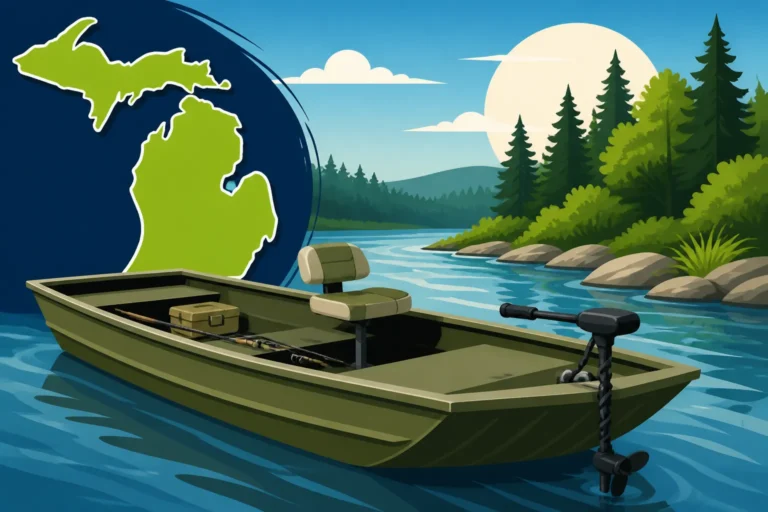
When it comes to small, versatile, and no-nonsense fishing platforms, aluminum jon boats are often at the top of the list. These boats are characterized by their flat bottoms and typically square bows, designed for maximum stability in calm, shallow waters. They are incredibly popular on Michigan's rivers like the Grand or the Kalamazoo, and on shallower inland lakes where walleye frequently feed.
Pros:
- Shallow Draft: Their flat bottom allows them to navigate extremely shallow water, making previously inaccessible walleye haunts reachable.
- Durability: Constructed from welded or riveted aluminum, they are incredibly tough and can withstand bumps and scrapes against rocks or logs without much fuss.
- Affordability: Generally, jon boats are among the most budget-friendly boat options, both to purchase and maintain.
- Easy to Modify: Their simple design makes them a popular choice for customization, allowing anglers to add decking, pedestal seats, rod holders, and electronics as needed.
Cons:
- Rough Water Performance: The flat bottom that makes them great in shallow water also means a very rough, pounding ride in choppy conditions. They are not ideal for big water like the Great Lakes on windy days.
- Wet Ride: In any significant chop, prepare to get wet as the flat bow tends to slap the waves rather than cut through them.
- Basic Comfort: Many come with bench seats that aren't particularly comfortable for long fishing sessions, though this can be mitigated with aftermarket additions.
Despite their drawbacks in rough water, a well-outfitted jon boat with a strong transom-mount trolling motor and a reliable outboard can be an absolute walleye magnet in the right Michigan environments.
Small V-Hull Boats: Versatility for Varied Conditions
For anglers who want a bit more comfort and capability in varied water conditions, a small V-hull aluminum or fiberglass boat is an excellent choice. These boats feature a "V" shaped hull that helps them cut through waves, providing a smoother, drier ride than a flat-bottomed jon boat. They are a fantastic compromise for those who fish a mix of large inland lakes and the more sheltered bays of the Great Lakes.
Pros:
- Smoother Ride: The V-hull design allows them to slice through chop, significantly reducing pounding and spray.
- Improved Handling: They generally track better and are more responsive to steering in rougher water.
- Enhanced Safety: The deeper hull can feel more secure when conditions get a bit dicey, providing more freeboard (height from water to gunwale).
- More Integrated Features: Many small V-hulls come with more built-in features like aerated livewells, rod lockers, and comfortable pedestal seats from the factory.
Cons:
- Deeper Draft: While not drastically deep, they won't access as shallow water as a true jon boat.
- Higher Cost: Generally more expensive than comparable-sized jon boats due to their more complex construction and features.
- Heavier: The added structure and features mean they are heavier, requiring a slightly larger tow vehicle and more effort to launch.
Many popular small fishing boats, often called "utility V-boats" or "fishing runabouts," fall into this category. They are often found on walleye-rich waters like Muskegon Lake or even certain areas of Saginaw Bay on calm days, offering a good balance of fishability and comfort.
Modern Fishing Kayaks and Small Hybrids: The Stealthy Option
While perhaps not immediately thought of as "boats," today's sophisticated fishing kayaks and small hybrid craft (like specialized paddle/motor hybrids) deserve a mention for the walleye angler seeking ultimate stealth and access. These aren't your typical recreational kayaks; they are purpose-built with stability, storage, and accessory mounting in mind, often featuring pedal drives or electric motors.
Pros:
- Unparalleled Access: They can get into virtually any water navigable by a human, including extremely shallow backwaters, small creeks, and dense cover where walleye hide.
- Stealthy Approach: Minimal noise and disturbance allow for a very quiet approach, especially beneficial for sight-fishing or targeting wary walleye.
- Low Cost of Entry (Relative): While high-end fishing kayaks can be pricey, they are often still less expensive than a motorized boat and trailer setup.
- Easy to Transport: Most can be car-topped or trailered with a very small vehicle, making transport simple.
Cons:
- Limited Space: Storage is more constrained, and carrying multiple rods or a large cooler can be challenging.
- Weather Exposure: You are fully exposed to the elements, limiting comfortable fishing to ideal weather conditions.
- Speed and Range: Even with pedal or electric assist, their speed and range are significantly less than a motorized boat.
- Standing Stability: While much more stable than recreational kayaks, standing can still be a challenge, particularly for casting.
For the adventurous angler who prioritizes getting to obscure spots and doesn't mind a more minimalist approach, a fishing kayak offers a unique and highly effective way to target Michigan walleye. You can find a wide array of accessories and even electric motors for kayaks on sites like Amazon, allowing for impressive customization.
Here's a quick comparison of these popular small boat types for Michigan walleye fishing:
| Boat Type | Primary Strength | Rough Water Capability | Shallow Water Access | Typical Cost Shape | Best for Michigan Waters Like… |
|---|---|---|---|---|---|
| Aluminum Jon Boat | Extreme shallow draft, durable | Poor | Excellent | Lower | Rivers (Grand, Detroit), shallow inland lakes |
| Small V-Hull Boat | Versatile, smoother ride | Fair to Good | Good | Mid-Range | Inland lakes (Higgins, Torch), Saginaw Bay (calm) |
| Fishing Kayak/Hybrid | Stealth, ultimate access | Poor to Fair | Excellent | Varied | Small lakes, quiet rivers, backwaters |
Equipping Your Small Walleye Boat for Success
Once you've chosen the perfect small boat for your Michigan walleye adventures, the next step is outfitting it correctly. The right gear can transform a basic vessel into a highly efficient walleye-catching machine.
Electronics: Fish Finders and GPS
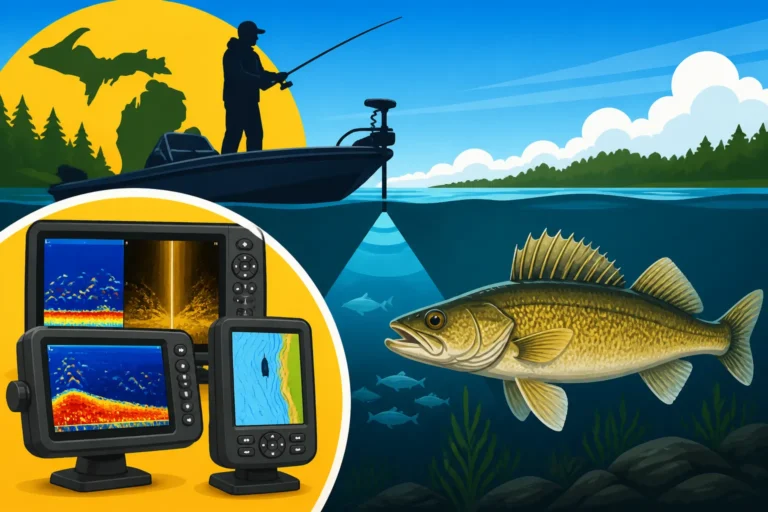
In today's fishing world, electronics are no longer a luxury, especially for walleye. A good fish finder is essential for locating structure, identifying baitfish, and marking individual walleye. For a small boat, you'll want a unit that offers clear sonar (including side imaging or down imaging if your budget allows) and GPS mapping capabilities. The GPS is crucial for navigating, marking waypoints where you find fish, and returning to those spots later. Modern units can also show contour lines on lake maps, helping you pinpoint underwater features that attract walleye.
Brands like Humminbird, Lowrance, and Garmin offer excellent options across various price points. Consider screen size and resolution for clarity, and ensure the transducer is correctly mounted for optimal performance. Many small boats can easily accommodate a 5-inch or 7-inch unit. You can often find great deals on these units and their accessories on sites like Amazon or by checking the marine electronics sections at Bass Pro Shops. Learning to interpret what your fish finder is telling you is a skill in itself, but it's a skill that will dramatically increase your walleye catch rates. For more on this, check out our guide on Best Jig Color for Michigan Walleye.
Essential Safety Gear and Comfort Additions
Safety should always be your top priority on the water. Even in a small boat, having the right safety gear is non-negotiable, and Michigan boating laws require specific items. Always have appropriately sized life jackets for everyone on board – and wear them, especially in cold water or rough conditions. A throw cushion or ring buoy is also required. Other essentials include navigation lights (if you plan to be out before sunrise or after sunset), an air horn or whistle, a fire extinguisher, and a paddle or oar in case of engine trouble. An anchor with sufficient rope for your deepest fishing spots is also vital for holding position, especially when drift fishing or trying to stay on a specific piece of structure. For more detailed information, consult Life Jackets and Michigan Boating Safety Rules.
Beyond safety, comfort can significantly enhance your enjoyment and endurance on the water. Upgrading basic bench seats to comfortable pedestal seats can make a huge difference during long days of fishing. A small cooler for drinks and snacks, a first-aid kit, and a dry bag for personal items (phone, wallet, keys) are also highly recommended. Small additions like rod holders, cleat systems for tying off, and even a small bimini top for shade on hot summer days can make your small boat feel much more functional and enjoyable.
Trolling Motors and Battery Systems
For walleye fishing, a reliable electric trolling motor is a truly indispensable tool, particularly a bow-mounted one. These motors allow for silent, precise boat positioning and slow trolling, which is often key to success when targeting walleye. A good bow-mount motor with features like "spot-lock" (which uses GPS to hold your boat in place) can free you up to focus entirely on fishing, rather than constantly maneuvering. Consider the thrust rating based on your boat's weight and length, and whether you need a foot pedal or remote control operation.
To power your trolling motor, you'll need a robust battery system. Most anglers use deep-cycle marine batteries. The number of batteries required depends on the voltage of your trolling motor (12V, 24V, or 36V) and how long you need to run it. Consider mounting batteries securely in waterproof boxes and ensure you have a reliable onboard or portable charger. Proper battery maintenance and charging are crucial for performance and longevity. Investing in a good quality battery system will ensure you have the power you need to stay on the fish all day long. For precise boat control, a powerful and long-lasting trolling motor is almost as important as your main engine for Michigan Walleye Fishing Techniques. Don't forget to check Michigan Boat Registration Requirements to ensure all your propulsion systems are compliant.
Disclaimer
This article is for general informational purposes only and does not constitute professional advice. Laws, prices and regulations vary by location and change over time. Consult a qualified professional for guidance on your specific situation.