Best Rivers for a Fall Steelhead Run
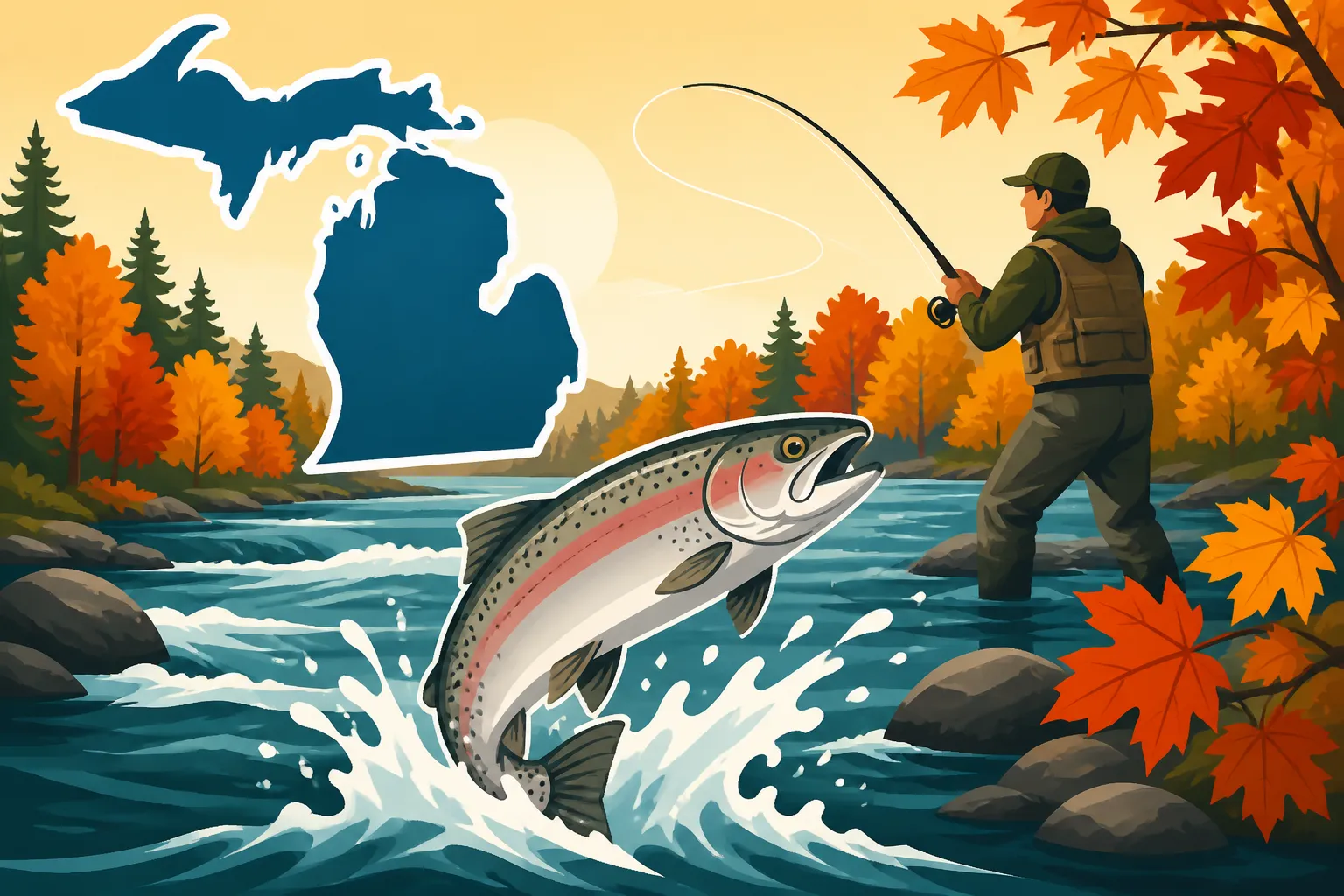
There's nothing quite like the crisp autumn air, the vibrant reds and golds of Michigan's forests, and the electrifying pull of a fresh steelhead on the end of your line. Many anglers get absolutely giddy thinking about chasing these chrome beauties in the fall, but knowing where to go and what to expect can feel like deciphering an ancient map. This guide is here to cut through the confusion and help you pinpoint the best Michigan rivers for a truly memorable fall steelhead run.
Understanding the Fall Steelhead Run in Michigan
The fall steelhead run is a phenomenon that captivates anglers across Michigan, drawing them to our majestic rivers. It's a prime time for some truly exciting fishing, but it's important to understand why these fish move upstream and what triggers their journey. It's not just a random event; it's a critical part of their life cycle, and knowing the nuances can significantly improve your chances of success.
What Triggers the Fall Run?
Steelhead, which are migratory rainbow trout, spend most of their lives growing big and strong in the expansive waters of the Great Lakes. But when autumn arrives, something primal calls them home to the rivers where they were born, or where they were stocked as young fish. The primary triggers are usually a combination of dropping water temperatures and increased flow from fall rains. As the calendar flips from late September into October and November, the Great Lakes cool, signaling to the steelhead that it's time to head upstream. These changes aren't always sudden; they can be gradual, creating a prolonged and fantastic fishing opportunity. It's fascinating to observe how nature orchestrates these events, and as anglers, we're simply trying to be there when the fish decide to make their move.
The Steelhead's Journey and Why it Matters to Anglers
When steelhead enter the rivers in the fall, they aren't there to spawn immediately. Instead, they're on what's often called a "pre-spawn" or "staging" run. They're moving into the river system, sometimes traveling many miles upstream, to find suitable holding water where they'll overwinter before the actual spring spawn. This journey is crucial because it means they are actively migrating and often quite aggressive, especially in the early stages of the run. For anglers, this translates to fish that are willing to strike at a variety of presentations. They're not just hunkered down; they're on the move, looking for food and good habitat. Understanding this behavior helps us predict where they might be, how they might react to our lures or flies, and ultimately, helps us put more fish in the net. It's a dynamic period, and truly knowing the rhythm of the river and the fish can make all the difference.
Top Michigan Rivers for Fall Steelhead
Michigan is blessed with an incredible network of rivers that host spectacular steelhead runs. While many smaller tributaries can also hold fish, some stand out year after year as consistent producers, offering diverse experiences for anglers of all skill levels. These rivers are often well-known, but for good reason – they deliver. When you're planning your trip, consider these mainstays for reliable fall action.
Manistee River: A Steelhead Powerhouse
The Manistee River, particularly its stretch below Tippy Dam, is legendary for its steelhead fishery. This river is often considered one of the best in the state, if not the entire Great Lakes region, for good reason. Its consistent flow and excellent habitat support a robust population of migratory fish. Fall brings impressive numbers of steelhead into the system, often starting in early October and continuing well into December. Anglers here use a variety of techniques, from float fishing with spawn bags or beads to casting spinners and even fly fishing. The sheer size of the river means there's plenty of water to explore, from deep holes and runs to faster riffles. Access is generally good, with several public launch points and wading opportunities. If you're looking for a river that can offer both quantity and quality, the Manistee should be at the top of your list. Learn more about the opportunities on the Manistee River Steelhead and Salmon Fishing in Michigan.
Pere Marquette River: Fly Angler's Dream
The Pere Marquette River, or "PM" as it's affectionately known, holds a special place in the hearts of many Michigan anglers, particularly those who prefer fly fishing. This designated "blue ribbon" trout stream is known for its pristine waters and wild populations, though it also receives robust steelhead runs. The PM tends to run a bit colder and clearer than some other rivers, which can make for challenging but incredibly rewarding fishing. Fall steelhead enter the PM with gusto, providing excellent opportunities for swinging flies, nymphing, and even indicator fishing. While the Manistee might offer more numbers, the PM offers a unique wilderness feel and the chance to hook into some truly feisty fish on lighter tackle. Many sections are walk-in access only, preserving its wild character. If you're a purist or just love the art of the fly, the Pere Marquette River Fly Fishing in Michigan is an absolute must-visit during the fall run.
Muskegon River: Consistent and Productive
The Muskegon River is another fantastic option for fall steelhead, known for its consistent and often abundant runs. Similar to the Manistee, the stretch below Croton Dam (also known as Newaygo Dam) is where much of the action happens. The Muskegon is a large river, offering a wide variety of water types suitable for different fishing methods. From drift boats to shore anglers, everyone can find a spot. The steelhead often start pushing into the Muskegon in October, with peak numbers often occurring through November. The sheer volume of water and diverse bottom structure means fish can be spread out, but consistent effort usually pays off. Anglers here employ everything from float fishing and bottom bouncing to casting hardware. This river is easily accessible and has a strong local guide community, which is always a good sign of a productive fishery. If you want to know more about the best times, check out Muskegon River Michigan Steelhead Run Timing.
Au Sable River: The Understated Gem
While often celebrated for its incredible trout fishing (especially brown trout), the Lower Au Sable River below Foote Dam also experiences a significant fall steelhead run. It's sometimes overshadowed by the more famous steelhead rivers, making it a bit of an "understated gem" for those in the know. Steelhead begin entering the Au Sable in the fall, offering excellent opportunities through the cooler months. The character of the lower river is different from its upper trout waters, becoming wider and deeper, with more current. This river can be fantastic for drift boat anglers covering a lot of water, as well as those willing to wade the accessible stretches. Techniques mirror those used on other rivers: float fishing, bottom bouncing, and some fly fishing. Don't overlook the Au Sable River Trout Fishing in Michigan for its fall steelhead potential – it can offer a quieter, yet equally rewarding experience.
Essential Techniques and Gear for Fall Steelhead
Chasing fall steelhead is a unique challenge, and having the right techniques and gear in your arsenal can make all the difference between a frustrating day and a memorable one. These fish are powerful, and the river environments can be demanding, so being prepared is key. Let's talk about how to tackle these chrome beauties and what to pack.
Effective Fall Steelhead Techniques
When those steelhead move into the rivers, they're often hungry and aggressive, but they can also be pressured and wary. A diverse approach is usually best.
- Float Fishing (aka "Centerpinning" or "Bobber Dogging"): This is arguably one of the most popular and effective methods. Using a long rod (10-13 feet), a float (bobber), and a specific weight setup, you drift natural baits (like cured salmon roe in a spawn bag) or artificial baits (like beads) down the current. The key is a drag-free drift that mimics how natural food would move. This technique allows you to cover a lot of water and present your bait naturally to fish holding in various depths. Many anglers swear by centerpin reels for the ultimate drag-free presentation, while others use spinning reels. Check out How to Centerpin for Steelhead for a deeper dive.
- Bottom Bouncing/Drift Fishing: This involves using enough weight to keep your bait (often spawn bags or worms) ticking along the bottom, just above the riverbed. It's incredibly effective in deeper runs and pockets where steelhead like to hold. You're trying to present a subtle, natural offering right in their strike zone. This is a very hands-on technique, requiring you to feel every bump and tap, differentiating between the bottom and a fish.
- Casting Hardware: Spinners (like Mepps or Blue Fox) and small spoons can be deadly, especially for aggressive, recently arrived steelhead. These lures imitate baitfish or provide an irresistible flash and vibration that can trigger a reactionary strike. This technique is often effective in faster water or when fish are actively moving.
- Fly Fishing: For the purists, fly fishing for fall steelhead is a deeply rewarding experience. Techniques include nymphing with egg patterns or stoneflies, swinging traditional steelhead flies, or indicator fishing. The clearer water conditions sometimes found in the fall can make fly fishing exceptionally productive, offering a more direct and engaging battle. Explore Fly Fishing Techniques for Michigan Steelhead to refine your approach.
Must-Have Gear for River Steelheading
You wouldn't head into battle without the right armor, and steelhead fishing is no different! Here's a quick rundown of essential gear:
| Gear Type | Specific Items | Importance |
|---|---|---|
| Rods & Reels | Long (9-13 ft) medium-light spinning or centerpin rod; matching reel with smooth drag (size 2500-4000 spinning, or specialized centerpin reel) | Longer rods aid in line control for better drifts and shock absorption. Smooth drag is crucial for powerful steelhead. Consult Best Rods for Steelhead Fishing and Best Reels for Steelhead Fishing. |
| Line | 8-12 lb fluorocarbon or monofilament main line; 6-8 lb fluorocarbon leader | Fluorocarbon is nearly invisible in water, critical for wary fish. A lighter leader allows for stealthier presentations and breaks off if snagged, saving your main line. Know your What Line Weight for Michigan Steelhead. |
| Terminal Tackle | Floats (various sizes); split shot or slinky weights; swivels; hooks (size 6-12 egg hooks); beads (6-10mm); spawn netting; small spinners/spoons | These components allow you to rig up effectively for different conditions and techniques. Always have a variety! |
| Waders & Boots | Breathable chest waders; felt-soled or rubber-soled wading boots with studs | Essential for staying dry and warm in cold river water. Good traction is paramount for safety on slippery river bottoms. |
| Other Essentials | Net (large, long-handled, rubberized for fish safety); polarized sunglasses; forceps/pliers; line clippers; tackle box; warm layers/rain gear; small backpack | From landing fish safely to protecting your eyes from glare, these items enhance your comfort, safety, and success. Many of these essentials can be found on Amazon with a quick search. |
Always remember to check the Michigan Fishing Regulations Every Angler Should Know before heading out!
Tips for a Successful Fall Steelhead Outing
You've got the knowledge of the rivers and the gear ready to go. Now, let's talk about some nuanced tips that can really elevate your fall steelhead fishing game. It's often the small details and a thoughtful approach that separates a good day from a truly exceptional one. Remember, these fish are wild and unpredictable, so patience and adaptability are your best friends.
Reading the River and Weather Conditions
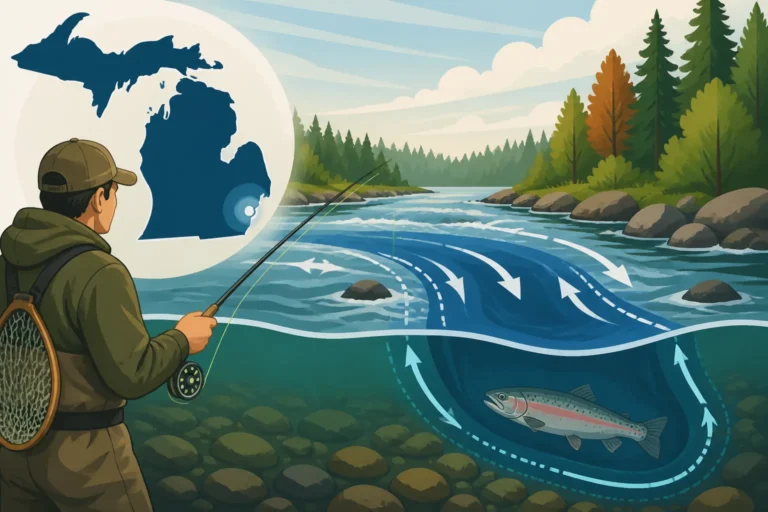
Steelhead fishing is less about casting blindly and more about understanding the environment around you. The river itself tells a story, and learning to read it is paramount. Look for changes in current speed, depth, and structure. Steelhead love to hold in "seams" where fast water meets slower water, behind large rocks or logs that break the current, and in deep pools or runs. These spots offer them shelter from the current while still providing easy access to food drifting by.
Weather conditions also play a huge role. Fresh rain, while it might make the river muddy for a day or two, often brings in new waves of fish and can increase water levels, which steelhead prefer for easier migration. A sharp drop in air temperature can make fish lethargic, while a steady, cooler pattern often keeps them active. Keep an eye on the forecast and river gauges if you can. Water temperature is perhaps the most critical factor; steelhead activity often peaks when river temperatures are in the 40s to low 50s Fahrenheit. Don't be afraid to adjust your techniques or even your location based on what the river and weather are telling you. Sometimes the most successful anglers are the most observant, constantly scanning the water for subtle signs of fish or prime holding water.
Conservation and Ethical Angling Practices
As passionate anglers, we all share a responsibility to protect the incredible fisheries we enjoy. When targeting fall steelhead, ethical practices are more important than ever. These fish are on their spawning migration, and their future depends on their successful return to the lakes.
- Catch and Release: Many anglers practice catch-and-release, especially for fall steelhead. If you intend to release a fish (and often, regulations require it for certain species or sizes), handle it with care. Keep the fish in the water as much as possible, use a rubberized net to protect its slime coat, and remove the hook gently with forceps or pliers. Avoid squeezing the fish or dragging it onto shore. Let it recover in the current before releasing it. This greatly increases its chances of survival. Understanding Catch-and-Release Techniques for Michigan Muskellunge can apply similar principles for careful handling of steelhead.
- Know the Regulations: Always, always, always be aware of the current Michigan fishing regulations. These include specific bag limits, size limits, and sometimes even gear restrictions for certain rivers or times of the year. Regulations are designed to protect the fishery, and ignorance is no excuse. You can often find the latest digest online or at local bait shops, and it's always a good idea to refresh your memory each season.
- Respect Other Anglers and the Environment: River fishing can sometimes mean sharing tight spaces. Be courteous, give others ample room, and avoid "walking through" someone's fishing spot. Pack out everything you pack in, and leave no trace behind. Protecting the beauty and health of these rivers ensures that future generations can enjoy the same incredible fall steelhead runs we do. Remember, a thriving fishery depends on all of us doing our part. Getting your fishing license is also a key part of supporting these efforts; remember to pick up yours, perhaps through a convenient online platform or even a local dealer like you might find products on Amazon.
Disclaimer
This article is for general informational purposes only and does not constitute professional advice. Laws, prices and regulations vary by location and change over time. Consult a qualified professional for guidance on your specific situation.