Ice Fishing Techniques for Perch
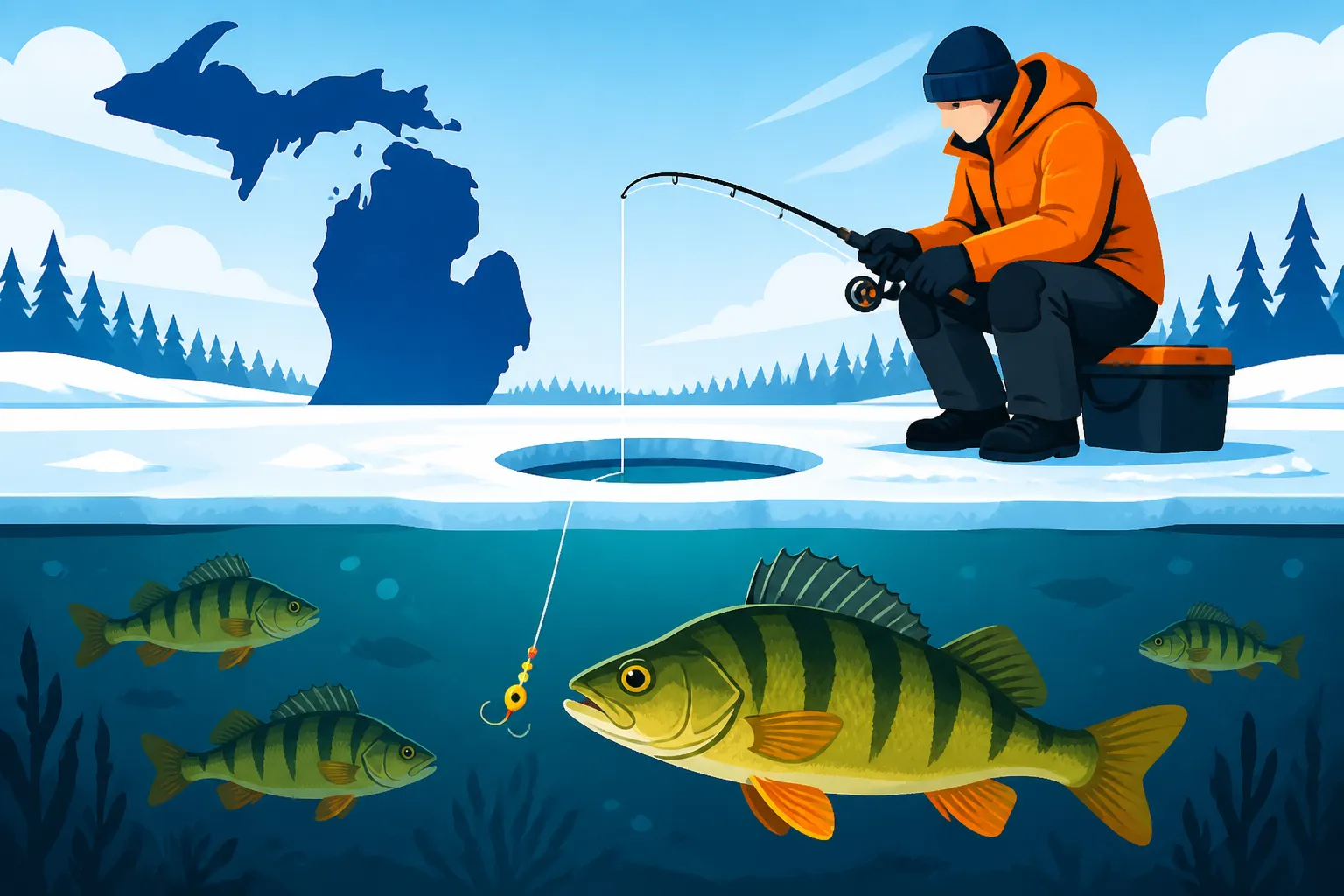
There’s nothing quite like the crisp air and serene silence of a Michigan winter day, especially when you’re out on the ice, but let's be real – trying to find and consistently catch yellow perch through a tiny hole in the ice can be incredibly frustrating. One day they’re biting everything, the next it feels like they’ve vanished into thin air. This comprehensive guide is here to demystify ice fishing for perch, offering proven techniques and insights to help you fill your bucket and enjoy those beautiful winter mornings, rather than just shiver.
Understanding Michigan Perch Behavior Under the Ice
Catching perch consistently through the ice starts with understanding what makes these little guys tick when the water turns hard. They’re not just swimming around aimlessly; their behavior is heavily influenced by factors like water temperature, oxygen levels, and available food sources. Knowing these patterns helps you predict where they'll be and what they'll bite.
Winter Feeding Patterns
When the water temperatures drop below freezing, the metabolism of yellow perch slows down significantly. This means they don't need to eat as frequently or as much as they do in the warmer months. However, they still need to feed to survive, and they're opportunistic feeders, meaning they'll take advantage of easy meals. Often, this translates to shorter, more intense feeding windows. You might find them extremely active for an hour around dawn or dusk, or during a sudden weather change, and then they'll go completely dormant.
During these colder periods, perch tend to stick to smaller, high-protein food sources. Think tiny insect larvae, freshwater shrimp, and small minnows. Their bites can be incredibly subtle, sometimes just a slight tap or a momentary increase in line tension, rather than the aggressive tugs you'd expect in summer. This requires heightened sensitivity from your rod and line, and an even more observant eye. If you're not paying close attention, it's easy to miss these delicate takes, leading to a lot of frustration when you pull up a baitless hook.
Habitat Preferences in Winter
Perch are schooling fish, and this behavior intensifies in winter as they huddle together for protection and to conserve energy. They gravitate towards areas that offer both food and shelter from predators like walleye and pike. In larger lakes, this often means deeper flats, the edges of drop-offs, or around submerged weed lines that still offer some cover and hold insect life. In smaller, shallower lakes, they might be found congregated near the deepest basins, or even under docks and alongside natural structure like fallen trees, if those areas still provide a bit of depth.
One common mistake anglers make is drilling a hole and staying put, especially if they don't catch anything immediately. Perch schools move. A spot that was hot yesterday might be barren today. They're constantly on the hunt for comfortable water temperatures – often just a few degrees warmer than the surrounding water – and pockets of higher oxygen. This means if you're not getting bites within 15-20 minutes, it's often time to move and try a different depth or structure. This nomadic tendency is a key characteristic of Michigan Yellow Perch Limit on Lake St. Clair behavior, and really, perch everywhere when the ice sets in.
Essential Gear for Michigan Perch Ice Fishing
Having the right gear isn't just about comfort; it's about maximizing your chances and making the experience enjoyable. From rods that detect the faintest bite to augers that slice through thick ice, each piece plays a critical role in your success out on Michigan's frozen lakes.
Rods, Reels, and Line Selection
For perch, finesse is key. You're not usually fighting a monster, so heavy gear will just dull your senses and make it harder to detect those subtle bites.
- Rods: Look for light to ultralight action ice rods, typically 24 to 30 inches long. The tip needs to be incredibly sensitive, often made of a graphite or composite material, to show the slightest tap or lift. Brands like Fenwick, St. Croix, and even some custom rod builders offer excellent options. A sensitive rod is perhaps the most important piece of gear for "reading" those light bites.
- Reels: Small, lightweight spinning reels (500 to 1000 size) are perfect. They balance well with ultralight rods and allow for smooth line payout. Some anglers prefer specialized inline ice reels, which prevent line twist and offer a more direct feel. When choosing, consider how well it holds up to cold temperatures – you don't want a reel that stiffens up and becomes difficult to operate.
- Line: This is where many anglers go wrong. Heavy line will deter perch. Stick to monofilament or fluorocarbon in the 2-4 pound test range. Fluorocarbon is less visible underwater and has less stretch than mono, which can be an advantage for detecting light bites. Some prefer a small main line of braided line (4-6 lb test) with a 2-3 foot fluorocarbon leader. This combination offers sensitivity and abrasion resistance with the invisibility of fluorocarbon. Remember, perch have excellent eyesight, especially in clear ice conditions, so line visibility matters a great deal. If you're looking for good quality options, you can often find a wide selection of suitable rods, reels, and lines on Amazon.
Baits, Lures, and Presentation
The right presentation can make all the difference, and this often comes down to the bait and lure combination.
- Jigs: Small tungsten jigs are absolute perch magnets. Tungsten is denser than lead, allowing for a smaller profile jig that still gets down quickly. Colors like chartreuse, glow-in-the-dark, orange, and naturalistic patterns (like those mimicking insect larvae) are perennial favorites. The size generally ranges from 1/32 to 1/16 ounce, but sometimes even smaller. Pair these with a small piece of live bait.
- Live Bait: This is often the undisputed champion for perch. A single live maggot (spike), wax worm, or a tiny piece of minnow is hard for a perch to resist. Thread it carefully onto your jig hook. Some anglers swear by a "cocktail" – a combination of a wax worm and a spike. The natural scent and subtle movement of live bait are often what triggers a hesitant bite.
- Spoons: Small jigging spoons (1/16 to 1/8 ounce) like the Swedish Pimple, Custom Jigs & Spins Chekai, or Northland Forage Minnow are excellent search baits. They flutter and flash as they fall, attracting perch from a wider area. Tip them with a wax worm or minnow head for added appeal.
- Rattling Baits: In stained water or when perch are aggressive, small rattling baits can be effective. The vibration and sound can draw fish in from a distance.
- Presentation: The key is subtle action. Don't violently jig your lure. A slow, gentle lift and drop, followed by a pause, is often more effective. Sometimes just holding it still, or "deadsticking," is best. Experiment with jigging speed and pauses until you find what the fish prefer that day. For more ideas, check out this guide on the Best Bait for Perch in Michigan.
Ice Augers and Shelters
These pieces of gear dictate your mobility and comfort on the ice, which directly impacts your fishing success and overall enjoyment.
- Ice Augers: Getting through Michigan's often thick ice requires a reliable auger. Manual augers are great for portability and cost-effectiveness, especially for early ice or if you're drilling just a few holes. However, for thicker ice or if you plan to move frequently, a gas, propane, or electric auger is a game-changer. Electric augers, like those from Strikemaster or Ion, have become incredibly popular due to their quiet operation, lack of fumes, and instant starting power. They allow you to drill multiple holes quickly and efficiently without spooking fish or disturbing other anglers. When considering the Best Ice Augers for Michigan Ice Fishing, think about the typical ice thickness you'll encounter and how much mobility you desire.
- Ice Shelters: Staying warm and out of the wind makes a huge difference, especially during Michigan's coldest days. Portable flip-over shelters (like those from Clam or Eskimo) are perfect for solo anglers or pairs, offering quick setup and teardown, and often doubling as a sled to haul your gear. Hub-style shelters are more spacious, accommodating larger groups, but take a bit longer to set up. A good shelter keeps you comfortable, allows you to focus on subtle bites, and can even help you see your electronics screen better by blocking glare. Investing in a quality shelter means you'll spend more time fishing and less time fighting the elements.
Top Ice Fishing Techniques for Perch
Once you've got your gear sorted, it's time to put those tools to use. Perch fishing through the ice can be approached with several effective techniques, each suited to different conditions and angler preferences. Mastering these will significantly boost your catch rate.
Jigging for Perch
Jigging is perhaps the most popular and often most effective method for catching perch through the ice. It's an active technique that allows you to entice fish with movement and flash.
The basic premise involves lowering a small jig, often tipped with live bait like a wax worm or maggot, to the desired depth. Once there, you impart subtle movements to the jig using your rod tip. This isn't about wild, aggressive jerks; rather, it's a series of gentle lifts, drops, and pauses. Start by jigging with a short, sharp lift of about 6-12 inches, letting the jig flutter back down on a semi-slack line. Allow it to settle for a few seconds before repeating. Pay extremely close attention to your line and rod tip during the drop and pause, as many bites occur as the jig falls or sits still.
Vary your jigging cadence until you find what the perch respond to. Some days they want a fast, erratic dance; other days, they prefer a barely perceptible quiver followed by a long pause. Don't be afraid to experiment with different depths within the water column, too. If you're marking fish but not getting bites, try lifting your jig a foot or two above them, then slowly lowering it. Sometimes, perch will rise to take a bait more readily than they'll dive for it. This technique is central to How to Catch Perch Through the Ice in Michigan.
Tip-Up Tactics
While jigging keeps you active, tip-ups allow you to cover more ground and present static baits, which can be irresistible to perch that are less active or wary of constant movement.
A tip-up consists of a spool of line submerged in the water, a flag or indicator that "tips up" when a fish takes the bait, and a cross-stick that spans the hole. Typically, you'll bait a bare hook with a lively minnow or a generous gob of wax worms, lower it to a specific depth, and then set the trigger mechanism. The most effective depth often mirrors where you've found active fish while jigging, or slightly above any marks on your fish finder.
The beauty of tip-ups for perch lies in their passive nature. You can set out several tip-ups across a wider area, effectively "soaking" different depths or structural elements, while you actively jig another hole. When the flag goes up, it signals a bite, and you can rush over to hand-line the fish in. For perch, use lighter line on your tip-up spools (6-10 lb test monofilament) and smaller hooks (sizes 8-12). It's also wise to check your tip-ups periodically to ensure your bait is still active and hasn't been stolen by a sneaky perch without triggering the flag. Remember, Michigan has specific rules about how many lines you can fish at once, so always check the current regulations. You can often adapt strategies from guides like How to Set Up a Tip-Up for Walleye for perch, just scaling down the tackle.
Deadsticking and Finesse
Sometimes, the most effective technique is to do almost nothing at all. This is where deadsticking and other finesse presentations shine for perch, especially when they are lethargic or spooky.
Deadsticking involves simply leaving a rod (or a specialized deadstick rod) propped over a hole with a baited hook suspended at a target depth, often just off the bottom. The key here is presenting natural movement from live bait – a wiggling minnow, a squirming wax worm, or a cluster of spikes. The minimal resistance of a deadstick setup allows a cautious perch to take the bait without feeling immediate tension, often leading to a more committed bite. Many anglers will deadstick one rod while actively jigging another nearby. This offers a contrasting presentation and helps determine the perch's mood.
For finesse jigging, think minimal movement. Instead of a strong jig, try a slow, deliberate lift of just an inch or two, followed by an extended pause – sometimes up to 30 seconds or even a minute. Or, simply hold the jig perfectly still, letting any water currents or the natural movement of the live bait provide the action. Sometimes, a tiny tungsten jig with a single maggot, held perfectly motionless, is what finally coaxes a bite from the pickiest perch. This approach demands patience and a very sensitive rod to detect those barely-there "thumps" or "lifts" that signify a perch mouthing the bait.
Locating Perch Through the Ice
Finding the fish is half the battle, and when it comes to ice fishing for perch, it often feels like 90% of it. Michigan's lakes are vast, and perch can be anywhere. Knowing how to efficiently locate them is crucial for a successful day.
Reading the Ice and Structure
Successful perch anglers are often keen observers of their environment, even the seemingly barren frozen landscape. The ice itself can tell you a story. Clear, black ice often indicates deeper water or areas with less oxygenation or cover, whereas cloudy or "honeycomb" ice might be found over shallower areas or where ice formed and melted repeatedly. While not a direct indicator of fish, it helps you build a mental map.
More importantly, look for clues that hint at underwater structure. Obvious ones include points extending into the lake, sudden changes in shoreline contour, or areas where you know there are submerged humps or weed beds from summer fishing. Even seeing other anglers can be a clue – though don't overcrowd them, especially if they're not friendly. Perch will often relate to the same structure they use in open water, just at different depths as the season progresses. Early in the season, they might be shallower, relating to remaining green weeds. As winter progresses, they'll often retreat to deeper basins, drop-offs, or hard bottom areas. When thinking about Best Ice Fishing Techniques for Michigan Lakes, remember that finding structure is a universal key.
Using Electronics
Modern electronics have revolutionized ice fishing, making it much easier to locate fish and understand their behavior beneath the ice.
- Flashers (Vexilar, Marcum, Humminbird): These are the traditional workhorses of ice fishing. Flashers provide a real-time, instantaneous display of what's directly beneath your hole. You'll see your bait, fish, and the bottom all in different colored bands, allowing you to instantly react to fish moving in, rising for your bait, or ignoring it. The key is interpreting the signals: a thick, strong return usually means a larger fish or a dense school, while weaker signals might be smaller fish or scattered individuals. Learning to "read" your flasher takes practice but is invaluable for perch fishing. You can see how fish react to different jigging motions and adjust your presentation on the fly.
- Fish Finders (Sonar/GPS Combos): Many anglers are now bringing their open-water fish finders onto the ice. Units from brands like Lowrance, Garmin, and Humminbird offer detailed sonar views, allowing you to see broader areas beneath the ice, identify baitfish schools, and even discern bottom contours more clearly. Their GPS capabilities are also invaluable for marking productive spots, remembering where you caught fish last year, or navigating safely on large bodies of water. Some units even offer "ice mode" displays tailored for vertical ice fishing. Having a good quality fish finder can drastically reduce the time spent drilling unproductive holes and is a key piece of What Tackle Do You Need to Ice Fish in Michigan might include.
- Underwater Cameras: While not as widely used for active fish finding, underwater cameras can be a fascinating tool, especially for visual learners. They allow you to actually see the perch, observe their reactions to your bait, and even identify what type of structure they're holding on. This visual feedback can be incredibly insightful for refining your technique and understanding why fish are biting (or not). Just be aware that they can be sensitive to murky water and can sometimes spook fish in very clear conditions.
Safety First: Ice Fishing Precautions
While the thrill of ice fishing is undeniable, it's absolutely paramount to prioritize safety. Michigan winters can be beautiful but also dangerously unforgiving. Ignoring basic precautions can turn a fun day into a tragedy.
Checking Ice Thickness
The golden rule of ice fishing is: no ice is 100% safe. However, there are general guidelines for minimum safe ice thickness, and it's your responsibility to know and check these conditions constantly. A commonly accepted rule of thumb is at least 4 inches of clear, solid ice for individual foot travel, 5-7 inches for snowmobiles or ATVs, and 8-12 inches for small cars. But remember, this is for clear, solid ice. Slushy ice, ice with air bubbles, or ice formed over moving water (like currents near river mouths or springs) can be significantly weaker.
Always check the ice thickness as you go, especially when venturing onto a new body of water or a new area of a familiar lake. A spud bar is an essential tool for this; whack it firmly in front of you every few steps to test the ice. If it breaks through easily, you know to back off. Alternatively, a cordless drill with a long bit can be used to drill quick test holes. Don't rely solely on tracks or other anglers' presence – conditions can change rapidly. For detailed information, consult our guide on How Thick Does Ice Need to Be to Fish in Michigan.
Emergency Preparedness
Even with careful ice checks, accidents can happen. Being prepared for an emergency is not just smart, it's potentially life-saving.
- Ice Picks: These are two sharp, spiked handles connected by a cord, worn around your neck. If you fall through the ice, you can use them to gain purchase on the ice edge and pull yourself out. They are inexpensive and absolutely non-negotiable for ice safety. Don't leave home without them.
- Flotation Suit: An ice fishing suit with built-in flotation (like those from Striker Ice or Clam) can significantly increase your survival time in cold water and make it easier to self-rescue. They also provide excellent insulation and warmth, making your fishing experience much more comfortable.
- Rope/Throw Bag: Carry a length of sturdy rope, preferably in a throw bag, to assist someone else who may have fallen through. You can throw the bag to them while staying at a safe distance on solid ice.
- Buddy System: Never ice fish alone, especially on large or unfamiliar waters. A fishing buddy can provide immediate assistance if something goes wrong. If you must go alone, inform someone of your plans, including where you'll be fishing and when you expect to return.
- Communication: Ensure your cell phone is fully charged and stored in a waterproof bag. Consider carrying a portable charger. In remote areas, a satellite messenger or two-way radio might be wise.
- First Aid Kit: A basic first aid kit for cuts, scrapes, and minor injuries is always a good idea, as are extra warm clothes. Hypothermia can set in quickly if you get wet.
Seasonal Nuances for Perch Ice Fishing
Michigan's ice fishing season isn't a monolith; it's a dynamic period with distinct phases. Understanding these seasonal shifts in perch behavior can drastically improve your success.
Early Ice Strategies
Early ice is often heralded as one of the best times for perch fishing, and for good reason. The fish are typically still active, having not yet experienced prolonged periods of extreme cold, and the ice is generally thinner, making access easier. During this period, usually from late November through December depending on the year, perch often remain in shallower areas, particularly near remaining green weeds. These weeds provide both cover and a rich buffet of insect larvae and small crustaceans.
Focus your efforts on weed edges, shallow flats adjacent to drop-offs, and even relatively shallow points. Perch tend to be more spread out and aggressive during early ice, so don't be afraid to drill multiple holes and move frequently until you locate a school. Small jigging spoons or tungsten jigs tipped with wax worms are usually highly effective. The key is to capitalize on this window before the fish become more lethargic and retreat to deeper water. Always exercise extreme caution with early ice, as thickness can vary wildly, as covered in our guide on Michigan Ice Fishing Season Timing.
Mid-Season Challenges
As the heart of winter sets in, typically January and February in Michigan, conditions become more challenging. The ice thickens to its maximum, and snow cover can reduce light penetration, making fish more lethargic. Perch often migrate to deeper basins, humps, or distinct drop-offs. Their metabolism slows further, and feeding windows can become much shorter and more sporadic.
During mid-season, finesse fishing often becomes paramount. Smaller lures, lighter lines, and a very subtle presentation are usually more effective. Longer pauses between jigging motions, or even extensive periods of deadsticking, can entice wary perch. Using a flasher is almost essential to identify these deeper schools and gauge their reaction to your bait. You might find that the bite is concentrated during specific times of day, like early morning or late afternoon, or during a slight weather change. Don't get discouraged if you have to work harder for fewer bites; patience and persistence are key during these colder months. You may need to drill many holes across a large area, systematically searching different depths and structures, to find those active schools.
Late Ice Opportunities
Late ice, typically March in Michigan, can offer some of the most phenomenal perch fishing of the entire season. As the days lengthen, sunlight penetrates the ice more effectively, and melting snow introduces oxygen-rich water into the system. Perch, sensing the approaching spawn, become much more active and aggressive, moving shallower again to feed heavily.
Look for perch congregated in shallower areas, often near spawning grounds or the mouth of inflowing creeks and rivers. Green weed beds that are beginning to sprout under the ice become prime real estate. The perch will be on the hunt for minnows and larger invertebrates. This is a time when they might hit a wider variety of baits, from small jigs to larger jigging spoons or even aggressive rattling baits. The bite can be fast and furious once you locate a school.
However, late ice is also the most dangerous time on the ice. Rapidly changing temperatures, slush, and areas of deteriorating ice can create treacherous conditions. Always be vigilant about checking ice conditions, and never take risks. Know When Does Ice Fishing Season End in Michigan in your area and heed all warnings. The rewards of late-season perch can be great, but your safety should always come first.
Perch Ice Fishing Jigs: A Quick Reference
Choosing the right jig can make a noticeable difference in your perch catch rates. Here’s a quick overview of popular types and their common uses. Many of these can be found easily on Amazon, making it convenient to stock up.
| Jig Type | Description | Common Sizes (oz) | Best For | Tipping Strategy |
|---|---|---|---|---|
| Tungsten Teardrop | Small, heavy, tear-shaped profile. Gets down fast. | 1/32, 1/16, 1/8 | Finesse, deep water, light bites, vertical presentation. | Single maggot, wax worm, plastics (spikes, small gulp) |
| Horizontal Jig | Body is flat or rounded, hangs horizontally. Good for subtle quiver. | 1/32, 1/16, 1/8 | Lethargic fish, clear water, "deadstick" presentations. | Wax worm, minnow head, small plastic grub |
| Jigging Spoon | Metal spoon with a hook, designed to flutter and flash on the drop. | 1/16, 1/8, 1/4 | Aggressive fish, search bait, attracting fish from a distance, deeper water. | Minnow head, wax worm, piece of perch eye or skin |
| Rattling Spoon/Lure | Similar to jigging spoon but with internal beads for sound. | 1/8, 1/4, 3/8 | Stained water, low light, calling fish in, aggressive bite windows. | Minnow head, larger wax worm |
| "Dropper" Rig | Small jig tied 6-12" above a heavier weight or another jig. | Varying | Presenting multiple baits, active fish, determining preferred depth. | Minnows on bottom, wax worms on top jig |
This table provides a general starting point. Remember, perch can be incredibly finicky, so always be prepared to experiment with different jig types, colors, and tipping options until you find what they're biting on that particular day.
Disclaimer
Fishing involves inherent risks, including those associated with ice conditions and outdoor activities. Always prioritize safety, adhere to all local regulations, and exercise caution. The information provided in this guide is for informational purposes only and should not replace professional advice or judgment. Always consult the Michigan Department of Natural Resources for the most current fishing regulations and safety guidelines.