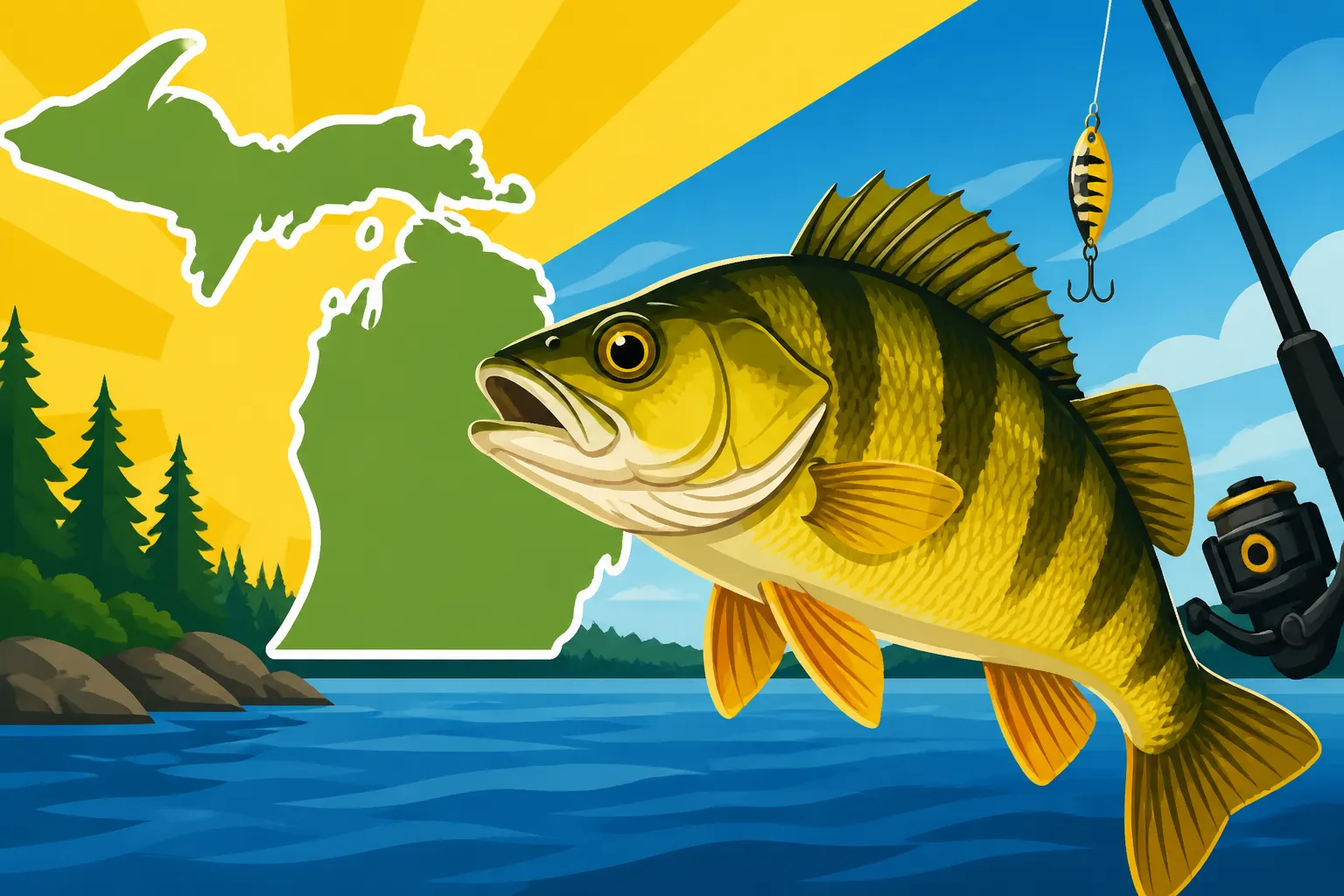
Yellow Perch Fishing in Michigan
There's nothing quite like the thrill of a light tap on your line, followed by the distinctive fight of a yellow perch. Many Michigan anglers, myself included, have spent countless hours chasing these feisty, delicious fish, only to find them frustratingly elusive on some days and biting like crazy on others. This comprehensive guide is here to unravel the mysteries of yellow perch fishing in Michigan, offering seasoned tips and deep insights to help you fill your cooler with these golden-striped beauties.
The Enduring Allure of Yellow Perch in Michigan
Yellow perch hold a special place in the hearts of Michigan anglers. They're often one of the first fish many of us ever caught as kids, perhaps off a dock with a simple bobber and a worm. But don't let their accessibility fool you; catching consistent numbers of larger perch can be a real challenge, demanding skill and understanding of their habits.
Why Yellow Perch are a Michigan Favorite
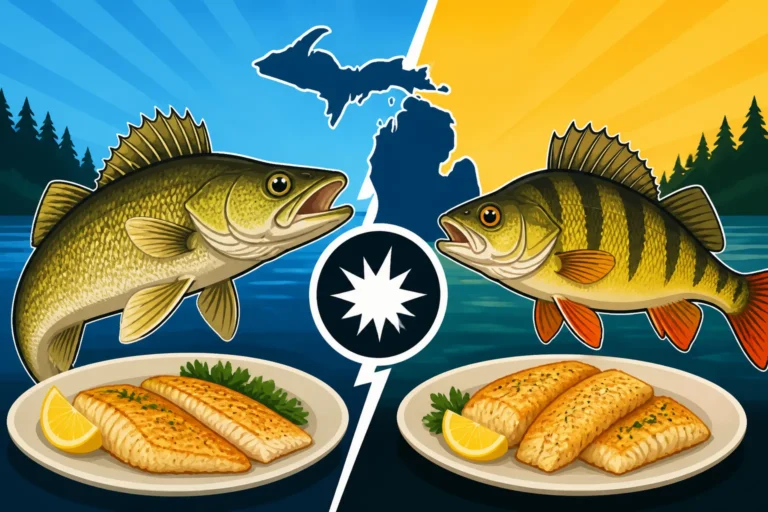
From casual bank fishing to serious ice fishing excursions, yellow perch are a staple in Michigan's angling scene. They're abundant across many of our waters, making them accessible to just about anyone with a rod and reel. What truly elevates their status, however, is their taste. A fresh catch of perch, lightly breaded and fried, is a culinary delight that rivals even the most prized game fish. This combination of widespread availability and exceptional table fare makes them an undeniable favorite, bringing families and friends together for shared experiences on the water. They offer a fantastic entry point for new anglers and a consistent, rewarding target for veterans.
Understanding the Yellow Perch Lifestyle
To consistently catch yellow perch, you really need to get inside their heads, or rather, understand their environment and instincts. Perch are schooling fish, which is a huge advantage once you find them, as where there's one, there are often many. They prefer cooler waters, typically congregating in depths ranging from a few feet to over 50 feet, depending on the season, water temperature, and available forage. They are opportunistic feeders, preying on insect larvae, zooplankton, small minnows, and the eggs of other fish. They tend to be most active during twilight hours—dawn and dusk—but can be caught throughout the day, especially in deeper, shadier areas or during overcast conditions. Knowing their preferred habitats, which often include weed lines, drop-offs, and submerged structures, is key to locating those schools. You can learn more about their characteristics by checking out Yellow Perch Identification in Michigan.
The Frustration of Finicky Perch
Let's be honest, perch can be incredibly finicky. One day you're hauling them in left and right, and the next, you can't buy a bite in the exact same spot. This unpredictability is part of the challenge and, some might argue, the fun. Factors like sudden weather changes, pressure systems, subtle shifts in water temperature, or even heavy boat traffic can turn a hot bite cold in an instant. It's truly maddening when you're convinced you're on a honey hole, only to stare at a still bobber for an hour. This is where patience, observation, and a willingness to adapt your techniques, baits, and even locations become absolutely crucial. Don't be afraid to try something completely different if your usual tactics aren't working; sometimes a tiny change can make all the difference.
Where to Find Michigan's Best Yellow Perch Waters
Michigan is blessed with an incredible variety of fishing grounds, and yellow perch thrive in many of them. Whether you prefer the vastness of the Great Lakes, the tranquility of inland lakes, or the currents of rivers and harbors, there's a perch hotspot waiting for you. For a broader view of where to cast your line, see Best Perch Fishing Spots in Michigan.
Great Lakes Perch Hotspots
The Great Lakes offer some of the most phenomenal yellow perch fishing opportunities, but they also present unique challenges due to their sheer size and depth. Lake Erie, especially its western basin, is legendary for its jumbo perch. Anglers often target these waters from boats, drifting or anchoring over productive reefs and mud flats. Lake St. Clair is another incredible fishery, renowned for its abundant yellow perch populations, particularly in the sprawling weed beds and channels. Here, you'll often find limits of respectable-sized perch, making it a popular destination. Don't overlook Saginaw Bay on Lake Huron either, which offers excellent perch fishing, particularly in the shallower, weedy areas. Even Lake Michigan harbors and nearshore areas can produce fantastic perch catches, especially in spring and fall. These vast waters require robust gear and a keen understanding of migratory patterns. For a more comprehensive look at these waters, check out Michigan's Great Lakes Fishing Guide.
Inland Lake Perch Havens
While the Great Lakes get a lot of attention, Michigan's thousands of inland lakes are true unsung heroes when it comes to yellow perch. Many smaller, shallower lakes with healthy weed growth and good forage bases hold incredible perch populations. Lakes like Houghton Lake, Higgins Lake, and countless others across the Lower and Upper Peninsulas offer consistent perch action. On these lakes, you'll often find perch congregating around structural elements like submerged timber, rock piles, drop-offs, and, crucially, healthy weed beds. The edges of these weed beds provide both cover and food for perch, making them prime targets. A good depth finder can be invaluable for locating these subtle underwater features. Shoreline fishing can also be productive in inland lakes, especially during the spring and fall when perch move into shallower waters.
River and Harbor Opportunities for Perch
Rivers and harbors connected to larger lakes can also be phenomenal for yellow perch, particularly during specific times of the year. The Detroit River, for instance, is famous not just for walleye, but also for its strong perch runs, especially in the fall. The St. Clair River, leading into Lake St. Clair, also provides excellent opportunities. In these moving water environments, perch often hold in slack water areas, behind current breaks, or in deeper pockets where they can ambush baitfish without expending too much energy fighting the flow. Harbors along the Great Lakes also act as natural congregating points, especially during cooler months. These protected waters offer a bit of a reprieve from the open lake conditions, making them accessible even when the main lake is too rough. Look for docks, pilings, and other man-made structures that provide cover and attract baitfish.
Essential Gear for Successful Yellow Perch Fishing
Having the right gear won't guarantee a full cooler, but it sure makes the process a whole lot more enjoyable and effective. Perch fishing doesn't necessarily require a huge investment, but a few key items will significantly boost your success.
Rods, Reels, and Line for Perch
For yellow perch, finesse is often the name of the game. You want a rod that's sensitive enough to detect those subtle bites but still has enough backbone to set the hook and handle a decent-sized fish.
- Rods: A light to ultralight spinning rod, typically 5 to 6.5 feet long, is ideal. The softer tip allows for better bite detection, while the flexibility helps cushion the fight of these sometimes surprisingly strong fish. For ice fishing, short, sensitive rods specifically designed for ice are a must, often only 24 to 36 inches long.
- Reels: Pair your rod with a small, lightweight spinning reel (sizes 500 to 1000). Smooth drag is more important than sheer power, as you'll often be using light line.
- Line: For main line, 4 to 6-pound test monofilament or fluorocarbon is a great all-around choice. Some anglers prefer braided line (6-10 lb test) for its sensitivity and no-stretch properties, especially in deeper water, but it's crucial to tie on a fluorocarbon leader (4-6 lb test) to make it less visible to wary perch. Light line is paramount for getting bites, especially from larger, more cautious perch. You can explore various options and brands on platforms like Amazon to find a setup that fits your budget and fishing style. For more general advice on fishing equipment, read Best Rods and Reels for Michigan Fishing.
Tackle Box Essentials: Baits, Lures, and Rigs
The right bait and lure presentation can turn a slow day into a productive one. Perch are not overly picky, but they definitely have preferences.
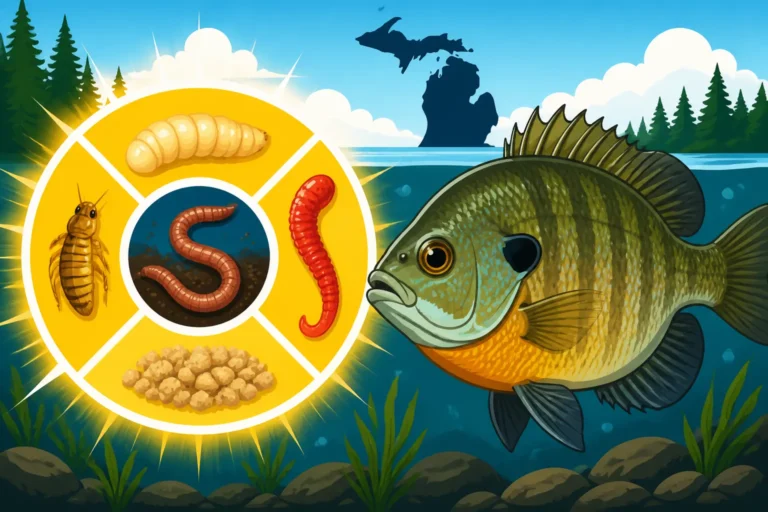
- Live Bait: This is often the undisputed king for yellow perch. Small minnows (like emerald shiners or fatheads), wax worms, and wigglers (maggots) are deadly effective. A simple hook (size 6-10) with a split shot or a small bobber setup is often all you need.
- Artificial Lures: When live bait isn't feasible or you want to cover more water, artificials shine. Small jigging spoons (like Swedish Pimples, Hali J-Spoons, or Northland Forage Minnow Spoons) in silver, gold, or glow colors are excellent, especially for ice fishing or vertical jigging. Tiny soft plastics on small jig heads (1/32 to 1/8 ounce) in natural colors like white, brown, or black can also be very productive. Small blade baits, crappie jigs, and even tiny crankbaits can work in certain situations.
- Rigs: The classic "perch rig" consists of a sinker at the bottom, with two snelled hooks spaced above it. This allows you to present two baits at different depths. A simple slip bobber rig is fantastic for suspending live bait at a precise depth, while a drop-shot rig can be incredibly effective for presenting a lure or bait just off the bottom. Remember to adapt your rig to the specific conditions and depth you're fishing. When searching for specialized perch rigs or a variety of small baits, Amazon offers a wide selection that can be delivered right to your door. Learn more about effective attractants with Best Bait for Perch.
Specialized Gear for Different Seasons
Perch fishing is a year-round affair in Michigan, but your gear needs to adapt to the season.
- Ice Fishing: This is arguably the most popular time to target perch. Besides your short ice rod and sensitive reel, you'll need an ice auger (manual or powered), an ice scoop, and a reliable ice shelter (portable or permanent) to stay comfortable. A fish finder or flasher is almost indispensable for locating schools of perch under the ice and tracking your bait. Tip-ups are also popular for setting multiple lines, often baited with minnows, allowing you to cover more area. Don't forget insulated boots, warm clothing, and safety gear like ice picks. Our Michigan Ice Fishing Guide provides a wealth of information on this exciting winter pursuit.
- Open Water (Spring/Summer/Fall): During the warmer months, a boat or kayak often opens up more opportunities, allowing you to reach prime offshore structures or deep weed lines. Trolling small crankbaits or jigging over schools located with your fish finder are common tactics. From shore or pier, a longer rod might help with casting distance. A good tackle box, landing net, and a cooler with ice for keeping your catch fresh are standard requirements. Don't underestimate the utility of a good pair of polarized sunglasses to spot subtle bobber movements or shallow-water structure.
| Gear Category | Item | Key Characteristic | Why it's Important |
|---|---|---|---|
| Rod & Reel | Ultralight Spinning Combo | Sensitive tip, smooth drag | Detects light bites, handles fight |
| Line | 4-6 lb Monofilament/Fluorocarbon | Low visibility, good knot strength | Essential for wary perch, subtle bites |
| Baits | Minnows, Wax Worms, Wigglers | Natural scent and action | Highly effective, often irresistible |
| Lures | Small Jigging Spoons, Soft Plastics | Flash, vibration, profile | Covers water, triggers reaction strikes |
| Rigs | Perch Rig, Slip Bobber Rig | Multiple baits, precise depth control | Versatile presentation options |
| Ice Fishing | Ice Auger, Fish Finder, Tip-Ups | Access, locate fish, multiple lines | Crucial for winter success |
| Open Water | Boat/Kayak, Depth Finder | Mobility, locate structure | Expands access to prime spots |
| Safety & Comfort | Life Vest, Warm Clothing, Cooler | Personal protection, extended enjoyment | Essential for safety and preserving catch |
Mastering Michigan Yellow Perch Fishing Techniques
Catching yellow perch consistently involves more than just luck; it's about understanding their behavior, knowing when and where to present your bait, and adapting to conditions. Michigan's diverse waters and changing seasons mean a variety of techniques are in play.
Year-Round Strategies for Perch
Yellow perch are available year-round in Michigan, but their behavior changes significantly with the seasons.
- Spring: As ice melts and water temperatures rise, perch move into shallower areas to spawn. This is a prime time for shore anglers, as perch can be found near docks, weed beds, and sandy flats. Small minnows or worms under a bobber are deadly.
- Summer: During the heat of summer, perch often retreat to deeper, cooler waters. Look for them along sharp drop-offs, submerged humps, or deep weed lines. Vertical jigging with small spoons or live bait, or drifting with perch rigs, becomes highly effective. Early morning and late evening bites are often best.
- Fall: As water temperatures drop, perch become very active, feeding heavily to prepare for winter. They often move back into shallower to mid-depth ranges, congregating in large schools. This is a fantastic time for both boat and shore anglers, with active bites using a variety of baits and lures. This is also when some of the largest perch are caught.
- Winter (Ice Fishing): For many, ice fishing is synonymous with perch fishing. Perch remain active under the ice, often schooling tightly. Locating these schools with a fish finder is paramount. Small jigging spoons, tiny jigs tipped with wax worms or minnow heads, are incredibly effective. Patience and quick reaction to subtle bites are key. Our article on Michigan Fishing Seasons Explained can offer more insights into seasonal patterns.
Ice Fishing for Yellow Perch
Ice fishing for perch is an addiction for many Michiganders, and for good reason—it's a social, rewarding, and often delicious pursuit.
- Locating Perch: The most critical step in ice fishing for perch is finding them. This is where a good flasher or fish finder truly shines. Drill a series of holes in promising areas—along weed edges, over humps, or at the base of drop-offs—and check each one with your electronics. When you mark fish, that's your starting point. Remember that perch are schooling fish, so once you find one, you'll likely find more.
- Presentation: Small is often better under the ice. Tiny jigging spoons (1/16 to 1/8 oz) in silver, gold, or glow colors, tipped with a single wax worm, wiggler, or a piece of minnow, are incredibly effective. Deadsticking (using a second rod, left still, with a minnow) can also be very productive. Jig your spoon or lure with subtle lifts and drops, mimicking a struggling baitfish. Perch often hit on the pause, so pay close attention. Using a small ice fishing specific rod with a sensitive tip will help you feel those light "thumps" or "lifts" that indicate a bite. For more details on this, check out Ice Fishing Techniques for Perch.
- Depth and Movement: Perch can be found at various depths under the ice. Start by working your lure from just off the bottom, slowly reeling up through the water column until you find where the fish are holding. If the bite slows, don't be afraid to move to another hole or even another area entirely. Perch schools can move, and sometimes just a short distance makes all the difference.
Open Water Techniques for Perch
When the ice is gone, a new set of tactics comes into play for yellow perch.
- Bobber Fishing: The classic and still highly effective method. Use a slip bobber to present a live minnow, worm, or wiggler at a specific depth, usually just above known structure or weed beds. This is particularly great for shore or pier fishing, and for calm days in a boat. The bobber's movement gives a clear indication of a bite.
- Drifting/Trolling: From a boat, drifting with the wind or using a trolling motor to slowly move over flats, humps, or along weed lines can be very effective. Use perch rigs baited with minnows or worms, or troll small crankbaits or spinner rigs. The slow movement allows you to cover a lot of water and present your bait to active schools.
- Vertical Jigging: Similar to ice fishing, vertical jigging from a boat over marked schools of perch can be very productive. Use small jigging spoons, blade baits, or soft plastics. Drop your lure to the desired depth, jig it a few times, and then let it pause. Pay attention to your fish finder to see how the perch react to your presentation. If you mark fish that aren't biting, try changing your jigging cadence or lure color. Sometimes, a tiny tweak, like switching from a silver spoon to a gold one found on Amazon, can make all the difference.
- Casting: For perch holding in shallower weed lines or near visible structure, casting small spinners, inline spinners, or tiny crankbaits can entice aggressive bites. Make sure to retrieve slowly, allowing the lure to work its magic near the bottom or through the weeds.
Michigan Yellow Perch Regulations: What You Need to Know
Fishing in Michigan means understanding and respecting the regulations in place. These rules are designed to protect our fish populations and ensure healthy fisheries for generations to come. Perch, being such a popular species, often have specific regulations that anglers need to be aware of. It's not just about avoiding fines; it's about being a responsible steward of our natural resources.
Understanding Daily Bag and Size Limits
Michigan's fishing regulations can vary significantly from one body of water to another, and this is especially true for yellow perch. While there are statewide general regulations, many popular perch fisheries have special rules.
- Statewide General Limits: Generally, there is a generous daily bag limit for yellow perch on most inland waters. However, it's crucial to check the current Michigan Fishing Guide (available from the DNR or online) for the most up-to-date figures. There may or may not be a minimum size limit on many waters, but taking smaller fish can impact the fishery's health.
- Lake-Specific Exceptions: This is where it gets tricky, and where many anglers get caught off guard. Famous perch waters, particularly on the Great Lakes, often have more restrictive bag limits to manage pressure on these highly sought-after populations. For instance, Michigan Yellow Perch Limit on Lake St. Clair often has specific rules due to the immense fishing pressure it receives. The same can be true for portions of the Detroit River or Saginaw Bay. Always, always check the specific regulations for the body of water you intend to fish before you go.
- Possession Limits: Beyond the daily limit, there's often a possession limit, which is the total number of fish you can have in your possession, whether on your person, in your cooler, or at your home. This is often double the daily limit, but again, always verify. Michigan Bag and Size Limits Explained can provide a general overview.
Special Regulations and Lake-Specific Rules
Michigan is a state of diverse ecosystems, and its fishing regulations reflect that. What's legal on one lake might not be on another, even for a common species like yellow perch.
- Lake St. Clair and St. Clair River: These waters are legendary for perch, but they also have some of the most specific regulations. The Michigan Yellow Perch Limit on the St. Clair River might differ slightly from the main lake, or both might have lower daily limits than other inland waters to ensure sustainability. These regulations are frequently reviewed based on angler harvest and population health assessments.
- Boundary Waters: If you're fishing in waters that border another state or Canada (like portions of the Great Lakes or the Detroit River), you need to be acutely aware of boundary water rules. Sometimes, a Michigan license might suffice, but often you'll need to adhere to the most restrictive of the two jurisdictions, or even possess licenses from both. This is complex, so always consult the DNR guide.
- Bait Restrictions: While generally uncommon for perch, some specific waters might have bait restrictions (e.g., no live minnows) to prevent the spread of invasive species. Always check.
- Why these differences exist: These varied regulations are not designed to confuse you, but rather to protect specific local fisheries. A lake with a history of overfishing or unique ecological conditions will likely have more stringent rules to allow its perch population to thrive. It’s a conservation effort that benefits all of us in the long run. To get a handle on all the rules, refer to Michigan Fishing Regulations Every Angler Should Know.
Why Regulations Matter for Perch Conservation
At the end of the day, these regulations are about ensuring that future generations can enjoy the same incredible yellow perch fishing that we do today.
- Preventing Overharvest: Perch, especially large "jumbos," can be slow-growing. Without limits, intense fishing pressure could quickly deplete populations, leading to fewer fish and smaller average sizes for everyone.
- Protecting Spawning Stock: Size and bag limits help ensure that enough adult fish survive to spawn and reproduce, maintaining a healthy population cycle.
- Ecological Balance: Perch are a crucial part of the food web, serving as prey for larger game fish like walleye and northern pike, and consuming smaller invertebrates. Maintaining a healthy perch population contributes to the overall health of the aquatic ecosystem.
- Angler Responsibility: As anglers, we have a responsibility to know and abide by these rules. It's a small price to pay for the privilege of enjoying Michigan's fantastic fishing resources. Ignorance of the law is never an excuse, and violating regulations can lead to significant fines and penalties, as well as harm to the fish stocks we cherish.
The Culinary Delight of Michigan Yellow Perch
Beyond the thrill of the catch, one of the biggest reasons yellow perch are so beloved in Michigan is their unparalleled flavor. There's just something about a fresh batch of pan-fried perch that screams "Up North" or a cozy evening by the lake. If you've never tasted freshly caught perch, you're truly missing out.
Preparing Your Perch Catch
Bringing home a cooler full of perch is just the first step; proper preparation ensures the best possible eating experience.
- Keeping Them Fresh: The key to delicious perch is freshness. As soon as you catch them, get them on ice. A cooler packed with ice will keep them firm and flavorful until you're ready to clean them. Never let them sit in warm water or in the sun.
- Filleting vs. Pan Dressing: Most anglers prefer to fillet their yellow perch. While they are small, a sharp fillet knife makes quick work of separating the meat from the bones. The yield per fish isn't huge, but the boneless fillets are worth the effort. Some smaller perch can be "pan dressed" – gutted and scaled, then cooked whole – but this means dealing with bones while eating. For filleting, run your knife behind the gill plate, down to the backbone, then turn the blade and run it along the backbone to the tail. Flip the fillet over and skin it. Repeat on the other side. You can find excellent instructional videos on platforms like YouTube if you're new to filleting, and good fillet knives can be found on Amazon.
- Rinsing and Drying: After filleting, rinse the fillets quickly under cold water to remove any scales or blood, then pat them thoroughly dry with paper towels. Excess moisture will prevent them from crisping up nicely when cooked. Some anglers even soak their fillets in milk or salt water for an hour or two, believing it removes any "fishy" taste, though fresh perch rarely need it.
Simple and Delicious Perch Recipes
The beauty of yellow perch is that their delicate, flaky white meat doesn't require complex recipes to shine. Simple is often best.
- Classic Pan-Fried Perch: This is the go-to method for a reason.
- Dredge: Lightly dredge your dry perch fillets in seasoned flour (salt, pepper, garlic powder, paprika are great starting points). For a crispier crust, some prefer a milk or egg wash before dredging in flour, or a mix of flour and cornmeal/Panko breadcrumbs.
- Heat Oil: Heat about 1/2 inch of vegetable oil, canola oil, or a mix of oil and butter in a heavy-bottomed skillet (cast iron works wonderfully) over medium-high heat until shimmering.
- Fry: Place the fillets in the hot oil, careful not to overcrowd the pan. Fry for 2-4 minutes per side, depending on thickness, until golden brown and cooked through. The meat should flake easily with a fork.
- Serve: Remove with tongs and place on a wire rack over paper towels to drain excess oil. Serve immediately with lemon wedges, tartar sauce, coleslaw, and maybe some crispy French fries.
- Perch Tacos: For a lighter, fresher take, lightly pan-fry or even bake your seasoned perch fillets. Flake the cooked fish into soft tortillas and top with shredded cabbage, a creamy lime sauce, and fresh pico de gallo. Absolutely delicious!
- Perch Sandwiches: Fry your perch fillets as above, then serve them on a soft bun with lettuce, tomato, and a generous dollop of tartar sauce. A Michigan classic!
The Joy of a Fresh Perch Fry
There's something uniquely communal and satisfying about a fresh perch fry. It's more than just a meal; it's an experience. Imagine gathering around a picnic table with family and friends, the aroma of sizzling fish filling the air, plates piled high with golden-brown perch. Each bite is a reminder of the time spent on the water, the patience exercised, and the reward of the harvest. It connects you directly to the source, to the pure, clean waters of Michigan. Whether it's after a long day of ice fishing on Lake St. Clair or a warm summer evening on an inland lake, the simple pleasure of a perch fry is hard to beat. It's truly a quintessential Michigan fishing experience, and one that everyone should savor.
Common Challenges and Troubleshooting for Perch Anglers
Even the most seasoned perch anglers face days when the fish just aren't cooperating. It's part of the game, but understanding common challenges and having a few troubleshooting tricks up your sleeve can make all the difference between a frustrating day and a successful one.
Dealing with Slow Bites and Tough Conditions
We've all been there: you're on a promising spot, the weather seems right, but the fish just won't bite. This is when you need to be a detective and adapt.
- Downsize Everything: If perch are being finicky, they might be extremely sensitive to your presentation. Go to lighter line (even 2-pound test if conditions allow), smaller hooks (size 10-14), and smaller baits. A tiny piece of worm or a single wiggler on a minuscule jig might be what it takes.
- Change Lure Color/Bait Type: Sometimes, a subtle color change in your artificial lure (e.g., from silver to gold, or from white to chartreuse) can trigger a bite. If using live bait, switch from minnows to wax worms, or vice versa. They might prefer one over the other on a given day. Checking Amazon for a wider variety of specialized small baits and micro-jigs can give you more options when the bite is tough.
- Slow Down or Speed Up: Experiment with your retrieve or jigging cadence. If you're jigging fast, try slowing it down to almost imperceptible movements. If you're fishing still, try a slow, methodical lift and fall. Sometimes the fish want a lazy meal, other times they need to be triggered by an erratic movement.
- Move, Move, Move: This is often the most effective, albeit most exhausting, solution. Perch are schooling fish, and if you're not getting bites, it's highly likely the school has moved. Don't be afraid to pull anchor, drive to a new spot, or drill new holes if ice fishing. Even a few hundred yards can make a world of difference.
- Depth Adjustment: Perch can suspend at different depths. If you're fishing on the bottom, try reeling up a few feet. If you're mid-water, drop down. Your fish finder can be invaluable here to show you where the fish are actually holding.
Identifying Perch Habits and Adapting Your Approach
Perch have predictable habits, but they can be influenced by countless environmental factors. Learning to read the signs and adjust is key.
- Structure is Key: Always think about structure. Whether it's a weed line, a rock pile, a sunken tree, or a drop-off, perch will relate to structure for cover and ambush points. If your usual spots aren't producing, look for similar structure in a slightly different area or depth.
- Time of Day: While twilight hours are often prime, perch can bite throughout the day, especially in deeper water or during overcast conditions. If the midday sun is blazing and the bite is off, consider coming back during dawn or dusk. Conversely, if you're only fishing for an hour or two, target those low-light periods.
- Water Clarity: In clear water, perch can be warier. Use lighter line and more natural bait presentations. In stained or murky water, brighter colors or baits with more scent/vibration might be more effective to attract attention.
- Predator Presence: If there are a lot of active predators (like pike or walleye) in an area, perch might be hunkered down and less likely to bite. Sometimes moving to a slightly shallower or weedier area can put you on more active perch.
Overcoming Environmental Factors
Michigan weather is famously unpredictable, and environmental factors can throw a wrench into your fishing plans.
- Weather Changes: Cold fronts, high-pressure systems, and sudden temperature drops often make fish less active. On these days, bites will be subtle, and you'll need maximum sensitivity in your gear and extreme patience. Post-front fishing can be especially tough. Conversely, warming trends or stable weather often lead to more active feeding.
- Wind and Current: Wind can make boat control challenging and make it hard to feel subtle bites. Try using a drift sock or anchoring securely. In rivers or areas with current, perch will typically face into the current, holding in slack water behind structure. Present your bait so it drifts naturally into these holding areas.
- Barometric Pressure: Many anglers swear by the barometer. A falling barometer often signals an approaching storm and can trigger an aggressive bite (known as "pre-front feeding"), while a rising barometer after a storm can make fish lethargic. While not always a definitive guide, it's another factor to consider in your strategy.
- Ice Conditions: During ice fishing, slush, heavy snow cover, or changing ice conditions can impact fishing success and, more importantly, safety. Always prioritize safety, check ice thickness, and be prepared for changing conditions. Best Ice Fishing Lakes in Michigan often have reliable ice, but conditions can change.
Disclaimer
This article is for general informational purposes only and does not constitute professional advice. Laws, prices and regulations vary by location and change over time. Consult a qualified professional for guidance on your specific situation.