Best Bait for Perch
There's nothing quite like the subtle tap-tap-tap of a yellow perch biting your line, followed by that satisfying tug as you reel in a beautiful, stripe-sided panfish. But let's be honest, figuring out the absolute best bait to entice these finicky eaters can sometimes feel like solving a complex puzzle. With Michigan's incredible diversity of lakes, rivers, and Great Lakes bays, what works one day or in one spot might fall completely flat somewhere else. This guide is here to untangle that puzzle, helping you understand the feeding habits of perch and equipping you with the top bait choices and techniques to fill your cooler, whether you're chasing them through the ice or from a warm summer boat.
Understanding Perch Feeding Habits in Michigan
To consistently catch perch in Michigan, it’s not enough to just throw any old bait in the water. You really need to get into the head of a perch, so to speak, and understand what makes them tick. These fish are opportunistic feeders, meaning they'll eat what's available, but they definitely have preferences that shift with the seasons and their environment.
What Do Perch Naturally Eat?
Perch are true omnivores with a strong carnivorous streak, especially as they grow larger. In Michigan's rich aquatic environments, their diet is incredibly varied. When they're young, they'll primarily feast on zooplankton, those microscopic critters floating in the water column. As they mature, their diet expands significantly. You'll find them munching on insect larvae – think mayfly and caddisfly nymphs hiding in the muck, or tiny midges. They also love small crustaceans like scuds and freshwater shrimp. These are staples in many of Michigan's inland lakes and even in the calmer bays of the Great Lakes.
But the real game-changer for bigger perch is when they start preying on smaller fish. Minnows, especially emerald shiners, fathead minnows, and small suckers, become a crucial part of their diet. This is particularly true in places like Saginaw Bay, Lake St. Clair, and the larger inland lakes such as Houghton Lake, where forage fish are abundant. They're also known to chow down on the eggs of other fish, which can be a key factor in their feeding frenzies during certain spawning seasons. Understanding these natural food sources is the first step in selecting the most enticing bait for your Michigan perch adventure.
Seasonal Changes in Perch Diet
Just like us, perch don't eat the same thing year-round. Their metabolism and the availability of food sources change dramatically with the seasons in Michigan. In the spring, after the ice melts, perch are often hungry and active. They’re looking for easily accessible protein. Minnows are excellent at this time, as are active worms which resemble newly thawed insect larvae. As the water warms, insect hatches become more prevalent, and perch will key in on those emerging insects.
During the summer, with warmer water and increased activity, perch are generally aggressive. They'll chase down schools of minnows, and they'll readily hit a variety of live baits and even small artificial lures that mimic baitfish or larger insects. This is a time when the perch are growing, so they're quite focused on packing on the pounds. The fall sees a shift as waters cool. Perch will often move deeper, congregating in large schools. They're trying to put on fat reserves for the coming winter, so they're often gorging themselves on baitfish. This can lead to some truly epic fishing days if you find the schools.
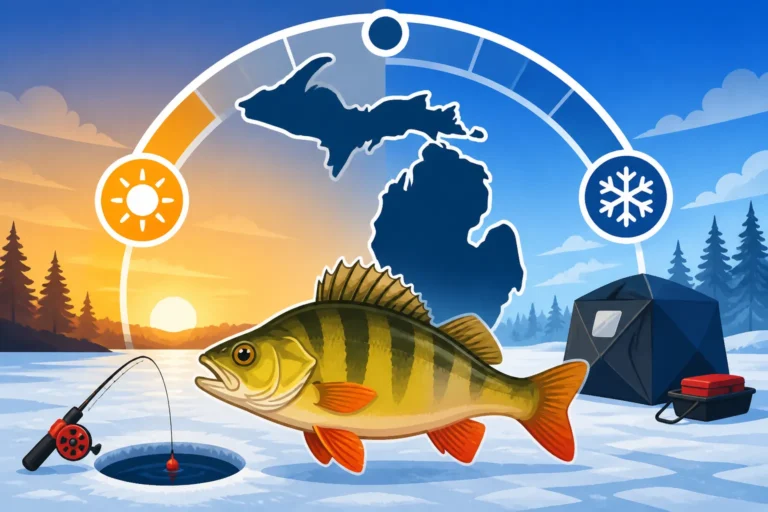
And then comes winter, the ice fishing season, which is arguably one of the most popular times to target perch in Michigan. Under the ice, their metabolism slows down, but they still need to eat. Small, subtle presentations are often key. Tiny minnows, waxworms, spikes, and small jigging spoons or ice jigs become incredibly effective. They'll often school tightly in predictable areas, making them a prime target for anglers willing to brave the cold. Understanding these seasonal nuances will dramatically improve your bait choices and overall success.
Factors Influencing Bait Choice
Beyond the natural diet and seasons, several environmental factors play a huge role in determining the best bait for perch on any given day. First, consider water clarity. In clear waters, like those found in many northern Michigan lakes such as Higgins Lake or Torch Lake, perch rely heavily on sight. Natural-looking baits, whether live or artificial, with subtle colors and movements, often perform best. Conversely, in murkier waters, such as parts of the Saginaw River or some of the shallower, nutrient-rich bays, scent and vibration become more important. Live bait excels here, as does artificial bait with strong scent added.
Depth and current are also critical. If perch are holding deep, a heavier jig or a bait presented on a weighted bottom rig will be necessary to get down to them efficiently. In rivers or areas with strong currents, you'll need baits that can withstand the flow without washing out or looking unnatural. Minnows and worms anchored by appropriate sinker weight are often the go-to. If perch are suspended in the water column, perhaps over a deep flat, a slip bobber rig becomes invaluable for presenting bait at their eye level.
Finally, fishing pressure can make perch incredibly wary. In heavily fished areas, perch might be more hesitant to strike. This is where downsizing your bait, using lighter line, and offering more subtle, natural presentations can make all the difference. Sometimes, a tiny bare jig will outperform a minnow in highly pressured spots. It’s a constant dance of observation and adaptation out on the water, but by considering these factors, you can refine your bait selection and boost your chances of success. You can find more details on these and other rules in the Michigan Fishing Regulations Every Angler Should Know.
Live Bait: The Undisputed Champions for Michigan Perch
When it comes to consistently catching perch in Michigan, live bait often reigns supreme. There’s just something about the natural movement, scent, and texture that perch find irresistible. While artificials have their place, nothing quite beats a lively minnow or a juicy worm when the bite gets tough.
Wiggling Wonders: Minnows
Minnows are, hands down, one of the most effective live baits for perch, especially for targeting those larger, "jumbo" perch. The natural erratic swimming action of a minnow is a huge attractant. In Michigan, you'll commonly encounter a few types that are excellent for perch. Emerald shiners are fantastic, often available at bait shops, and their silvery flash is incredibly appealing. Fathead minnows are hardier and also very popular, especially for ice fishing because they stay lively on a hook in cold water for longer. Small golden shiners or even very small suckers can also work wonders for bigger perch.
The key to fishing minnows effectively is often in the presentation. When using them under a bobber, hook them lightly through the lips or just behind the dorsal fin. This allows them to swim naturally and present themselves as an easy meal. For jigging, especially through the ice, hooking them just behind the head keeps them active and provides a natural flutter. You can find robust minnow buckets and aerators on platforms like Amazon to keep your bait lively throughout your fishing trip. Remember, a fresh, active minnow is far more effective than a sluggish one. Whether you're fishing a deep flat on Lake St. Clair or a weed edge on a smaller inland lake, a lively minnow is a perch magnet.
Squirming Temptations: Worms
Worms are another legendary perch bait, readily available and incredibly versatile. Their earthy scent and constant wiggling motion drive perch wild. Nightcrawlers are a classic choice, especially for larger perch. You can use a whole nightcrawler, but often, pinching off a section (half or even a quarter) is more effective. The exposed ends release more scent, and the smaller profile is easier for perch to engulf. Hook them once or twice to allow the ends to dangle and squirm.
For smaller perch and when you want a more subtle presentation, red wigglers are excellent. They're smaller, very active, and perfect for light tackle. For ice fishing, or when perch are particularly finicky, waxworms and spikes (maggots) are absolute perch candy. These small larvae are incredibly popular for tipping ice jigs or small spoons. Their bright colors and constant wiggling action, combined with their irresistible scent, make them deadly in cold water. You can buy them in small containers at virtually any bait shop across Michigan. When using worms, consider the size of the perch you're targeting and the water conditions. A small piece of nightcrawler might be great for an aggressive bite in warmer water, while a single waxworm on a tiny jig could be the ticket to success during a slow winter day. These versatile baits are a must-have in any Michigan angler's tackle box.
Other Live Bait Options
While minnows and worms are the kings, there are a few other live bait options that can be incredibly effective for Michigan perch, especially when trying to match specific natural forage or when the perch are being particularly picky. One often-overlooked option is mayfly larvae, sometimes called "wigglers." These are naturally occurring in many Michigan waters and are a prime food source for perch during their hatching cycles. If you can find them at a bait shop or even gather some yourself (where legal), they can be absolutely deadly, particularly in late spring and early summer when mayflies are prevalent. Their natural appearance is exactly what perch are looking for.
Another bait that can be surprising is small leeches. While more commonly associated with walleye, smaller leeches can be very effective for perch, especially during warmer months. They are incredibly tough, stay lively on the hook for a long time, and offer a different profile and movement than a minnow or worm. Hook them lightly through the sucker end to allow maximum movement. Additionally, grasshoppers or crickets can be excellent choices if you're fishing near shore in late summer or early fall. Perch will often look up for insects falling into the water. Presenting these under a light bobber can lead to some exciting surface strikes. Experimentation is key; sometimes, these less common baits can outproduce the regulars when perch get a bit bored or selective.
| Bait Type | Pros | Cons | Best Use Cases |
|---|---|---|---|
| Minnows | High attraction (sight & movement), targets larger perch, natural scent. | Can be fragile, harder to keep alive, can be more expensive. | Open water, jigging, ice fishing for jumbo perch, active fish. |
| Nightcrawlers | Readily available, strong scent, good for larger perch. | Can be easily stolen by smaller fish, less visual appeal than minnows. | Still fishing, bobber fishing, warm water, general purpose. |
| Red Wigglers | Very active, good scent, suitable for all perch sizes, hardier than nightcrawlers. | Smaller profile might attract smaller fish. | Finesse presentations, lighter tackle, medium perch. |
| Waxworms / Spikes | Irresistible scent, bright colors, stay lively, perfect for tipping jigs. | Very small profile, might only attract smaller perch if used alone. | Ice fishing, finicky perch, tipping artificial lures, ultra-light tackle. |
| Mayfly Larvae | Mimics natural forage, highly effective during hatches. | Difficult to obtain, seasonal availability. | Specific seasonal presentations, highly pressured fish, matching the hatch. |
| Small Leeches | Very hardy, long-lasting, unique movement. | Slower movement, less commonly used for perch, can be expensive. | Warmer water, when perch are slow, bottom presentations. |
Artificial Lures: When to Go Faux for Perch
While live bait often steals the show for perch, there are plenty of times when artificial lures can be incredibly effective, and sometimes even outperform the real thing. Artificials offer advantages like durability, convenience, and the ability to cover water more efficiently. Plus, you don't have to worry about keeping them alive!
Jigging for Perch with Plastics
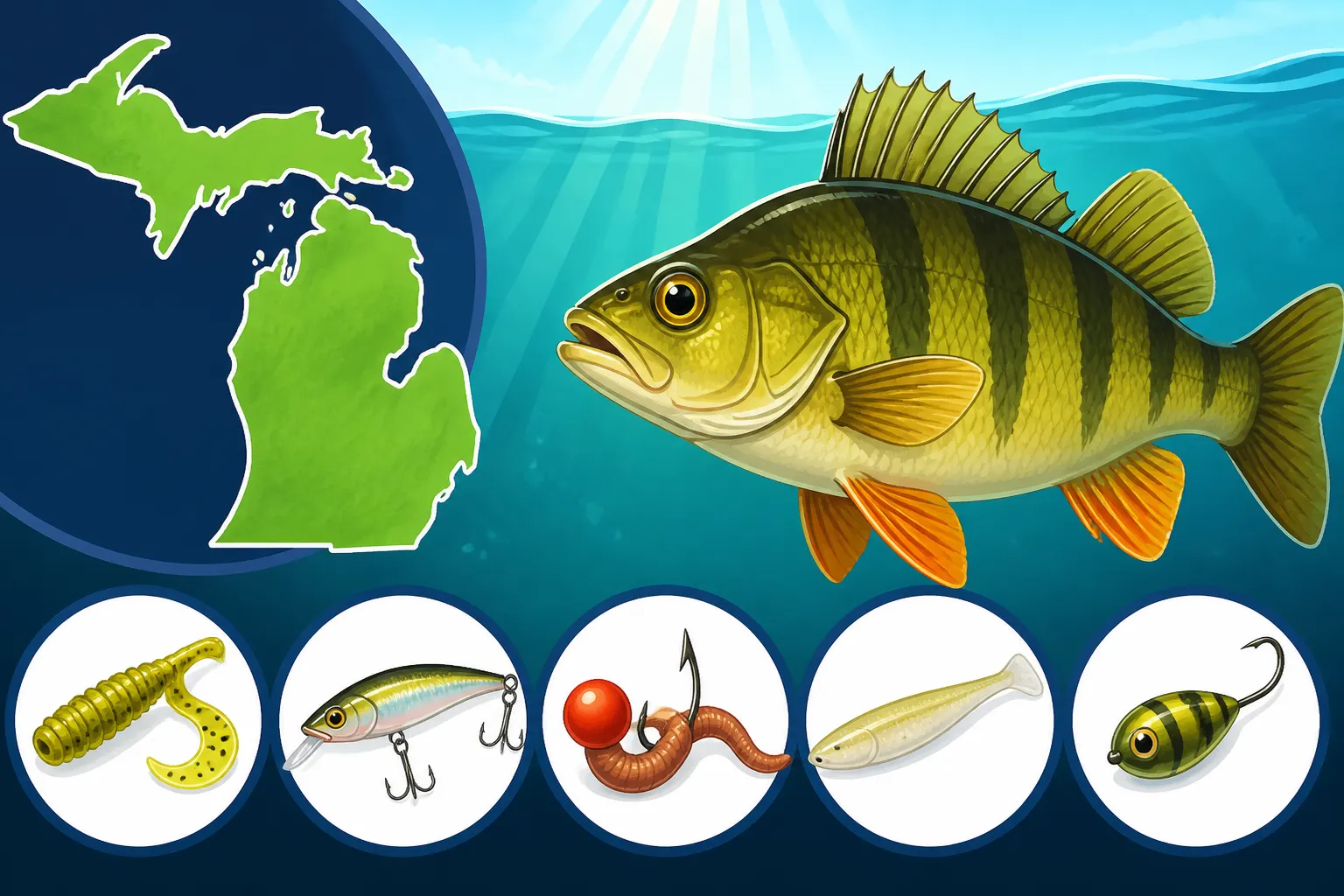
Small soft plastics, often tipped with a piece of live bait like a waxworm or spike, are absolute perch killers, especially during the ice fishing season or when perch are schooled up in deeper water. The beauty of soft plastics is their incredible versatility in color, shape, and action. Tiny grubs, often 1 to 2 inches long, with curly tails, are perennial favorites. They provide a lot of action with minimal rod movement. Micro tubes mimic baitfish or small crustaceans and have a subtle glide when jigged. Small swimbaits with paddle tails can also be deadly, especially when trying to imitate a fleeing minnow.
When selecting plastics, don't be afraid to experiment with colors. Natural colors like white, grey, brown, and green pumpkin work well in clear water, while brighter colors like chartreuse, orange, or glow-in-the-dark can be fantastic in murky water or low-light conditions. Pairing these plastics with lightweight jig heads (1/32 to 1/16 oz is common) allows for a slow, enticing fall that perch love. The key is often a subtle jigging motion – small lifts and drops, punctuated by pauses. This presentation is particularly effective when perch are suspended or hugging the bottom in places like Saginaw Bay or various inland lakes. You can find a huge variety of these small soft plastics and jig heads on Amazon, making it easy to stock up on different options.
Hard Baits for Aggressive Perch
Sometimes, perch are aggressive, and that's when hard baits truly shine. These lures can create more flash, vibration, and erratic movement, triggering reaction strikes from active fish. Blade baits are fantastic for this, particularly in deeper water or when jigging through the ice. Brands like the Heddon Sonar or the Custom Jigs & Spins Vibrato send out strong vibrations that perch can feel from a distance. The key with blade baits is a sharp snap of the rod tip, letting them flutter back down on a semi-slack line. This up-and-down motion is irresistible to hungry perch.
Small crankbaits can also be very effective, especially for targeting larger perch in open water. Look for shallow-diving models that mimic small minnows. Trolling these around weed lines or over structure can provoke vicious strikes. The Rapala Ultra Light Shad or Strike King bitsy minnow are great examples. Spoons, especially smaller, thinner models like a Kastmaster or a Swedish Pimple, are versatile. They can be cast and retrieved, jigged vertically, or even trolled. Their flash and flutter imitate a wounded baitfish, which is often too tempting for an opportunistic perch to pass up. When perch are on the hunt, don't hesitate to reach for these more aggressive artificial options. You can learn more about specific tactics in our Michigan Ice Fishing Guide.
The Versatility of Micro Jigs
If there's one artificial lure that truly embodies finesse fishing for perch, it's the micro jig. These incredibly small jigs, often weighing as little as 1/64 or even 1/80 of an ounce, are designed for the most subtle presentations. They are fantastic when perch are finicky, in clear water, or when fishing pressure is high. The tiny profile of a micro jig mimics the small insect larvae, zooplankton, or tiny baitfish that perch naturally feed on.
While micro jigs can be fished bare, they are most often tipped with a tiny piece of live bait – a single waxworm, a spike, or a small piece of worm. This combination offers the best of both worlds: the weight and profile of a jig for casting or vertical presentation, and the irresistible scent and wiggle of live bait. The key is to fish them slowly and subtly. Barely twitch the rod tip, allow the jig to slowly fall, and pay close attention to your line for the slightest tap or movement. This technique is particularly deadly for ice fishing, where you're often fishing directly over the perch. It allows you to present a small, natural-looking meal right in front of their faces without spooking them. When the bite is tough, and the perch are ignoring everything else, reaching for a micro jig can often turn a slow day into a successful one.
The Art of Bait Presentation and Rigging
Choosing the right bait is only half the battle; how you present it to the perch is just as, if not more, important. The right rig ensures your bait looks natural, gets to the correct depth, and allows you to detect those subtle perch bites.
The Classic Perch Rig
When it comes to a tried-and-true setup for bottom-dwelling perch, the classic perch rig is hard to beat. This rig is designed to present your bait just off the bottom, where perch often feed, and to allow for multiple bait presentations simultaneously. A standard perch rig typically consists of two dropper lines, each with a hook, spaced a few inches apart, above a bell sinker or pyramid sinker at the very bottom. The main line from your reel attaches to a swivel at the top of the rig.
The advantages of this setup are numerous. First, it allows you to fish two baits at once, doubling your chances of a bite and letting you experiment with different baits or bait sizes. Perhaps a minnow on the top hook and a waxworm on the bottom. Second, the sinker ensures your bait gets to the bottom quickly and stays there, even in current or wind. This is invaluable when fishing deeper flats in places like Lake Michigan or when dealing with currents in the St. Clair River. The dropper lines keep your hooks from tangling with the main line and allow the bait to suspend enticingly. This rig is particularly effective for anchoring in one spot and targeting schools of perch that are feeding close to the lakebed. Just be mindful of local regulations on how many lines you can fish at once, which you can review in the Michigan Fishing Regulations Every Angler Should Know.
Slip Bobber Setups for Suspended Perch
Perch aren't always on the bottom; sometimes they suspend in the water column, especially over deeper drop-offs or large flats where baitfish are present. This is precisely when a slip bobber setup becomes your best friend. Unlike a fixed bobber, a slip bobber slides freely up and down your main line, allowing you to easily adjust your bait's depth by simply moving a small knot (often made from string or Dacron) on your line.
The beauty of a slip bobber rig is its ability to present your bait at a precise depth, whether that's 5 feet or 25 feet, without needing an unwieldy long leader. It consists of a bobber stop (the adjustable knot), a small bead to protect the knot, the slip bobber itself, a small weight (split shot or a small jig head) positioned a foot or two above your hook, and finally, your baited hook. This rig allows for a completely natural, weightless presentation of your live bait, letting a minnow or worm swim enticingly without restriction. It’s perfect for covering suspended schools of perch in deeper inland lakes like Higgins Lake or when targeting perch hovering over structure in places like Grand Traverse Bay. When you're trying to figure out the exact depth where perch are feeding, the slip bobber setup allows for quick, effortless adjustments until you find the strike zone.
Using Tip-Ups for Ice Fishing Perch
When Michigan lakes freeze over, tip-ups become an indispensable tool for covering more water and increasing your chances of finding those elusive perch schools. While they're often associated with larger species like pike or walleye, using smaller tip-ups with light line and appropriate bait can be incredibly effective for perch, especially in larger bodies of water. You can explore how tip-ups are used for other species in Tip-Up Fishing for Michigan Pike.
A typical tip-up setup for perch involves a light monofilament or fluorocarbon main line, a small swivel, and a short leader (often 12-18 inches) of lighter fluorocarbon to a small hook (size 8-12). Bait with a lively minnow (like a fathead), a cluster of waxworms, or a section of nightcrawler. The key advantage of a tip-up is its ability to present bait passively while you actively fish with a jigging rod in another hole. Each tip-up covers a different spot, increasing your odds of intersecting a roving school of perch. When a perch takes the bait, the flag goes up, signaling a bite! This allows you to spread out your efforts, covering different depths or areas of structure without having to constantly move your jigging rod. When setting up multiple tip-ups, remember to spread them out to cover more ground, and always be aware of the Michigan Fishing Regulations Every Angler Should Know regarding the number of lines you can fish simultaneously.
Strategic Bait Selection for Michigan's Diverse Waters
Michigan is a truly incredible state for perch fishing, offering everything from vast Great Lakes expanses to intimate inland lakes and even some river systems. But this diversity means that a "one size fits all" bait approach simply won't cut it. Adapting your bait selection to the specific body of water you're fishing is crucial for success.
Great Lakes Perch: Saginaw Bay, Lake St. Clair, Lake Michigan
Fishing for perch in Michigan's Great Lakes is a different ballgame compared to inland waters. These vast water bodies, especially Saginaw Bay, Lake St. Clair, and Lake Michigan, hold immense populations of jumbo perch, but finding and catching them requires specific strategies. For Saginaw Bay perch, a true world-class fishery, the go-to baits are often emerald shiners or fathead minnows, especially during the prolific spring and fall runs, and throughout the ice fishing season. These are commonly fished on a perch rig or under a slip bobber near reefs, channels, and humps. Small jigging spoons tipped with a minnow head or waxworm are also incredibly effective. The perch here key in on abundant baitfish, so mimicking those shiners is key. You can find more targeted information at Saginaw Bay, Michigan, Walleye Fishing on Lake Huron, where walleye and perch often share similar feeding grounds.
On Lake St. Clair, famous for its smallmouth bass and muskellunge, perch fishing is also fantastic. Here, presentation can be more important. Live minnows, often smaller ones, fished on a light jig head or a drop-shot rig can be very effective, particularly around weed edges and subtle depth changes. Yellow perch are a huge draw here, and understanding the Michigan Yellow Perch Limit on Lake St. Clair is important. For Lake Michigan, which holds a mixed bag of perch sizes, live minnows are still king, especially for the larger fish. Pier fishing often sees success with small pieces of nightcrawler or minnows under a bobber. Offshore, when perch are schooled up over deep structure, a combination of minnows on perch rigs or vertical jigging with blade baits and plastics can yield impressive results. The sheer size of these lakes means perch often roam in massive schools, so finding them is the first step, then presenting a bait that matches their preferred forage.
Inland Lake Perch: Houghton Lake, Higgins Lake, Torch Lake
Michigan's inland lakes offer a different character of perch fishing, often with clearer waters, more defined weed lines, and varying depths. Houghton Lake, Michigan's largest inland lake, is a renowned perch fishery, especially through the ice. Here, fathead minnows and waxworms are incredibly popular. Anglers often drill multiple holes and use a combination of jigging rods with small spoons or jigs tipped with bait, and tip-ups set with minnows. Perch relate strongly to the weed edges and deeper flats. Our Houghton Lake Fishing Guide: Michigan's Largest Inland Lake has even more specific tips for this gem.
Higgins Lake, known for its exceptional water clarity and deep structure, presents a different challenge. Perch here can be very sight-oriented. Smaller, more natural-looking baits tend to excel. Tiny minnows, red wigglers, or small waxworms on light jigs or under a slip bobber are often the ticket. Soft plastic grubs in natural colors can also be very effective. Perch might be found in deeper water, so getting your bait down stealthily is important. Torch Lake, another incredibly clear and deep lake, also demands a finesse approach. Micro jigs tipped with a single spike or waxworm, fished slowly and deliberately, can trigger bites from wary perch. Here, perch often relate to sharp drop-offs and deep points. In all these inland lakes, matching the hatch – whether it's tiny insect larvae or small baitfish – with a subtle, realistic presentation is usually the most productive strategy.
River and Stream Perch: Adapting to Current
While not as widely known as their lake-dwelling counterparts, perch can be found in various Michigan rivers and larger streams, particularly in slower-moving sections, backwaters, and tributaries that flow into the Great Lakes. Fishing for them in current requires some adjustments to your bait and rigging. The most important factor is keeping your bait in the strike zone without it washing away unnaturally or getting hung up in snags.
Live bait, especially minnows and worms, remains incredibly effective in rivers. A lively fathead minnow or a section of nightcrawler, fished on a small jig head or a bottom rig with enough weight to hold it in place, is often the best choice. For a more active approach, small jigging spoons or blade baits can be effective if fished quickly and aggressively. When fishing rivers like the lower sections of the Grand River near Grand Rapids, or the St. Joseph River, look for slower eddies, current breaks behind structure, or deep holes where perch can rest out of the main flow.
Using a three-way swivel rig with a bell sinker on a dropper line can also be useful in rivers, allowing your bait to float naturally downstream in the current while maintaining bottom contact. The key is to use just enough weight to keep your bait down but not so much that it becomes completely immobile. Observe how the current affects your line and bait, and adjust accordingly. River perch often school up in predictable current breaks, so once you find one, you can often catch several.
Disclaimer
Fishing conditions and regulations in Michigan can change frequently. Always consult the latest Michigan Department of Natural Resources (DNR) fishing guide before heading out on the water. This information is for general guidance and educational purposes only.