Ice Fishing Techniques for Michigan Walleye
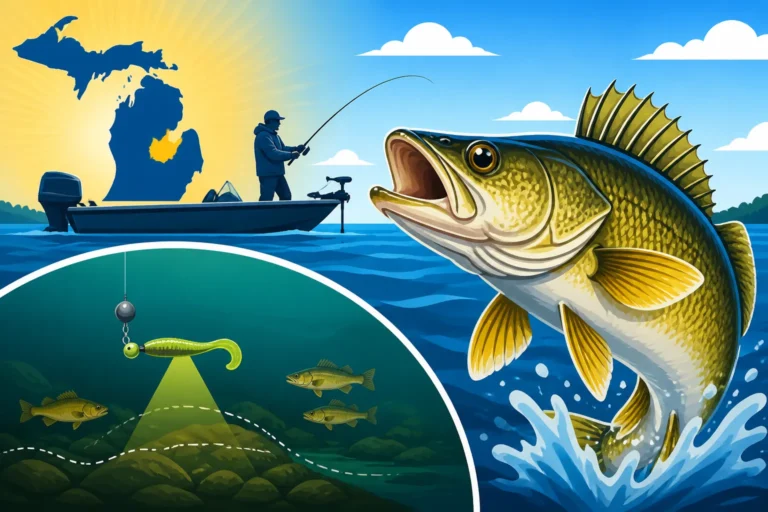
There's nothing quite like the crisp air and serene silence of a Michigan winter day, interrupted only by the sudden thump of a walleye hitting your line beneath the ice. But let's be real, finding and coaxing those elusive "eyes" out from under thick ice can feel like a monumental challenge, especially with Michigan's vast and diverse waterways. It's a common frustration, staring into a small hole, wondering if you're even in the right zip code. This guide is here to unravel the mysteries of ice fishing for Michigan walleye, offering detailed techniques and tips to help you fill your cooler and warm your spirits.
Understanding Walleye Behavior Under the Ice
Walleye are fascinating creatures, and their behavior shifts significantly once the hardwater season begins. Knowing their habits is half the battle when you're staring down into a frozen abyss. It’s not just about drilling a hole; it’s about understanding the underwater world you’re trying to connect with.
Seasonal Changes and Walleye Movement
As Michigan's lakes and rivers transition from open water to solid ice, walleye undergo a critical shift in their daily routines. In early ice conditions, right after the first safe ice forms, walleye often remain in areas where they were active during late fall. This usually means shallower breaks, points, and weed edges, as these areas still hold pockets of baitfish. They're still relatively aggressive, chasing down meals before the full chill sets in. As winter deepens and ice thickens, walleye tend to move to deeper basin areas, main lake humps, and structural elements like rock piles or submerged islands. They become less active and more prone to suspending in the water column or hugging the bottom, conserving energy in the colder water.
Mid-winter can be particularly challenging. Walleye might become more lethargic, grouping up in deeper sections of the lake where oxygen levels are stable and baitfish seek refuge. This is when your electronics really shine, helping you pinpoint those subtle changes in depth or structure. Come late ice, as the days lengthen and snowmelt starts to trickle into the lakes, walleye can experience a resurgence of activity. They'll often move back towards shallower feeding flats and transition areas, anticipating the upcoming spawn. This period can offer some of the most consistent action of the ice fishing season.
Forage and Feeding Habits
Michigan walleye are primarily opportunistic predators, and their diet under the ice largely mirrors what they eat during open water, with an emphasis on readily available baitfish. Ciscoes, smelt, perch, and shiners are common forage. The key difference is that their metabolism slows down considerably in the frigid water, meaning they might not chase down prey as aggressively or frequently. Instead, they might ambush unsuspecting baitfish or scavenge easier meals.
Understanding what the walleye in your specific lake are feeding on is crucial. If a lake is known for a strong perch population, using perch-imitating lures or live perch minnows can be incredibly effective. In lakes where ciscoes are prevalent, a larger, more erratic jigging spoon that mimics a wounded cisco could be the ticket. During low-light periods like dawn, dusk, and even nighttime, walleye are often at their most active, utilizing their superior low-light vision to hunt. This makes night fishing for walleye a highly productive strategy, especially in clear lakes where they might be more wary during the day.
Essential Gear for Michigan Walleye Ice Fishing
Having the right equipment can make or break your walleye ice fishing adventure. It’s not just about comfort; it’s about efficiency, safety, and ultimately, success. From the tools that get you through the ice to the electronics that show you the fish, every piece plays a vital role.
Rods, Reels, and Line
For walleye, you'll want a rod with enough backbone to handle a good fight, yet sensitive enough to detect those subtle bites common in cold water. A medium-light to medium power rod, typically 28 to 36 inches in length, is ideal. Graphite rods offer excellent sensitivity, allowing you to feel even the slightest tap. Paired with a spinning reel in the 1000-2000 size range, you’ll have a balanced setup that's easy to handle. When it comes to line, a good quality braided line in 6-10 pound test with a fluorocarbon leader (4-8 pound test) is a popular choice. The braid offers incredible sensitivity and no stretch for solid hooksets, while the fluorocarbon leader is virtually invisible in the water, making it less likely to spook wary walleye. Alternatively, a high-quality monofilament or fluorocarbon main line can also be effective, especially in lower pound tests where stealth is paramount.
When choosing a setup, consider the conditions you’ll face. If you're fishing a portable shelter and sight-fishing shallow walleye, a shorter, more sensitive rod might be preferred. For deep water or fishing with tip-ups, a slightly longer, stiffer rod will give you more leverage. Always ensure your reel's drag is smooth and properly set – a sudden run from a big walleye can snap a line faster than you can react if your drag isn't working correctly. Don't forget an extra spool of line, especially if you're using monofilament, as it can develop memory and twist in the cold.
Augers and Shelters
Getting through Michigan's thick winter ice requires a reliable auger. For casual anglers or those on early/late ice, a manual auger might suffice. However, for consistent walleye fishing, especially in deeper, thicker ice conditions, a powered auger is almost a necessity. Gas-powered augers are robust and fast, but they can be heavy and noisy. Electric augers, such as those from brands like ION or StrikeMaster, are increasingly popular for their quieter operation, lighter weight, and zero emissions, making them perfect for use inside a portable ice fishing shelter. Many anglers find the convenience of an electric auger well worth the investment, particularly when considering the need for multiple holes to locate active fish.
A good ice fishing shelter isn't just about comfort; it's a vital piece of gear for warmth and stealth. Portable flip-over shelters, popular from brands like Clam or Eskimo, offer quick setup and mobility, essential for staying on active walleye. Hub-style shelters provide more interior space, great for groups or overnight trips. A dark interior, especially in a shelter like the Eskimo FatFish, helps you see into your hole better and can make fish less wary. Make sure your shelter is well-insulated and has good ventilation to prevent carbon monoxide buildup if you're using a heater. Many seasoned anglers will attest that the ability to stay warm and comfortable in their shelter allows them to fish longer and more effectively, especially during those prime low-light walleye feeding windows. You can often find a good selection of these shelters and accessories on Amazon.
Electronics
In modern ice fishing, electronics are no longer a luxury, but a fundamental tool, especially when targeting walleye. A flasher unit, like those made by Vexilar or Marcum, provides real-time sonar feedback, showing you your lure and any fish that approach it. This immediate feedback allows you to adjust your presentation on the fly, experimenting with jigging motions to trigger bites. Seeing a fish rise to your lure but not commit gives you crucial information to try different tactics.
Beyond flashers, many anglers also use GPS units or fish finders with mapping capabilities. These devices, often from companies like Humminbird or Lowrance, are invaluable for navigating to specific hotspots, marking productive holes, and understanding underwater topography. Imagine being able to see a detailed contour map of a lake, identifying submerged humps, weed lines, and breaks without drilling a single hole – that's the power of good mapping. Some units even offer side-imaging or 360-degree sonar, providing an even broader view of the underwater world around your hole. The integration of GPS with your sonar can help you locate prime walleye spots on Michigan ice, especially on expansive bodies of water like Lake Huron's Saginaw Bay or Houghton Lake.
Table: Essential Walleye Ice Fishing Gear Overview
| Gear Category | Key Considerations | Recommended Specifications | Benefit for Walleye |
|---|---|---|---|
| Rod | Sensitivity, backbone, length | Medium-light to Medium power, 28-36 inches, graphite | Detect subtle bites, strong hooksets, control over fish |
| Reel | Smooth drag, cold-weather performance | Spinning, 1000-2000 size | Balanced feel, reliable line retrieval, fighting power |
| Line | Sensitivity, strength, invisibility | 6-10 lb braid (main), 4-8 lb fluorocarbon (leader) | Excellent feel, no stretch, stealthy presentation |
| Auger | Speed, ease of use, power source | 8-inch electric or gas-powered | Quick hole drilling, minimal effort for multiple holes |
| Shelter | Portability, insulation, space | Flip-over or hub-style, dark interior, insulated | Warmth, comfort, stealth, reduced spooking of fish |
| Electronics | Real-time feedback, mapping, GPS | Flasher (Vexilar, Marcum), GPS-enabled fishfinder (Humminbird) | Locating fish, adjusting presentation, marking hotspots, navigation |
Locating Walleye Hotspots on Michigan Ice
Finding walleye under a blanket of ice is often described as finding a needle in a haystack. But with a bit of research, observation, and the right tools, you can significantly narrow down that haystack and focus on the productive areas. Walleye are creatures of habit, and understanding their preferred winter hangouts is critical.
Reading Lake Maps and Topography
Before you even step foot on the ice, studying detailed lake maps is one of the most effective ways to start your search. Contour maps, readily available through apps or physical charts, reveal the underwater landscape – drop-offs, humps, points, submerged islands, and old river channels. Walleye, especially in mid-winter, are often drawn to these structural elements. Look for sharp breaks where shallow flats transition to deeper water, as these act as highways for fish moving between feeding and resting areas. Submerged humps or saddles that rise from the main lake basin can be walleye magnets, providing ambush points and holding baitfish.
Consider also the type of lake bottom. Walleye often prefer hard-bottom areas like rock or gravel, but will also relate to soft bottom zones where baitfish are abundant. Areas with remaining green weeds, especially in early and late ice, are also prime walleye habitat as they offer cover and hold forage. Use your map to identify potential "bottlenecks" or convergence points, places where several structural elements meet, as these can funnel fish into concentrated areas. Combining this map knowledge with your knowledge of Michigan's Fishing Seasons Explained can give you a significant edge in narrowing down promising spots.
Scouting and Test Holes
Once you have a few promising locations identified on your map, it's time for some old-fashioned legwork – or rather, auger work. Don't be afraid to drill multiple test holes across a prospective area. This "hole hopping" strategy, especially effective in early and late ice, allows you to quickly cover ground and assess the depth, bottom composition, and most importantly, the presence of fish. Drill a line of holes from shallow to deep along a break line, or fan them out across a suspected hump.
As you drill, pay attention to any indications of fish activity. Are you marking fish on your flasher immediately? Is there baitfish present? Even if you don't get a bite, marking fish on your electronics is a huge positive. Remember, sometimes the fish are only active in a very specific depth range, or only relating to one side of a structure. By drilling a grid or a transect, you increase your chances of hitting that sweet spot. It's often said that "the most important lure is your auger" when ice fishing, and for walleye, this couldn't be truer.
Identifying Structure and Transition Zones
Walleye are highly attuned to structure, even when it's hidden under a layer of ice. These fish thrive in areas that offer them cover, ambush points, and proximity to food sources. Look for subtle changes that indicate these zones. A classic example is a sharp drop-off or a "break line" where the depth changes rapidly. Walleye often patrol these edges, darting into shallower water to feed and retreating to deeper, safer water when not actively hunting. Points extending into the lake, especially those with rock or gravel, are also prime real estate. The wind and current patterns often concentrate baitfish around these points, making them irresistible to walleye.
Another key to finding walleye is identifying transition zones. These are areas where one type of habitat abruptly changes to another – for instance, where a soft, mucky bottom transitions to a hard, rocky one, or where a dense weed bed gives way to open water. These transitions create invisible "seams" that walleye often follow. Your fish finder's ability to show bottom hardness can be incredibly helpful here. Keep an eye out for submerged timber, brush piles, or old foundations if you're fishing a lake with historical structures, as these can be hidden gems for winter walleye. On large bodies of water, understanding Michigan Great Lakes Fishing Regulations Guide becomes especially critical, as different zones may have specific rules impacting how and where you can fish.
Effective Ice Fishing Techniques for Walleye
Once you've found a promising spot and drilled your holes, the next step is to present your lure or bait in a way that entices a bite. Walleye can be finicky in cold water, so having a variety of techniques in your arsenal is crucial.
Jigging Spoons and Rattle Baits
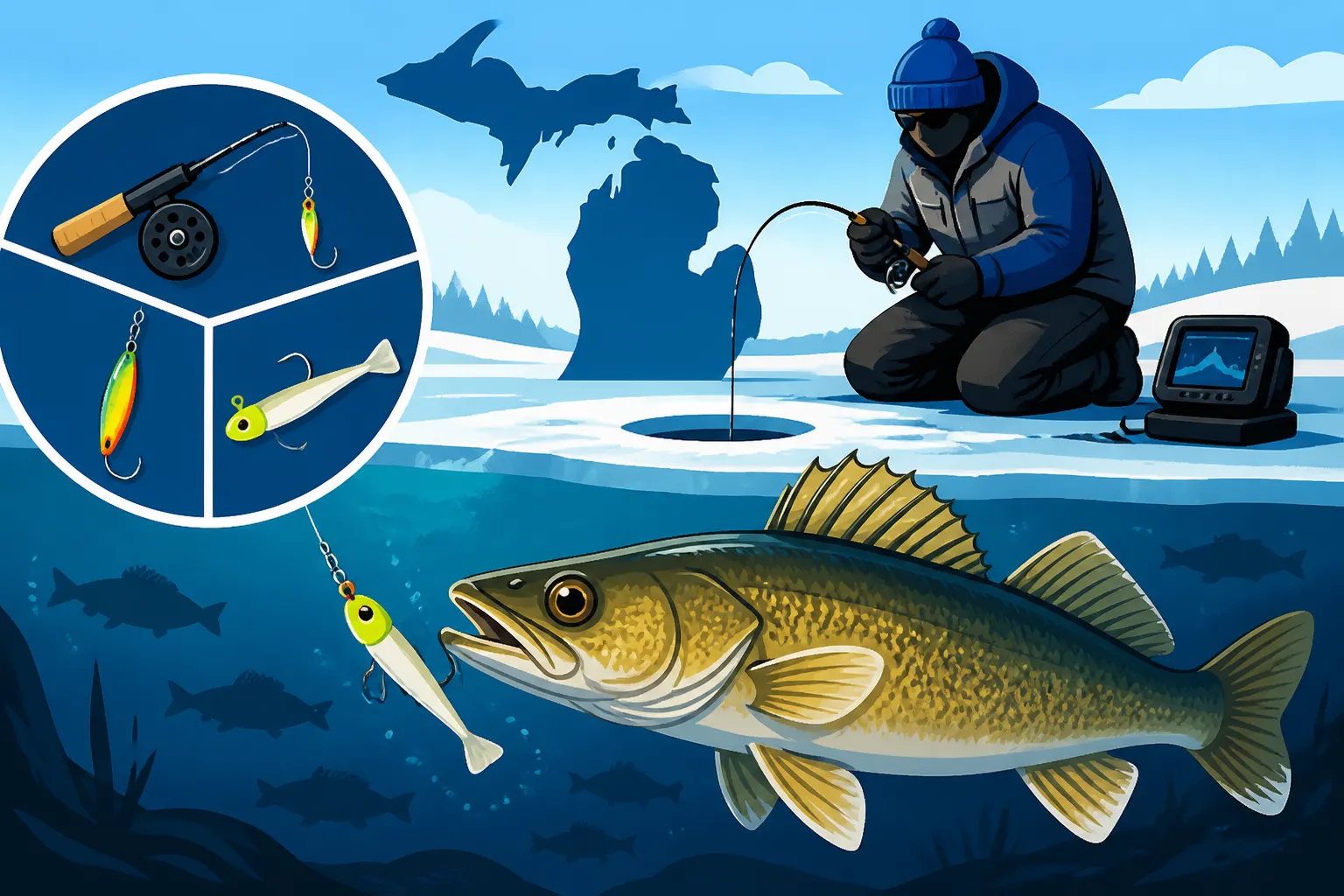
Jigging spoons are a staple for ice fishing walleye, and for good reason. Their flashy profile and erratic fall imitate wounded baitfish, often triggering an aggressive strike. Spoons like the classic Swedish Pimple, Northland Tackle Buck-Shot Rattle Spoon, or the Rapala Jigging Rap are highly effective. The key is to experiment with your jigging cadence. Start with a sharp snap of the wrist to lift the spoon a foot or two, then let it flutter back down on a semi-slack line. Allow it to settle for a few seconds, then repeat. Often, the strike comes on the fall or during the pause, so pay close attention.
Rattle baits, like the Rapala Rippin' Rap or the LIVETARGET Golden Shiner Rattlebait, add an acoustic element that can be deadly, especially in stained water or low-light conditions. The rattles attract attention from a distance, drawing walleye in. These baits are typically jigged more aggressively with sharp lifts and drops, allowing the bait to vibrate and create noise. When a walleye appears on your flasher, you might try to "call" it in with a few aggressive jigs, then switch to a more subtle presentation to seal the deal. Remember to match the size and color of your spoon or rattle bait to the prevalent forage in the lake. You can find a wide array of these effective walleye lures on Amazon, making it easy to experiment with different options.
Live Bait Rigs and Tip-Ups
While artificial lures are effective, live bait remains a top producer for walleye, especially when they're less aggressive. Minnows are king here, with shiners, fatheads, and perch minnows being common choices. For live bait, you have a couple of primary presentations: jigging with a small spoon or jig tipped with a minnow head or tail, or using a deadstick or tip-up rig.
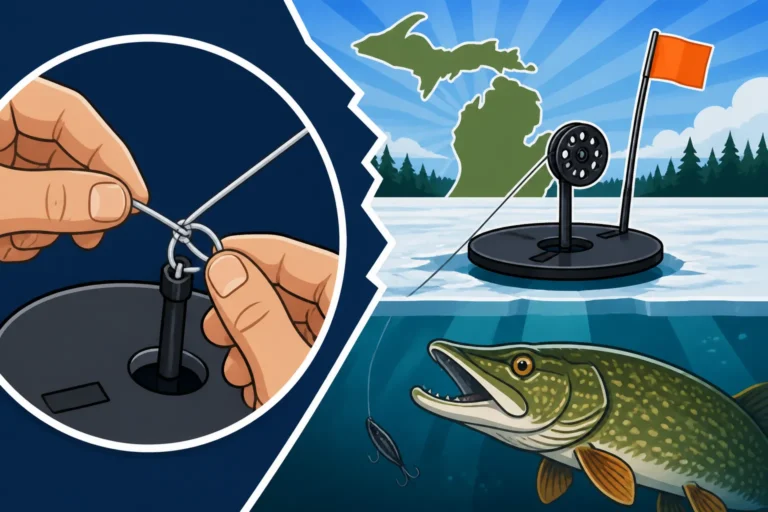
A basic live bait rig involves a small jig (1/16 to 1/8 ounce) or a plain hook (size 4-8) tied to your fluorocarbon leader, weighted with a split shot a few inches above the hook. Hook your minnow lightly through the back, just behind the dorsal fin, or through the lips for a more active presentation. Lower it to the desired depth and let the minnow do the work. For a more passive approach, especially on slower days, tip-ups are invaluable. They allow you to cover multiple holes and present live bait without constantly holding a rod. A standard tip-up setup involves a leader with a hook (treble or single, size 4-8), often weighted with a split shot or small sinker, and a minnow. Set the depth so the minnow is suspended just above the bottom or at the depth where you're marking fish. Many anglers use tip-ups in conjunction with jigging rods, effectively covering different areas and depths simultaneously, which is a key strategy for Michigan Walleye Fishing Techniques. Remember to check your local Michigan Bag and Size Limits Explained for walleye before heading out.
Deadsticking and Finesse Tactics
Sometimes, less is more when it comes to enticing wary walleye. This is where deadsticking and other finesse tactics truly shine. A deadstick is simply a rod left stationary in a rod holder, often with a live minnow or a subtle artificial bait suspended beneath it. The idea is to present a natural, non-threatening meal that a hesitant walleye won't resist. The rod should be sensitive enough to show a subtle take, but sturdy enough to withstand a powerful run once the flag goes up.
Finesse artificials include small jigging spoons, tungsten jigs tipped with plastics, or even tiny hair jigs. The movement imparted to these baits is minimal – just small twitches, lifts, and long pauses. Think about mimicking a nearly lifeless baitfish. In highly pressured waters, or when walleye are particularly inactive (often mid-winter), this subtle approach can outperform aggressive jigging by a significant margin. Many anglers will fish with one aggressively jigged rod and one deadstick or tip-up, offering the fish two distinct options. This strategy maximizes your chances, especially when you’re ice fishing for Michigan walleye that have seen it all.
Safety First: Ice Fishing Considerations
While the thrill of chasing walleye through the ice is undeniable, safety should always be your top priority. Michigan winters are beautiful but unforgiving, and understanding ice conditions and proper preparedness is non-negotiable.
Ice Thickness and Safety Protocols
The cardinal rule of ice fishing is: "No ice is 100% safe." Always check ice thickness as you venture out and throughout the day. A general guideline for safe ice thickness for walking is 4 inches for clear, new ice. For ATVs or snowmobiles, you'll need at least 5-7 inches, and for light vehicles, 8-12 inches. These are minimums, and conditions can vary greatly across a lake, even within a few feet. Always consult local bait shops or DNR reports for current ice conditions, but never rely solely on others' reports. Carry an ice spud or auger to test ice thickness as you go.
Avoid areas with current, near inlets or outlets, or around structures like docks and bridges, as ice will be thinner there. Be aware of pressure cracks, which can form and shift throughout the day, creating hazardous open water. Fish with a buddy, inform someone of your plans, and carry essential safety gear such as ice picks (worn around your neck), a throw rope, and a fully charged cell phone. Understanding How Thick Does Ice Need to Be to Fish in Michigan is critical for a safe outing.
Dressing for Success
Staying warm and dry is paramount to an enjoyable and safe ice fishing experience. Layering is key, allowing you to adjust your clothing as conditions change throughout the day. Start with a moisture-wicking base layer to draw sweat away from your skin. Add an insulating middle layer, such as fleece or down, for warmth. Your outer layer should be waterproof and windproof, protecting you from the elements. A good quality ice fishing suit, like those offered by Striker Ice or Clam, not only provides warmth but also offers flotation in case of an accidental fall through the ice.
Don't forget your extremities. A warm hat that covers your ears is essential, as a significant amount of body heat is lost through the head. Insulated, waterproof gloves or mittens are a must, along with warm, waterproof boots. Wool or synthetic socks are better than cotton, which loses its insulating properties when wet. Bringing extra layers, socks, and gloves in a dry bag is always a smart move, because nothing saps morale and creates a dangerous situation faster than being wet and cold on the ice.
Emergency Gear
Beyond personal safety items, having a well-stocked emergency kit is crucial. This should include a first-aid kit, a headlamp or flashlight with extra batteries (essential if you get caught out after dark or if you’re trying to catch walleye at night in Michigan), a fire starter, and some high-energy snacks and water. A portable charger for your cell phone is also a good idea. Consider carrying a small survival blanket or sleeping bag if you're venturing far from shore or planning an overnight trip.
If you're using a portable heater in your shelter, ensure it's properly ventilated to prevent carbon monoxide poisoning. Always have a carbon monoxide detector in your shelter. While not strictly emergency gear, a reliable portable GPS or navigation app on your phone can be a lifesaver, especially on large, featureless lakes where whiteout conditions can quickly disorient you. Familiarize yourself with how to use all your emergency gear before you head out, and regularly check that everything is in working order.
Advanced Tips for Tricky Walleye Conditions
Even with the right gear and knowledge, walleye can sometimes be incredibly challenging. These advanced tips can help you adapt when the bite is tough or when you're facing specific conditions.
Night Fishing for Walleye
Walleye are often more active after dark, especially in clear lakes where they might be pressured during the day. Their superior low-light vision gives them an advantage over baitfish. Night fishing can be incredibly productive, but it also requires special considerations. First, safety is even more critical; ensure you know your way around the ice and have good lighting. Headlamps are essential, but avoid shining them directly into your hole, as this can spook fish. Use subtle lights or reflective tape on your tip-ups.
Techniques for night fishing for walleye often involve a combination of deadsticks with live minnows and glow-in-the-dark jigging spoons or rattle baits. Many lures are available with glow paint or UV finishes, which can be charged with a flashlight or UV light. The glow attracts walleye in the darkness, and the flashes can seal the deal. Remember that walleye often move into shallower feeding flats at night, so don't be afraid to target depths shallower than you would during the day. This is particularly true for targeting walleye on places like Saginaw Bay, where vast shallow flats become prime feeding grounds after sunset. You can find many effective glow lures and lights on Amazon.
Adapting to Pressure
Michigan's popularity for ice fishing means many lakes receive heavy fishing pressure, especially for prized species like walleye. Pressured walleye become warier, more sensitive to noise, and less likely to hit aggressive presentations. When you suspect you're on a pressured lake, stealth becomes paramount. Drill fewer holes, walk softly on the ice, and keep your chatter to a minimum. Use longer fluorocarbon leaders (up to 3-4 feet) to separate your lure from your main line.
Downsizing your lures, using lighter line, and opting for more natural bait presentations (like smaller minnows or subtle plastics) can also make a big difference. Walleye that have seen every loud rattle bait and flashy spoon might respond better to a tiny tungsten jig tipped with a waxworm or a slowly presented live minnow. Sometimes, simply moving away from the crowds, even just a hundred yards, can put you on less pressured fish. This often means embracing the challenge of Michigan Ice Fishing Guide to find new honey holes off the beaten path.
Best Time of Day to Catch Walleye
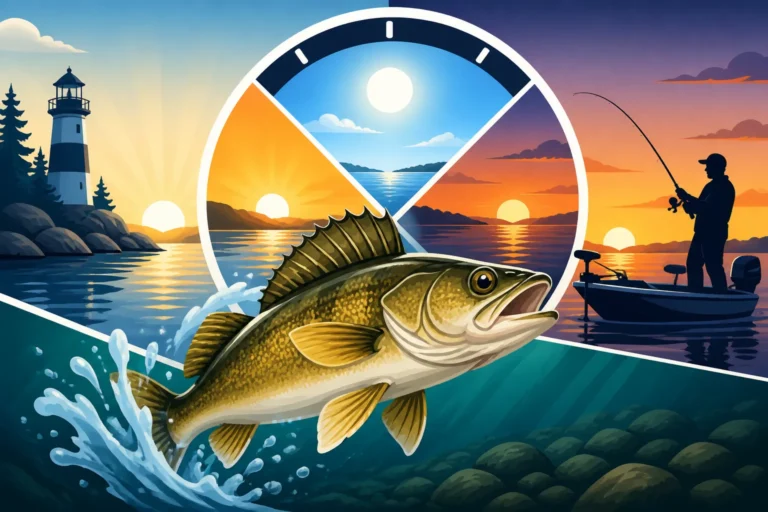
While walleye can be caught throughout the day, certain periods consistently offer the best chances, often referred to as "primetime." The two most reliable windows are typically dawn and dusk. Just before sunrise and immediately after sunset, walleye often move shallower to feed actively. Their eyes are perfectly adapted for low light, giving them a distinct advantage during these transitions. This makes it a great time to be on the ice, especially if you can get out early or stay late.
Beyond dawn and dusk, walleye activity can be influenced by weather patterns. Overcast days with stable barometric pressure can often lead to extended feeding windows throughout the day, making them excellent days to be out on the ice. Conversely, bright, sunny days, especially in clear water, might push walleye into deeper water or make them more lethargic, requiring more finesse and subtle presentations. If you find yourself out during these tougher daytime conditions, consider longer pauses between jigging motions, and focus on areas with deeper water or more cover. Pay attention to solunar tables, which suggest peak feeding times based on moon phases and positions, to further refine your timing. Knowing the Michigan Ice Fishing Season Timing can also help you anticipate these peak periods throughout the winter.
Disclaimer
Fishing conditions and regulations in Michigan can change frequently. Always consult the latest Michigan Department of Natural Resources (DNR) fishing guide or website for the most current rules, regulations, and safety advisories before heading out on the ice. Stay safe and fish responsibly.