What Depth Do Walleye Live at in Summer
One of the biggest head-scratchers for Michigan anglers, especially as the summer sun beats down, is trying to figure out where the walleye have gone. They can seem to vanish, leaving you scratching your head while you troll or cast over seemingly empty water. This guide is all about demystifying that summertime puzzle, helping you understand the depths walleye prefer when the waters warm up across our beautiful state.
Understanding Walleye Behavior in Michigan Summers
To consistently find walleye in Michigan during the summer months, you first need to get inside their heads, so to speak. Walleye are highly sensitive to their environment, and summer brings significant changes that dictate where they’ll hang out. It's not just about temperature; it's a whole ecosystem at play.
The Impact of Water Temperature and Oxygen on Walleye
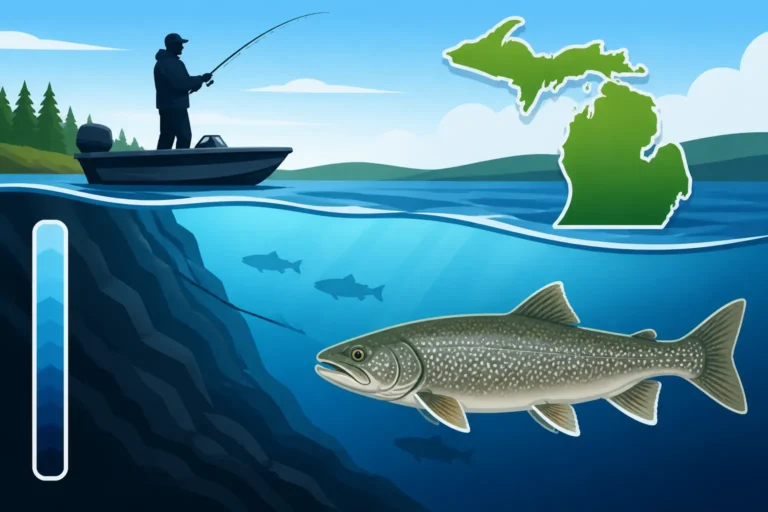
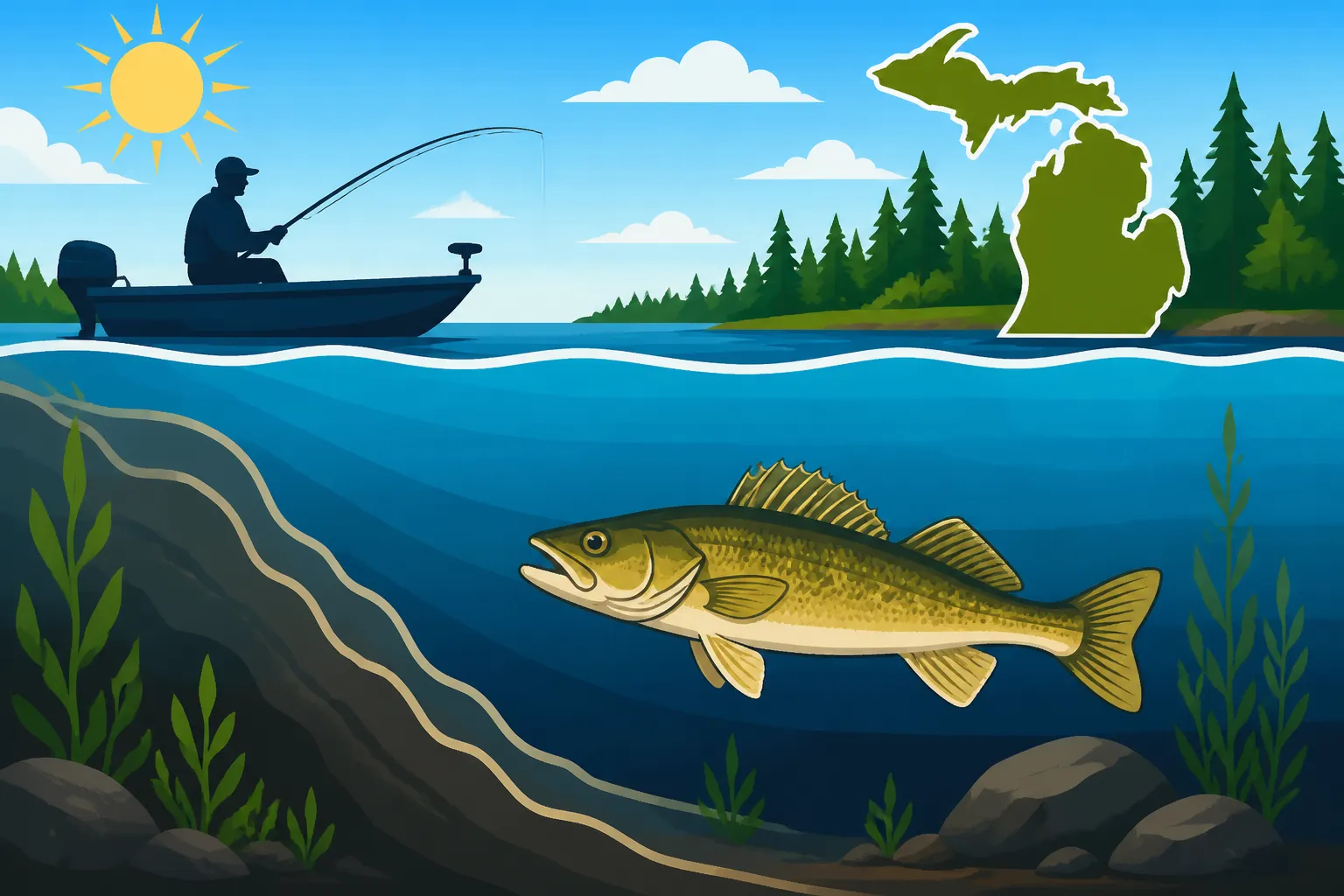
As Michigan's waters warm up in the summer, especially in our deeper inland lakes, a phenomenon called thermal stratification occurs. This means the lake water divides into distinct layers: a warm surface layer (epilimnion), a middle layer where temperature changes rapidly (thermocline), and a cold, deep layer (hypolimnion). Walleye, being cool-water species, generally avoid the warmest surface waters where temperatures might be uncomfortable or even stressful for them.
Instead, they often seek out the "comfort zone" within or just above the thermocline. This isn't just because of temperature; it's also about dissolved oxygen. In the deeper, colder hypolimnion, oxygen levels can drop significantly, especially later in the summer, making those depths uninhabitable for many fish. So, walleye are often squeezed into a relatively narrow band of water where the temperature is just right (typically in the 60s Fahrenheit) and there's enough oxygen to thrive. This depth can vary wildly from lake to lake. A shallow, stained lake might have a thermocline only 10-15 feet down, while a deep, clear lake like Higgins Lake might see its thermocline start much deeper, perhaps 30-40 feet below the surface. Understanding these layers is crucial for any angler hoping to master Walleye Fishing in Michigan.
Food Sources and Forage Availability at Different Depths
Walleye are opportunistic predators, and their movements are heavily influenced by where their food is. In summer, their diet often shifts to include more pelagic (open-water) baitfish that also follow the thermocline and congregate around structure. Think yellow perch, emerald shiners, cisco (lake herring), and gizzard shad. If these baitfish are suspended in open water at 25 feet, chances are, the walleye won't be far behind.
Conversely, if a particular lake has a thriving population of baitfish relating closely to deep weed lines or rocky humps, the walleye will often patrol those same areas. For example, in the vastness of Lake Michigan or Lake Huron, walleye might be found suspending over deep water, actively chasing schools of baitfish. In a smaller, more contained inland lake, they might be more tied to specific features. Your job as an angler is to not only find the right depth but also to consider what food sources are likely present at that depth. Sometimes, seeing those baitfish arches on your fish finder can be just as important as seeing the walleye themselves. It provides context.
Typical Depths for Walleye in Michigan During Summer
So, with all that background, let's talk about some actual numbers and locations. Pinpointing an exact depth is like trying to guess the winning lottery numbers every time, but we can give you a strong framework based on typical Michigan conditions.
Walleye in Inland Lakes: Deep Structure and the Thermocline
In Michigan's numerous inland lakes, summer walleye often gravitate towards distinct structural elements that offer both cover and access to food, usually in proximity to that comfortable thermocline layer. We're talking about:
- Deep Humps and Reefs: These underwater islands are magnets for walleye. If a hump rises from 50 feet of water to 25 feet, walleye will often be on the sides or top, particularly on the deep water side, ambushing baitfish.
- Drop-Offs and Ledges: Where a flat area suddenly plunges into deeper water, these transitions are prime ambush points. Walleye will patrol these edges, especially where the drop-off coincides with the thermocline.
- Deep Weed Edges: While many weeds die back in deeper water due to lack of light, some species can thrive surprisingly deep. Walleye will often cruise the outside edges of these submerged weed beds, particularly those in 15-25 feet of water, feeding on perch or other small fish hiding there.
- Main Lake Basin: In some deeper lakes, walleye will suspend in the open water of the main basin, especially if there's a good population of pelagic baitfish like cisco. They might be 20-40 feet down over 60-plus feet of water.
A general rule of thumb for many of Michigan's inland lakes in summer is that walleye will often be found anywhere from 15 to 40 feet deep. However, this can fluctuate. On bright, sunny days with clear water, they'll likely be deeper. On overcast days, or in stained water, they might venture shallower. Early morning and late evening typically see them shallower as well, particularly if they're moving up to feed on shallow flats before retreating to deeper haunts. For more on where to find these elusive fish, check out Best Waters for Michigan Walleye.
Walleye in the Great Lakes: Open Water and Nearshore Structure
The Great Lakes offer a different ballgame altogether for walleye. These vast expanses of water, particularly Lake Erie and Saginaw Bay on Lake Huron, are renowned for their incredible walleye fisheries. Here, walleye behavior can be influenced by currents, vast open-water expanses, and colossal schools of baitfish.
- Lake Erie (Michigan waters): This lake is shallower and warmer than the other Great Lakes, leading to a different summer walleye pattern. While there is still stratification, it's often less pronounced. Walleye might be found anywhere from 15 to 30 feet deep in the summer, often relating to the edges of vast mud flats, rocky reefs, or humps that rise off the bottom. They are incredibly prolific here and often chase schools of shad and emerald shiners. Trolling is a hugely popular and effective method here.
- Saginaw Bay (Lake Huron): Another world-class walleye fishery, Saginaw Bay is also relatively shallow. Here, walleye often inhabit depths of 10 to 25 feet in the summer, moving between sandy flats, mud basins, and any subtle structure available. Weed lines, old river channels, and deeper edges of shoals are key. They'll follow huge schools of baitfish, often suspending slightly above the bottom. This area can be incredibly productive, especially during the peak summer months. You can learn more about specific techniques in Best Time to Fish Saginaw Bay for Walleye.
- Lake Michigan & Lake Huron (other areas): In the deeper, colder regions of these lakes, walleye often relate to deep structure, similar to inland lakes, but on a much grander scale. They might be found near offshore reefs, islands, or extensive rock piles in depths ranging from 25 to 50 feet or more, depending on the specific location and availability of forage like cisco.
Day vs. Night Depth Changes
Walleye are famously crepuscular, meaning they are most active during twilight hours (dawn and dusk). They also have excellent low-light vision, which gives them an advantage over their prey when the sun isn't blaring. This characteristic heavily influences their depth preferences.
During the day, especially under bright skies, walleye will typically retreat to deeper, darker water to avoid intense light. They might be found hugging the bottom in 30-40 feet of water or more. As evening approaches and the sun dips below the horizon, light penetration decreases dramatically, and walleye often migrate shallower to feed. They might move up onto shallow flats, humps, or nearshore structures that were too bright for them during the day. It's not uncommon to find them in as little as 5-15 feet of water at night, sometimes even shallower in very stained water. This nocturnal feeding binge is why night fishing for walleye can be incredibly effective, and understanding these movements is key to successful Night Fishing Techniques for Walleye.
| Water Body Type | Typical Summer Walleye Depth (Day) | Typical Summer Walleye Depth (Night) | Key Factors Influencing Depth |
|---|---|---|---|
| Deep Inland Lakes | 20-40 feet (near thermocline) | 10-25 feet (shallower structure) | Thermocline, structure, light |
| Shallow Inland Lakes | 15-30 feet (weed edges, drop-offs) | 5-15 feet (flats, shallow cover) | Water clarity, weed growth, light |
| Lake Erie (MI) | 15-30 feet (mud flats, reefs) | 10-20 feet (shallow edges) | Forage movement, currents, subtle structure |
| Saginaw Bay (Huron) | 10-25 feet (channels, shoals) | 5-15 feet (flats, shallow shoals) | Forage movement, currents, extensive flats |
| Other Great Lakes | 25-50+ feet (offshore structure) | 15-35 feet (nearshore breaks, humps) | Deepwater forage, offshore reefs, light |
Gear and Techniques for Targeting Summer Walleye at Depth
Now that we know where they might be, how do we effectively find them and present a bait? It takes a combination of modern technology, the right tackle, and a willingness to adapt.
Finding the Right Depth: Sonar and Technology
In today's world, fishing without a quality fish finder is like trying to navigate without a map. Modern sonar units, especially those with advanced features, are invaluable for locating summer walleye at depth. When you're out on the water, pay close attention to your electronics:
- Traditional 2D Sonar: Look for the thermocline (often appearing as a distinct band of fuzzy returns or a sudden change in water temperature readings). Walleye will often show up as distinct arches or marks in or around this zone.
- Down Imaging/Side Imaging: These technologies provide photo-like views of the bottom and structure, allowing you to identify humps, drop-offs, and even individual fish relating to those features. Side imaging is particularly helpful for scanning wide swaths of water to find schools of baitfish or walleye lurking on a break. Learning to read your electronics is a skill that comes with practice, but it's essential for figuring out What Electronics Help Find Walleye and pinpointing those summertime walleye haunts.
- GPS and Mapping: Once you find a productive spot (a rock pile, a specific break, a productive contour), mark it on your GPS. Walleye often return to the same areas year after year, and having these waypoints saved can save you hours of searching on future trips.
Presenting Baits and Lures Effectively at Depth
Once you've identified the depth and structure where walleye are likely holding, the next step is to present your bait or lure effectively at that exact level. This usually involves trolling or vertical jigging, and often requires specific rigging.
- Trolling with Crankbaits and Crawler Harnesses: This is arguably the most popular and effective way to cover water and present baits at specific depths for summer walleye, especially on the Great Lakes and larger inland waters.
- Crankbaits: Dive to various depths depending on their lip size and line diameter. You might need to use lead core line, snap weights, or even downriggers to get them down to 25-50 feet. Look for reputable brands; you can find a huge selection of diving crankbaits on Amazon that will help you reach those deeper fish.
- Crawler Harnesses: These are incredibly effective, especially when tipped with a live nightcrawler. They are typically fished behind a bottom bouncer or a small weight to keep them at the desired depth, or in conjunction with planer boards to spread out your presentation, a technique covered well in Trolling for Chinook Salmon on Lake Michigan which shares principles with walleye trolling.
- Jigging Spoons or Blade Baits: When walleye are tightly schooled on a specific piece of structure, vertical jigging can be deadly. Drop a heavy spoon or blade bait directly down to the fish you see on your sonar. Let it hit bottom (or just above the fish), then rip it up a few feet and let it fall on a slack line. This erratic action often triggers strikes from otherwise hesitant fish. Jigging Techniques for Michigan Walleye offers great insights into this method.
- Live Bait Rigging: For more finicky walleye, a simple live bait rig with a minnow, leech, or nightcrawler on a slip sinker can be very effective. This allows you to slowly drift or troll while keeping your bait right in the strike zone. You can easily find various sinkers, hooks, and swivels for these rigs on Amazon.
Adapting to Conditions: Adjusting Depth and Presentation
Michigan weather is notoriously fickle, and walleye depth and activity can change with it. A bluebird day might have walleye hugging the bottom at 35 feet, while an approaching cold front or an overcast day might push them up to 20 feet.
- Weather Changes: Keep an eye on the forecast. If a storm is rolling in, walleye might get more active and move shallower just before it hits. Conversely, a post-front bluebird day often means tougher fishing and deeper walleye.
- Water Clarity: In clear water, walleye will generally be deeper during the day to avoid light. In stained or murky water, they might be shallower because the light doesn't penetrate as deeply.
- Experimentation is Key: Don't be afraid to try different depths, different lure colors, and different speeds until you start getting bites. If you're trolling, try running lures at multiple depths until you find the fish. If you're jigging, vary your retrieve. Walleye are creatures of habit, but those habits can be subtle and require a bit of detective work to uncover. You might even find yourself buying a few different lure colors on Amazon to cover all your bases!
Remember, the walleye are there, even in summer. It's just a matter of putting in the time to understand their environment, using your tools wisely, and being willing to adapt your approach to match their movements. Happy fishing!
Disclaimer
This article is for general informational purposes only and does not constitute professional advice. Laws, prices and regulations vary by location and change over time. Consult a qualified professional for guidance on your specific situation.