What Do Walleye Eat in Michigan Lakes
One of the most common frustrations among Michigan anglers is figuring out why walleye are so incredibly elusive. You know they're in the lake, you've seen the reports, but actually getting them to bite can feel like a complete mystery. The truth is, cracking the code to consistent walleye catches often starts with understanding their diet. This comprehensive guide will dive deep into what walleye eat in Michigan lakes, how their feeding habits change throughout the year, and how you can use this knowledge to fill your livewell.
The Walleye's Underwater Menu: An Overview of Their Diet in Michigan Waters
Walleye are fascinating fish, known for their incredible eyesight and their opportunistic, predatory nature. They aren't picky eaters in the way a carp might be, but they definitely have preferences, and those preferences shift based on a whole host of factors. Understanding these fundamental aspects of their diet is the first step toward becoming a more successful walleye angler in Michigan.
Vision and Ambush: How Walleye Hunt
Walleye possess truly remarkable eyes, specially adapted to low-light conditions. Their large pupils and a reflective layer behind the retina (called the tapetum lucidum, similar to a cat's eye) give them superior vision in dim light, whether that's dawn, dusk, cloudy days, or in deeper, darker waters. This makes them incredibly efficient hunters when many other predatory fish are struggling to see. They often use this advantage to ambush prey, lurking in shaded areas, along weed lines, or near structure where they can strike suddenly. This low-light hunting preference means that targeting walleye during these times, or in stained waters, often yields the best results.
Beyond their eyesight, walleye also rely heavily on their lateral line system. This is a sensory organ that runs along both sides of their body, allowing them to detect subtle vibrations and pressure changes in the water. Think of it as an internal radar system. Even if they can't perfectly see a schooling baitfish in murky water or after dark, they can certainly feel its movements. This is why lures that create vibration, like lipless crankbaits or blade baits, can be so effective for walleye. They trigger that lateral line, signaling "prey!" even when visual cues are limited. Mastering how to use these senses to your advantage is key.
Size Matters: How Diet Changes with Walleye Growth
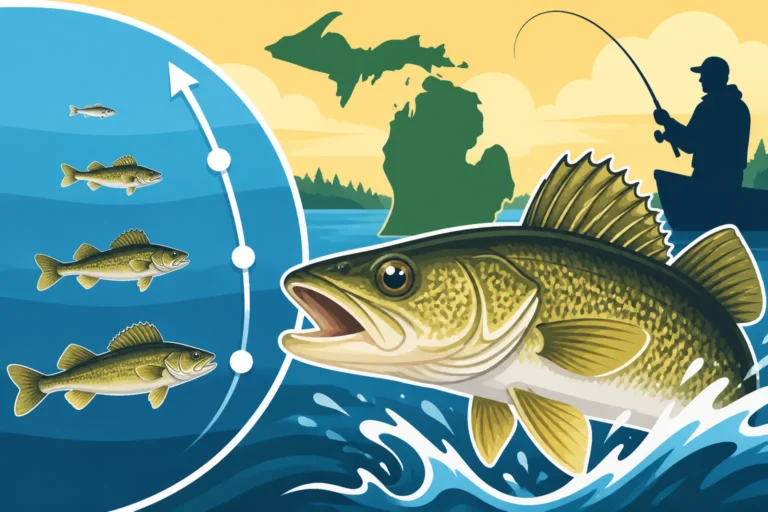
Just like humans, what a walleye eats changes drastically as it grows from a tiny fry to a trophy-sized adult. Juvenile walleye, often just a few inches long, start out feasting on zooplankton and insect larvae. These microscopic organisms are abundant and easy to catch for small mouths. As they grow a bit larger, they move on to bigger insects, like mayfly nymphs and caddisfly larvae, and eventually small minnows.
Once a walleye reaches about 6-8 inches, its diet shifts predominantly to baitfish. At this stage, they are more capable of actively pursuing and consuming smaller fish. As they mature into adults, their diet becomes even more fish-centric, with larger baitfish taking center stage. A big walleye might consume a meal that seems disproportionately large for its size, often tackling fish that are a significant percentage of its own body length. This progression means that if you're targeting younger walleye, you might have success with smaller jigs and plastics mimicking insects or tiny minnows, while trophy walleye demand bigger baitfish imitations. Understanding this progression helps you tailor your approach to the size of walleye you're hoping to catch.
Key Forage Species: The Main Course for Michigan Walleye
When we talk about what walleye eat, we're primarily talking about other fish. Michigan's diverse aquatic ecosystems offer a smorgasbord of options for these predators. Knowing the specific types of prey they favor will greatly inform your lure selection and fishing locations.
The Ubiquitous Baitfish: Primary Protein Sources
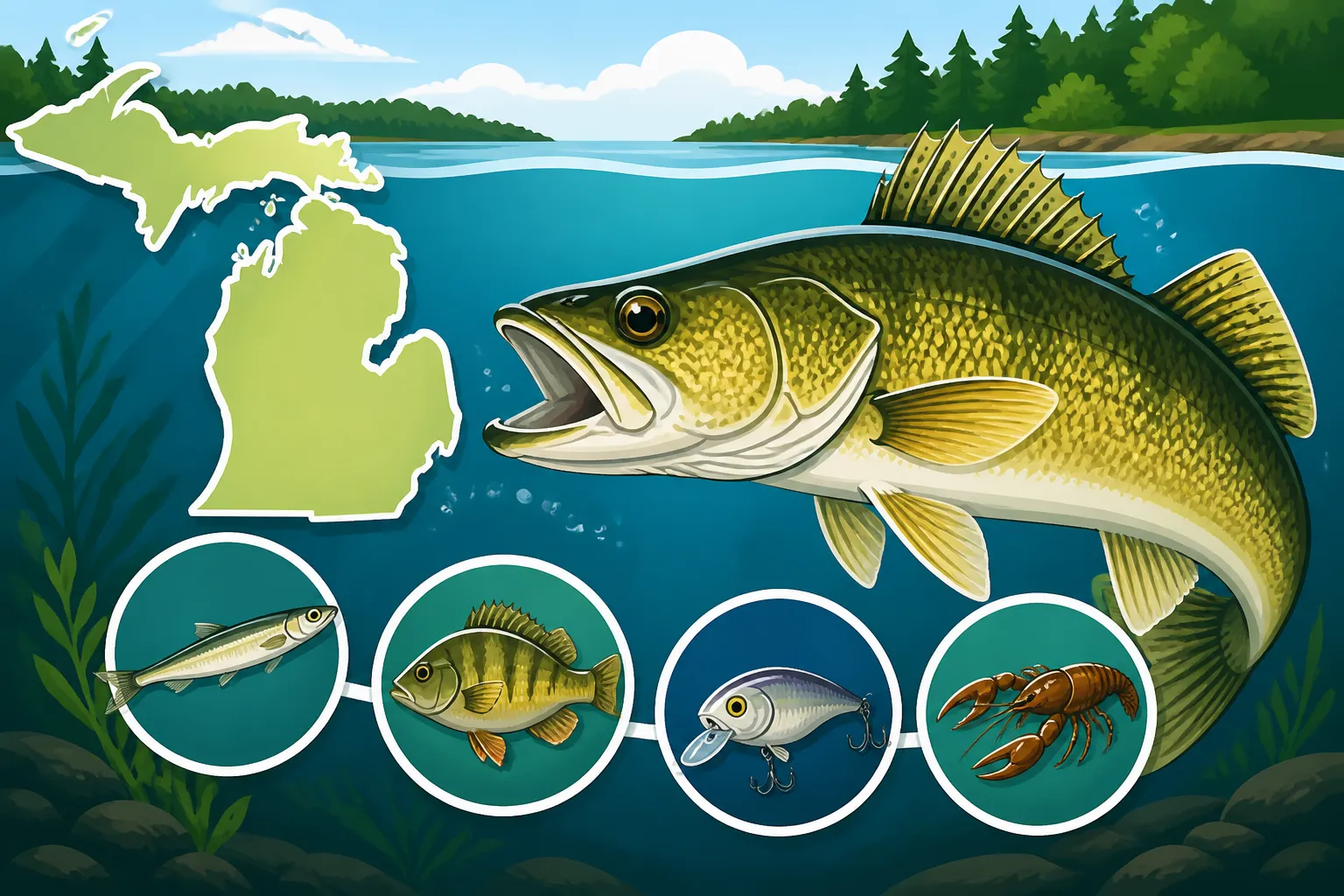
Michigan's lakes and rivers are teeming with various baitfish, and walleye are adept at hunting down the most abundant and easiest to catch species. Yellow perch are perhaps the most iconic walleye forage. Almost any Michigan lake with a healthy perch population is likely to have robust walleye as well. Walleye absolutely love to eat perch, and many popular walleye lures are designed to imitate their shape and coloring. In fact, many anglers specifically target perch schools knowing that walleye are often right on their heels.
Beyond perch, shiners (like golden shiners or emerald shiners) are another crucial food source, especially in inland lakes and river systems. These silvery, schooling fish are easy targets for walleye, particularly in open water. Smelt, especially in the Great Lakes and some deeper inland lakes, become a primary food source when available. Alewives, an invasive species in the Great Lakes, are also a significant part of the diet for larger Great Lakes walleye, though their presence can sometimes lead to thiamine deficiency in predators. Finally, the highly prolific round gobies, another invasive species, have become an increasingly important food source for walleye in the Great Lakes and connecting rivers like the Detroit River. Walleye have adapted incredibly well to preying on these bottom-dwelling fish, which can be a boon for their growth rates. You can find excellent selections of lures designed to mimic these common baitfish on Amazon, helping you match the local menu.
Invertebrates and Other Aquatic Treats
While baitfish dominate the adult walleye's diet, other aquatic creatures play a vital role, particularly for younger walleye and during certain times of the year when fish forage might be less accessible. Crayfish are a prime example. These crustacean bottom-dwellers are a high-protein meal, and walleye will readily snatch them up, especially if they are molting and soft-shelled. Fishing rocky areas or around submerged timber where crayfish hide can be very productive.
Aquatic insects also make up a significant portion of a walleye's diet, especially for younger fish. Mayfly nymphs, caddisfly larvae, and various other insect larvae live on the lake bottom and provide easy sustenance. During a major hatch, like the famous Hexagenia mayfly hatch, even adult walleye will gorge themselves on these emerging insects. While not typically a target food for anglers, understanding this aspect of their diet helps explain why walleye might be less interested in your minnow when a massive insect hatch is underway. These smaller organisms are crucial for the growth and development of walleye before they transition to a fish-heavy diet.
The Impact of Invasive Species on Walleye Dining
Michigan's waters, particularly the Great Lakes, have seen their share of invasive species, and these newcomers have undeniably altered the walleye's menu. We already mentioned the round goby. When these bottom-dwelling invaders first exploded in numbers, many native fish struggled to adapt. Walleye, however, quickly learned that gobies were a readily available and easy meal. This dietary shift has, in some areas, led to incredible growth rates for walleye. Anglers targeting walleye in areas with high goby populations will often find success using lures that imitate the goby's dark, squat profile and erratic darting motion.
Another significant invasive species is the alewife. While they've been in the Great Lakes for a long time, their population fluctuations impact walleye and salmon. When alewife numbers are high, walleye can gorge themselves, but a reliance on alewives can also lead to nutritional issues due to their thiamine-deficient nature. Understanding these ecological shifts is crucial for anglers. It highlights the dynamic nature of a walleye's diet and why adapting your bait choices to the prevalent forage is so important. When fishing specific Great Lakes waters, knowing which invasive species are present can give you a significant advantage. The overall Michigan Great Lakes Fishing Regulations Guide is always a good read before heading out.
Seasonal Shifts and Environmental Influences on Feeding Patterns
Walleye are creatures of habit, but their habits are deeply tied to the seasons and the prevailing environmental conditions. Their diet, and thus their preferred baits and locations, will change throughout the year. Ignoring these seasonal shifts is a surefire way to come home empty-handed.
Spring's Lean Period and Post-Spawn Hunger
As the ice retreats and spring arrives, walleye are often in a post-spawn recovery phase. After expending massive amounts of energy during the spawn, they are hungry but might still be a bit sluggish. Water temperatures are cool, and many baitfish haven't fully dispersed or grown large yet. During this time, walleye are often found in shallower areas, especially near spawning grounds, looking for easy meals. Their metabolism is still relatively slow, so they often prefer live bait or slow-moving lures. Minnows, particularly shiners or suckers, are incredibly effective as they offer a substantial and easy meal without requiring much chase.
The springtime diet also includes a greater proportion of invertebrates if readily available, especially as the water warms slightly. Emerging insects or crayfish can provide a quick boost of protein. Anglers focusing on the Lower Peninsula Trout and Walleye Opener or Upper Peninsula Walleye Season Opener know that patience and a natural presentation are key. Later in the spring, as water temperatures steadily climb, walleye become more active and aggressive, chasing down schools of minnows in anticipation of the summer abundance.
Summer's Deepwater Pursuit and Open-Water Feasts
Summer brings warmer water temperatures, which means two things for walleye: they become more active, and they often seek out deeper, cooler water. Their metabolism is high, and they are constantly on the hunt. In many lakes, baitfish like yellow perch and various minnow species will also migrate to deeper, cooler areas or school up in the open water. This forces walleye to follow, leading to what many call "open-water walleye" or "basin fishing."
During summer, walleye can be incredibly aggressive, actively pursuing schools of baitfish. Trolling with crankbaits or crawler harnesses becomes incredibly effective, as these presentations cover a lot of water and effectively imitate schooling prey. They will also readily ambush baitfish holding on deep structure like humps, points, and reefs. Their diet is almost exclusively fish during this period. Understanding where the baitfish are holding—often visible on a good fish finder—is paramount to locating summer walleye. How Deep to Troll for Lake Trout is a different target species, but the principles of deepwater trolling are similar.
Fall's Frenzy: Bulking Up for Winter
As autumn descends upon Michigan, water temperatures begin to drop, and walleye enter a crucial feeding period often referred to as "the fall bite" or "fall fattening." This is when they actively gorge themselves to build up fat reserves for the lean winter months. Baitfish are often schooling tightly in shallower bays or along the edges of deep structure, creating easy targets for hungry walleye.
During this time, walleye are incredibly aggressive and will readily strike at larger lures and baits. Big crankbaits, jigging spoons, and substantial live minnows are all highly effective. Their diet is almost entirely fish-based, and they are focused on consuming as much protein as possible. This is a prime time for targeting trophy-sized walleye, as they are at their heaviest and most active. Many anglers will head out during the Fall Salmon Run in Michigan Rivers and find walleye feeding aggressively in connecting waters as well.
Winter's Subdued Appetite and Ice-Covered Opportunities
Once Michigan's lakes freeze over, the walleye's metabolism slows significantly. They still need to eat, but their activity level drops, and they become more lethargic. Their diet shifts to whatever is readily available and requires the least amount of energy to catch. This often means bottom-dwelling prey or slow-moving baitfish that are themselves cold-stunned.
Ice fishing for walleye during winter often involves slower presentations with small jigs tipped with minnow heads or live minnows suspended just off the bottom. Insects and crayfish still play a role, especially if they are disturbed by activity on the ice. Understanding that walleye are conserving energy means your presentation needs to be subtle and patient. Vertical jigging or using tip-ups with live minnows are classic strategies for this season. Many of the specialized ice fishing baits designed to mimic these slow-moving food sources can be found online, including on Amazon, ensuring you have the right gear for the cold. The Michigan Ice Fishing Guide offers more in-depth advice on winter tactics.
Using Diet Knowledge to Catch More Walleye
Knowing what walleye eat is powerful information, but it's only half the battle. The real trick is translating that knowledge into actionable strategies that help you put more fish in the boat or on the ice.
Mimicking the Menu: Selecting the Right Baits and Lures
The golden rule of walleye fishing is often "match the hatch." This means using lures or baits that closely resemble what the walleye are currently feeding on. If walleye are gorging on yellow perch, a perch-colored crankbait or soft plastic swimbait will often outperform other options. If they're keying in on emerald shiners, a slender, silver-colored spoon or minnow-imitation lure is your best bet.
Consider the depth and activity level. In spring or winter when walleye are sluggish and in shallower water, a live minnow on a jig or under a float is hard to beat. As summer progresses and walleye move deeper, trolling deep-diving crankbaits that mimic fleeing baitfish becomes essential. Jigs tipped with soft plastics or live bait are versatile year-round, but choosing the right color and profile to match the predominant forage is crucial. Many anglers consult local bait shops for current "hot baits," as they often have the latest intel on what local walleye are eating. A quick search for "walleye lures" on Amazon will show you the incredible variety of options available to imitate everything from shiners to gobies. For specific techniques, consider resources like Jigging Techniques for Michigan Walleye.
Location, Location, Location: Fishing Where the Food Is
Walleye are rarely far from their food source. If you can locate the baitfish, you're halfway to finding walleye. This means paying attention to aquatic structure, depth, and even current. Baitfish will often congregate around weed lines, rocky reefs, submerged humps, drop-offs, and points, as these areas offer both food and shelter. Walleye, in turn, will position themselves on the edges or nearby, waiting for an opportunity to strike.
Using your electronics to spot schools of baitfish or individual fish holding on structure is invaluable. If you see a dense school of baitfish, start fishing around it, particularly on the downstream side in current or the deeper edges in lakes. Remember their low-light advantage; walleye will often move shallower to feed during dawn, dusk, and cloudy days, pushing baitfish into more vulnerable positions. Conversely, during bright midday sun, they'll often retreat to deeper, darker water or heavy cover. This understanding of their behavior relative to their food source is what separates consistent walleye anglers from those who only catch them by accident. Checking the Best Walleye Lakes in Michigan's Lower Peninsula can give you an idea of where to start looking.
Live Bait: When Natural is Best
While artificial lures are incredibly effective, sometimes nothing beats live bait, especially when walleye are finicky or during colder water periods when their metabolism is slower. Minnows are king, with various species like shiners, fatheads, and suckers all being excellent choices depending on the size of walleye you're targeting. Presenting a lively minnow on a plain hook, a jig, or a snell rig often provides the natural scent and movement that can trigger a bite when artificials fail.
Nightcrawlers are another fantastic live bait, particularly effective when walleye are feeding on the bottom or when you're using a crawler harness for trolling. The scent trail they emit can draw walleye in from a distance. Leeches are also a walleye favorite, especially in summer. They are tough, stay active on the hook, and are irresistible to hungry walleye. Using live bait requires patience and understanding of how to present it naturally, but the rewards can be substantial. For more ideas on natural presentations, check out Best Live Bait for Michigan Walleye in Spring.
| Season | Primary Walleye Diet | Recommended Baits & Lures (Matching the Hatch) | Key Locations |
|---|---|---|---|
| Spring | Small minnows, insect larvae, crayfish | Live minnows (shiners, fatheads), small jigs | Shallow spawning areas, weed edges, drop-offs |
| Summer | Alewives, smelt, perch, shiners | Deep-diving crankbaits, crawler harnesses, jigging spoons | Deep basins, main lake points, reefs, humps |
| Fall | Larger baitfish (perch, shiners, gobies) | Large crankbaits, jigging spoons, substantial live minnows | Structure edges, shallower bays, river mouths |
| Winter | Small minnows, gobies, aquatic insects | Small jigs (tipped with minnow heads), blade baits, spoons, live minnows (tip-ups) | Deep breaks, subtle humps, weed flats |
Understanding what walleye eat in Michigan lakes isn't just about trivia; it's about connecting the dots between their environment, their biology, and your fishing strategy. By paying attention to the available forage, the time of year, and how walleye use their senses, you'll be well on your way to more successful and satisfying fishing trips in the beautiful waters of Michigan.
Disclaimer
This article is for general informational purposes only and does not constitute professional advice. Laws, prices and regulations vary by location and change over time. Consult a qualified professional for guidance on your specific situation.