Are Round Goby a Problem in Michigan Waters?
There's nothing quite like the feeling of reeling in a fish on a beautiful Michigan day, but sometimes, you hook into something that just doesn't look right, or you notice a strange new presence under the water. For many anglers across our beloved state, that "something off" is often the round goby – an invasive species that has unfortunately found a thriving home in Michigan's precious waters. This guide will dive deep into understanding these small but impactful invaders, their effect on our native fish populations, and what we, as responsible anglers, can do to help mitigate their spread and impact.
Understanding the Round Goby: An Uninvited Guest
It's easy to overlook a small fish, especially when your eyes are set on catching a trophy walleye or a feisty smallmouth bass. But the round goby is an invader you absolutely need to know about. Its presence has fundamentally altered many of Michigan's aquatic habitats, and understanding its nature is the first step in addressing the problem.
What Exactly Is a Round Goby?
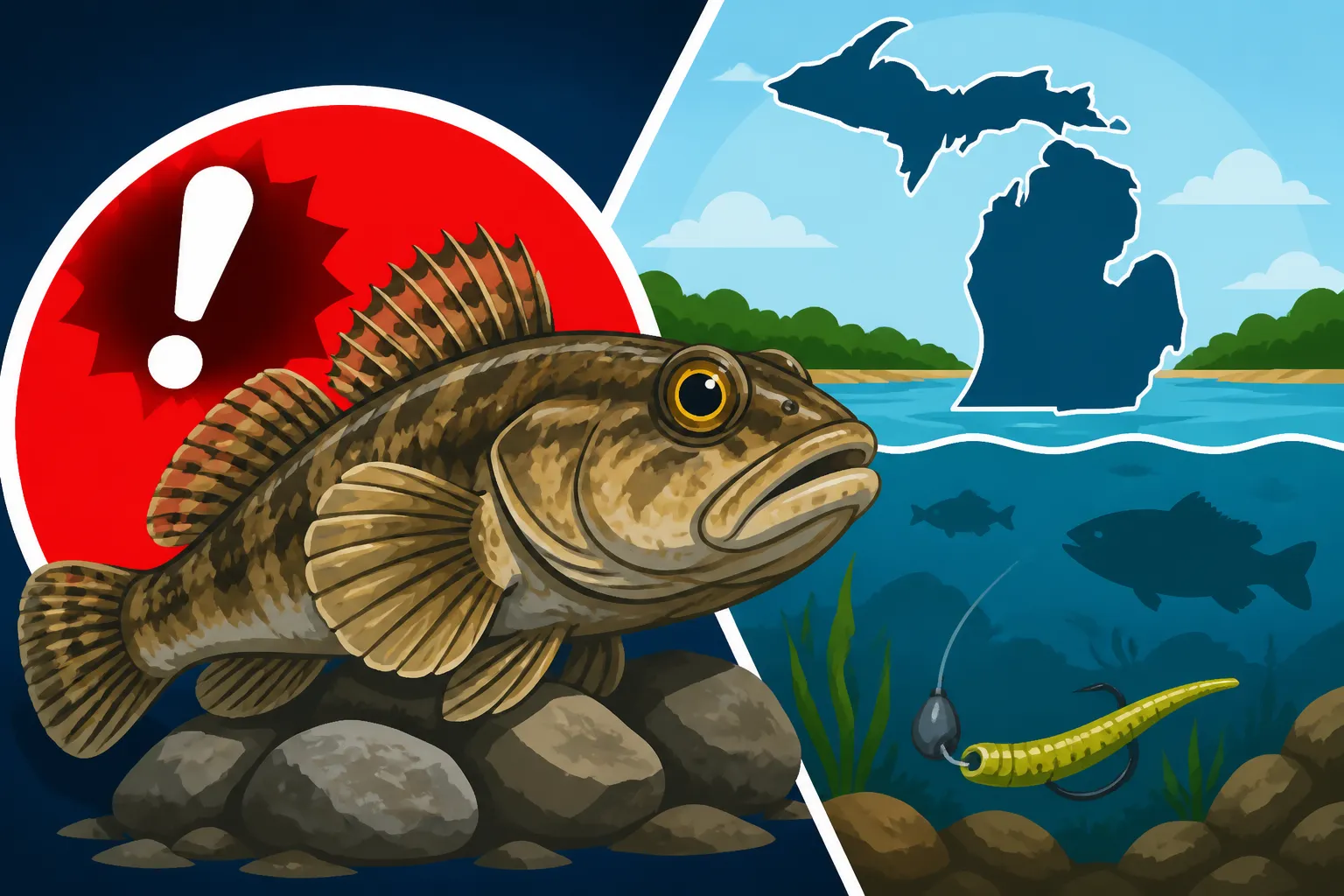
The round goby, Neogobius melanostomus, isn't native to North America at all. These small, bottom-dwelling fish hail from the Black and Caspian Seas in Eurasia. They're typically quite stout-bodied with a large head, prominent eyes, and soft-rayed fins. A key distinguishing feature is a single, fused pelvic fin that forms a suction cup on their underside, almost like a miniature industrial suction cup, which allows them to cling to rocks and other surfaces, even in strong currents.
Another tell-tale sign is a black spot on the anterior dorsal fin, which can sometimes be faded but is generally present. They usually grow to about 4 to 10 inches long, though some larger specimens have been caught. Their coloration tends to be mottled brown and gray, helping them blend in with the rocky bottoms they prefer. Seeing one of these fish in your catch is an immediate red flag that you've encountered a problematic species.
How Did They Get to Michigan?
The story of the round goby's arrival in the Great Lakes, and subsequently Michigan's waters, is a classic tale of unwitting human transportation. These hardy fish were introduced primarily through the ballast water of transoceanic ships. Picture massive freighters traveling from European ports, taking on ballast water in their home ports, and inadvertently sucking up goby larvae and eggs along with it.
When these ships reached the Great Lakes, they discharged their ballast water to take on cargo, releasing these non-native species into our freshwater ecosystems. The first round gobies in North America were discovered in the St. Clair River in 1990, a vital waterway that connects Lake Huron and Lake Erie. From there, their aggressive nature and rapid reproduction allowed them to spread quickly throughout the Great Lakes and into connected inland rivers and lakes.
The Impact on Michigan's Aquatic Ecosystems
The introduction of any invasive species can throw a delicate ecosystem into disarray, and the round goby is no exception. Despite their small size, their impact has been significant and widespread, affecting everything from the food web to the health of other fish and even waterfowl.
Disrupting the Food Web
One of the most concerning impacts of the round goby is its disruption of the natural food web. These fish are aggressive, opportunistic feeders with a voracious appetite. They compete directly with native bottom-dwelling fish species for food sources like insects, crustaceans, and small mollusks. Imagine a bustling underwater neighborhood suddenly overrun by a new, overly aggressive neighbor who eats everything in sight and outcompetes the long-time residents.
Beyond competing for food, round gobies are also notorious predators of the eggs and fry (young fish) of native species. This is particularly devastating for species that spawn on rocky substrates, as gobies can easily invade these nesting sites. This predation can significantly reduce the recruitment of native fish populations, meaning fewer young fish survive to adulthood. This could impact your future success when targeting prized species like our various trout species or even the Michigan's Combined Trout and Salmon Daily Limit.
Spreading Botulism and Other Diseases
The round goby plays a critical role in the transmission of Type E botulism, a serious neurotoxin that can be fatal to fish-eating birds and other wildlife. Gobies consume zebra mussels and quagga mussels, which are themselves invasive and filter-feed on the botulism-producing bacteria. The toxin then accumulates in the goby's tissues.
When larger predatory fish or fish-eating birds consume these infected gobies, they ingest the toxin, leading to paralysis and often death. This has been a significant problem for waterfowl populations along the Great Lakes, leading to large-scale die-offs. It's a stark reminder of how interconnected our ecosystems are and how one invasive species can have cascading, unforeseen consequences on others, affecting everything from our beloved eagles to diving ducks.
Negative Effects on Popular Sportfish
The ripple effect of round gobies directly impacts some of Michigan's most sought-after sportfish. For instance, they compete with juvenile walleye and smallmouth bass for food. They also prey on the eggs of these species, particularly during spawning season. Anglers targeting Michigan Walleye Size and Possession Limits or Michigan Smallmouth and Largemouth Bass Daily Limit might notice declines in numbers or shifts in behavior due to goby presence.
However, it's not all doom and gloom. While gobies compete with some species, they have also become a significant food source for larger predatory fish once they reach a certain size. Walleye, smallmouth bass, lake trout, and even burbot have adapted to prey on adult gobies. This dietary shift, while potentially beneficial for the growth rates of some predators, still signifies a change in the natural ecosystem that can have unpredictable long-term effects on the overall health and balance of fish populations in our waters.
Where Are Round Gobies Found in Michigan?
Understanding where these invaders have taken root is crucial for both management efforts and for anglers planning their trips. Unfortunately, their spread has been quite extensive since their initial introduction.
Great Lakes Infestation
The Great Lakes themselves have been heavily impacted by the round goby. From the connecting rivers like the St. Clair and Detroit Rivers to the vast expanses of Lake Michigan, Lake Huron, and Lake Erie, these fish are well-established. They thrive in nearshore areas, preferring rocky bottoms, breakwalls, and rip-rap, which provide excellent cover and spawning habitat.
Anglers fishing piers, harbors, or rocky shorelines on the Great Lakes are highly likely to encounter round gobies. They are incredibly prolific and can reach high densities in suitable habitats. This widespread presence means that any angler visiting the Great Lakes needs to be aware of their potential presence and the rules regarding their handling. If you're planning a trip to places like Lake Michigan Pier Fishing for Salmon or any other Great Lakes hot spot, be prepared to see these guys.
Inland Waterway Spread
While the Great Lakes are their primary stronghold, round gobies haven't stayed confined to the big lakes. They have successfully moved into many inland rivers and waterways connected to the Great Lakes. Rivers like the Grand River, St. Joseph River, and even parts of the Muskegon River have documented populations.
The movement upstream into these rivers is often facilitated by natural migrations, but also by recreational boaters and anglers who might unknowingly transport them. It's a slow but steady spread, turning once pristine inland fisheries into new habitats for these invaders. Their ability to tolerate a wide range of water conditions and reproduce rapidly makes them incredibly successful colonizers of new environments. It's why anglers need to be vigilant, even when fishing seemingly isolated inland lakes that are part of a larger river system.
What Anglers Can Do About Round Gobies
As anglers, we have a vital role to play in managing invasive species like the round goby. Our actions, or inactions, can either contribute to their spread or help curb their impact. It's about being responsible and informed.
Identifying and Handling Gobies
The first step is accurate identification. Remember those key features: the large head, prominent eyes, and especially the fused pelvic fin that forms a suction cup. If you catch a fish that matches this description, it's very likely a round goby. The most important rule for handling them is do not return them to the water.
In Michigan, it is illegal to possess, transport, or release live round gobies. If you catch one, you should humanely kill it and dispose of it properly – either by burying it or placing it in the trash. Never use them as bait, as this is a common way for invasive species to spread to new waters. If you're unsure about identification, it's always best to err on the side of caution and dispose of any suspicious fish responsibly. Many useful fish identification guides are available, and you can often find comprehensive ones on Amazon to keep in your tackle box.
Preventing Further Spread
Preventing the spread of aquatic invasive species is a shared responsibility. The "Clean, Drain, Dry" initiative is paramount. Before leaving any body of water, always:
- Clean: Remove all visible mud, plants, fish, or animals from your boat, trailer, and fishing gear. Pay special attention to anchors, ropes, and fishing nets. You can find some excellent scrub brushes and cleaning solutions on Amazon designed for marine use.
- Drain: Drain all water from your boat, including the bilge, livewell, and engine, before leaving the access site. Small gobies or their eggs can hide in these areas. You might even find specialized livewell drain plugs or portable pump kits on Amazon to make this easier.
- Dry: Allow your boat and gear to dry thoroughly for at least five days before using them in another body of water. If drying isn't possible, wash your boat with high-pressure hot water (140°F/60°C).
These steps might seem tedious, but they are incredibly effective in preventing the spread of not just gobies, but other harmful invasives too. Remember, one small mistake can lead to a new infestation in a different lake or river. This diligent practice is part of being a good steward of our natural resources, especially if you're frequently moving between different fishing locations, from a small inland lake to our Michigan Great Lakes Fishing Regulations Guide.
Reporting Sightings and Staying Informed
Knowledge is power, and reporting new sightings of round gobies, especially in waters where they haven't been previously documented, is incredibly valuable to the Michigan Department of Natural Resources (DNR). The DNR uses this information to track their spread and implement management strategies. While gobies are widespread, knowing if they've newly invaded a sensitive ecosystem helps focus conservation efforts.
Stay informed about Michigan's fishing regulations and invasive species updates. The annual Reading the Michigan Fishing Regulations Digest is a fantastic resource, and the DNR's website often has current advisories. By educating yourself and your fellow anglers, you contribute to a community that actively protects Michigan's diverse aquatic life for future generations.
Summary of Round Goby Impacts and Angler Actions
| Aspect | Description | Angler Action |
|---|---|---|
| Origin & Appearance | Native to Black/Caspian Seas. Small (4-10 inches), large head, prominent eyes, mottled brown/gray. Key feature: fused pelvic fin forming a suction cup. Black spot on first dorsal fin. | Learn to identify them accurately. Refer to fish ID guides, often available on platforms like Amazon, to confirm. |
| Introduction | Primarily via ballast water from transoceanic ships entering the Great Lakes in the early 1990s, notably through the St. Clair River. | Understand the history to appreciate the importance of preventing further human-mediated spread. |
| Ecological Impact | Aggressive competitors for food (insects, crustaceans) with native bottom-dwellers. Voracious predators of native fish eggs and fry, reducing recruitment of species like walleye and smallmouth bass. | Proper disposal of caught gobies prevents them from consuming more native eggs/fry. Report unusual concentrations that could indicate significant ecosystem disruption. |
| Disease Transmission | Vector for Type E botulism, accumulating toxins from mussels. Transmits botulism to predatory fish and fish-eating birds (e.g., waterfowl), leading to widespread sickness and death. | Never use gobies as bait; this can spread toxins. Avoid handling dead fish or birds without protection. |
| Distribution | Widespread throughout the Great Lakes (Lake Michigan, Huron, Erie) and connecting rivers (St. Clair, Detroit). Increasingly found in inland rivers and lakes connected to the Great Lakes. | Be vigilant in all Michigan waters. Assume gobies could be present, especially in areas with rocky bottoms or close proximity to the Great Lakes. |
| Legal Status | In Michigan, it is illegal to possess, transport, or release live round gobies. They are a prohibited species. | If you catch a round goby, humanely kill it and dispose of it in the trash or by burying it. Never return it to the water, use it as bait, or transport it alive. Adhere strictly to the Michigan Fishing Regulations Every Angler Should Know. |
| Prevention | Spread is primarily through ballast water and recreational activities (boats, bait buckets, gear). | CLEAN, DRAIN, DRY your boat, trailer, and all fishing gear thoroughly between outings to different bodies of water. This is the single most important action an angler can take. |
| DNR Actions | The DNR monitors populations, researches impacts, and implements management strategies. They rely on public reporting to track new infestations and assess spread. | Report new or unusual sightings to the DNR. Stay updated on fishing regulations, which are designed to protect our fisheries, including efforts to manage invasive species. You can often find information via resources like the Michigan's DNR Hunt Fish App for Licenses and Reporting. |
In the end, the round goby is indeed a problem in Michigan waters. It's an invasive species that has irrevocably changed our aquatic ecosystems, creating challenges for native fish and wildlife. But with informed, responsible anglers like you, we can collectively work to minimize their spread and ensure the long-term health and vitality of Michigan's incredible fishing resources. Every time you clean your gear or properly dispose of a goby, you're making a difference.
Disclaimer
This article is for general informational purposes only and does not constitute professional advice. Laws, prices and regulations vary by location and change over time. Consult a qualified professional for guidance on your specific situation.