Michigan Fishing Season Dates and Rules
There's nothing quite like the excitement of planning a fishing trip, but for many of us, that initial thrill can quickly turn into a headache when trying to decipher Michigan's notoriously complex fishing season dates and rules. You're not alone if you've ever found yourself staring blankly at the Department of Natural Resources (DNR) digest, wondering if you can actually keep that walleye in the Lower Peninsula in early May or if the bass season is open on your favorite inland lake. This comprehensive guide is here to untangle that web of regulations, providing a realistic, in-depth look at what you need to know to fish legally and successfully across the Mitten State.
Understanding Michigan's Fishing Season Structure
Michigan is a state blessed with an incredible diversity of waters, from the vast Great Lakes to thousands of inland lakes and countless miles of rivers and streams. This abundance, while wonderful for anglers, is also why the fishing regulations can feel a bit like a labyrinth. The state employs a nuanced approach to managing its fisheries, which means understanding the overarching structure is key before diving into species-specific details.
The Annual Cycle: April 1st to March 31st
One of the foundational pieces of information to grasp is that Michigan's official fishing license year runs from April 1st through March 31st of the following year. This is crucial because it dictates when you need to renew your fishing license. Many anglers, especially those who fish year-round, mark their calendars for that early spring renewal. It's not just about getting a new piece of paper; it's about staying compliant with the law. You might think, "Why April 1st?" Well, it aligns nicely with the awakening of many fish species from their winter doldrums and the start of many important spawning periods, making it a logical reset point for the state's conservation efforts.
While the license year has a clear start and end, it's important to realize that for many species, fishing is open year-round in various waters. However, "open year-round" doesn't mean "anything goes." You still need a valid license – check out the comprehensive Michigan Fishing License Guide for Residents and Nonresidents to make sure you're covered – and you're always subject to the specific daily bag and size limits. Think of it less as a free-for-all and more as a continuous opportunity that still requires adherence to conservation rules. This yearly cycle impacts everyone, from the seasoned veteran to those just learning How to Buy a Michigan Fishing License.
Great Lakes vs. Inland Waters: A Tale of Two Systems
Perhaps the most significant distinction to wrap your head around when it comes to Michigan fishing seasons is the difference between Great Lakes regulations and those governing inland waters. It's not just a subtle difference; it's often a completely separate set of rules, and overlooking this can land you in hot water (pun intended!).
The Great Lakes – Superior, Michigan, Huron, and Erie – along with their connecting waters like the St. Marys, St. Clair, and Detroit Rivers, often have more liberal seasons. For many popular game fish, including various trout and salmon species, the season is open year-round on the Great Lakes. This continuous opportunity is largely due to the vastness of these waters, the migratory nature of many species, and the more stable environmental conditions compared to smaller, shallower inland lakes. However, even on the Great Lakes, specific areas or species might have unique rules. For example, some bays or harbors might have special regulations for certain times of the year, so it's never safe to assume. Diving deeper into the Michigan Great Lakes Fishing Regulations Guide is always a smart move before heading out on these immense bodies of water.
In contrast, Michigan's thousands of inland lakes and streams typically have more restrictive seasons, particularly for popular game species like walleye, bass, and certain trout. These inland waters are often smaller, more sensitive to fishing pressure, and fish populations are more easily impacted by harvest during vulnerable times like spawning. For instance, you'll find defined opening and closing dates for walleye and bass on many inland lakes, designed to protect spawning populations and ensure future fishing opportunities. The shift from open Great Lakes seasons to closed inland seasons can be confusing, especially if you plan to fish both, sometimes even on the same trip. This dual system is a testament to the DNR's efforts to tailor management to the unique characteristics and pressures of each fishery.
General Statewide Rules and Exceptions
Even with the distinction between Great Lakes and inland waters, there are some overarching principles and tools that every Michigan angler needs to be familiar with. These general rules serve as the framework for all other regulations and are your first line of defense against unknowingly breaking the law.
Always Check the Latest Digest
Let's be real: trying to remember every single fishing regulation for every single body of water in Michigan is an impossible task. That's why the Michigan DNR publishes its annual fishing guide, often referred to as the "digest." This physical or digital document is your Bible for all things regulation-related. Each year, around late March or early April, a new edition is released, and it's imperative that you consult the current version. Regulations, unfortunately, don't stay static. They can change based on scientific data, conservation needs, and public input. What was legal last year might not be this year, or vice versa.
Imagine showing up to your favorite river, excited to fish for trout, only to find out the regulations for that specific stretch have changed, perhaps to a catch-and-release only rule, or a different bait restriction. It happens! This is why grabbing a copy of the Michigan Fishing Regulations Digest PDF for 2026 (or whatever the current year is) is non-negotiable. You can usually pick up a free physical copy at any DNR office, bait and tackle shop, or download it from the DNR website. Beyond the physical copy, the Michigan DNR Hunt Fish App for Licenses and Reporting is an incredibly handy tool to have right on your phone. It allows you to quickly look up regulations by specific lake or river, report your harvests, and even buy or renew your license on the go. It’s like having a miniature DNR office in your pocket – and let's be honest, we all appreciate convenience when we're out on the water.
Universal Year-Round Opportunities
Despite the many specific season dates, there are indeed some species that offer year-round fishing opportunities across most Michigan waters. These are often the resilient, prolific species that can withstand continuous fishing pressure without their populations being significantly impacted.
Panfish are a prime example. Bluegill, crappie, and yellow perch generally have continuous open seasons throughout the state, both on inland waters and the Great Lakes. This is fantastic news for families, beginners, and anyone looking for a relaxed day of fishing with a high likelihood of catching something. These species are abundant, relatively easy to catch, and delicious. You can almost always find a place to drop a line for perch or bluegill, regardless of the time of year. However, don't mistake "year-round open season" for "no rules." Every species, even the most abundant panfish, still has specific Michigan Bag and Size Limits Explained that must be adhered to. For instance, while you can target yellow perch year-round, you'll still have a daily possession limit, which might vary slightly on specific bodies of water, like the Michigan Yellow Perch Limit on Lake St. Clair.
The beauty of these year-round opportunities is that they provide consistent access to fishing, making it easier for people to get out and enjoy the sport without needing to memorize complex opening dates. Whether it's a warm summer evening or a crisp fall afternoon, chances are good you can find a spot to catch some panfish.
Key Species-Specific Seasons and Dates
Now, let's get into the nitty-gritty: the specific season dates for some of Michigan's most sought-after game fish. This is where the regional differences really come into play, and where careful planning becomes essential for a successful and legal outing.
Walleye Wonders: Lower and Upper Peninsula Openers
Walleye are one of Michigan's most prized sport fish, known for their delicious fillets and challenging fight. However, their spawning habits dictate a staggered season opener across the state, specifically between the Lower and Upper Peninsulas.
The Lower Peninsula Walleye Opener typically coincides with the general trout opener in late April. This means that if you're fishing in the Lower Peninsula, you can usually start targeting walleye around the last Saturday of April. This timing is designed to protect walleye during their crucial spawning period, allowing them to reproduce effectively before angling pressure begins. The excitement leading up to this date is palpable among dedicated walleye anglers, many of whom spend weeks preparing their boats and tackle. These early season fish can often be found in shallower waters, making them accessible to a variety of techniques.
In contrast, the Upper Peninsula Walleye Season Opener is generally later, usually the third Saturday of May. Why the difference? The U.P. experiences a colder climate, meaning ice cover persists longer, and water temperatures remain lower for an extended period. This naturally delays the walleye spawn, and thus, the fishing opener is pushed back to align with their biological cycles. It's a prime example of how Michigan's regulations are tailored to specific ecological conditions. For both peninsulas, it's vital to consult the regulations for specific lakes or river sections, as some waters may have unique rules regarding protected slot limits or minimum size requirements. Many lakes, for instance, enforce a Michigan Walleye 15-Inch Minimum Size Limit and often have a combined daily possession limit. Always double-check the Michigan Walleye Size and Possession Limits for the specific water you intend to fish.
Trout and Salmon: A Year-Round Pursuit (with caveats)
Trout and salmon fishing in Michigan is incredibly diverse, offering opportunities that can, in some form, last all year. However, it's a prime example of how the Great Lakes vs. inland waters distinction is so important.
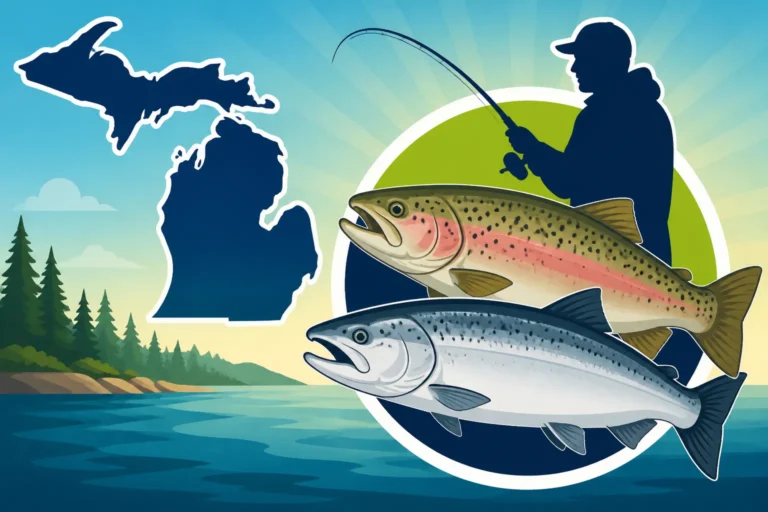
For the Great Lakes and their connecting waters, many trout species (Lake Trout, Brown Trout, Rainbow Trout/Steelhead) and salmon (Chinook, Coho, Atlantic) are open year-round. This continuous season allows for fantastic trolling opportunities throughout the spring, summer, and fall, and even ice fishing in shallower bays. The Michigan's Great Lakes Year-Round Trout Season is a massive draw for anglers from all over. The migratory nature of these fish means they move between the vastness of the lakes and the rivers they spawn in, creating dynamic fishing opportunities throughout the year.
However, once these fish enter inland rivers and streams to spawn, the rules can change dramatically. While Great Lakes tributaries often have extended seasons for steelhead and salmon, often referred to as "runs," the inland trout streams have more traditional, often shorter, seasons. The inland trout season typically opens later in spring, usually the last Saturday of April, mirroring the Lower Peninsula walleye opener. Specific stretches of famous trout rivers like the Au Sable, Manistee, and Pere Marquette will have very precise regulations regarding gear, bait, and catch limits. Some might be "flies only" or "artificial lures only" to protect wild trout populations. Anglers targeting these species need to be acutely aware of both the Michigan's Trout and Salmon Season on the Great Lakes and the specific inland stream regulations for their chosen spot. Understanding things like Michigan's Combined Trout and Salmon Daily Limit is also paramount, as it can be easy to exceed if you're catching multiple species.
Bass Bonanza: Smallmouth and Largemouth
Michigan boasts excellent fishing for both smallmouth and largemouth bass, providing thrilling action, especially during the warmer months. Like walleye, bass seasons are structured to protect these fish during their critical spawning period.
For largemouth and smallmouth bass in Michigan's inland waters, the general "possession season" typically opens on the Saturday immediately preceding Memorial Day weekend. Before this date, a catch-and-immediate-release season is often in effect. This means you can still fish for bass in many waters during the spring, but you must release them immediately and unharmed. This is a great opportunity to get out and enjoy some early season action without impacting the spawning population. Once the possession season opens, anglers can keep bass according to the Michigan Smallmouth and Largemouth Bass Daily Limit and any applicable size restrictions, which often include a minimum size limit.
On the Great Lakes and connecting waters, the bass season is often open year-round for catch-and-release, with the possession season aligning with inland waters, starting around late May. These open seasons provide ample opportunity for bass anglers to chase these hard-fighting fish. Just remember that even during open season, some lakes might have special regulations or specific length limits, so always consult the digest for the exact water body.
Specialized Fishing Seasons and Unique Regulations
Beyond the major game fish, Michigan also has specific seasons and highly unique rules for certain other species, particularly those that are highly sought-after or are subject to intense conservation efforts.
Muskellunge: The Fish of 10,000 Casts and Strict Rules
The muskellunge, or "muskie," is Michigan's ultimate freshwater predator, a true trophy fish that demands respect and adherence to very specific rules. These fish are slow-growing and relatively rare, making their conservation a top priority.
The muskie season in Michigan typically opens on the first Saturday in June for the Lower Peninsula and Lake St. Clair, and on the third Saturday in June for the Upper Peninsula. This later opening date ensures that these large, late-spawning fish have ample time to complete their reproductive cycle undisturbed. For most waters, the season runs through March 15th of the following year. However, the most critical aspects of muskie fishing in Michigan revolve around their incredibly strict harvest and reporting rules.
Michigan generally has a one muskellunge per year harvest limit, and the minimum size limit is often a formidable 42 or 50 inches, depending on the specific water. The vast majority of muskie fishing in Michigan is, by practice and often by regulation, catch-and-release. If you are lucky enough to land a legal-sized muskie and decide to keep it (a rare occurrence for most anglers), you are legally obligated to report your catch within 24 hours. This isn't just a recommendation; it's a rule that helps the DNR monitor populations and manage this unique fishery. You can find all the details on the Michigan Muskellunge Harvest Reporting Rules. This requirement often involves reporting online or through the DNR app. The "one fish per year" rule, as detailed in Michigan's One Muskellunge Per Year Rule, underscores the immense conservation value placed on these magnificent fish.
Pike and Panfish: Generally More Lenient
While muskie regulations are stringent, the rules for their toothy cousins, the northern pike, and the ever-popular panfish, are generally much more lenient, offering more accessible fishing opportunities throughout the year.
Northern pike generally have a continuous open season on many inland waters and the Great Lakes, similar to panfish. This means you can target them year-round, making them a popular target for both summer and ice fishing. While the season is open, pike still have daily bag limits and often a minimum size limit, so always check the digest for the specific lake or river. These adaptable predators can be found in a wide variety of habitats, from weedy bays to deeper drop-offs, providing consistent action for anglers.
As mentioned before, panfish – bluegill, crappie, and yellow perch – are the workhorses of Michigan's fisheries, offering continuous, year-round seasons in most waters. This makes them perfect for casual outings, teaching kids to fish, or simply enjoying a relaxing day on the water. While their seasons are typically open, remember to respect the daily possession limits. For example, on Lake St. Clair and the St. Clair River, the Michigan Yellow Perch Limit on Lake St. Clair is 25 per day, but other inland lakes might have different numbers. These limits are in place to ensure these popular fisheries remain healthy and productive for generations to come.
Ice Fishing: A Winter Tradition with Its Own Timeline
When winter blankets Michigan in snow and ice, a whole new fishing season begins: ice fishing. This beloved tradition allows anglers to access waters that are difficult to reach in summer, and it has its own set of seasonal considerations.
Generally, ice fishing is open for most species that are legal to target during the open water season. If walleye season is open in a particular lake, it's typically open through the ice. The "season" for ice fishing is less about specific calendar dates and more about safe ice conditions. Typically, ice fishing begins in late December, once lakes have developed sufficient ice thickness, and can run through early March, or even later in the Upper Peninsula. The key is safety first: never venture onto ice that isn't at least four inches thick for foot travel, and always be aware of changing conditions.
Beyond safety, there are specific regulations unique to ice fishing, such as the number of lines or tip-ups you can use (typically two or three, depending on the species and water body). For a deeper dive into everything you need to know for this chilly pursuit, check out the comprehensive Michigan Ice Fishing Guide. This unique season offers fantastic opportunities for perch, walleye, pike, and even trout in some areas, proving that Michigan fishing never truly closes.
Navigating Regional and Water-Specific Variations
One of the biggest pitfalls for anglers in Michigan is assuming that the rules for one lake or river apply to all. This is simply not the case. Michigan's extensive network of water bodies means that special, highly localized regulations are common.
Special Regulations for Specific Lakes and Rivers
Michigan's DNR manages fisheries at a granular level, recognizing that each lake and river has its own unique characteristics, ecological pressures, and angler demands. This leads to a patchwork of special regulations that can differ significantly from statewide rules.
For example, certain stretches of renowned trout streams, like parts of the Au Sable River, might have "Type 1" or "Type 2" regulations, dictating everything from artificial lures only, fly-fishing only, specific length limits, or even catch-and-release only rules. These are often in place to protect fragile wild trout populations or enhance the quality of the fishing experience. Similarly, specific inland lakes might have unique walleye regulations, such as different minimum size limits or protected slots, designed to manage fish populations more effectively for that particular body of water.
It’s not enough to know the general statewide opener; you absolutely must consult the regulations for the specific lake, river, or even section of a river you plan to fish. The DNR's digest and the Hunt Fish App are invaluable tools for this, allowing you to search by water body name. Ignoring these specific rules, even unintentionally, can result in hefty fines and penalties. This also extends to Michigan's Boundary Water Fishing Rules on the Great Lakes, where shared waters with neighboring states or Canada might have harmonized, but still specific, regulations.
Protected Slot Limits and Minimum Size Restrictions
To protect fish populations and promote healthy age structures, Michigan utilizes a combination of minimum size limits and, increasingly, protected slot limits. Understanding these is crucial for legal harvest.
A minimum size limit is straightforward: any fish you catch below a certain length must be immediately released. For instance, the Michigan Walleye 15-Inch Minimum Size Limit means any walleye shorter than 15 inches cannot be kept. This ensures that younger fish have a chance to grow and contribute to the spawning population. These limits vary significantly by species and water body. For example, brook trout in Lake Superior have a different minimum size limit than brook trout in an inland stream, as detailed in the Lake Superior Brook Trout Size Limit.
A protected slot limit is a more nuanced regulation. It means you can keep fish below a certain size and above another size, but you cannot keep fish within a specific "slot" of sizes. For example, a regulation might state you can keep walleye under 15 inches and over 24 inches, but any walleye between 15 and 24 inches must be released. The goal of a slot limit is to protect the sexually mature, prime breeding-age fish, allowing them to reproduce and sustain the population, while still allowing anglers to harvest smaller, more abundant fish and larger, older individuals that have already contributed significantly to reproduction. These rules are designed with careful biological consideration and are vital for sustainable fishing.
| Species | General Lower Peninsula Season Opener (Inland) | General Upper Peninsula Season Opener (Inland) | Great Lakes Season (Often) | Key Regulation Note |
|---|---|---|---|---|
| Walleye | Last Sat. of April | 3rd Sat. of May | Year-Round (with limits) | Minimum size limits, potential slot limits. |
| Bass (Small/Large) | Sat. before Memorial Day Weekend (possession) | Sat. before Memorial Day Weekend (possession) | Year-Round C&R, then Possession | Catch-and-release prior to possession season. |
| Trout (Inland) | Last Sat. of April | Last Sat. of April | Year-Round (various) | Often artificial lures/flies only, specific length limits. |
| Salmon (Great Lakes) | Year-Round | Year-Round | Year-Round | River runs have specific dates, bag limits. |
| Muskellunge | 1st Sat. of June (LP/LSC) | 3rd Sat. of June (UP) | Year-Round (C&R) | 1 fish per year, strict 42-50" minimum, 24-hr reporting. |
| Northern Pike | Year-Round (most waters) | Year-Round (most waters) | Year-Round | Daily bag and minimum size limits apply. |
| Panfish (Bluegill, Perch, Crappie) | Year-Round (most waters) | Year-Round (most waters) | Year-Round | Daily bag limits apply. |
Note: This table provides general guidance. Always consult the current Michigan Fishing Regulations Digest for specific water body rules.
Planning Your Michigan Fishing Trip Around Seasons
Understanding the season dates isn't just about legality; it's about optimizing your chances of success and enjoying the specific opportunities each time of year offers. Michigan's diverse climate and fisheries mean there's always something to chase, regardless of the calendar.
Spring Fishing: The Excitement of Opening Day
Spring in Michigan is a season of rebirth and renewed angling excitement. After months of ice and cold, the warming waters trigger fish activity and bring new opportunities.
Early spring, particularly April, is dominated by the steelhead runs in many of Michigan's rivers. These magnificent rainbow trout, having spent years in the Great Lakes, return to their natal rivers to spawn, creating incredible angling opportunities. Rivers like the Manistee, Muskegon, and Au Sable become prime destinations. Simultaneously, the trout opener on inland streams, typically the last Saturday of April, draws fly anglers and spin fishermen alike to chase brook, brown, and rainbow trout. This period is also when the Lower Peninsula Walleye Opener kicks off, making it a busy and exciting time for many anglers. Often, fishing in spring means layering up and being prepared for unpredictable weather, but the rewards can be incredible. If you're planning a trip, definitely check out our Michigan Spring Fishing Season Guide for more detailed tips.
Summer Fishing: Abundant Opportunities
Summer is when Michigan's fishing truly hits its stride, with warm weather and long days making it the most popular time for recreational angling. Almost all seasons are open, and fish are actively feeding.
From late May through August, you'll find bass fishing in full swing, with both smallmouth and largemouth providing explosive topwater action and strong fights. Panfish, like bluegill and crappie, are abundant and active, making summer an ideal time for family outings and casual fishing. On the Great Lakes, salmon and trout trolling is at its peak, with boats heading offshore for Chinook and Coho salmon, as well as lake trout. The warmer waters of Saginaw Bay become a walleye mecca, offering fantastic opportunities for boat anglers. Summer provides the widest variety of fishing experiences, from quiet mornings on a small inland lake to thrilling offshore adventures. It's a time when you can easily find success targeting multiple species, often within the same day.
Fall and Winter Fishing: Salmon Runs and Ice Adventures
As the vibrant colors of autumn sweep across Michigan, a new wave of fishing excitement begins, transitioning into the frosty traditions of winter.
Fall is arguably Michigan's most spectacular fishing season, especially for salmon and steelhead. Starting in late August and peaking through September and October, Chinook and Coho salmon leave the Great Lakes and surge into the rivers to spawn. This is a bucket-list experience for many anglers, with powerful fish offering incredible fights. Following the salmon, the fall steelhead run begins, drawing anglers to the rivers well into November and even December. For more details on this incredible phenomenon, our Fall Steelhead Run in Michigan Rivers guide is a must-read. During these months, you can also find excellent opportunities for walleye and smallmouth bass as they feed heavily before winter.
As winter truly sets in and lakes begin to freeze, Michigan transitions into ice fishing season. While dependent on safe ice, this period from late December through early March offers unique opportunities to target perch, walleye, pike, and even panfish through the ice. It's a social and often productive way to fish, with shanties dotting the frozen landscape. Whether you're chasing the last salmon of the year or setting up a tip-up for walleye on a frozen lake, Michigan's cooler months offer incredible, albeit chillier, fishing adventures.
Essential Tools for Staying Informed
Navigating Michigan's fishing seasons and rules can feel like a full-time job, but fortunately, the DNR provides excellent resources to keep you informed. Leveraging these tools is absolutely critical for any responsible angler.
The Michigan DNR Website and Hunt Fish App
In this digital age, the Michigan DNR website (Michigan.gov/DNR) and its accompanying DNR Hunt Fish App are your go-to sources for the most current and accurate information. The website hosts the complete, searchable fishing regulations digest, allowing you to easily look up rules for specific bodies of water, species, and seasons. It's updated regularly, so you know you're getting the latest information.
The DNR Hunt Fish App is arguably even more convenient, especially when you're already out in the field. Available for both iOS and Android, this app lets you:
- Purchase and display licenses: No need for a paper copy, your license is right there on your phone. If you're wondering Buying a Michigan Fishing License Online, the app is one of the easiest ways.
- Look up regulations: You can search by county, water body, or species to quickly find the applicable rules, including bag limits, size restrictions, and season dates. This is invaluable when you're on a new lake or river and need to confirm a specific rule.
- Report harvests: For species like muskellunge that require mandatory reporting, you can do it directly through the app, ensuring compliance with rules like the Michigan Muskellunge Harvest Reporting Rules.
- Access maps: Integrated mapping can help you navigate to public access points and identify different sections of rivers.
Making these digital tools part of your fishing routine is one of the smartest things you can do to stay informed and compliant.
Physical Regulations Digest and Local Expertise
While digital tools are fantastic, there's still a lot to be said for the good old-fashioned physical Michigan Fishing Regulations Digest. Grabbing a free copy from a bait shop or DNR customer service center each spring is a ritual for many anglers. It's durable, doesn't rely on battery life or cell service, and can be easily referenced even when you're off the grid. Plus, sometimes it's just easier to flip through a physical booklet when you're planning your trip at home.
Beyond the official publications, tapping into local expertise is an invaluable resource. Bait and tackle shop owners, charter captains, and experienced local anglers often have an encyclopedic knowledge of their home waters. They know about subtle changes, local nuances, and current hot bites that might not be explicitly detailed in the digest. Before heading out, especially to a new area, a quick chat with a local bait shop owner can provide insights that save you time and lead to a more successful trip. They can tell you where the fish are biting, what baits are working, and often confirm any confusing local regulations. Even when you're browsing for new gear on Amazon, remember that a quick chat with a local expert can be invaluable for real-time, hyper-local intel.
Staying informed about Michigan's fishing season dates and rules doesn't have to be a daunting task. By utilizing the official resources, embracing both digital and physical tools, and engaging with the local angling community, you can confidently navigate the state's diverse fisheries and enjoy all the incredible opportunities Michigan has to offer.
Disclaimer
Please note that fishing regulations can change. While this guide aims to provide accurate and comprehensive information based on current knowledge, it is not a substitute for the official Michigan Department of Natural Resources (DNR) Fishing Guide. Always consult the most current Michigan Fishing Regulations Digest or the official DNR website and Hunt Fish App before you head out on the water to ensure you are compliant with all applicable laws and regulations for the specific water body and species you are targeting.