Lake Superior Brook Trout Size Limit
Navigating the ever-evolving world of fishing regulations in Michigan can sometimes feel like trying to solve a complicated puzzle, especially when you’re targeting specific species in unique environments like the mighty Lake Superior. Many anglers get frustrated trying to keep up with the subtle but critical differences in rules that apply to different waters, and the brook trout size limit on Lake Superior is a perfect example of where things can get a little tricky. This guide is here to untangle those complexities, explaining exactly what you need to know about the Lake Superior brook trout size limit and why these particular regulations are so important for this treasured fish.
Understanding the Special Regulations for Lake Superior Brook Trout
When you think of brook trout in Michigan, you might picture small, colorful fish darting through cold, clear inland streams. While that image is certainly true for many parts of the state, Lake Superior's brook trout population, often referred to as "coasters," is a whole different ballgame, and the regulations reflect that uniqueness. These are truly special fish, genetically distinct and living a life that oscillates between tributary rivers and the vast expanse of the big lake itself. Because of their distinct life history and ongoing conservation efforts, the rules governing them are tailored to protect and help these populations rebound.
Why Lake Superior Brook Trout Have Unique Rules
The brook trout of Lake Superior are not your average stream-dwellers. Historically, large, migratory brook trout, known as "coasters," were abundant throughout the Great Lakes. They spent much of their lives in the big lake, growing to impressive sizes, before returning to tributary streams to spawn. However, overfishing, habitat degradation, and competition with introduced species severely decimated these populations by the early 20th century. Today, efforts are underway to restore these magnificent fish, particularly in Lake Superior. These conservation initiatives are why the Michigan Department of Natural Resources (DNR) has implemented very specific, often more restrictive, regulations for these waters. The goal isn't just to manage a fishery; it's to actively foster recovery and growth of a truly iconic native species. This focus on recovery means that anglers play a crucial role, and understanding the rules is the first step in being a responsible participant in this conservation success story.
Key Differences from Inland Brook Trout Regulations
It's vital to recognize that the rules for brook trout caught in Michigan's inland waters are often quite different from those specifically for Lake Superior. Inland regulations can vary significantly depending on the specific stream or lake, sometimes allowing for different size limits or even catch-and-keep opportunities. For example, some small inland streams might have a higher bag limit or a lower minimum size, reflecting a more stable and less threatened population. However, when you're fishing the expansive waters of Lake Superior, or within the designated sections of its tributaries where these coaster brook trout are known to migrate, those general inland rules do not apply. You need to consult the specific "Lake Superior and Tributary Regulations" section in the Michigan Fishing Regulations Digest. This distinction is paramount and failing to recognize it could lead to legal issues. Always remember that the bigger the water, or the more unique the fishery, the more specific and often more conservative the regulations tend to be. This is especially true for species undergoing restoration, like the Lake Superior coaster brook trout.
Navigating the Lake Superior Brook Trout Size Limits
The precise size and possession limits for Lake Superior brook trout are some of the most critical pieces of information any angler needs to know before heading out. These aren't just arbitrary numbers; they are carefully chosen by fisheries biologists to allow enough fish to reach maturity and reproduce, ensuring the future health of the population. Ignoring these limits, even accidentally, can set back years of conservation work and lead to significant penalties.
The Specific Minimum Size Requirement
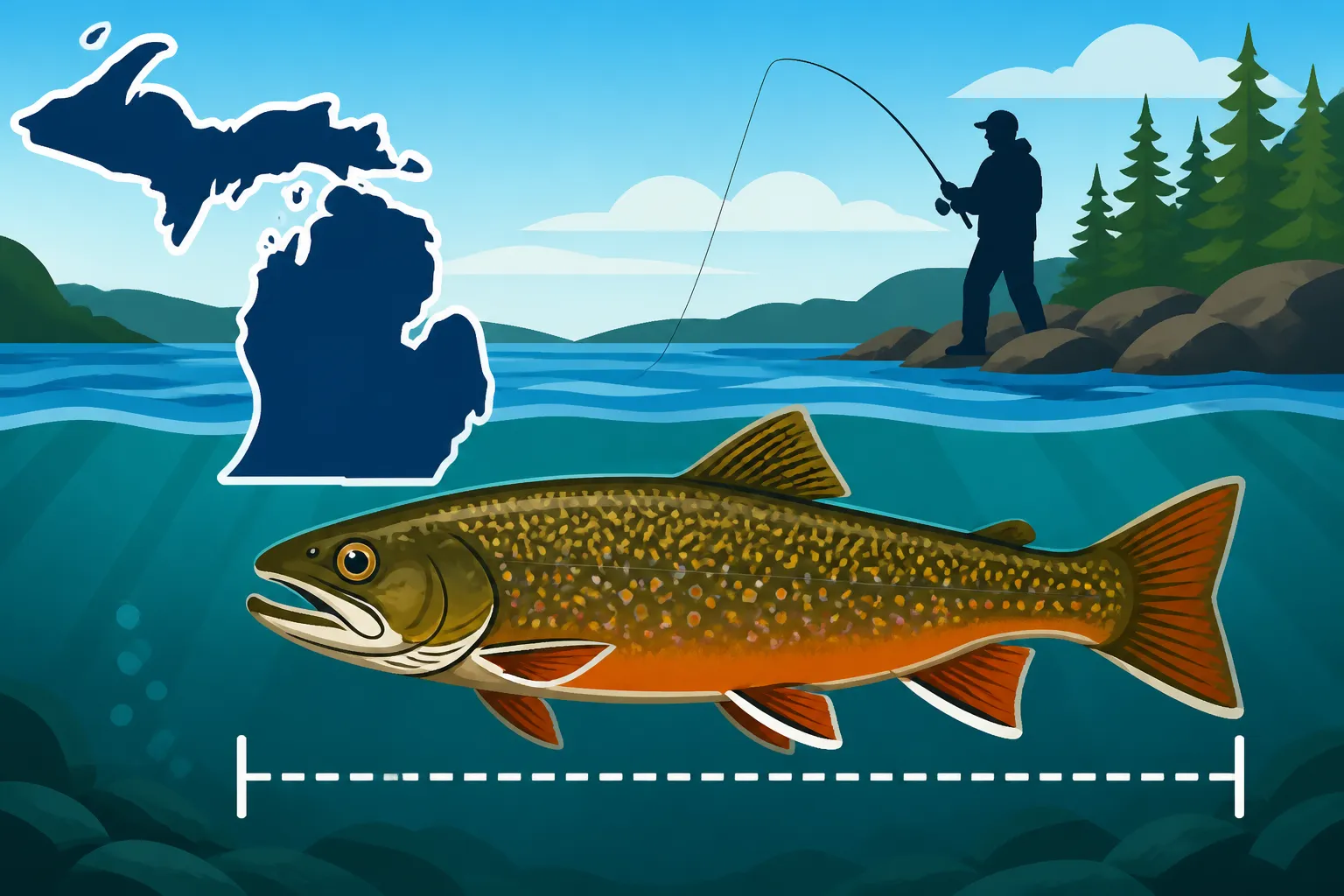
For brook trout taken from Lake Superior or its designated tributary streams, the Michigan DNR has established a specific minimum size limit. Currently, the regulation states that brook trout must be at least 20 inches in length to be legally kept. This is a considerable size, especially when compared to brook trout caught in many inland streams, which might only need to be 7 or 8 inches. The 20-inch minimum is intended to protect the slower-growing, migratory "coaster" strain, allowing them to complete several spawning cycles before they are eligible for harvest. Catching a brook trout of this size from Lake Superior is a significant accomplishment and a testament to the lake's recovery efforts.
To measure your catch accurately, it's essential to use a reliable measuring device. Many anglers carry a foldable measuring tape or a stick-on ruler on their boat or tackle box, readily available from retailers like Amazon. When measuring, lay the fish flat, nose to tail, on a flat surface, pinching the tail to get the maximum length. If there’s any doubt, it's always best to err on the side of caution and release the fish unharmed. This ensures you're compliant and contributing to the conservation goals.
Daily Possession and Season Limits
Beyond the minimum size, there are also strict limits on how many Lake Superior brook trout an angler can keep per day and often how many they can possess. The current daily possession limit for brook trout in Lake Superior (including its tributaries) is one fish. This is an extremely conservative limit, again highlighting the sensitive nature of this fishery and the importance of allowing these fish to thrive. It’s also crucial to remember that this one fish counts towards your overall Michigan's Combined Trout and Salmon Possession Limit, which caps the total number of trout and salmon you can keep from the Great Lakes.
In terms of season, fishing for brook trout in Lake Superior and its tributaries generally follows the Great Lakes trout and salmon season, which is open year-round. However, there might be specific seasonal closures or gear restrictions within certain tributary streams, particularly during spawning periods, to further protect sensitive populations. Always double-check the latest regulations in the Michigan Fishing Regulations Digest PDF for 2026 for any changes or localized rules before your trip. These details are critical for responsible angling.
Here's a quick summary table for clarity:
| Location | Species | Minimum Size Limit | Daily Possession Limit | Season |
|---|---|---|---|---|
| Lake Superior & its Tributaries | Brook Trout (Coaster) | 20 inches | 1 fish | Open Year-Round* |
| *Always check for localized tributary stream closures or gear restrictions. |
The Science Behind the 20-Inch Rule
You might wonder why exactly 20 inches? Why not 18, or 22? The science behind these regulations is quite fascinating and rooted in the unique biology of the Lake Superior coaster brook trout. Fisheries biologists don't just pull numbers out of a hat; they study growth rates, maturity, and spawning success to determine the most effective management strategies.
Coaster Brook Trout Growth and Maturity
The 20-inch minimum size limit for Lake Superior brook trout is directly linked to their specific growth patterns and age of sexual maturity. Unlike their stream-dwelling cousins who might mature at a smaller size, coaster brook trout spend a significant portion of their lives in the lake, growing larger and taking longer to reach maturity. Many scientific studies have shown that coaster brook trout generally don't reach full sexual maturity and optimal spawning potential until they are several years old and have attained a larger size.
By imposing a 20-inch minimum, the DNR ensures that a high percentage of these fish have the opportunity to spawn at least once, and often multiple times, before they become eligible for harvest. This strategy is critical for the long-term sustainability of the population, allowing robust reproduction and the transfer of strong genetic traits to future generations. This helps bolster the efforts to restore these magnificent fish, making every legal catch truly a trophy of conservation. This is why knowing Lake Superior Brook Trout Identification and Size is so crucial.
Conservation Efforts and Population Restoration
The strict size and bag limits are central to the broader conservation efforts aimed at restoring the historic populations of coaster brook trout in Lake Superior. Decades of decline meant that these fish were once a rarity, but thanks to dedicated efforts from the Michigan DNR, the U.S. Fish and Wildlife Service, tribal fisheries, and angler groups, their numbers are slowly but steadily increasing. Stocking programs, habitat rehabilitation in tributary streams, and stringent fishing regulations all work in concert.
The 20-inch minimum size is a direct reflection of this restorative focus. It acts as a protective buffer, minimizing fishing mortality on younger, smaller fish that are vital to the re-establishment of a self-sustaining population. Every angler who adheres to these rules is an active participant in this important conservation success story. Without these measures, the recovery of such a unique and valuable fishery would be significantly hampered. It’s a testament to how responsible angling and scientific management can bring a species back from the brink.
Best Practices for Anglers Targeting Lake Superior Brook Trout
Fishing for Lake Superior brook trout, especially the elusive coasters, requires not only an understanding of the regulations but also a commitment to best practices that minimize harm and maximize the chances of successful catch and release for fish that don't meet the legal size. It’s a rewarding experience, but it comes with a responsibility to the resource.
Proper Catch and Release Techniques
Since you’re only allowed to keep one 20-inch brook trout per day, and many fish you encounter will be smaller than that, mastering proper catch and release techniques is absolutely essential. The goal is to release the fish in the best possible condition, ensuring its survival.
- Minimize Handling: Try to keep the fish in the water as much as possible. If you must handle it, do so with wet hands to avoid removing their protective slime coat, which is their first line of defense against disease.
- Use Barbless Hooks: Crushing the barb on your hook makes removal much easier and quicker, reducing stress and injury to the fish. You can find specialized tools for this, or just a pair of pliers, often available through Amazon fishing tackle selections.
- Quick Release: Have your tools (pliers or forceps) ready to quickly remove the hook. If the hook is deeply set, it might be better to cut the line as close to the hook as possible rather than tearing sensitive internal organs trying to remove it.
- Revive the Fish: Hold the fish gently in the water, facing upstream, allowing water to flow over its gills. Don't pump it back and forth; this doesn't help. Wait until it can swim strongly away on its own before letting go. Look for signs like steady fin movements and the ability to maintain an upright position.
These practices aren't just good etiquette; they are crucial for the survival of the released fish, especially when dealing with a sensitive, recovering species like the coaster brook trout. Learning these skills will make you a more effective and ethical angler.
Recommended Gear and Tackle
Targeting large brook trout in Lake Superior is a unique challenge that calls for specific gear. While precise recommendations can vary based on your chosen fishing method (trolling, casting, fly fishing in tributaries), there are some general guidelines.
- Rod and Reel: A medium-light to medium power spinning or casting rod, around 6’6” to 7’6” in length, paired with a reliable reel spooled with 6-10 lb test monofilament or fluorocarbon line is often a good starting point. For fly anglers in tributaries, a 5 or 6 weight fly rod with matching line is suitable. Look for gear that balances sensitivity with enough backbone to handle a large, strong fish in open water.
- Lures and Baits: Coaster brook trout can be caught on a variety of presentations. Trolling with spoons like Little Cleos, Daredevils, or Dodgers and flies can be effective in the main lake. Casting small crankbaits, spinners, or spoons near structure or tributary mouths also works. In the tributaries, traditional trout flies, small spinners, or even worms can entice a bite. Remember to check local regulations for any bait restrictions in specific tributary streams.
- Measuring Device and Net: As mentioned, a reliable measuring tape is non-negotiable. A large, rubber-mesh landing net is also highly recommended. The rubber mesh is much gentler on fish scales and slime coats than traditional nylon nets, further aiding in safe release. Many tackle shops and online stores like Amazon offer these eco-friendly nets. Having the right tools on hand ensures that when you do hook into that trophy coaster, you're prepared to handle it responsibly.
For more in-depth information, check out our guide on Essential Gear for Michigan Steelhead Fishing, as many techniques and gear choices can overlap when targeting large migratory trout.
Where to Find Lake Superior Brook Trout and How to Stay Informed
Finding these magnificent fish requires a bit of research and local knowledge. While they are recovering, coaster brook trout populations are not evenly distributed throughout the vastness of Lake Superior. Understanding where they typically congregate and how to stay updated on regulations is key to a successful and compliant fishing trip.
Productive Areas in Lake Superior and its Tributaries
The most productive areas for Lake Superior brook trout are often near the mouths of tributary streams, especially those with ongoing restoration efforts. These include streams on the Michigan side of Lake Superior, particularly within the Marquette, Munising, and Grand Marais areas. Specific rivers like the Salmon Trout River, Little Garlic River, and the Big Huron River are known to host coaster runs, especially during spring and fall. These fish utilize both the cold, oxygen-rich waters of the lake and the spawning gravels of the rivers.
Rocky shorelines, breakwalls, and reef structures in the main lake that offer forage and cover can also hold cruising brook trout. Early morning and late evening are often prime times to target them from shore or by boat in these nearshore areas. While fishing offshore can yield results, many successful coaster anglers focus their efforts closer to land, where these fish are often feeding or transitioning between the lake and their spawning grounds. For specific access points, you might want to look at our guide on Best Spots for Brook Trout on Lake Superior.
Staying Up-to-Date on Regulations
Michigan's fishing regulations are dynamic; they can and do change annually based on scientific data, conservation needs, and public input. It is every angler's responsibility to know the most current rules before heading out.
- Michigan DNR Website: The official Michigan Department of Natural Resources (DNR) website is your primary source for the most up-to-date regulations. They publish the annual Michigan Fishing Regulations Digest, which is available online as a PDF.
- DNR Hunt Fish App: The Michigan's DNR Hunt Fish App for Licenses and Reporting is an incredibly handy tool. Not only can you purchase and carry your license digitally, but it also provides immediate access to the current regulations, often searchable by species and location. This means you can check rules right from your phone while on the water.
- Local Bait Shops and Charter Captains: Local bait and tackle shops, particularly in towns like Marquette or Munising, are excellent sources of current information. Shop owners often have their finger on the pulse of recent regulation changes and can offer valuable local insights. Similarly, experienced charter captains who specialize in Lake Superior fishing will be well-versed in all applicable rules.
- Annual Digest: Always grab a copy of the printed Michigan Fishing Regulations Digest or download the PDF each year. Read it cover-to-cover, paying close attention to the "Lake Superior and Tributary Regulations" section. This will prevent surprises and ensure you’re fishing legally and responsibly.
By proactively seeking out information and staying informed, you contribute directly to the sustainable future of Michigan's incredible Lake Superior brook trout fishery.
Disclaimer
Please note that fishing regulations, including size and possession limits, can change. While every effort has been made to provide accurate and up-to-date information, it is the angler's sole responsibility to consult the most current Michigan Fishing Regulations Digest published by the Michigan Department of Natural Resources (DNR) before engaging in any fishing activity. This article is for informational purposes only and should not be considered a definitive legal guide.