What Tackle to Bring for a Great Lakes Charter
The excitement of heading out on a Great Lakes fishing charter in Michigan is absolutely electric, but it's often followed by a nagging question: what exactly do you need to bring? You're paying for an experience, and the last thing you want is to be caught off guard, either without a crucial piece of gear or hauling unnecessary luggage. This guide is here to clear up that confusion, helping you prepare for a successful and comfortable day on Michigan's vast inland seas.
Understanding What a Charter Typically Provides (and Why It Matters)
Let's face it, most folks book a Great Lakes charter to experience big water fishing without the massive investment in a specialized boat, expensive electronics, and a full spread of trolling gear. And for good reason! Charter captains are professionals, and they come equipped.
The Standard Charter Gear Package
When you book a reputable Great Lakes charter, you can generally expect the boat to be fully outfitted with all the primary fishing tackle you'll need. This usually includes:
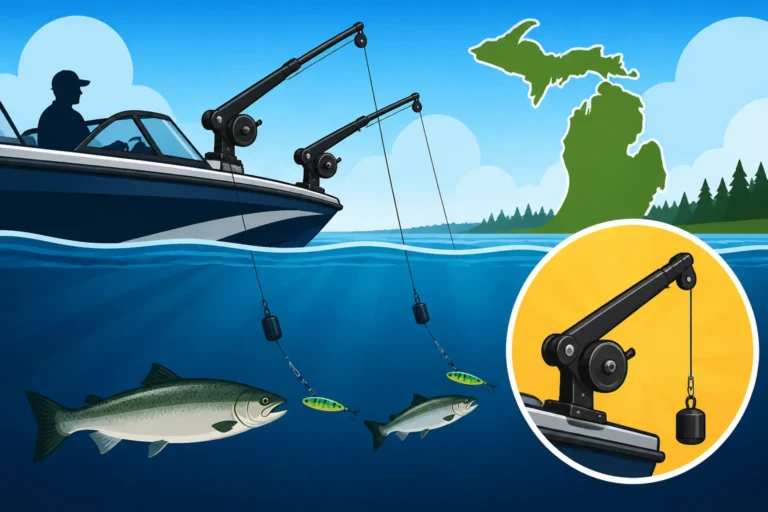
- Rods and Reels: These aren't just any rods and reels; they're heavy-duty setups specifically designed for battling powerful Chinook salmon, hard-fighting Coho salmon, and deep-dwelling lake trout. Your captain will have a full array, from downrigger rods to dipsy diver rods, all rigged and ready for the day's target species.
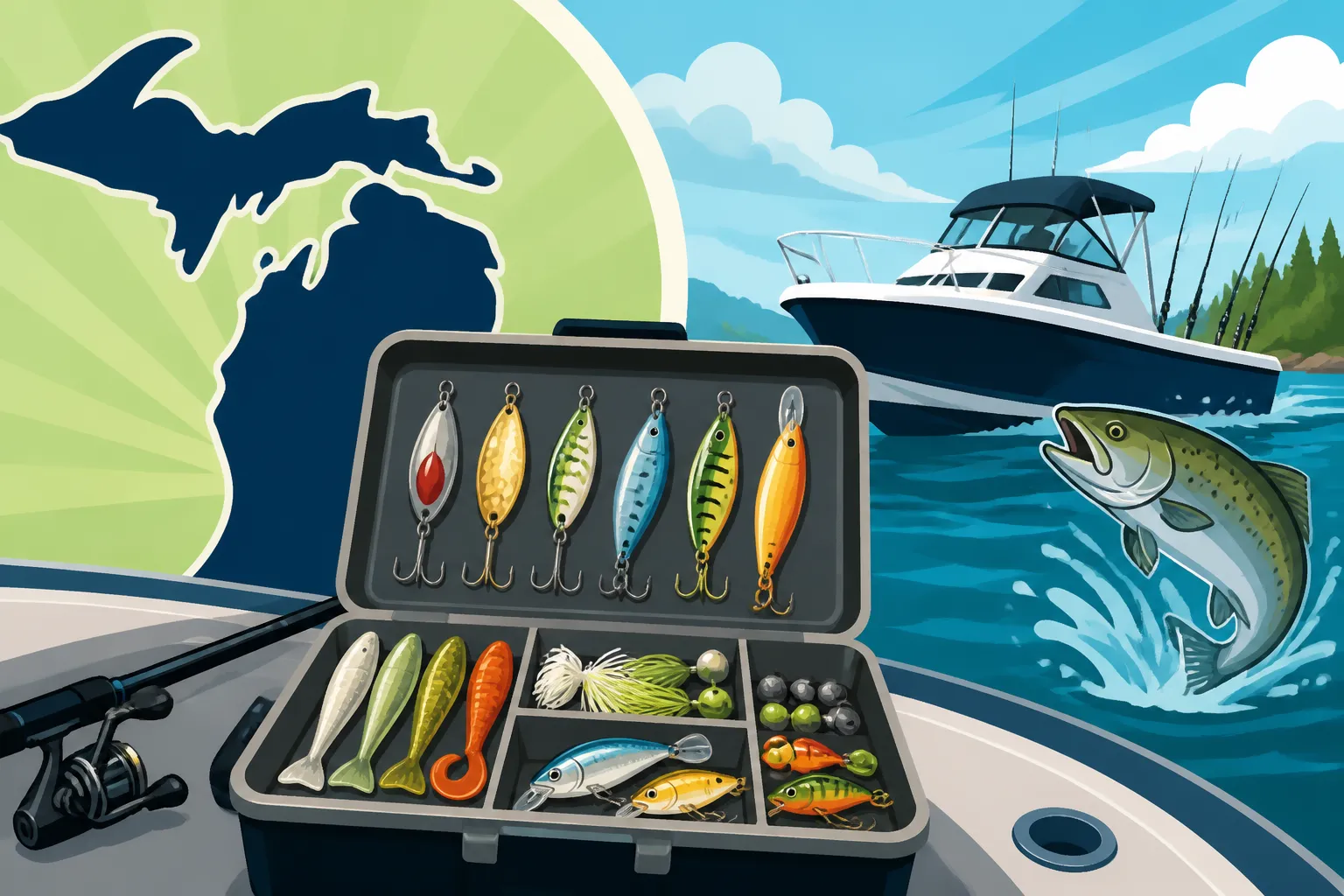
- Baits and Lures: The captain lives and breathes these waters, and they know what's biting. They'll have a vast selection of spoons, dodgers, flies, plugs, and other terminal tackle in the colors and sizes that have been proven to be effective on that particular day and for the specific conditions. Trying to match their tackle knowledge would be a monumental task for an infrequent visitor.
- Electronics: Modern Great Lakes charter boats are essentially floating command centers. They're equipped with high-end GPS units, fish finders, radar, and marine radios. These tools are crucial for navigation, locating fish, and ensuring safety, and you won't need to worry about bringing your own.
- Safety Gear: By law, all charter boats must carry extensive safety equipment, including life jackets, first-aid kits, fire extinguishers, and emergency communication devices. The captain will typically conduct a quick safety briefing before departure.
- Coolers and Ice (for your catch): Most charters will have large coolers on board to keep your prize catch fresh throughout the day. You might want to bring your own cooler for drinks and snacks, but for the fish, they've usually got you covered.
It’s truly a relief to know that the heavy lifting, both in terms of gear and expertise, is handled by the pros. This allows you to focus on the experience, the scenery, and, of course, the thrill of the catch. The captain's knowledge of Michigan's Great Lakes Fishing Guide and how it pertains to current conditions is invaluable.
Why Anglers Still Bring Their Own Gear
Despite the comprehensive setup provided by the charter, many anglers still choose to bring some of their own personal gear. This isn't usually because the charter's equipment is lacking, but rather for a few key reasons:
- Personal Comfort and Familiarity: There's something to be said for the feel of your own rod and reel in your hands. If you've spent years honing your craft and have a favorite steelhead or salmon setup, you might just feel more confident and connected to the fight when using it. While the charter provides appropriate gear for How to Troll for Salmon on the Great Lakes, some anglers prefer their own.
- Specific Preferences: Perhaps you have a particular type of line you swear by, or you prefer a certain style of reel. While the captain will generally discourage you from rigging your own tackle on their boat, having your preferred gloves, line clippers, or even a lucky lure can enhance your personal enjoyment.
- Supplemental Items: Beyond the core fishing gear, there are many personal items that contribute significantly to your comfort and enjoyment on the water, from specialized clothing to your favorite fishing hat. These are the items the charter absolutely won't provide, and they are critical for a good day out.
- Backup Options: Sometimes, things break or get lost. Having a small, personal kit of essentials like extra line, a few spare hooks, or even a small multitool can be a lifesaver, though your captain will also have a well-stocked supply.
Ultimately, the decision of what personal fishing gear to bring is yours. However, prioritizing comfort and communication with your captain will ensure a much smoother and more enjoyable day on the water.
Essential Personal Items and Comfort Gear
While the charter handles the heavy fishing tackle, your personal comfort gear is entirely your responsibility. The Great Lakes are beautiful but can be notoriously unpredictable. Being prepared for varying weather conditions is paramount.
Layered Clothing is Key
Michigan weather, especially near the Great Lakes, can change dramatically in a single day, or even a single hour. One moment it could be calm and sunny, the next you're battling wind and rain. Layering your clothing is the smartest strategy.
- Base Layer: Start with a moisture-wicking base layer. Think athletic wear that pulls sweat away from your skin. This is far better than cotton, which absorbs moisture and stays wet, making you feel cold.
- Mid-Layer: Add an insulating layer like a fleece jacket or a wool sweater. This provides warmth without excessive bulk. Multiple thin layers are often more effective and versatile than one thick layer.
- Outer Layer (Rain and Wind Protection): This is perhaps the most critical layer. Invest in a good quality waterproof and windproof jacket and pants. Even if the forecast looks clear, a rogue spray, a passing shower, or strong winds can quickly dampen your spirits (and your clothes). Brands like Frogg Toggs or offerings from Bass Pro Shops often have durable, affordable options. You'll be glad you have this when the boat is trolling for salmon and the spray is flying.
- Headwear: A warm hat (beanie) is essential, especially for early mornings or cooler days, as a significant amount of body heat is lost through your head. On sunny days, a wide-brimmed hat or a baseball cap will protect your face and neck from the sun.
- Gloves: Consider bringing a pair of fishing gloves. Neoprene gloves can be great for warmth and grip in wet conditions, while sun gloves can protect your hands from harmful UV rays on clear days.
Remember, it's always easier to remove layers if you get warm than to conjure them out of thin air if you get cold!
Sun Protection and Hydration
The sun's intensity on the water is often underestimated, even on cloudy days. The reflection off the water amplifies UV rays, making proper sun protection vital.
- Sunscreen: Apply a broad-spectrum, high-SPF sunscreen generously and reapply throughout the day, especially to exposed areas like your face, neck, ears, and hands.
- Polarized Sunglasses: These are not just for comfort; they're a crucial piece of fishing gear. Polarized lenses cut glare off the water, allowing you to see deeper into the water, spot fish, and protect your eyes from the sun's harsh rays. You can find excellent options from various brands on Amazon.
- Lip Balm with SPF: Don't forget your lips! They are susceptible to sunburn and windburn.
- Water and Other Drinks: Staying hydrated is incredibly important. Bring plenty of water. While some charters might offer bottled water, it's best to bring your own supply of your preferred beverages. A reusable water bottle is a great idea. Avoid excessive alcohol consumption, as it can contribute to dehydration and impair judgment, which is dangerous on the water.
Food, Snacks, and Personal Comforts
A day on the Great Lakes can be long, and fighting big fish works up an appetite!
- Lunch and Snacks: Pack a lunch and plenty of easy-to-eat snacks. Sandwiches, fruit, granola bars, and trail mix are great choices. Avoid anything too messy or that requires extensive preparation. A small, personal cooler is perfect for these items.
- Motion Sickness Medication: If you are prone to seasickness, take medication before you board the boat. Don't wait until you start feeling queasy, as it's often too late by then. Dramamine or Bonine are common choices, but consult your doctor for personalized advice.
- Medications: Bring any personal medications you might need for the day, clearly labeled and easily accessible.
- Camera/Phone: Capture those amazing moments! Just be sure to bring a waterproof case or a Ziploc bag for protection. You don't want your phone taking an unplanned swim in Lake Michigan.
- Hand Sanitizer/Wipes: After handling bait or fish, these will be a welcome convenience.
- Small Backpack or Dry Bag: To keep all your personal items organized and protected from spray or rain.
Specialized Tackle You Might Consider Bringing (If You Have It)
While charter boats are fully equipped, some anglers, particularly those with a passion for specific techniques or gear, might want to bring a few personal items. Always, always clear this with your captain beforehand. They run a tight ship, and unexpected gear can sometimes get in the way.
Your Favorite Rods and Reels
For many anglers, their fishing rods and reels are almost an extension of themselves. While the charter will provide robust setups for Trolling Gear for Michigan's Great Lakes, you might have a preference.
- Personal Trolling Setups: If you have a specific trolling rod and reel combination that you're particularly comfortable with, especially one you use for salmon or lake trout, you might ask your captain if you can use it. Be prepared for them to say no, as they often have specific gear calibrated for their downriggers and planer boards. If they do allow it, ensure your line is fresh and your drag is properly set.
- Casting Rod for Specific Situations: Occasionally, if the charter is near shore or in a harbor, there might be opportunities for casting. A light to medium-heavy spinning or baitcasting setup could be useful for targeting species like smallmouth bass or even casting spoons for salmon near the surface if permitted. Again, this is highly dependent on the type of charter and the captain's plan for the day. Don't expect to be casting all day on a deep-water trolling trip.
- Fly Rod (Highly Unlikely for Great Lakes Charters): While Michigan has fantastic fly fishing rivers like the Au Sable, a fly rod is almost never appropriate for a Great Lakes trolling charter. These trips focus on different techniques entirely. If your interest is Fly Fishing Techniques for Michigan Trout Streams, a Great Lakes charter isn't the venue.
If you do bring your own rods, ensure they are secured in a rod case to prevent damage during transport and on the boat. Space can be limited, so be mindful of other anglers.
Personal Tackle Box and Lures
Bringing your entire tackle collection is a definite no-go. However, a small, well-organized personal tackle box or a selection of your favorite lures might be something to consider, particularly if you have specific "lucky" baits.
- "Lucky" Lures: We all have them – those one or two lures that just seem to catch fish. If you have a specific spoon, plug, or even a particular color of bead that has historically worked wonders for you when fishing for salmon or trout, you could bring it. Show it to your captain, and they might even incorporate it into their spread if they think it's a good fit for the day's conditions and target species. However, don't be disappointed if they prefer to stick with their proven arsenal.
- Terminal Tackle Essentials: A small box with your preferred swivels, snaps, leader material, and maybe a few extra hooks can be handy. While the captain will have all of this, having your go-to items can sometimes give you peace of mind.
- Line Clippers and Pliers: These small tools are invaluable. A good pair of line clippers (or a small fishing multi-tool) and some pliers for hook removal can make your life much easier, even if the captain has a set.
Remember, the captain's tackle is usually superior and more extensive than what most recreational anglers possess for Great Lakes conditions. Their choices are based on real-time experience and knowledge of what the fish are hitting.
Electronics and Navigation (For the Tech-Savvy Angler)
While the charter boat will have state-of-the-art electronics, some tech-savvy anglers enjoy bringing their own compact devices for personal use or as a backup.
- Personal GPS/Fish Finder (Handheld): For those who like to track their own data or perhaps plan future trips, a handheld GPS or a portable fish finder could be interesting. However, these are strictly for your personal observation and should not interfere with the boat's primary systems. They won't replace the powerful, through-hull transducers and large-screen displays that charter boats utilize.
- Action Cameras: If you want to capture your own unique point-of-view footage of the trip, an action camera (like a GoPro) can be fantastic. Just ensure it's securely mounted and doesn't get in the way of fishing operations or other passengers. Always confirm with your captain that they are okay with cameras being mounted on their boat.
- Power Bank: With all the gadgets we carry these days, a portable power bank for charging your phone or camera is always a smart addition.
Before You Go: Communication is Crucial
The best way to ensure you have everything you need and avoid any misunderstandings is to communicate clearly with your charter captain well in advance of your trip.
Confirming with Your Captain
Don't be shy! Most captains welcome questions from their clients.
- Ask About Provided Gear: Confirm what fishing gear, safety equipment, and amenities (like a head or bathroom) are provided on board. This can help you decide what you truly need to bring yourself.
- Discuss Personal Tackle: If you absolutely want to bring your own specific rod, reel, or "lucky" lure, ask the captain if it's acceptable. They might have a policy against it, or they might welcome it if it enhances your experience. Respect their decision.
- Weather Expectations: Inquire about the typical weather conditions for the time of year you're fishing and any specific recommendations for clothing. They might even have an updated forecast closer to your trip date.
- Food and Drink Policy: Confirm if there are any restrictions on food or beverages. Some charters might provide drinks, while others expect you to bring everything.
- License Requirements: Double-check Michigan Fishing License Guide for Residents and Nonresidents and Michigan Fishing Regulations Every Angler Should Know. While the captain will remind you, it's your responsibility to have a valid Michigan fishing license with the appropriate stamps (like a salmon/trout stamp) before stepping foot on the boat. You can often buy these online or through the DNR Hunt Fish app.
Preparing Your Gear for the Trip
Once you've decided what you're bringing, take a few steps to get ready.
- Organize and Pack Smart: Use a small, soft-sided bag or a dry bag for your personal items. Avoid bulky luggage. A personal cooler for your food and drinks is also a good idea.
- Check Your License: Make sure your Michigan fishing license is current and easily accessible. You can often carry a digital copy on your phone through the DNR app, but a paper copy tucked into your wallet is always a safe bet.
- Charge All Electronics: Ensure your phone, camera, and any other battery-powered devices are fully charged.
- Dress Appropriately: Arrive dressed in your base layers, ready to add or subtract as the day unfolds.
| Category | What the Charter Typically Provides | What YOU Should Consider Bringing |
|---|---|---|
| Fishing Gear | Rods, reels, bait, lures, terminal tackle, downriggers, planer boards | Your "lucky" lure (with captain's permission), small pliers, line clippers, your own specific rod/reel (ask captain!) |
| Safety & Navigation | Life jackets, first aid, marine radio, GPS, fish finders, radar | Personal medications, motion sickness remedies |
| Comfort & Personal | Coolers for fish, ice for fish | Layered clothing (rain gear!), wide-brimmed hat, sunglasses, sunscreen, lip balm, water, snacks, lunch, camera, power bank, small dry bag |
| Documentation | N/A | Valid Michigan fishing license with appropriate stamps (e.g., salmon/trout) |
By being prepared and communicating with your captain, you'll be set for an unforgettable adventure chasing the kings and queens of the Great Lakes. Tight lines!
Disclaimer
This article is for general informational purposes only and does not constitute professional advice. Laws, prices and regulations vary by location and change over time. Consult a qualified professional for guidance on your specific situation.