How Old Is a Trophy Muskellunge in Michigan
It's incredibly exciting to dream of hooking into a true trophy muskellunge here in Michigan. These magnificent fish are often called the "fish of 10,000 casts" for a reason, and when you finally see one, you can't help but wonder: just how many years did it take for that creature to grow so immense? It's a common question, and understanding their longevity helps us appreciate these giants even more. This guide will explore the fascinating life cycle of Michigan's muskellunge, delving into what makes a muskie a trophy and how old these ancient predators truly are.
The Long Haul: Understanding Muskellunge Lifespan and Growth in Michigan
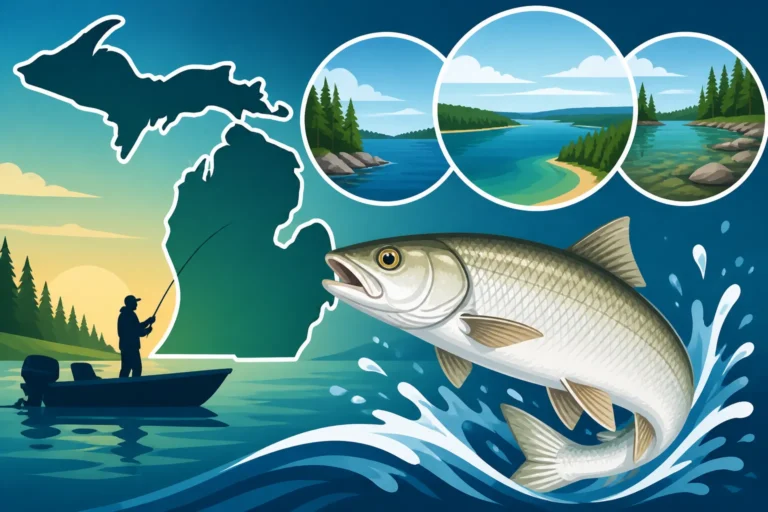
Michigan is blessed with some incredible muskie fisheries, from the sprawling waters of Lake St. Clair to many of our larger inland lakes. When you think about a trophy muskellunge, you're picturing a fish that has survived countless challenges, grown to an impressive size, and likely seen many seasons come and go. Their growth is a slow and steady process, heavily influenced by their environment and the availability of food. It's not like catching a panfish that grows quickly; a muskie's journey to trophy status is a marathon, not a sprint.
What Constitutes a "Trophy" Muskellunge?
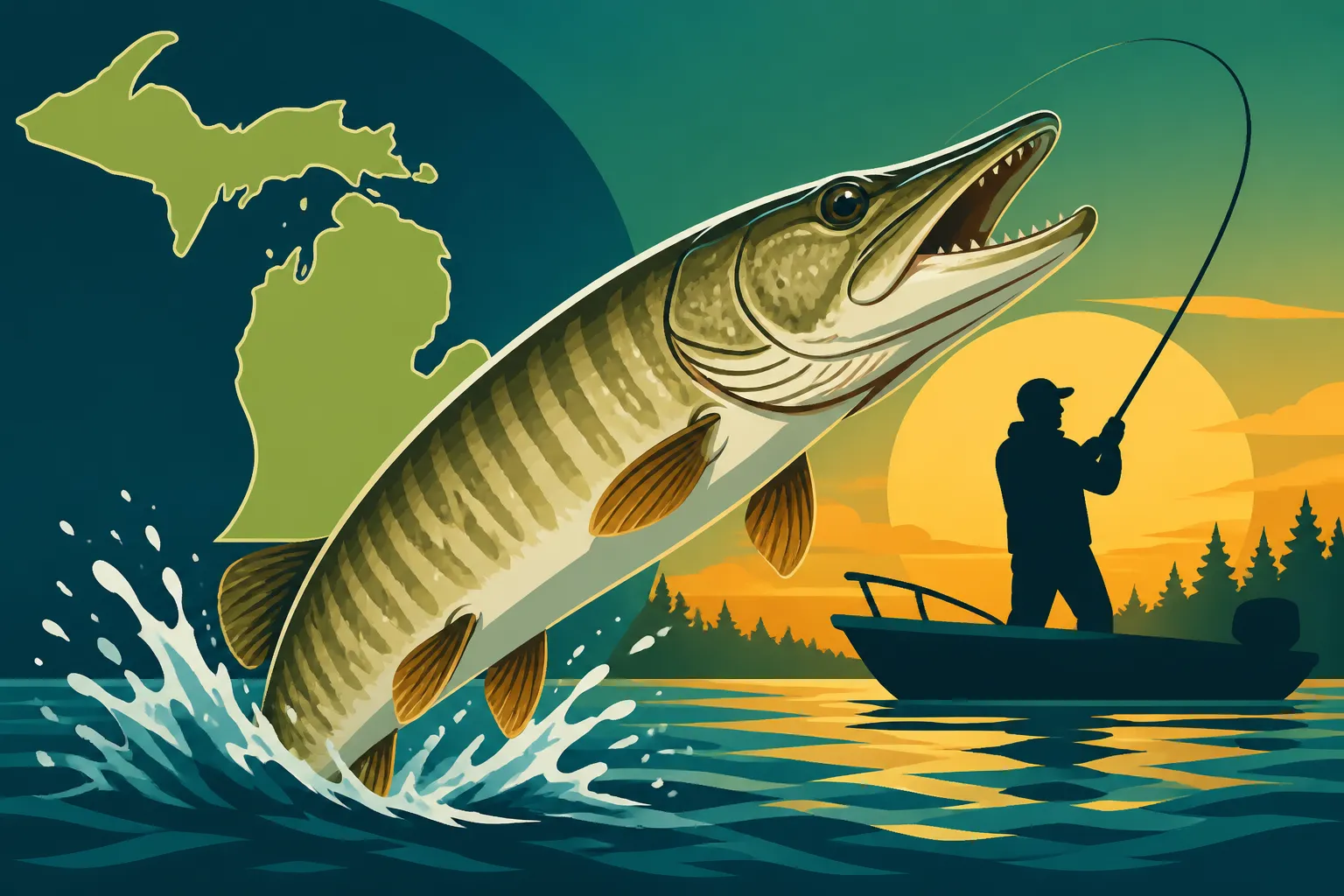
Defining a "trophy" muskellunge can be subjective, varying from angler to angler. For some, it might be their first legal keeper, while for others, it's about breaking a personal best in length or weight. However, within the muskie fishing community, especially in a state like Michigan, a trophy muskie generally refers to a fish that has surpassed a significant length, often 48 to 50 inches or more. These are the fish that turn heads, prompt stories for years to come, and often weigh in at 30, 40, or even 50 pounds. They represent the pinnacle of muskie fishing success and are truly magnificent specimens.
Consider the dedication it takes to pursue these fish. Anglers often spend entire days on the water, meticulously casting massive bucktails, jerkbaits, or topwater lures, hoping for that one explosive strike. When that strike finally comes, and a fish of 50 inches or more is brought to the boat, it’s not just a fish; it’s a living testament to resilience and the richness of Michigan's waterways. These fish have managed to avoid predators, harsh winters, and the lures of countless anglers.
Average Growth Rates and Influencing Factors
Muskellunge growth rates in Michigan vary significantly based on the body of water they inhabit. Lakes with an abundance of prey fish, like large populations of suckers, perch, or ciscoes, tend to produce faster-growing and larger muskies. Water temperature also plays a role; warmer waters with longer growing seasons can contribute to quicker growth, while colder, more northern lakes might see slower but still substantial growth over a longer period.
Genetics are another crucial factor. Just like people, some muskies are simply predisposed to grow larger than others. Fish from certain strains or populations may exhibit a greater potential for size and longevity. Additionally, fishing pressure and habitat quality contribute. Lakes with robust catch-and-release practices and plenty of healthy aquatic vegetation for cover and ambush points foster healthier, bigger fish. It's a complex ecosystem where every element plays a part in shaping these impressive predators.
| Muskie Length (Inches) | Estimated Age Range (Years) | Typical Growth Factors |
|---|---|---|
| 30-36 | 3-6 | Abundant prey, good water quality, favorable temperatures |
| 37-44 | 7-10 | Consistent food supply, moderate fishing pressure |
| 45-49 | 11-15 | Mature habitat, lower competition, good forage base |
| 50+ | 16-25+ | Optimal conditions, strong genetics, reduced mortality |
Note: These are general estimates. Actual growth rates can vary widely depending on specific lake conditions and individual fish.
Estimating the Age of a True Giant: How Old is a Trophy Muskie?
So, back to the big question: how old is that enormous muskie you just caught, or hope to catch? While we can't get an exact birth certificate for a muskie, fisheries biologists have ways to estimate their age, much like reading the rings of a tree. The general consensus among experts is that a trophy muskellunge in Michigan, particularly those pushing or exceeding 50 inches, can easily be 15 to 25 years old, with some exceptionally large individuals potentially living even longer.
Biological Ageing Methods
Biologists typically determine a fish's age by examining calcified structures like scales, otoliths (ear bones), or fin rays. These structures lay down annual growth rings, similar to tree rings, which can be counted under a microscope. Each ring represents a year of life, with wider rings indicating periods of rapid growth and narrower ones suggesting slower growth, perhaps due to harsh winters or scarce food.
For large, old fish like trophy muskies, fin rays (often a pectoral fin ray) are commonly used because they can be sampled without harming the fish, allowing for safe Catch-and-Immediate-Release Rules for Muskellunge. A small section of the fin ray is clipped, prepared, and then examined. This method is crucial for conservation, as it allows researchers to gather vital data on age and growth without sacrificing these valuable, slow-growing predators. It's a careful process, highlighting the importance of every detail when managing these fisheries.
Factors Affecting Muskie Longevity
Several factors contribute to a muskie's ability to reach old age and trophy size. First, as mentioned, a stable and abundant food source is paramount. A muskie needs to eat a lot to grow big, and a consistent supply of large forage fish helps fuel that growth. Second, water quality and habitat are critical. Healthy, clear water with ample structure (like weed beds, rock piles, and deep drop-offs) provides both hunting grounds and refuge from stress and human disturbance.
Another key factor is protection from harvest and handling stress. Michigan has strict regulations regarding muskellunge, including size limits and often a Michigan's One Muskellunge Per Year Rule. Most serious muskie anglers practice catch and release, carefully handling these fish to ensure their survival. This dedication to conservation is what allows these fish to live long enough to become true giants. Specialized tools, which you can find on sites like Amazon, such as large landing nets, long-nosed pliers, and jaw spreaders, are essential for safe, efficient release, minimizing stress on these magnificent fish.
The Angler's Role: Protecting Michigan's Ancient Muskies
Catching a muskie, especially a big one, is an unforgettable experience. But with that thrill comes a great responsibility. Because these fish take so many years to grow to trophy size, their conservation is incredibly important for maintaining healthy fisheries for future generations. Every large muskie released is a testament to sustainable angling practices.
The Importance of Catch and Release
Catch and release isn't just a suggestion for muskie; it's a vital part of muskie fishing culture and a cornerstone of conservation efforts. A 50-inch muskie has likely reproduced many times over its long life, contributing significantly to the population. Removing such a fish from the ecosystem can have a disproportionate impact, especially given their slow growth and late maturity. When you catch a muskie, the goal should always be to release it quickly and safely.
Learning proper How to Catch and Release a Muskellunge techniques is essential. This includes minimizing fight time, keeping the fish in the water as much as possible, using a large rubberized net (often available on Amazon) to cradle the fish, and having all your release tools (hook removers, bolt cutters for hooks, measuring tape) ready before you even net the fish. A quick photo, a measurement, and then back into the water it goes, giving it the best chance to survive and continue its reign as a top predator.
Understanding and Following Regulations
Michigan's fishing regulations for muskellunge are designed to protect these long-lived fish. These include specific Michigan Walleye Size and Possession Limits and daily possession limits for different bodies of water, which are crucial for maintaining healthy populations. It's vital for every angler to understand the Michigan Fishing Regulations Every Angler Should Know and respect them. These rules aren't arbitrary; they're based on scientific research aimed at sustaining our muskie fisheries.
Additionally, some regulations, like Michigan Muskellunge Harvest Reporting Rules, help the Michigan Department of Natural Resources (DNR) monitor muskie populations and make informed management decisions. Even if you practice catch and release, knowing these regulations is part of being a responsible angler. Taking the time to read the annual fishing guide or checking the DNR's website, or even using the Michigan's DNR Hunt Fish App for Licenses and Reporting to stay informed, ensures you're doing your part. These efforts collectively allow trophy muskies to continue to thrive in our beautiful Michigan waters, offering the chance for future anglers to experience the thrill of encountering these ancient giants.
Disclaimer
This article is for general informational purposes only and does not constitute professional advice. Laws, prices and regulations vary by location and change over time. Consult a qualified professional for guidance on your specific situation.