Best Gloves for Cold-Weather Fishing
There’s nothing quite like the sting of icy Michigan wind on bare hands, or the numbing chill that sets in when you’re trying to unhook a feisty walleye in slushy conditions. Cold hands don't just make fishing uncomfortable; they can quickly derail your entire trip, making simple tasks impossible and potentially dangerous. This comprehensive guide is here to help you navigate the vast world of cold-weather fishing gloves, ensuring your hands stay warm, dry, and agile, no matter what Michigan’s unpredictable weather throws at you.
Why Good Cold-Weather Fishing Gloves Are Non-Negotiable in Michigan
We all love fishing in Michigan, but let's be honest, the shoulder seasons and winter months can be brutal. From the crisp air of a fall steelhead run to the relentless bite of a February ice fishing expedition, your hands are constantly exposed. Trying to tough it out with inadequate hand protection isn't just a recipe for discomfort; it's genuinely detrimental to your fishing experience and even your health.
The Brutal Reality of Michigan Winters on the Water
Imagine this: you're out on Lake St. Clair chasing smallmouth bass in early spring, and a sudden cold front rolls in. Your hands, already a bit damp from handling tackle, quickly become stiff and painful. Or perhaps you're bundled up on a frozen lake, waiting for a flag to pop, and a quick gust of wind forces you to pull your hand out of a warm pocket to check a line. That immediate shock of cold can steal your focus and enthusiasm faster than a pike strikes a minnow. For serious ice anglers, the risk of frostbite is very real. Your skin can become incredibly sensitive to the cold, and even mild exposure can lead to persistent pain long after you're off the ice. It's not just about staying warm; it's about protecting your hands from serious damage.
Beyond the physical discomfort, the psychological impact of cold hands is significant. When your hands are aching, your mind isn't on the presentation of your bait or the subtle tap of a bite. Instead, you're constantly thinking about relief, which takes away from the pure joy and focus of fishing. It's a common story in Michigan; anglers cut their trips short, pack up early, or simply don't go out at all because they dread the cold. Don't let poorly chosen gloves be the reason you miss out on some of Michigan's best fishing opportunities.
Beyond Comfort: Performance and Safety
It's not just about keeping your fingers from turning blue; it's about maintaining functionality. Think about the intricate tasks involved in fishing: tying a tiny knot, baiting a hook, working a jig just right, or even simply reeling in a fish. When your hands are stiff and numb, these actions become clumsy and frustrating. A good pair of cold-weather fishing gloves allows you to perform these tasks with the necessary dexterity, ensuring you don't miss a bite or fumble a trophy catch. Many anglers who frequent the Au Sable River Trout Fishing in Michigan in the colder months know this struggle well when trying to change a fly.
Moreover, safety is paramount. Slippery fish, wet boat decks, icy gear – these are all hazards that require a firm, confident grip. Gloves that offer excellent tactile feedback and a reliable grip can prevent accidents, such as dropping expensive gear overboard or losing your footing. Consider the situation on a cold, choppy day on Lake Michigan. Your hands are constantly getting splashed, and you need to confidently handle your rod and reel, adjust your downriggers, or net a surging salmon. Poor grip from cold, stiff hands can be dangerous. Investing in quality gloves is investing in a safer, more productive, and ultimately more enjoyable fishing experience. When you're dealing with sharp hooks and powerful fish in frigid conditions, you want all the control you can get. Michigan Fishing Regulations Every Angler Should Know sometimes touch on safety aspects, and appropriate gear is definitely part of that.
Key Features to Look for in Cold-Weather Fishing Gloves
Choosing the right pair of cold-weather fishing gloves isn't a "one-size-fits-all" endeavor. The ideal glove will depend heavily on the specific conditions you're fishing in and the type of fishing you're doing. However, there are several universal features that every angler should prioritize when making their selection. Understanding these features will help you find gloves that stand up to Michigan's chill and keep you on the water longer.
Insulation and Warmth: Staying Toasty
At the core of any cold-weather glove is its insulation. This is what traps your body heat and keeps the cold at bay. Various materials are used, each with its own advantages. Synthetic insulations like Thinsulate are popular because they offer significant warmth without excessive bulk, and they perform reasonably well even when damp. Fleece linings are comfortable and provide good warmth, often used as an inner layer or for less extreme cold. Some premium gloves might even use down or down alternatives for superior warmth-to-weight ratios, though these can be less ideal if they get truly soaked.
The amount of insulation is directly related to the bulk of the glove. More insulation generally means a warmer glove, but it also means less dexterity. This is the classic trade-off anglers face. For extreme cold, like during Michigan Ice Fishing Guide expeditions, you'll want maximum insulation, perhaps in a mitt style. For milder cold or when you need more finger feel, a thinner, less insulated glove or a layering system might be better. Some anglers swear by a thin, wicking glove liner made of merino wool or synthetic material under a heavier outer glove. This allows for quick removal of the outer glove for tasks requiring fine motor skills, while still having some protection.
Waterproofing and Water Resistance: The First Line of Defense
Michigan fishing inevitably involves water, and often, it's cold water. This is why waterproofing is absolutely critical. There's a big difference between "water-resistant" and truly "waterproof." Water-resistant gloves will shed light spray or drizzle for a short time, but they will eventually soak through. Fully waterproof gloves, on the other hand, are designed to keep your hands dry even when submerged or constantly exposed to wet conditions. Look for gloves with waterproof membranes like Gore-Tex, eVent, or proprietary brand technologies. Neoprene is another popular choice, as it's inherently waterproof and provides good insulation, especially when wet, making it a favorite for handling fish and lines in colder river conditions.
Why is true waterproofing so important? Because wet hands get cold much faster than dry hands, even if the air temperature isn't extreme. Imagine reaching into an ice hole, handling a wet fish, or retrieving a submerged lure. If your gloves aren't waterproof, that cold water will quickly leach warmth from your hands, leading to discomfort and potentially dangerous situations. When you're out on the Michigan's Great Lakes Fishing Guide, dealing with waves and spray, having truly waterproof gloves means you can focus on fishing instead of trying to keep your hands dry. Always prioritize waterproofing for wet and cold environments.
Dexterity and Tactile Feel: For Finesse and Function
This is arguably the trickiest balance to strike in a cold-weather fishing glove. You need warmth, but you also need to be able to tie knots, bait hooks, feel subtle bites, and operate your rod and reel with precision. Gloves that are too bulky will turn your hands into clumsy paddles, frustrating your efforts. Look for features that enhance dexterity without sacrificing too much warmth. Pre-curved fingers can help reduce hand fatigue and make gripping easier. Stretch fabrics in key areas allow for a greater range of motion.
Many anglers opt for convertible gloves or fingerless gloves with mitt covers. These designs allow you to expose your fingertips for delicate tasks like tying a blood knot or sorting through a tackle box, then quickly cover them back up for warmth. While not as warm as full mitts, they offer a practical compromise for many situations. Think about the techniques used in Michigan Walleye Fishing Techniques; feeling that light tap on your jig requires an incredible amount of sensitivity that thick, bulky gloves often eliminate. The best gloves will have a balance, perhaps with reinforced fingertips for durability and grip, but still allowing enough flexibility to manipulate small items.
Grip and Durability: Holding On Tight
Fishing often means dealing with slippery surfaces: wet fish, damp rods, icy tackle boxes, and boat railings. A reliable grip is crucial for safety and efficiency. Look for gloves with textured palms, often made from synthetic leather, silicone, or rubberized materials. These materials provide superior traction even when wet, helping you maintain control of your gear and your catch. It’s no fun having a prized steelhead slip from your grasp because your gloves couldn't get a purchase.
Durability is another key factor. Fishing gloves are subjected to a lot of abuse – friction from lines, hooks, fish scales, and constant exposure to the elements. High-quality gloves will feature reinforced stitching, robust outer fabrics, and tough palm materials designed to withstand the rigors of frequent use. Investing in a durable pair means they'll last for several seasons, providing consistent performance and protection. Think about the investment in your Best Rods and Reels for Michigan Fishing; you don't want to drop them due to a cheap glove. Many reputable brands found at Bass Pro Shops or online at Amazon offer gloves designed specifically with these demands in mind, often featuring enhanced wear zones.
Types of Cold-Weather Fishing Gloves for Different Scenarios
Just like you wouldn't use a muskie rod for panfish, you wouldn't use the same gloves for ice fishing as you would for a crisp fall morning on a river. Matching your glove type to your fishing activity and the expected weather conditions is key to staying comfortable and effective.
Heavy-Duty Ice Fishing Mitts and Gloves
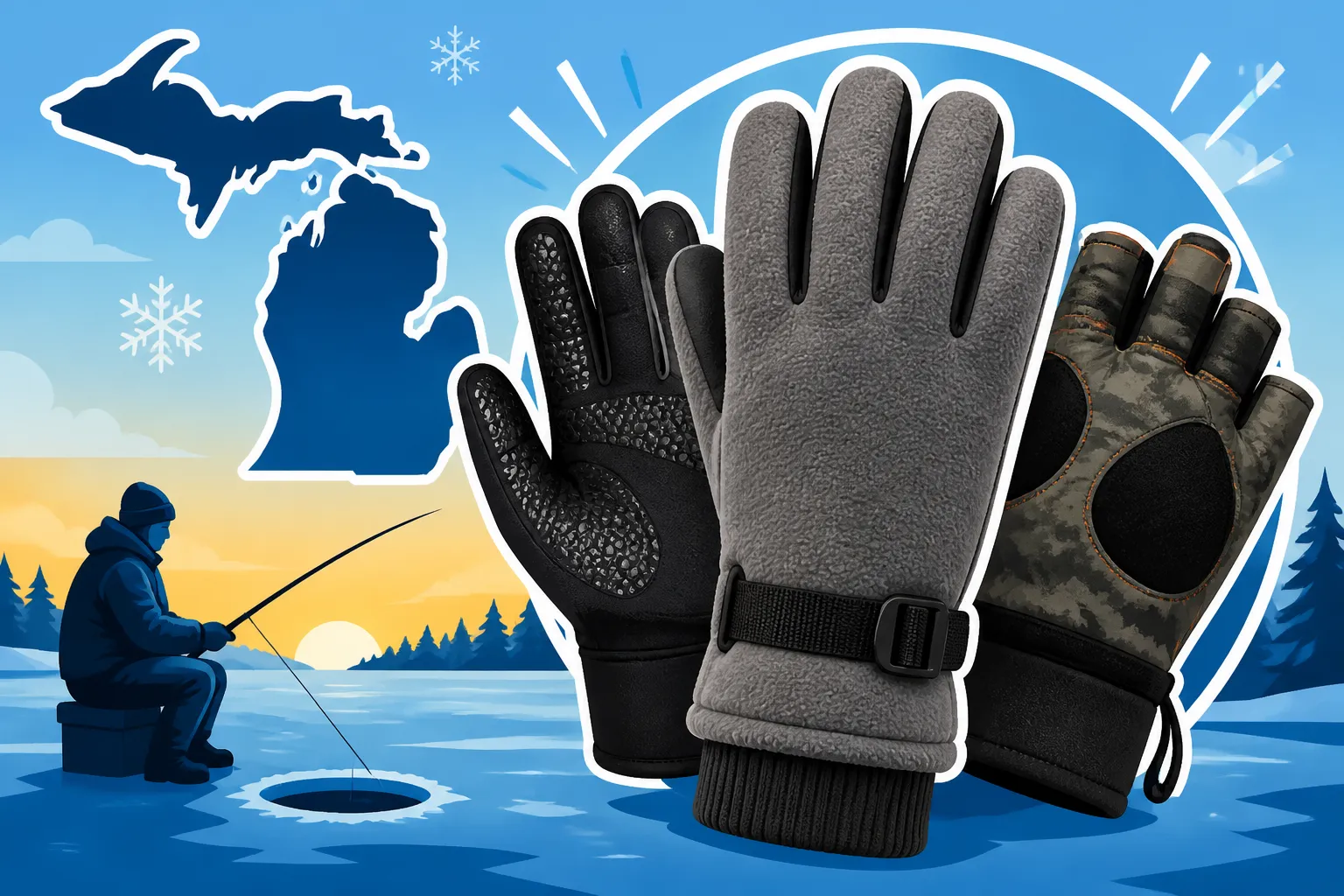
When you're out on a frozen Michigan lake, say Houghton Lake or Saginaw Bay, the elements are often at their most unforgiving. We're talking about sub-freezing temperatures, biting winds, and wet slush. This is where heavy-duty ice fishing mitts and gloves truly shine. These are designed for maximum warmth, often featuring thick layers of insulation like Thinsulate or a synthetic down alternative. Mitts, while sacrificing some individual finger dexterity, are generally warmer because your fingers can huddle together, generating and sharing warmth more effectively. Many ice fishing mitts will have long gauntlets that extend up the forearm, providing additional protection against wind and snow, and preventing snow from creeping up your sleeves.
For anglers who need to handle lines, bait tip-ups, or run an auger, convertible mitts are a fantastic compromise. These feature a fingerless glove with an insulated flap that folds over the fingers, securing with a magnet or velcro. This allows for quick exposure of the fingertips for tasks like tying knots or feeling bites, then snapping them back into mitt form for warmth. Look for robust waterproof outer shells, often made with durable nylon or polyester, that can withstand scraping against ice and snow. The best ones will also have excellent grip on the palms for handling gear and fish. When you're spending hours on the ice, your hands are your most valuable asset, and these gloves are built to protect them. You'll often find a great selection of these at a large outdoor retailer like Bass Pro Shops.
River and Open-Water Gloves: For Fall and Spring
The shoulder seasons in Michigan offer some of the most exciting fishing, especially for species like steelhead and salmon. However, these periods also bring unpredictable weather – cold rain, brisk winds, and constantly wet conditions. Gloves for river and open-water fishing in fall and spring need to strike a delicate balance between warmth, waterproofing, and high dexterity for casting, stripping line, and precise lure manipulation. Neoprene gloves are a popular choice here. Their inherent waterproofness and insulating properties (even when wet) make them ideal for handling slimy fish and wet lines. They come in various thicknesses, from thin 1.5mm options for moderate chill to thicker 3mm or 5mm for colder days.
Convertible gloves or models with individual finger slots made from stretchable, quick-drying materials are also excellent for river fishing. Imagine you're How to Fish for Steelhead in Michigan on the Manistee River in November. You need to cast accurately, mend your line, and feel the subtle takes. A bulky ice fishing mitt just won't cut it. You need gloves that allow for natural hand movement and excellent tactile feedback. Some of these gloves will feature specialized coatings on the fingertips for touchscreen compatibility, which is a nice bonus for checking weather apps or snapping a photo of your catch without removing your gloves. For active fishing where constant manipulation of gear is required, these more form-fitting and agile gloves are invaluable.
Convertible Gloves and Fingerless Options: The Best of Both Worlds?
The "best of both worlds" is an angler's dream, and convertible gloves aim to deliver just that. These gloves typically feature a fingerless base glove, often made of fleece or neoprene, combined with an insulated mitt flap that can be pulled over the fingers. The flap usually secures with a magnet or a small piece of Velcro, allowing for quick deployment or retraction. This design is incredibly versatile, making it a favorite for many Michigan anglers who need warmth but also frequent access to their fingertips for intricate tasks.
Think about a day targeting panfish in the fall, where you might be constantly re-baiting tiny hooks or tying on micro-jigs. A fully insulated glove would be a hindrance, but bare hands would quickly get cold. A convertible glove allows you to expose your fingertips for a few moments, perform the task, and then quickly tuck them back into the warmth of the mitt. Fingerless gloves, on their own, are great for milder cold where dexterity is paramount and you're not constantly immersing your hands in water. They provide a base layer of warmth for the back of your hand and palm, leaving your fingertips free for maximum feel. However, they're not suitable for truly frigid conditions or situations where your hands will be consistently wet, as exposed wet fingertips can become uncomfortably cold very quickly. Often, these types of gloves are easy to find and review on Amazon, with many options combining these features.
Finding the Right Fit and Material for Your Hands
It's easy to overlook the importance of fit when buying gloves, but a poorly fitting glove can negate all the fancy features and insulation. Just like a good pair of waders, the right size makes all the difference. Beyond fit, understanding the common materials used in cold-weather fishing gloves will help you pick a pair optimized for your specific needs.
Sizing and Comfort: Don't Skimp on the Try-On
A glove that's too tight will restrict blood flow, paradoxically making your hands colder, and it will be uncomfortable. A glove that's too loose will reduce dexterity, make it harder to grip things, and allow cold air to circulate inside, reducing its insulating effectiveness. The ideal fit should be snug but not restrictive, allowing for a full range of motion in your fingers and thumb without any pinching or excessive material bunching up.
If you have the opportunity to try gloves on in person, perhaps at a local tackle shop or a larger retailer like Bass Pro Shops, always do so. Try mimicking fishing actions – making a fist, holding a rod, wiggling your fingers. If you're planning to wear glove liners, try the outer gloves on with your chosen liners to ensure they still fit comfortably. When buying online, especially from a platform like Amazon, pay close attention to sizing charts and customer reviews regarding fit. Measure your hand circumference and length carefully, and remember that some brands might run larger or smaller than others. A comfortable fit ensures warmth and functionality throughout your fishing day, from the Michigan Spring Fishing Season Guide opener to the late fall.
Common Materials and Their Benefits
The material composition of cold-weather fishing gloves is a critical factor influencing their performance. Each material brings different benefits to the table:
-
Neoprene: This synthetic rubber is a fantastic choice for wet and cold conditions. It's inherently waterproof and, crucially, retains much of its insulating properties even when wet. It offers excellent flexibility and a good grip. Neoprene gloves are perfect for handling fish, dipping hands into the water, or fishing in the rain. They typically provide moderate to good warmth, depending on thickness.
-
Fleece and Wool: These materials excel at insulation and breathability. Fleece is lightweight, comfortable, and provides good warmth when dry. Wool, especially merino wool, is known for its exceptional warmth, even when damp, and its natural odor-resistant properties. These are often used as liners or for the body of gloves that are designed to be worn in dry cold or under waterproof shells. They are less ideal for direct contact with water.
-
Synthetic Blends (Nylon, Polyester): Often used for the outer shell of insulated and waterproof gloves, these materials are chosen for their durability, wind resistance, and ability to be treated with DWR (Durable Water Repellent) coatings. When combined with a waterproof membrane (like Gore-Tex), they create a formidable barrier against the elements. They offer a good balance of protection and flexibility, and are often the backbone of well-performing gloves.
-
Leather and Synthetic Leather: These materials are frequently used on the palms and fingertips of gloves for their superior grip and abrasion resistance. Real leather offers a classic feel and excellent durability but can lose its suppleness when repeatedly wet and dried. Synthetic leathers are often designed to perform better when wet, maintain flexibility, and offer a consistent grip, making them a practical choice for fishing gloves.
Choosing the right combination of these materials based on your anticipated fishing environment will significantly impact your comfort and success on the water.
| Feature | Heavy-Duty Ice Fishing Mitts | River/Open Water Gloves | Convertible Gloves | Fingerless Gloves |
|---|---|---|---|---|
| Warmth | Excellent (Max Insulation) | Good (Moderate Insulation) | Good (Mitts Closed) | Moderate (Fingers Exposed) |
| Dexterity | Low (Mitt Form) | High (Good Finger Feel) | Variable (Mitts Open/Closed) | Excellent (Max Finger Feel) |
| Waterproof | High (Often fully waterproof) | Moderate to High (Often Neoprene) | Moderate (Varies by design) | Low (Exposed Fingers) |
| Ideal Scenario | Extreme cold, low activity, Michigan Ice Fishing Guide | Active casting, handling wet lines, Fall Steelhead Run in Michigan Rivers | Versatile for changing tasks, moderate cold | Milder cold, high dexterity tasks, layering |
| Grip | Excellent (Textured palms) | Excellent (Often Neoprene/Silicone) | Good | Good (Often textured) |
Maintenance and Care for Longevity
You've invested in a good pair of cold-weather fishing gloves – now how do you make sure they last? Proper care and maintenance are crucial, especially with gear that's constantly exposed to water, fish slime, and extreme temperatures. Neglecting your gloves can lead to premature wear, loss of waterproofing, and a buildup of unpleasant odors.
Cleaning and Drying Your Fishing Gloves
After a long day of fishing, especially if you've been handling fish or bait, your gloves are likely a bit dirty, slimy, and perhaps even smelly. Don't just toss them in a corner. Most fishing gloves, particularly those with synthetic materials and waterproof membranes, should be hand-washed with mild soap and lukewarm water. Avoid harsh detergents, bleach, or fabric softeners, as these can strip DWR coatings, damage membranes, or break down elastic fibers. Gently scrub away any dirt or grime, paying special attention to the palms and fingertips. Rinse thoroughly to ensure all soap residue is gone.
The drying process is just as important. Never put waterproof or insulated gloves in a dryer, and avoid direct heat sources like radiators or campfires. High heat can damage waterproof membranes, melt synthetic insulation, or shrink materials. Instead, gently squeeze out excess water, reshape the gloves, and hang them to air dry in a well-ventilated area, away from direct sunlight. You can use a glove dryer or stuff them lightly with newspaper to absorb moisture and help maintain their shape. Ensure they are completely dry, both inside and out, before storing them to prevent mildew and odor. This meticulous care will extend the life of your gloves and keep them performing season after season.
When to Replace Your Gloves
Even the highest quality gloves won't last forever. Over time, constant exposure to the elements, abrasion, and repeated flexing will take their toll. Knowing when to replace your gloves is important for maintaining your comfort and protection on the water.
Here are some signs it's time for a new pair:
- Loss of Waterproofing: If your hands are consistently getting wet even when the gloves appear intact, the waterproof membrane or DWR coating may be compromised. While some DWR can be reapplied, internal membrane failure usually means replacement.
- Compressed or Clumped Insulation: If the insulation inside the glove feels thin, lumpy, or no longer provides adequate warmth, it's lost its loft and effectiveness. This is common after many cycles of getting wet and drying, or simply from wear.
- Holes, Tears, or Worn-Through Areas: Obvious physical damage compromises both warmth and waterproofing. Small tears might be repairable with appropriate patches, but extensive damage means it's time to retire them.
- Loss of Grip: If the textured palm material has worn smooth, your grip will be compromised, increasing the risk of dropping gear or fish.
- Persistent Odor: Sometimes, despite your best cleaning efforts, certain materials can develop a stubborn odor that just won't go away. While not a performance issue, it certainly affects comfort and enjoyment.
Replacing your gloves when they show these signs is not just about comfort; it's about ensuring your safety and maximizing your time enjoying the diverse fishing opportunities Michigan has to offer, without the distraction of cold, wet hands. A fresh pair of gloves is a small investment for many more memorable days on the water. If you want to dive deeper into the economics, you could explore questions like Is a Michigan Fishing License Worth It for a Weekend Trip?, and you'll quickly find that discomfort can outweigh even small costs if it means you cut your trip short.
Disclaimer
This article is for general informational purposes only and does not constitute professional advice. Laws, prices and regulations vary by location and change over time. Consult a qualified professional for guidance on your specific situation.