How Warm Should an Ice Shelter Be
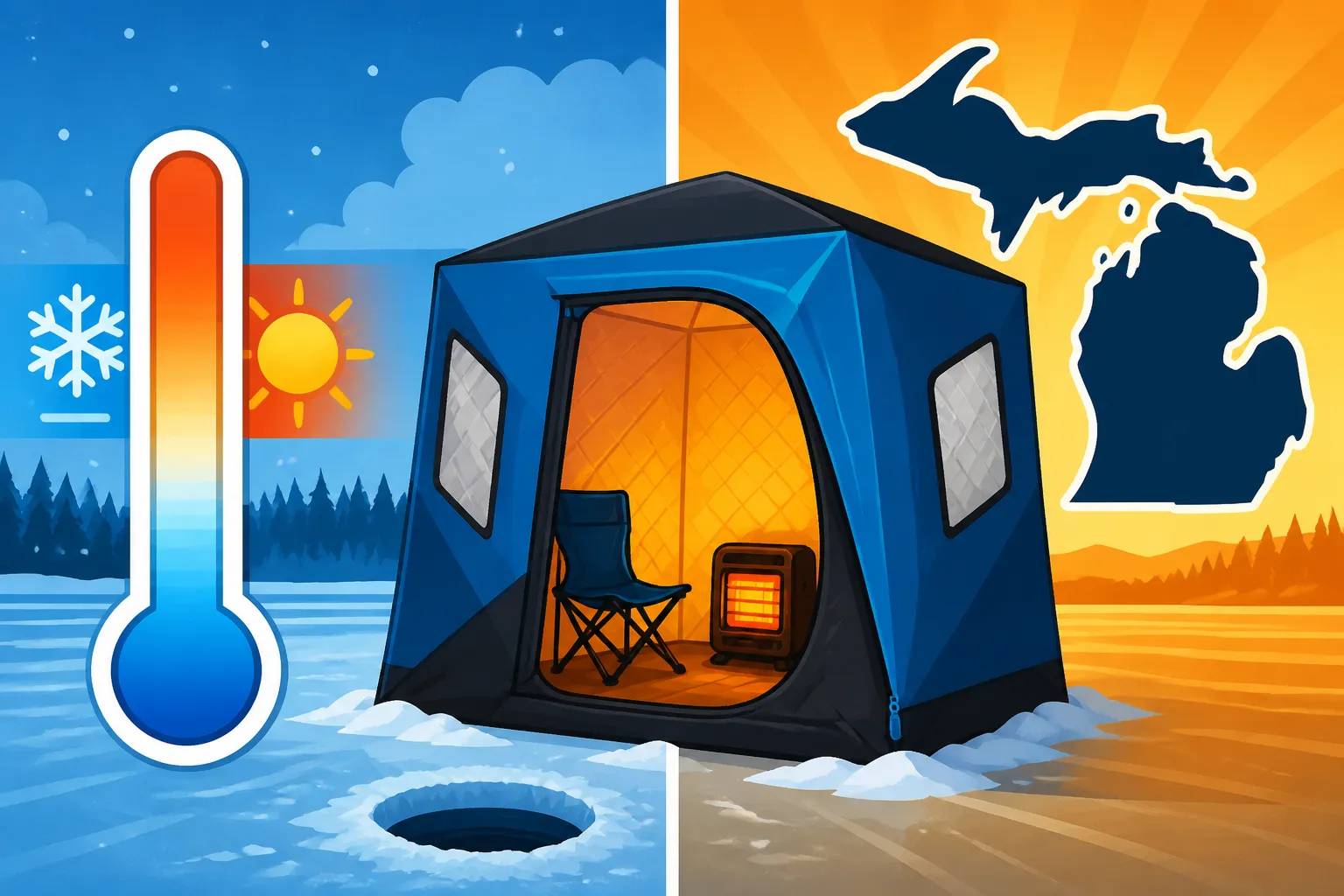
One of the biggest struggles for any Michigan ice angler, especially when the brutal winds off the Great Lakes are whipping, is figuring out just how warm your ice shelter should be. It's not just about comfort; it's about safety, endurance, and ultimately, whether you're going to enjoy your day out on the hard water or be miserable. This guide is all about helping you hit that perfect "just right" temperature in your ice shanty, balancing personal comfort with practical considerations to keep you fishing longer and happier.
Finding Your Personal Comfort Zone on the Ice
Let's be real, there's no single magic number for the "ideal" temperature inside an ice shelter. What feels perfect to one angler might feel like a sauna to another, or leave someone else shivering in their boots. Michigan winters throw everything at us, from mild days where a heavy sweater is enough, to bitter stretches where the air temperature plunges far below zero and the wind chill makes it feel even worse. Understanding your own body and what makes you comfortable is the first step in deciding how warm your shelter needs to be.
Comfort Versus Safety: The Fine Line
While you want to be comfortable, pushing the heat too high can actually be counterproductive and even dangerous. Overheating leads to sweating, and once you start sweating in cold conditions, you're setting yourself up for a quick chill the moment you step outside or turn off your heater. This isn't just uncomfortable; it can quickly become a hypothermia risk if you're not careful. The goal isn't to be in a tropical paradise, but rather to be warm enough that you can shed a layer or two and move around freely without feeling clammy or getting chilled. Think of it as a comfortable "base camp" where you can warm up, dry out a bit, and relax before venturing back into the elements.
On the other hand, being too cold means you're constantly fighting the chill, your hands are stiff, and your focus shifts from fishing to staying warm. This is where safety comes in. Prolonged exposure to cold can lead to frostbite and hypothermia, conditions no one wants to experience out on the ice. A properly heated shelter provides a crucial refuge, especially if you're out for an extended session or the weather takes an unexpected turn. It's about having a safe haven, not just a cozy spot.
Personal Preferences and Activity Levels
Your "ideal" temperature is also heavily influenced by what you're doing inside the shelter. Are you an active hole-hopper, constantly moving between holes, jigging, and setting tip-ups? Or are you a more stationary angler, perhaps reading a book or watching a bobber, only moving when a flag goes up?
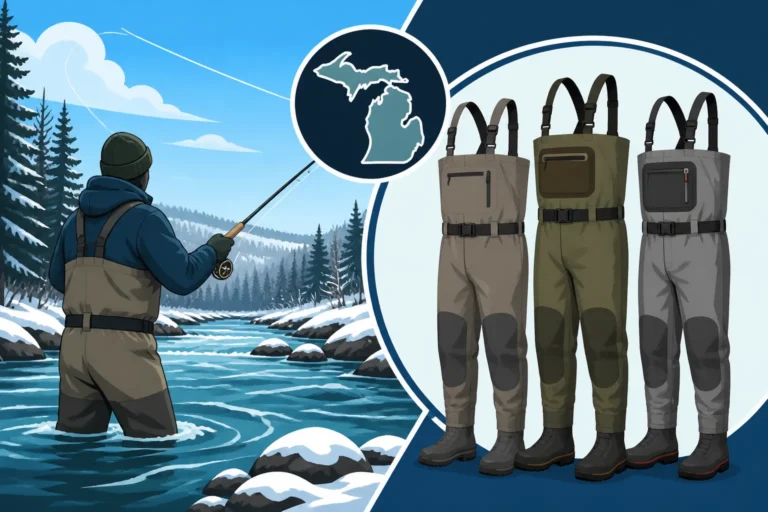
An active angler might prefer a cooler interior, maybe around 40-50°F (4-10°C), because their own body heat and movement will generate additional warmth. Wearing Best Waders for Cold River Fishing and other insulating gear means they're already quite warm, and too much heat will quickly lead to sweating. For someone who sits more still, a warmer ambient temperature, perhaps 55-65°F (13-18°C), might be necessary to maintain comfort. You also need to consider how many people are in the shelter – more bodies mean more body heat, which can surprisingly impact the interior temperature. If you're out with a few buddies, you might not need to run your heater as high as you would if you were fishing solo.
Critical Factors Affecting Shelter Warmth
Michigan's ice fishing conditions are notoriously unpredictable. One day you might be basking in sunshine with minimal wind, and the next, a blizzard rolls in, dropping temperatures and bringing whiteout conditions. Several elements play a crucial role in how well your ice shelter retains heat and how effectively you can warm it.
External Weather Conditions
This is perhaps the most obvious factor, but it's often underestimated. A shelter that feels perfectly warm on a 20°F (-7°C) calm day will feel drastically different when it's 0°F (-18°C) with a 20 mph wind. Wind chill, in particular, can strip heat away from your shelter's exterior, forcing your heater to work much harder. Always check the forecast before heading out, paying close attention to both air temperature and wind speed. This will help you decide what kind of heater to bring and how much fuel you'll need.
Precipitation, like snow or sleet, can also impact warmth. Heavy, wet snow clinging to the outside of your shelter can actually add a layer of insulation, but melting snow can introduce moisture, which then makes the air feel colder inside. Understanding the full scope of the weather is paramount for planning your heating strategy. Remember, the deeper into Michigan's winter you go, the more extreme these conditions can become, especially up in the Michigan's Upper Peninsula Fishing Spots Guide.
Ice Shelter Design and Insulation
Not all ice shelters are created equal when it comes to keeping you warm. The construction and insulation of your shelter are critical.
- Uninsulated Shelters (1-layer fabric): Many entry-level hub or flip-over shelters use a single layer of fabric, typically a heavy-duty polyester. While this blocks the wind and provides some protection from the elements, it offers minimal insulation. Heat escapes quickly, meaning your heater will run almost constantly and you'll burn through propane faster. These are often lighter and more portable, which is a trade-off many mobile anglers accept. If you rely on one of these, expect to need a more powerful heater or more fuel to stay comfortable on colder days.
- Insulated Shelters (2-3 layer fabric): These are the game-changers for warmth. Many modern shelters feature two or three layers of fabric with an insulating layer sandwiched in between. This insulation drastically reduces heat loss through the walls and roof. You'll find that these shelters warm up much faster and hold heat far longer, even with a smaller heater or on a lower setting. This translates to less fuel consumption and a more consistent, comfortable interior temperature. Brands available at places like Bass Pro Shops often clearly label their insulation levels, sometimes even giving an R-value equivalent.
- Floor vs. No Floor: Some shelters have an insulated floor, which is a huge bonus for warmth, preventing heat loss directly into the ice and keeping your feet much warmer. Others are floorless, relying on a ground tarp or just the ice itself. A floorless design can make a big difference in how quickly your feet get cold, impacting your overall perceived warmth. Consider adding insulated mats or rugs if your shelter doesn't have a floor.
Heating Methods and Fuel
Choosing the right heater is crucial for regulating the temperature in your ice shanty. There are a few common types, each with pros and cons:
- Propane Heaters: These are by far the most popular. They come in various sizes, from small portable units like the Mr. Heater Buddy series to larger forced-air models.
- Catalytic Heaters: These flameless heaters, like the "Little Buddy" or "Big Buddy" units widely available on Amazon, are excellent for enclosed spaces. They produce radiant heat and are generally very efficient. They operate by a chemical reaction rather than an open flame, making them safer in terms of accidental ignitions, though they still require ventilation.
- Radiant Heaters: These heaters have a visible flame and radiate heat directly. They can be very effective but generally consume more oxygen and require more rigorous ventilation. They also get extremely hot, so placement is key to avoid accidental burns or melting your shelter fabric.
- Forced Air Heaters: These are larger, typically external units that blow hot air into the shelter via a duct. They're great for very large shelters or extremely cold conditions but are less common for smaller, portable setups due to their size and noise.
- Wood Stoves: For permanent or semi-permanent shanties, a small wood stove can provide a dry, intense heat and a cozy ambiance. They require more setup and maintenance (chopping wood, stoking, cleaning), but fuel is often free if you collect it. They also require a chimney system for venting smoke.
- Fuel Consumption: No matter the type, consider fuel efficiency. Propane tanks empty quickly in colder weather or with larger heaters running on high. Always bring more fuel than you think you'll need. Running out of propane on a freezing Michigan afternoon can quickly turn a fun trip into a miserable one.
| Heater Type | Fuel Source | Heat Type | Best Use Case | Pros | Cons |
|---|---|---|---|---|---|
| Catalytic Heater | Propane | Radiant | Small to Medium Insulated Shelters | Flameless, efficient, good for enclosed spaces, relatively quiet | Still requires ventilation, can consume oxygen |
| Radiant Heater | Propane | Radiant/Convection | Uninsulated or Larger Shelters, Outdoor | Provides quick, intense heat, good for warming up fast | Open flame risk, consumes more oxygen, requires significant ventilation, can be very hot to touch |
| Forced Air Heater | Propane | Convection | Very Large Shelters, Warming multiple spaces | Very powerful, quickly heats large areas, can be placed outside | Bulky, noisy, requires electrical power for fan, high fuel consumption |
| Wood Stove | Wood | Radiant/Convection | Permanent/Semi-Permanent Shacks | Intense dry heat, cozy, free fuel (if gathered), low oxygen consumption | Requires chimney, constant stoking, messy, heavy, fire risk if not properly installed |
Achieving and Maintaining Optimal Warmth
Now that we understand the variables, let's talk about practical strategies to hit that "just right" temperature and keep it there throughout your ice fishing adventure.
Layering Your Clothing Smartly
This is non-negotiable for Michigan ice fishing, regardless of your shelter's interior temperature. Smart layering allows you to adapt to changing conditions and maintain comfort whether you're outside battling the wind or inside your warm shanty.
- Base Layer: Start with a moisture-wicking base layer (merino wool or synthetic, never cotton!). This draws sweat away from your body, preventing that clammy, cold feeling. You can find excellent options at Bass Pro Shops or online.
- Mid-Layers: Add insulating layers like fleece jackets, down vests, or wool sweaters. These trap air and provide warmth. Depending on how cold it is outside and how warm you want your shelter, you might wear one or two mid-layers.
- Outer Layer: Your ice fishing suit (bibs and jacket) is your primary defense against wind, water, and extreme cold. It provides significant insulation and waterproofing. Look for suits with floatation assistance, like those from Striker or IceArmor, for added safety on the ice.
- Extremities: Don't forget insulated boots, thick wool socks (again, never cotton!), warm gloves or mittens (with fingerless options for dexterity), and a good hat or balaclava. Losing heat through your head and feet is a fast track to being miserable.
Inside your warm shelter, you should be able to comfortably shed your outer jacket, maybe even your mid-layer, and still feel comfortable. If you're still bundled up to the gills inside your shanty, it's not warm enough. Conversely, if you're down to your base layer and still sweating, you're running the heater too high.
Selecting the Right Heater for Your Shelter
Your heater choice should match your shelter size and insulation level.
- For smaller, uninsulated shelters: You might need a more powerful portable propane heater, like a larger Mr. Heater Buddy, and plan on running it higher and consuming more fuel.
- For smaller, insulated shelters: A smaller catalytic heater, even a "Little Buddy," might be perfectly adequate to keep things toasty. You'll use less fuel and have more consistent heat.
- For larger insulated shelters: A "Big Buddy" or similar mid-sized catalytic heater will likely do the trick, allowing you to regulate the temperature more easily without constant adjustments.
Always place your heater on a stable, flat surface away from any flammable materials (like your tackle bag or the shelter fabric itself). Many heaters have tip-over safety switches, but it's always best practice to be cautious.
Ventilation and Carbon Monoxide Safety
This is the most critical safety point when using any combustion heater inside an enclosed space. Heaters produce carbon monoxide (CO), an odorless, colorless, and deadly gas. You absolutely must ensure adequate ventilation.
- Crack a Window/Vent: Even with catalytic heaters, which produce less CO than open-flame types, you need to crack a vent or a window. Most modern ice shelters have dedicated vents for this purpose. Just a small opening is usually enough to allow fresh air in and CO to escape without significant heat loss.
- Carbon Monoxide Detector: This is non-negotiable. Always bring a battery-operated carbon monoxide detector into your ice shelter. Treat it like your life support. Place it where it can effectively monitor the air, typically near where you are sitting or sleeping if you're overnighting. If the alarm goes off, immediately turn off the heater, get out of the shelter, and air it out thoroughly. This small piece of equipment, readily available on Amazon or at sporting goods stores, could save your life.
- Check Hoses and Connections: Before each trip, inspect your heater's propane hoses and connections for any damage or leaks. A leaky hose can waste fuel and pose a fire hazard.
Prioritizing ventilation and CO detection means you can enjoy the warmth without putting yourself at undue risk.
Managing Condensation and Moisture
Once you've got your shelter warm, you might notice moisture building up on the inside walls and ceiling. This is condensation, and it's a common issue, especially when cold outside air meets warm, humid air from your breath and heater. Too much condensation can drip on you, your gear, and make the shelter feel colder and damp.
- Ventilation is Key (Again!): Good airflow helps to carry away humid air before it can condense. Keeping those vents cracked open serves a dual purpose: CO safety and moisture control.
- Don't Overheat: As mentioned earlier, if you're sweating, you're introducing a lot of moisture into the air. Try to maintain a comfortable temperature that doesn't cause excessive perspiration.
- Wipe Down Surfaces: Periodically wiping down the interior walls and ceiling with a towel can help manage condensation, especially during longer trips.
- Dry Gear Outside: If possible, avoid bringing excessive snow and ice into the shelter on your boots or gear. Knock it off outside to reduce the amount of moisture that needs to evaporate.
A dry warmth feels much better and is more energy-efficient than a damp heat.
Common Mistakes and How to Avoid Them on the Ice
Even experienced anglers can sometimes make mistakes when it comes to heating their ice shelters. Being aware of these pitfalls can help you avoid discomfort, danger, and wasted effort.
Overheating and Underheating
The "Goldilocks zone" is elusive but crucial. Overheating isn't just a waste of fuel; it causes you to sweat, which then leads to a rapid chill the moment you step outside or the heater cycles down. It also ramps up condensation, making the interior damp and uncomfortable. You'll find yourself constantly shedding and adding layers, which is a nuisance.
Underheating, on the other hand, means you're just plain cold. Your hands and feet suffer, your dexterity drops, and your enjoyment of the day plummets. It can also lead to more serious issues like hypothermia. The key is to find that sweet spot where you feel comfortable in a base layer and a mid-layer, allowing you to easily put on your outer shell when you need to go outside. This means adjusting your heater settings as outside conditions change and as your activity level fluctuates. Don't be afraid to turn the heater down or off for a bit if you start feeling too warm.
Ignoring Safety Protocols
I cannot stress this enough: cutting corners on safety is simply not worth it. I've heard too many stories over the years of close calls or worse, all because someone forgot or neglected basic safety measures.
- Carbon Monoxide Detectors are Mandatory: Always, always, always bring one. Even if your heater claims to be "vent-free," it's still a combustion device, and things can go wrong. Batteries can die, units can malfunction, and conditions can change. A CO detector is your silent guardian. Make sure you check the batteries regularly, especially after storing your gear for a while.
- Proper Ventilation: Don't seal yourself in a bubble. Cracking those vents is non-negotiable. A little fresh air makes a huge difference in safety and comfort. It's a small sacrifice in heat retention for a massive gain in safety.
- Heater Placement: Keep heaters away from walls, clothing, or anything that could melt or catch fire. Many heaters have specific clearance requirements, so check your owner's manual. A stable surface is also key to prevent accidental tip-overs, especially in a cramped shelter with fishing gear.
Underestimating Michigan's Weather
Michigan weather is a beast of its own, and it can change in a heartbeat. A sunny, relatively mild morning can quickly turn into a howling blizzard by afternoon. Never assume the conditions will stay the same all day.
- Monitor Forecasts: Check the forecast before you go, and if possible, monitor it throughout the day using a weather radio or smartphone app. Pay attention to wind shifts, temperature drops, and incoming precipitation.
- Pack for the Worst: Always bring extra layers of clothing, more fuel than you think you'll need, and fully charged batteries for your CO detector, phone, and any flashlights. Having What Gear Do You Need to Ice Fish in Michigan properly prepared can make all the difference.
- Know When to Call It Quits: There's no shame in packing up early if the weather turns dangerous or you're simply too cold to enjoy yourself safely. The fish will be there another day. Always prioritize your well-being over catching one more walleye or perch.
By being mindful of these common mistakes, you'll ensure your time on the ice is not only productive but also safe and enjoyable. Whether you're targeting big walleye on Saginaw Bay, Michigan, Walleye Fishing on Lake Huron or jigging for panfish on Houghton Lake Fishing Guide: Michigan's Largest Inland Lake, a warm and safe shelter is your best friend.
Disclaimer
This article is for general informational purposes only and does not constitute professional advice. Laws, prices and regulations vary by location and change over time. Consult a qualified professional for guidance on your specific situation.