Best Fishing Spots Near Detroit, Michigan
It's easy to assume that to find truly incredible fishing in Michigan, you have to pack up the car, drive for hours, and leave the hustle and bustle of metro Detroit far behind. That's a common misconception that can leave many local anglers feeling frustrated and missing out on fantastic opportunities right in their backyard. The truth is, the Detroit area, and its immediate surroundings, are home to a surprising array of prime fishing spots teeming with diverse species. This comprehensive guide is here to shed light on some of the best fishing spots near Detroit, offering actionable advice and helping you discover that your next great catch might be just a short drive away.
Urban Fishing Gems Within Detroit City Limits
Believe it or not, some of the most dynamic fishing in Michigan can be found directly within or bordering the Motor City itself. You don't always need to venture far to find quality angling; sometimes, the best spots are just a hop, skip, and a jump from your front door. The convenience factor alone makes these urban fishing gems incredibly appealing, especially for those looking for a quick outing or a productive trip after work.
Detroit River and Lake St. Clair Access Points
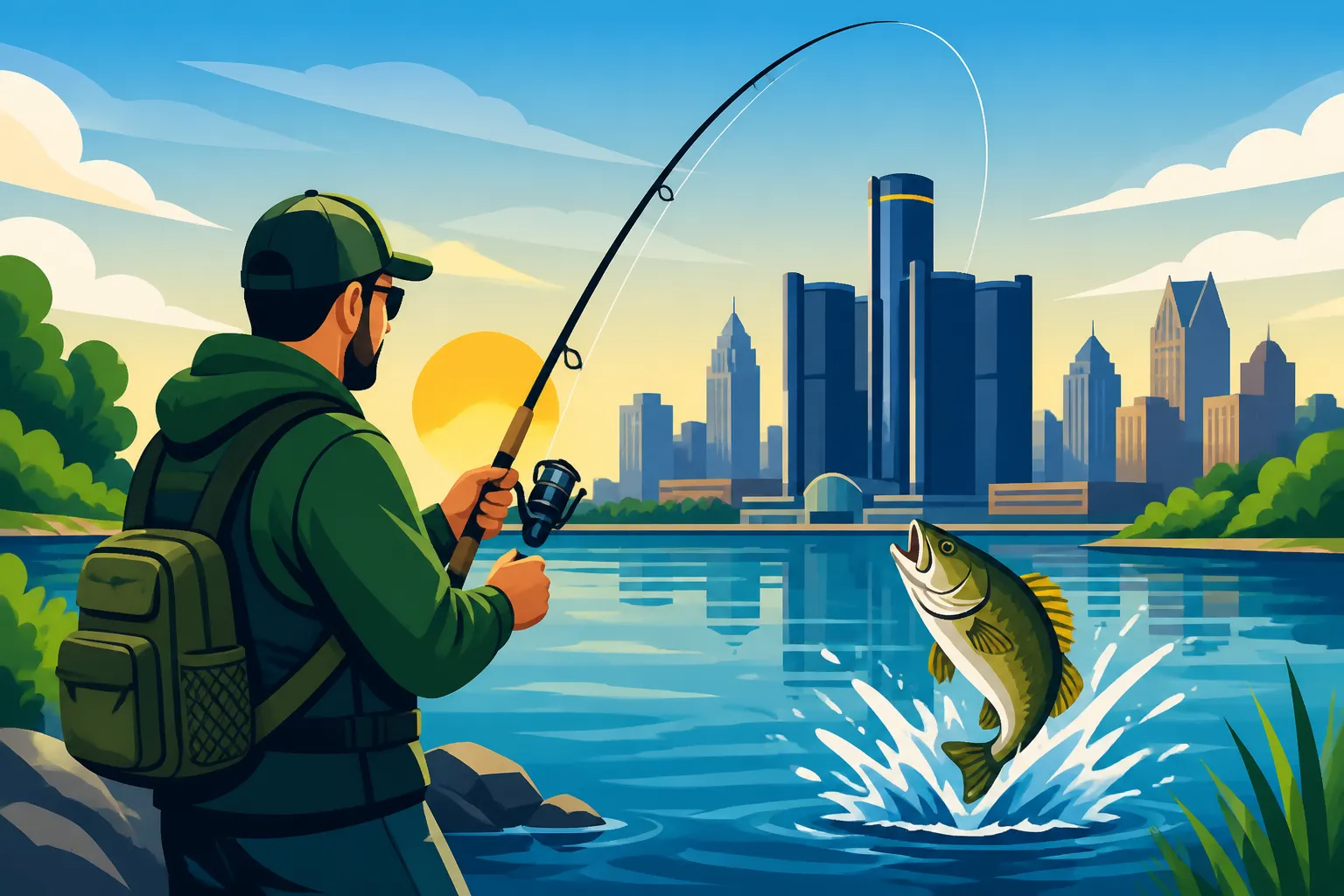
The Detroit River is a powerhouse fishery, an international waterway connecting Lake St. Clair to Lake Erie, and it's right on Detroit's doorstep. This river is renowned, particularly for its world-class walleye fishing, but it also boasts excellent populations of smallmouth bass, yellow perch, and even muskellunge. One of the best ways to experience it is by launching a boat from one of the many public ramps. Popular spots like the Detroit River International Wildlife Refuge or various city-owned launches offer easy access. However, if you're a shore angler, don't despair! Believe it or not, there are some prime areas where you can cast a line from land. The riverfront parks, especially those along Jefferson Avenue, often provide decent access, though you'll need to be mindful of regulations and private property.
Just north of Detroit lies Lake St. Clair, often referred to as the "Sixth Great Lake" due to its massive size and incredible fishery. This lake is legendary for its smallmouth bass, frequently hosting major tournaments, but also offers phenomenal fishing for muskellunge and yellow perch. For those without a boat, many public parks and marinas along the shoreline, particularly in communities like Harrison Township, St. Clair Shores, and Algonac, offer pier fishing or access to canals and bays. These spots can be incredibly productive, especially during spring and fall migrations. When looking for great yellow perch, many anglers target specific areas on Lake St. Clair where the weeds provide ample cover and food. You can find more detailed information on specific shore spots in resources like Detroit River Perch Fishing Spots and Lake St. Clair Smallmouth Bass Fishing.
What's truly amazing about fishing these urban waterways is the sheer variety. One day you might be jigging for a massive walleye on the Detroit River, the next you could be casting topwater lures for aggressive smallmouth bass on Lake St. Clair. If you're really looking for a challenge, Lake St. Clair is also one of the premier destinations for trophy muskellunge, offering a thrilling chase that few other fish can match. For dedicated muskie hunters, understanding the best techniques and spots is key, and you can explore this further in articles like Lake St. Clair Muskellunge Fishing. It's this accessibility to such diverse and high-quality fishing that makes the Detroit River and Lake St. Clair truly special for local anglers.
Local Parks and Ponds for Family Fishing
Sometimes, the best fishing isn't about landing a trophy, but about enjoying a peaceful afternoon with family, teaching a child to cast, or simply unwinding with a line in the water. For these moments, Detroit and its immediate suburbs offer a surprising number of local parks and ponds that are perfect. These smaller bodies of water are often stocked and provide excellent opportunities for catching panfish like bluegill, crappie, and sunfish, along with the occasional largemouth bass. They are typically much less intimidating than the vastness of the Great Lakes or a large river, making them ideal for beginners and young anglers.
Many Wayne, Oakland, and Macomb County parks maintain ponds that are open to public fishing. Places like Kensington Metropark's Kent Lake, which offers diverse species and ample shore access, or smaller neighborhood ponds found in various city parks, can be unexpectedly productive. These spots are fantastic because they often come with amenities like picnic areas, playgrounds, and restrooms, turning a fishing trip into a full family outing. The shallower, warmer waters of these ponds mean fish are often more active and easier to catch, boosting confidence for new anglers.
When fishing these local ponds, simplicity is often the key. A basic spinning rod and reel, some bobbers, small hooks, and a container of worms or crickets will often do the trick. Panfish are usually eager biters, providing steady action that keeps kids engaged. Before heading out, always check the specific park rules and state regulations, as some smaller ponds might have special catch limits or bait restrictions. It's also important to remember that while the state's fishing license requirements typically apply to most public waters, there are specific rules regarding age and licensing. For example, children under a certain age can fish without a license, making these local ponds an ideal training ground. Learn more about the rules for young anglers by checking out Do Kids Need a Fishing License in Michigan?. Many of these smaller bodies of water are excellent spots to target panfish species, which are known for their accessibility and fun fishing experience, as highlighted in guides like Michigan Panfish Species Guide.
Prime Fishing Destinations Just Beyond the City
While Detroit offers some fantastic urban angling, expanding your radius just a little can open up a whole new world of fishing opportunities. Within a reasonable drive, you can access some of Michigan's most celebrated fisheries, offering diverse experiences from trophy walleye runs to peaceful inland lake bass fishing. These spots are perfect for a day trip or a weekend getaway, providing a more immersive angling adventure.
Saginaw Bay and Lake Huron for Walleye and More
One of Michigan's true jewels for walleye fishing, and easily accessible from Detroit, is Saginaw Bay on Lake Huron. This expansive bay is often lauded as one of the best walleye fisheries in the entire country, and for good reason. It boasts an incredible population of fish, making it a reliable destination for anglers seeking limits of delicious walleye. The drive from Detroit is manageable, typically around 1.5 to 2 hours, making it a perfect day trip for dedicated walleye enthusiasts.
Saginaw Bay offers a variety of fishing experiences. During the spring, the inner bay and river mouths become hotbeds of activity as walleye move in to spawn. Later in the season, fish spread out across the bay, requiring different techniques like trolling with crankbaits or crawler harnesses. While walleye are the undisputed kings here, you can also find excellent fishing for yellow perch, particularly in the shallower, weedy areas. Many public access points and marinas around communities like Bay City and Au Gres provide ample opportunities for boat launches. For those without a boat, pier fishing or wading in certain shallower areas can still yield good results, especially during peak seasons. Saginaw Bay is particularly famous for its incredible walleye runs, and knowing the best times to visit can significantly increase your success. More detailed information can be found in resources like Saginaw Bay, Michigan, Walleye Fishing on Lake Huron and Saginaw Bay Walleye Fishing Spots.
If you're looking to maximize your chances, or want to learn the ropes from an expert, booking a charter on Saginaw Bay is a fantastic option. Local guides know the bay's nuances, the best baits, and the current hot spots. Companies like those listed on FishingBooker frequently offer charters out of Bay City and other Saginaw Bay ports, providing all the gear and expertise you need for a successful day. They can guide you through the techniques that are most effective, whether it's jigging, trolling, or drifting. Understanding the seasonal patterns is also crucial for walleye on Saginaw Bay; certain months offer distinct advantages. For instance, knowing Best Time to Fish Saginaw Bay for Walleye can dramatically improve your outing. Beyond walleye, the bay offers opportunities for smallmouth bass and northern pike in its various channels and tributaries, making it a versatile destination for different angling preferences.
Inland Lakes and Rivers for Diverse Angling
Beyond the Great Lakes system, Michigan's Lower Peninsula is dotted with thousands of inland lakes and rivers, many of which are within a reasonable driving distance of Detroit. These waters offer a refreshing change of pace and often provide excellent fishing for species like largemouth bass, smallmouth bass, northern pike, and a variety of panfish. Whether you're seeking the tranquility of a small, quiet lake or the challenge of a river system, there's likely an option that fits your preference.
Popular destinations like Lake Orion, Cass Lake, or Kent Lake (within Kensington Metropark, as mentioned earlier) are just a short drive from Detroit and offer diverse fishing. These lakes are well-known for their largemouth and smallmouth bass populations, often holding trophy-sized fish in their extensive weed beds, docks, and drop-offs. Anglers targeting pike will also find plenty of action, especially in lakes with abundant shallow cover. Many of these inland lakes also have strong panfish populations, providing consistent action for anglers of all skill levels. If you're wondering which inland lakes offer the best fishing, a great starting point is to check out lists like Michigan Inland Lakes Worth Fishing.
For river anglers, while the famous trout streams like the Au Sable or Manistee are a longer drive, several smaller rivers closer to Detroit can offer surprising results for bass, pike, and even carp. The Huron River, for example, which flows through parts of Washtenaw and Monroe counties, offers good fishing for smallmouth bass and northern pike in its deeper pools and stretches. Kayak or canoe fishing can be particularly effective on these smaller river systems, allowing you to access areas that larger boats cannot. When targeting species like northern pike, understanding their preferred habitats and baits is key. Many anglers find success using larger spoons, spinnerbaits, or live bait in and around weed beds and submerged structure. Exploring resources like Best Michigan Lakes for Northern Pike can provide insights into top pike destinations and techniques, further broadening your options.
| Fishing Spot | Primary Species | Best Season(s) | Typical Fishing Style | Proximity to Detroit (Est. Drive Time) |
|---|---|---|---|---|
| Detroit River | Walleye, Smallmouth Bass, Perch | Spring, Fall, Winter | Boat (jigging, trolling), Shore | 0-30 minutes |
| Lake St. Clair | Smallmouth Bass, Muskie, Perch | Spring, Summer, Fall | Boat (casting, trolling), Pier | 30-60 minutes |
| Local Ponds (e.g., Kensington Metropark) | Panfish, Largemouth Bass | Spring, Summer, Fall | Shore, Small Boat (bait, lures) | 30-60 minutes |
| Saginaw Bay (Lake Huron) | Walleye, Perch | Spring, Summer, Fall | Boat (trolling, jigging) | 1.5 – 2 hours |
| Inland Lakes (e.g., Lake Orion, Cass Lake) | Largemouth Bass, Smallmouth Bass, Pike, Panfish | Spring, Summer, Fall | Boat, Kayak, Shore (lures, bait) | 45-90 minutes |
Navigating Regulations and Gear for Detroit Area Fishing
Anytime you head out fishing in Michigan, especially in areas as diverse as those around Detroit, it’s absolutely critical to be well-versed in the local regulations and to have the right gear. Ignoring these two aspects can lead to a frustrating day on the water, or worse, a costly fine. Michigan has specific rules that protect its fisheries and ensure sustainable angling for everyone, and having the correct tackle can make all the difference in your success.
Understanding Michigan Fishing Licenses and Rules
Before you even think about casting a line, you need to make sure you have a valid Michigan fishing license. This isn't just a suggestion; it's a legal requirement for anyone 17 years of age or older fishing in public waters. The Michigan Department of Natural Resources (DNR) issues licenses, and there are different types for residents and non-residents, as well as various durations like annual, 24-hour, or even specific licenses for certain species. It’s a common point of confusion for many new anglers or visitors, and unfortunately, "I didn't know" isn't an excuse that will hold up. To avoid any issues, always purchase your license before heading out.
The easiest way to get your license is online through the Michigan DNR eLicense system, or via their DNR Hunt Fish app, which makes the process incredibly straightforward. You can also purchase them in person at authorized license retailers, bait shops, and some sporting goods stores across the state. It’s also crucial to understand that a Michigan fishing license year runs from March 1 to March 31 of the following year, so even if you bought one mid-season, it expires at the end of March. For comprehensive details on who needs a license and how to obtain one, be sure to read our detailed guide, Michigan Fishing License Guide for Residents and Nonresidents. Moreover, it's not just about the license itself; you need to be aware of the daily bag limits, minimum size requirements, and seasonal closures that apply to specific species and bodies of water. These rules can vary significantly from one lake or river to another, even within the Detroit area. Always consult the current Michigan Fishing Regulations Digest, which is available online as a PDF and at most license retailers. Familiarizing yourself with these nuances is paramount, which is why resources like Michigan Fishing Regulations Every Angler Should Know are indispensable.
For instance, the walleye size limit on Lake Erie (which the Detroit River flows into) might differ slightly from an inland lake. Smallmouth bass season might have different opening dates depending on the water body. Taking a few minutes to review the regulations for your specific fishing spot can save you a lot of headache. If you're planning on buying your license, checking out guides like How to Buy a Michigan Fishing License Online can help simplify the process. Michigan's fisheries are incredibly diverse and well-managed, but it’s up to each angler to do their part by following the rules.
Essential Gear and Techniques for Urban and Near-Urban Waters
Having the right gear doesn't mean you need to break the bank, but having appropriate tackle for the species and environment you're targeting is crucial. For much of the Detroit River and Lake St. Clair, especially when targeting walleye or smallmouth bass, a medium-light to medium-action spinning rod with a matching reel spooled with 8-12 lb test fluorocarbon or braided line is a versatile choice. This setup will handle jigs, crankbaits, and live bait rigs effectively. For those focusing on pier or shore fishing for yellow perch, a lighter panfish setup with small hooks and light line (4-6 lb test) will be more enjoyable and effective.
When fishing for muskellunge on Lake St. Clair, you'll need heavy-duty gear: stout rods, large baitcasting reels, and heavy braided line (80-100 lb test) to handle those massive fish and their powerful runs. Matching your lures to the species is also key. Walleye often respond well to jigs tipped with minnows or soft plastics, especially in current. Smallmouth bass are suckers for tube jigs, drop shots, and crankbaits that mimic crawfish or baitfish. For panfish in local ponds, simple bobber and worm setups are timelessly effective.
Beyond rods, reels, and lures, don't forget the essentials: a good pair of pliers for hook removal, a net (especially for larger fish like walleye or muskie to ensure a safe release), and a cooler with ice to keep your catch fresh. If you plan on doing a lot of shore fishing, particularly in areas along the Great Lakes or larger rivers, consider investing in waders and appropriate footwear. These can greatly expand your access and comfort. For those who are newer to specific techniques, or just want to learn from the best, hiring a local guide can be invaluable. Many guides operating on the Detroit River or Lake St. Clair specialize in certain species and provide all the necessary, high-quality gear. You can find many reputable guides on platforms like FishingBooker, who can teach you the nuances of techniques such as jigging for walleye or casting for smallmouth bass. If you're looking for more general guidance on rod and reel choices, check out Best Rods and Reels for Michigan Fishing. For those who prefer to fish from shore, knowing the specific techniques can significantly boost your success, as covered in Shore Fishing Techniques for Michigan's Great Lakes.
Making the Most of Your Detroit Area Fishing Adventure
Michigan’s fishing scene near Detroit is vibrant and offers something for every angler. To truly elevate your experience and ensure a memorable trip, consider leveraging local expertise and always prioritize responsible angling practices. These elements not only increase your chances of success but also contribute to the long-term health and enjoyment of our precious natural resources.
Hiring a Local Guide or Charter
Sometimes, the best way to cut the learning curve and truly experience a new fishery is by hiring a local guide or charter. This is especially true for complex, vast waters like the Detroit River, Lake St. Clair, or Saginaw Bay. These waterways have endless nuances – currents, bottom structures, seasonal fish movements, and specific techniques that can take years to master on your own. A seasoned guide brings years of experience and intimate knowledge of these waters directly to your trip. They know where the fish are biting, what they're biting on, and the best techniques to employ on any given day.
When you book a charter, you’re not just paying for a boat ride; you’re investing in expertise, safety, and a significantly higher chance of a successful outing. Most charters come equipped with top-of-the-line gear, bait, and often even handle the fish cleaning afterward. This takes away all the guesswork and allows you to focus purely on the joy of fishing. For instance, if you're targeting trophy walleye on Saginaw Bay, a walleye charter captain will have specialized trolling equipment, GPS, and sonar to put you directly on the fish. For smallmouth bass on Lake St. Clair, a bass guide can introduce you to advanced casting techniques and local hot spots that would be impossible to find without their guidance.
Platforms like FishingBooker are excellent resources for finding and booking reputable fishing guides and charters in the Detroit area. You can browse different captains, read reviews, see their specialties, and find the perfect match for your desired fishing adventure. This is particularly beneficial for out-of-state visitors or those new to the region, as it provides a trusted way to connect with local professionals who can ensure a safe and productive day on the water. Whether it's your first time out or you're a seasoned angler looking to learn new tricks, a charter can be an invaluable part of your Detroit area fishing experience, turning a good day into an unforgettable one.
Respecting the Environment and Local Communities
As anglers, we are stewards of the natural environment, and it’s our responsibility to ensure that our passion doesn't negatively impact the very resources we cherish. When fishing near Detroit, or anywhere in Michigan for that matter, practicing responsible angling is paramount. This starts with proper trash disposal. Pack out everything you pack in, including fishing line, bait containers, and food wrappers. Littering not only spoils the natural beauty but can also be harmful to wildlife.
Beyond keeping our fishing spots clean, respecting catch limits and size regulations is critical for sustainable fisheries. These rules are put in place by the Michigan DNR based on scientific data to ensure healthy fish populations for future generations. Taking more than your legal limit, or keeping undersized fish, undermines these conservation efforts. If you practice catch and release, do so carefully, minimizing stress on the fish. Use appropriate tools like a net to land fish gently, and handle them with wet hands to protect their slime coat.
Finally, always be mindful and respectful of local communities and private property. Many urban and near-urban fishing spots are adjacent to residences or businesses. Avoid trespassing, be courteous to other anglers and local residents, and keep noise levels down, especially during early morning or late evening hours. Parking legally and responsibly also goes a long way. By acting as responsible ambassadors for the angling community, we ensure that these fantastic fishing spots near Detroit remain accessible and enjoyable for everyone for years to come. Remember, a thriving fishery depends on all of us playing our part responsibly, ensuring the natural beauty and abundance that Michigan offers are preserved.
Disclaimer
The information provided in this guide is for general informational purposes only and does not constitute legal advice. Fishing regulations in Michigan are subject to change, and it is the responsibility of each individual angler to consult the latest Michigan Department of Natural Resources (DNR) fishing guide and local regulations before heading out. Always prioritize safety, check weather conditions, and be aware of your surroundings when fishing.