Best Lake Michigan Piers for Salmon Fishing
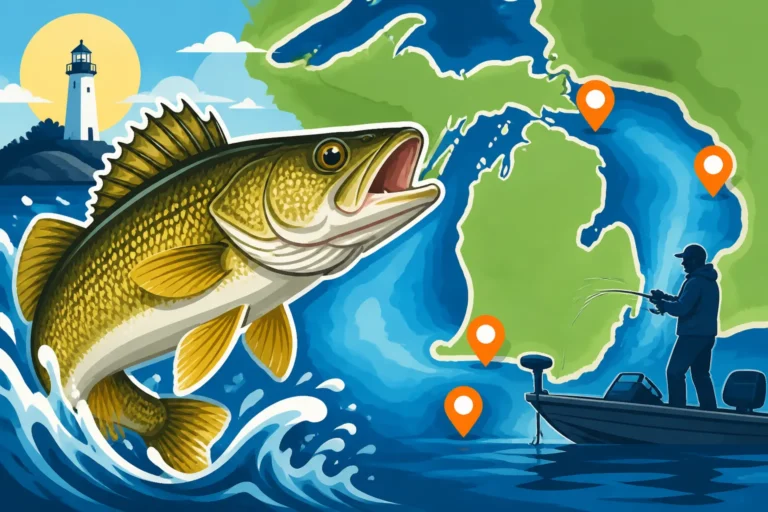
Finding the perfect spot to land a powerful salmon from shore can feel like searching for a needle in a haystack on a massive body of water like Lake Michigan. Many anglers, especially those without boats, face the real frustration of wanting to experience the thrill of a Great Lakes salmon fight but aren't sure where to start. This comprehensive guide will walk you through the very best Lake Michigan piers renowned for salmon fishing, helping you pinpoint the prime locations and equip you with the knowledge to make your next angling adventure a successful one.
The Allure of Lake Michigan Pier Fishing for Salmon
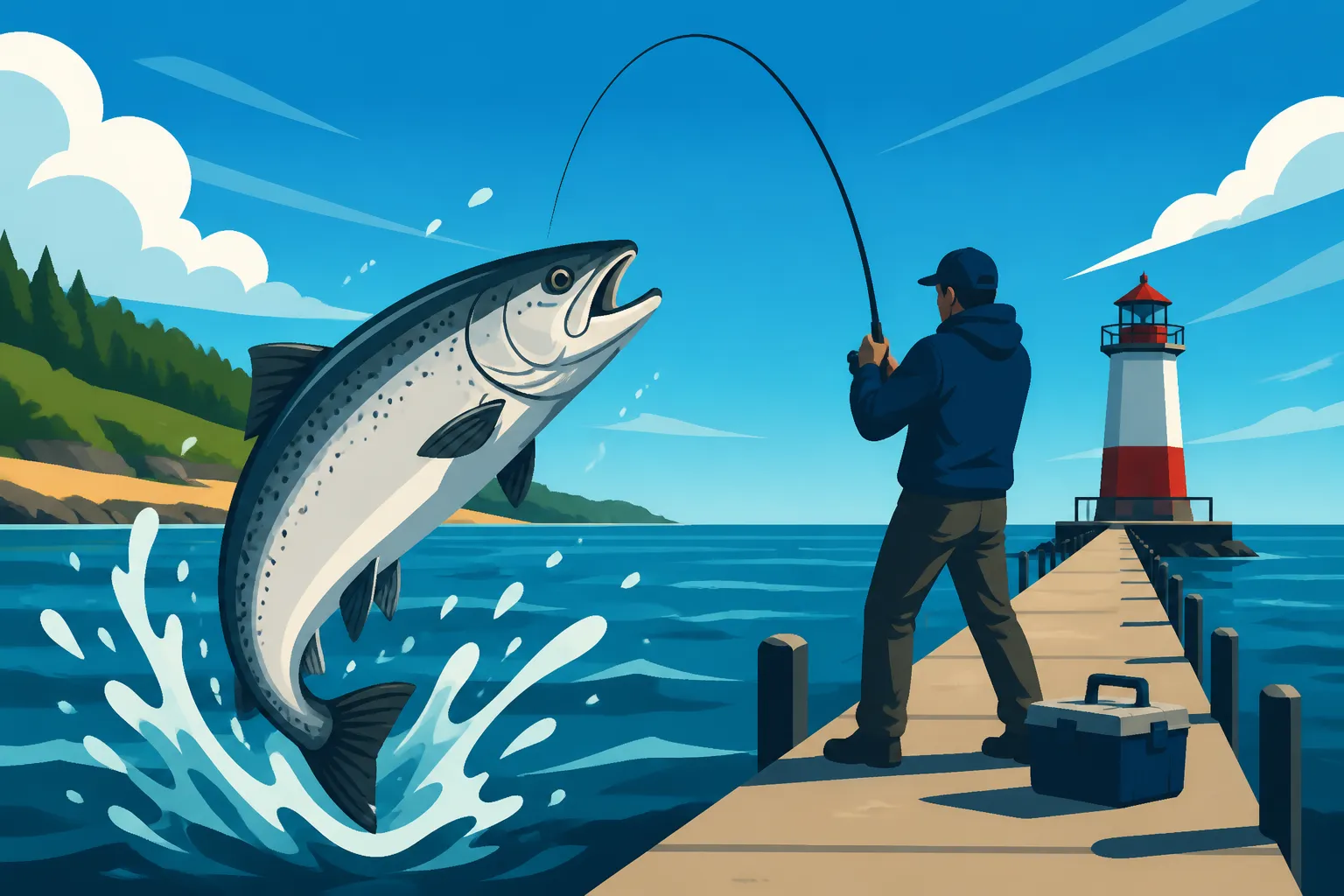
There's something incredibly special about battling a strong Chinook or Coho salmon from the stability of a pier, feeling that raw power on the end of your line. For many, pier fishing represents the most accessible way to tap into the phenomenal salmon fishery that Lake Michigan offers, a true blessing for those of us who might not own a fully-rigged fishing boat. It's a unique intersection of convenience and the pursuit of trophy fish, a combination that makes these concrete and stone structures absolute hotspots during the right times of the year.
Unmatched Accessibility for Anglers
One of the biggest advantages of pier fishing, particularly for salmon, is the sheer accessibility it provides. You don't need a boat, an expensive charter, or specialized offshore gear to get in on the action. Most Lake Michigan piers are open to the public, offering free or low-cost access, and are often located near amenities like parking, restrooms, and bait shops. This makes them ideal for anglers of all skill levels, from seasoned veterans who appreciate the shore-bound challenge to families looking for a fun and exciting day out. Imagine rolling up with your gear, finding a prime spot, and being moments away from potentially hooking into a chrome-bright king salmon – that's the pier fishing dream! It's a fantastic entry point for anyone curious about Michigan's Great Lakes Fishing Guide, allowing you to experience the vastness of the lake without needing to launch a vessel.
The convenience extends to spontaneous trips as well. If you suddenly get the urge to fish and the weather looks promising, a pier is often just a short drive away, allowing you to quickly get your line in the water. This contrasts sharply with the planning and logistics involved in boat fishing, which often requires significant preparation. For those who enjoy the social aspect of fishing, piers also tend to attract a community of anglers, offering opportunities to share tips, celebrate catches, and simply enjoy the camaraderie of fellow enthusiasts. Sometimes, just seeing what others are catching or the techniques they're using can be an education in itself.
Decoding the Salmon Migration near Shorelines
Salmon, specifically Chinook (King) and Coho (Silver) salmon, are migratory fish that spend most of their lives in the deeper, cooler waters of Lake Michigan. However, as their spawning season approaches, typically from late summer into fall, these powerful fish begin to move closer to shore and into the mouths of rivers and harbors, making them prime targets for pier anglers. This is when the magic happens on the piers. They're driven by an ancient instinct to return to the rivers where they were stocked or born, and these piers often act as natural funnel points along their journey.
The timing of these runs is absolutely critical, and understanding Michigan Fishing Season Dates and Rules will be your best friend. As temperatures begin to drop in late August and September, the cooler nearshore waters and river currents signal to the salmon that it's time to migrate. They'll stage outside river mouths, sometimes congregating in massive schools, waiting for the perfect conditions (like rain-swollen rivers) to make their final push upstream. Piers, extending out into the lake or hugging river channels, place anglers directly in the path of these migrating fish. You're not just casting into open water; you're often casting into a natural pathway that thousands of salmon will use.
Premier Piers on Lake Michigan for Salmon Fishing
Michigan boasts an impressive coastline along Lake Michigan, dotted with numerous piers that become salmon hotspots during the fall. While many piers see some action, a few consistently stand out as prime locations, offering better access and more consistent bites. Knowing which piers to target can significantly increase your chances of success.
Ludington's North Breakwater Pier
Ludington is practically synonymous with salmon fishing in Michigan, and its North Breakwater Pier is a legendary spot. Extending far out into Lake Michigan, this pier provides excellent access to deep water where salmon stage before entering the Pere Marquette River. The pier is a long walk, but the effort can be well worth it, especially during the peak fall run for Chinook and Coho salmon. Anglers here often use long rods to cast spoons, crankbaits, or spawn bags out into the deeper channels.
The pier's length allows for access to various depths, and currents can play a significant role. Pay attention to how the water moves, as salmon will often hold in seams or eddies. Early mornings and late evenings tend to be the most productive times, mirroring the active feeding periods of salmon. You'll often see anglers lined up, casting in unison as a school of fish moves through. It's a communal experience, where a hook-up often leads to cheers and advice from your fellow anglers.
Manistee's Iconic North Pier
Similar to Ludington, Manistee is another Great Lakes fishing town renowned for its salmon and steelhead. The Manistee North Pier provides fantastic opportunities for pier anglers targeting salmon headed for the Manistee River. This pier also extends a considerable distance into the lake, offering access to deeper waters and providing a clear path for migrating salmon. The channel near the pier mouth can be particularly productive.
Anglers at Manistee often have success with spoons, particularly bright colors like orange, chartreuse, or silver, mimicking baitfish. As with Ludington, long rods are common to achieve maximum casting distance. Don't be surprised to see fish caught right alongside the pier as well, especially if the water is deep enough. This pier is also known for its strong currents, so heavier spoons or lures might be necessary to get down to the fish. The Manistee River is one of the Best Rivers for Trout and Steelhead in Michigan, and the pier is the gateway for these incredible fish as they transition from the lake.
Grand Haven's Bustling Piers
Grand Haven offers a unique pier fishing experience with both a city pier and a longer south pier extending into Lake Michigan. The proximity to the Grand River means these piers are prime locations for salmon staging before their push upstream. The Grand Haven area is easily accessible and often bustling with activity, offering a vibrant atmosphere for anglers.
The City Pier, closer to town, can be a great spot, especially in the early morning or late evening. The longer South Pier, extending alongside the breakwater, often produces excellent results as well. Anglers here successfully use a variety of techniques, including casting spoons, drifting spawn under bobbers, or even bottom fishing with bait. The key is to find where the fish are holding, which can vary day by day based on water temperature, current, and wind. If you're looking for an active, social fishing scene, Grand Haven is definitely one to consider.
St. Joseph's North Pier and Lighthouse
Down in the southwestern corner of Michigan, St. Joseph offers fantastic pier fishing opportunities, especially at its North Pier and lighthouse. This pier extends out into Lake Michigan at the mouth of the St. Joseph River, a known hotspot for salmon and steelhead. The scenic backdrop of the lighthouse only adds to the experience.
The St. Joseph pier is well-regarded for its Coho salmon runs in late summer and early fall, though Chinook salmon are also frequently caught. Casting spoons and crankbaits are popular choices here, especially during those low-light hours. You might also find success using slip bobbers with spawn or shrimp when the fish are holding in the channel. Given the river's reputation, this pier is a consistent performer for anglers seeking a memorable salmon battle.
Holland State Park Pier
Holland State Park is famous for its beautiful beaches and iconic "Big Red" lighthouse, but it also features an excellent pier that provides access to the salmon fishery. Located at the mouth of Lake Macatawa, which connects to Lake Michigan, this pier is a great spot for targeting both Chinook and Coho salmon as they stage before entering the inner lake and river system.
The pier at Holland offers a slightly different dynamic, as it's positioned to intercept fish moving into the calmer waters of Lake Macatawa. Anglers often find success casting spoons and body baits, paying close attention to the currents around the pier. The area can get quite busy, especially on weekends, so arriving early is often beneficial to secure a good spot. It’s a picturesque location, making for a pleasant fishing trip even if the bites are slow.
Gearing Up and Getting Bites: Pier Salmon Strategies
Landing a powerful salmon from a pier isn't just about showing up; it requires the right gear and a solid understanding of effective techniques. These fish are strong, fast, and will test your tackle, so being prepared is paramount. You want to maximize your chances and avoid losing that fish of a lifetime due to inadequate equipment or improper methods.
Selecting the Right Rod, Reel, and Line
For pier salmon fishing, you'll generally want a long, medium-heavy to heavy action spinning rod, typically between 8 to 11 feet in length. The extra length is crucial for two reasons: it allows for longer casts, reaching those deeper staging areas, and it provides better leverage and line control when fighting a powerful fish, especially in strong currents or when trying to steer a fish around other lines or pier pilings. Look for something like a Fenwick HMG or a St. Croix Eyecon series rod.
Pair your long rod with a robust spinning reel in the 4000 to 6000 size range, capable of holding plenty of line and featuring a smooth, reliable drag system. Brands like Shimano (e.g., a Stella or Stradic) or Daiwa (e.g., a BG or Saltist) offer excellent options known for their durability and performance. Spool your reel with 20 to 30 lb braided line, which offers superior casting distance and sensitivity. Top that off with a 15 to 25 lb fluorocarbon leader, about 3 to 5 feet long, which provides abrasion resistance and stealth. The leader is critical when the water is clear, as salmon can be surprisingly line-shy. Check out our guide on Best Rods and Reels for Michigan Fishing for more in-depth recommendations.
Essential Baits and Lures for Pier Salmon
When it comes to enticing Lake Michigan salmon from a pier, a variety of baits and lures can be highly effective:
- Spoons: These are perhaps the most popular and versatile lures. Classic casting spoons like the Little Cleo, Krocodile, or Dardevle in sizes ranging from 3/4 to 1.5 ounces are deadly. Colors like silver, chartreuse, orange, blue/silver, or green/silver are all great choices, especially when retrieved with an erratic retrieve to mimic a wounded baitfish.
- Crankbaits/Stickbaits: Larger diving crankbaits or stickbaits, such as those from Rapala (J-13, Deep Tail Dancer) or Bomber (Long A), can be very effective, particularly in low-light conditions or when fished slowly. These mimic larger baitfish and can provoke aggressive strikes.
- Spawn Bags: Fresh salmon or steelhead eggs tied into small mesh bags (spawn bags) are incredibly potent, especially when fish are staging. These are usually fished under a slip bobber or drifted along the bottom. The natural scent and appearance can be irresistible.
- Minnows/Alewives: Live or dead baitfish, like alewives or smelt, can be rigged on a treble hook and fished under a large bobber or on the bottom. Check local regulations on baitfish use first.
- Jigs: Heavy jigs tipped with soft plastics (like Gulp! minnows) or a piece of cut bait can be effective when bounced along the bottom, especially if salmon are holding deeper near the pier structure.
Experimentation is key, as salmon preferences can change daily. Having a tackle box stocked with a good variety of these options will keep you prepared for whatever the fish are biting on.
Mastering Pier Fishing Techniques
Pier fishing for salmon involves a few core techniques, often adapted to the specific conditions of the pier and the activity of the fish:
- Casting and Retrieving Lures: This is the most common method. Cast your spoon or crankbait as far as you can, allowing it to sink to the desired depth. Then, retrieve it with a varied cadence – pauses, jerks, and changes in speed can often trigger strikes. Pay attention to the swing of the lure in the current as well, as salmon often hit as it changes direction.
- Bobber Fishing with Bait: When salmon are holding closer to the pier or in the river channels, a slip bobber rig with a spawn bag or live minnow can be incredibly effective. Set your bobber stop to suspend your bait at the depth where you believe the fish are. The bobber will signal the bite, and its movement in the current can give your bait a natural presentation. This technique is particularly good for Coho salmon.
- Bottom Bouncing/Drifting: For fish holding tight to the bottom, especially in areas with a distinct channel, a three-way swivel rig or a Carolina rig can be used to drift bait or a jig along the bottom. The goal is to keep your bait in the "strike zone" near the bottom where salmon might be resting or feeding. This is often an effective Shore Fishing Techniques for Michigan's Great Lakes, allowing you to cover various depths.
- Reading the Water: Look for signs of fish, such as jumpers, boils, or even subtle changes in water color or current. Observe other anglers – what are they catching, and what are they using? The fish often move in schools, so if one person hooks up, others might follow shortly after. Knowing when to be patient and when to move to a different spot on the pier is crucial.
Best Times to Hit the Piers for Michigan Salmon
Timing is arguably the most critical factor in successful pier salmon fishing. You can have the best gear and perfect technique, but if the salmon aren't there, you won't catch them. Understanding the seasonal and daily patterns of salmon migrations will dramatically increase your chances.
Seasonal Salmon Runs and Species Focus
Michigan's Great Lakes salmon fishing is largely a fall affair, though some action can be found earlier.
- Chinook Salmon (King Salmon): The primary target for many pier anglers. Their peak run typically begins in late August, intensifies through September, and can extend into early October. This is when the largest fish, sometimes exceeding 20 pounds, are moving into staging areas. You'll want to review Michigan Salmon Species Explained to better understand their life cycles and movements. These powerful fish offer an incredible fight, and the sheer size is what many anglers dream of.
- Coho Salmon (Silver Salmon): Coho runs often overlap with Chinooks but can start a bit earlier in mid-August and sometimes extend later into October. They are generally smaller than Chinooks but are incredibly feisty fighters. They tend to prefer cleaner, shallower water and can be particularly active during cooler weather.
- Steelhead (Rainbow Trout): While not technically salmon, steelhead are often found following the salmon runs. As salmon spawn and die, their eggs provide a rich food source for steelhead. The fall steelhead run can kick off in late September and continue through the winter, offering a fantastic bonus catch for pier anglers. This is when you might see more success with spawn bags or beads. Understanding the Michigan Steelhead Run Timing can inform your late-season pier trips.
For more precise timing, checking local fishing reports and forums is invaluable. Conditions vary year to year, and local knowledge will always be your best resource. If you're planning a trip from afar, consider checking out resources like FishingBooker to connect with local guides who can offer up-to-the-minute insights on conditions and fish activity, even if you’re fishing from shore.
Daily Windows and Weather Wisdom
Even within the peak season, certain times of day and specific weather conditions can greatly influence salmon activity near the piers.
- Low Light Conditions: Early mornings (dawn) and late evenings (dusk) are almost universally the best times for salmon fishing from piers. Salmon are often more active feeders and less wary in low light. This is when they're most likely to move inshore and strike lures aggressively. Many dedicated pier anglers will be out before the sun rises, ready to make their first cast as the sky begins to lighten.
- Overcast Days: Overcast or cloudy days can extend these productive low-light conditions throughout the day, making mid-day fishing more viable than on bright, sunny days.
- Wind and Waves: A light chop or moderate wave action can be beneficial, as it breaks up the water surface and can make salmon feel more secure closer to shore. However, excessively strong winds and large waves can make fishing difficult and even dangerous, so always prioritize safety. A slight easterly wind can sometimes push baitfish, and thus salmon, closer to the piers.
- Rain Events: A good rain can trigger salmon to move into the river systems, which means they'll be staging even more heavily near the pier mouths. A rising river often signals the final push for these fish, creating a frenzy of activity.
Being flexible with your schedule and monitoring local weather forecasts will help you choose the most opportune times for your pier fishing excursions. Remember, fishing is an outdoor activity, and conditions change rapidly. Sometimes, the most unexpected weather can lead to the most memorable catches!
Here's a quick reference for some of the best Lake Michigan piers for salmon, highlighting their primary targets and peak seasons:
| Pier Name | Primary Target Species | Peak Season for Salmon | Key Features / Notes |
|---|---|---|---|
| Ludington North Breakwater | Chinook, Coho Salmon, Steelhead | Late Aug – Early Oct | Very long pier, access to deep water, strong currents. |
| Manistee North Pier | Chinook, Coho Salmon, Steelhead | Late Aug – Early Oct | Iconic pier, good access to Manistee River mouth. |
| Grand Haven City & South Piers | Chinook, Coho Salmon, Steelhead | Late Aug – Mid Oct | Bustling location, access to Grand River. |
| St. Joseph North Pier | Coho, Chinook Salmon, Steelhead | Mid Aug – Late Oct | Scenic lighthouse, great for Coho runs. |
| Holland State Park Pier | Chinook, Coho Salmon | Late Aug – Early Oct | Access to Lake Macatawa mouth, can be busy. |
Disclaimer
The information provided in this guide is for general informational purposes only and should not be considered legal advice regarding fishing regulations. Michigan fishing regulations, including licensing, bag limits, and season dates, can change frequently. Always consult the latest Michigan Fishing Regulations Digest published by the Michigan Department of Natural Resources (DNR) or visit their official website before heading out to fish. It is the angler's responsibility to know and follow all applicable laws and regulations. Fishing conditions, including fish presence and biting activity, are subject to natural variables and cannot be guaranteed.