Saginaw Bay Walleye Fishing Spots
Feeling overwhelmed by the vastness of Saginaw Bay, wondering where those elusive walleye are hiding? It's a common dilemma, as this expansive body of water can feel like finding a needle in a haystack if you don't know where to start. This guide is dedicated to demystifying Saginaw Bay, equipping you with the knowledge to pinpoint prime walleye fishing spots, understand their seasonal movements, and employ the most effective techniques to fill your livewell.
Understanding Saginaw Bay's Walleye Habitat
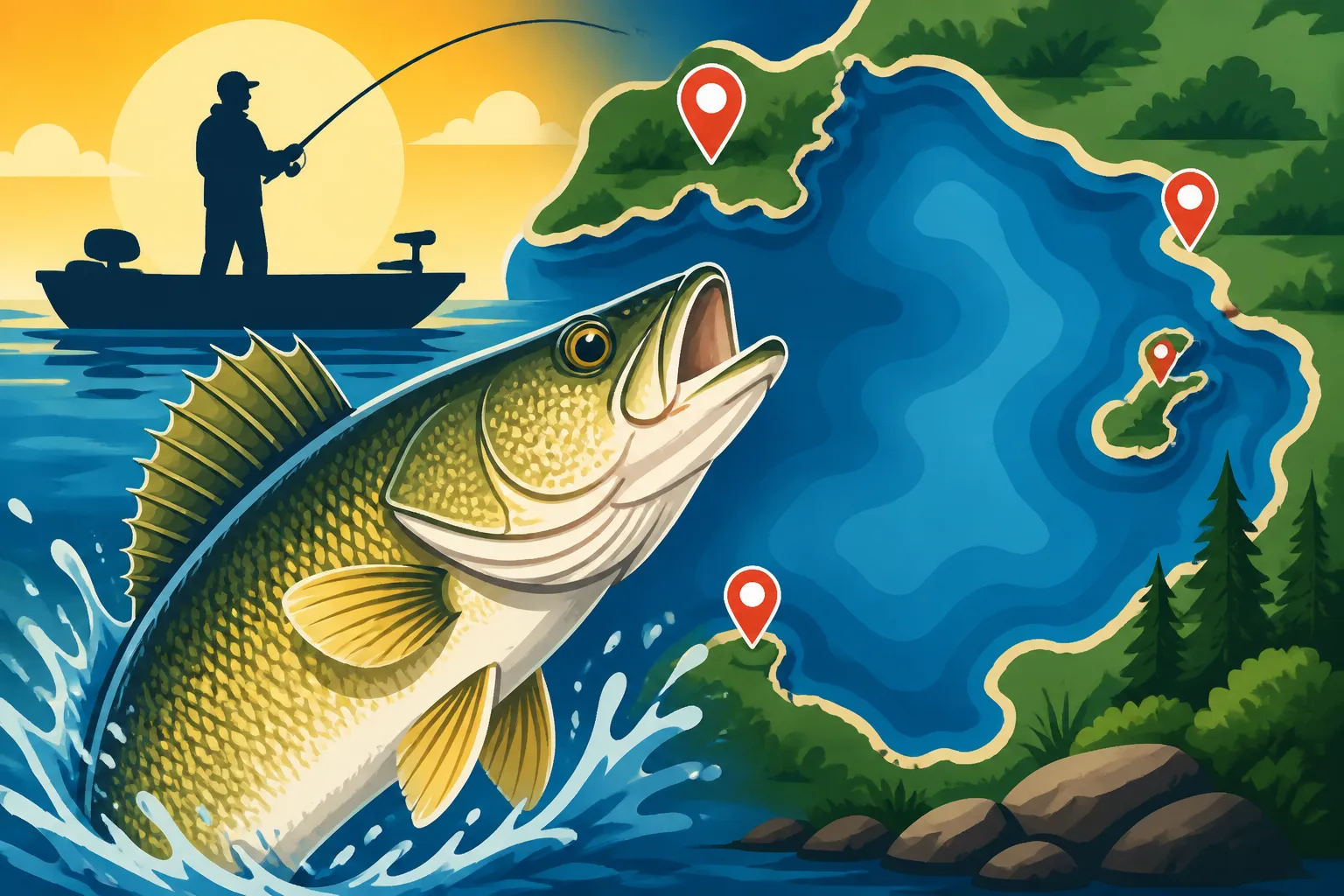
Saginaw Bay, a large, shallow inlet of Lake Huron, is renowned as one of the premier walleye fisheries in the entire Midwest. Its unique geography, nutrient-rich waters, and diverse forage base create an ideal environment for walleye to thrive, but also present a vast canvas for anglers to navigate. Knowing the fundamental characteristics of this habitat is the first step toward consistent success.
The Bay's Geography and Water Characteristics
Imagine a massive, shallow dish, gradually deepening as it opens into Lake Huron – that's essentially Saginaw Bay. The bay itself is relatively shallow, with many areas of the inner bay averaging 10-20 feet, though deeper channels and holes exist, especially near river mouths and in the outer bay. This shallowness means water temperatures can fluctuate more quickly with air temperature, influencing walleye behavior throughout the seasons. The bottom composition varies from soft, mucky areas in the inner bay to more sandy and gravelly stretches as you move towards the main lake. This diverse substrate provides different types of habitat for both the walleye and their prey.
Visibility in Saginaw Bay can range from stained and murky, especially after heavy rains or in the inner bay, to clearer conditions in the outer bay, closer to Lake Huron. This water clarity dictates everything from lure color choices to the speed you might troll. During periods of high turbidity, walleye rely more on their lateral line and scent, whereas in clearer water, visual presentation becomes more critical. Understanding these nuances is crucial; a spot that's hot one week might be cold the next simply due to a change in water clarity or temperature.
Forage Base and Walleye Behavior
What do walleye eat in Michigan lakes? The answer is key to finding them. Saginaw Bay boasts an incredibly rich and diverse forage base, which is a significant factor in its reputation as a walleye mecca. The primary food sources for walleye here include emerald shiners, gizzard shad, yellow perch, and various other baitfish species. The abundance and distribution of these prey items directly influence where walleye will congregate. For example, during summer, large schools of shiners or shad might be found suspended over deeper flats, and you can bet the walleye won't be far behind. Knowing the baitfish migration patterns throughout the year is like having a secret map to the walleye's dinner table.
Walleye behavior is intrinsically linked to this forage. They are opportunistic predators, often found near structures where baitfish seek refuge, or along contours that act as ambush points. In the inner bay, you might find them cruising along weed lines or submerged rock piles, while in the outer bay, they could be relating to deep water reefs or shipping channels. Understanding that walleye are constantly on the move, following their food and reacting to environmental changes, means anglers must be adaptable. It’s not just about finding a spot, but understanding why walleye are in that spot at that particular time, based on what they're hunting.
Top Walleye Fishing Hotspots in Saginaw Bay
Saginaw Bay is expansive, and trying to cover it all without a game plan can lead to frustration. While walleye can be found throughout the bay, certain areas consistently produce, acting as natural magnets for these prized game fish. Understanding these key areas and their characteristics will dramatically improve your chances of success.
Inner Bay Productive Areas
The inner reaches of Saginaw Bay, generally west of the "Spark Plug" lighthouse line, are often shallower and more prone to warmer water temperatures and slightly murkier conditions, especially earlier in the season. Despite this, they hold some incredibly productive walleye waters. Areas near the mouths of rivers like the Saginaw, Kawkawlin, and Pinconning are phenomenal in the spring during the post-spawn period, as walleye disperse from their spawning grounds to feed aggressively. Look for shallow flats, often in the 8-15 foot range, particularly those with a bit of structure like subtle humps, sandbars, or isolated rock piles.
A prime example is the vast flat extending from Bay City north towards Pinconning. Here, anglers often find success trolling shallow-diving crankbaits or even casting jigs. The shallower water heats up faster, kickstarting the walleye's metabolism. These areas are also excellent for yellow perch, which are a key food source for walleye. Keep an eye on your fishfinder for baitfish schools and isolated clusters of walleye relating to these subtle bottom changes. Even though the inner bay might not have dramatic depths, subtle changes in depth of even a few feet can concentrate fish.
Outer Bay and Connection to Lake Huron
As you move further out into Saginaw Bay, past the "Spark Plug" and towards the connection with Lake Huron, the water generally becomes deeper and clearer. This outer bay environment offers different types of structure and fishing opportunities, particularly as the season progresses into summer and fall. Deep-water reefs, pronounced ledges, and shipping channels become significant holding areas for walleye, especially when they seek cooler water during the hottest months. Places like Big Charity Island and Little Charity Island, along with the numerous shoals and reefs surrounding them, are legendary for their walleye populations. These areas provide excellent structure and current breaks, which walleye love.
Trolling with deeper diving crankbaits or using bottom bouncers with crawler harnesses are popular and effective methods here. The connection to Lake Huron also means a greater influx of open-water baitfish and often clearer water, necessitating different lure colors and presentations compared to the inner bay. Many anglers find the larger, more aggressive walleye in these outer bay locations. If you're looking to target these bigger fish, venturing further out is often worth the trip. Consider booking a trip with a reputable charter service, many of which can be found via platforms like FishingBooker, to learn the ropes of these offshore areas.
River Mouths and Tributaries
The rivers feeding into Saginaw Bay are critically important for the walleye fishery, acting as spawning highways and providing essential nutrients. The Saginaw River, being the largest, sees massive walleye runs in the spring. Other significant tributaries include the Kawkawlin River, Pine River, Sebewaing River, and the Quanicassee River. During the pre-spawn and spawning periods (typically March and April), walleye congregate heavily in these river systems and immediately at their mouths. This is a fantastic time for shore fishing or boat fishing, targeting staging fish.
Once spawning is complete, these river mouths continue to be important as walleye slowly migrate back into the bay, often lingering in the fertile waters where currents bring abundant food. You'll find fish along current breaks, deeper holes, and any available structure. Casting jigs with soft plastics or live bait, or slow-trolling with small crankbaits, can be incredibly effective. Remember, when fishing these river mouth areas, always check the latest Michigan fishing regulations every angler should know, as specific rules for rivers can differ from the main bay. The concentration of fish in these areas can be incredible, making them prime targets for anglers seeking fast action.
Seasonal Strategies for Saginaw Bay Walleye
Walleye fishing on Saginaw Bay is a year-round affair, but success hinges on understanding the distinct seasonal patterns of these fish. Their behavior, preferred locations, and feeding habits change dramatically from spring through winter, demanding adaptable strategies from anglers.
Spring Spawning Runs and Post-Spawn Patterns
Spring is arguably the most anticipated season for Saginaw Bay walleye anglers. As ice melts and water temperatures rise, walleye begin their annual migration up the bay's tributary rivers, most notably the Saginaw River, to spawn. This pre-spawn period, usually in March and early April, sees massive numbers of fish concentrating in the lower stretches of rivers. Anglers target these staging fish using a variety of methods, including jigging with soft plastics or minnows, and drifting live bait. It's a high-energy time when catching your daily limit can happen quickly.
Once spawning is complete (typically by late April to early May), walleye begin to drop back into the bay. This post-spawn period is characterized by aggressive feeding as the fish recover. They'll often spread out onto the shallow inner bay flats, congregating around areas where baitfish are abundant and the water warms quickly. This is when trolling with shallow-diving crankbaits like Rapala Shad Raps or Bandit Walleye Deep Divers becomes incredibly effective. The key is to cover water until you locate schools of actively feeding fish. Understanding these movements is crucial for success during the Michigan spring fishing season guide.
Summer Deep Water and Night Fishing Tactics
As Michigan's summer heat sets in, Saginaw Bay walleye will often seek out cooler, deeper water, especially during the brightest parts of the day. This typically means moving further into the outer bay, targeting depths of 20-30 feet or more around structures like the Charity Islands, the shipping channel, or various deep reefs and humps. Trolling remains a dominant strategy, but anglers will switch to deeper-diving crankbaits or employ techniques like bottom bouncing with crawler harnesses. The best time of day to catch walleye can shift during summer, with dawn and dusk often being most productive as fish move shallower to feed.
Night fishing techniques for walleye also come into their own during the summer months. Walleye are highly light-sensitive, and the cover of darkness often makes them bolder and more willing to venture into shallower feeding grounds. Anglers might drift or slow-troll lit crawler harnesses or dark-colored crankbaits over flats that were barren during the day. The absence of boat traffic and the cooler temperatures can make for an incredibly peaceful yet productive experience. Always remember to prioritize safety when night fishing, ensuring you have proper navigation lights and safety gear.
Fall Migrations and Feeding Frenzies
Fall on Saginaw Bay is another prime time for walleye fishing, marked by a pre-winter feeding frenzy. As water temperatures begin to drop, walleye become incredibly active, fattening up for the colder months. They will often migrate back towards the inner bay and river mouths, shadowing schools of baitfish that are also moving. This period can offer some of the year's best fishing, with both numbers and size of fish often impressive.
Techniques mirror those used in spring and summer, but with a renewed emphasis on covering water and adapting to rapidly changing conditions. Trolling crankbaits, casting jigs, and using crawler harnesses are all effective. Look for walleye to congregate along transitional zones – areas where deep water meets shallower flats, or where currents create eddies and food traps. This intense feeding behavior continues until ice-up, making fall a favorite season for many experienced Saginaw Bay walleye anglers. It's a final push of action before the ice fishing season begins.
Essential Gear and Techniques for Success on Saginaw Bay
Saginaw Bay walleye fishing can be incredibly rewarding, but it demands the right tools and a solid understanding of effective techniques. From selecting your rod and reel to choosing the perfect lure, having your gear dialed in will make a significant difference in your catch rates.
Recommended Rods, Reels, and Line
For Saginaw Bay walleye, versatility is key. Most anglers will employ spinning or baitcasting setups, depending on their preferred technique.
- Rods: A good all-around rod for trolling crankbaits would be a medium-heavy power, moderate-fast action rod, typically 7 to 8 feet long. The length helps spread lines in a trolling spread and offers good leverage. For jigging or casting, a medium-light to medium power, fast action rod between 6'6" and 7'6" is ideal for sensitivity.
- Reels: Matching your rod, a size 2500-3000 spinning reel or a low-profile baitcasting reel with a smooth drag system is generally sufficient. These sizes offer a good balance of line capacity and comfortable handling.
- Line: For trolling applications, 10-15 lb monofilament or fluorocarbon is common for its stretch and knot strength, especially when using planer boards. Some anglers prefer superlines (braid) for increased sensitivity, often with a fluorocarbon leader. For jigging, 8-10 lb braided line with a 6-8 lb fluorocarbon leader provides excellent feel for subtle bites. Understanding what line weight for Michigan steelhead is also transferable knowledge if you're targeting those species in rivers connected to the Great Lakes.
Best Baits, Lures, and Rigs
The walleye in Saginaw Bay can be picky, so a diverse tackle box is essential.
- Crankbaits: These are arguably the most popular choice for trolling. Brands like Bandit, Rapala (Shad Raps, Husky Jerks, Deep Tail Dancers), Berkley (Flicker Shads, Flicker Minnows), and Reef Runner are staples. Having a variety of sizes and colors is crucial to match baitfish and water clarity. Natural colors (perch, shiner, smelt) work well in clear water, while brighter colors (chartreuse, firetiger, clown) are effective in stained conditions.
- Jigs: For vertical jigging or casting, lead head jigs (1/4 to 3/4 oz, depending on depth and current) tipped with soft plastics (paddle tails, curly tails) or live minnows are deadly. The best jig color for Michigan walleye often includes chartreuse, white, orange, and black, but always experiment.
- Crawler Harnesses: These are incredibly effective, especially when pulled behind bottom bouncers or planer boards. A two-hook snelled harness with spinner blades and beads, tipped with a live nightcrawler, is a classic walleye killer. Different blade colors and sizes can be experimented with to find what the fish prefer on any given day. If you're wondering about the best bait for Michigan walleye, a live nightcrawler on a harness is always a top contender.
Trolling and Drifting Techniques
Saginaw Bay's expansive nature lends itself perfectly to covering water, and trolling is the primary method for many successful walleye anglers.
- Trolling: This involves pulling lures or crawler harnesses behind a boat at a controlled speed, typically 1.0-2.5 mph, depending on the lure and walleye activity. Using planer boards allows you to spread out multiple lines, covering a wider swath of water and avoiding spooking fish with the boat. Downriggers can be employed in deeper water to precisely present lures at specific depths, particularly in the outer bay. Experiment with trolling speed; sometimes a subtle change can trigger bites. If you want to learn more, our guide on Michigan walleye fishing techniques covers these in detail.
- Drifting: When conditions allow (moderate wind), drifting with jigs, live bait rigs, or crawler harnesses can be very effective, especially over structure or along contours. A drift sock (sea anchor) can be used to slow your drift, allowing your baits to stay in the strike zone longer. This technique provides a more natural presentation, especially when walleye are finicky. Understanding where to buy a Michigan fishing license and having it on hand is paramount for any fishing activity, whether trolling or drifting. The Michigan DNR Hunt Fish App for Licenses and Reporting can make this easy.
- Electronics: A quality fish finder/chartplotter is an invaluable tool. It allows you to identify schools of baitfish, locate individual walleye, and map bottom structure and contours. GPS functionality is essential for marking hot spots, tracking productive trolling passes, and navigating safely, especially in unfamiliar waters or during low light conditions.
| Fishing Spot Area | Best Season(s) | Primary Techniques | Recommended Lures/Baits | Key Characteristics |
|---|---|---|---|---|
| Inner Bay Flats | Spring, Fall | Trolling, Casting | Shallow crankbaits, jigs with plastics | Shallower, warmer water, mud/sand bottom, scattered weeds |
| River Mouths (Saginaw, Kawkawlin) | Spring | Jigging, Drifting | Jigs with minnows, live bait rigs | Current breaks, deeper holes, high walleye concentrations |
| Charity Islands Reefs | Summer, Fall | Trolling, Bottom Bouncing | Deep crankbaits, crawler harnesses | Deeper, clearer water, rock/gravel structure, current |
| Outer Bay Channels | Summer, Fall | Trolling | Deep crankbaits, planer boards, downriggers | Deeper water, defined channels, cooler temps, pelagic bait |
Disclaimer
Fishing conditions and regulations in Michigan can change. Always consult the latest Michigan Department of Natural Resources (DNR) fishing guide and local regulations before heading out on the water. This article is intended for informational purposes only and does not substitute for official regulatory guidance.