Is Torch Lake Good for Smallmouth Bass?
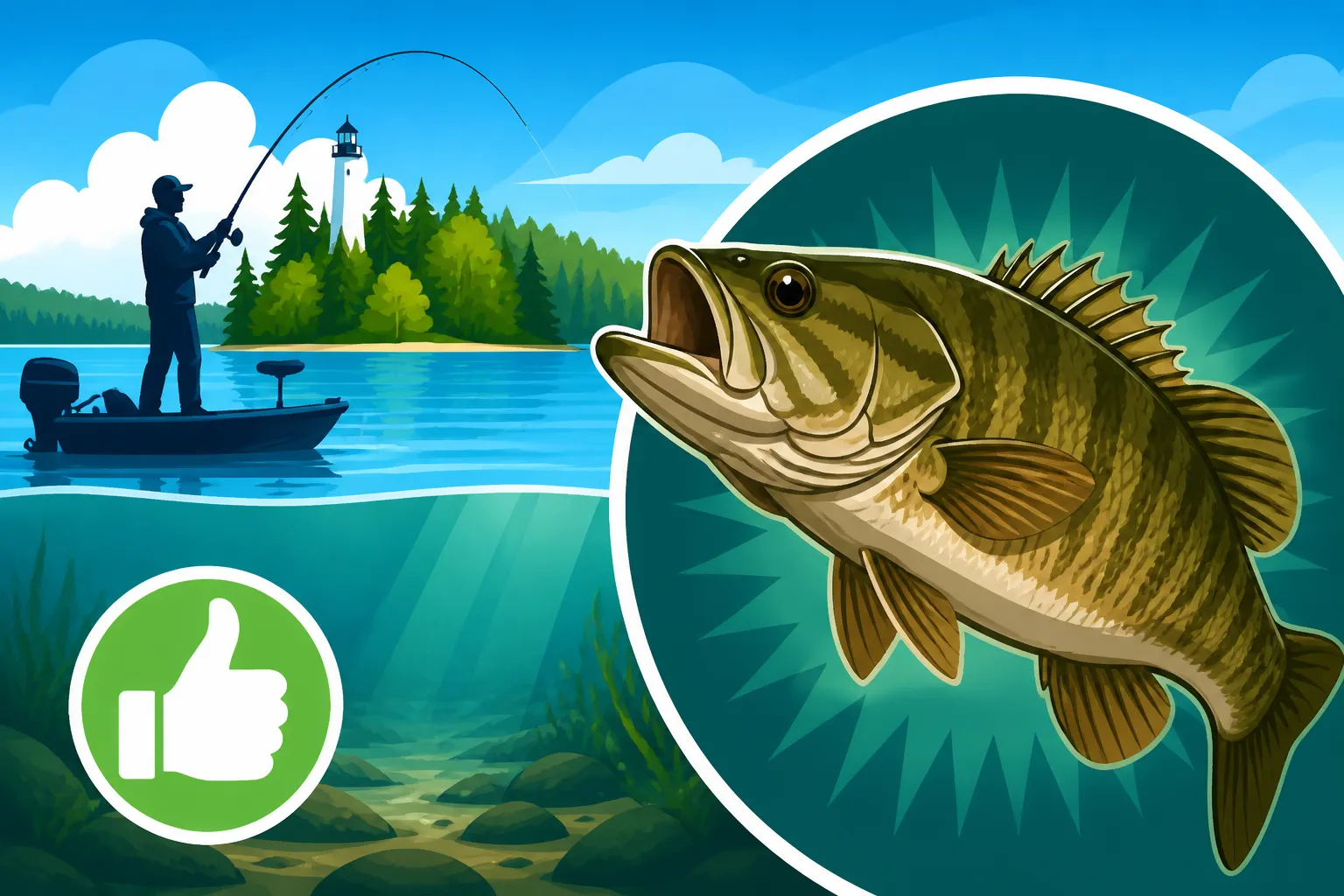
Ah, Torch Lake. Just the name conjures images of stunning turquoise waters, pristine shorelines, and depths that seem to stretch into another world. It’s a truly magnificent body of water in Northern Michigan, renowned for its incredible clarity and cold-water fisheries. Many anglers, myself included, often hear about the lake's fantastic salmon, lake trout, and whitefish, and naturally wonder if such a unique environment holds good populations of other popular game fish. The question of whether Torch Lake is good for smallmouth bass is a common one, and the simple answer is: absolutely, but you need to know where and how to look. This guide will dive deep into unlocking Torch Lake's smallmouth potential, helping you navigate its crystal-clear depths to find these feisty fighters.
Torch Lake's Reputation and Why Smallmouth Are Often Overlooked
It’s easy to get caught up in Torch Lake's reputation for glamorous cold-water species. After all, it's one of Michigan's largest and deepest inland lakes, often compared to the Caribbean for its dazzling blue-green hues. This renown, while well-deserved, often overshadows its other fishing opportunities, including the fantastic smallmouth bass fishery waiting to be discovered.
The Lake's Famous Residents: Salmon, Trout, and Lake Whitefish
Torch Lake is rightly famous for its salmon, lake trout, and lake whitefish. These are the species that draw many anglers, especially during the colder months or early summer when they inhabit the deeper, cooler parts of the lake. The sheer depth of Torch Lake, reaching over 300 feet in some areas, combined with its consistently cold bottom temperatures, creates an ideal habitat for these species. Anglers often troll the vast open waters or target specific deep humps and drop-offs for these prized catches. The crystal-clear water, while beautiful to behold, also makes these fish particularly challenging to catch, demanding specific techniques and stealth. This focus on the cold-water giants means that many don't even consider the possibility of a thriving smallmouth bass population, assuming the lake is too cold or too deep for them to flourish.
Understanding Torch Lake's Unique Ecosystem
Torch Lake is the second-largest inland lake in Michigan, part of the extensive Chain of Lakes that flows into Grand Traverse Bay. It's a glacial lake, meaning it was carved out by ancient glaciers, leaving behind its characteristic deep basins and dramatic drop-offs. The water clarity is exceptional, often boasting visibility of 20 to 40 feet, which significantly impacts how fish behave and how anglers must approach them.
Despite its cold-water reputation, Torch Lake's immense size and diverse structure provide ample habitat for smallmouth bass. While the very deepest parts are indeed too cold for bass, the lake has countless miles of shoreline, numerous bays, rocky points, and submerged structures that warm up sufficiently during the spring and summer months. These areas offer the ideal conditions for smallmouth to spawn, feed, and thrive. The ecosystem supports a healthy forage base of baitfish, crayfish, and insects, all vital components of a smallmouth's diet. So, while it might not be the quintessential warm-water bass lake, Torch Lake's unique characteristics definitely make it a viable, and often overlooked, smallmouth haven. You can learn more about its general fishing appeal in our guide to Torch Lake Fishing in Northern Michigan.
Finding Smallmouth Bass in Torch Lake's Clear Waters
Fishing for smallmouth bass in Torch Lake isn't like fishing a murky, weedy inland lake. The exceptional water clarity is both a blessing and a challenge. It allows you to sight fish in some instances, but it also means the fish can see you and your gear from a greater distance. This demands a more subtle and strategic approach.
Prime Habitats and Structures for Smallmouth
Smallmouth bass, true to their nature, gravitate towards specific types of structure, especially in clear water. In Torch Lake, you'll want to focus on:
- Rocky Points and Shoals: These are classic smallmouth haunts. Look for points that extend out into deeper water, especially those with a mix of rocks, gravel, and perhaps some sparse weeds. Smallmouth will cruise these areas, ambushing baitfish or crayfish.
- Submerged Humps and Islands: Off-shore structure can be goldmines. Use your electronics to find humps that rise significantly from the lake bottom. These underwater peaks often hold schools of smallmouth, particularly during the summer when they seek deeper, cooler water.
- Drop-offs and Ledges: Where shallow water abruptly transitions to deep water, you'll find smallmouth congregating. These ledges provide easy access to different depths and offer prime ambush points. In Torch Lake, these can be quite dramatic.
- Transition Zones: Areas where rock meets sand, or where sparse weeds give way to open water, are often productive. Smallmouth will use these edges as travel corridors and feeding lanes.
- Marinas and Docks: While perhaps less aesthetic, man-made structures like boat docks, piers, and breakwalls can offer shade, cover, and forage, attracting smallmouth. Just be mindful of other boaters and anglers.
The southern end of Torch Lake, with its numerous rocky points and shallower bays, tends to be particularly productive for smallmouth. However, don't overlook the northern sections, which also boast excellent structure once you get away from the sandy swimming beaches. Understanding what smallmouth eat here is also key. They'll be feeding on local baitfish like emerald shiners, juvenile perch, and especially crayfish, which thrive in rocky bottoms.
Best Techniques for Targeting Torch Lake Smallmouth
Given the clarity of Torch Lake, your techniques need to prioritize subtlety and natural presentation. Forget heavy lines and noisy lures unless you're fishing deep and fast.
- Finesse Fishing: This is your bread and butter.
- Drop-shot rigs: Extremely effective. Use small, realistic soft plastics (like a 3-4 inch minnow or worm imitation) on a light fluorocarbon leader. This keeps your bait suspended directly in the strike zone.
- Ned rigs: A fantastic technique for lethargic or pressured fish. The mushroom-shaped jig head and buoyant plastic stand up off the bottom, presenting a small, tempting meal.
- Wacky rigs/Neko rigs: Simple yet deadly. A weightless or lightly weighted stick worm (like a Yamamoto Senko) with a hook through the middle offers an enticing, slow fall.
- Small Swimbaits: When smallmouth are actively feeding on baitfish, a small, realistic swimbait (2-4 inches) fished on a lightweight jig head can be incredibly effective. Look for natural colors that mimic the local forage.
- Jerkbaits: For aggressive fish, especially during spring and fall, a suspending jerkbait can trigger violent strikes. Work it with a twitch-twitch-pause retrieve, letting it hang enticingly in the clear water. Colors like chrome, clear, or natural baitfish patterns work best.
Stealth is paramount. Make long casts to avoid spooking fish, especially in shallower water. Use light line, typically 6-8 lb fluorocarbon or braided line with a fluorocarbon leader. Early mornings, late evenings, and overcast days often provide the best conditions as reduced light penetration makes fish feel more secure. If you're looking for an edge, consider booking a trip with a local guide. Many professional guides, often found through services like FishingBooker, have specialized knowledge of Torch Lake and its challenging conditions, understanding exactly where the smallmouth hide and what they're biting on.
Navigating the Challenges of Ultra-Clear Water
The same crystal-clear waters that make Torch Lake so beautiful also present unique challenges for bass anglers. Fish in clear water have excellent visibility, meaning they can detect your boat, line, and even unnatural movements much more easily.
- Line Visibility: Heavy, brightly colored monofilament line is a definite no-go. Opt for fluorocarbon leaders, which have a refractive index very close to water, making them virtually invisible. Pair this with a thin, low-visibility braided main line for sensitivity and casting distance.
- Lure Color and Realism: While bright colors can work in stained water, in Torch Lake, lean towards natural, subtle colors like greens, browns, and baitfish patterns. Focus on lures that have a realistic profile and action. Smallmouth here are often discerning.
- Maintaining Distance: Keep your boat as far as possible from your target area, especially in shallower water. Use a quiet trolling motor to make slow, deliberate approaches, or consider anchoring upwind/upcurrent and casting to your spots. For ultimate stealth, even a kayak can be incredibly effective here, as discussed in our Kayak Fishing in Michigan guide.
- Sunlight: Bright sunny days can push fish deeper or into heavier cover. Adjust your presentation accordingly – slow down, use smaller baits, and focus on shaded areas or deeper structure. The general rule is, the clearer the water, the more natural and subtle your approach needs to be. It can be frustrating to see fish just ignore your offerings or dart away, but with patience and the right techniques, you can overcome these clear-water blues.
Seasonal Strategies for Torch Lake Smallmouth
The lifecycle and feeding patterns of Torch Lake smallmouth bass are heavily influenced by the changing seasons, just like anywhere else in Michigan. Understanding these shifts is crucial for consistent success.
Springtime Opportunities and Spawning Behavior
Spring on Torch Lake brings the eagerly anticipated rise in water temperatures, which signals to smallmouth that it's time to become more active and eventually spawn. As ice melts and water temperatures climb, smallmouth move from their deep wintering holes into shallower, rockier bays and points.
- Pre-Spawn (Late April – May): This is a fantastic time for aggressive feeding. Smallmouth are hungry and looking to bulk up before the energy-intensive spawning process. Focus on rocky transition areas near deeper water, where they stage. Suspending jerkbaits, blade baits, and tubes fished slowly can be very effective. Water temperatures typically range from 45-55°F.
- Spawn (Late May – Early June): Smallmouth will build nests on gravel or rocky bottoms in relatively shallow water (3-10 feet), defending them vigorously. During this time, they are highly territorial and will strike at anything perceived as a threat. However, targeting spawning bass directly is often discouraged to protect the population. If you do catch a spawning bass, handle it with care and release it quickly. The actual timing of the spawn depends heavily on water temperature, usually peaking when it's consistently in the high 50s to low 60s Fahrenheit.
- Post-Spawn (Mid-June): After spawning, smallmouth can be a bit lethargic for a short period before resuming aggressive feeding. They'll often remain near spawning areas or move to nearby secondary points and drop-offs to recover. Finesse techniques like drop-shots and Ned rigs are excellent during this transition. This spring period, covered in detail in our Michigan's Spring Fishing Season Guide, is often one of the most rewarding times to target Torch Lake smallmouth.
Summer Patterns and Deepwater Tactics
As Michigan's summer heat sets in, Torch Lake's surface waters warm considerably, but its deep basins remain cold. This prompts smallmouth bass to adapt their behavior, often moving to deeper, cooler waters where they can find stable temperatures and ample forage.
- Deep Structure: Smallmouth will relate heavily to submerged humps, deep rock piles, and sharp drop-offs. Electronic fish finders become indispensable tools for locating these features and the fish on them. Look for fish suspended over deeper water or tight to the bottom structure.
- Vertical Presentations: Techniques like deep jigging with spoons, blade baits, or heavy drop-shot rigs are key. Work these baits vertically over structure or directly under schools of baitfish.
- Deep Cranking: Large, deep-diving crankbaits can be effective for covering water along deep ledges and points. Choose natural colors that match the deep-water forage.
- Night Fishing: While not as common for smallmouth as walleye, night fishing can be productive in summer, especially during full moons. Smallmouth might move shallower under the cover of darkness to feed on baitfish.
Summer fishing requires patience and a good understanding of thermal stratification in deep lakes. The biggest challenge is often finding the fish in such a vast body of water. But once you do, the rewards can be substantial. For more on optimizing your trips, check out our comprehensive guide on the Best Time of Year to Fish in Michigan.
Fall Feeding Frenzy
Autumn on Torch Lake brings a glorious transformation, not just in the foliage, but also in the smallmouth bass fishery. As water temperatures begin to drop, smallmouth enter a crucial feeding phase, gorging themselves in preparation for the lean winter months.
- Aggressive Feeding: This is often the most exciting time to target smallmouth. They become highly aggressive, chasing baitfish with abandon. Look for active schooling fish on your electronics.
- Reaction Baits: Crankbaits, spinnerbaits, and larger jerkbaits can all be highly effective. The key is to cover water quickly and elicit a reaction strike from active fish.
- Shallow and Deep: In early fall, smallmouth might still be found in shallower rocky areas, especially during warm spells. As the water cools further, they'll start to move towards their deeper wintering grounds, congregating on deep points and humps. Fish both shallow and deep until you establish a pattern.
- Forage Focus: Smallmouth will key in heavily on baitfish like emerald shiners and perch. Matching the hatch with your lures becomes even more important.
The fall bite can last well into November, offering some of the year's best fishing opportunities for both numbers and size. Anglers often find themselves landing some truly trophy-sized smallmouth during this period as fish pack on weight.
Essential Gear and Tackle for Torch Lake Bass
Having the right equipment can make all the difference when tackling the challenging yet rewarding smallmouth fishery on Torch Lake. The clear water demands a level of finesse and subtlety that heavier, more general-purpose gear might not provide.
Rods, Reels, and Line Choices
Your rod, reel, and line choices are critical for successful smallmouth fishing in Torch Lake.
- Rods:
- Spinning Rods (Finesse): For drop-shots, Ned rigs, and wacky rigs, a 6'6" to 7'2" medium-light to medium power, fast action spinning rod is ideal. This combination offers the sensitivity to detect subtle bites and the backbone to fight feisty smallmouth. Brands like St. Croix, G. Loomis, or even more budget-friendly options like Fenwick offer excellent rods in this category.
- Baitcasting Rods (Reaction Baits): For jerkbaits, crankbaits, and swimbaits, a 6'8" to 7'0" medium power, moderate-fast to fast action baitcasting rod works well. The moderate action helps with casting distance and hook retention, especially with treble-hooked lures.
- Reels:
- Spinning Reels: A 2000 or 2500 series spinning reel is perfectly matched for your finesse rods. Look for smooth drag systems and a good retrieve ratio (around 6.0:1) to handle quick line pick-up. Shimano and Daiwa are popular choices for their reliability.
- Baitcasting Reels: A low-profile baitcaster with a gear ratio between 6.3:1 and 7.1:1 will cover most reaction bait needs. A smoother retrieve and robust drag are important.
- Line:
- Main Line: 8-10 lb braided line (like PowerPro or Sufix) for spinning reels offers excellent sensitivity and casting distance. For baitcasters, 10-15 lb fluorocarbon or braided line works.
- Leader: This is non-negotiable for Torch Lake. Always tie a 6-10 lb fluorocarbon leader (4-8 feet long) to your braided main line. The invisibility of fluorocarbon is paramount in such clear water. Some anglers might even run straight fluorocarbon on their baitcasters for specific techniques.
For a broader overview of selecting the right setup, consult our guide to Best Rods and Reels for Michigan Fishing.
Lures and Baits to Have in Your Tackle Box
A well-stocked tackle box for Torch Lake smallmouth will lean heavily into finesse and realistic presentations.
- Soft Plastics:
- Drop-Shot Worms: Small (3-4 inch) straight-tail worms, minnow imitations, or finesse worms in natural colors (green pumpkin, watermelon, brown). Brands like Berkley Gulp!, Z-Man (Finesse WormZ), and Roboworm are excellent.
- Ned Rig Baits: Z-Man TRD (The Real Deal) in green pumpkin or darker shades is a staple. Pair with a 1/10 to 1/8 oz mushroom head jig.
- Tubes: Small (2.5-3.5 inch) tube baits in green pumpkin, black, or natural crayfish colors. Jig them along rocky bottoms.
- Wacky Rig/Neko Rig Worms: 5-inch Senko-style worms.
- Hard Baits:
- Jerkbaits: Suspending jerkbaits from 3.5 to 5 inches. Rapala X-Raps, Megabass Vision 110, or Lucky Craft Pointers are popular, effective choices. Stick to chrome, clear, or natural baitfish patterns.
- Crankbaits: Small to medium-sized crankbaits that dive to your target depth. Squarebills for shallower rocks, deeper divers for ledges. KVD 1.5s, Berkley Dredgers, or Rapala Shad Raps are good options.
- Blade Baits/Jigging Spoons: For deeper presentations, especially in summer and fall. Silver, gold, or white colors mimic struggling baitfish.
- Jigs: Finesse jigs (1/4 – 3/8 oz) with a brush guard in green pumpkin or black, tipped with a small craw or creature bait.
Consider a compact, organized tackle box to keep your specialized lures separate. Our guide to the Best Tackle Box Setup for Michigan Anglers offers some great organizational tips.
Utilizing Electronics and Stealth on the Water
In a lake as vast and clear as Torch, marine electronics aren't just a luxury; they're a necessity.
- Fish Finders/Sonar: A quality fish finder with 2D sonar, down imaging, and side imaging capabilities will greatly enhance your ability to locate smallmouth. You can identify deep structure, subtle humps, rock piles, and even individual fish or schools of baitfish. Brands like Humminbird (Helix/Mega Live) and Garmin (Echomap/Panoptix) offer cutting-edge technology.
- GPS and Mapping: Integrated GPS with detailed lake maps (e.g., LakeMaster or Navionics) allows you to mark productive spots, navigate safely, and return to specific contours or structures. Torch Lake's complex bottom structure makes this invaluable.
- Stealth: Beyond line and lure choices, how you operate your boat is critical.
- Trolling Motor: A quiet, efficient electric trolling motor (Minn Kota Ultrex or Garmin Force) is essential for precise boat positioning, especially when fishing shallow or near visible structure. Spot-Lock (GPS anchoring) is a game-changer, holding your boat in place even in wind or current without disturbing the fish.
- Anchoring: If you don't have a spot-lock enabled trolling motor, use a traditional anchor, but drop it well away from your intended fishing area and slowly motor or pull yourself into position to avoid spooking fish.
- Drift Socks: These can be very useful for slowing your drift in windy conditions, allowing for a more controlled presentation over deeper structure.
Remember, fish in clear water are easily spooked. Minimize noise, sudden movements, and shadows cast over the water. Sometimes, a successful day means observing and adapting, much like the experienced captains you might find on FishingBooker who specialize in these challenging conditions.
Regulations and Responsible Angling on Torch Lake
Michigan has specific regulations to protect its diverse fisheries, and understanding these rules is essential for any angler on Torch Lake. Responsible angling practices also ensure the health and longevity of the smallmouth population.
Michigan's Bass Seasons and Limits
Torch Lake generally falls under Michigan's statewide fishing regulations for smallmouth and largemouth bass. However, it's always critical to check the most current Michigan Fishing Regulations Digest before you head out, as rules can change annually or have specific local exceptions.
Typically, Michigan's bass season has a few distinct periods:
- Catch-and-Release Season: From the last Saturday in April until the Saturday immediately before Memorial Day weekend, bass fishing is often catch-and-immediate-release only. This protects spawning fish.
- Possession Season: From the Saturday immediately before Memorial Day weekend through December 31st, the possession season for bass is usually open. The daily possession limit is generally 5 bass, with a minimum size limit of 14 inches. This combined limit applies to both smallmouth and largemouth bass.
It’s easy to get caught up in the excitement of the catch, but knowing these rules is paramount. For a full breakdown of what's allowed and when, our detailed guide on Michigan Fishing Regulations Every Angler Should Know is an excellent resource, along with specific articles on Michigan Daily Bag Limits by Species and Michigan Statewide Minimum Size Limits. Don't risk a ticket or, worse, harming the fishery.
Catch and Release Best Practices for Smallmouth
Smallmouth bass are incredibly resilient fish, but proper catch and release techniques are vital, especially when targeting larger, older fish or when fishing in warmer summer waters.
- Minimize Handling Time: Get the fish in quickly, unhook it, and release it. The longer a fish is out of water, the lower its chances of survival.
- Use a Rubber-Coated Net: A knotless, rubber-coated landing net is far gentler on a fish's slime coat, fins, and scales than a knotted nylon net.
- Wet Your Hands: If you must handle the fish, wet your hands first to minimize damage to its protective slime layer, which defends against disease.
- Support the Fish: When holding a bass for a quick photo, support its body horizontally with one hand under the belly and the other gripping the lower jaw. Never hold a large bass solely by the jaw in a vertical position, as this can severely damage its internal organs and jaw.
- Use Barbless Hooks or Debarb Your Hooks: Barbless hooks are easier to remove, reducing stress and injury to the fish. You can easily pinch down the barbs on your treble or single hooks with pliers.
- Employ a De-Hooker: Tools like long-nosed pliers or a specialized de-hooker can help you quickly and safely remove hooks, especially if they are deeply set.
- Revive the Fish: If a fish appears lethargic, hold it gently in the water, facing into a current or moving it slowly back and forth to force water over its gills until it swims away under its own power.
Practicing responsible catch and release not only respects the fish but also helps ensure that Torch Lake remains a fantastic smallmouth fishery for generations to come.
Torch Lake Smallmouth Fishing at a Glance
Here's a quick summary of what to expect and how to approach smallmouth bass fishing on Torch Lake:
| Season | Primary Locations | Recommended Techniques | Key Lures/Baits | Line/Leader | Specific Considerations |
|---|---|---|---|---|---|
| Spring | Rocky points, shallow bays, staging areas near deeper water | Finesse (Ned rig, drop-shot), suspending jerkbaits, tubes | Soft plastics (worms, craws), small jerkbaits, blade baits | Braided/Fluoro | Pre-spawn aggression, respect spawning fish; check regulations. |
| Summer | Deep humps, drop-offs, submerged structure, transition zones | Deep jigging, vertical presentations, deep cranking | Jigging spoons, blade baits, deep-diving crankbaits, heavy drop-shots | Braided/Fluoro | Use electronics to find fish in deeper, cooler water; stealth. |
| Fall | Rocky points, humps, ledges, both shallow and deeper water | Reaction baits, casting, jigging | Jerkbaits, crankbaits, spinnerbaits, heavier tubes, spoons | Braided/Fluoro | Aggressive feeding frenzy; cover water efficiently. |
| Year-Round | Rocky shorelines, deep points, structure, clear water | Finesse, stealth, long casts | Natural colors, small profiles | Fluorocarbon leader | Minimize noise, respect regulations. |
Conclusion
So, is Torch Lake good for smallmouth bass? Without a doubt, yes! But it's not a fishery that gives up its secrets easily. This isn't your average lily pad lake where you can just toss a spinnerbait and expect consistent results. Torch Lake demands respect for its crystal-clear water, its immense depth, and the sophisticated nature of its smallmouth population. You'll need to embrace finesse, practice stealth, and rely on your electronics to pinpoint their haunts.
However, for those willing to put in the effort, the rewards are truly spectacular. The smallmouth of Torch Lake are often hard-fighting, beautiful specimens that provide an exhilarating challenge in one of Michigan's most breathtaking natural settings. So next time you're planning a trip to this gem of Northern Michigan, don't just think about the salmon and trout. Pack your finesse gear, hone your clear-water techniques, and get ready to discover a fantastic smallmouth fishery that's truly worth the effort. You might even consider leveraging the expertise of local guides found on platforms like FishingBooker to give you a head start in unlocking this magnificent lake's smallmouth potential. Happy fishing!
Disclaimer
Please be aware that fishing regulations in Michigan can change. Always consult the latest Michigan Department of Natural Resources (DNR) fishing guide or website for the most up-to-date rules and regulations before you go fishing. This content is for informational purposes only and does not constitute legal advice or guarantee fishing success.