Best Time to Fish the Manistee River
You’ve heard the legends of the Manistee River, flowing through Michigan with its crystal-clear waters and incredible fish populations, but knowing exactly when to plan your trip can feel like trying to hit a moving target. Is it steelhead season, salmon madness, or prime trout time? This comprehensive guide will cut through the guesswork, helping you pinpoint the absolute best times to fish the Manistee River for the species you're dreaming of, ensuring your next angling adventure is nothing short of epic.
Understanding the Manistee River's Seasonal Cycles
The Manistee River isn't just any river; it's a dynamic ecosystem that changes dramatically with the seasons, influencing everything from water levels to fish behavior. Anglers often get frustrated trying to time their visit perfectly, only to find conditions aren't what they expected. The secret lies in understanding how this magnificent waterway breathes and moves throughout the year, dictating the movements of its prized inhabitants.
Why the Manistee is a Year-Round Destination
Unlike some smaller streams that might freeze solid or run dry, the Manistee River, especially the stretch below Tippy Dam, maintains a relatively consistent flow due to the dam's operation. This consistent flow, combined with its diverse habitat, means there’s always something to fish for, regardless of the calendar month. From the hard-fighting salmon and steelhead to the elusive brown trout and feisty smallmouth bass, the Manistee truly offers a four-season fishery. However, "always something to fish for" doesn't mean "always the best fishing for every species." That's where timing becomes crucial for success and enjoyment.
Impact of Water Temperature and Flow
Water temperature is arguably the single most important factor dictating fish activity on the Manistee. As seasons change, so does the water temperature, triggering spawning runs, dictating metabolism, and influencing where fish will hold. For instance, cold winter waters slow fish down, making them less active, while warming spring temperatures invigorate them, prompting feeding frenzies. Similarly, river flow, whether high from spring melt or low during a dry summer, can make certain areas more or less accessible and affect how fish position themselves. It's a constant dance between the river's pulse and the fish's instincts, and learning to read these cues can dramatically improve your odds.
Seasonal Fish Migration Patterns
The Great Lakes anadromous species—those that live in the Great Lakes and run into rivers to spawn—are the true stars of the Manistee River's seasonal spectacle. Chinook and Coho salmon, followed closely by robust steelhead, embark on incredible migrations upstream, turning the river into a world-class fishery during their respective runs. These migrations are incredibly time-sensitive, often tied to specific water temperatures, river flows, and even moon phases. Missing a run by a week or two can mean the difference between a trip of a lifetime and a slow day on the water, which is a common frustration for anglers who haven't done their homework. Understanding these patterns is key to hitting the peak windows.
Prime Windows for Key Species on the Manistee
Knowing what you want to catch is the first step, and the Manistee River obliges with distinct seasons for its most popular game fish. Each species has its moment in the spotlight, and targeting them during their peak can lead to truly unforgettable angling experiences.
Chasing Chinook and Coho Salmon
Fall Chinook Salmon Run (Late August – October): The mighty Chinook, often called "Kings" by local anglers, are the first major anadromous fish to make their grand entrance into the Manistee. Their run typically begins in late August, with the peak action often hitting in September. These powerful fish are here to spawn, and they provide some of the most aggressive fights an angler can experience. You'll find them throughout the lower and middle sections of the river, especially below Tippy Dam. Techniques like skein fishing, throwing crankbaits, or fly fishing with large streamers can be incredibly effective. Remember, a successful salmon trip often requires heavy-duty gear that you can easily find on Amazon. If you're looking to target these monsters, aiming for mid-September usually puts you right in the thick of it. For more in-depth information on timing these incredible fish, check out our guide on the Best Months for Salmon Fishing in Michigan.
Fall Coho Salmon Run (September – November): Hot on the heels of the Chinooks, Coho salmon, known for their acrobatics and bright red flesh, start their journey up the Manistee. While there's overlap with the Chinook run, Cohos often extend later into the fall, providing excellent fishing opportunities through October and even into early November. They tend to be a bit more widespread and can be found in slightly smaller pockets or even alongside the larger Kings. Fly anglers love Cohos for their willingness to chase swung flies, while spin anglers find success with small spoons and spinners. It’s a fantastic bonus fishery that can extend the salmon season well into the cooler months.
The Thrill of Steelhead Runs
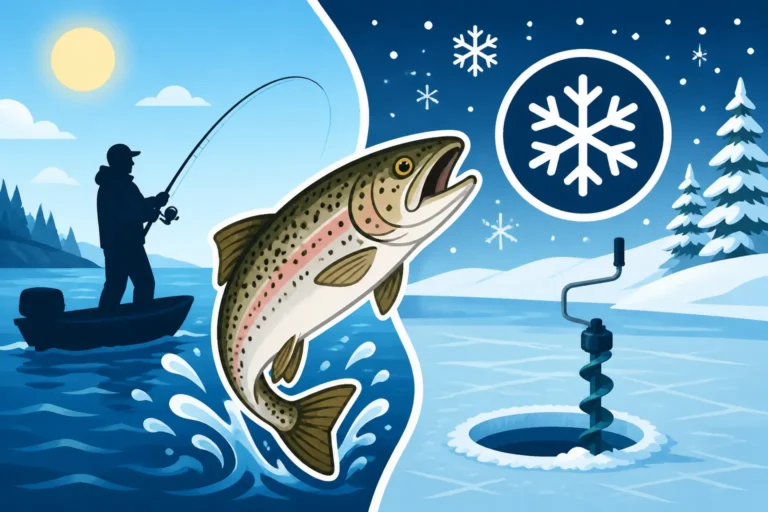
Fall Steelhead Run (October – December): As the last of the salmon finish their spawn, the first wave of "chrome" steelhead begins to enter the Manistee. These magnificent rainbow trout, having spent years growing large in Lake Michigan, follow the salmon upstream, feasting on their eggs. The fall run builds momentum through October and peaks in November, often continuing right up until ice forms on the river. Many anglers consider this their favorite time on the Manistee, as the steelhead are fresh from the lake, incredibly powerful, and often willing to bite. Techniques like float fishing with spawn bags, beads, or small jigs are highly productive. For a deeper dive into understanding these runs, read about Michigan Steelhead Run Timing.
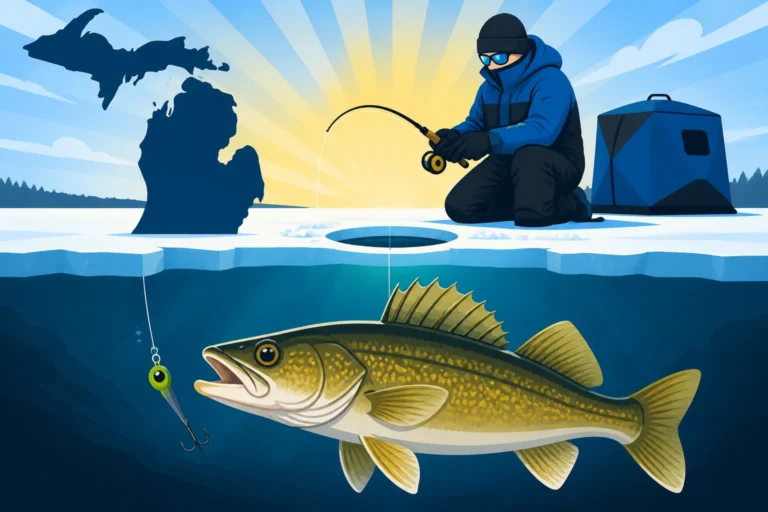
Winter Steelhead Fishing (January – March): Don't let the cold deter you! While less intense than the peak fall run, many hardy anglers find success targeting winter-over steelhead. These fish hold in slower, deeper pools, conserving energy in the frigid water. Success often comes from slowing down your presentation, using smaller baits, and being patient. The rewards are often large, pristine fish with incredible fighting spirit. Ice fishing can also be a unique way to target these fish in certain stretches, though open water remains more common on the main river.
Spring Steelhead Run (March – May): This is perhaps the most anticipated run on the Manistee River. As ice melts and water temperatures begin to climb in early spring, a massive push of steelhead enters the river to spawn. The peak typically occurs in April, offering incredible action as fish actively move upstream. Both fresh-from-the-lake "new chrome" and "drop-back" steelhead (those that spawned and are heading back to Lake Michigan) provide fantastic opportunities. This is a prime time for float fishing, drift fishing, and fly fishing with egg patterns or nymphs. Knowing How to Fish for Steelhead in Michigan can make all the difference during this exhilarating season.
Trout Fishing: Browns, Rainbows, and Brookies
Year-Round Trout Fishing (with seasonal peaks): While the Great Lakes-run trout (steelhead) get a lot of attention, the Manistee River also boasts a thriving resident trout population, especially upstream of Tippy Dam, in its blue-ribbon sections. Brown trout are the most common, but rainbow and brook trout also call these waters home. Unlike their anadromous cousins, these fish don't migrate far, offering consistent opportunities.
- Spring (April – June): Post-spawn, resident trout become highly active, feeding aggressively as insects hatch. This is a fantastic time for dry fly fishing as hatches become prolific. The Michigan Spring Fishing Season Guide can offer general insights into this productive period.
- Summer (July – August): While fishing can slow down during the heat of the day, early mornings and late evenings offer excellent dry fly and nymph fishing opportunities, especially in cooler, oxygenated stretches. Terrestrials like hoppers and ants become important food sources.
- Fall (September – November): As waters cool and salmon eggs drift downstream, resident trout put on the feedbag, often growing quite large. This is also when brown trout begin their spawning rituals, making them aggressive and territorial. Streamer fishing can be particularly effective.
- Winter (December – March): For the dedicated angler, winter trout fishing can be surprisingly good, especially on mild days. Focus on deep pools and slow runs, using nymphs or small streamers.
Summer Smallmouth and Pike Action
Smallmouth Bass (June – September): While many focus on the cold-water species, the Manistee River offers fantastic warm-water fishing during the summer months. Smallmouth bass thrive in the river's rocky stretches and current, providing explosive strikes and powerful fights. June through September is prime time for these bronze warriors. They readily hit a variety of lures, from crankbaits and soft plastics to topwater poppers. This is a great option when salmon and steelhead aren't around, offering a different kind of thrill.
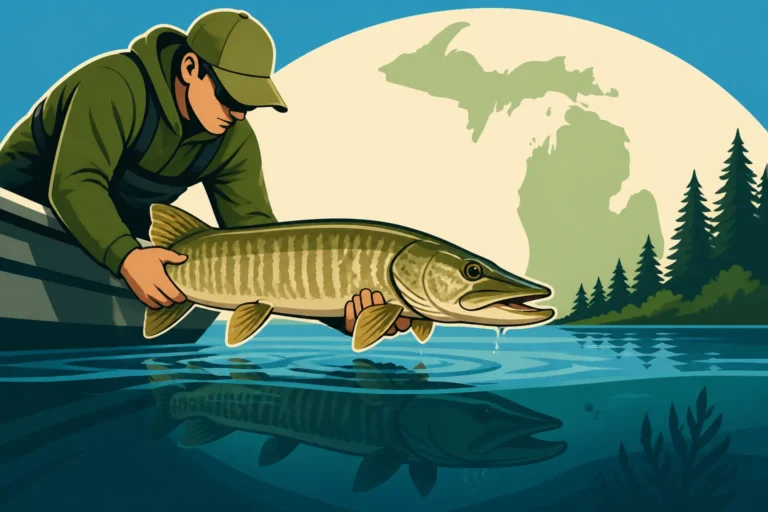
Northern Pike (May – October): Northern pike, with their voracious appetites, are also present in the Manistee, particularly in the slower, weedier sections. While not specifically sought out by most anglers visiting the Manistee, they can be a fun surprise catch, especially on larger spoons, spinnerbaits, or even during fall when they aggressively feed. They offer another exciting option during the warmer months, rounding out the Manistee's diverse fishery.
Factors Influencing Your Manistee Trip Timing
Beyond simply knowing when the fish are supposed to be there, a truly successful trip to the Manistee River hinges on considering a few other critical variables. Overlooking these can lead to frustration, even if you’ve timed the species perfectly.
Navigating Crowds and Pressure
The Manistee River is a world-class fishery, and word gets out! During peak salmon and steelhead runs, certain access points, particularly below Tippy Dam, can become incredibly crowded. This isn't just an inconvenience; heavy fishing pressure can make fish more wary and harder to catch. If you’re planning a trip during the peak of the Fall Steelhead Run in Michigan Rivers or the September salmon frenzy, prepare for company.
- Weekdays vs. Weekends: Weekdays are almost always less crowded than weekends. If your schedule allows, a mid-week trip can provide a much more peaceful and productive experience.
- Early Bird Gets the Worm: Arriving at your preferred spot before dawn can give you a precious few hours of unpressured water before other anglers arrive.
- Explore Upstream: While the prime stretches below Tippy Dam are popular, the Manistee River is long! Exploring lesser-known access points further upstream, or even higher up the river for resident trout, can lead to solitude and great fishing, even during peak season. You might need a more versatile rod, easily purchased on Amazon, to tackle different sections of the river.
Weather and Water Conditions
Michigan weather is famously unpredictable, and this directly impacts river conditions and fish behavior. A warm rain in fall can blow out a river, making it muddy and unfishable, while a sudden cold snap can shut down a bite.
- Water Levels and Clarity: Always check recent river flow data before heading out. High, muddy water (a "blowout") after heavy rains can make fishing challenging, especially for sight-fishing species like trout. Conversely, very low water can make fish spooky and concentrated, making them harder to approach. Many local fishing reports or the USGS National Water Information System website provide real-time data for the Manistee River.
- Air Temperature: While fish care more about water temperature, air temperature affects angler comfort and can influence bait choices. Frigid conditions demand proper layering and warm gear.
- Precipitation: Rain, snow, or even heavy fog can impact visibility and your overall experience. Always pack appropriate rain gear and check the forecast meticulously.
Local Regulations and Season Openers
Michigan has specific regulations that govern fishing on its rivers, and the Manistee is no exception. These rules are put in place to protect fish populations and ensure sustainable angling for everyone.
- Catch and Release vs. Harvest: Some sections of the Manistee might have special regulations, such as catch-and-release only zones for certain species or times of year. Always consult the current Michigan Fishing Regulations Digest before you go.
- Gear Restrictions: Certain stretches or seasons might have tackle restrictions (e.g., single-hook artificial lures only for some trout waters). Make sure your gear complies.
- Season Openers: While the Manistee's main stem below Tippy Dam is often open year-round for certain species, inland trout seasons on its tributaries or upstream sections have specific opening dates, like When Does Trout Season Open in Michigan. Be aware of these dates to avoid violating regulations.
Planning Your Manistee River Fishing Adventure
Now that you're armed with knowledge about the best times and factors to consider, it's time to put it all together and plan your perfect Manistee River fishing trip. A little preparation goes a long way in ensuring a memorable and successful outing.
Essential Gear for Each Season
The Manistee River demands versatile gear due to its varied fishing opportunities. What works for spring steelhead won't necessarily be ideal for summer smallmouth, but there are some foundational items.
- Rods and Reels: For salmon and steelhead, a medium-heavy spinning rod (8'6" to 10'6") paired with a robust spinning reel or a centerpin setup is ideal. For trout, a lighter action rod (7' to 9') is more appropriate. Fly anglers will need different weights depending on the target species (e.g., 8-10 weight for salmon/steelhead, 5-6 weight for resident trout). Ensure your reels are spooled with fresh line; you can find great options for specific line weights for Michigan steelhead on Amazon.
- Waders and Boots: Waders are essential for navigating the Manistee. Neoprene waders are excellent for cold weather, while breathable waders are better for warmer months. Pair them with sturdy wading boots that provide good ankle support and grip on slippery riverbeds.
- Tackle and Lures: Your tackle box should be customized for your target species. For salmon and steelhead, think spawn bags, beads, jigs, spoons, and crankbaits. For trout, an assortment of nymphs, dry flies, and streamers is key. Smallmouth bass love soft plastics, crankbaits, and topwater lures. Don't forget essentials like forceps, line clippers, and a net.
- Safety Gear: Always carry a first-aid kit, a whistle, and wear a PFD, especially if you're wading in swift current or using a boat. A sturdy wading staff can provide extra stability.
| Species | Peak Season | Best Month(s) | Common Techniques |
|---|---|---|---|
| Chinook Salmon | Fall Anadromous Run | September | Skein, Crankbaits, Large Streamers |
| Coho Salmon | Fall Anadromous Run | October | Spoons, Spinners, Streamers, Egg patterns |
| Fall Steelhead | Fall/Early Winter Run | November | Float Fishing (spawn, beads, jigs), Drift |
| Spring Steelhead | Spring Anadromous Run | April | Float Fishing, Drift Fishing, Fly Fishing (eggs) |
| Resident Trout | Year-round, peaks in | May, June, October | Fly Fishing (dry, nymph, streamer), Spinners |
| Smallmouth Bass | Warm Water Fishery | July, August | Soft Plastics, Crankbaits, Topwater |
| Northern Pike | Warm Water Fishery | June, September | Spoons, Spinnerbaits, Large Plugs |
Connecting with Local Experts and Guides
Nobody knows the Manistee River better than the folks who live and breathe it every day. Connecting with local fly shops, bait stores, or professional fishing guides can provide invaluable, up-to-the-minute information on river conditions, hot spots, and effective techniques.
- Local Bait Shops: Places like Betsy River Store in Wellston or other shops in nearby towns are goldmines of information. They often know where the fish are biting, what baits are working, and what sections of the river are most accessible.
- Fishing Guides: Hiring a licensed guide, especially for your first few trips, can dramatically shorten the learning curve. They provide the boat, gear, and expertise, teaching you the nuances of fishing the Manistee. They’ll also know about Michigan's Great Lakes Fishing Regulations Guide and can help you stay compliant.
- Online Forums and Social Media: Michigan fishing groups on Facebook or dedicated online forums can be great places to get tips, ask questions, and even connect with other anglers.
Making the Most of Your Trip
Fishing the Manistee River is about more than just catching fish; it's about the entire experience. From the stunning scenery to the challenging pursuit, it's a Michigan gem.
- Practice Catch and Release: Many anglers choose to practice catch and release, especially for steelhead and wild trout, to preserve the fishery. If you do keep fish, always adhere to Michigan bag and size limits explained.
- Leave No Trace: Pack out everything you pack in. Respect private property and the natural environment.
- Be Flexible: River conditions can change rapidly. Be prepared to adapt your plans, switch techniques, or even target a different species if conditions aren't favorable for your primary target. This flexibility, combined with solid planning, will make your Manistee River adventure truly rewarding, no matter the season.
Disclaimer
Fishing conditions and regulations in Michigan can change. Always consult the latest Michigan Department of Natural Resources (DNR) fishing guide or website before heading out to ensure you have the most current information on licenses, seasons, and specific water body rules. Stay safe and fish responsibly.