Best Flies for Michigan Steelhead
Few things are as exhilarating and, let's be honest, sometimes frustrating, as chasing Michigan steelhead. You've heard the stories, seen the pictures, and maybe even hooked into a few yourself, but consistently choosing the right fly can feel like trying to solve a complex puzzle with a blindfold on. This guide is here to demystify the art of fly selection, giving you the real-world insights and proven patterns you need to feel more confident and successful on the water.
Understanding Michigan Steelhead and Their Forage
Before we even talk about specific flies, it's crucial to understand what makes Michigan steelhead tick. These incredible fish are essentially rainbow trout that migrate from the Great Lakes into our rivers to spawn. Their diet and behavior change dramatically depending on the season and what's available in the river system. Knowing this foundation helps you select flies that genuinely mimic their natural food sources, rather than just guessing.
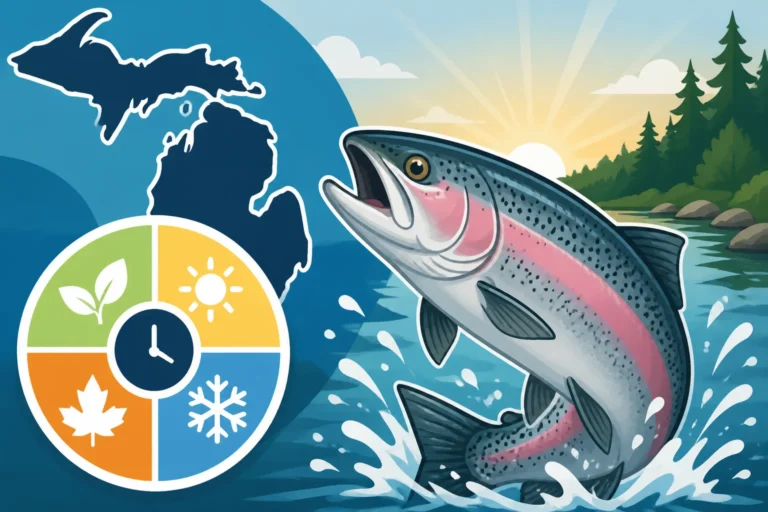
The Steelhead's Diet Through the Seasons
Steelhead aren't picky eaters, but they are opportunistic, meaning they'll eat whatever is most readily available and easiest to catch. In Michigan's rivers, this often means a varied diet of aquatic insects, baitfish, and, perhaps most famously, the eggs of other spawning fish.
- Fall: As fall salmon runs begin (Chinook and Coho), steelhead move into the rivers, often following the salmon to feast on their protein-rich eggs. They're also still consuming late-season aquatic insects like stoneflies and caddis larvae. This is a prime time for egg patterns. You'll often find them lurking just downstream of spawning salmon, gorging themselves. It’s a literal smorgasbord for them, and understanding this behavior is key to targeting them effectively.
- Winter: During the colder months, the metabolism of steelhead slows down significantly. They become less active, often holding in deeper, slower pools or behind significant structure, conserving energy. While they're not actively chasing food as much, they will still opportunistically feed on eggs that drift downstream, and larger, slower-moving nymphs like stoneflies become important. Presenting a fly slowly and deliberately is crucial during this period.
- Spring: As water temperatures begin to rise, steelhead become more active and aggressive. The eggs of earlier spawning fish (like suckers) are still present, and a new flush of aquatic insect hatches begins. This is also when steelhead themselves begin their primary spawning migrations, and they can be incredibly aggressive, even striking out of territoriality. This means egg patterns, nymphs, and even streamers can all be highly effective. Understanding Michigan Steelhead Run Timing is really important here, as different rivers can peak at different times.
Reading the Water for Feeding Cues
Just as important as knowing what they might eat is understanding what they are eating right now. Reading the water and looking for cues can dramatically increase your success. Are there salmon actively spawning upstream? Egg patterns are your best bet. Are you seeing stonefly shucks on rocks or caddis cases tumbling in the current? Nymphs become more relevant. While it's rare to see steelhead rising to dry flies in Michigan rivers, you might notice other trout species feeding on the surface, which gives you clues about general insect activity.
Pay attention to water clarity and flow, too. High, murky water after a rain might call for larger, brighter flies that create more vibration. Clear, low water often demands smaller, more natural patterns and a delicate presentation. Think about how the light hits the water; on bright, sunny days, sometimes darker, more subtle patterns can be better, while on overcast days, a brighter, more visible fly might grab attention. This skill comes with time and observation, so don't be afraid to experiment and observe what's happening around you.
Essential Fly Categories for Michigan Steelhead
Now that we've covered the "why," let's dive into the "what." Michigan steelhead flies generally fall into three main categories: egg patterns, nymphs, and streamers. Each category serves a distinct purpose, mimicking a different food source or eliciting a different strike response from the fish. Having a selection of each in your fly box is essential for a productive trip.
Egg Patterns: The Year-Round Staple
If there's one fly category that almost every Michigan steelhead angler swears by, it's egg patterns. These flies imitate the roe of salmon and other fish that spawn in the rivers. Steelhead are drawn to these protein-packed morsels, especially during and after salmon runs, but they will eat them throughout the year as they drift downstream.
The beauty of egg patterns is their simplicity and effectiveness. They don't require complex retrieves; they're designed to dead-drift naturally with the current, just like real eggs. When salmon are actively spawning, you'll often find steelhead directly behind them, scooping up stray eggs. Even when salmon aren't present, eggs from resident trout or suckers can be a consistent food source. It's a fundamental part of the Steelhead Life Cycle in Michigan Rivers that they learn to key in on this abundant food source.
Nymphs: Mimicking Subsurface Insects
Nymphs are flies that imitate the immature aquatic insect life that lives on the river bottom. Think of stoneflies, caddisflies, and mayflies. These insects are a constant food source for steelhead and other trout throughout the year, making nymphs incredibly versatile. When steelhead aren't actively feeding on eggs or chasing baitfish, they're often grubbing for nymphs.
Fishing nymphs effectively often involves a dead-drift presentation, similar to eggs, but sometimes with added subtle twitches to mimic a struggling insect. They are particularly effective when the water is clear and fish are being selective, or when there isn't an active salmon run. Learning How to Fly Fish for Michigan Steelhead with nymphs requires attention to detail, including proper weight and indicator setup to get your fly down to the feeding zone.
Streamers: Aggressive Bites for Aggressive Fish
Streamers are designed to imitate baitfish, leeches, or other larger prey items. Unlike eggs and nymphs that passively drift, streamers are typically stripped or swung to mimic movement, often provoking an aggressive, territorial strike from steelhead. While not always the first choice, especially in heavily pressured waters, streamers can be incredibly effective when steelhead are feeling feisty or if the water is a bit off-color.
Steelhead, especially larger, more aggressive specimens, can't resist chasing down a well-presented streamer. It's a thrilling way to fish, as the strikes are often violent and unmistakable. This technique is particularly good when fish are spread out and you need to cover a lot of water quickly, or during periods of higher, darker water when a larger profile is needed to get noticed.
Top Fly Patterns for Michigan Steelhead
Now that we understand the categories, let's get down to the brass tacks: specific fly patterns that have proven their worth on Michigan rivers year after year. While fly selection can sometimes feel like a personal preference, these patterns are widely considered "go-to" flies for a reason – they consistently produce results.
Specific Egg Patterns That Produce
When it comes to eggs, presentation is key, but having the right color and size can make all the difference. Steelhead are often looking for eggs that are naturally drifting or have been dislodged from a redd.
- Glo Bug: This is arguably the most famous and effective egg pattern. Made from bright, fuzzy antron yarn, Glo Bugs come in a variety of colors. The most popular for Michigan steelhead are Oregon Cheese (a bright orange/yellow), Otter's Egg (a more natural, mottled orange), Steelhead Orange, and Cerise (a hot pink). The key is to match the general color of natural eggs. Sometimes, a "trout bead" is also used, which is a solid plastic bead fished above the hook, mimicking an egg exactly. You can find a vast array of Glo Bug materials and pre-tied patterns on Amazon, making it easy to stock up.
- Sucker Spawn: These flies, typically tied with several strands of yarn resembling a small cluster of fish eggs, are incredibly effective in the spring when sucker species are spawning. Colors like cream, pale yellow, and light orange work wonderfully. They offer a slightly different profile than a single Glo Bug, often enticing strikes from fish that have seen a lot of single eggs.
Go-To Nymphs for Varying Conditions
Nymphs are the workhorses of subsurface fly fishing. Having a diverse selection allows you to adapt to different insect hatches and water conditions.
- Pat's Rubber Legs (or Stonefly Nymph): This big, buggy nymph is a staple. Imitating a large stonefly, its rubber legs provide incredible movement in the water, making it irresistible to hungry steelhead. Colors like black, brown, and olive in sizes #6-#12 are excellent choices, especially in faster or slightly off-color water. These are fantastic for probing deeper runs where larger insects might reside.
- Pheasant Tail Nymph: A classic for a reason, the Pheasant Tail is a generalist pattern that can imitate a variety of mayfly nymphs. It’s subtle, realistic, and highly effective in clear water or when fish are being particularly finicky. Sizes #12-#16 are typically preferred. Its segmented body and delicate profile are very appealing.
- Hare's Ear Nymph: Another versatile pattern, the Hare's Ear imitates a wide range of aquatic insects with its buggy, natural appearance. It works well in various sizes (#10-#16) and is a great search pattern when you're not sure what specific insect steelhead are keying into. The natural fibers give it a lifelike texture underwater.
- Prince Nymph: With its distinctive white biots (feathers) for wings, the Prince Nymph is a more attractor-style nymph that still does a great job imitating stoneflies or caddis. Its flashy nature can sometimes trigger strikes even when fish aren't actively feeding. Sizes #10-#14 are common.
For effective nymph fishing, understanding How to Read River Flow for Steelhead Fishing is crucial, as you need your fly to drift naturally without drag.
Effective Streamer Choices
When you want to provoke an aggressive strike, streamers are the way to go. These patterns are fished with an active retrieve, making them appear like struggling or fleeing baitfish.
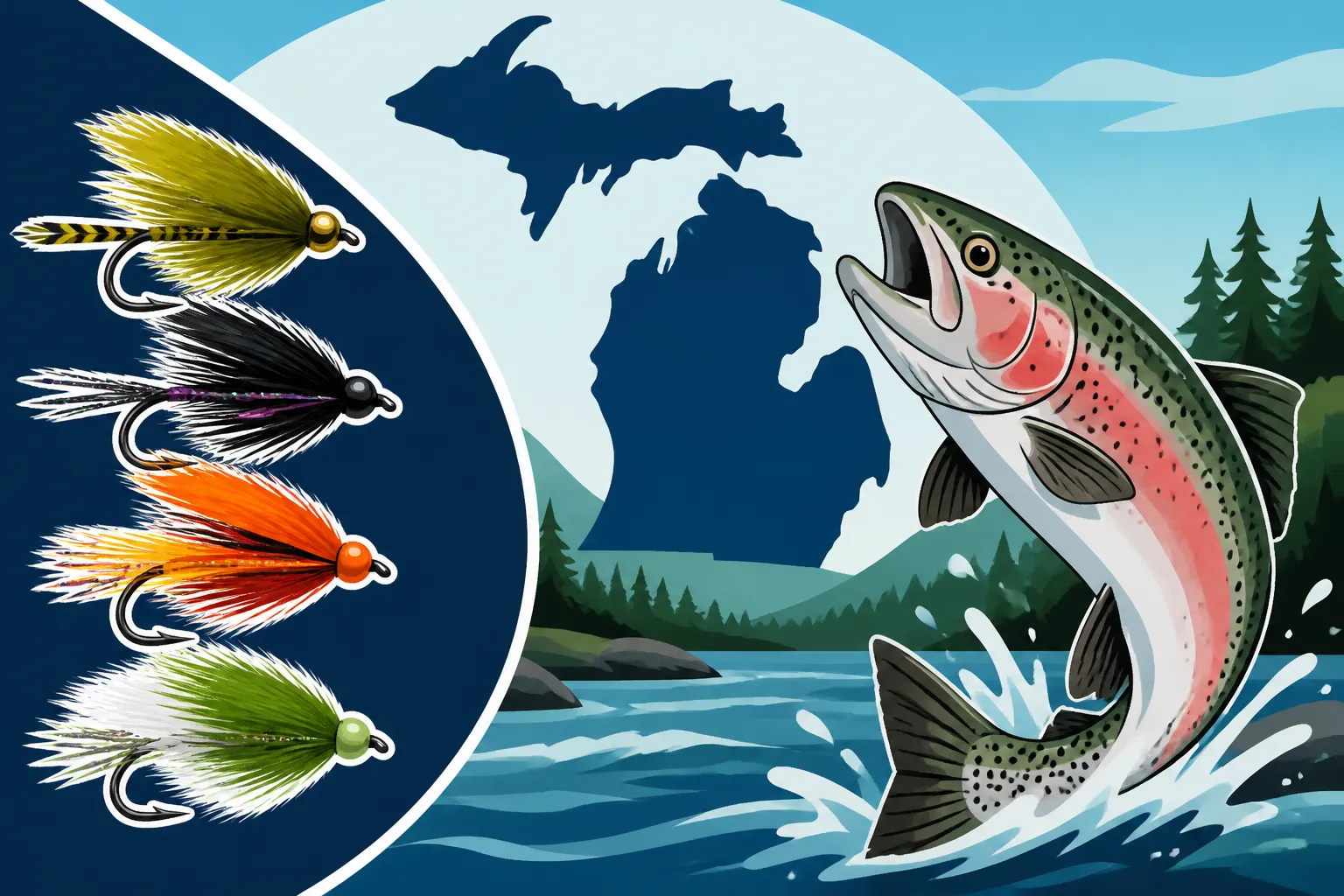
- Woolly Bugger: This is perhaps the most versatile streamer pattern out there. With its marabou tail and hackled body, it pulses and breathes in the water, imitating leeches, baitfish, or even crayfish. Black, olive, and brown are the most popular colors, in sizes #4-#10. Strip it, swing it, or dead-drift it – a Woolly Bugger always has a place in a steelhead angler's box.
- Sculpzilla: Designed to imitate sculpins, a common bottom-dwelling baitfish, the Sculpzilla has a distinct flattened head and a bulky profile. Its natural colors (olive, brown, black) and realistic movement make it a top choice for larger, more aggressive steelhead. Fish it with short, sharp strips to mimic a sculpin darting away.
- Articulated Streamers (e.g., Dolly Llama, Intruder-style patterns): For serious big-fish hunters, articulated streamers offer maximum movement and a large profile. These multi-jointed flies undulate enticingly in the current, drawing attention from across the river. While they can be a bit more challenging to cast, especially if you're using a Best Rod Length for River Steelhead that's on the shorter side, their effectiveness for trophy steelhead is undeniable. You'll often find these flies and the materials to tie them, like flashabou and senyo's laser dub, on Amazon.
Matching the Hatch and Conditions
Having a well-stocked fly box is only half the battle. The real art of steelhead fishing lies in choosing the right fly for the right conditions. This means considering the time of year, water clarity, temperature, and even the light conditions.
Seasonal Fly Selection Strategies
Your fly choices should evolve with the seasons, reflecting the changes in the steelhead's diet and behavior.
- Fall Focus: During the fall salmon runs, egg patterns are absolutely king. Focus on colors that mimic salmon eggs, like bright oranges, pinks, and creams. Sizes #8-#14 are generally good. As the salmon run tapers, or if you're fishing areas without salmon, switch to larger nymphs like Pat's Rubber Legs. Fall is also a great time to explore Michigan's Great Lakes Fishing Guide for other opportunities before committing to river fishing.
- Winter Wisdom: In the cold winter months, presentation becomes paramount. Steelhead are often lethargic. Focus on presenting smaller, darker egg patterns (Otter's Egg, Mottled Glo Bug) and larger, heavily weighted nymphs (stoneflies) very slowly and close to the bottom. Sometimes, a tiny, subtle nymph like a zebra midge in black or olive can work if nothing else does. The fish are conserving energy, so make it easy for them. Checking the Winter Steelhead Run in Michigan Rivers reports can give you clues on water temperatures and fish locations.
- Spring Surge: Spring is a time of transition and variety. Early spring can still be good for eggs (sucker spawn, natural-colored Glo Bugs) as other fish begin to spawn. As water temperatures rise and insect activity increases, nymphs like Pheasant Tails and Hare's Ears become highly effective. Don't be afraid to throw streamers if the water is a bit colored from snowmelt or rain; steelhead can be very aggressive as they prepare to spawn and then drop back to the lake. Many anglers enjoy the Fall Steelhead Run in Michigan Rivers as much as the spring, but both offer unique challenges and rewards.
Color and Size Considerations
It's not just about the type of fly; the color and size can be just as critical.
- Water Clarity:
- Clear Water: In clear, low water conditions, steelhead can be very spooky and selective. Opt for smaller, more natural-colored flies. Think subtle egg patterns (light orange, cream), realistic nymphs (Pheasant Tail, Hare's Ear), and smaller, drab streamers (olive Woolly Bugger).
- Stained or Off-Color Water: When the water has some color or is high after a rain, you need flies that stand out. Brighter, larger egg patterns (Cerise, Oregon Cheese Glo Bugs), larger, darker nymphs (black Pat's Rubber Legs), and flashier streamers (black or olive Woolly Buggers with flash) tend to work best. The increased profile and visibility help fish locate your fly.
- Water Temperature:
- Cold Water (Winter): Fish are slow. Use smaller, more subdued colors for egg patterns, and focus on larger, more prominent nymphs to provide a bigger meal for less effort. Think browns, olives, and even black.
- Warmer Water (Spring/Fall): As water temperatures rise, steelhead become more active and will chase. Brighter egg patterns, a wider range of nymph colors, and aggressive streamers are all on the table.
- Light Conditions:
- Bright Sun: Sometimes, darker, more subtle flies are better under bright sun, as bright flies can look unnatural.
- Overcast/Low Light: Brighter, more visible flies can be advantageous, helping fish locate them in the dim light.
Ultimately, the best advice is to carry a variety of sizes and colors for each key pattern. Sometimes, the fish have a very specific preference, and having options allows you to "match the hatch" of their mood and appetite. Remember, fishing in different Best Michigan Rivers for Trout and Steelhead might require slightly different approaches due to varying water characteristics.
Here’s a quick reference table to help guide your selections:
| Fly Category | Best Season(s) | Typical Colors | Recommended Sizes | Conditions to Use |
|---|---|---|---|---|
| Egg Patterns | Fall, Winter, Spring | Orange, Pink, Yellow, Cream, Chartreuse | #8 – #14 | Following salmon runs, spawning suckers, year-round drifts |
| Nymphs | Year-Round | Brown, Olive, Black, Tan, Gray | #10 – #16 | Clear water, slower flows, insect hatches, low activity |
| Streamers | Fall, Spring | Black, Olive, Brown, White | #4 – #10 | Aggressive fish, off-color water, searching large areas |
Chasing Michigan steelhead with a fly rod is a truly rewarding experience, one that pushes you to constantly learn and adapt. By understanding their diet, recognizing key conditions, and having a well-stocked box with these essential fly patterns, you'll be well on your way to more memorable days on the river. Don't be afraid to experiment, observe, and learn from every cast. Good luck out there!
Disclaimer
The information provided in this guide is for general informational purposes only and is not intended as legal advice. Fishing regulations in Michigan are subject to change, and it is the angler's responsibility to consult the latest Michigan Department of Natural Resources (DNR) fishing guide or website for current rules and regulations before fishing.