Straits of Mackinac Fishing
Many anglers dream of fishing Michigan's vast waters, but the thought of tackling a place as iconic and potentially challenging as the Straits of Mackinac can feel incredibly daunting. You might wonder where to even begin, what fish actually live there, or if your boat is even up to the task of navigating those powerful currents. This comprehensive guide is here to cut through that confusion, giving you all the insider knowledge and practical advice you need to confidently plan and execute a successful fishing adventure in the magnificent Straits of Mackinac.
Understanding the Unique Waters of the Straits of Mackinac
The Straits of Mackinac aren't just another body of water; they're a true marvel, a vibrant aquatic highway connecting two of the greatest freshwater seas on Earth. This unique geography creates an incredibly dynamic and productive fishery, but it also presents a set of conditions that anglers need to respect and understand.
A Confluence of Great Lakes Waters
Imagine where the vast, deep, and often frigid waters of Lake Michigan meet the equally expansive, though typically shallower, waters of Lake Huron. That's precisely what the Straits of Mackinac are. This convergence brings together different water temperatures, nutrient levels, and even baitfish populations, creating a smorgasbord for a wide variety of sport fish. It's like a grand buffet for everything from massive lake trout to schooling yellow perch, making it a truly diverse fishing destination unlike many other spots in the state. This mixing zone means you could be targeting species typically associated with Lake Michigan one day and Lake Huron species the next, all within a relatively small area.
Moreover, the deep-water currents here act like a conveyor belt for baitfish, funneling them through the narrow passage and concentrating them in predictable areas. This natural phenomenon draws in predatory fish, making the Straits an irresistible hunting ground. Anglers who understand these dynamics can position themselves strategically to intercept hungry fish. It's this constant flow and unique blend of ecosystems that makes the Straits so vibrant and exciting, offering an incredible challenge and reward for those who learn its secrets.
Depths, Currents, and Navigation Challenges
While incredibly productive, the Straits also demand respect. Depths can plunge dramatically from shallow flats to hundreds of feet in a short distance, creating significant thermoclines and current breaks that fish often exploit. The currents themselves can be surprisingly strong, especially around the Mackinac Bridge piers and where the lakes truly funnel together. This isn't calm inland lake fishing; you're dealing with big water that can change quickly.
Navigating these waters requires careful attention to marine weather forecasts, as winds funneling through the Straits can whip up significant waves in a hurry. Boaters need to be prepared for chop and potentially strong opposing currents. It's not uncommon for a calm morning to turn into a white-capping afternoon, so keeping an eye on the sky and a good marine radio (or apps like NOAA Weather Radio) is paramount. If you're not experienced with big water, considering a guided trip through a service like FishingBooker can provide invaluable local knowledge and ensure a safer, more productive day on the water, helping you understand where the calmer waters might be on a choppier day. Always remember that safety on the Great Lakes is non-negotiable, and understanding these dynamic conditions is the first step to a successful outing.
Prime Fish Species to Target in the Straits
The diverse environment of the Straits of Mackinac supports an equally diverse array of game fish, offering something for every type of angler. Knowing what's biting when and where is key to maximizing your success.
Walleye: The Renowned Bottom-Dweller
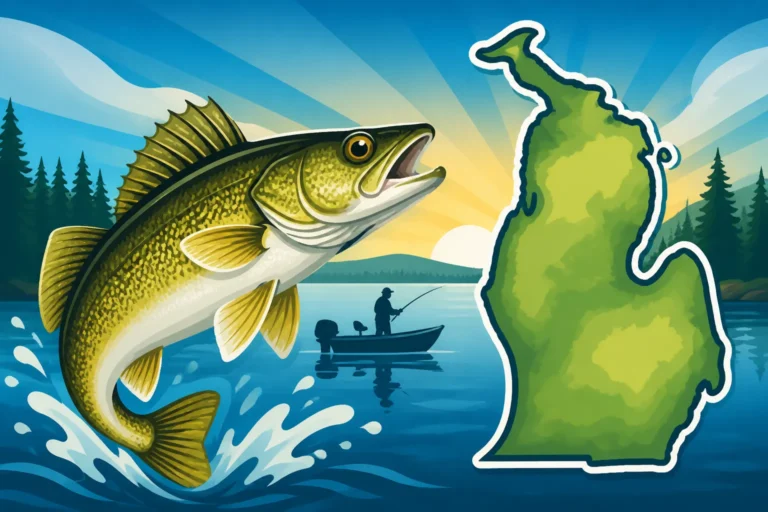
Walleye are a prized catch in Michigan, and the Straits offer excellent opportunities, particularly in the shallower, current-swept areas where they ambush baitfish. These cunning predators often hang near structure or along current seams, making them a challenging but highly rewarding target. While Saginaw Bay on Lake Huron gets a lot of attention for walleye, the Straits should not be overlooked, especially from late spring through early fall.
Anglers targeting walleye here will often focus on depths ranging from 15 to 40 feet, though they can be found shallower or deeper depending on the time of day and year. Early mornings and evenings tend to be prime feeding times, but in stained water or on overcast days, they'll bite throughout the day. Techniques typically involve jigging with live bait like nightcrawlers or minnows, or trolling with crankbaits and crawler harnesses. For more in-depth strategies, check out our guide on Michigan Walleye Fishing Techniques. Look for areas with a mix of rock and sand, especially near drop-offs, as these are classic walleye holding patterns.
Salmon and Trout: Great Lakes Giants
When people think of Great Lakes fishing, salmon and trout often come to mind, and for good reason – the Straits are home to some spectacular action for these powerful fish. Chinook (King) Salmon, Coho Salmon, Lake Trout, and Steelhead (Rainbow Trout) all make appearances, drawn by the abundant baitfish and the cooler, deeper waters.
- Chinook and Coho Salmon: These aggressive predators are often found cruising the open waters, particularly where deep-water currents concentrate bait. They put up an incredible fight and are a favorite among trollers. Early summer through fall is prime time, with the fall run bringing them closer to tributary mouths. To learn more about these magnificent fish, our Michigan Salmon Species Explained post offers a deep dive.
- Lake Trout: True residents of the deep, cold waters, lake trout are a staple in the Straits year-round. They can be found near the bottom in deep holes and along steep drop-offs. Their powerful runs and substantial size make them a thrilling catch.
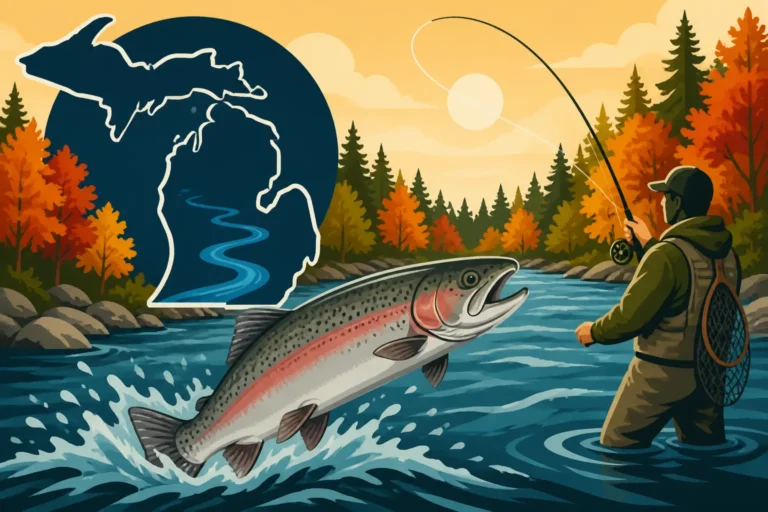
- Steelhead (Rainbow Trout): While many think of steelhead as river fish, these migratory rainbows spend a significant portion of their lives in the Great Lakes, including the Straits. They're often caught by trollers targeting salmon, and some will stage near river mouths during their spawning runs. Our guide on Michigan Trout Species Explained provides excellent information on identifying and targeting these beautiful fish.
Perch and Smallmouth Bass: Inland Lake Favorites with a Twist
While salmon, trout, and walleye often steal the spotlight, the Straits also offer fantastic opportunities for species typically associated with shallower, inland waters, but with a definite Great Lakes edge.
- Yellow Perch: These panfish are a delight for anglers of all ages and are found in good numbers in the Straits, particularly in shallower bays and around weed beds and submerged structure. They school up, so when you find one, you often find many. Simple techniques like still-fishing with live minnows or pieces of crawler under a bobber can be incredibly effective. They're also fantastic table fare, making them a popular target for many.
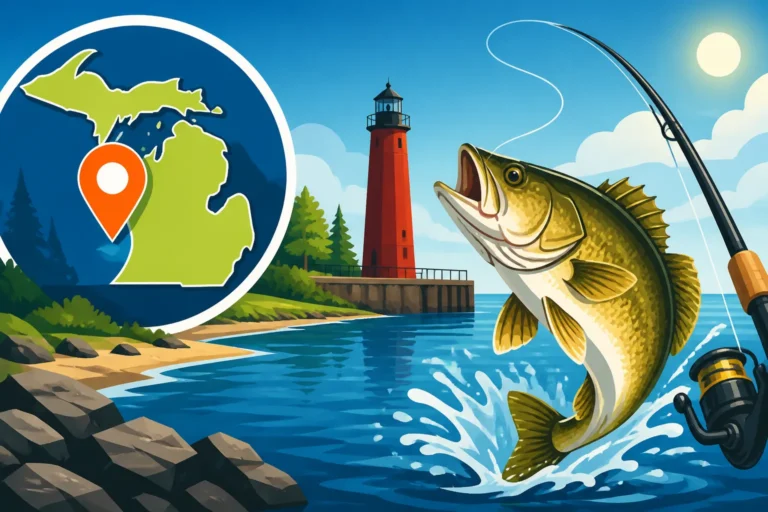
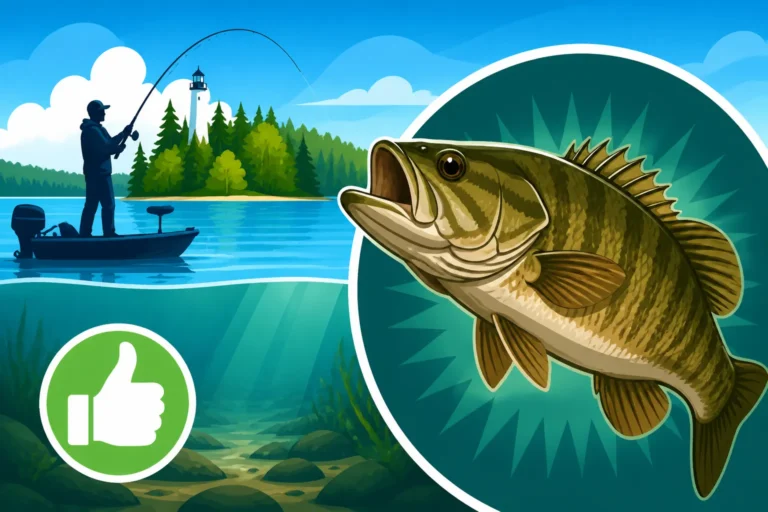
- Smallmouth Bass: The bronze-backed warriors thrive in the rocky, current-swept areas of the Straits. They are fierce fighters, known for their acrobatic jumps and powerful runs. Look for them around rocky points, shoals, and the structural elements of the Mackinac Bridge. Casting crankbaits, jigs, or soft plastics can provoke explosive strikes. The average size of smallmouth in the Straits can be quite impressive, making them a premier sportfish for many.
Top Fishing Spots and Structures in the Straits
The vastness of the Straits can be overwhelming, but understanding key areas and structures will significantly improve your chances of success. It’s all about finding where the fish congregate in this dynamic environment.
Around the Mackinac Bridge
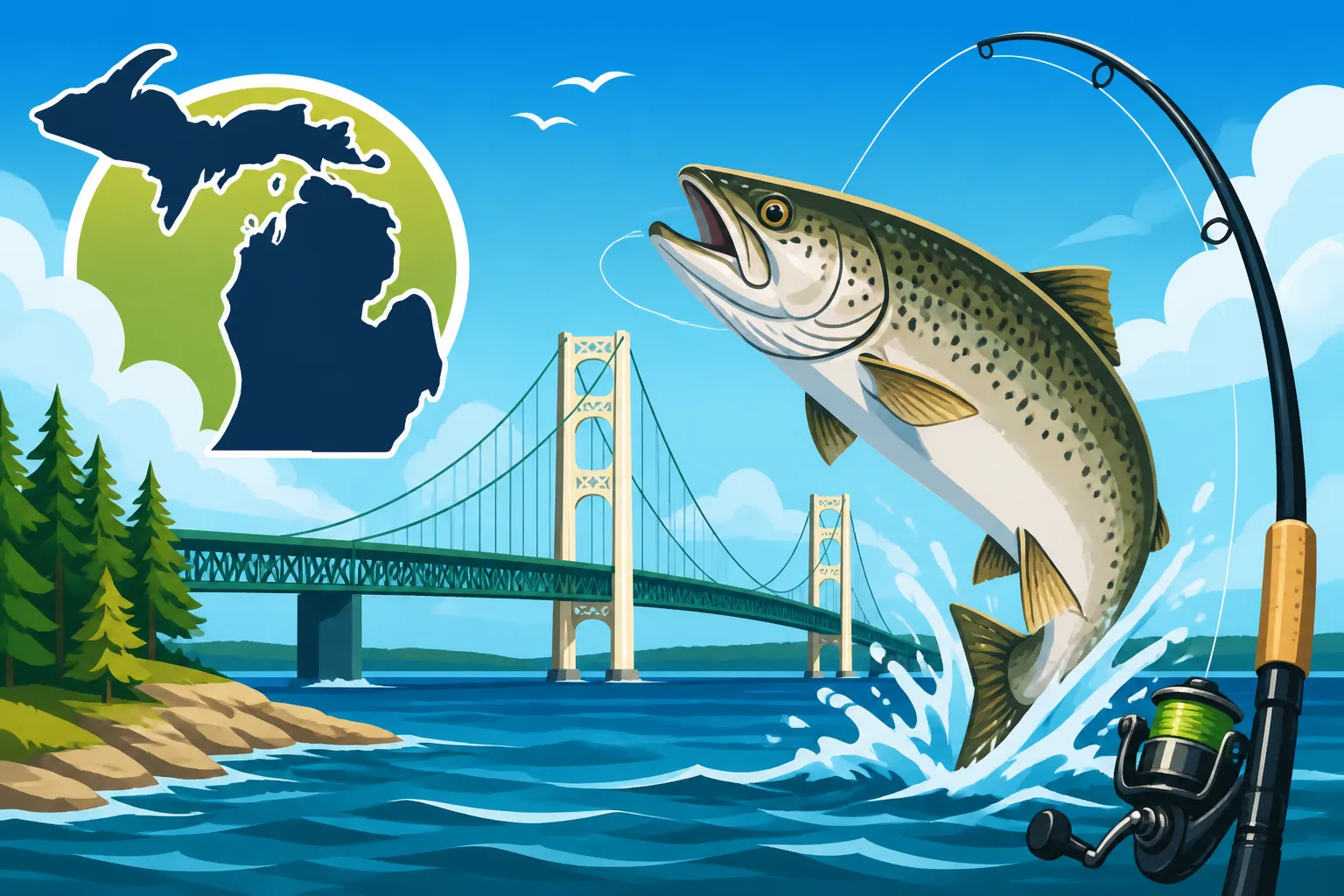
The iconic Mackinac Bridge isn't just a beautiful landmark; it's a massive fish magnet. The numerous piers create incredible current breaks, eddies, and deep scour holes that provide shelter and ambush points for a multitude of species. The bridge acts as an artificial reef system, attracting baitfish and, subsequently, the predators that feed on them.
Anglers often target walleye and smallmouth bass directly around the bridge structure. The constant flow of water provides oxygen and nutrients, keeping fish active. Trolling along the bridge approach or jigging vertically near the piers can be highly effective. However, be incredibly mindful of boat traffic, strong currents, and navigation markers. This area can be busy, especially during peak seasons, and requires constant vigilance. For a unique perspective and often excellent fishing, shore fishing opportunities exist near the base of the bridge on both the Mackinaw City and St. Ignace sides, allowing access to some of these productive waters without a boat.
Mackinac Island and Round Island Waters
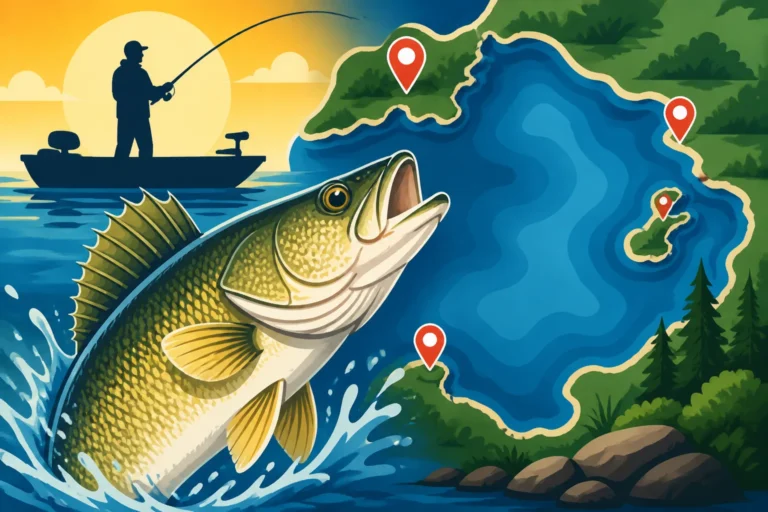
Just to the east of the bridge, Mackinac Island and its smaller neighbor, Round Island, offer another fantastic set of fishing grounds. The waters surrounding these islands feature a mix of rocky reefs, drop-offs, and shallower flats that cater to a variety of fish. The deep channels between Mackinac Island and Round Island, and between Round Island and the mainland, are prime locations for trolling for salmon and lake trout.
The north side of Mackinac Island can be particularly good for smallmouth bass and perch, especially closer to shore in the shallower, rocky areas. The historical significance of Mackinac Island combined with its excellent fishing makes this area a truly special place to cast a line. Whether you're targeting big salmon in the deep channels or casting for bass along the rocky shorelines, these islands provide diverse habitats for a memorable outing. Many local guides, often found through platforms like FishingBooker, specialize in these productive island waters.
Near St. Ignace and Mackinaw City
The mainland shorelines and bays around St. Ignace (on the Upper Peninsula side) and Mackinaw City (on the Lower Peninsula side) provide excellent, more accessible fishing options, including some fantastic shore fishing. These areas offer a slightly different fishing experience compared to the open waters and bridge structure.
- St. Ignace Area: The bays and harbors around St. Ignace, such as Moran Bay, can be fantastic for yellow perch, especially in late spring and early summer. The public piers offer easy access for families and those without a boat, where you can often catch perch, rock bass, and sometimes even small walleye. Exploring the points and protected coves can yield good smallmouth bass fishing, particularly on calmer days.
- Mackinaw City Area: Similar to St. Ignace, the waters around Mackinaw City offer excellent pier fishing and opportunities for targeting perch and smallmouth bass from shore or a small boat. The protected harbor can be a good starting point before venturing into the more open waters. The shoals and deeper ledges just outside the immediate harbor can also hold decent numbers of walleye, particularly during low light conditions. Remember that all anglers need to understand the Michigan Fishing Regulations Every Angler Should Know before heading out.
Seasonal Strategies for Straits of Mackinac Fishing
The beauty of fishing the Straits of Mackinac is its year-round potential, though the target species and techniques certainly shift with the seasons. Understanding these seasonal changes is crucial for maximizing your success. For a broader perspective on timing, you might want to consult our comprehensive guide, Best Time of Year to Fish in Michigan.
Spring: Awakening Waters and Hungry Fish
As the ice melts (if it formed at all), spring brings a surge of activity to the Straits. The warming water temperatures signal an increase in metabolism for many fish species, making them actively feed after the lean winter months. This is an exciting time, as fish are often shallower and more aggressive.
- Walleye: Late spring sees walleye moving into shallower areas to spawn, often near rocky reefs and river mouths that feed into the Straits. After spawning, they remain shallow for a period, aggressively feeding to recover. Jigging or casting shallow-running crankbaits in depths of 10-25 feet can be very effective during this period.
- Perch and Smallmouth Bass: As water temperatures climb into the 40s and 50s Fahrenheit, perch and smallmouth bass become very active in the shallower bays and around rocky structures. Perch will often school up, making for fast action, while smallmouth will cruise the flats. Live bait, like minnows and worms, are top choices for both.
- Steelhead: Spring is also a prime time for steelhead to run up tributaries connected to the Straits, or to cruise the shallower nearshore waters of the Straits themselves as they stage for spawning or return to the lake after their river journey. Trolling shallow or casting spoons and stickbaits can be productive.
Summer: Prime Time for Great Lakes Trolling
Summer in the Straits is synonymous with open-water trolling for the big Great Lakes predators. As surface waters warm, salmon and trout often retreat to deeper, cooler waters where they can find abundant baitfish.
- Salmon (Chinook and Coho): This is prime time for targeting Chinook and Coho salmon in the deeper, open waters of the Straits. Trolling with downriggers, Dipsy Divers, and planer boards is the name of the game, presenting spoons, flies, and plugs at various depths. Look for temperature breaks and concentrations of baitfish on your sonar. Our guide on How to Troll for Salmon on the Great Lakes offers extensive advice on these techniques.
- Lake Trout: Lake trout remain a reliable target throughout the summer, often found near the bottom in the deepest parts of the Straits. They can be caught by trolling with dodgers and flies, or by vertical jigging heavy spoons or tube jigs.
- Walleye: While some walleye may move deeper, many will still be found in areas with good current and structure. Night fishing for walleye can be particularly productive during the summer, as they move into shallower feeding grounds under the cover of darkness.
Fall: The Salmon Run Spectacle
Fall brings a significant shift in fishing patterns, most notably the highly anticipated salmon runs. As temperatures begin to drop and days shorten, Chinook and Coho salmon instinctively head for their spawning grounds, often staging in the Straits before entering the connecting rivers.
- Salmon: The fall salmon run is spectacular. Large mature Chinook and Coho stage in the shallower waters near river mouths, providing opportunities for anglers trolling, casting, or even shore fishing. These fish are aggressive as they prepare to spawn. Fishing around the mouths of rivers like the Pine River or Cheboygan River (though a bit further east) can be excellent.
- Lake Trout: Lake trout also become more active in shallower waters during the fall as they prepare for their own spawning rituals. They can be found on rocky shoals and reefs, often closer to shore than in summer.
- Walleye and Smallmouth Bass: Both walleye and smallmouth bass feed heavily in the fall, bulking up for winter. They can be found in similar locations to spring, but often slightly deeper. Trolling crankbaits or casting jigs and soft plastics remain effective.
Here's a quick reference table for seasonal targets:
| Season | Primary Target Species | Secondary Species | Recommended Techniques |
|---|---|---|---|
| Spring | Walleye, Yellow Perch, Smallmouth Bass | Steelhead | Jigging, Casting, Live Bait Still-fishing |
| Summer | Chinook Salmon, Coho Salmon, Lake Trout | Walleye, Smallmouth Bass | Trolling (Downriggers, Dipsies), Vertical Jigging, Night Fishing |
| Fall | Chinook Salmon, Coho Salmon, Lake Trout | Walleye, Smallmouth Bass | Trolling, Casting, Jigging, Shore Fishing (near river mouths) |
Effective Techniques and Essential Gear for the Straits
Fishing the Straits of Mackinac demands a versatile approach and reliable gear due to the varied conditions and diverse species. Being prepared for different scenarios will drastically increase your chances of success.
Trolling for Deepwater Success
Trolling is perhaps the most popular and effective technique for covering large expanses of water and targeting suspended fish like salmon and lake trout in the Straits. This involves dragging lures behind a moving boat at specific depths and speeds.
To effectively troll in the Straits, you'll need specialized equipment. Downriggers are crucial for getting lures down to precise depths, especially when fish are holding hundreds of feet deep. Dipsy Divers and planer boards are also vital tools for spreading out your lines, covering more water, and presenting lures at different depths away from the boat's prop wash. Using an array of spoons, plugs, and flasher-fly combinations allows you to imitate various baitfish and find what the fish are keying in on. Popular colors can vary, but generally, bright colors on sunny days and glow or darker colors on cloudy days or in deeper water are good starting points. Remember that knowing how to properly set up and use these tools can take practice, so consider watching some instructional videos or, better yet, hiring a local charter through services like FishingBooker for a hands-on learning experience.
Jigging and Live Bait Rigs for Bottom Fish
When targeting walleye, lake trout, or smallmouth bass that are holding tight to structure or near the bottom, jigging and live bait rigs become incredibly effective. These techniques allow for a more vertical presentation and pinpoint accuracy.
For walleye and smallmouth bass, a medium-light to medium-heavy spinning rod with braided line and a fluorocarbon leader is a great setup. Jigs tipped with soft plastics (grubs, swimbaits, tubes), live minnows, or nightcrawlers can be deadly. When jigging, pay attention to the retrieve – a lift-and-drop motion is often all it takes to trigger a strike. For lake trout in deeper water, heavier jigging spoons, tube jigs, or even large soft plastics rigged on heavy jig heads are the ticket. You'll need stout tackle to handle these powerful fish and their deepwater fights. Using your electronics to locate fish and structure is key before dropping your jig. Drift fishing with live bait, such as shiners or suckers, on bottom bouncers or three-way rigs can also be very effective for walleye and lake trout, allowing you to cover ground while maintaining bottom contact.
Shore Fishing Opportunities
While many assume fishing the Straits requires a boat, there are genuinely rewarding shore fishing opportunities, particularly around the towns of St. Ignace and Mackinaw City. These spots offer access to some excellent shallow-water action for perch, smallmouth bass, and even occasional walleye or steelhead.
Public piers, park shorelines, and accessible points provide platforms for casting. A medium-action spinning rod with 6-10 lb test monofilament or braided line is versatile for most shore fishing scenarios. Baits like nightcrawlers, minnows, and small artificial lures (spoons, spinners, small crankbaits) are often effective. Early mornings and evenings tend to be the most productive times. If you're looking for more detailed tactics, our guide on Shore Fishing Techniques for Michigan's Great Lakes can provide some excellent insights. Always check local regulations, as some areas may have specific rules regarding fishing access or bait use.
Boating, Charters, and Safety on These Dynamic Waters
Fishing the Straits of Mackinac often means navigating significant waters, strong currents, and unpredictable weather. Proper preparation, understanding local conditions, and prioritizing safety are not just recommendations—they're necessities.
Navigating the Straits with Confidence
The Straits of Mackinac connect two of the world's largest freshwater lakes, and the volume of water passing through this relatively narrow channel creates significant currents. These currents, combined with wind, can quickly build large waves, making navigation challenging for smaller craft. Before launching, always check marine weather forecasts and understand wave heights and wind direction. The Michigan Department of Natural Resources (DNR) provides excellent resources and up-to-date information on water conditions.
Equip your boat with a reliable GPS and depth finder. A good chartplotter will help you identify depths, navigation channels, and potential hazards. While a Michigan Fishing License Guide for Residents and Nonresidents is a must-have, understanding general boating safety rules, carrying appropriate safety gear (life jackets, flares, horn, fire extinguisher), and knowing how to use them are equally vital. Filing a float plan with someone on shore is always a smart move, letting them know your intended route and return time. Even on calm days, the Straits demand respect and vigilance.
Choosing a Reputable Charter Service
For those new to the Straits, or without a suitable boat, booking a charter fishing trip is an excellent option. A local charter captain possesses invaluable knowledge of current conditions, productive fishing grounds, and the most effective techniques for the day. They have the specialized equipment, experience, and safety gear to ensure a productive and safe outing.
When selecting a charter, look for captains with a strong reputation for safety and success. You can often find reviews and contact information for local charter services through online platforms or by visiting marinas in Mackinaw City or St. Ignace. Services like FishingBooker are a great way to find and compare reputable charters in the area, allowing you to read reviews and book directly. A good captain will not only put you on fish but also share insights into the local fishery, making your experience more educational and enjoyable. This is especially useful for targeting specific species like the larger salmon or deepwater lake trout. For a comprehensive overview of the region's fishing, consider looking at a Michigan's Great Lakes Fishing Guide before your trip.
Essential Safety Considerations
Safety on the Straits of Mackinac cannot be overstressed. The combination of strong currents, changing weather, and commercial traffic (freighters navigating the lakes) means constant awareness is key.
- Life Jackets: Ensure everyone on board has a properly fitting life jacket, and that they are worn, especially by children or inexperienced swimmers.
- Communication: Carry a marine-band VHF radio in addition to your cell phone. Cell service can be spotty in certain areas of the Great Lakes, and a VHF radio provides direct communication with the Coast Guard and other vessels.
- Weather Monitoring: Continuously monitor marine weather forecasts. Sudden squalls can develop quickly. Knowing when to head in is a critical decision.
- Appropriate Vessel: Ensure your boat is adequately sized and equipped for Great Lakes conditions. A small aluminum fishing boat suitable for an inland lake might be completely inadequate for the open waters of the Straits.
- Emergency Kit: Always have an emergency kit onboard, including first aid supplies, extra clothing, water, food, and a knife.
- Knowledge of Regulations: Always have your Michigan Fishing Regulations Every Angler Should Know handy and ensure you understand them fully.
Fishing the Straits of Mackinac offers an unparalleled experience, blending spectacular scenery with incredible fishing opportunities. By respecting its power, understanding its nuances, and prioritizing safety, you're set for an unforgettable adventure on these truly majestic waters. Whether you're chasing trophy salmon or enjoying a peaceful day catching perch, the Straits have a special kind of magic.
Disclaimer
Please remember that fishing regulations, conditions, and fish populations can change. Always consult the latest Michigan Department of Natural Resources (DNR) fishing guide before heading out on the water. Stay safe and enjoy your time fishing the beautiful waters of Michigan!