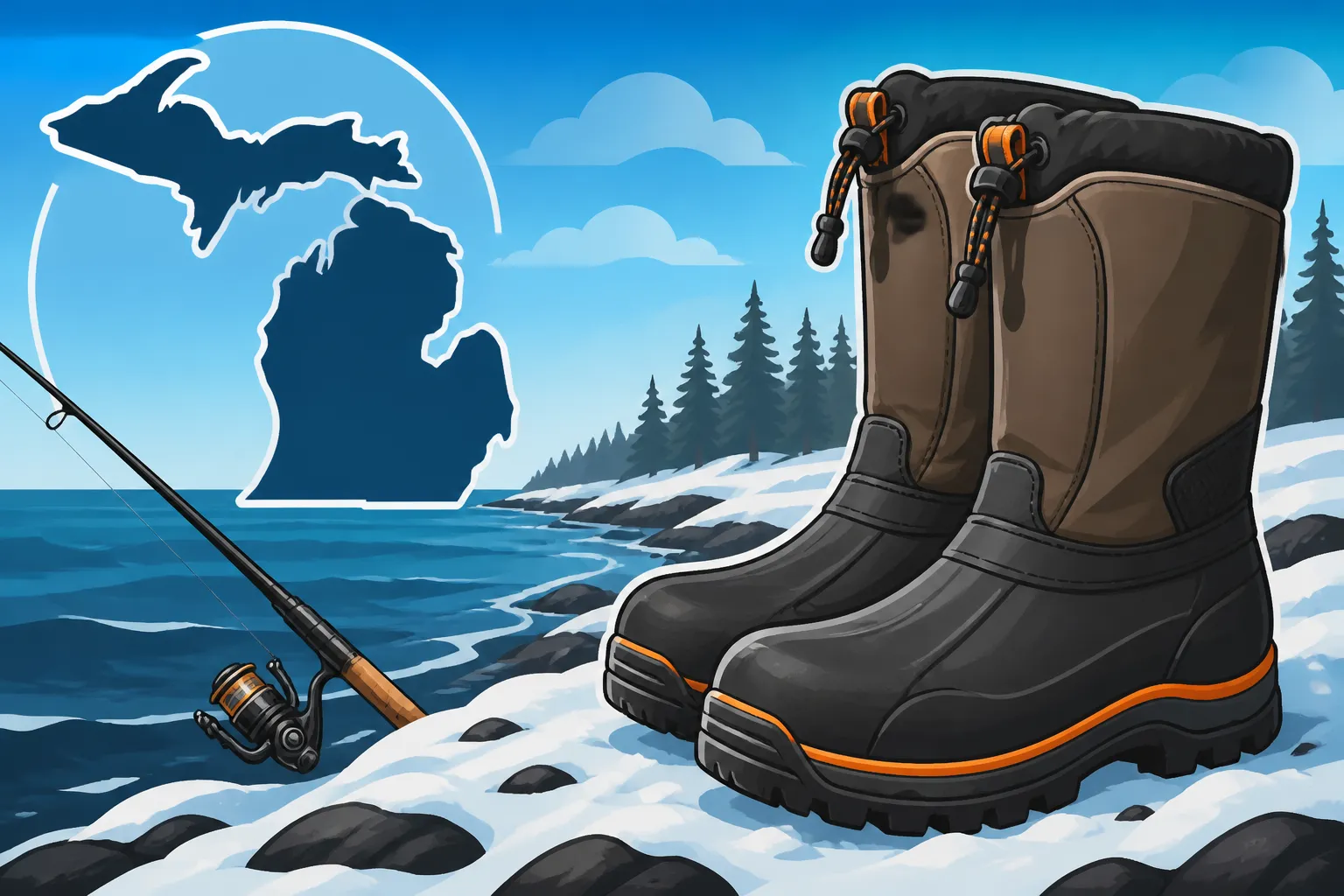
Best Boots for Shore Fishing in Winter
There's nothing quite like the crisp air and serene solitude of winter shore fishing in Michigan, but let's be real: freezing cold feet can absolutely ruin an otherwise perfect day on the water. That bone-chilling cold that seeps in, making your toes numb and your entire body shiver, is a common frustration for many dedicated anglers. This guide is all about helping you conquer that chill by delving deep into the best boots to keep your feet warm, dry, and secure when you're casting from the banks, piers, or rocky shorelines during Michigan's colder months.
The Unique Challenges of Winter Shore Fishing in Michigan
Michigan winters are legendary for a reason, and if you're out there fishing from shore, you're facing a unique set of challenges that demand specific gear, especially when it comes to footwear. It's not just about looking good; it's about staying safe and comfortable enough to actually enjoy your time pursuing those winter steelhead, perch, or walleye.
Battling the Cold and Ice
The most obvious adversary during winter shore fishing is the bitter cold. Air temperatures often dip well below freezing, and when you combine that with wind chill coming off the Great Lakes or an inland waterway, it can feel truly brutal. Your feet are particularly vulnerable because they're often static, stuck in one spot for long periods, and subjected to the conductive cold of the ground beneath them. A typical "warm" boot might be fine for a quick walk to the mailbox, but standing for hours on frozen earth, slush, or even thin ice requires a whole different level of thermal protection. Imagine setting up for a morning bite on the St. Clair River, and within an hour, you can barely feel your toes. This isn't just uncomfortable; it can lead to frostnip or even frostbite in extreme conditions. Proper insulation is non-negotiable for battling this relentless chill. You need boots designed to create an effective barrier, trapping your body heat and preventing the outside cold from penetrating. This is where features like high "gram" insulation ratings become so critical, much like understanding the right setup for a long day on the ice as detailed in our Michigan Ice Fishing Guide.
Navigating Slippery Terrain
Beyond the cold, Michigan's winter shorelines present a treacherous landscape. You're dealing with a mix of ice, snow, wet leaves, mud, and slick rocks, especially near water where spray can freeze instantly. A slight misstep could send you sprawling, potentially leading to injury or, at the very least, an unplanned dip in frigid water. The frustration of trying to maintain balance while holding a rod, managing line, or even just walking to your favorite spot is something every winter angler knows. Regular hiking boots, or even many general-purpose winter boots, simply don't offer the specialized traction needed for these dynamic, often unstable conditions. We're talking about deep lugs, specialized rubber compounds, and sometimes even the option for removable ice cleats. This isn't just about grip on flat surfaces, but about stability when traversing uneven, icy, or muddy banks that can feel like a skate park if you're not properly shod.
The Importance of Dry Feet
Perhaps even more critical than warmth is dryness. Wet feet in cold weather are a recipe for misery and a direct pathway to dangerously cold feet. Whether it's from splashing water, melting snow, slush, or simply stepping into an unseen puddle, once water penetrates your boots, the insulating properties plummet, and your feet will get cold very quickly. It's a cruel trick of winter: you might start with perfectly warm feet, but one ill-placed step or a bit of spray can turn your day sour almost instantly. This is why absolute waterproofing is paramount. It’s not enough for boots to be "water resistant"; they need to be fully impervious to moisture. This is especially true when you consider the varied shorelines you might encounter, from the wave-battered shores of Lake Michigan to the slushy banks of a smaller inland river during a Best Winter Steelhead Run in Michigan Rivers. You need confidence that your feet will stay bone-dry no matter what slushy, watery obstacle lies in your path.
Essential Features for Winter Shore Fishing Boots
When you're serious about staying out on the shore during a Michigan winter, your boots become one of your most important pieces of gear. They aren't just footwear; they're a vital part of your personal survival system, keeping you comfortable, safe, and focused on the fish.
Superior Insulation and Warmth Ratings
This is the cornerstone of any good winter fishing boot. You need enough insulation to withstand prolonged exposure to freezing temperatures. Boot manufacturers often use "gram" ratings for insulation, such as 200g, 400g, 800g, or even 1200g. Generally, the higher the gram rating, the warmer the boot. For Michigan winter shore fishing, I wouldn't recommend anything less than 800g, and often, 1000g or 1200g is preferred, especially if you plan to be stationary for long periods. Brands often use materials like Thinsulate, PrimaLoft, or their own proprietary blends. These materials work by trapping air, which then acts as a thermal barrier.
Think of it this way: if you're standing on an icy pier for a few hours waiting for a steelhead to bite, your feet are losing heat to the cold surface below. Good insulation slows that heat transfer significantly. Consider the difference between a thin work glove and a thick ski mitt; it’s the same principle. The interior lining also plays a role. Fleece or wool linings add an extra layer of warmth and can wick away moisture, further enhancing comfort. When you're looking at options on Amazon or at Bass Pro Shops, make sure to check those insulation specs carefully – they're not just numbers; they're your comfort guarantee. Don't forget, the type of socks you wear will also impact overall warmth, so plan for good thermal socks inside your insulated boots.
Waterproofing: Your First Line of Defense
As we discussed, wet feet are cold feet. So, truly waterproof construction is absolutely non-negotiable. Many boots claim to be "water resistant," but that's often not enough when you're splashing through slush, stepping into shallow water, or getting hit with spray from waves. You need boots that are fully waterproof, meaning water cannot penetrate them at all. Look for boots made with materials like neoprene, PVC, or rubber, or those featuring waterproof membranes like Gore-Tex or similar proprietary technologies.
The key is that the waterproofing needs to extend up the entire boot shaft, not just the foot. If you're wading through a few inches of slush or step into a deeper puddle, water shouldn't be able to slosh over the top or seep through seams. Check the construction: glued and sealed seams are critical. Many rubber boots, like those often found at Bass Pro Shops or online retailers, offer excellent waterproof protection. This is especially important for Shore Fishing Techniques for Michigan's Great Lakes where you're constantly exposed to moisture. A pair of rubber boots might feel a bit clunkier, but the peace of mind knowing your feet will stay dry is priceless.
Traction and Stability on Ice and Snow
Michigan shorelines in winter can be incredibly slick. You might encounter black ice on a pier, wet rocks covered in algae, or uneven banks slick with frozen mud and snow. The outsole of your boot is what provides your grip, and it needs to be up to the task. Look for boots with aggressive, multi-directional lug patterns. These deep, widely spaced treads are designed to shed snow and mud, and bite into soft or uneven surfaces.
The rubber compound of the outsole also matters. Softer, stickier rubber tends to perform better in cold temperatures, remaining flexible and providing better grip than hard rubber, which can become brittle and slick. Some boots even incorporate features like ice-gripping compounds or small carbide studs. For extreme conditions, you might consider over-the-boot traction devices like Yaktrax or similar ice cleats, which can be slipped over your boots for added security on pure ice. These provide an incredible boost in confidence and safety when you're navigating truly treacherous patches, especially when What Gear Do You Need to Ice Fish in Michigan is on your mind.
Comfort and Fit for Long Hours
You might be standing or walking for hours on end, often carrying gear. Uncomfortable boots can quickly become a distraction, turning a fun outing into a painful endurance test. Look for boots that offer good arch support and a cushioned footbed. While you might sacrifice a bit of flexibility for warmth and waterproofing, your boots shouldn't feel like rigid blocks on your feet.
Proper fit is crucial. You want enough room to wear thick wool socks, but not so much that your foot slides around, which can lead to blisters and instability. Remember, blood circulation is key for warmth, so boots that are too tight will actually make your feet colder. Many anglers size up half to a full size in their winter boots to accommodate thicker socks. When trying them on (or reading reviews if buying online), pay attention to how they feel around your ankles and calves. Too tight, and they'll restrict movement; too loose, and they won't offer proper support or prevent snow from getting in. If you're going for a boot that comes up higher on the calf, ensure the top closure can be cinched down to keep snow out effectively.
Top Boot Types for Michigan Winter Shore Anglers
Different winter conditions and personal preferences mean there isn't one single "perfect" boot for every angler. However, a few types consistently rise to the top for Michigan's harsh winter shore fishing demands.
Insulated Rubber Boots (Neoprene and PVC)
When it comes to pure waterproofing and ease of cleaning, insulated rubber boots are often the first choice for many Michigan anglers. They excel in slush, mud, and shallow water situations, giving you the confidence to step where other boot types might hesitate.
-
Neoprene Boots: These are incredibly popular, and for good reason. Neoprene, the same material used in wetsuits, offers excellent insulation even when wet (though the interior of your boot should, of course, stay dry). Many neoprene boots are rated for extreme cold, often up to -40°F or beyond, with insulation thicknesses typically ranging from 5mm to 7mm. The flexibility of neoprene also makes them more comfortable for walking than traditional stiff rubber. The material stretches slightly, conforming to your foot and calf. Their seamless construction inherently makes them waterproof up to the top of the boot, which is a huge advantage when you're navigating areas where water or slush might be a few inches deep. Brands like Muck Boot Company or Bogs are well-known in this category and can be found at local outdoor stores or through
Amazon. The traction on these boots is also often designed with aggressive, self-cleaning lugs, perfect for shedding the muck and snow you'll encounter on riverbanks and Great Lakes shores. -
PVC/Traditional Rubber Boots: While neoprene offers superior insulation, traditional PVC or rubber boots with an insulated liner are a durable and often more budget-friendly option. They are completely waterproof and incredibly robust. The key here is the insulation. A thin, unlined rubber boot will be cold. Look for versions that feature removable felt liners or built-in insulation (like Thinsulate) within the rubber shell. These are particularly great if you're frequently dealing with very muddy or messy conditions, as their smooth exterior is easy to hose off. However, they can sometimes be a bit stiffer and heavier than neoprene options, which might be a factor if you're doing a lot of hiking to your fishing spots. They're excellent for standing in one place or walking shorter distances. You can often find a good selection of these at
Bass Pro Shops, allowing you to feel the weight and flexibility before committing.
Pac Boots and Multi-Layer Systems
Pac boots are another excellent choice, especially for the coldest, driest days or if you prioritize maximum warmth. These boots typically feature a robust outer shell (often leather, synthetic, or rubber) and a thick, removable inner liner, usually made of felt or a synthetic insulating material.
-
How They Work: The multi-layer system of a pac boot is designed for exceptional warmth. The outer shell provides protection from the elements and abrasion, while the thick inner liner traps a significant amount of air for insulation. A key benefit of the removable liner is that you can take it out to dry overnight, which is incredibly helpful for managing moisture if your feet sweat during the day. This also means you can often replace worn liners, extending the life of the boot. Many come with very high insulation ratings, often suitable for extreme arctic conditions.
-
Considerations for Shore Fishing: While incredibly warm, pac boots can sometimes be a bit bulkier and heavier than other options, which might be a consideration if you're hiking long distances. Their waterproof capabilities usually come from the lower rubber portion of the boot and sometimes a waterproof membrane in the upper, but the uppers are not always as fully impermeable as a neoprene boot. This means you need to be mindful of stepping into deeper water. However, for sheer warmth when standing on frozen ground or snow, they are hard to beat. Brands like Sorel or Kamik are well-regarded for their pac boot designs. They are great for scenarios where How Cold Does It Get for Ice Fishing in Michigan is a serious concern.
Wading Boots with Winterized Features
For anglers who prioritize mobility and wading into the edge of a river or stream, particularly during late fall and early winter steelhead runs, winterized wading boots combined with insulated waders are the answer. This isn't a standalone boot solution for shore fishing, but rather a system.
- The Wader System: Instead of traditional boots, you'd wear stockingfoot waders (often neoprene or breathable waders with heavy insulation layers underneath) and then a sturdy pair of wading boots over them. The key is to select wading boots that are oversized to accommodate the stockingfoot of the wader and heavy socks, and that offer excellent traction.
- Wading Boot Features: For winter, look for wading boots with aggressive felt or rubber soles designed for slippery river bottoms. Many anglers add studs or cleats to their wading boots for enhanced grip on icy rocks. The insulation comes primarily from your waders and the layers you wear underneath, so the boots themselves need to be robust and provide exceptional support and traction. This setup allows for true immersion in the water while keeping your body insulated, crucial when Best Waders for River Fishing are your primary defense against the cold. While not a "shore fishing boot" in the traditional sense, it's a specialized solution for those specific river shorelines where getting into the water is part of the fishing strategy.
| Boot Type | Key Advantages | Ideal for Michigan Winter Shore Fishing | Potential Drawbacks |
|---|---|---|---|
| Insulated Neoprene Boots | Excellent warmth, 100% waterproof, flexible, good traction | Very Good | Can be pricier, may not be as breathable |
| Insulated Rubber (PVC) Boots | 100% waterproof, durable, easy to clean, often budget-friendly | Good | Can be heavy/stiff, insulation varies, less breathable |
| Pac Boots (Multi-Layer) | Extreme warmth, removable liners for drying, durable shell | Excellent (especially for extreme cold) | Can be bulky/heavy, upper may not be fully submersible |
| Wading Boots (with Waders) | Allows wading into water, excellent river traction, adaptable layering | Specialized (for wading anglers) | Not a standalone solution, requires waders, less warm for dry land standing |
Choosing and Caring for Your Winter Fishing Boots
Making the right choice and then taking good care of your boots will ensure they serve you well for many Michigan winters to come. It’s an investment in your comfort and success on the water.
Sizing for Layers and Comfort
This is a step often overlooked, but it's vital for warmth. When trying on winter fishing boots, always do so with the type of socks you plan to wear while fishing. This usually means thick wool or synthetic thermal socks. If you try them on with thin everyday socks, they'll feel too big once you put on your proper fishing socks, or worse, they'll be too tight.
The ideal fit allows for full movement of your toes without them touching the front of the boot, and enough room around your foot so that circulation isn't restricted. Tight boots constrict blood flow, which is how your body delivers warmth, making your feet colder. However, too much room and your foot will slide, leading to friction and blisters. A good rule of thumb is to allow for about a thumb's width of space at the end of your longest toe. Don't be afraid to size up half to a full size from your regular shoe size to accommodate those layers. This is a common practice for serious anglers when assembling their Essential Gear for Michigan Steelhead Fishing. If you're buying online from Amazon, check sizing charts and read reviews for notes on whether the boots run true to size or small/large.
Prepping Your Boots for the Season
Before the winter fishing season truly kicks into gear, a little preventative maintenance can go a long way.
- Inspect for Damage: Give your boots a thorough once-over. Check for any cracks in rubber, tears in neoprene, or separated seams. Even a tiny pinhole can lead to cold, wet feet. If you find minor damage, there are specific repair kits available for rubber or neoprene, which can save you from buying a new pair.
- Clean and Condition: If your boots have leather or synthetic uppers, clean them and apply a waterproofing spray or conditioner. This helps maintain the material's integrity and water repellency. Even fully rubber boots can benefit from a wipe-down.
- Add Extra Warmth: Consider adding aftermarket insulated insoles. These can provide an extra layer of thermal protection between your foot and the cold ground, especially in boots that might feel slightly less insulated underfoot. It’s a small addition that can make a big difference, particularly if you're standing on hard-packed snow or ice for extended periods.
Post-Fishing Care and Storage
Your boots work hard for you, so give them a little love after each outing. Proper care will extend their lifespan and ensure they're ready for your next adventure.
- Clean Immediately: As soon as you're done fishing, particularly if your boots are covered in mud, slush, or fish slime, give them a good rinse. Use lukewarm water and a soft brush to remove debris. For rubber boots, a hose-down is usually sufficient. For boots with fabric or leather, a damp cloth is better, followed by drying. Don't let mud or grit dry on the boots, as it can degrade materials over time.
- Thorough Drying: This is critical. Never store wet boots. Remove any removable liners or insoles and allow everything to air dry completely. Don't place them directly on a heat source like a radiator or campfire, as intense heat can damage materials like rubber, neoprene, and waterproof membranes, leading to cracking or delamination. Air dry them in a well-ventilated area, preferably upside down or with the shaft open to allow air circulation. You can also use boot dryers, which gently circulate warm air and are excellent for ensuring complete dryness without damaging the material.
- Proper Storage: Once completely dry, store your boots in a cool, dry place away from direct sunlight. Sunlight can cause rubber and synthetic materials to break down over time. Keeping them upright helps maintain their shape. Proper storage ensures they're in top condition for Michigan Fishing Seasons Explained next time you head out. This diligence will make sure your boots are ready for all the varied tactics, from How to Catch Steelhead From Shore to chasing perch on a frozen bay.
Investing in a high-quality pair of winter shore fishing boots, and then taking care of them, is one of the best decisions you can make as a Michigan angler. It ensures your feet stay warm and dry, allowing you to focus on the joy of fishing, rather than the pain of cold toes.
Disclaimer
This article is for general informational purposes only and does not constitute professional advice. Laws, prices and regulations vary by location and change over time. Consult a qualified professional for guidance on your specific situation.