What to Bring for a Day of Ice Fishing in Michigan
There's nothing quite like the crisp air, the vast white landscape, and the anticipation of a bite when you're ice fishing in Michigan. But let's be honest, nothing ruins a day on the hard water faster than being unprepared for the cold, losing a vital piece of gear, or realizing you forgot a key safety item. This comprehensive guide is here to ensure your next Michigan ice fishing trip is comfortable, safe, and successful, covering everything you need to pack for a truly enjoyable experience.
The Absolute Essentials: What You Cannot Forget
When you're venturing out onto a frozen lake or pond, some items aren't just helpful; they're absolutely critical for your safety and adherence to the law. Don't leave home without these non-negotiables.
Safety First: Ice Tools and Communication
It's easy to get caught up in the excitement of catching fish, but safety on the ice is paramount. The biggest mistake you can make is assuming the ice is safe just because others are out there. Conditions can change rapidly, and knowing how to protect yourself is vital.
First and foremost, ice picks are a non-negotiable item. These are typically two spiked handles connected by a cord that you wear around your neck. If you happen to break through the ice, these picks give you the grip needed to pull yourself back onto solid ice. It's a terrifying scenario to imagine, but having them within reach could be the difference between a close call and a disaster. Practicing with them even once, perhaps on a safe patch of shallow ice, can make a huge difference in an emergency.
Next, consider a throw rope or rescue rope. This is a floating rope, usually stored in a bag, that you can throw to someone who has fallen through the ice. It's a simple tool, but incredibly effective for assisting others from a safe distance. Having one in your gear, especially if you're fishing with friends or family, is a responsible choice.
You'll also need a reliable way to check ice thickness. A spud bar or an ice auger (which we'll cover more later) is crucial for this. Before you even step foot on the ice, you should be checking its thickness every few steps, especially early in the season or in areas with moving water. There are general guidelines, of course, but ice is never uniform. For a deeper dive into safety, make sure you've read our How Thick Does Ice Need to Be to Fish in Michigan guide.
Finally, reliable communication is vital. Your cell phone, fully charged and protected from the cold in a waterproof case, is your lifeline. Consider carrying a portable charger too, as cold temperatures drain phone batteries quickly. If you're heading to a remote area, or where cell service is spotty, a two-way radio or a satellite communication device might be a worthwhile investment, especially if you're alone or in a group that can split up.
Staying Warm: Layering for Michigan's Winter
Michigan winters are no joke. The biting wind, the relentless cold, and the potential for snow can turn a fun day into a miserable one if you're not dressed properly. The key here is layering, which allows you to adjust your warmth as conditions change or as your activity level fluctuates.
Start with a base layer made of moisture-wicking material like merino wool or synthetic fabric. Avoid cotton directly against your skin, as it retains moisture, which will make you cold once you stop moving. This layer pulls sweat away from your body, keeping you dry.
Your mid-layers provide insulation. Fleece pants and jackets work wonderfully here. You might wear one or two mid-layers depending on how cold it is and how much you'll be moving. This is where you trap warm air close to your body.
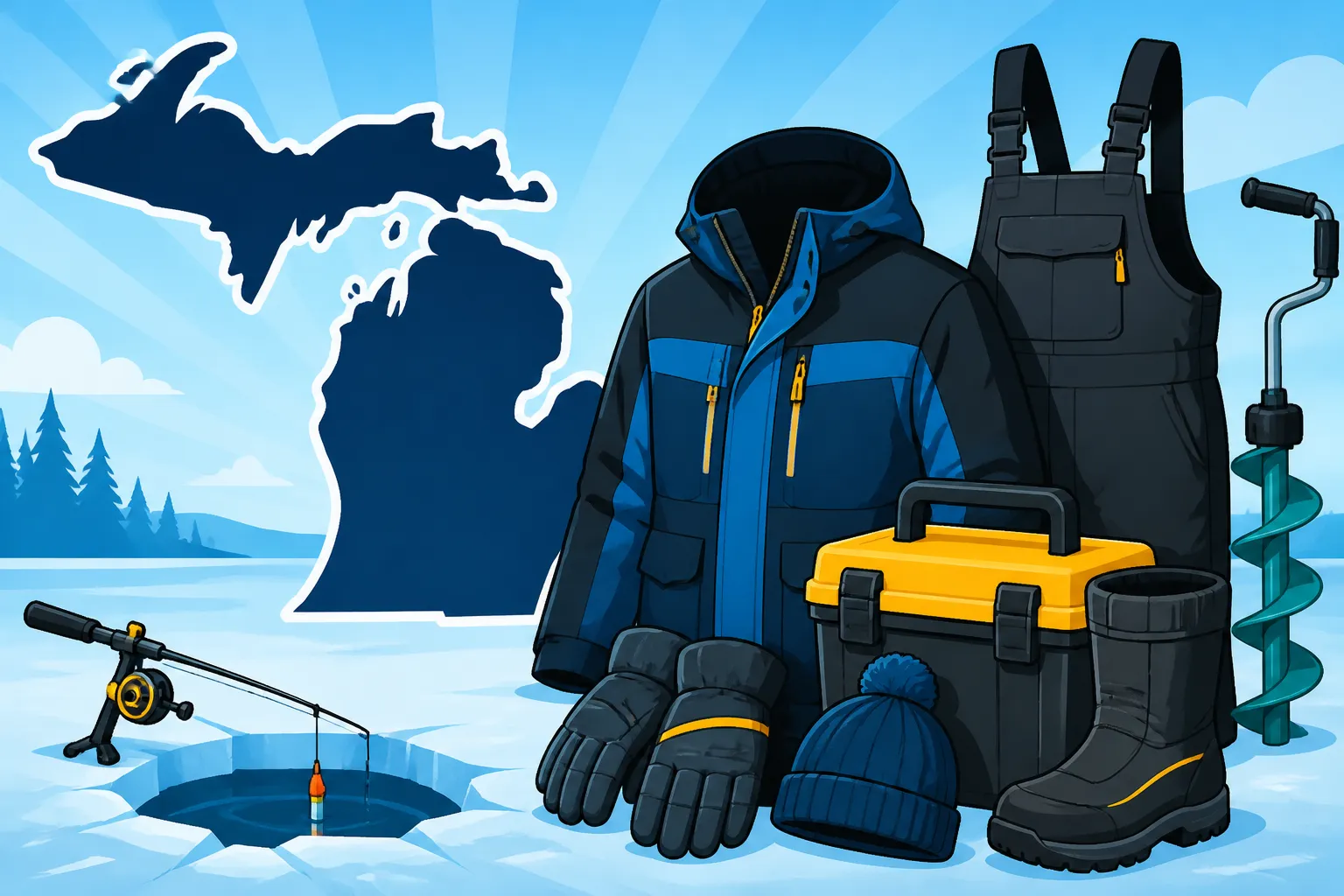
The outer layer is your protection against wind, snow, and slush. A high-quality, waterproof, and windproof ice fishing suit is a game-changer. These suits are specifically designed for ice fishing, often featuring flotation assistance, reinforced knees, and plenty of pockets. Brands like Clam, Eskimo, and Striker are popular among serious ice anglers, but you can find great options at Bass Pro Shops or even on Amazon. They are an investment, but one that pays dividends in comfort and safety.
Don't forget your extremities! A warm, waterproof hat that covers your ears is essential, as a significant amount of body heat escapes through your head. Waterproof, insulated gloves or mittens are also critical. Keeping your hands warm and dry is crucial for dexterity when tying knots or handling fish. And for your feet, thermal socks (again, wool or synthetic) paired with insulated, waterproof boots are a must. Many anglers swear by boots rated for extreme cold, often to -40°F or colder, ensuring your toes stay toasty even after hours on the ice. A good pair of boots will also have excellent grip, preventing slips on slick ice.
Your Fishing Foundation: License and Basic Tackle
Before you even think about drilling a hole, you need to be legal. In Michigan, that means having your fishing license readily available. You can purchase these online, through the DNR Hunt Fish App, or from various retailers across the state. Whether you're a resident or non-resident, under or over 17, there's a license type for you. Take a moment to review Michigan Fishing License Guide for Residents and Nonresidents to ensure you have the correct one. Having it printed out and in your pocket, or easily accessible on your phone, is crucial.
Next, you need to understand the regulations. Michigan has specific rules regarding the number of lines you can use, minimum size limits for certain species, and daily possession limits. Ignorance of the law is not an excuse, and fines can be steep. It’s always a good idea to refresh your memory by checking the current Michigan Fishing Regulations Every Angler Should Know before heading out.
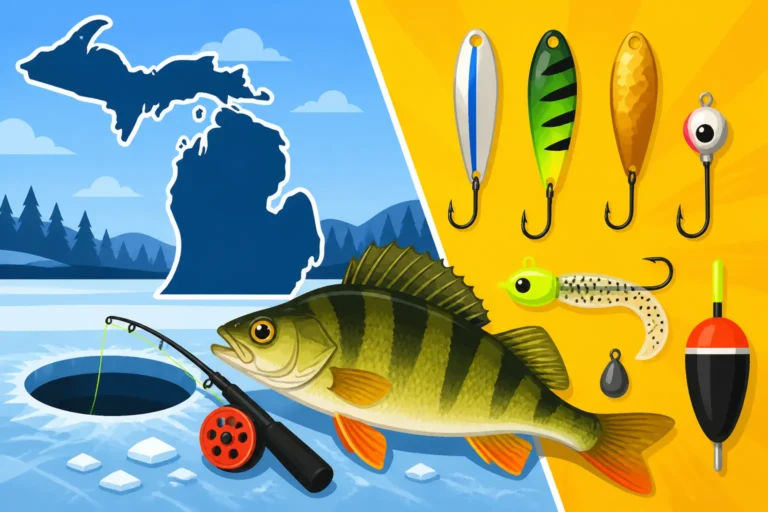
When it comes to tackle, start simple. A small tackle box or bag with a selection of common ice fishing jigs, spoons, and bait (like wax worms, spikes, or minnows) will get you started. For panfish like perch and bluegill, tiny jigs tipped with bait are often deadly. For walleye, spoons or jigging raps can be very effective.
Consider a small pair of needle-nose pliers for hook removal and a line clipper or small scissors. A measuring tape or ruler is also essential to ensure any fish you keep meet the legal size requirements. And don't forget a small cooler or bucket to safely store your catch if you plan on keeping some for dinner.
Gear That Makes a Difference: Comfort and Efficiency on the Ice
Once you have the absolute essentials covered, these items significantly enhance your comfort, efficiency, and overall success on the ice, turning a basic trip into an unforgettable adventure.
Shelters and Heating: Your Portable Warmth
Standing out in the open on a frozen lake for hours can be brutal, even with the best layering. This is where an ice fishing shelter and a reliable heat source become invaluable.
An ice fishing shelter, whether it's a flip-over style, a hub-style pop-up, or even a more permanent shanty, provides a critical barrier against the elements. Flip-over shelters are fantastic for their portability and quick setup, often doubling as sleds to haul your gear. Hub shelters offer more space for groups and gear. These shelters not only shield you from wind and snow but also create a much warmer microclimate, allowing you to fish in comfort for longer periods. They often come with windows, so you can still keep an eye on your tip-ups outside. To help you choose, explore our detailed guide on Best Ice Shelters for Michigan Ice Fishing.
Inside your shelter, a portable propane heater is a must. Brands like Mr. Heater are incredibly popular for their efficiency and safety features. Always ensure you have proper ventilation when using a heater inside a shelter to prevent carbon monoxide buildup. Portable propane tanks are easy to carry and provide hours of warmth. Many anglers carry a small carbon monoxide detector for added peace of mind, which is a smart move. Having a warm, dry space to retreat to, thaw your fingers, and enjoy a hot drink truly transforms the ice fishing experience.
Augers and Locators: Finding the Fish
You can't fish if you can't get through the ice! A good ice auger is essential for drilling holes. You have a few options here, each with its pros and cons.
Hand augers are the most basic and portable, perfect for light use or early/late season ice when it's not too thick. They're great for a quick trip or when you don't want to haul heavy equipment. However, they require significant physical effort, especially on thicker ice.
Propane or gas-powered augers offer serious drilling power and speed. These are ideal for thicker ice or when you need to drill many holes quickly. The downside is they are heavier, require fuel, and can be noisy.
Electric augers are becoming increasingly popular. They're quieter, lighter than gas models, and require less maintenance. Battery life can be a concern on extended trips or in extreme cold, so many anglers carry spare batteries. No matter your choice, ensure it's sharp and in good working order. Our article on Best Ice Augers for Michigan Ice Fishing offers a deep dive into choosing the right one for you.
Once you have your holes, fish locators or flashers become your eyes beneath the ice. These devices use sonar to show you the depth of the water, the presence of fish, and even your lure in real-time. This dramatically increases your efficiency, allowing you to target fish effectively instead of blind fishing. Flasher units from brands like Vexilar and Marcum are highly regarded for ice fishing, offering precise, real-time feedback that can tell you exactly when a fish is approaching your bait. Some modern units even offer GPS mapping capabilities, allowing you to mark hot spots and navigate safely.
Specialized Rods and Reels: Ice-Specific Tackle
While you could use a short spinning rod, specialized ice fishing rods and reels are designed for the unique challenges of fishing through a hole.
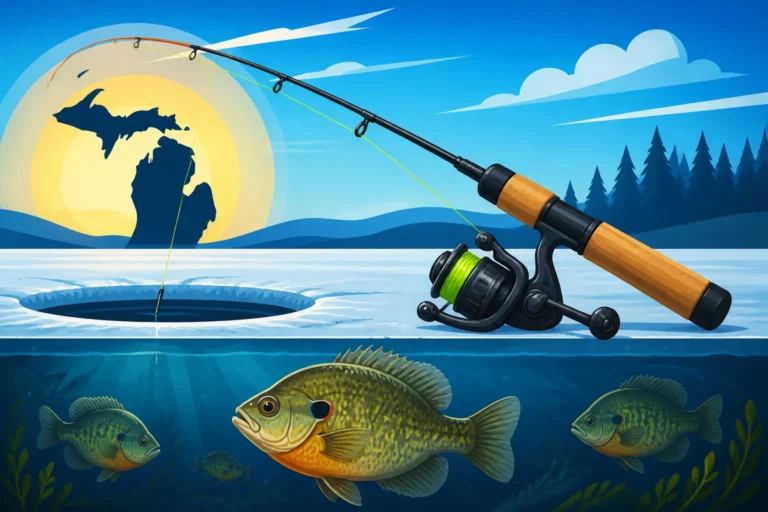
Ice fishing rods are much shorter than open-water rods, typically ranging from 24 to 36 inches. This shorter length is ideal for fishing in confined spaces like shelters or standing over a hole. They come in various actions, from ultra-light for panfish to heavy for pike or walleye. Pairing the right rod action with your target species is key. A sensitive rod tip is crucial for detecting subtle bites in cold water.
Ice fishing reels are generally smaller spinning reels or specialized inline reels. Spinning reels are versatile, while inline reels prevent line twist, which can be a common issue when dropping small jigs. The main thing is to ensure your reel has a smooth drag system and can handle the cold without seizing up.
Don't forget the line! Monofilament, fluorocarbon, or braided line all have their place in ice fishing. Many anglers prefer fluorocarbon leaders for invisibility or braided line for its strength and lack of stretch, especially when targeting larger species. The line weight should match the size of the fish you're after. For specific recommendations, check out our guide on What Gear Do You Need to Ice Fish in Michigan.
And for those who prefer passive fishing, tip-ups are essential, especially when fishing for species like walleye or pike. These devices allow you to set multiple lines (within legal limits, of course) and cover a wider area. When a fish bites, a flag signals the strike, letting you know it's time to spring into action. They're a fantastic way to increase your odds and add a layer of excitement to your day. Explore Best Tip-Ups for Pike and Walleye for more information.
Food, Hydration, and Little Luxuries: Making Your Day Enjoyable
A successful ice fishing trip isn't just about catching fish; it's also about enjoying the entire experience. These often-overlooked items can dramatically improve your comfort and overall enjoyment on the ice.
Sustenance: Keeping Energy Levels High
You're out in the cold, expending energy, and likely far from the nearest convenience store. Proper food and hydration are crucial to staying warm and focused.
Pack plenty of snacks that are easy to eat with cold fingers. High-energy options like trail mix, granola bars, jerky, and cheese sticks are perfect. Sandwiches or wraps can be a more substantial meal. Avoid anything that requires elaborate preparation or will freeze solid too quickly. You want things you can grab and eat quickly to keep your energy up.
Hydration is just as important, if not more so, than food. Cold weather can mask dehydration, but it's happening all the same. Pack a thermos full of hot coffee, tea, hot chocolate, or even soup. Not only does it help warm you from the inside out, but it also provides much-needed fluids. Carry extra water bottles, ideally insulated ones, to ensure you have cold water that won't freeze solid, or bring a small insulated cooler to keep drinks from freezing. Having a warm drink on a frigid day is one of those simple pleasures that can really turn the day around.
Personal Comfort: Small Items, Big Impact
It's the little things that often make the biggest difference when you're spending hours on the ice.
A comfortable, portable chair or bucket is a must. Sitting directly on the ice or a hard surface for too long will make you cold and stiff. Many ice fishing buckets double as tackle carriers and have padded swivel seats, offering both storage and comfort. This elevates you off the ice, providing a small but significant buffer against the cold.
A pair of sunglasses might seem counterintuitive in winter, but the glare off a vast expanse of snow and ice can be intense and damaging to your eyes. Polarized lenses are especially helpful for reducing glare and improving visibility.
Sunscreen and lip balm are also surprisingly important. Even in winter, the sun's UV rays reflect off the snow, leading to sunburn and chapped lips. Don't underestimate the power of the winter sun!
A small first-aid kit is a smart addition. Minor cuts from hooks, scrapes from the auger, or a headache from the cold can be easily remedied with a few basic supplies. Include bandages, antiseptic wipes, pain relievers, and any personal medications you might need.
The "Just In Case" Bag: Prepared for Anything
Beyond the essentials and comfort items, a small bag of "just in case" items can save the day.
This might include a headlamp or flashlight with spare batteries. Daylight hours are shorter in winter, and you might find yourself packing up in the dark or needing to navigate back to shore. A reliable light source is critical.
A small multi-tool or a pair of pliers can handle unexpected repairs, from tightening a loose screw on your auger to adjusting a reel.
Extra hand warmers and foot warmers are cheap insurance against extreme cold. Pop them into your gloves or boots for an extra boost of warmth when you need it most.
Finally, consider a small, durable plastic bag or trash bag to pack out any trash you generate. Leave no trace, as they say! Michigan's beautiful frozen landscapes deserve to remain pristine. Being prepared not only keeps you safe and comfortable but also ensures you're a responsible angler.
| Category | Essential Items | Comfort & Efficiency Items | Just-in-Case Items |
|---|---|---|---|
| Safety | Ice Picks, Throw Rope, Cell Phone | First-Aid Kit | Portable Charger, Two-Way Radio |
| Warmth | Layered Clothing (base, mid, outer), Hat, Gloves, Insulated Boots | Portable Propane Heater, Ice Fishing Shelter | Hand/Foot Warmers |
| Fishing Gear | Fishing License, Tackle Box (jigs, bait, pliers, clippers, ruler), Cooler/Bucket for fish | Ice Auger (hand, gas, electric), Fish Locator/Flasher, Specialized Ice Rods & Reels, Tip-Ups | Extra Line, Spare Hooks, Multi-Tool |
| Personal | Snacks, Hot Drinks (thermos), Water | Portable Chair/Bucket, Sunglasses | Sunscreen, Lip Balm, Headlamp/Flashlight, Trash Bags |
Remember, a little planning goes a long way when it comes to ice fishing in Michigan. While it might seem like a lot to pack, each item serves a purpose, contributing to a safer, warmer, and ultimately more rewarding day on the ice. So bundle up, gather your gear, and get ready to enjoy the unique thrill of Michigan's hard water season!
Disclaimer
This article is for general informational purposes only and does not constitute professional advice. Laws, prices and regulations vary by location and change over time. Consult a qualified professional for guidance on your specific situation.