How Cold Does It Get for Ice Fishing in Michigan
If you've ever dreamt of dropping a line through a hole in the ice, but then found yourself wondering just how much Michigan's winter truly bites, you're not alone. The thought of venturing onto a frozen lake can be intimidating, especially when you picture those frosty mornings. This guide is here to shed light on Michigan's ice fishing temperatures, helping you understand what to expect and how to stay safe and comfortable while chasing those winter bites.
Understanding Michigan's Winter Climate for Anglers
Michigan's winter weather is a truly unique beast, and it's the very foundation for our incredible ice fishing opportunities. It's not just about a single cold snap; it's about sustained periods of freezing temperatures that allow our vast network of lakes and rivers to transform into hardwater playgrounds. But "cold" means different things depending on where you are in the state, and understanding these nuances is key to planning your ice fishing adventures.
Average Winter Temperatures Across the State
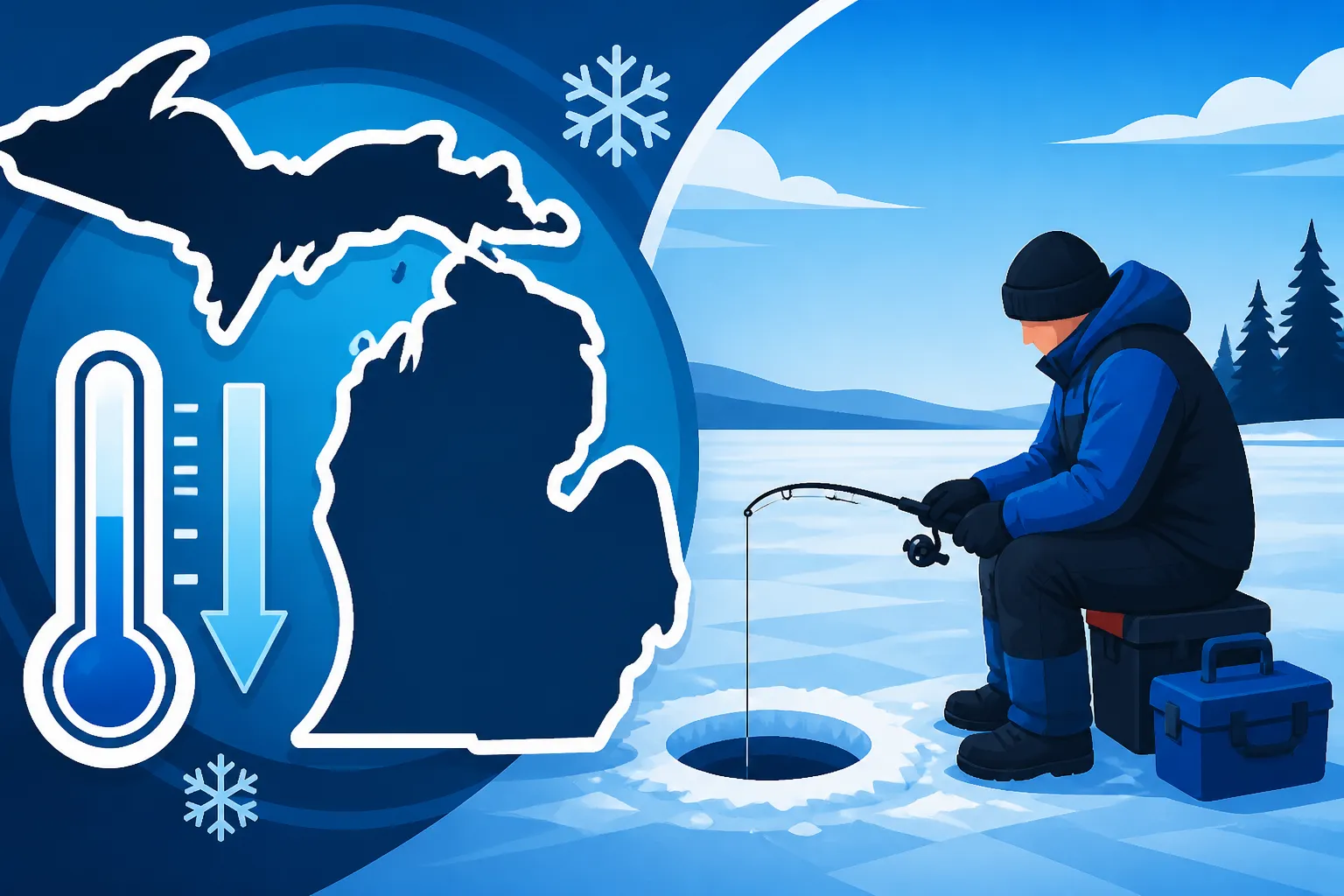
When we talk about average winter temperatures in Michigan, we're really talking about a pretty wide spectrum. Generally, the months of December, January, and February are when the state experiences its coldest weather. During this time, daytime high temperatures often hover in the low 20s to low 30s Fahrenheit (around -6°C to 0°C), with nighttime lows frequently dipping into the single digits or teens (-15°C to -10°C). Of course, these are just averages. Many days can be significantly warmer, offering a more comfortable fishing experience, while others can plunge far below zero, bringing extreme cold.
For those planning to hit the hardwater, it’s vital to remember that these averages aren't a guarantee for any given day. A typical January morning could be a balmy 25°F or a bone-chilling -10°F. Always check the local forecast for the specific lake or region you plan to visit. Understanding the general trend, however, helps you prepare for the type of cold you'll likely encounter throughout the Michigan Ice Fishing Season Timing.
Regional Variations: Upper Peninsula vs. Lower Peninsula
Michigan's geography plays a massive role in its winter weather, creating noticeable differences between the Upper Peninsula (U.P.) and the Lower Peninsula (L.P.). The U.P., sitting further north and often influenced by Lake Superior's massive ice sheet (or lack thereof), typically experiences much colder and snowier winters. Average temperatures there can be 5-10 degrees Fahrenheit colder than downstate, with more frequent stretches of sub-zero weather. It's not uncommon for U.P. towns to stay below freezing for weeks on end.
In contrast, the Lower Peninsula, especially the southern portions, benefits from the moderating effects of the Great Lakes, though they can also bring significant lake-effect snow. While still very cold, the L.P. often sees slightly milder conditions and more fluctuations in temperature, leading to cycles of freezing and thawing. This means ice formation can be less consistent and require more careful monitoring. So, if you're planning a trip to the U.P., you'll definitely want to pack for more extreme cold than if you're heading to, say, Lake St. Clair.
Record Lows and Extreme Cold Events
While averages give us a good baseline, Michigan isn't immune to extreme cold events, and knowing this helps underscore the importance of proper preparation. Record low temperatures across the state can easily dip into the -20s or even -30s Fahrenheit (-29°C to -34°C), particularly in the northern Lower Peninsula and throughout the U.P. When these deep freezes occur, everything changes. Not only is it dangerous to be outside for extended periods without proper gear, but equipment can also fail, lines can freeze in rod guides, and bait can quickly turn to rock-hard ice.
These extreme cold events aren't an everyday occurrence, but they highlight why a robust ice fishing setup is non-negotiable in Michigan. It's not about being ready for the average day, but being prepared for the worst so you can still enjoy fishing when the conditions are challenging. Always have contingency plans and never underestimate the power of truly bitter cold.
The Science of Ice Formation and Safety
Understanding how ice forms and what makes it safe is absolutely paramount for any ice angler in Michigan. It's not just about seeing a white surface; it's about knowing the conditions that contribute to stable ice and recognizing the dangers that can make a seemingly solid sheet treacherous. The water temperature, air temperature, and many other environmental factors all play a critical role.
How Temperature Influences Ice Thickness
The formation and thickness of ice are directly tied to prolonged periods of air temperatures at or below freezing (32°F or 0°C). It's a continuous process: as the air gets colder, the water's surface cools, eventually reaching freezing point and forming a thin layer of ice. The colder the air, and the longer it stays cold, the faster the ice will grow in thickness. However, if temperatures fluctuate above freezing, ice growth slows, or the ice can even begin to melt and degrade, especially at the edges or where currents are present.
Early in the season, after the first sustained cold snap, ice may form quickly but can be uneven. As the winter progresses and cold temperatures persist, the ice sheet becomes more uniform and thicker. But even in mid-winter, a sudden warm spell or heavy snow cover (which insulates the ice from the cold air) can halt or even reverse ice growth. That's why simply knowing When Does Ice Fishing Season Start in Michigan isn't enough; you need to know the specific conditions leading up to your trip.
Minimum Safe Ice Thickness for Various Activities
Safety is the golden rule of ice fishing, and that starts with knowing How Thick Does Ice Need to Be to Fish in Michigan. The Michigan Department of Natural Resources (DNR) provides clear guidelines for minimum ice thickness, and these are standards every angler should commit to memory. Remember, these are minimums for clear, solid blue ice. White or cloudy ice, known as "snow ice," is only half as strong.
Here’s a general guideline for ice thickness and activities:
| Activity / Vehicle | Minimum Safe Clear Ice Thickness | Notes |
|---|---|---|
| Foot travel | 4 inches (10 cm) | Always exercise caution, especially alone. |
| Snowmobile/ATV | 5-7 inches (12-18 cm) | Distribute weight, avoid slush. |
| Small car/truck | 8-12 inches (20-30 cm) | Not recommended, but if you must, use caution. |
| Medium truck | 12-15 inches (30-38 cm) | Very rare, high risk, professional use only. |
Always check ice conditions yourself with an auger or spud bar as you venture out. Never rely solely on tracks or other anglers' presence, as conditions can change rapidly and vary greatly across a single body of water.
Factors Affecting Ice Quality Beyond Temperature
While temperature is the primary driver of ice formation, several other factors significantly impact ice quality and safety. These include snow cover, currents, springs, and even recent weather events like heavy winds or rain. Snow, while beautiful, acts as an insulator, preventing colder air from reaching the ice surface, which can slow or even stop ice growth. A heavy snowfall can make 8 inches of ice feel like 4, both in terms of strength and how it feels underfoot.
Currents, especially in river systems or near inflows/outflows of lakes, can create dangerously thin spots, even when the rest of the lake is solid. Submerged springs can also cause localized thin ice by introducing warmer water. After a period of heavy winds, the ice might have shifted and cracked, creating weak seams. Slush is another major concern; it's often a sign of water on top of the ice, which can degrade its strength and hide weak spots. Always be on the lookout for these signs and never assume consistency. When What Gear Do You Need to Ice Fish in Michigan includes safety gear like ice picks, you know it's serious.
Preparing for Michigan's Cold: Gear and Personal Safety
Okay, so you know Michigan gets cold, and you understand the importance of ice safety. Now, let's talk about the practical side: how to actually stay warm and safe when you're out there. Battling the elements is half the fun of ice fishing, but only if you're properly prepared. Neglecting proper gear can turn a great day into a miserable, or even dangerous, one.
Essential Layering for Sub-Freezing Conditions
Layering is the absolute cornerstone of cold-weather comfort, especially for activities like ice fishing where you might be stationary for long periods. You're not just throwing on a heavy coat; you're building a system. Start with a moisture-wicking base layer (synthetics or merino wool are great) to pull sweat away from your skin. Cotton is a huge no-go, as it holds moisture and makes you cold. Next comes an insulating mid-layer, like a fleece jacket or a down vest. This traps body heat.
Finally, your outer layer needs to be windproof and waterproof. This could be a specialized ice fishing suit, which often includes flotation for added safety, or a heavy-duty winter parka and bibs. Remember, you can always take layers off if you get too warm, but you can't add what you don't have. Many great options for base layers and mid-layers can be found on Amazon, offering a wide range of materials and price points to suit any budget.
Specialized Ice Fishing Apparel and Accessories
Beyond general winter clothing, specific ice fishing apparel and accessories can make a world of difference. Insulated, waterproof boots are non-negotiable. Your feet are constantly in contact with the cold ice, and wet, cold feet can quickly lead to hypothermia. Look for boots rated for extreme cold, often with removable liners. Neoprene or insulated gloves or mittens are also crucial; you'll want some dexterity for tying knots, so consider thinner gloves with an outer mitten layer.
Other key accessories include a warm hat (you lose a lot of heat through your head!), a neck gaiter or balaclava to protect your face and neck from wind, and perhaps even hand warmers for those extra frigid days. Some anglers also swear by heated socks or vests for added comfort. Having a dedicated Michigan Ice Fishing Guide often stresses the importance of these specific items, as they're designed for the unique challenges of the frozen lake.
The Role of Portable Shelters and Heaters
Portable ice fishing shelters, often called shanties or flip-overs, are game-changers for comfort in bitter Michigan cold. These shelters, ranging from simple pop-up tents to elaborate insulated hubs, block the wind and trap body heat, making even single-digit days tolerable. When combined with a safe, portable propane heater, these shelters can create a surprisingly cozy environment, allowing you to fish for hours without feeling the chill.
When choosing a shelter, consider insulation, ease of setup, and weight if you plan to move around a lot. For heaters, always ensure proper ventilation to prevent carbon monoxide buildup. These shelters also protect your gear from the elements and give you a quiet space to focus on your fishing. You can find a huge variety of ice fishing shelters and heaters, along with all the necessary propane tanks, on Amazon, making it easy to get ready for the season. For an in-depth look, check out guides on Best Ice Shelters for Michigan Ice Fishing.
Beyond Temperature: Other Factors Affecting Michigan Ice Fishing
While air temperature is certainly the headline act when it comes to "how cold does it get," a successful and comfortable ice fishing trip in Michigan involves more than just reading a thermometer. Other atmospheric and environmental elements dramatically influence not only the ice conditions but also your personal comfort and even fish behavior. Ignoring these can lead to a less enjoyable, or even unsafe, outing.
Wind Chill: The Real Feel Factor
Perhaps even more important than the ambient air temperature is the wind chill. The wind can dramatically increase the rate at which your body loses heat, making a relatively mild 20°F day feel like 0°F or even colder. This is especially true on wide-open lakes where there's no natural wind break. A biting wind can quickly strip away your body heat, leading to numbness, discomfort, and a higher risk of frostbite or hypothermia.
Always check the wind chill forecast in addition to the air temperature. When the wind is strong, make sure your outer layers are truly windproof. Seeking shelter, whether it's behind a snowbank, in a permanent shanty, or in a portable ice shelter, becomes absolutely critical. Don't underestimate the insidious nature of wind chill; it's often the unseen force that drives anglers off the ice prematurely.
Snow Cover and Its Impact on Ice and Fishing
Snow, as beautiful as it is, presents a double-edged sword for ice anglers. On one hand, a fresh blanket of snow can improve traction and make walking across the ice easier. On the other hand, a thick layer of snow acts as an insulator, preventing the underlying ice from thickening further, even during periods of very cold air temperatures. This can lead to weaker ice, especially early in the season or after a significant snowfall.
Furthermore, heavy snow can create slush pockets. When snow on the ice becomes saturated with water from below (due to pressure or changing conditions), it creates a heavy, wet, and often dangerously cold slush that is difficult to navigate. Deep snow also makes it harder to locate previously drilled holes and can reduce light penetration into the water, potentially affecting fish activity. It's another reason why understanding local conditions, and not just the temperature, is so important when deciding When Does Ice Fishing Season End in Michigan.
Sun Exposure and Cloud Cover
Believe it or not, even in winter, the sun plays a role. A clear, sunny day, even with cold temperatures, can feel significantly warmer than an overcast day at the same temperature. The sun's direct radiation can provide a welcome warmth that penetrates layers, making a day on the ice far more comfortable. It can also help melt away some of the surface ice around your holes, preventing them from freezing shut as quickly.
Conversely, a heavily overcast day, especially with a brisk wind, can feel incredibly cold, even if the air temperature isn't record-breaking. The lack of solar warmth means you're relying entirely on your gear and body heat. This is where those layers, warm beverages, and possibly a portable heater really shine. Don't forget sunglasses, even on cloudy days, to protect your eyes from glare off the snow and ice. Every little bit of preparation helps ensure your trip is a positive one, no matter the specific conditions you encounter.
Disclaimer
This article is for general informational purposes only and does not constitute professional advice. Laws, prices and regulations vary by location and change over time. Consult a qualified professional for guidance on your specific situation.