Do Michigan Lakes Have Muskellunge?
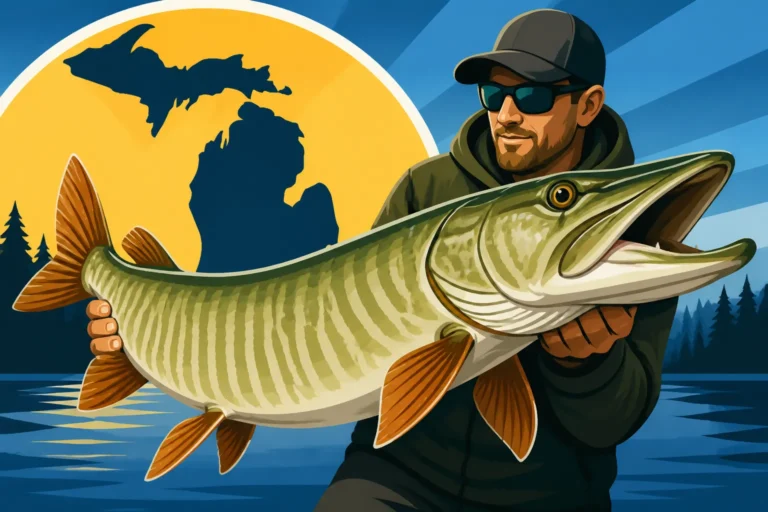
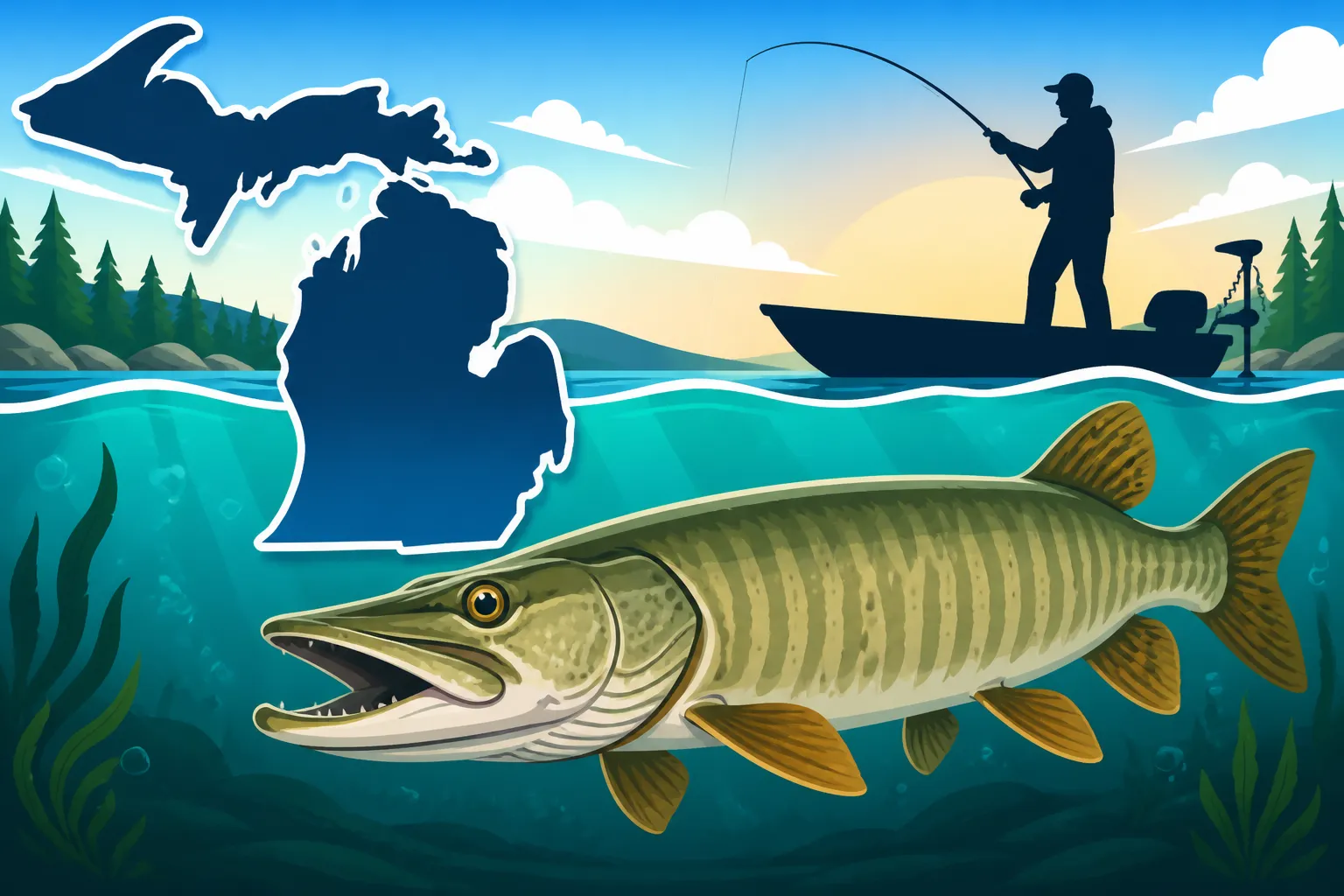
It's a question I hear all the time from anglers, especially those new to Michigan or those who've simply been unlucky in their pursuit: "Do Michigan lakes even have muskellunge?" The answer is a resounding yes, but chasing these toothy giants is less about luck and more about understanding their habitat, their habits, and the sheer dedication required to hook one. This comprehensive guide will dive deep into Michigan's muskie populations, where to find them, and what it takes to land one of these legendary fish.
Michigan's Muskellunge Population: A Tale of Two Species
For many, the muskellunge is the ultimate freshwater fishing prize, a true apex predator known for its aggressive strikes and incredible power. In Michigan, the story of the muskie isn't just one story; it's a fascinating narrative involving both native populations and carefully managed stocking programs. You see, Michigan is home to two distinct strains of muskellunge, each with its own characteristics and preferred haunts. Understanding the difference is key to knowing where and how to target them.
Native Great Lakes Strain Muskellunge
These are the OG muskie of Michigan, the true kings of our largest waters. The Great Lakes strain muskellunge are native to Michigan's Great Lakes system and several of its connecting rivers, such as the St. Clair and Detroit Rivers. They are magnificent, long-lived fish, often reaching impressive sizes. Think of them as the wild, untamed spirit of Michigan fishing. They grow slowly, mature later, and can live for decades, making every trophy-sized fish a testament to time and resilience. When you're talking about a muskie over 50 inches, chances are good you're looking at a Great Lakes strain fish. They're often found in vast, open water, near structural elements like drop-offs, weed lines, and current breaks in larger bodies of water. Their elusive nature makes catching one a truly monumental achievement.
Northern Muskellunge (Stocked Populations)
Then we have the Northern muskellunge, which have been widely stocked by the Michigan Department of Natural Resources (DNR) into various inland lakes across the state. These fish are a bit different from their Great Lakes cousins. While still formidable predators, they tend to have a slightly faster growth rate and can thrive in a broader range of inland lake environments. The DNR's stocking program has been incredibly successful in establishing muskie fisheries in lakes that might not have supported a native population or where native populations have declined. This means that if you're exploring a new inland lake known for muskie, you're likely chasing one of these stocked beauties. They provide fantastic opportunities for anglers to experience the thrill of muskie fishing without necessarily needing to tackle the immense expanse of the Great Lakes. You can learn more about how the state manages these populations in Muskellunge Fishing in Michigan.
| Feature | Native Great Lakes Strain Muskellunge | Northern Muskellunge (Stocked) |
|---|---|---|
| Primary Habitat | Great Lakes (Erie, St. Clair, Huron), St. Clair & Detroit Rivers | Inland lakes, often smaller to medium-sized |
| Growth Rate | Slower, can live longer and reach larger trophy sizes | Faster growth rate, typically reach catchable sizes sooner |
| Body Markings | Often barred or spotted, can be highly variable | More typically spotted or clear, less barred than some Great Lakes fish |
| Distribution | Confined to specific larger systems | More widespread due to active stocking programs |
| Conservation Focus | Protection of wild genetic lineage, natural reproduction areas | Maintenance of healthy sport fisheries through stocking and harvest limits |
Where to Find Michigan's Muskellunge Hotspots
So, now that we know Michigan has muskie, the next logical question is, "Where exactly can I find them?" While they are present in many waters, some locations truly stand out as muskie havens, offering the best chances for a memorable encounter with these freshwater giants.
Lake St. Clair and the St. Clair/Detroit River System
This region is, without a doubt, Michigan's crown jewel for muskellunge fishing. Lake St. Clair is world-renowned for its incredible muskie population, often referred to as the "Muskie Capital of the World." The lake's vast, relatively shallow basin, abundant weed growth, and immense forage base create the perfect environment for muskie to thrive and grow to staggering sizes. It's not uncommon to hear tales of multiple 50-inch fish in a single day here, though success always requires skill and persistence.
The connecting St. Clair River and Detroit River also hold fantastic numbers of muskie. The moving water provides different challenges and opportunities. Anglers often target these rivers during specific times of the year, such as the fall, when muskie can be found feeding heavily before winter. The sheer volume of fish in this system means that even on a tough day, your chances are still better here than almost anywhere else. For more specific information, check out Lake St. Clair Muskellunge Fishing.
Saginaw Bay and Other Great Lakes Tributaries
While Lake St. Clair gets much of the muskie fame, Saginaw Bay on Lake Huron is another prime location, particularly for the Great Lakes strain. Saginaw Bay offers a similar shallow, fertile environment to Lake St. Clair, albeit with different characteristics. It's known for producing some truly massive muskie, though perhaps not with the same density as Lake St. Clair. Anglers often target areas around major river mouths and expansive flats.
Other areas of the Great Lakes, including parts of Lake Michigan and Lake Superior, also hold muskie. These fisheries tend to be less concentrated and require more specialized knowledge of specific bays, harbors, and offshore structures. The key here is research and understanding the local nuances, as Great Lakes muskie fishing can be a very different ballgame compared to inland lakes.
Inland Lakes Stocked with Northern Muskellunge
Beyond the Great Lakes, Michigan boasts a number of inland lakes where the DNR has successfully established healthy Northern muskellunge populations through stocking efforts. These lakes offer diverse fishing experiences, from large, sprawling bodies of water to more intimate settings. Some notable examples include:
- Lake Hudson: Located in Lenawee County, this lake is managed specifically for muskie and has a special 50-inch minimum size limit, indicating the potential for true giants here. You can read more about it in Lake Hudson's Michigan Muskellunge Size Limit.
- Thornapple Lake: In Barry County, this lake is another excellent muskie destination known for its healthy population and good forage base. Thornapple Lake's Michigan Muskellunge Size Limit covers specific rules for this water.
- Margrethe Lake: Found in Crawford County, this lake is part of the stocking program and offers good opportunities for anglers.
- Lake Bellaire & Intermediate Lake: Part of the Chain of Lakes in Antrim County, these lakes are known for growing large muskie, thanks to their connection and abundant resources.
These inland lakes are often excellent places for anglers looking to learn the ropes of muskie fishing, as the waters can be more manageable than the vast Great Lakes. However, don't mistake "inland" for "easy" – muskie are always a challenge, no matter the water. Always check the current Michigan fishing regulations digest for specific lake rules, as size limits and seasons can vary.
The Thrill of the Hunt: Techniques and Gear for Michigan Muskie
Chasing muskellunge isn't just fishing; it's an obsession. It demands patience, perseverance, and a willingness to embrace long hours between bites. But when that moment finally comes, it's an adrenaline rush unlike any other in freshwater fishing. Preparing for this specialized pursuit means equipping yourself with the right gear and adopting specific techniques.
Specialized Gear: Go Big or Go Home
Muskie fishing is not for the faint of heart, or for light tackle. These fish are big, powerful, and will expose any weakness in your setup. You need gear that can withstand brutal strikes and relentless fights.
- Rods: Look for heavy or extra-heavy action casting rods, typically 8 to 9 feet long. This length provides the leverage needed to cast huge lures and fight strong fish. A shorter rod will simply wear you out and give the muskie too much advantage.
- Reels: A high-quality baitcasting reel with a strong drag system and high line capacity is essential. Low-profile baitcasters designed for muskie are popular, or robust round-profile reels. Durability is key.
- Line: Heavy braided line, often 80-100 pound test, is standard. This provides the strength and abrasion resistance needed for thick cover and toothy encounters.
- Leaders: A heavy fluorocarbon or wire leader is absolutely non-negotiable. Muskie teeth can shear through regular monofilament or fluorocarbon in an instant. Leaders of 80-150 pound test are common.
- Lures: Muskie lures are a sight to behold—often enormous, ranging from foot-long crankbaits and glide baits to massive bucktails and topwater lures. The bigger the bait, the bigger the fish you're often targeting. Anglers often find a wide selection of these specialized muskie lures on platforms like Amazon, allowing them to compare options and read reviews from fellow muskie enthusiasts. Best Lures for Muskellunge offers a deeper dive into what works.
Key Techniques: Patience and Persistence
Muskie fishing is often described as "the sport of 10,000 casts" for a reason. Don't expect continuous action; instead, celebrate every follow, every flash, and every strike.
- Casting and Retrieving: Long casts are often necessary to cover water and avoid spooking fish. Your retrieve needs to be varied—sometimes fast, sometimes slow, with pauses and jerks to entice a strike.
- The Figure-Eight: This is perhaps the most crucial muskie technique. As your lure approaches the boat or shore, instead of simply reeling in, plunge your rod tip into the water and perform a large figure-eight motion with the lure right next to the boat. Muskie often follow a lure all the way in and strike at the last second, especially when the lure changes direction suddenly. This is where many fish are hooked!
- Trolling: On large bodies of water like Lake St. Clair or Saginaw Bay, trolling massive crankbaits or even live bait (where permitted) is a highly effective way to cover vast amounts of water and present lures to suspended muskie. Specialized trolling gear, including heavy rods and line counters, are employed for this.
- Spot Selection: Focus on areas with structure and cover: weed edges, rocky points, submerged timber, drop-offs, and changes in bottom composition. These are ambush points where muskie wait for prey.
It’s important to remember that muskie fishing is as much a mental game as it is a physical one. Stay focused, stay positive, and cherish the experience, even without a fish in the net. You might find that gearing up for these adventures often involves browsing comprehensive selections on sites like Amazon, which makes it easier to acquire specific, heavy-duty items like muskie nets or specialized rod holders.
Conservation and Regulations: Protecting Michigan's Apex Predator
Muskellunge are truly special, and their conservation is paramount to ensure future generations of anglers can experience the thrill of pursuing them. Michigan has some very specific regulations in place to protect these slow-growing, long-lived fish. As responsible anglers, it's our duty to understand and adhere to these rules.
Catch-and-Release: The Muskie Ethos
For many serious muskie anglers, catch-and-release isn't just a suggestion; it's a way of life. The vast majority of muskellunge caught in Michigan are released back into the water unharmed. This practice is critical because muskie grow slowly and contribute significantly to the ecosystem as apex predators. Keeping even a few large fish can have a disproportionate impact on the population.
When practicing catch-and-release, handling a muskie carefully is essential:
- Minimize Out-of-Water Time: Keep the fish in the water as much as possible. If you need a photo, do it quickly and with the fish supported horizontally.
- Use a Large Net: A large, rubberized landing net specifically designed for muskie is highly recommended. It protects the fish's slime coat and fins.
- Proper Unhooking Tools: Long-nosed pliers, bolt cutters (for cutting hooks if necessary), and jaw spreaders are crucial for safely removing hooks from a muskie's powerful, toothy mouth. You can often find these essential tools for muskie fishing on Amazon, ensuring you have safe handling equipment readily available.
- Support the Fish: Never hold a large muskie vertically by its head or gills. Always support its body horizontally with one hand under the belly and the other gripping the base of the tail.
- Revive the Fish: If the fish seems stressed, hold it gently in the water, facing into any current, until it swims away strongly. This ensures its best chance of survival. More details can be found in How to Catch and Release a Muskellunge.
Size and Possession Limits
Michigan's regulations for muskellunge are designed to protect these fish, especially the larger, spawning females. The statewide minimum size limit for muskellunge is quite generous, meaning most muskie caught will need to be released. This limit can be even higher on specific lakes, such as the aforementioned 50-inch minimum on Lake Hudson.
Furthermore, Michigan has a strict "one muskellunge per year" rule. This means that if you decide to keep a legal muskie, you cannot keep another one for the remainder of that fishing season. This is a powerful conservation measure to ensure these prized fish remain in our waters. Understanding these limits is critical, and a quick check of the current regulations digest before each season is always a good idea. Information regarding this rule is available in Michigan's One Muskellunge Per Year Rule.
Harvest Reporting Requirements
Michigan also requires anglers who harvest a muskellunge to report their catch to the DNR within 24 hours. This data is incredibly valuable for fisheries biologists to monitor the health and dynamics of the muskie population. Reporting can often be done online or through a dedicated phone number. It's a simple step that makes a huge difference in the ongoing management of this iconic species. For precise instructions on how to report, consult Michigan Muskellunge Harvest Reporting Rules.
The Challenge and Reward of Michigan Muskellunge
Whether you're casting on the world-famous Lake St. Clair or exploring a quiet inland lake, the pursuit of Michigan's muskellunge is a truly unique fishing experience. It’s a pursuit that demands patience, specialized gear that you can often source from comprehensive outdoor retailers like Amazon, and a deep respect for the fish itself. The journey to catch a muskie is often filled with more memories of beautiful sunrises, challenging casts, and the camaraderie of fellow anglers than it is with actual fish in the net. But when that moment comes—that explosive strike, the powerful fight, and the eventual release of a magnificent muskie—you'll understand why so many anglers dedicate themselves to chasing these elusive giants. They are, without a doubt, a vibrant and cherished part of Michigan's diverse aquatic ecosystem.
Disclaimer
This article is for general informational purposes only and does not constitute professional advice. Laws, prices and regulations vary by location and change over time. Consult a qualified professional for guidance on your specific situation.