What Fish Live in Lake Michigan
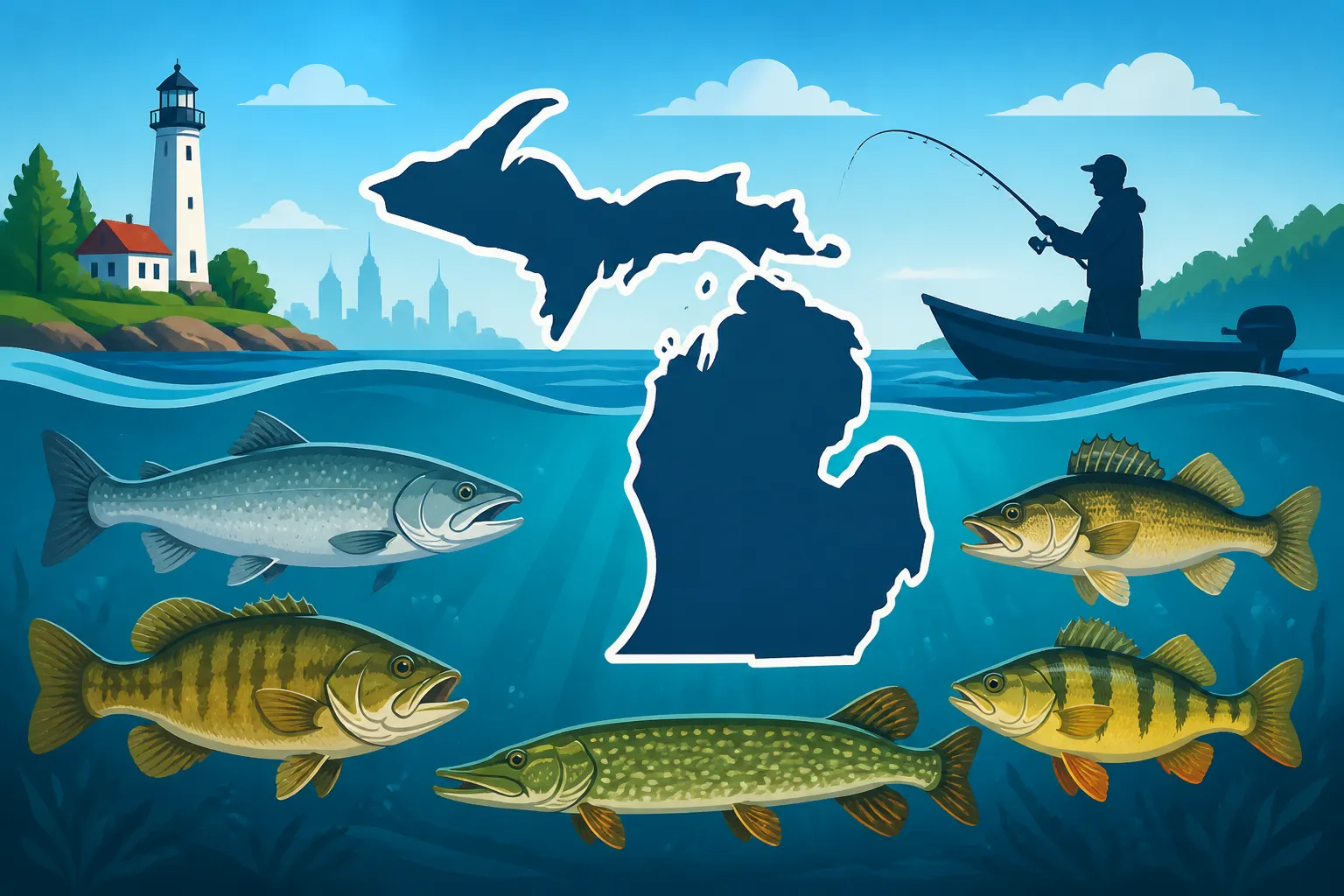
Stepping onto the shores of Lake Michigan, with its vast, shimmering expanse that stretches like an inland ocean, many anglers and nature enthusiasts often wonder: what incredible aquatic life lurks beneath these freshwater waves? It's a natural question, given the lake's sheer size and its reputation for a diverse fishery. Understanding the fish species that call Lake Michigan home is absolutely crucial for any angler hoping to have a successful and responsible outing, and it’s equally fascinating for anyone simply curious about this magnificent ecosystem. This guide aims to pull back the curtain on the underwater residents of Lake Michigan, from the ancient natives to the powerful, introduced game fish, helping you understand their habitats, behaviors, and the best ways to encounter them.
The Diverse Aquatic Ecosystem of Lake Michigan
Lake Michigan is one of the five Great Lakes, and its immense size and depth create a mosaic of habitats, supporting an incredible array of fish species. From sandy shallows to rocky reefs, and from vast open waters to deep, cold trenches, each zone offers unique conditions that attract different types of fish. It can feel overwhelming to understand all the different species, their preferences, and how they interact within this complex environment, especially when you consider the history of introductions and environmental changes over the decades.
Understanding the unique characteristics of Lake Michigan's waters is key to appreciating its fish populations. The lake is generally oligotrophic in its northern basin (meaning low nutrient levels and clear, cold water) and becomes more mesotrophic (moderate nutrient levels) in its southern basin. This gradient, along with varying depths and structures along its extensive shoreline, from the Sleeping Bear Dunes to the urban sprawl near Chicago, influences where different species thrive. What you find near Traverse City might be quite different from what you encounter near Grand Haven. For a broader overview of the entire region, you might find our Michigan's Great Lakes Fishing Guide helpful in understanding the bigger picture.
Native Species: The Original Inhabitants of Lake Michigan
Before the major changes of the last century, Lake Michigan was primarily a cold-water fishery dominated by a few key native species. While some of these populations have faced significant challenges due to overfishing, habitat degradation, and the introduction of non-native species, many are making comebacks or continue to play vital roles in the ecosystem.
Lake Trout
The undisputed monarch of Lake Michigan's native cold-water fish is the lake trout. These magnificent fish are built for the deep, cold, oxygen-rich waters found throughout much of the lake. Historically, they were the top predator and a crucial part of both the ecosystem and the commercial fishing industry. However, the introduction of the invasive sea lamprey and extensive overfishing in the mid-20th century decimated their numbers. Thanks to aggressive lamprey control programs and extensive stocking efforts, lake trout populations have seen a remarkable recovery, though sustaining self-reproducing populations remains a focus.
Lake trout are typically found in the deeper, cooler parts of the lake, often near rocky structure, offshore reefs, or deep drop-offs. Anglers targeting lake trout usually employ specialized deep-water trolling techniques, often using downriggers to get lures to the precise depth where these fish are holding. Identifying these fish correctly is important, and you can learn more with our Lake Trout Identification in Michigan guide. They can grow to impressive sizes, offering a powerful fight that truly tests an angler's mettle.
Lake Whitefish
Another incredibly important native species, especially from a commercial standpoint, is the lake whitefish. These fish are bottom feeders, primarily consuming small invertebrates like amphipods, mussels, and insect larvae. They are known for their delicious, flaky white meat and have sustained commercial fisheries on the Great Lakes for generations. Recreationally, catching whitefish can be a rewarding experience, particularly during their spawning runs or when targeting them through the ice.
Lake whitefish prefer cooler, oxygenated waters, often found near the bottom over sand, gravel, or rocky areas. They are common throughout Lake Michigan, especially in the northern reaches and around offshore structures. Anglers often target them with small jigs, drop-shot rigs, or by drifting small baits near the bottom. If you're keen on trying to catch these delectable fish, our guide on Whitefish Fishing in Michigan offers some excellent tips.
Yellow Perch
When it comes to a classic "panfish" experience on Lake Michigan, the yellow perch takes the crown. These schooling fish are native to the Great Lakes and provide endless angling enjoyment for families and seasoned pros alike. Their firm, tasty fillets are a favorite, leading to popular perch fisheries along many of Lake Michigan's shores and bays. However, their populations have also seen fluctuations, sometimes impacted by competition from invasive species like round gobies and quagga mussels.
Yellow perch are adaptable and can be found in various habitats, from shallow, weedy bays to deeper, open waters, often associating with structure like piers, drop-offs, and submerged vegetation. They are typically caught using light tackle, small jigs, minnows, or worms. They are a fantastic target for pier anglers and those fishing from smaller boats closer to shore. If you're unsure how to tell them apart from other species, our Yellow Perch Identification in Michigan article will be a big help. They are truly a cornerstone of the nearshore fishing experience.
Other Native Species
While lake trout, whitefish, and yellow perch are the most prominent native game fish, Lake Michigan is also home to a variety of other indigenous species that contribute to its rich biodiversity. This includes various species of suckers, minnows, darters, and sculpins, which form critical links in the food web, serving as forage for larger predatory fish. Even burbot, often called "freshwater cod," are native to Lake Michigan. These odd-looking, nocturnal fish inhabit the deeper, colder waters and are increasingly becoming a target for anglers looking for a unique winter fishing challenge.
The Salmon and Trout Fishery: Introduced Powerhouses of Lake Michigan
The most dramatic shift in Lake Michigan's fishery came with the intentional introduction of pacific salmon and several non-native trout species in the mid-20th century. These introductions were primarily aimed at controlling the booming population of invasive alewives (which had become problematic after the native lake trout population crashed) and to create a world-class sport fishery. The effort was incredibly successful, transforming Lake Michigan into a premier salmon and trout destination.
Chinook Salmon (King Salmon)
When people talk about salmon fishing on Lake Michigan, they're most often talking about Chinook salmon, affectionately known as "Kings." These powerful fish are the largest of the Pacific salmon introduced to the Great Lakes and are renowned for their incredible size and brute strength. They offer spectacular fights, both offshore and during their annual fall spawning runs into tributary rivers. Targeting these giants requires robust gear and often specialized techniques.
Chinook spend most of their lives in the open waters of Lake Michigan, feeding on alewives and other baitfish. They grow rapidly, and when it's time to spawn, they migrate towards the river mouths and into the rivers themselves. Offshore, anglers primarily troll large spoons, plugs, and flasher-fly combinations at varying depths. During the fall runs, river anglers use various methods like drifting spawn, throwing artificials, or fly fishing. For an in-depth look at these magnificent fish, check out Chinook Salmon in Michigan's Great Lakes.
Coho Salmon (Silver Salmon)
Slightly smaller but equally exciting, Coho salmon, or "Silvers," are another staple of the Lake Michigan salmon fishery. They are known for their acrobatic jumps and spirited fights, often putting on an aerial show when hooked. Coho are typically caught earlier in the season than Chinook and provide consistent action for anglers throughout the spring and summer.
Like Chinook, Coho spend their lives in the open lake, predating on baitfish. They are often found in the upper water column compared to Chinook. Trolling is the most common method for Cohos, using smaller spoons, dodger-fly combos, or plugs. As they approach their spawning migrations, they also move closer to shore and into river mouths. If you're planning a trip to target these fighters, our Coho Salmon Fishing in Michigan guide is packed with useful information.
Steelhead (Rainbow Trout)
Steelhead are essentially rainbow trout that have adopted an anadromous (or in this case, adfluvial) lifestyle, migrating from Lake Michigan into tributary rivers to spawn. They are incredibly strong, fast, and famous for their spectacular aerial displays when hooked. Steelhead runs occur in the spring and fall, offering river anglers some of the most exciting fishing opportunities in the state.
These fish spend their "lake life" much like salmon, feeding on baitfish in the open water. When the urge to spawn hits, they enter the rivers, providing a fantastic challenge for fly anglers, float fishermen (centerpinning), and those drifting spawn or beads. Lake Michigan also holds populations of resident rainbow trout that do not migrate, but the migratory steelhead are the true prize. Our Michigan Fishing Seasons Explained can help you time your steelhead pursuit.
Brown Trout
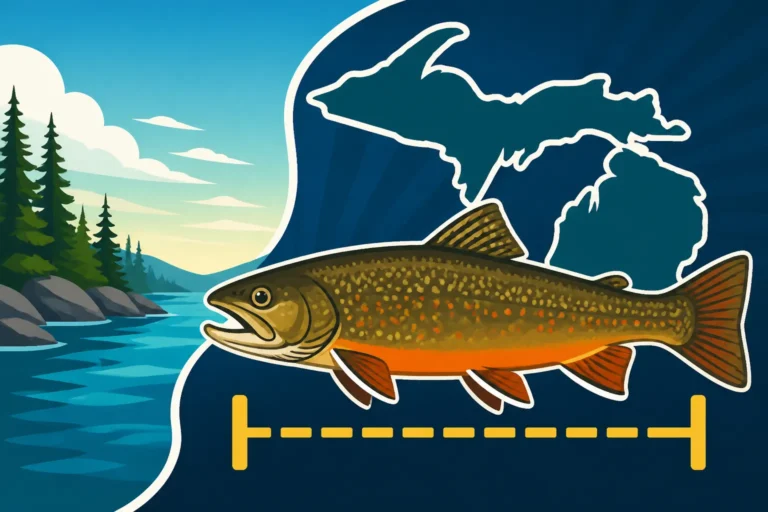
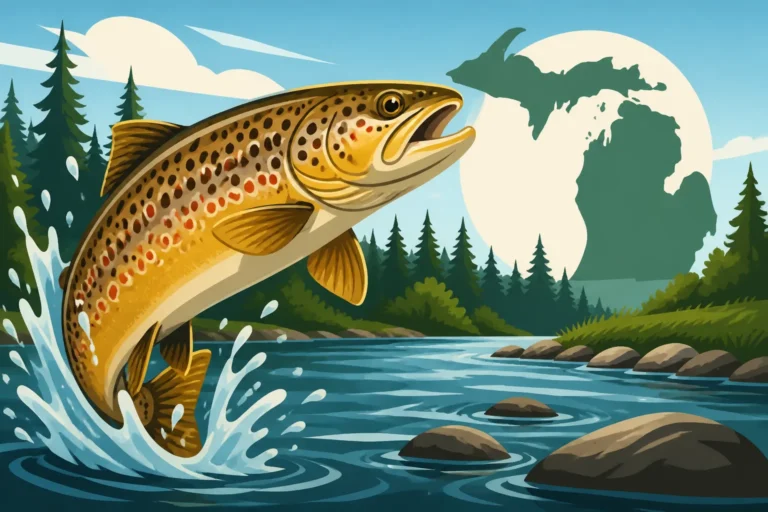
Brown trout, another European import, have also found a comfortable home in Lake Michigan. These stealthy and often solitary predators are renowned for their caution and hard-fighting nature, especially the larger specimens. They tend to prefer cooler, nearshore waters, often around rocky points, breakwalls, or areas with submerged structure.
Browns can be caught throughout the lake, but they are often targeted by shore anglers and those trolling closer to shore, particularly in early spring and late fall. They readily strike crankbaits, spoons, and various artificial lures, as well as natural baits like spawn and minnows. Lake Michigan browns can grow to impressive sizes, with trophy fish certainly within reach for persistent anglers.
| Species | Type | Typical Habitat in Lake Michigan | Primary Diet | Common Fishing Methods |
|---|---|---|---|---|
| Lake Trout | Native, Cold | Deep, cold offshore waters, rocky reefs | Alewives, gobies, sculpins, other fish | Deep trolling, jigging |
| Lake Whitefish | Native, Cold | Bottom over sand/gravel, cool deep water | Invertebrates, mussels, insect larvae | Bottom fishing, small jigs, drifting bait |
| Yellow Perch | Native, Cool | Shallows, bays, piers, submerged vegetation | Invertebrates, small fish, insect larvae | Light tackle, minnows, worms, small jigs |
| Chinook Salmon | Introduced, Cold | Open lake waters, migratory into rivers | Alewives, smelt, other baitfish | Offshore trolling, river drifting, casting |
| Coho Salmon | Introduced, Cold | Upper open lake waters, migratory into rivers | Alewives, smelt, other baitfish | Offshore trolling, river drifting, casting |
| Steelhead | Introduced, Cold | Open lake waters, migratory into rivers | Baitfish, insects, crayfish | Offshore trolling, river float fishing, flies |
| Brown Trout | Introduced, Cool | Nearshore areas, rocky structures, breakwalls | Baitfish, insects, crustaceans | Trolling near shore, casting lures, bait |
| Smallmouth Bass | Native, Warm | Rocky areas, reefs, clear shallow water | Crayfish, insects, minnows | Casting crankbaits, jigs, soft plastics |
| Walleye | Native, Cool | River mouths, connecting waters, rocky reefs | Baitfish, invertebrates | Jigging, trolling, night fishing |
Other Notable Species and What They Mean for Anglers
Beyond the core salmon and trout species, Lake Michigan harbors a host of other exciting fish that offer different angling experiences. These species highlight the lake's ecological complexity and the diverse opportunities available to anglers.
Smallmouth Bass
While primarily associated with inland lakes, Lake Michigan boasts a phenomenal smallmouth bass fishery, particularly in its rocky northern bays and along clear, rocky shorelines. These incredible fighting fish are native to the Great Lakes and provide fantastic action throughout the warmer months. They thrive in areas with good structure and clear water, making them a popular target for anglers casting from boats, kayaks, or even piers.
Smallmouth bass are aggressive predators, feasting on crayfish, minnows, and aquatic insects. They are a favorite among sight fishermen in clear water and respond well to a variety of lures, including crankbaits, tube jigs, and soft plastics. Many anglers find excellent opportunities for smallmouth from the numerous piers and harbors dotted along the Lake Michigan shoreline, as detailed in Best Lake Michigan Fishing Piers and Harbors.
Walleye
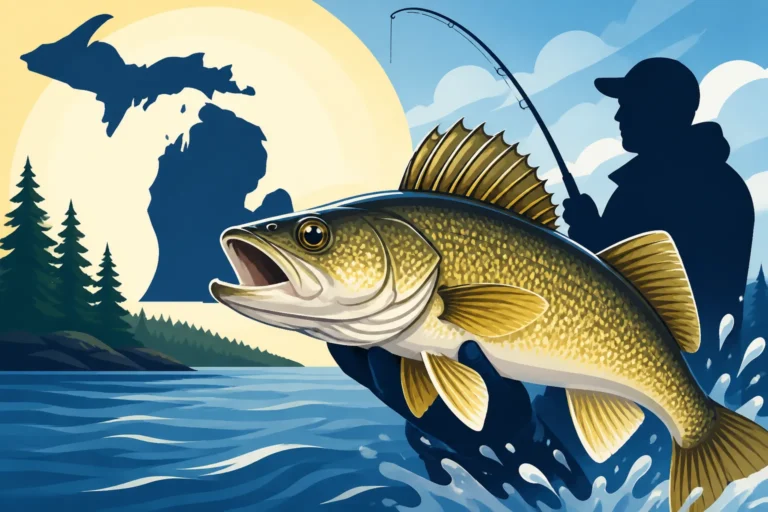
While not as abundant in Lake Michigan's main basin as in, say, Lake Erie or Saginaw Bay, walleye do exist and provide targeted fisheries, particularly in connecting rivers and bays. Areas like Green Bay (on the Wisconsin side) and certain river mouths and protected bays on the Michigan side can hold decent populations. These nocturnal feeders are highly prized for their delicious fillets and offer a challenging pursuit.
Walleye prefer cool, somewhat turbid waters and often relate to structure like rocky reefs, points, and current seams. Anglers typically target them by jigging, trolling, or casting at night. They readily strike live bait like minnows and leeches, as well as artificial lures such as crankbaits and jigs. A well-stocked tackle box is essential, and you can find many versatile options for any species on Amazon.
Northern Pike and Muskellunge
Northern pike and muskellunge (muskie) are the apex freshwater predators of many Michigan waters, and while less common in the vast open waters of Lake Michigan, they certainly reside in its connecting bays, harbors, and river mouth areas. These toothy critters demand respect and heavy tackle, offering explosive strikes and thrilling fights.
Pike are often found in shallower, weedy areas, ambushing prey. Muskie, on the other hand, are more elusive and prefer deeper weed edges or rocky drop-offs. Both can be targeted with large crankbaits, spinnerbaits, and big soft plastics. Catching a muskie is often considered the pinnacle of freshwater fishing for many.
Invasive Species: A Double-Edged Sword
You can't discuss Lake Michigan's fish populations without acknowledging the significant impact of invasive species. While some, like the Pacific salmon, have been beneficial for sport fishing, others have created complex ecological challenges.
- Alewives: Introduced accidentally, these small baitfish exploded in population, impacting native species. Their subsequent decline (partially due to salmon stocking) led to crashes in salmon populations until management strategies adapted.
- Round Gobies: Another unintentional introduction, these small, aggressive bottom-dwellers compete with native fish for food and habitat and prey on eggs of other species. However, they've also become a significant food source for lake trout, smallmouth bass, and even walleye. They are notorious bait stealers for anglers.
- Sea Lamprey: These parasitic invaders devastated native lake trout populations. Extensive control programs have brought their numbers down, but ongoing vigilance is crucial for the health of the Great Lakes fishery.
Understanding these dynamics is part of being a responsible angler in Michigan. Always be aware of Michigan Fishing Regulations Every Angler Should Know to help protect the fragile balance of these waters.
Equipping Yourself for Lake Michigan's Diverse Fishery
Fishing on Lake Michigan, whether from a boat, pier, or shore, often requires specific gear tailored to the species and conditions. Given the size and power of many of these fish, robust tackle is often a necessity.
For those deep-water pursuits, investing in quality downriggers and heavy-duty rods is key. You can browse a wide selection of these specialized items, from reputable brands, on Amazon. A good fish finder is almost indispensable for locating structure and fish schools in the vast open water. For general utility and shore fishing, a basic tackle box stocked with assorted hooks, weights, and a variety of spoons or crankbaits suitable for Great Lakes species are readily available on Amazon. Even something as simple as a reliable pair of polarized sunglasses for spotting fish in clearer waters can be a game-changer, and Amazon has countless options. A well-made fish identification chart can also be a handy reference, and many anglers find useful ones to purchase on Amazon before heading out.
Whether you're targeting a trophy Chinook offshore, battling a river-run steelhead, or enjoying a day of perch fishing from a pier, having the right equipment will make a world of difference. Consider our guide on Best Tackle Box Setup for Michigan Anglers for recommendations on what to pack.
Conclusion
Lake Michigan truly is an angler's paradise, offering a remarkable diversity of fish species, each presenting its own unique challenge and reward. From the deep-dwelling native lake trout and whitefish to the hard-fighting introduced salmon and steelhead, and the feisty smallmouth bass along the shores, there's a fish for every preference and skill level. The lake’s dynamic ecosystem is a testament to nature’s resilience and the ongoing efforts of conservationists and anglers alike. By understanding what fish live in Lake Michigan, where they reside, and how to ethically pursue them, you're not just casting a line; you're becoming a part of the rich tapestry that makes Michigan fishing so special.
Disclaimer
This article is for general informational purposes only and does not constitute professional advice. Laws, prices and regulations vary by location and change over time. Consult a qualified professional for guidance on your specific situation.