How Big Do Northern Pike Get in Michigan
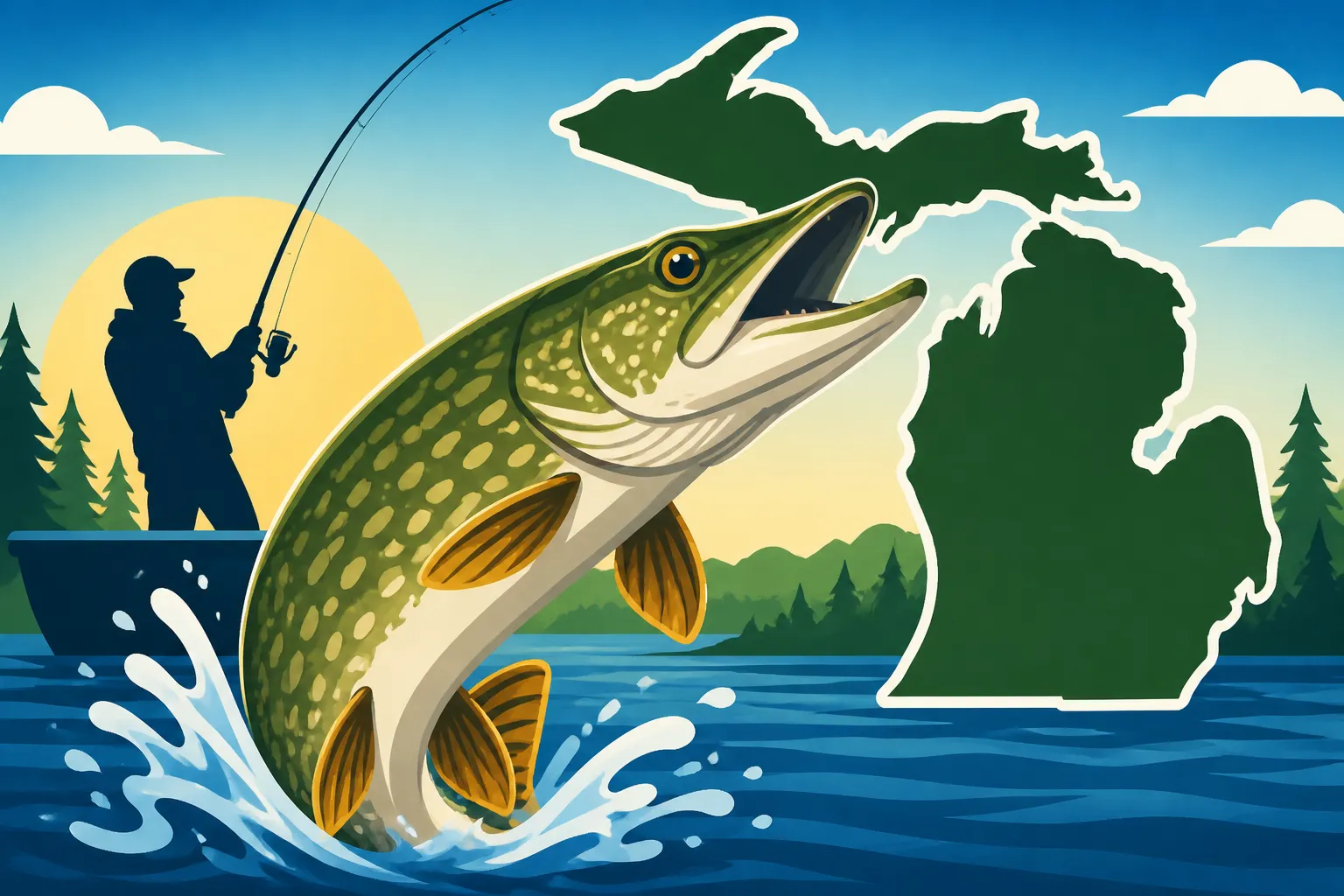
You're out there on a beautiful Michigan lake, maybe casting near a weed line or jigging through the ice, and suddenly, you feel that unmistakable thump—the aggressive strike of a northern pike. Immediately, the question pops into your head: just how big do these freshwater sharks really get here in Michigan? It's a natural curiosity, especially when you feel a true monster on the end of your line. This guide is going to dive deep into the fascinating world of Michigan's northern pike, exploring their typical sizes, the factors that influence their growth, and where you might just hook into the fish of a lifetime.
Understanding Michigan's Northern Pike Population
Northern pike (Esox lucius) are one of Michigan's most iconic and sought-after game fish. Known for their voracious appetites, sleek, torpedo-shaped bodies, and razor-sharp teeth, they're truly apex predators in many of our state's waterways. But when it comes to their size, there's a pretty wide spectrum, and several factors play a significant role in how large a pike can grow. It's not just about age; it's about their environment and the opportunities available to them.
Catching a solid 25-inch pike is certainly exciting, and a 30-inch fish feels like a real accomplishment. But the true giants, those pushing or exceeding 40 inches, are what many anglers dream of. Understanding what drives these fish to such impressive dimensions can help you appreciate the complex ecosystems they inhabit and, perhaps, even improve your chances of encountering one.
Average Sizes and Growth Factors
In Michigan, a "typical" northern pike caught by an angler will often fall within the 20 to 30-inch range, weighing anywhere from 2 to 6 pounds. These are healthy, active fish that make for a fantastic fight. However, pike are a fast-growing species, especially in their early years, and can quickly outgrow this average if conditions are right. Their growth rate is heavily influenced by a few key environmental factors.
Firstly, food availability is paramount. Lakes and rivers with abundant forage—think yellow perch, ciscos, shiners, or even smaller panfish—provide pike with the necessary protein to pack on pounds and length. A well-stocked larder means less energy expended hunting and more energy dedicated to growth. Secondly, water temperature plays a crucial role. Pike thrive in cool, well-oxygenated waters. While they can tolerate warmer temperatures, prolonged periods of hot water can stress them and slow their metabolic rate, impacting growth. Lastly, habitat quality, including expansive weed beds for ambush points and deeper, cooler water for refuge, creates an ideal environment for pike to not only survive but truly flourish.
Fishing pressure can also indirectly influence the average size. Heavily fished waters might see more of the smaller, faster-growing pike removed, potentially allowing the remaining fish to grow larger due to less competition. Conversely, intense pressure might mean fewer pike reach their maximum potential size if anglers aren't practicing responsible catch-and-release, especially for the larger, reproductively valuable females.
Michigan's State Record and Trophy Potential
Michigan has a long and proud history of producing truly gargantuan northern pike. The state record stands as a testament to the immense potential of our waters. While specific weights and lengths of state records can fluctuate with new catches, Michigan's record pike is a truly impressive specimen that would dwarf many anglers. It's the kind of fish that sends shivers down your spine just thinking about it.
To give you a general idea, trophy northern pike in Michigan are typically considered anything exceeding 35 inches in length, and fish over 40 inches are truly exceptional. A 40-inch pike could easily weigh 15 pounds or more, depending on its girth and condition. These larger fish are usually older, more experienced individuals, often female, that have managed to avoid predators and anglers long enough to reach their full potential. They are the wise old denizens of the deep, masters of their domain.
The chance of catching a state-record fish is incredibly slim, a once-in-a-lifetime event for even the most dedicated angler. But the dream of catching a personal best, a trophy pike that pushes the 40-inch mark, is very real in Michigan. These opportunities often present themselves in specific types of water bodies that offer the ideal combination of ample food, excellent habitat, and perhaps slightly less fishing pressure on the largest individuals. When you're out there, remember that every cast holds the possibility of connecting with one of these magnificent beasts.
Where to Find Michigan's Largest Northern Pike
If your goal is to land a truly massive northern pike, you need to know where to look. While pike are widely distributed across Michigan, certain bodies of water consistently produce larger fish due to their unique characteristics and ecosystems. It's not just about having pike present; it's about having the right conditions for them to grow to epic proportions. Knowing these prime locations can drastically increase your odds of encountering a trophy.
Whether you're exploring the vastness of the Great Lakes or the tranquility of a sprawling inland lake, understanding the nuances of these environments is key. Each offers distinct advantages and challenges for pike growth and angling success. The bigger the water, often the bigger the potential, but even smaller, well-managed lakes can hold surprises.
Great Lakes vs. Inland Lakes
Michigan's Great Lakes offer some incredible opportunities for large northern pike. Waters like the bays of Lake Superior, the northern reaches of Lake Huron, and even some areas of Lake Michigan, provide immense expanses with deep, cool water and abundant coldwater forage species like ciscoes and whitefish, which are perfect for growing large predators. The sheer size of these lakes means pike have vast territories to roam and a never-ending buffet of food sources. For example, specific bays and river mouths entering the Great Lakes can be pike magnets, especially during certain times of the year. Check out Michigan's Great Lakes Fishing Guide for more details on these expansive waters.
However, many of Michigan's larger inland lakes are also renowned for their trophy pike populations. Lakes like Houghton Lake, Torch Lake, Lake St. Clair (especially its connection to the St. Clair River system), and many of the bigger lakes in the Upper Peninsula are famous for their consistent production of big pike. These inland waters often have extensive weed beds, gradual drop-offs, and diverse forage, creating perfect ambush habitats. Many anglers specifically target these lakes for their impressive pike. If you're looking for more details on where to explore, Michigan Inland Lakes Worth Fishing can give you a head start.
The key difference often lies in the forage. While inland lakes might have a greater diversity of smaller panfish, the Great Lakes can offer bigger, fattier prey, leading to potentially larger pike. Both environments, however, demand respect for the fish and a solid understanding of pike behavior.
Ideal Habitat for Trophy Pike
No matter the body of water, big northern pike are creatures of habit and prefer specific types of habitat that provide both food and cover. If you can identify these areas, you're well on your way to finding a larger fish. They are ambush predators through and through, meaning they love places where they can hide and dart out to surprise their prey.
Extensive weed beds are perhaps the most critical habitat for northern pike. These submerged jungles provide perfect camouflage, a ready supply of smaller baitfish seeking cover, and oxygenated water. Look for dense coontail, milfoil, or cabbage weeds, especially along sharp drop-offs or near transition zones where shallow weed flats meet deeper water. These areas allow pike to lurk in comfort, ready to strike anything that swims by. Furthermore, submerged timber, rock piles, and points that extend into deeper water also act as excellent ambush points and structure for large pike.
During warmer months, trophy pike often retreat to deeper, cooler water, but they will still be adjacent to structure or weed lines where they can quickly move into shallower feeding areas. In colder months, particularly during ice fishing season, they might be found shallower, cruising along weed edges or hanging near sudden depth changes. Understanding these seasonal movements and preferred structures is paramount. A good fish finder can be an indispensable tool for identifying these underwater features, and you can find a wide selection of powerful units on Amazon to help you map out those crucial pike haunts.
Fishing Techniques for Larger Northern Pike
Catching a smaller pike can be relatively easy with a variety of lures, but consistently targeting and landing truly large northern pike requires a more specialized approach. Big pike are not just bigger versions of their smaller counterparts; they are often smarter, more cautious, and demand specific tactics. They've grown large by being efficient predators and avoiding trouble, so you need to outsmart them.
The techniques you employ, from the lures you select to the gear you wield, must be up to the task. You're not just casting for a fish; you're engaging in a chess match with an apex predator. This means thinking about presentations that appeal to their predatory instincts and having the right tools to handle their immense power and sharp teeth.
Lure and Bait Selection for Big Pike
When it comes to big pike, size often matters. Larger lures and baits tend to attract larger fish, as they represent a more substantial meal and are less likely to be bothered by smaller, more aggressive pike. Huge spoons, like Dardevles or Johnson Silver Minnows, in sizes up to 1 ounce or more, are classic pike getters. Their flash and wobble can trigger aggressive strikes. Large inline spinners, with big blades and often dressed with bucktail or plastic trailers, are also highly effective, particularly when retrieved quickly near weed edges. You can explore a vast array of these time-tested lures on Amazon, ensuring you have the right options for any situation.
Crankbaits and jerkbaits that mimic larger baitfish, often 6-8 inches or longer, are excellent choices. Look for models with strong hooks and durable bodies, as a big pike strike can be devastating to lesser lures. Trolling these large plugs in deeper sections or along expansive weed lines is a proven method for enticing bigger fish. For those interested in more active presentations, soft plastic swimbaits, rigged on heavy jig heads, can be worked through cover or along drop-offs to provoke strikes. Don't forget the effectiveness of natural bait either; large dead baits like suckers, herring, or even large smelt, presented under a bobber or on the bottom, can be irresistible to a wary trophy pike, especially during colder water periods or when Michigan Ice Fishing Guide techniques are in play.
Gear Considerations for Heavy Hitters
You absolutely cannot skimp on gear when targeting big northern pike. These fish possess incredible strength, powerful headshakes, and a mouth full of sharp teeth that can make short work of inadequate tackle. A medium-heavy to heavy power spinning or baitcasting rod, typically 7 to 9 feet in length, is essential. This length provides the leverage needed to cast large lures and effectively fight a powerful fish, keeping its head up and away from snags.
Pair that rod with a robust reel spooled with 30-65 pound braided line. Braided line offers superior strength, sensitivity, and resistance to abrasion. However, the most critical piece of terminal tackle is a strong leader. Northern pike have an incredibly sharp set of teeth, capable of severing monofilament or fluorocarbon mainlines in an instant. A steel, titanium, or heavy-duty fluorocarbon leader (80-100 lb test) is non-negotiable. Many anglers prefer wire leaders for maximum tooth-proof protection. You'll find a wide array of reliable rods, reels, and leaders suitable for battling Michigan's monster pike on Amazon, making it easy to gear up properly.
Landing a big pike also requires the right tools. A large, rubberized landing net (to protect the fish's slime coat) or a specialized jaw grabber is crucial for safely bringing the fish aboard. Long-nose pliers or specialized de-hooking tools are essential for removing hooks from their toothy mouths, minimizing stress to the fish and ensuring your fingers stay safe. Remember, these are powerful, wild animals, and respect for their strength and well-being should always be a priority.
Responsible Angling and Conservation for Michigan Pike
Catching a trophy northern pike is an exhilarating experience, but it comes with a significant responsibility: ensuring the health and future of this incredible fishery. Large pike, particularly the females, are vital to the reproductive success of the population. Their continued presence in Michigan's waters depends heavily on responsible angling practices and adherence to conservation efforts. We want future generations of anglers to experience the thrill of a big pike, just as we do today.
Conservation isn't just about following the rules; it's about adopting an ethical mindset that prioritizes the long-term health of the fish over short-term gratification. Every angler plays a role in protecting these magnificent predators and their habitat. Understanding the nuances of catch-and-release and the rationale behind Michigan's regulations is key to being a good steward of our natural resources.
Catch and Release Best Practices
For those truly large northern pike, especially anything over 30 inches, practicing careful catch-and-release is highly encouraged. These older, larger fish are the backbone of the breeding population, and their survival ensures a healthy fishery for years to come. The goal is to minimize stress and physical harm to the fish as much as possible, increasing its chances of recovery.
When you hook a large pike, try to land it as quickly as possible to reduce exhaustion. Keep the fish in the water as much as you can. If you need to bring it aboard, use a large, knotless, rubberized net or a jaw gripper to secure it gently. Avoid lifting the fish vertically by its jaw alone, as this can damage its spine and internal organs. Instead, support its body horizontally with one hand under its belly, especially if you plan to take a quick photo. Northern Pike Identification in Michigan shows you their unique patterns, but handle them gently.
Use long-nose pliers or a dedicated de-hooking tool to quickly remove hooks. If the fish is deeply hooked, and you cannot easily remove the hook without causing further damage, it's often best to cut the line as close to the hook as possible. Barbless hooks can also make hook removal much easier. Once the hooks are out, gently release the fish, holding it upright in the water until it's strong enough to swim away on its own. Remember that Michigan Muskellunge Fishing Techniques often advocate similar careful handling due to their similar predatory nature.
Michigan Regulations and Why They Matter
Michigan has specific fishing regulations designed to protect its northern pike populations, ensuring their sustainability. These regulations often include minimum size limits, daily possession limits, and sometimes even specific slot limits on certain bodies of water. For instance, What Is the Northern Pike Size Limit in Michigan provides crucial details about these rules. These rules are not arbitrary; they are carefully developed by fisheries biologists based on scientific data about pike growth rates, reproductive cycles, and population health.
Minimum size limits allow pike to grow to a reproductive age and spawn at least once before they can be harvested. Possession limits prevent overharvesting and help distribute the catch among more anglers. Some specialized regulations, like catch-and-immediate-release rules or specific gear restrictions in certain areas, further protect vulnerable populations or manage for trophy potential. It's every angler's responsibility to know and follow these rules. Before you head out, make sure you consult the current Michigan Fishing Regulations Every Angler Should Know digest, available from the Michigan DNR or online. This will ensure you're fishing legally and contributing to the conservation of these magnificent fish for everyone to enjoy.
Michigan Northern Pike Size Overview
To give you a clearer picture of what to expect when targeting northern pike in Michigan, here’s a quick overview of their typical and trophy sizes, along with key factors influencing them.
| Characteristic | Typical Caught Pike (Michigan) | Trophy Pike (Michigan) | State Record (Michigan) |
|---|---|---|---|
| Length Range | 20-30 inches | 35+ inches | 50+ inches |
| Weight Range | 2-6 pounds | 10-20+ pounds | 30+ pounds |
| Age (approx.) | 2-5 years | 7+ years | 10+ years |
| Primary Habitat | Diverse lakes & rivers | Large, fertile lakes & Great Lakes bays | Exceptional waters |
| Growth Factors | Forage, water temp., habitat | Abundant forage, optimal habitat, lower pressure | All factors maximized |
This table provides a general guideline, but remember that nature is full of exceptions. Every fish is an individual, and every water body has its own nuances. The real thrill is getting out there and discovering the potential for yourself!
Disclaimer
This article is for general informational purposes only and does not constitute professional advice. Laws, prices and regulations vary by location and change over time. Consult a qualified professional for guidance on your specific situation.