How Big Do Brook Trout Get in Michigan
It's a common dream for any angler hitting the pristine streams and hidden lakes of Michigan: to land that truly impressive brook trout. While the image of a massive, vibrantly colored "brookie" might fill your mind, the reality often presents a smaller, albeit feisty and beautiful, fish. It can be frustrating to spend hours on the water only to wonder if you're even in the right place for bigger specimens, or if your expectations are realistic. This guide will dive deep into the typical sizes of brook trout you can expect to find across Michigan, explore the factors that truly influence their growth, and even point you toward those elusive trophy waters and the techniques that might just help you catch one.
The Typical Size of Michigan Brook Trout
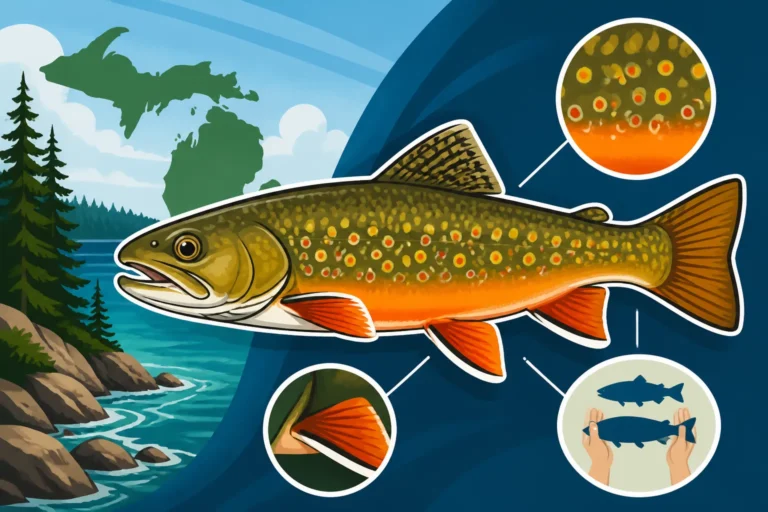
Michigan is blessed with an abundance of brook trout, our only native trout species. However, when we talk about their size, it's crucial to understand that it varies wildly depending on the specific body of water they call home. Many anglers, especially those new to trout fishing, might come with expectations set by images of massive brook trout from Canadian shield lakes or remote northern rivers. While Michigan certainly has its gems, the average brook trout you'll encounter on many of our smaller streams is often quite modest.
Average Sizes in Different Michigan Waters
Let's be realistic: the average brook trout you'll catch in a typical Michigan coldwater stream is probably going to be in the 6 to 10-inch range. These fish are beautiful, aggressive, and a joy to catch on light tackle, but they're not going to break any records. These smaller sizes are common in headwater streams, smaller tributaries, and brooks with limited food resources or heavy fishing pressure. They grow slowly, and their life cycles are often shorter in these environments. It's a wonderful experience to hike into a remote stream, casting tiny dry flies or spinners, and consistently hooking these vibrant little gems. They make up the backbone of our Brook Trout in Michigan Rivers populations.
Then you have larger rivers, which might offer slightly better conditions. Here, you could expect to find brook trout reaching 10 to 14 inches. These larger systems often have more abundant food sources, deeper pools for thermal refuge, and less extreme environmental fluctuations, allowing fish to grow a bit bigger. These fish are stronger, too, and provide a fantastic fight on ultralight spinning gear or a delicate fly rod. Moving into these mid-sized rivers often requires a slight adjustment in tackle and technique, perhaps moving from tiny worms to small minnow imitations or larger dry flies.
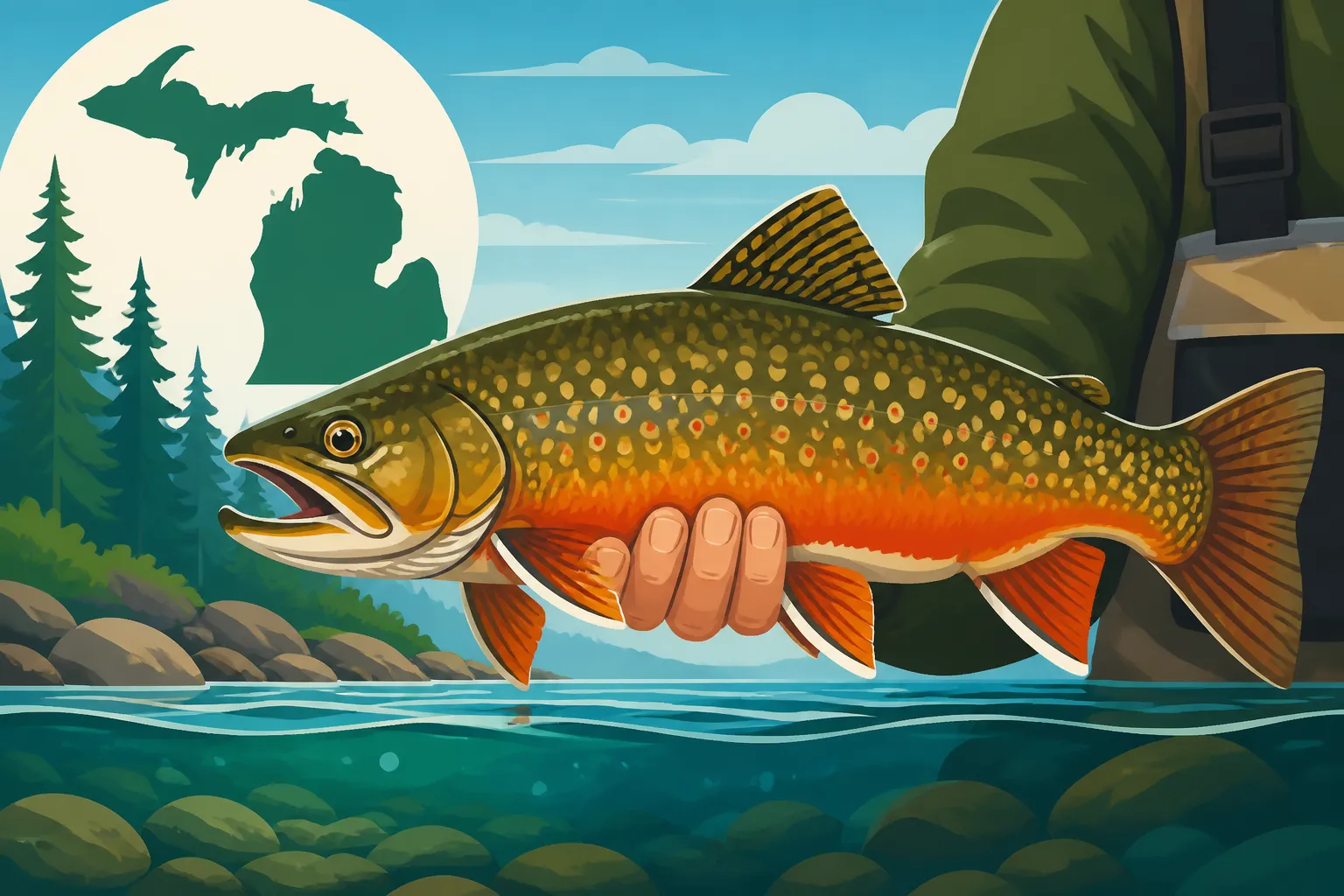
Finally, there are the true giants – the brook trout that push the 15-inch mark and beyond. These are rare, highly sought after, and typically found in specific environments. The most notable exception to the generally smaller size of Michigan brook trout is the magnificent Lake Superior strain. These fish are anadromous, meaning they spend time in the vastness of Lake Superior, gorging on baitfish and growing to impressive sizes before returning to natal rivers to spawn. It's not uncommon to hear of anglers catching brook trout in Lake Superior tributaries that measure 18 to 20 inches, with some even exceeding that. These fish are true specimens, displaying incredible coloration and power. They represent the upper echelon of what Michigan's waters can produce. Lake Superior Brook Trout Identification and Size goes into more detail about these incredible fish.
Understanding "Keeper" vs. "Trophy" Sizes
When it comes to brook trout, an 8-inch fish might be a "trophy" in a tiny, remote stream where such a size is exceptional. In other waters, it's barely a "keeper" if you're thinking about harvesting one for the pan. This distinction is vital for setting realistic expectations and for practicing responsible angling. Generally, a "trophy" brook trout in Michigan would be considered anything over 15 inches, with true giants being 18 inches or larger. These are the fish that make you stop, admire, and perhaps even release to fight another day, ensuring healthy populations for future generations.
It’s also important to remember that regulations play a huge role in what constitutes a legal "keeper." Minimum size limits, daily possession limits, and even tackle restrictions can vary greatly from one body of water to another. Always check the current Michigan Fishing Regulations Every Angler Should Know before heading out. A 10-inch brook trout is a respectable fish in many Michigan streams, especially on a fly rod. For those looking to harvest, a fish of this size offers a delicious meal, but always be mindful of the health of the population and consider practicing catch and release for larger specimens to help them contribute to future generations.
| Water Type | Typical Brook Trout Size Range | Potential "Trophy" Size (Inches) | Primary Food Sources | Angling Pressure |
|---|---|---|---|---|
| Small Inland Streams | 6-10 inches | 12-14 inches (Rare) | Insects (aquatic/terrestrial) | Moderate to High |
| Larger Inland Rivers | 10-14 inches | 15-17 inches | Larger insects, small baitfish | Moderate |
| Lake Superior Tributaries | 12-18 inches | 18-20+ inches | Baitfish (in Lake Superior), insects | Moderate to High |
| Remote Wilderness Lakes | 8-12 inches | 15+ inches (Specific Lakes) | Insects, leeches, small minnows | Low |
Factors Influencing Brook Trout Size in Michigan
It’s not just about where a brook trout lives; it’s about how it lives. Several critical environmental and biological factors dictate how big these beautiful fish can grow in Michigan's diverse aquatic environments. Understanding these elements can significantly improve your chances of finding larger brook trout and appreciating the delicate balance of their ecosystems.
Habitat Quality and Food Availability
Think of it like us humans – if we have access to a consistent, high-quality diet and a comfortable, safe home, we tend to thrive. Brook trout are no different. Prime habitat quality is paramount. This includes consistent cold water temperatures, ample oxygen, diverse substrate (gravel, rocks, sand, silt), and plenty of cover in the form of fallen trees, undercut banks, and deep pools. These features provide refuge from predators, strong currents, and temperature extremes. Without good cover, larger brook trout become vulnerable, reducing their chances of survival to a significant size.
Food availability is perhaps the most direct link to growth. In many smaller Michigan streams, brook trout primarily feed on aquatic insects like caddisflies, mayflies, and stoneflies, along with terrestrial insects that fall into the water (grasshoppers, ants, beetles). While these provide sustenance, they don't necessarily pack on the pounds needed for rapid growth. Where brook trout have access to larger, more calorie-dense food sources, they grow bigger, faster. This often means systems where they can prey on small baitfish (like sculpins, dace, or minnows), leeches, or even small crustaceans. The anadromous brook trout of Lake Superior, for example, access a vast buffet of baitfish in the Great Lake, fueling their impressive growth. Having a well-stocked tackle box from Amazon with various insect patterns and small baitfish imitations can be a game-changer.
Genetics and Water Temperature
Genetics also plays a role in the potential maximum size a brook trout can reach. Different strains or populations may have genetic predispositions for faster growth or larger ultimate size, influenced by generations of adaptation to their specific environments. While anglers can't directly influence genetics, it highlights why some populations consistently produce bigger fish than others, even in seemingly similar conditions. This is part of the ongoing conservation efforts to protect native strains of brook trout.
Water temperature is a huge limiting factor for brook trout. They are a coldwater species, thriving in temperatures generally below 68°F (20°C). As water temperatures rise above their comfort zone, their metabolism shifts from growth to survival. They become stressed, feed less, and are more susceptible to disease. Prolonged periods of warm water can halt growth or even be lethal. This is why Michigan’s pristine, groundwater-fed streams are so vital for brook trout populations. These cold, clear waters provide the thermal refuge necessary for them to grow and thrive, especially during warmer summer months. Rivers like segments of the Au Sable and Manistee are renowned for their coldwater characteristics, offering prime habitat. Best Rivers for Trout and Steelhead in Michigan showcases some of these vital waterways.
Angling Pressure and Regulations
Finally, angling pressure and the specific regulations in place significantly impact the average and maximum size of brook trout in a given fishery. In easily accessible streams with heavy fishing pressure and liberal harvest regulations, many brook trout may be caught and kept before they ever reach a larger size. This "angler cropping" can keep the average size of the fish population quite small, even if the habitat and food resources could support larger individuals.
Conversely, waters with strict catch-and-release rules, special size limits, or limited access often boast populations with a higher percentage of larger brook trout. These regulations allow fish more time to grow, mature, and contribute to the spawning population, leading to a healthier and often larger average size. For instance, specific waters in Michigan might have unique regulations aimed at protecting larger, older fish. Always make sure you understand the rules, like those detailed in Michigan Bag and Size Limits Explained before you wet a line, especially for species with sensitive populations. Responsible angling, including careful handling and release of larger fish, is crucial for maintaining these coveted fisheries.
Chasing Trophy Brook Trout: Where and How
If your goal is to land one of Michigan's truly impressive brook trout, you'll need to adjust your strategy from simply "fishing for trout" to specifically "hunting for big brookies." This often means targeting specific locations and employing specialized techniques and gear.
Prime Locations for Larger Brook Trout
As we touched upon, the absolute best bet for genuinely large brook trout in Michigan is often found within the Lake Superior watershed. Many rivers and streams that flow into Lake Superior host populations of anadromous brook trout. These fish spend a good portion of their lives in the vast, cold waters of the big lake, feeding voraciously, and then return to the rivers to spawn. When they enter the rivers, they are often at their peak size, boasting incredible shoulders and vibrant spawning colors. Areas along the Huron Mountains, the Keweenaw Peninsula, and other parts of the Upper Peninsula offer excellent opportunities. Learning How to Catch Brook Trout on Lake Superior can give you a significant advantage. This also extends to the general topic of Michigan's Great Lakes Fishing Guide, as these unique brook trout are part of that larger ecosystem.
Beyond Lake Superior, some remote, often undeveloped inland lakes and ponds, particularly in the Upper Peninsula, can hold surprisingly large brook trout. These are often cold, deep, and sometimes spring-fed, offering ideal habitat and a less disturbed environment. These waters often require considerable effort to reach, sometimes involving long hikes, portages, or even float plane access, which naturally reduces fishing pressure. Additionally, some private or regulated public waters that are managed specifically for trout, with strict catch limits or catch-and-release practices, can yield larger brook trout. These spots are often closely guarded secrets, passed down through generations of anglers, and require local knowledge or extensive exploration.
Techniques and Gear for Big Brooks
Chasing larger brook trout often means shifting from typical panfish-sized tackle to something a bit more substantial, though still sensitive. For stream fishing, a light-action spinning rod (6-7 feet) paired with a small reel spooled with 4-6 lb test fluorocarbon or monofilament line is ideal. When fly fishing, a 4 or 5-weight fly rod is a versatile choice, offering enough backbone for larger fish but still delicate enough for presenting smaller flies. Many excellent options for these setups can be found on Amazon, along with specialized lines and leaders.
When targeting anadromous brook trout in rivers, especially during their spawning runs, techniques often involve casting larger streamers or baitfish imitations, as these fish are keyed into bigger meals. Spoons, spinners, and even small crankbaits that mimic minnows can be very effective. For the true purists, learning Fly Fishing Techniques for Michigan Trout Streams with larger, more aggressive patterns like Woolly Buggers, Sculpin patterns, or larger streamers can be incredibly rewarding. The key is to present something substantial that looks like a meal worth expending energy for.
In stillwaters, such as lakes or larger ponds, trolling with small spoons or crankbaits, or still-fishing with live bait (where legal and appropriate), can entice bigger brook trout. The use of a small boat or kayak allows you to cover more water and explore deeper sections where larger fish often lurk. Best Fly Fishing Gear for Trout Rivers also provides valuable insights for those pursuing trout with artificial flies. Remember, when you do hook into a large brook trout, the fight is often powerful and swift, demanding quick reactions and proper fish-handling techniques to ensure a healthy release if you choose not to keep it.
Conservation and Sustainable Angling for Brook Trout
As Michigan's only native trout species, brook trout hold a special place in the hearts of many anglers. Their health and continued presence in our waters depend heavily on responsible angling practices and dedicated conservation efforts. Protecting these vibrant fish, especially the larger, more genetically valuable individuals, is crucial for the future of Michigan fishing.
The Importance of Catch and Release
Catch and release is arguably one of the most impactful practices an individual angler can adopt, especially when targeting larger brook trout. These older, bigger fish are vital for the genetic health and stability of the population. They have proven their ability to survive, grow, and reproduce, passing on those robust genes to the next generation. Removing too many large fish from a system can lead to smaller average sizes over time and can even impact the population's resilience.
When practicing catch and release, quick and careful handling is paramount. Minimize the time the fish is out of the water. Use a net with a rubberized, knotless mesh to protect their delicate slime coat and fins. Avoid squeezing the fish, especially around the belly. If you can, use forceps or pliers to remove hooks while the fish is still in the water. If the fish is deeply hooked, it's often best to cut the line as close to the hook as possible rather than tearing tissue. Hold the fish gently in the water, facing upstream, until it vigorously swims away on its own power. These simple steps significantly increase the fish's chances of survival and allow it to continue contributing to the fishery.
Protecting Brook Trout Habitats
Ultimately, the size and abundance of brook trout are inextricably linked to the quality of their habitat. Efforts to protect and restore coldwater streams, rivers, and lakes are essential. This includes minimizing sedimentation from erosion, preventing pollution from agricultural runoff or urban development, and managing riparian zones (the land along the banks) to maintain shade and natural cover.
Initiatives aimed at removing barriers to fish passage, such as old culverts or dams, help brook trout access critical spawning and feeding grounds. Habitat projects that introduce large woody debris, restore natural stream meanders, and plant native vegetation along banks all contribute to healthier, more resilient brook trout populations. Supporting local conservation groups, participating in stream clean-up efforts, or simply being mindful of your own impact on the environment while fishing are ways every angler can contribute. Understanding and adhering to all Michigan Fishing Regulations Every Angler Should Know is also a crucial part of protecting these delicate ecosystems. By working together, anglers and conservationists can ensure that Michigan's brook trout, whether small and feisty or large and magnificent, continue to thrive for generations to come.
Disclaimer
This article is for general informational purposes only and does not constitute professional advice. Laws, prices and regulations vary by location and change over time. Consult a qualified professional for guidance on your specific situation.