Why Does Walleye Season Open Later in the Upper Peninsula
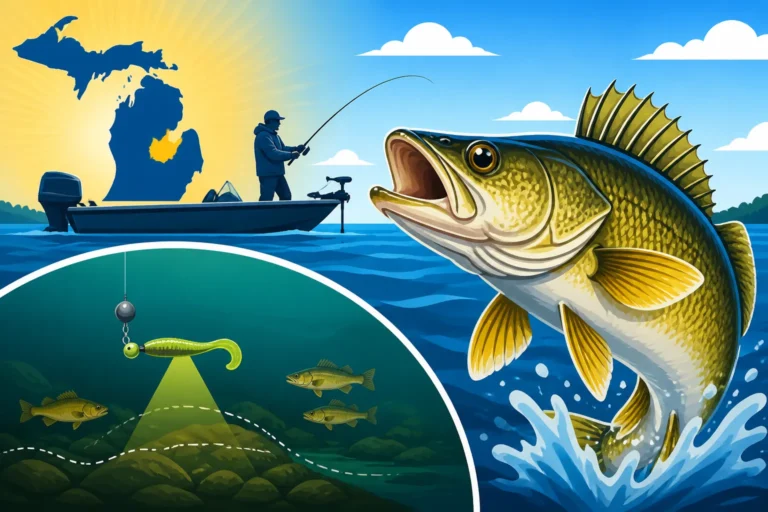
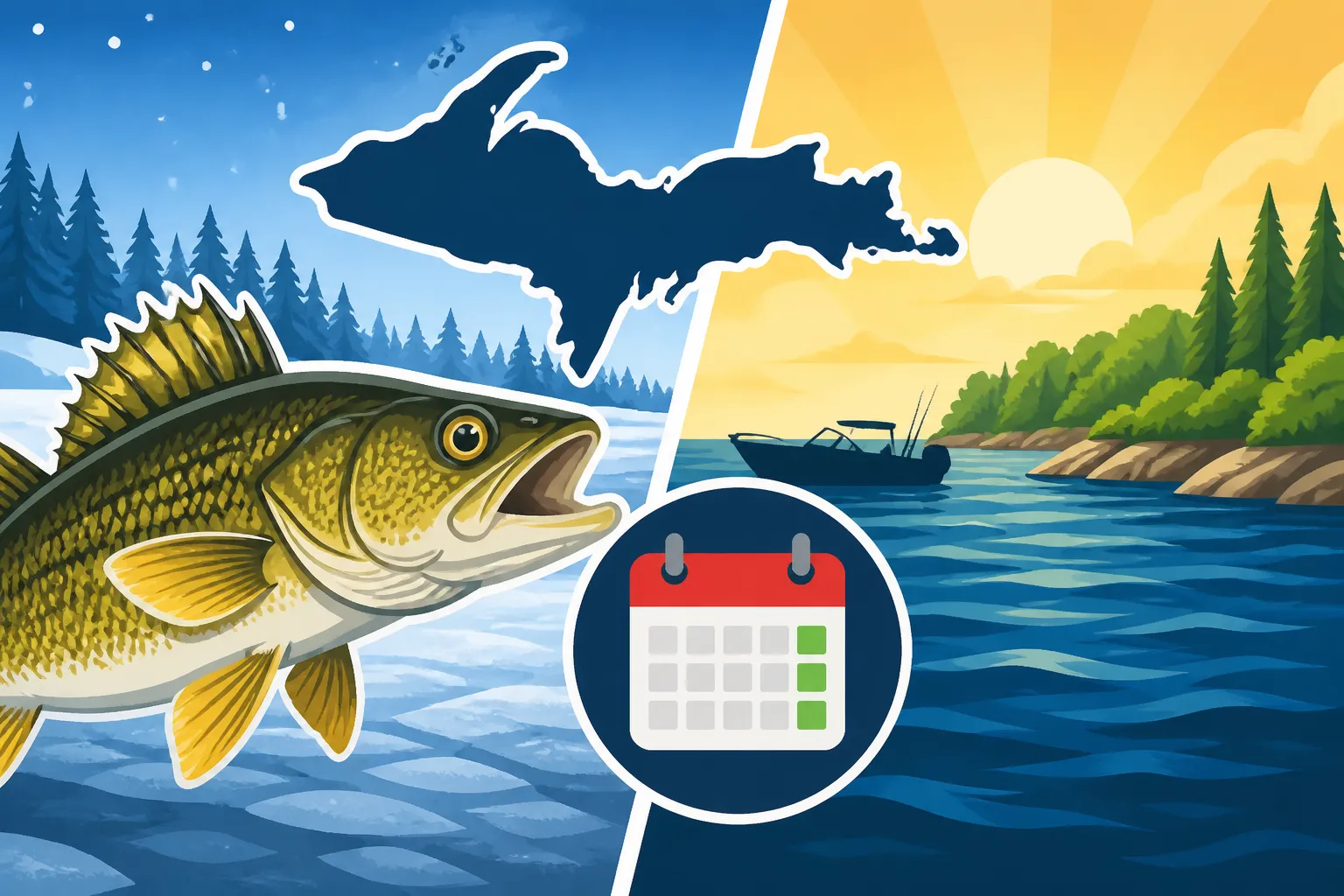
It's a common head-scratcher for many Michigan anglers, especially those venturing north: why does the walleye season in the Upper Peninsula kick off later than it does in the Lower Peninsula? This isn't just a quirk of the calendar; it's a deliberate, scientifically-backed decision by the Michigan Department of Natural Resources (DNR) to ensure the long-term health and abundance of one of our state's most prized fish. Understanding the reasons behind this staggered opening will not only deepen your appreciation for Michigan's diverse fisheries but also help you plan your fishing adventures more effectively, whether you're chasing early-season walleye downstate or waiting for the northern waters to warm up.
The Biological Imperative: Walleye Spawning and Water Temperature
The primary driver behind the later walleye season opener in Michigan's Upper Peninsula is the distinct biological cycle of the walleye, heavily influenced by water temperature and the duration of the cold season. Walleye are cool-water fish, and their reproductive success hinges on specific environmental conditions.
The Critical Role of Water Temperature
Walleye have a very particular window for spawning. Typically, they begin their annual ritual when water temperatures consistently reach somewhere between 40 to 50 degrees Fahrenheit (4 to 10 degrees Celsius). This temperature range triggers their migration from deeper overwintering areas to shallower, rocky shoals, gravel beds, or tributary rivers where they will lay their eggs. If the water is too cold, they simply won't spawn effectively, or the eggs might not develop properly. If it gets too warm too quickly, they might spawn early but face other challenges like predation on eggs or rapid development leading to less robust fry.
In the Lower Peninsula, especially the southern regions, lakes and rivers shed their ice cover much earlier in the spring. This allows the water to warm up more rapidly, hitting that crucial 40-50°F range often by late April or early May. Consequently, the walleye complete their spawning run, and the fish have a chance to disperse from their spawning grounds before angling pressure begins. This protects them during their most vulnerable period.
Walleye Spawning Habits and Location
Walleye are broadcast spawners, meaning they don't build nests. Instead, females release their eggs over suitable substrate – usually gravel, rubble, or rocky areas – and males then fertilize them. This process often occurs under the cover of darkness. Key spawning habitats include wave-swept shorelines, rocky reefs in lakes, and shallow, flowing sections of rivers. These areas become hotbeds of activity during the spawning period, making the walleye highly concentrated and, unfortunately, very susceptible to fishing pressure.
Consider a typical scenario on a river like the Detroit River, a renowned walleye spawning ground connecting Lake St. Clair to Lake Erie. Here, the ice breaks up sooner, and the river's current helps to warm the water and provide the oxygenated flow that walleye need for successful reproduction. Anglers see an earlier opening here because the peak spawning activity has already occurred, and the fish are moving back into feeding patterns. In contrast, imagine a large, deep lake in the central Upper Peninsula, still locked under several feet of ice well into April. The walleye in that lake simply cannot begin their spawning migration until that ice recedes and the underlying water column slowly begins to warm.
Why Protecting Spawners is Key
The core reason for any closed fishing season during spawning is conservation. Protecting fish when they are concentrated and reproductively active ensures the next generation. If anglers were allowed to harvest walleye during their spawning window, it would be far too easy to decimate the breeding population. This could lead to a significant decline in future walleye numbers, impacting the entire fishery for years to come.
The Michigan DNR aims to strike a balance: allowing anglers to enjoy the sport while rigorously safeguarding the resource. By delaying the opener in areas where spawning occurs later, the DNR gives the walleye the uninterrupted time they need to complete their reproductive cycle. This strategy is vital for maintaining healthy, sustainable walleye populations across Michigan, securing fishing opportunities for generations of anglers. It's a testament to the department's commitment to scientific fisheries management.
Michigan's Geographic Divide: Lower vs. Upper Peninsula Climate
Michigan is a large state with diverse climates, and the geographic differences between the Lower and Upper Peninsulas play an enormous role in determining when walleye season can safely open. The U.P., often referred to as "God's Country," truly has a character all its own, especially when it comes to the weather.
Lingering Ice and Colder Waters
The most apparent difference is the persistence of ice. While southern Michigan lakes and rivers might see ice-out in late March or early April, many lakes in the Upper Peninsula, particularly larger and deeper bodies of water, can remain completely frozen well into May. Lake Superior, which borders much of the U.P., acts as a massive cooling influence, keeping nearby inland waters colder for longer.
This extended ice cover has a direct impact on water temperatures. Even after the ice melts, it takes significantly longer for the vast volumes of water in northern lakes to absorb enough solar radiation to warm up to the walleye's critical spawning temperature range. This isn't just a matter of a few days; it can be weeks, or even a full month, later than their counterparts in the Lower Peninsula. For instance, while you might find walleye actively spawning on inland lakes in southern Michigan by mid-April, their U.P. cousins might not even begin their migration until late May or early June in some of the colder lakes.
Impact of Lake Superior and Other Northern Waters
The sheer size and depth of Lake Superior, along with other large U.P. lakes like Lake Gogebic and Indian Lake, mean they retain cold temperatures much longer than smaller, shallower lakes downstate. Lake Superior, for example, is notoriously cold and deep, exerting a significant cooling effect on the surrounding air and land. This contributes to colder average spring temperatures across the U.P. compared to the L.P.
Even lakes that don't directly border Lake Superior are affected by the generally colder climate. The entire region experiences longer winters, more snowfall, and later springs. This naturally delays the biological clock for all cold-blooded aquatic species, including walleye. The collective mass of these colder waters acts as a thermal buffer, ensuring that the natural processes, like fish spawning, occur on a delayed schedule compared to the more temperate south. This is why the fishing regulations must reflect these regional realities. For a deeper dive into the specific rules for the northern waters, you might want to read our guide on Michigan Great Lakes Fishing Regulations Guide.
A Shorter Growing Season for Fish
The later onset of warmer temperatures in the U.P. also means a shorter overall growing season for fish. While this doesn't directly dictate the timing of the season opener, it's an important ecological consideration. Fish grow faster in warmer waters with abundant food. A shorter warm-water period means a slightly slower growth rate for walleye in the U.P. compared to their southern relatives.
This subtle difference reinforces the need for conservative management. If the growing season is already shorter, any additional pressure on spawning fish could have a more pronounced negative impact on the overall population's ability to recover and thrive. The regulations are carefully crafted to account for these ecological nuances, ensuring that the U.P.'s walleye populations can sustain themselves despite the environmental challenges of a harsher northern climate. Understanding these factors is crucial for responsible angling.
Crafting Regulations: The DNR's Approach to Sustainable Walleye Management
The Michigan Department of Natural Resources (DNR) doesn't just pull season dates out of a hat. Their process is thorough, scientific, and geared towards sustainability. The staggered walleye opener is a prime example of adaptive management, tailored to the unique ecological conditions of different regions within the state.
Balancing Angler Opportunity and Fish Health
The DNR's mission is multifaceted: provide exceptional recreational opportunities for anglers while simultaneously protecting and enhancing Michigan's natural resources. When it comes to setting fishing seasons, this means a delicate balancing act. Anglers naturally want to hit the water as soon as possible, especially after a long winter, but the health of the fish population must take precedence.
For walleye, this balance is particularly critical. As highly sought-after game fish, walleye populations can be vulnerable to overfishing, especially during their concentrated spawning period. By delaying the opener in the U.P., the DNR ensures that the vast majority of walleye have completed their spawning rituals and dispersed from their vulnerable aggregation points. This allows for a robust hatch and helps maintain stable populations year after year. It prevents the kind of "easy pickings" that could quickly deplete a fishery, a concern that informs much of the Michigan Fishing Regulations Every Angler Should Know.
Monitoring Conditions and Setting Dates
DNR fisheries biologists are constantly monitoring environmental conditions and fish populations across the state. They collect data on water temperatures, ice-out dates, fish migration patterns, and spawning success. This data, gathered over decades, informs their understanding of regional differences. They know, for example, that certain rivers and lakes in the central U.P. will consistently experience a later spring compared to the Saginaw Bay area or Lake St. Clair.
This long-term data collection allows the DNR to set biologically sound season dates. They don't just guess; they observe and analyze. For instance, comparing the historical ice-out dates and water temperature profiles of a lake in Dickinson County with one in Livingston County clearly illustrates why a unified statewide opener for walleye would be detrimental to U.P. fish. The later walleye opener in the U.P. is not arbitrary; it's a direct reflection of these consistent environmental differences. If you're curious about specific dates, our article on the Upper Peninsula Walleye Season Opener has more details.
The Science Behind Season Adjustments
The regulations are a dynamic tool, not a static rulebook. While the general timing of the U.P. walleye opener is consistently later, the exact dates are reviewed and adjusted as needed, based on the latest scientific understanding and environmental shifts. Climate patterns can change, and the DNR is prepared to adapt.
This scientific approach ensures that the regulations remain effective. It's about more than just protecting adult fish; it's about ensuring habitat quality, reproductive success, and the survival of juvenile fish. The health of the walleye population depends on multiple factors, and the season dates are just one piece of a larger management puzzle that includes habitat restoration, stocking programs, and monitoring for invasive species. This holistic approach, grounded in science, is what makes Michigan's fisheries some of the best managed in the nation.
What This Means for Anglers: Planning Your U.P. Walleye Trip
For those eager to chase Michigan walleye, understanding the later U.P. opener is crucial for successful and compliant fishing trips. It requires a bit more planning and a readiness to adapt to northern conditions.
Adapting Your Gear and Techniques for Northern Conditions
When the U.P. walleye season does open, usually in mid-May, the water temperatures can still be quite chilly, especially compared to the warmer waters downstate. This often means walleye are still in a post-spawn recovery phase or just beginning to actively feed after spawning. Your fishing approach might need to be adjusted accordingly.
Instead of fast-moving retrieves or aggressive presentations, you might find more success with slower, more subtle techniques. Jigs tipped with live bait like minnows or worms are often deadly in cold water. Slowly retrieved crankbaits or blade baits can also be effective. Consider using lighter line and sensitive rods to detect those subtle cold-water bites. It's also wise to check current conditions before you head out; online resources and local bait shops can give you real-time reports on water temperature and fish activity. For more ideas on how to target these fish, check out our guide on Michigan Walleye Fishing Techniques.
Moreover, don't forget your personal gear. Northern Michigan springs can be unpredictable, with sudden temperature drops, rain, or even late-season snow. Layers of warm clothing, waterproof outerwear, and insulated boots are essential. Many anglers stock up on these essentials and specialized cold-weather gear, which can easily be found on platforms like Amazon, ensuring they're ready for any conditions. Remember, comfort on the water directly impacts your focus and enjoyment.
Essential Planning Tips for U.P. Walleye Season
Planning a U.P. walleye trip means more than just picking a date; it means understanding the full scope of the regulations and the environment.
- Check the Current Regulations: Always, always consult the most recent Michigan Fishing Regulations Digest before your trip. These are updated annually, and while the general U.P. walleye opener is consistent, specific lake rules or slot limits can change. You can often find the PDF online or pick up a physical copy at a DNR customer service center or bait shop. Our article on Michigan Fishing Season Dates and Rules is a good starting point.
- Know the Specific Lake Rules: While there's a general U.P. opener, certain lakes might have specific regulations, including different size or possession limits. Familiarize yourself with the rules for your chosen destination. For example, some lakes might have protected slot limits for walleye, meaning fish within a certain size range must be immediately released. It's not uncommon for exceptions to exist, even within the same region.
- Monitor Conditions: Pay attention to local weather forecasts and ice conditions. Even if the season is technically open, a late cold snap or strong winds can make fishing difficult or even unsafe. Many online fishing forums and local bait shops provide invaluable, up-to-date information.
- License Up: Ensure your fishing license is current. Michigan's fishing license year runs from March 1st to March 31st of the following year, so if you're planning a spring U.P. trip, make sure your license is renewed. Find out more at Michigan Fishing License Guide for Residents and Nonresidents.
- Accommodation and Travel: The U.P. is a vast, beautiful region. Book accommodations in advance, especially during popular fishing times. Be prepared for longer drives between spots and limited cell service in some remote areas. Having a good map or GPS is always a smart idea.
Respecting the Resource and the Rules
Ultimately, the later walleye opener in the Upper Peninsula is a testament to Michigan's commitment to sustainable fishing. By respecting these regulations, anglers play a direct role in preserving the state's incredible walleye fishery. It's not about making things harder; it's about ensuring that those majestic walleye will continue to thrive for years to come.
Understanding why these rules are in place transforms them from arbitrary mandates into logical steps for conservation. It allows you to approach your U.P. fishing trips with a deeper understanding of the environment and a greater appreciation for the efforts made to protect these valuable fish. Your adherence to these rules contributes to the overall health of the fishery and maintains Michigan's reputation as a world-class fishing destination. Always remember to practice ethical angling, including proper catch-and-release techniques when necessary, to give every fish the best chance of survival.
| Factor | Lower Peninsula (Typical) | Upper Peninsula (Typical) | Impact on Walleye Season Opener |
|---|---|---|---|
| Ice-Out Timing | Late March – Early April | Late April – Mid-May | Later ice-out delays water warming and spawning. |
| Spring Water Warming | Faster, reaches 40-50°F sooner | Slower, delayed by weeks | Later achievement of critical spawning temperatures. |
| Average Spring Temp | Milder | Colder, longer winter influence | Overall colder climate delays biological cycles. |
| Lake/River Depths | Mix of shallow/deep, many smaller | Many large, deep lakes/Great Lakes | Larger water bodies take longer to warm. |
| Walleye Spawning Peak | Late April – Early May | Mid-May – Early June | Spawning occurs later, requiring delayed protection. |
| Conservation Strategy | Earlier opener post-spawn | Later opener post-spawn | Ensures fish are protected during vulnerable spawning phase. |
Disclaimer
The information provided in this guide is for general informational purposes only and does not constitute legal advice. Fishing regulations, including season dates, size limits, and possession limits, are subject to change. Always consult the most current Michigan Fishing Regulations Digest published by the Michigan Department of Natural Resources (DNR) or visit their official website before engaging in any fishing activities. Compliance with all applicable laws and regulations is the sole responsibility of the angler.