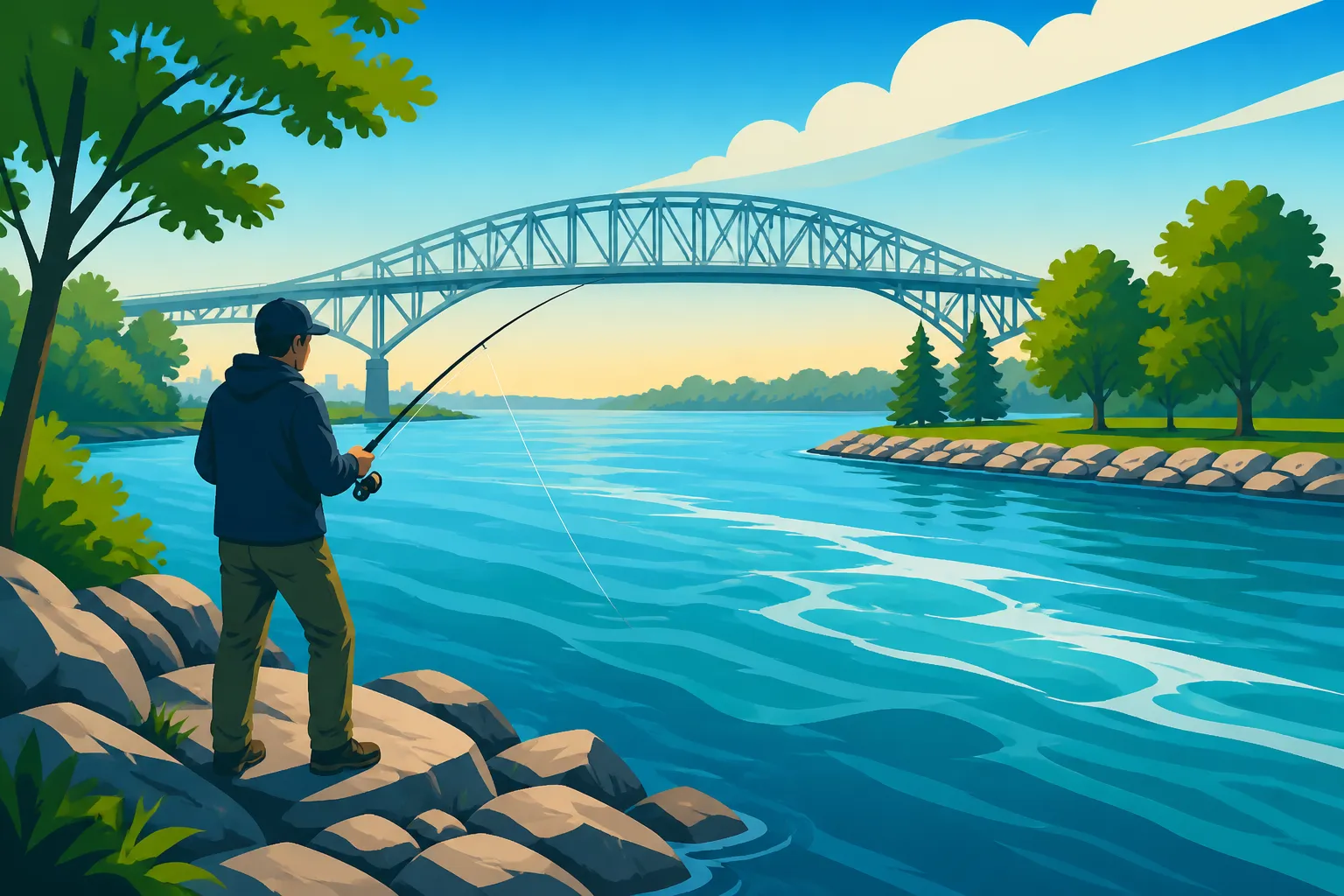
St. Clair River Shore Fishing Spots
Trying to find those perfect shore fishing spots on a massive, dynamic river like the St. Clair can feel like a real treasure hunt. You're constantly wondering where the best access is, what fish are biting, and if you're even allowed to cast a line. This guide is here to cut through that confusion, helping you unlock some fantastic shore fishing opportunities along the St. Clair River in Michigan.
Understanding the St. Clair River for Shore Anglers
The St. Clair River isn't just any river; it's a vital waterway connecting Lake Huron to Lake St. Clair, teeming with diverse fish species and offering unique angling experiences. For those of us who prefer to keep our feet on solid ground, understanding the river's characteristics is the first step to a successful day.
The Unique Challenges and Rewards of River Fishing
Fishing from shore on a major river like the St. Clair presents its own set of thrills and frustrations. Unlike a still lake, you're constantly contending with current, which can either be your best friend or your biggest headache. The river's flow dictates how fish position themselves, how your bait drifts, and even how easily you can cast and retrieve. A strong current can make it challenging to keep your lure in the strike zone, but it also concentrates baitfish, which in turn attracts predatory species.
Navigating public access points can also be a challenge. While some areas are clearly marked fishing parks, others might be less obvious municipal properties or even private land adjacent to public pathways. Always be mindful of "No Trespassing" signs and local ordinances to ensure you're fishing legally and respectfully. The reward for overcoming these challenges? The St. Clair River boasts an incredible diversity of fish, from panfish to formidable predators, often accessible just steps from your vehicle. It's a truly dynamic environment where every cast holds the promise of something new.
Key Fish Species to Target from Shore
The St. Clair River is a smorgasbord for anglers, offering a rich variety of species throughout the year. Knowing what to target and when is crucial for success.
- Yellow Perch: These panfish are a year-round favorite and are often abundant in the slower currents near shorelines, especially around docks, piers, and weed beds. They're fun to catch and make for excellent table fare. When you're targeting these tasty morsels, remember to check the specific Michigan Yellow Perch Limit on the St. Clair River, as regulations can be very localized.
- Walleye: Known for their delicious fillets, walleye are present in good numbers in the St. Clair River, especially during spring and fall migrations. They tend to hug the bottom, preferring current breaks and deeper pockets. Night fishing can be particularly productive for walleye, as they become more active hunters after dark. Keep a close eye on the Michigan Walleye Daily Possession Limit before you head out.
- Smallmouth Bass: Pound-for-pound, smallmouth bass are one of the hardest fighting fish in the river. They thrive in the rocky, current-swept areas and can often be found near structural features like bridge pilings, jetties, and rip-rap. The warmer months are prime time for smallmouth, offering explosive bites and acrobatic fights. You'll want to be familiar with the Michigan Smallmouth Bass Daily Limit to stay within regulations.
- Salmon and Steelhead: While often associated with the Great Lakes and their tributaries, salmon (Chinook and Coho) and steelhead (rainbow trout) can certainly be caught from the St. Clair River shore, especially during their migratory runs in spring and fall. These powerful fish use the river as a highway to and from their spawning grounds, offering anglers a chance at truly trophy-sized catches. They're often found in faster currents or where tributaries enter the main river. Knowing the Michigan's Combined Trout and Salmon Daily Limit is essential for these prized catches.
- Northern Pike: These toothy predators lurk in weed beds, submerged logs, and slower current areas, ready to ambush unsuspecting baitfish. Pike can offer thrilling fights and are often caught incidentally while targeting other species, but dedicated pike anglers know where to find them.
Top Public Access Points for St. Clair River Shore Fishing
Finding a good spot on the St. Clair River means looking for public parks, marinas, and waterfront areas that offer easy access to the water's edge, ideally with some form of structure or current break nearby.
Southern St. Clair County Hotspots
Starting from the very bottom of the river, close to Lake St. Clair, and working our way north, there are several fantastic spots in southern St. Clair County that anglers frequent.
One of the most popular and easily accessible areas is the Port Huron waterfront, particularly around the Blue Water Bridge. You'll find extensive boardwalks and piers that offer ample space for casting. The strong currents here can be challenging, but they also attract a wide variety of fish, especially migratory species like salmon and steelhead in season. This area is known for good walleye fishing, particularly at night, and provides excellent deep-water access directly from shore. You'll often see anglers using heavy weights to keep their bait on the bottom. Further south in Port Huron, Desmond Landing offers another excellent stretch of shore access with piers and seawalls. It’s a busy spot, but for good reason, as it provides consistent action for perch, smallmouth, and even an occasional walleye. Parking is generally plentiful, and the paved walkways make it easy for anglers of all mobility levels.
Another prime location is Lighthouse Beach at the mouth of the river, where it transitions into Lake Huron. While primarily a beach, there are often rocky areas and access points near the lighthouse itself that provide decent shore fishing. This spot can be excellent for smallmouth bass, especially where the rocks meet deeper water, and during certain times of the year, even lake trout or salmon might cruise within casting distance from the shoreline. Remember that the proximity to Lake Huron means that some Michigan Great Lakes Fishing Regulations Guide might come into play more directly here than further upriver.
Central and Northern St. Clair County Opportunities
As you move north along the river, the landscape changes slightly, with more residential areas interspersed with charming small towns and state parks that offer more secluded, yet equally productive, fishing.
Marine City's boardwalk and associated parks are a fantastic option in the central part of the river. The current here is often a bit less intense than in Port Huron, making it a bit more manageable for lighter tackle. You'll find plenty of opportunities for yellow perch and smallmouth bass, especially around the docks and any submerged structure. It’s a quaint town with a strong maritime feel, and there’s usually a good buzz from other anglers and boat watchers. Early mornings or late evenings can often provide the best bites here, especially during the peak summer months when boat traffic can pick up. Many anglers here rely on simple live bait rigs, like a minnow or worm on a hook with a split shot, to entice panfish.
Further north, heading towards Lake Huron, Algonac State Park offers a more rustic and expansive fishing experience. While primarily a camping park, it boasts considerable river frontage, including some marshy areas and deeper channels. Shore fishing here can be quite productive for northern pike, bass, and panfish. The natural setting provides a quieter experience than some of the urbanized areas. Access might involve a bit more walking, but the peace and quiet, coupled with excellent fishing potential, make it worthwhile. You might even find some hidden gems for targeting bigger species. If you're planning a trip and want to explore all your options, even beyond shore fishing, resources like FishingBooker can help you find local charter captains who know these waters inside and out.
Finally, consider the areas around Sans Souci and Harsens Island. While Harsens Island often requires a ferry ride, its numerous channels and bayous offer incredible shore fishing for a variety of species, though specific public access can be more limited to roadside pull-offs and designated park areas. The St. Clair Flats area, including Harsens Island, is a vast wetland ecosystem that serves as a nursery for many fish, making it a hotbed for bass, pike, and perch. When visiting any of these spots, always double-check the latest Michigan Fishing Regulations Every Angler Should Know to ensure you're compliant with all local rules.
Here's a quick overview of some prime St. Clair River shore fishing spots:
| Location | Primary Target Species | Best Techniques | Key Features | Notes |
|---|---|---|---|---|
| Port Huron Waterfront | Walleye, Salmon, Steelhead | Heavy bottom rigs, jigging | Deep water, strong current, piers, boardwalks | Excellent for migratory fish; often crowded. |
| Desmond Landing | Perch, Smallmouth, Walleye | Drop shot, slip bobber, jigging | Piers, seawalls, varied depth | Good general fishing, accessible. |
| Lighthouse Beach | Smallmouth, Lake Trout | Casting lures, live bait | Rocky shoreline, transition to Lake Huron | Can be exposed to wind; check lake conditions. |
| Marine City Boardwalk | Perch, Smallmouth, Pike | Live bait, crankbaits, jigs | Docks, slower current, submerged structure | Quaint town; moderate boat traffic. |
| Algonac State Park | Pike, Bass, Panfish | Casting spoons, soft plastics | Natural shoreline, weed beds, marshy areas | More rustic, less crowded; requires park pass. |
| Sans Souci / Harsens Island | Bass, Pike, Perch, Walleye | Spinnerbaits, live bait | Channels, bayous, wetlands | Ferry access for Harsens Island; diverse habitats. |
Essential Techniques and Gear for St. Clair River Shore Success
Having the right approach and equipment can make all the difference between a frustrating day and a fantastic one when fishing the St. Clair River from shore.
Go-To Rigs and Baits
The dynamic nature of river fishing means you often need versatile rigs that can adapt to current and target various species.
One of the most reliable setups for bottom-dwelling species like walleye and catfish, or even stationary perch, is a Carolina Rig or a simple bottom-bouncing rig. This involves a heavier sinker (often a bell sinker or pyramid sinker, ¼ oz to 1 oz or more depending on current) at the bottom, followed by a swivel, and then a leader (1-3 feet) with a hook. This allows your bait to drift naturally just off the bottom. For bait, live minnows, nightcrawlers, or cut bait are highly effective. For the particularly sensitive bite of perch, a crappie rig with small hooks and light weights can be deadly, often fished with a small piece of worm or a wax worm. You'll find many anglers swear by live bait for the St. Clair's prolific perch populations. For example, for "Best Bait for Perch," many locals favor small minnows or pieces of nightcrawler.
When fish are suspending or feeding in the middle of the water column, slip bobber rigs become invaluable. These allow you to present your bait at a precise depth, which is fantastic for targeting schools of perch or smallmouth bass around submerged structure. A slip bobber slides freely on your line until it hits a bobber stop, letting you cast easily and then allowing your bait to sink to the desired depth. Small jigs tipped with plastic or live bait, suspended under a slip bobber, can be incredibly effective.
For active fishing, especially for bass, pike, salmon, and steelhead, casting artificial lures is the way to go.
- Spinnerbaits and crankbaits are excellent for covering water and triggering aggressive strikes from bass and pike.
- Jigs tipped with soft plastics (like grubs or paddle tails) are incredibly versatile and can catch almost any species, from walleye on the bottom to smallmouth in rocky areas. Vary your retrieve speed and depth until you find what the fish are keying in on.
- For those chasing salmon and steelhead, spoons and inline spinners are classic choices. The flash and vibration can attract these powerful fish even in strong currents. While salmon and steelhead are often associated with specific river techniques like float fishing, casting spoons or heavier spinners from shore in areas with good current can still yield results.
Gear Recommendations for River Conditions
Having the right rod, reel, and line can significantly impact your success and enjoyment.
For general shore fishing on the St. Clair, a medium to medium-heavy spinning rod, typically 7 to 9 feet in length, is a great all-around choice. The longer rod provides better casting distance, which is often crucial for reaching deeper channels or current breaks from shore, and offers better line control in the current. A 7-foot rod might feel more comfortable for casting lighter jigs and bobber rigs, while a 9-foot rod offers more leverage for fighting larger fish and casting heavier baits in strong currents. If you're specifically targeting steelhead, a longer rod, perhaps 9 to 11 feet, can be even more beneficial for line management. For a deep dive into specific lengths, consider looking at guides like Best Rod Length for Steelhead Fishing.
Pair this with a matching spinning reel in the 2500-4000 series, spooled with 8-15 pound test monofilament or braided line. Braided line offers superior sensitivity and casting distance, making it a popular choice, especially when combined with a fluorocarbon leader for abrasion resistance and stealth. The river bottom can be snaggy, so having a strong main line is important.
Waders are also an essential piece of gear for many shore anglers on the St. Clair River. They allow you to wade out a bit further, extending your casting range and helping you navigate uneven or muddy banks. Chest waders are ideal for covering all situations, especially during colder months or in areas where you might encounter deeper water. Neoprene waders are fantastic for warmth in cooler temperatures, while breathable waders are more comfortable in warmer weather. Proper wading boots with good grip are non-negotiable for safety. You might find detailed information on choosing the right pair by researching topics like Best Waders for Cold River Fishing.
Don't forget a long-handled net – especially if you're targeting bigger fish like walleye or salmon. It makes landing fish much safer for both you and the fish, minimizing stress and damage, especially if you plan to practice catch-and-release. Having a small tackle bag or backpack to keep your essential lures, extra line, leader material, and tools organized is also incredibly helpful, allowing you to move easily along the shoreline.
Navigating Regulations and Best Practices
Michigan has clear fishing regulations, and the St. Clair River, as a prominent waterway, is subject to specific rules. Being informed and responsible makes for a better experience for everyone.
Understanding Local Rules and Etiquette
First and foremost, you absolutely need a Michigan fishing license if you are 17 years of age or older. This is non-negotiable for fishing in any public waters, including the St. Clair River. You can easily purchase one online through the Michigan DNR website, or at most sporting goods stores and bait shops. It's a small investment that supports conservation efforts throughout the state. For comprehensive details, check out the Michigan Fishing License Guide for Residents and Nonresidents. Always carry your license with you when fishing, as DNR officers do patrol the river.
Beyond the license, familiarize yourself with the Michigan Fishing Regulations Digest. This document, updated annually, details bag limits, size limits, and season dates for all species. Pay particular attention to any special regulations that might apply specifically to the St. Clair River or its immediate tributaries, as rules can sometimes vary by water body. For a quick reference on general rules, consult guides like Michigan Fishing Regulations Every Angler Should Know.
Local ordinances are also important. Some municipal parks might have specific hours for fishing, restrictions on where you can fish (e.g., not from certain bridges or docks), or rules about littering. Always look for signage in public access areas.
Finally, fishing etiquette is key to a pleasant experience for everyone.
- Respect other anglers: Give people space, especially if they were there first. Don't crowd someone's fishing spot.
- Leave no trace: Pack out everything you pack in, including discarded fishing line, bait containers, and food wrappers.
- Practice responsible catch and release: If you're not keeping a fish, handle it gently, minimize its time out of water, and release it safely. Use a net to land fish, and if possible, keep them in the water while unhooking. This is especially important for species like muskellunge, which have strict catch-and-release rules and mandatory reporting in Michigan. If you're interested in muskie fishing, even from shore, knowing about Michigan Muskellunge Harvest Reporting Rules is vital.
Safety First: A Crucial Reminder
The St. Clair River is a powerful waterway, and safety should always be your top priority when fishing from shore.
Current awareness is paramount. The St. Clair River has a very strong current, especially in narrow sections or near the Blue Water Bridge. This current can be deceptively powerful.
- Stay away from the edges: Banks can be undercut and unstable. A slip or fall into a strong current can quickly become dangerous.
- Be cautious if wading: Only wade in areas you know are safe, with a firm bottom, and never wade alone or in unfamiliar stretches of fast water. Your waders can fill with water, making it extremely difficult to get back to shore.
Weather conditions on the St. Clair River, especially near Lake Huron, can change rapidly.
- Monitor forecasts: High winds can make casting difficult and create dangerous waves even on the river.
- Thunderstorms: Lightning on open water or near metal structures like piers is a serious hazard. Seek shelter immediately at the first sign of a storm.
- Ice safety: If you're planning to try your hand at ice fishing during the winter, always prioritize ice thickness. The St. Clair River rarely freezes solid and safely for ice fishing due to its strong current and heavy freighter traffic, making shore fishing or boat fishing the more common winter approach. Refer to local advisories and never assume ice is safe.
Proper gear extends beyond just your rod and reel.
- Wear appropriate footwear: Sturdy, non-slip shoes or wading boots are essential on slick rocks, mud, or concrete.
- Bring a PFD (Personal Flotation Device): Even when fishing from shore, especially if you're near deep, fast water or planning to wade, wearing a life jacket is a smart choice. Accidents happen quickly, and a PFD could save your life.
- Visibility: If fishing at dawn, dusk, or night, wear reflective clothing or carry a headlamp to ensure you are seen by others, especially if you are near boat launches or busy areas.
- Fishing with a buddy: Whenever possible, fish with a friend. In case of an emergency, having someone else there can make a critical difference.
Finally, while the river can be incredibly rewarding, remember that it is also shared by large freighters and numerous recreational boats. Be aware of your surroundings, especially when casting. With a little planning and respect for the river, your fellow anglers, and the rules, you're set for some truly memorable St. Clair River shore fishing adventures. For even more detailed insights into timing your trips, check out resources like Michigan Fishing Seasons Explained. Don't be afraid to branch out and try new spots – sometimes the best fishing is just around the next bend! And if you're ever looking to expand your fishing horizons beyond shore casting, exploring options through services like FishingBooker could open up a whole new world of guided experiences on the St. Clair or other great Michigan waters.
Disclaimer
Fishing involves inherent risks, including but not limited to, changing weather conditions, slippery surfaces, and sharp fishing tackle. Always prioritize your safety and be aware of your surroundings. The information provided in this guide is for informational purposes only and should not replace official regulations from the Michigan Department of Natural Resources (DNR). Fishing regulations can change; it is the angler's responsibility to review and comply with all current state and local fishing laws before heading out.