Michigan’s Statewide Minimum Size Limit for Walleye
It's incredibly frustrating, isn't it, when you're out on the water, rod in hand, and a beautiful walleye bites, but then a wave of uncertainty hits you: "Is this fish legal to keep?" Trying to keep track of all the different rules, especially when it comes to specific fish species like walleye, can feel like navigating a maze. This comprehensive guide will cut through that confusion, breaking down Michigan's statewide minimum size limit for walleye, explaining why these rules exist, and offering practical advice so you can fish with confidence and stay on the right side of the law.
Understanding Michigan's Statewide Walleye Regulations
Michigan is a fantastic state for walleye fishing, offering incredible opportunities on both its vast Great Lakes and countless inland waters. But with so many different fishing grounds, it’s easy for anglers to feel overwhelmed by the sheer volume of regulations. The Michigan Department of Natural Resources (DNR) sets these rules with a very clear goal in mind: to protect our precious fish populations and ensure that future generations can enjoy the same incredible fishing experiences we do. When it comes to walleye, understanding the statewide minimum size limit is one of the most fundamental pieces of knowledge you need to possess before you even cast your first line. It’s not just about avoiding a ticket; it’s about being a responsible steward of Michigan’s natural resources.
Why Size Limits Matter for Walleye Conservation
You might wonder why the DNR just doesn't let us keep any walleye we catch, especially if it's a perfect eating size. The truth is, size limits are a critical tool in fisheries management, specifically designed to protect fish populations during their most vulnerable stages. For walleye, a minimum size limit primarily ensures that enough fish can reach maturity and reproduce at least once, if not several times, before they're harvested. Walleye are relatively slow-growing fish, and if too many smaller, immature fish are removed from the population, it can severely impact their ability to replenish their numbers. This can lead to fewer walleye in the long run, smaller average sizes, and ultimately, a less rewarding fishing experience for everyone.
Think about it this way: if every angler kept every walleye they caught, regardless of size, we'd quickly deplete the breeding stock. By setting a minimum size, the DNR is giving those younger fish a fighting chance to contribute to the next generation of walleye. This kind of thoughtful management is why we continue to have such vibrant walleye fisheries across Michigan, from the vast expanses of Lake Erie to the productive waters of Saginaw Bay. These regulations are a commitment to sustainable angling, helping maintain a healthy balance in our aquatic ecosystems.
The General Statewide Rule: 15-Inch Minimum
Alright, let's get to the brass tacks. For most of Michigan's waters, the standard, easy-to-remember rule for walleye is a 15-inch minimum size limit. This means that any walleye you catch must be at least 15 inches long from the tip of its snout to the tip of its tail (when pressed together) to be legally kept. If it's even a fraction of an inch shorter, it needs to go back into the water, unharmed. This 15-inch rule is the baseline, the default you should assume unless you know for a fact that you're fishing in a body of water with special regulations.
This 15-inch minimum applies broadly across much of the state's popular walleye fisheries, including many inland lakes and sections of the Great Lakes. It's the bread and butter of Michigan's walleye regulations. Knowing this fundamental rule will keep you compliant in the vast majority of situations. However, being a truly knowledgeable angler means not just knowing the general rule, but also understanding that there can be specific exceptions. Always keep this 15-inch number in mind as your starting point, but be prepared to dig a little deeper depending on your chosen fishing spot. You can always refer to the comprehensive Michigan Walleye Size and Possession Limits for a quick overview, but reading the full digest is always recommended.
Navigating Walleye Size Limit Exceptions and Special Regulations
While the 15-inch minimum is a great guideline, Michigan is a diverse state, and its fisheries are equally varied. What works for a large Great Lake might not be ideal for a smaller, shallow inland lake. That's why the DNR often implements water-specific regulations or "special regulations" that can modify the statewide minimum size limit for walleye. These exceptions are not there to confuse you, but rather to tailor management strategies to the unique ecological conditions of individual lakes, rivers, or specific sections of larger bodies of water. Ignoring these exceptions can lead to unintentional violations, which no angler wants.
Water-Specific Rules and Protected Slot Limits
Sometimes, you'll find that certain lakes or river systems have their own unique rules for walleye. These can include a different minimum size limit – either larger or, in rare cases, slightly smaller – or, more commonly, a "protected slot limit." A protected slot limit means that fish within a certain size range cannot be kept, while fish both smaller and larger than that range might be legal to harvest, provided they meet other criteria. This might sound counterintuitive at first, but it’s a highly effective management tool.
For instance, Michigan has implemented Michigan's Protected Walleye Slot Between 18 and 23 Inches on certain waters. In such a scenario, you might be able to keep a walleye under 18 inches and over 23 inches, but anything in between those sizes would need to be immediately released. The purpose of a slot limit is often to protect the prime breeding stock – those medium-sized, highly reproductive fish – while allowing for the harvest of smaller, younger fish (which are often plentiful) and larger, older fish (which may have slowed in their reproductive output or are simply trophies).
Here's a quick example of how a slot limit might be presented:
| Water Body | Walleye Minimum Size | Walleye Slot Limit | Daily Possession Limit |
|---|---|---|---|
| Most Statewide | 15 inches | None | 6 |
| Specific Inland Lake X | 15 inches | 18-23 inches (Protected) | 5 (only 1 over 23") |
| Specific Great Lake Bay Y | 13 inches | None | 8 |
Note: This table uses hypothetical examples to illustrate different regulation types. Always consult official DNR sources for current, accurate information.
These water-specific rules are often found in the fishing guide supplement for specific areas or detailed within the main Michigan Fishing Regulations Every Angler Should Know digest. Lakes like Saginaw Bay, Lake Erie, and Lake St. Clair, which are major walleye hubs, often have detailed specific rules that can differ from the statewide standard, reflecting the unique dynamics of their robust fisheries. It’s crucial to understand that these aren't universal, but apply only to the designated bodies of water.
How to Stay Informed About Local Walleye Regulations
The world of fishing regulations is dynamic, meaning rules can and do change. What was legal last year might not be this year, or a new exception might pop up for a specific lake you love. Relying on old memories or what your buddy told you can lead to big problems. The absolute best way to stay informed is to consult the official sources directly from the Michigan DNR.
First and foremost, always carry a copy of the current year's Reading the Michigan Fishing Regulations Digest when you're fishing. You can pick up a physical copy wherever you buy your fishing license, or download the PDF version directly from the DNR website. This digest is your bible for all things regulation-related. Beyond that, the DNR has made it incredibly easy to access real-time information through technology. Their Michigan's DNR Hunt Fish App for Licenses and Reporting is an invaluable tool. Not only can you buy and carry your fishing license digitally, but you can also access the full regulations digest right on your phone, making it super convenient to check rules on the fly, even when you're out on the water. Before you head to a new spot, or even a familiar one at the start of a new season (remember, Michigan's fishing license year runs from April 1 to March 31), take a few minutes to review the specific regulations for that body of water. A quick check can save you a lot of headache and ensure you're contributing to healthy fisheries, not hindering them.
Practical Tips for Measuring and Releasing Walleye
So, you've hooked a walleye, and now it's time to measure. This isn't just a casual guess; it's a precise task that determines if you can legally keep your catch. A proper measurement ensures you're adhering to the minimum size limit, and if the fish isn't legal, knowing how to release it correctly is just as vital. Mishandling a fish, even one you intend to release, can lead to injury or death, defeating the purpose of conservation efforts. These practices are part of being a responsible angler and truly understanding the art of walleye fishing.
The Correct Way to Measure Your Walleye
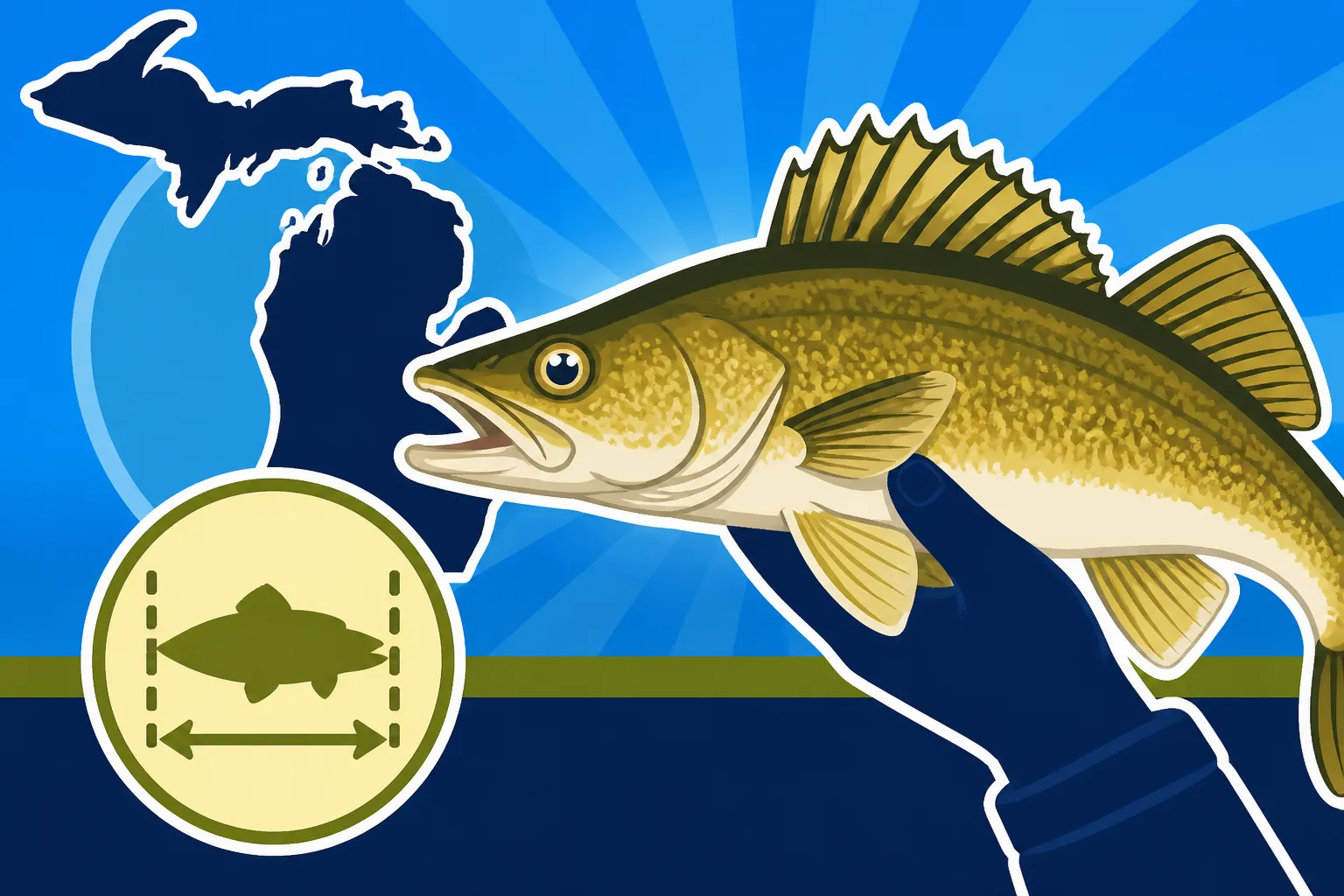
Measuring a walleye isn't complicated, but it does need to be done consistently and accurately. The Michigan DNR specifies that fish should be measured in "total length." This means you measure from the tip of the snout (with the mouth closed) to the farthest tip of the tail (with the tail compressed or squeezed together). You'll want to lay the fish flat on a measuring board or tape measure.
Here’s a step-by-step approach:
- Wet Your Hands: Before you even touch the fish, wet your hands thoroughly. Dry hands can remove the fish's protective slime layer, making it more susceptible to disease.
- Handle Gently: Support the fish horizontally, never vertically by the jaw alone, as this can dislocate its jaw or damage its internal organs. Use both hands, one supporting the belly and the other gently gripping the back or head.
- Lay Flat: Carefully place the walleye on a measuring board or a tape measure laid flat on a boat deck or other stable surface. Ensure its mouth is closed and the tip of its snout is against the zero mark.
- Compress Tail: Gently squeeze the tail fin lobes together to get the maximum length. Read the measurement at the very end of the compressed tail.
- Quickly Release (if undersized): If the fish doesn't meet the Michigan Walleye 15-Inch Minimum Size Limit or specific local size requirements, release it immediately. Prolonged handling increases stress and reduces its chances of survival.
- Use Proper Tools: A good, sturdy measuring board that can handle fish up to typical walleye sizes (say, 30 inches or more) is invaluable. Soft tape measures can be less accurate and harder to manage with a squirming fish.
Getting this right every time prevents ambiguity and potential legal issues. It also shows respect for the resource and your fellow anglers who want to see these fisheries thrive.
Best Practices for Catch-and-Release Walleye
Not every walleye you catch will be a keeper, whether it's undersized, outside a slot limit, or simply a fish you decide to release because you've already met your Michigan Daily Bag Limits by Species. Proper catch-and-release techniques are paramount to ensuring the fish survives to fight another day. Every angler plays a role in the health of the fishery, and a poorly released fish is a wasted fish, from a conservation perspective.
Here are the best practices for handling and releasing walleye:
- Minimize Fight Time: Bring the fish in as quickly as possible. Prolonged fights exhaust the fish, making it harder for it to recover.
- Keep it Wet: The best thing for a fish is to keep it in the water as much as possible. Unhooking it while it's still in the net or even in the water is ideal. If you must remove it from the water for a quick measurement or photo, do so for the absolute minimum time.
- Barbless Hooks: Consider using barbless hooks, or crimping down the barbs on your hooks. This makes hook removal much easier and less damaging to the fish's mouth.
- Appropriate Hook Removal Tools: Carry a pair of long-nose pliers or a dedicated hook remover. This allows you to quickly and safely extract the hook without putting your fingers too close to sharp teeth, and without excessive handling of the fish.
- Avoid Gill and Eye Contact: Never grab a fish by the gills or put your fingers in its eye sockets. These are extremely sensitive and vital areas that can be easily damaged, leading to infection or death.
- Revive If Necessary: If a walleye seems sluggish or stressed after a tough fight, hold it gently in the water, facing into the current (if present). Move it back and forth slightly to push water over its gills until it regains its strength and swims away on its own power. Do not just toss it back; make sure it's ready.
By following these practices, you're not just adhering to the letter of the law but also embracing the spirit of conservation. It ensures that Michigan's waters remain vibrant and full of walleye for all to enjoy.
Consequences of Violating Walleye Size Limits
Nobody wants to find themselves on the wrong side of the law, especially when they're trying to enjoy a peaceful day of fishing. But ignorance of the law is never an excuse. Violating Michigan's walleye size limits isn't just a minor oversight; it carries real, tangible consequences. These penalties are designed to deter illegal harvest and underscore the importance of these regulations for the long-term health of our fisheries. It's a serious matter, and understanding the potential repercussions should be a strong motivator to always double-check those regulations.
Fines and Penalties for Non-Compliance
If you're caught with an undersized walleye, or too many walleye, or walleye outside of a protected slot limit, you could be facing a range of penalties. The exact fine can vary depending on the severity of the violation, whether it's a first offense, and the discretion of the conservation officer. However, it's safe to say that even a single undersized fish can result in a hefty fine.
Here's a general idea of what could happen:
- Monetary Fines: Expect to pay fines that can easily run into hundreds of dollars for each violation. These fines are often significant enough to make you think twice about keeping a questionable fish.
- Court Appearances: Depending on the offense, you might be required to appear in court, which adds to the hassle and cost through lost time and potential legal fees.
- Restitution: In addition to fines, you might be required to pay restitution for the value of the fish illegally taken. The DNR assigns a monetary value to various species, and for a popular game fish like walleye, this can add substantially to the overall penalty.
- Loss of Fishing Privileges: This is often the most impactful penalty for avid anglers. Violations can lead to the suspension or revocation of your fishing license for a period of time, sometimes even for multiple years. Imagine not being able to cast a line in Michigan's beautiful waters because of an avoidable mistake.
- Confiscation of Gear: In some cases, depending on the severity and nature of the violation, your fishing gear, including rods, reels, and even boats, could be seized.
These penalties are not arbitrary; they are there to protect the resource. Conservation officers are highly trained and dedicated to upholding these rules, and they do not take violations lightly. It's a reminder that every angler has a responsibility to know and follow the rules. It's far cheaper and less stressful to err on the side of caution and release a fish if you're unsure about its legality.
The Impact of Violations on Michigan's Walleye Fishery
Beyond the personal consequences for the angler, violations of size and bag limits have a cumulative negative impact on Michigan's walleye fishery as a whole. When individual anglers disregard these rules, it undermines the very conservation efforts that make our fishing so great. Each illegally kept walleye, especially an undersized one, represents a fish that won't get to spawn, won't contribute to the genetic diversity of the population, and won't grow into a trophy catch for another angler.
If too many people ignore the regulations, even seemingly small infractions add up. This can lead to:
- Reduced Fish Populations: Fewer fish reaching maturity means fewer spawners, which ultimately means fewer fish for everyone to catch in the future.
- Smaller Average Size: Overharvesting smaller fish can shift the average size of the population downwards, meaning you'll catch fewer large, impressive walleye.
- Ecological Imbalance: Walleye are apex predators in many Michigan ecosystems. Significant changes in their population can ripple through the food web, affecting baitfish, other predators, and even aquatic vegetation.
- Increased Regulations: If compliance becomes a widespread issue, the DNR might be forced to implement even stricter regulations, such as lower bag limits, higher minimum sizes, or even season closures, to help the fishery recover. This impacts all responsible anglers.
Ultimately, adherence to size limits and all other regulations is a collective responsibility. It's about ensuring the sustainability of Michigan's walleye fishing for generations to come. When we respect these rules, we're not just avoiding penalties; we're actively participating in the conservation of one of Michigan's most beloved fish species. So, the next time you're out on the water, remember that a little bit of knowledge and a lot of respect go a long way in keeping our walleye fisheries healthy and productive. If you're wondering When Does Walleye Season Open in Michigan's Lower Peninsula, or planning to use new Michigan Walleye Fishing Techniques, always confirm the rules for your specific location and time of year.
Disclaimer
Please note that fishing regulations are subject to change. While this guide aims to provide accurate and up-to-date information regarding Michigan's walleye size limits, it is essential to consult the official Michigan Department of Natural Resources (DNR) Fishing Guide or their official website and app for the most current regulations before heading out to fish. This content is for informational purposes only and should not be considered a substitute for official legal documents.