Hamlin Lake Fishing Spots
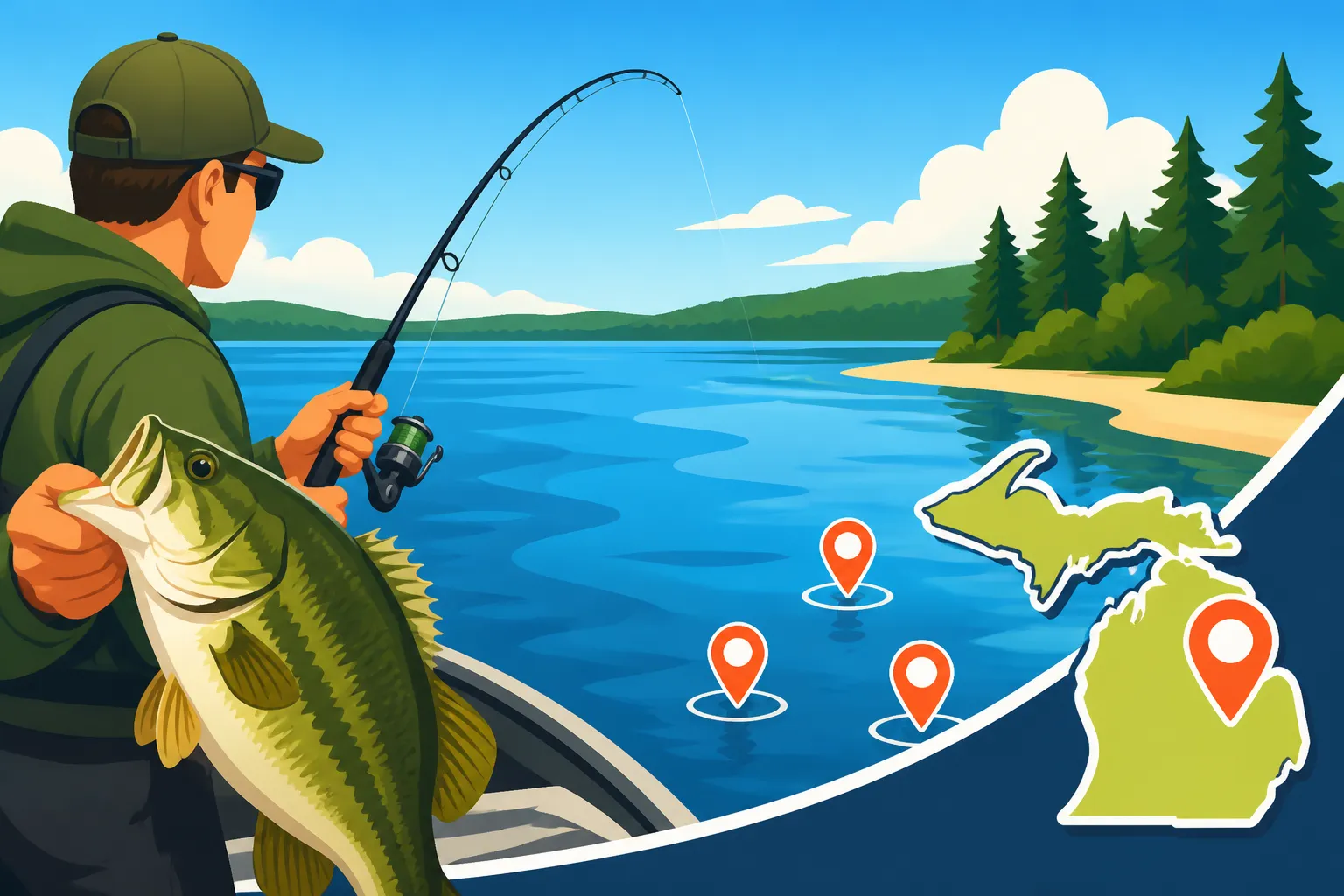
Trying to figure out where to drop your line on a large, complex lake like Hamlin can feel overwhelming, especially when you’re not familiar with its many bays, channels, and varying depths. It's frustrating to spend precious fishing time searching for fish instead of actually catching them. This guide is designed to cut through that guesswork, giving you the lowdown on the best fishing spots on Hamlin Lake and the strategies to make your next trip a success.
Understanding Hamlin Lake's Unique Fishery
Hamlin Lake, located near Ludington on Michigan's west coast, isn't just another body of water; it's a diverse and dynamic fishery that offers something for every type of angler. Its unique geography, with distinct upper and lower sections connected by a navigable channel, creates a mosaic of habitats supporting a wide array of fish species. This variety means that what works in one part of the lake might not work in another, making local knowledge incredibly valuable.
The Diverse Habitats of Hamlin Lake
Hamlin Lake truly stands out because of its varied underwater landscape. You’ve got the expansive, shallower Upper Hamlin, which is often warmer and features abundant weed beds, lily pads, and submerged timber. This is classic cover for species like largemouth bass and plenty of panfish. Then there's the deeper, cooler Lower Hamlin, characterized by sand flats, distinct drop-offs, rock piles, and some extensive weed lines, all ideal for walleye, northern pike, and smallmouth bass.
Connecting these two sections are several key channels, which act as highways for fish moving between feeding and spawning grounds. The depth in some areas of Hamlin can reach over 70 feet, but much of the lake hovers in the 10-20 foot range, providing ample transition zones where different species converge. Understanding these geographical nuances is the first step to unlocking Hamlin's fishing potential. It’s not just one lake; it’s almost like two distinct lakes tied together, each with its own personality and prime locations.
Key Fish Species to Target
When you’re gearing up for a day on Hamlin Lake, you’re in for a treat because of the sheer variety of fish you can encounter. It's home to some of Michigan's Most Popular Fish Species. Anglers flock here for everything from aggressive predatory fish to plentiful panfish.
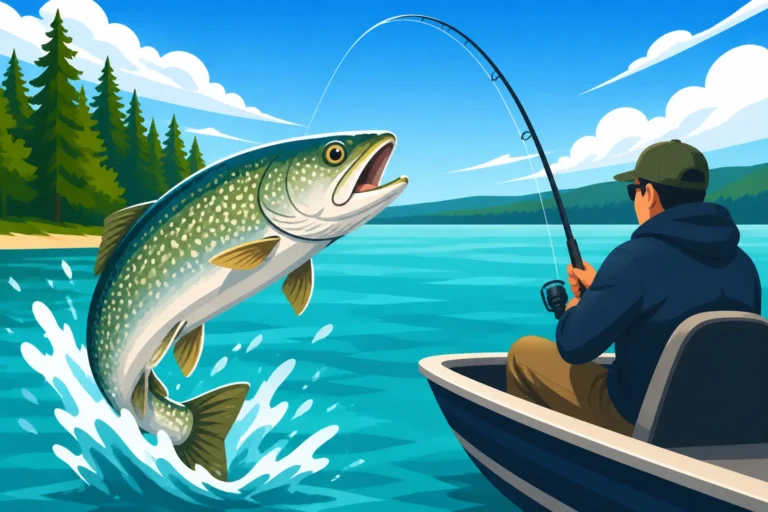
Walleye are a significant draw, often found patrolling the deeper sections of Lower Hamlin, especially near structural changes and current breaks. They're a favorite for their delicious taste and challenging fight. Northern Pike are also abundant, lurking in and around the extensive weed beds, ready to ambush unsuspecting prey. If you're looking for a toothy battle, Hamlin will not disappoint.
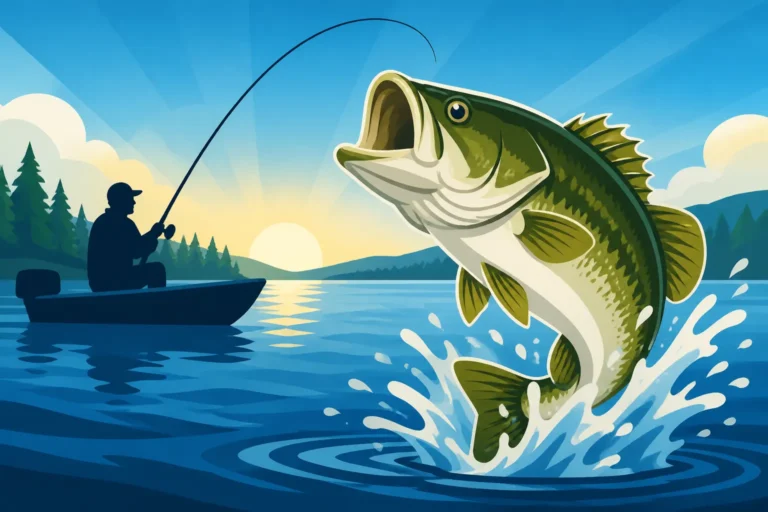
Both Largemouth and Smallmouth Bass thrive here. Largemouth prefer the dense cover and shallower waters of the Upper Hamlin, while smallmouth bass tend to hang out around rocky structures and deeper points in the Lower Hamlin. And let's not forget the panfish! Bluegill, crappie, and especially yellow perch provide fantastic action, particularly for families and those looking for consistent bites. The perch fishing can be phenomenal, offering a different experience compared to say, the Michigan Yellow Perch Limit on Lake St. Clair, reminding us to always check local regulations for Hamlin Lake specifically.
Prime Fishing Locations on Hamlin Lake
Knowing what fish are in Hamlin is one thing, but knowing where to find them is the real secret. This lake has several key areas that consistently produce, no matter the season. The trick is understanding what each spot offers and which species it tends to attract. Many anglers who are new to the area find value in booking a trip through services like FishingBooker to learn the nuances of Hamlin's diverse structure from a local expert.
Targeting Walleye and Northern Pike Hotspots
If walleye and northern pike are on your target list, you'll want to focus on specific zones within Hamlin Lake. For walleye, the deeper parts of Lower Hamlin are often your best bet. Look for humps, drop-offs, and subtle changes in the bottom contour, especially where sand transitions to gravel or rock. The channels connecting the Upper and Lower Hamlin can also be fantastic, as walleye often use these thoroughfares to move between feeding areas, particularly during low-light conditions. The North Bayou area, with its varied depths and adjacent weed lines, is another prime location where walleye are frequently ambushed. Always be sure to keep the Michigan Walleye Size and Possession Limits in mind as you fish.
Northern pike, being ambush predators, are almost always found near cover. The extensive weed beds in both the Upper and Lower Hamlin are pike paradise. Look for dense submerged vegetation, lily pads, and even old stump fields. Bays with deeper weed lines, particularly those with access to deeper water nearby, can hold some truly impressive pike. Areas like the eastern side of Upper Hamlin near the marshy inlets, or the deeper weed edges in Lower Hamlin close to open water, are excellent starting points. Remember that Northern Pike Fishing in Michigan is a thrilling experience, and Hamlin offers some fantastic opportunities.
Finding Bass and Panfish Havens
Bass and panfish generally prefer shallower, more structured environments, and Hamlin Lake offers these in spades. For largemouth bass, you'll want to concentrate your efforts in the Upper Hamlin. Its countless shallow bays, often choked with lily pads, cattails, and submerged timber, are textbook largemouth territory. Areas around the many docks and boat lifts also provide excellent cover. Casting jigs, Texas-rigged worms, or topwater lures into these heavy cover areas can yield explosive strikes.
Smallmouth bass, on the other hand, typically prefer the clearer, rockier, and deeper waters of Lower Hamlin. Look for them around main lake points, rocky outcroppings, and transitions to deeper water. They often relate to hard bottom structure. Drop-shotting or casting small crankbaits and tube jigs are effective tactics here. Keep in mind the Michigan Smallmouth and Largemouth Bass Daily Limit to ensure you're fishing responsibly.
As for panfish – bluegill, crappie, and yellow perch – they are virtually everywhere in Hamlin Lake. For bluegill and crappie, focus on shallow bays with abundant vegetation, brush piles, and docks, particularly in Upper Hamlin. They're often found schooling in these protected areas. Perch, while also found in shallower weed edges, will often move to deeper sand flats or along the channels, especially in the cooler months. Early mornings and evenings often provide the most consistent action for these tasty fish.
Exploring the Channels and Connecting Waters
The system of channels within Hamlin Lake is more than just a navigational convenience; it’s a critical part of its ecosystem and a fantastic place to fish. The main channel connecting Upper and Lower Hamlin is a high-traffic area for fish moving between different feeding and spawning grounds. The slight current here, combined with varying depths and structural features, makes it a prime spot for opportunistic predators like walleye and pike, and often holds schools of baitfish, which, in turn, attract panfish.
Fishing the edges of these channels, especially where weed lines or drop-offs occur, can be incredibly productive. Anglers often drift these areas with live bait or troll small crankbaits to pick up actively feeding fish. Beyond the main channel, there are numerous smaller cuts and bay entrances that create subtle currents and provide ambush points. These areas are worth exploring, as they can hold concentrated pockets of fish, particularly bass and panfish looking for an easy meal flowing by.
While Hamlin Lake is very close to Lake Michigan, it's important to clarify that it's largely an inland lake fishery. The connection to Lake Michigan via the Hamlin Lake Dam at Ludington State Park is primarily for water management and allows for fish passage (like salmon and steelhead to the Pere Marquette River, which enters Lake Michigan nearby) but doesn't facilitate a direct, open migration of Lake Michigan species into Hamlin Lake in the same way some rivers do. So, while you're near the big lake, focus your efforts on Hamlin's distinct internal channels for the best success.
Seasonal Strategies and Practical Tips for Hamlin Lake
Michigan's seasons dictate a lot about fishing, and Hamlin Lake is no exception. Understanding how fish behavior changes with water temperature and time of year can drastically improve your catch rates. From the first thaw to the deepest freeze, there's always an opportunity to catch fish. For those looking to dive deeper into the annual cycles, checking out the Best Time of Year to Fish in Michigan can offer broader insights.
Spring and Summer Tactics
Spring on Hamlin Lake is a time of renewed activity. As the ice recedes and water temperatures slowly climb, fish become incredibly active. This is a prime time for post-spawn walleye, which will be hungry and often found moving into shallower flats and along channel edges as they recover from spawning. Jigs tipped with minnows or soft plastics are deadly during this period. For bass, the pre-spawn period sees them staging in shallower bays, gorging themselves before they move to their spawning beds. Spinnerbaits, crankbaits, and even large shiners can entice a big strike. And for panfish, especially crappie, they'll congregate in shallow, brushy areas and around docks, offering fantastic bobber fishing. Consider consulting a Michigan Spring Fishing Season Guide for detailed information on early-season regulations.
Summer brings warmer water and more consistent patterns. Walleye often move to deeper structures during the day, making trolling with crankbaits or bottom-bouncing with crawler harnesses effective. They can also be caught at night in shallower areas. Largemouth bass will be actively feeding in and around thick cover, responding well to topwater frogs and plastic worms. Smallmouth bass will relate to deeper rocky points and drop-offs, where tube jigs, Ned rigs, and drop-shot rigs are excellent choices. Panfish can be found deeper along weed lines or around shaded docks, especially during midday heat. Early mornings and late evenings are typically the most productive times during the summer months.
Fall and Winter Ice Fishing Opportunities
Fall fishing on Hamlin Lake is often overlooked but can be incredibly rewarding. As water temperatures cool, fish become more aggressive, feeding heavily in preparation for winter. Northern pike and bass will be on the prowl, hitting larger spinnerbaits, crankbaits, and jerkbaits around weed edges and rocky points. Walleye will also become very active, often moving shallower to feed, making jigging and casting crankbaits effective, particularly during the twilight hours. Perch fishing can be outstanding in the fall as schools gather in deeper flats and channels.
When winter blankets Hamlin Lake with ice, a whole new world of fishing opens up. Ice fishing is a cherished tradition for many Michiganders, and Hamlin offers excellent opportunities for walleye, northern pike, and especially yellow perch. Popular ice fishing spots often include the North Bayou, areas near the state park, and the main body of Lower Hamlin. For walleye, tip-ups with live minnows or jigging spoons near drop-offs are effective. Pike will readily hit tip-ups rigged with large shiners or dead bait in weedy areas. Perch can be caught with small jigs tipped with wax worms or minnow heads, often in large schools over sand flats or along weed lines. Always prioritize safety when ice fishing; consult a Michigan Ice Fishing Guide for critical safety tips and techniques.
Essential Gear and Local Resources
Having the right gear makes all the difference on Hamlin Lake. For general fishing, a medium-action spinning rod and reel combo with 8-12 lb test line is versatile enough for bass, walleye, and pike. If you're specifically targeting bigger pike or muskie (though muskie are rarer here than some other Michigan lakes), you'll want a heavier rod and reel with stronger line and wire leaders. For panfish, a light-action rod with 4-6 lb test line is perfect for maximum sensitivity.
Lure choices should reflect the species and conditions. Crankbaits (both shallow and deep divers), spinnerbaits, jigs (with various soft plastic trailers), and live bait (minnows, worms, leeches) are all highly effective at different times. Don't forget a good selection of terminal tackle, including hooks, sinkers, and bobbers.
Hamlin Lake is well-supported by local resources. Several marinas, bait shops, and charter services operate in the Ludington area. Visiting a local bait shop like Hamlin Lake Bait & Tackle or Snyder's Shoreline can provide you with up-to-the-minute fishing reports, local insights, and the freshest bait. If you're new to the area or prefer a guided experience, platforms like FishingBooker can connect you with experienced local captains who know Hamlin Lake intimately. They can significantly shorten your learning curve and put you on fish faster. And, of course, ensure you have your Michigan Fishing License Guide for Residents and Nonresidents in order; you can often get your license right there, or easily purchase it online using resources like How to Buy a Michigan Fishing License Online or the Michigan's DNR Hunt Fish App for Licenses and Reporting.
Here's a quick overview of what you can expect on Hamlin Lake:
| Species | Best Locations | Key Techniques | Best Seasons |
|---|---|---|---|
| Walleye | North Bayou, Channels, Deep Humps | Jigging, Trolling, Live Bait | Spring, Fall, Ice |
| Northern Pike | Weed Lines, Stump Fields, Bays | Spoons, Spinnerbaits, Tip-Ups | Spring, Fall, Ice |
| Largemouth Bass | Lily Pads, Docks, Submerged Cover | Topwater, Jigs, Wacky Worms | Summer, Early Fall |
| Smallmouth Bass | Rock Piles, Drop-offs, Main Lake Points | Drop-shot, Tubes, Crankbaits | Summer, Fall |
| Yellow Perch | Weed Edges, Sand Flats, Channels | Small Jigs, Live Bait | All Year (especially Ice) |
| Bluegill/Crappie | Shallow Bays, Docks, Brush Piles | Bobber, Worms, Tiny Jigs | Spring, Summer |
Disclaimer
Fishing conditions and regulations in Michigan can change. Always consult the latest Michigan Department of Natural Resources (DNR) fishing guide before heading out on the water. This article is for informational purposes only and does not constitute legal advice.