When Does Walleye Season Open in Michigan’s Upper Peninsula
The anticipation of Michigan's walleye season can feel like an eternity, especially when you're itching to get out on the water after a long winter. For those of us who call the Upper Peninsula home, or love to venture north for our fishing adventures, understanding the specific walleye opener dates is crucial. This comprehensive guide will walk you through everything you need to know about when walleye season officially kicks off in Michigan's U.P., ensuring you're ready to cast your line when the time comes.
Understanding Michigan's Walleye Seasons
Michigan is a vast state, and its diverse geography means that fishing regulations, particularly season openers, aren't always uniform. This is especially true when it comes to the highly anticipated walleye season, which sees different dates for the Lower and Upper Peninsulas. It’s not just an arbitrary choice; there are very good biological and environmental reasons for this distinction.
The Split Opener: Why the UP is Different
If you’ve ever tried to plan an early spring fishing trip that spans both Michigan peninsulas, you've probably noticed that the walleye season often opens later in the Upper Peninsula. This isn't a mistake or an oversight; it's a carefully considered regulation by the Michigan Department of Natural Resources (DNR). The primary reason behind this split opener is the significant difference in climate and ecological conditions between the two regions. The Upper Peninsula experiences a much longer, colder winter, leading to later ice-out dates on its lakes and rivers. This, in turn, delays the walleye spawning cycle. Walleye typically spawn shortly after ice-out, when water temperatures reach a specific range, usually in the low to mid-40s Fahrenheit. By allowing a later opener in the U.P., the DNR aims to protect these critical spawning aggregations, giving the fish a chance to reproduce successfully before anglers target them.
This conservation strategy is vital for maintaining healthy walleye populations, which are a prized sport fish for many Michigan anglers. Imagine heading out to your favorite U.P. lake only to find that the walleye haven't even had a chance to spawn yet. Not only would that impact future generations of fish, but it would also make for a less successful, and frankly, less ethical fishing experience. The later opener ensures that by the time you're allowed to fish, the peak spawning activities have largely subsided, giving both the fish and the anglers a better chance. If you're curious about the deeper biological reasons, you might find more details in the guide explaining why the Upper Peninsula has a later walleye opener.
The Specifics: Upper Peninsula Walleye Opener Dates
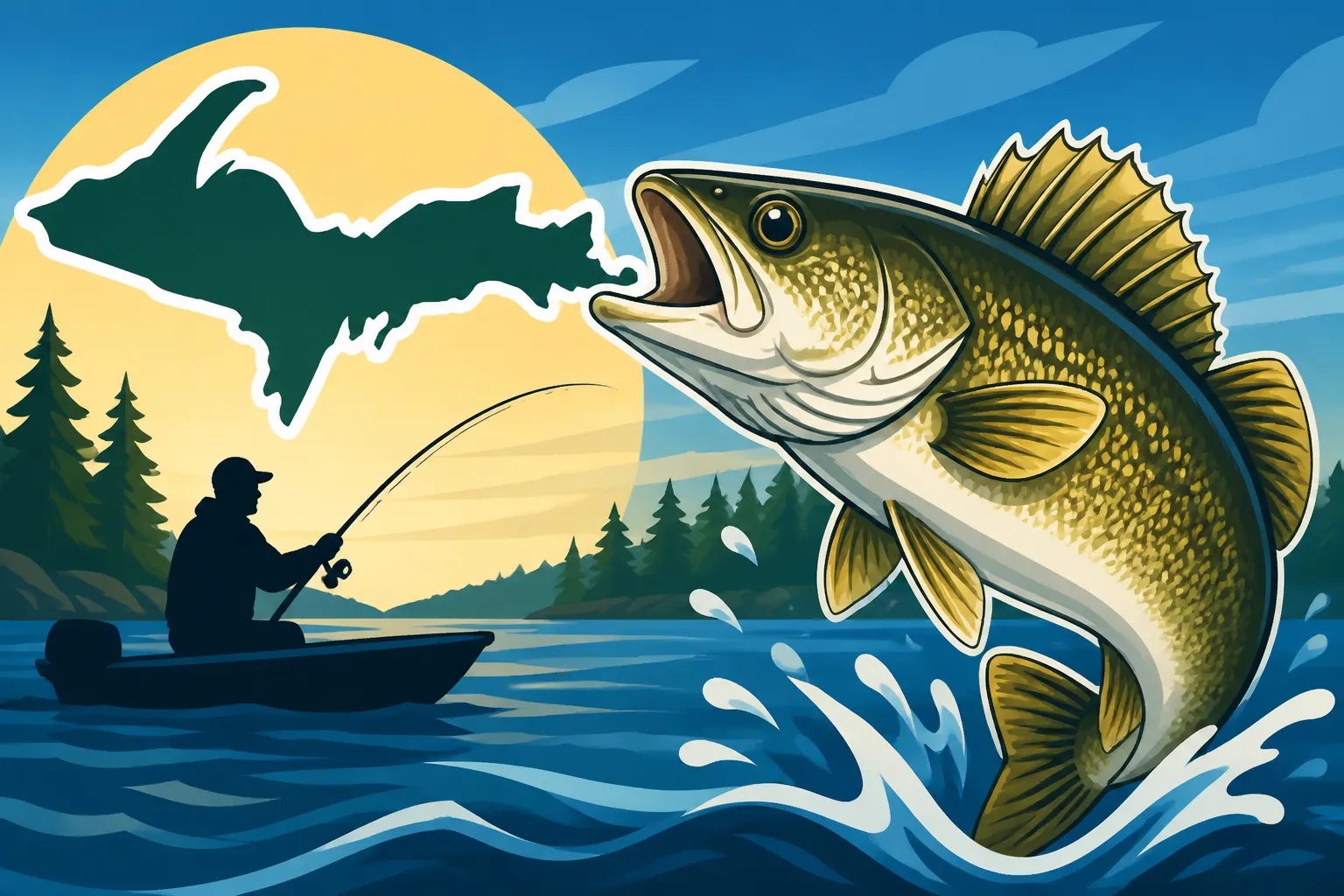
For those planning their calendars, the general rule of thumb for walleye season in Michigan's Upper Peninsula is quite straightforward: Walleye season in the U.P. typically opens on May 15th each year. This date is consistent across the majority of Upper Peninsula waters where walleye are present, as outlined in the official Michigan Fishing Regulations Every Angler Should Know. While the Lower Peninsula often sees its walleye season kick off in late April, the U.P.'s mid-May start accounts for its prolonged winter conditions and later spring thaw.
It’s important to remember that this May 15th date is the standard for designated walleye waters. There can occasionally be very specific, localized exceptions or special regulations for certain bodies of water, but these are rare for the general opener. Always double-check the current year's fishing guide to confirm, but for most intents and purposes, mark May 15th on your calendar. This fixed date provides stability for anglers, allowing them to plan their trips well in advance, knowing exactly when they can legally target these delicious fish.
Impact of Weather on the Opener
While the May 15th opener for walleye in the Upper Peninsula is a fixed calendar date, the actual fishing conditions on that date can vary wildly depending on the spring weather. We've all experienced those Michigan springs – one year it's seventy and sunny in April, and the next, you're still shoveling snow in May! A late ice-out, prolonged cold snaps, or excessive rain can significantly impact water temperatures and clarity, making early season walleye fishing more challenging.
For example, if the ice lingers on many U.P. lakes well into May, the walleye might still be in the midst of their post-spawn recovery, or even still spawning in deeper, colder sections of the water column. In such scenarios, the fish might be less active and harder to locate. Conversely, an unusually warm spring could mean walleye have already dispersed from their spawning grounds by the opener, requiring different tactics. This variability means that while the date is fixed, your approach to fishing needs to be adaptable. It's not just about knowing when you can fish, but how you should fish given the conditions. Keep an eye on local weather forecasts and ice reports as your May 15th trip approaches. This flexibility is key to a successful early-season outing.
Navigating Walleye Regulations Beyond the Opener
Just knowing when the season opens is only half the battle; understanding the complex web of regulations that govern walleye fishing in Michigan is equally critical. The Michigan DNR implements rules regarding size limits, daily possession, and even protected slot limits to ensure the long-term health and sustainability of our walleye populations. These aren't just suggestions; they are legally binding rules designed to protect the resource for everyone, including future generations of anglers.
Minimum Size Limits and Daily Possession
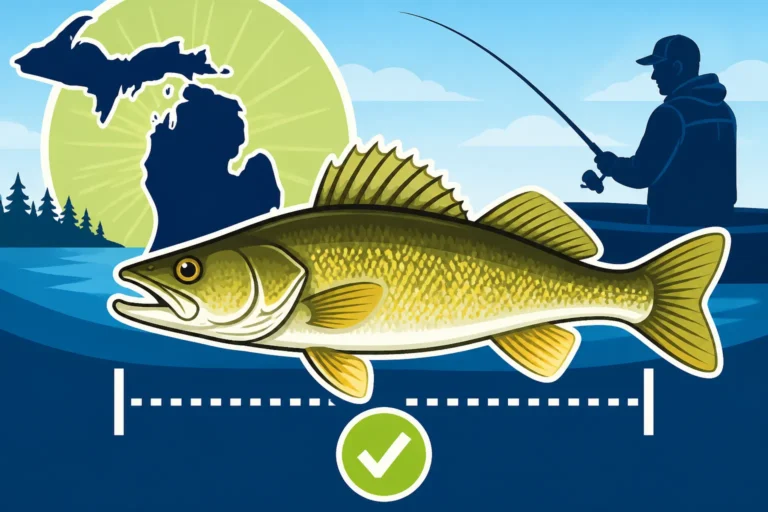
Once the walleye season is open in the Upper Peninsula, anglers must adhere to specific rules about the size and number of fish they can keep. The statewide minimum size limit for walleye in Michigan is generally 15 inches. This means any walleye you catch that measures less than 15 inches from the tip of its snout to the end of its tail must be immediately released back into the water. This regulation is in place to allow juvenile fish to grow to maturity and contribute to the spawning population at least once, if not multiple times.
In addition to the size limit, there's a daily possession limit. For most Michigan waters, including those in the U.P., the daily possession limit for walleye is 5 fish. This means you can only keep up to five walleye per day that meet the minimum size requirement. It’s not uncommon for anglers to exceed these limits inadvertently, especially during hot bites, but ignorance of the law is no excuse. Always keep a measuring device handy and count your fish carefully. The rules are clear and consistently enforced, so familiarizing yourself with the Michigan Walleye Daily Possession Limit and the Michigan Walleye 15-Inch Minimum Size Limit is highly recommended before you head out. These regulations are cornerstones of responsible angling, helping to prevent overfishing and maintain balance in our aquatic ecosystems.
Protected Slot Limits in Certain Waters
While the 15-inch minimum and 5-fish daily limit are standard for most Michigan walleye waters, some specific lakes or river stretches may have additional, more restrictive regulations, often including a "protected slot limit." A slot limit is a conservation tool designed to protect a certain size range of fish, typically larger, mature breeding stock, while allowing anglers to keep smaller fish (under the slot) and sometimes very large fish (over the slot). For walleye in Michigan, a common protected slot limit, where it applies, is between 18 and 23 inches. This means if you catch a walleye within that size range, it must be released. You would only be allowed to keep fish under 18 inches and/or over 23 inches, up to your daily limit.
These slot limits are strategically applied to waters where conservation efforts focus on enhancing trophy potential or rebuilding struggling populations. It’s crucial to understand that these are not universal rules and only apply to specific locations. For instance, some lakes might have a "no-kill slot" for walleye, aiming to protect those prime breeders that are most effective at perpetuating the species. Always check the regulations digest for the specific body of water you plan to fish. You can find more information about these specialized rules in resources like Michigan's Protected Walleye Slot Between 18 and 23 Inches, which details where these regulations might be in effect. Ignoring these localized rules can lead to significant penalties, and more importantly, harm the very fishery you're trying to enjoy.
Where to Find the Most Current Regulations
The landscape of fishing regulations can shift, even if subtly, from year to year. While the core rules tend to remain stable, it's absolutely essential to consult the most current and official sources before any fishing trip, especially if you're exploring new waters or haven't fished in a while. The Michigan DNR is your go-to authority for all things fishing regulations.
The best place to get the most up-to-date information is the Michigan Fishing Guide, which is published annually. You can find this guide online in PDF format on the DNR website, or pick up a physical copy at any bait and tackle shop, DNR customer service center, or other authorized license dealer across the state. This guide provides detailed information on statewide regulations, specific rules for different bodies of water, season dates for all species, and much more. Additionally, the Michigan's DNR Hunt Fish App for Licenses and Reporting is an invaluable tool for modern anglers. This app allows you to purchase licenses, report harvests (where required, like for muskellunge), and crucially, access the fishing regulations digest directly from your smartphone, even when you're out of cell service in many remote areas of the U.P. Taking the time to review these resources isn't just about avoiding a ticket; it's about being a responsible, informed angler who respects Michigan's natural resources.
Preparing for the Upper Peninsula Walleye Season
The Upper Peninsula offers some truly spectacular walleye fishing, but its unique environment often calls for specific gear and techniques, especially during the early season. Being prepared for cooler water temperatures and potentially variable weather conditions is key to a comfortable and successful outing. From the right rod to the perfect lure, a bit of planning can make all the difference when you’re out on those pristine U.P. waters.
Essential Gear for Early Season Walleye
When that May 15th opener rolls around in the U.P., you'll want to have your gear dialed in for cold-water walleye. The fish might still be somewhat sluggish, or just beginning to become active after their spawn, so presenting your bait or lure effectively is paramount.
For rods, a medium-light to medium power spinning rod, around 6'6" to 7'6" in length, with a fast action tip, is incredibly versatile. This allows for sensitive feel, which is crucial for detecting subtle walleye bites, while still providing enough backbone to handle a good-sized fish. Paired with a 2500 or 3000 series spinning reel spooled with 8-10 pound test braided line and a fluorocarbon leader (6-8 pound test), you'll have a setup that offers both sensitivity and strength. Popular brands like St. Croix or Fenwick offer excellent options for rods, while Shimano and Daiwa are reliable choices for reels. You can often find great deals on these reputable brands on platforms like Amazon.
As for lures and bait, live bait is often king in cold water. Minnows, leeches, and nightcrawlers fished on a jig, slip bobber, or bottom bouncer can be incredibly effective. For artificials, consider soft plastics like paddle tails or curly tail grubs on a jig head, which mimic natural forage and provide a subtle action. Deeper diving crankbaits in natural patterns (perch, smelt) can also be effective when trolling or casting deeper breaks. Don't forget a good quality net, preferably with rubberized mesh to protect the fish if you plan on catch and release. A tackle box stocked with a variety of jig weights (1/8 oz to 1/2 oz), swivels, and extra leaders will ensure you're ready for whatever conditions the U.P. throws your way.
Popular Upper Peninsula Walleye Waters
The Upper Peninsula boasts an array of fantastic walleye fisheries, from sprawling Great Lakes bays to secluded inland lakes. Knowing where to start your search can significantly boost your success. While it's impossible to list every single walleye hotspot, a few stand out as perennial favorites.
Bays of the Great Lakes: The expansive bays of Lake Michigan and Lake Superior, such as Big Bay de Noc and parts of Keweenaw Bay, can offer incredible walleye fishing. These areas often have extensive shallow flats and deeper channels that provide ideal walleye habitat. Anglers often target these areas by trolling crankbaits or by jigging.
Inland Lakes: Many of the U.P.'s larger inland lakes are also prime walleye destinations. Lakes like Lake Gogebic in the western U.P., which is known for its excellent walleye population, or Indian Lake near Manistique, offer consistent action. Smaller, lesser-known lakes, often accessible via forest roads, can also hold strong walleye populations for those willing to explore. These lakes provide a different fishing experience compared to the Great Lakes, often requiring a more focused approach with jigs or live bait presentations. For a more detailed look at specific locations, check out guides on the Best Upper Peninsula Lakes for Walleye. Remember that pressure can be high on opening day, so consider exploring some lesser-known spots for a more peaceful experience.
Rivers: While less common for early season walleye, some river systems in the U.P. that feed into the Great Lakes can hold pre-spawn or post-spawn walleye. The lower stretches of rivers like the Manistique River or the Ford River might offer opportunities, but always verify specific river regulations as they can differ from lake rules.
Techniques for Success in Cold Water
Early season walleye fishing in the Upper Peninsula, right after the May 15th opener, often means dealing with cold water. Walleye metabolism slows down in colder temperatures, making them less aggressive and more particular about their meals. This calls for a patient and refined approach.
One of the most effective cold-water techniques is jigging. Whether you're vertical jigging from a boat or casting and slowly retrieving from shore, jigs tipped with live bait (minnows or leeches) or soft plastics (like a Berkley Gulp! minnow or paddle tail) are hard to beat. The key is a slow, methodical presentation. Walleye often hug the bottom in cooler water, so make sure your jig is consistently in the strike zone. You can learn more about specific jigging methods in How to Jig for Walleye in Michigan.
Slow Trolling is another excellent method, especially on larger lakes. Using crankbaits or crawler harnesses trolled at very slow speeds (0.8 to 1.5 mph) can entice lethargic walleye. Experiment with different depths using planer boards, lead core line, or even small downriggers to cover the water column. Often, shallower depths (10-20 feet) near weed edges, reefs, or points will hold fish in the early season as they move to warmer water.
Finally, slip bobber fishing with live bait can be incredibly effective when walleye are suspended or holding in specific cover. This allows you to present your bait naturally at a precise depth without spooking wary fish. Patience is a virtue here; let the bobber do its job and only set the hook once the bobber is truly gone. Remember, in cold water, walleye strikes can be very subtle, feeling more like a slight pressure or a "mushy" retrieve than a hard hit. Pay close attention to your line and rod tip. If you're looking for more guidance on getting ready for the season, consider checking out resources like How Anglers Prepare for the Upper Peninsula Walleye Opener.
Comparing UP and Lower Peninsula Walleye Openers
Michigan's dual approach to walleye season openers is a significant aspect of its fishing regulations, and understanding the differences is key for any angler who fishes both regions or travels across the state. It's not just about a few weeks' delay; it reflects the ecological diversity and management strategies unique to each peninsula.
Key Differences in Dates and Reasoning
The most apparent difference, of course, is the date itself. As we've discussed, the Upper Peninsula typically sees its walleye season open on May 15th. In contrast, the Lower Peninsula's walleye season generally opens on the last Saturday in April. This means there's a roughly two-to-three-week difference in when you can legally start targeting walleye. For many years, anglers have celebrated the Lower Peninsula Trout and Walleye Opener as a true sign of spring's arrival, signaling the start of more active fishing.
The reasoning behind this staggered opening is deeply rooted in science and conservation. The Lower Peninsula, especially the southern regions, experiences an earlier spring thaw. Lakes and rivers shed their ice earlier, and water temperatures rise more quickly. This allows walleye in the Lower Peninsula to complete their spawning rituals sooner. The earlier opener there ensures anglers can target post-spawn fish without significantly disrupting their reproductive cycle. For the U.P., where winter's grip lasts longer, delaying the opener until May 15th provides that crucial extra time for walleye to complete their spawning activities in colder waters. This protective measure is vital for maintaining the robust walleye populations that make the U.P. a bucket-list destination for many anglers. It's a testament to the DNR's commitment to sustainable fisheries management across the entire state.
Planning Your Spring Walleye Trips
For dedicated walleye anglers, the split opener in Michigan presents both challenges and exciting opportunities. If you're a Lower Peninsula resident, you might consider taking advantage of your earlier opener to get some early-season walleye action closer to home. You'll often find fish in pre-spawn or early post-spawn patterns, concentrated in predictable areas.
However, if the allure of the U.P.'s pristine waters and potentially less pressured fish calls to you, you'll need to plan your trip for mid-May or later. This later window can sometimes coincide with more stable weather patterns and the fish becoming more active and predictable as water temperatures continue to climb. For those who can swing it, fishing both openers offers the best of both worlds – an early taste of walleye fishing in the Lower Peninsula, followed by a northern adventure.
When planning, consider the travel time, accommodation in popular U.P. fishing towns, and of course, remember to secure your Michigan Fishing License Guide for Residents and Nonresidents before you go. It's also worth noting that some anglers choose to focus their efforts on other species, like trout or pike, during the early part of the Lower Peninsula season, waiting for the U.P. walleye opener to begin their pursuit of Michigan's favorite golden perch. Always keep an eye on the comprehensive Michigan Fishing Season Dates and Rules to ensure your plans align with current regulations.
Michigan Walleye Season Comparison Table
To give you a quick overview of the key differences in walleye season between Michigan's two peninsulas, here's a handy comparison table. Remember, always consult the current Michigan Fishing Guide for the most precise and up-to-date information for your specific fishing location.
| Feature | Lower Peninsula (LP) | Upper Peninsula (UP) |
|---|---|---|
| Season Opener | Last Saturday in April | May 15th |
| Season Closer | March 15th (following year) | March 15th (following year) |
| Primary Reason for Date | Earlier ice-out, earlier walleye spawn | Later ice-out, later walleye spawn |
| General Minimum Size Limit | 15 inches | 15 inches |
| General Daily Possession Limit | 5 fish | 5 fish |
| Potential Special Regulations | Localized slot limits, closed seasons on specific waters | Localized slot limits, closed seasons on specific waters |
| Typical Early Season Water Temp | Cooler, but warming faster | Colder, slower to warm |
Disclaimer
The information provided in this article is intended for general guidance and informational purposes only. While we strive to offer accurate and up-to-date content, fishing regulations, season dates, and specific rules for bodies of water in Michigan can change. It is the angler's responsibility to consult the official Michigan Department of Natural Resources (DNR) fishing regulations digest or their website for the most current and precise information before engaging in any fishing activity. Non-compliance with fishing regulations can result in fines and other penalties.