How to Catch Walleye in Clear Water
Catching walleye in clear water can feel like a totally different ballgame than fishing stained or murky lakes, and if you've ever struggled to get a bite when the water's like glass, you're certainly not alone. Those notoriously wary walleye become even more finicky when they can see you coming a mile away. This guide is all about equipping you with the knowledge and tactics to outsmart those clear water walleye, turning frustration into successful trips on Michigan's beautiful, transparent lakes and rivers.
Understanding Clear Water Walleye Behavior
When you're faced with crystal-clear water, it's easy to get discouraged, but understanding why walleye behave differently in these conditions is your first step to success. It's not just about what lures you throw; it's about getting into their underwater mindset.
Why Clear Water Changes Walleye Habits
Imagine being a walleye in perfectly clear water. Every ripple on the surface, every shadow from a boat or angler, every vibration, suddenly becomes a glaring alarm signal. This heightened visibility fundamentally changes how walleye feed and where they prefer to hang out. Unlike their counterparts in murkier environments who might ambush prey from closer distances, clear water walleye become incredibly sensitive to light and movement. They're often deeper, tucked into cover, or more active during low-light periods.
The sun's penetration is much deeper in clear water, pushing light-sensitive walleye into darker, more comfortable zones. This could mean hugging the bottom in deeper basins, hiding under dense weed beds, or seeking the shade of docks, fallen trees, or even steep drop-offs. Their eyes, perfectly adapted for low light, become a disadvantage when the sun is high and bright. This natural caution means you, the angler, have to be extra stealthy. Forget loud motor noises, heavy footfalls in the boat, or wearing bright, contrasting clothing. Every little detail matters when they have the optical advantage.
Prime Times and Depths for Clear Water Walleye
Knowing when and where to find clear water walleye is critical. They are creatures of opportunity, and in high visibility, those opportunities shift dramatically. Your traditional midday walleye bite might become a bust, sending you home empty-handed if you don't adjust.
The absolute best times to target clear water walleye are during low-light conditions. Think dawn, dusk, and especially after dark. As the sun dips below the horizon, or before it fully rises, the advantage shifts back to the walleye's incredible night vision, and they become far more comfortable moving into shallower water to feed. This is when they are most likely to drop their guard and aggressively pursue prey. If you've never tried How to Catch Walleye at Night in Michigan, clear water scenarios are the perfect reason to start. Many anglers swear by the night bite on clear lakes, reporting some of their biggest walleye come out when the moon is high.
During the day, when the sun is blazing, walleye retreat to deeper water or seek out substantial cover. On a clear lake, this often means focusing on significant depth changes, like sharp breaks, submerged humps, or the deep edges of weed lines. You might find them suspended over deep water, particularly if there's baitfish schooling below. Understanding What Depth Do Walleye Live at in Summer can give you a huge advantage, as they'll often relate to specific temperature breaks or oxygen levels that are only found at certain depths. Look for structure that offers both depth and shade, like deep timber, rock piles, or dense vegetation in 15-30 feet of water, or even deeper depending on the lake's clarity and depth.
Essential Gear and Lures for Clear Water Success
Once you understand the behavioral shifts, the next step is adapting your tackle box. What works in murky Saginaw Bay might not even get a sniff in the crystal waters of Higgins Lake or Torch Lake. The name of the game is subtlety and precision.
Stealthy Approach: Line and Leader Choices
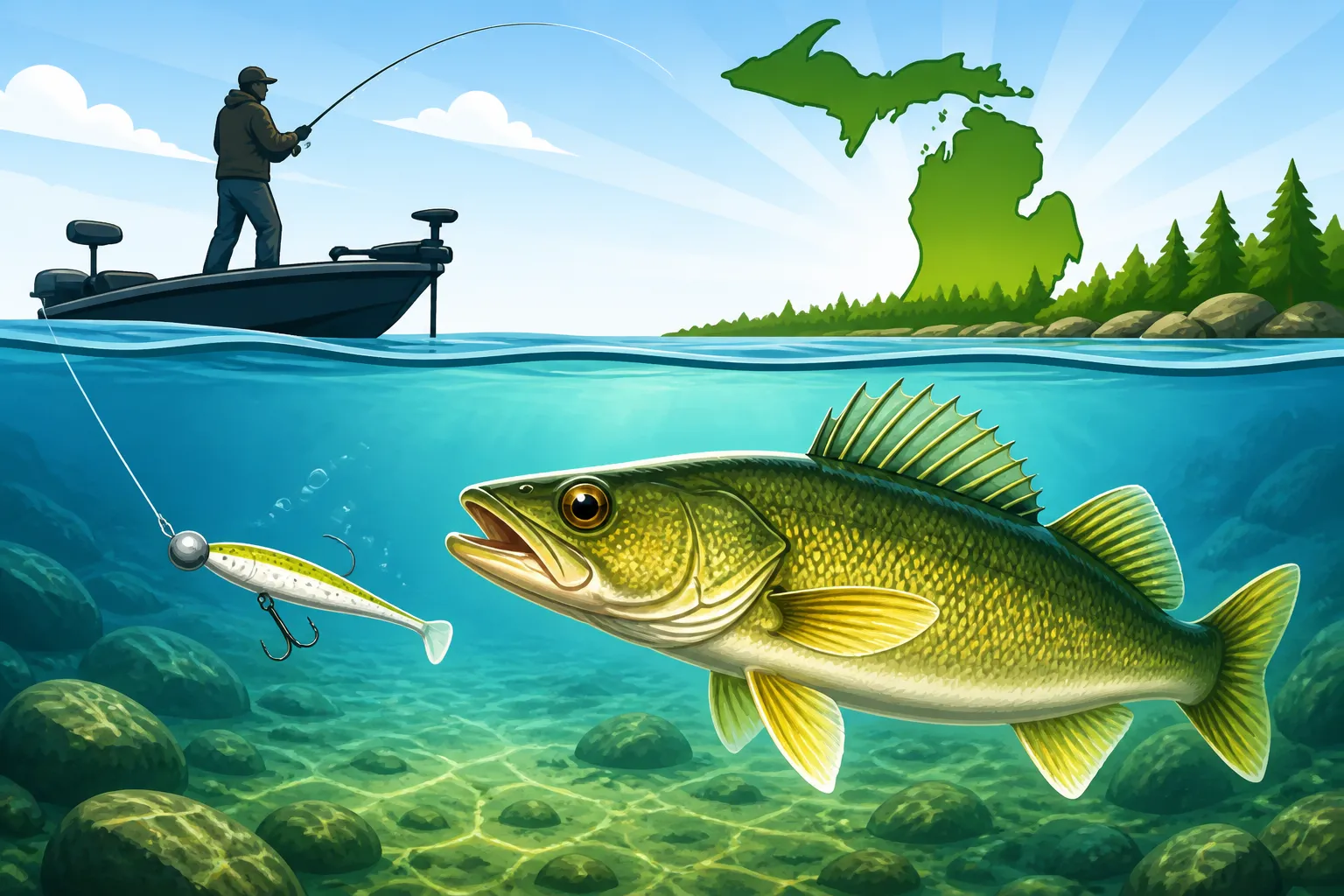
In clear water, your fishing line is no longer just a conduit to your lure; it's a potential deterrent. Thick, visible monofilament can easily spook a wary walleye. This is where fluorocarbon line truly shines. Fluorocarbon has a refractive index very close to that of water, making it virtually invisible underwater. Running a pure fluorocarbon mainline or, more commonly, a fluorocarbon leader is non-negotiable for serious clear water walleye anglers.
When choosing line, opt for lighter test weights than you might typically use. For jigging or casting lighter baits, a 6 to 8-pound fluorocarbon leader, tied to a braided mainline (which offers excellent sensitivity and casting distance), is often ideal. If you're trolling with crankbaits, a 10 or 12-pound fluorocarbon mainline might be more appropriate. A general rule of thumb for leaders is to make them long – at least 4 to 6 feet, or even longer if you're feeling really confident and the fishing is tough. This puts more of that invisible line between your lure and your more visible mainline, increasing your chances. Don't be afraid to experiment with different lengths. You can find a fantastic selection of fluorocarbon lines and leaders on platforms like Amazon, offering various brands and breaking strengths to match your specific needs.
Lure Selection: Colors and Actions
Forget the loud, vibrant colors you might throw in stained water; clear water calls for a more natural presentation. Walleye in clear water rely more on sight, so matching the hatch and presenting realistic imitations of their forage is key.
-
Natural Colors: Focus on colors that mimic natural prey:
- Silver/Chrome: Excellent for imitating shiners or smelt.
- Greens/Browns: Great for mimicking perch, gobies, or crayfish, especially when fishing near vegetation or rocky bottoms.
- Pearl/White: A versatile color that can imitate a variety of baitfish, especially in low light.
- Subtle Blue/Grey: Can mimic certain pelagic baitfish.
-
Subtle Actions: Avoid lures with overly aggressive wobbles or vibrations, unless you're trying to draw a reaction strike from a distance. Instead, choose baits with a more natural, subtle swimming action.
- Jigs: Small, light jigs tipped with live bait (minnows, leeches, crawlers) or soft plastics are incredibly effective. A 1/16 to 1/8 ounce jig can be deadly. For specific tips on jig colors, check out our guide on Best Jig Color for Michigan Walleye.
- Swim Baits: Realistic soft plastic swimbaits, often paddle-tail designs, rigged on a weighted hook or light jig head, can be retrieved slowly to mimic a cruising baitfish.
- Jerkbaits/Stickbaits: Thin-profile jerkbaits with a natural baitfish pattern, twitched slowly or retrieved with long pauses, can entice strikes. These are especially good for covering water.
- Blade Baits: While they have a strong vibration, their metallic flash can be irresistible, especially on a vertical retrieve.
Remember, the goal is to make your lure look as natural and non-threatening as possible. A slow, methodical retrieve is often more effective than a fast, erratic one. Sometimes, going smaller with your lure size can also make a big difference, especially when walleye are finicky. If you're comparing notes, it's interesting to note that Best Lure Color for Murky Water Walleye often leans towards bright, contrasting colors, which is the exact opposite of what you want in clear water!
Proven Techniques for Clear Water Walleye
With your gear adjusted, it's time to talk tactics. Clear water demands a more refined approach, often favoring finesse and presentation over brute force.
Finesse Jigging and Live Bait Rigs
When walleye are spooky, going back to basics with finesse techniques can be incredibly productive. This often means embracing slower presentations and leveraging the natural appeal of live bait.
Finesse Jigging: This technique is a cornerstone for clear water. Light jigs, from 1/16 to 1/8 ounce, are key. The lighter weight allows for a slower fall, giving the walleye more time to see and react to the bait, and it creates a more natural presentation. Tip your jig with a small minnow, a leech, or a section of nightcrawler. When you're fishing near weed edges or structure, a slow, gentle lift-and-drop retrieve is usually best. The jig barely leaves the bottom, creating subtle puffs of sediment that can attract curious walleye. For a full breakdown of this technique, check out How to Jig for Walleye in Michigan. You'll want a sensitive rod, like a good quality medium-light Best Spinning Rod for Walleye, to detect those incredibly subtle bites that clear water walleye often give.
Live Bait Rigs: Sometimes, nothing beats the real thing. A simple slip bobber rig, fished with a lively leech or a shiner minnow, can be deadly, especially when walleye are suspended or holding in specific ambush points. The slip bobber allows you to present your bait at a precise depth, far away from your boat. A Walleye in clear water might follow a lure for a long time, but often won't commit. Live bait, however, gives them that irresistible scent and natural movement. Another option is a Lindy rig or similar walking sinker rig, allowing your bait to trail naturally along the bottom without spooking fish with a heavy weight or aggressive action. These rigs are particularly effective when drifting over deeper flats or along break lines.
Trolling and Casting Strategies
Even in clear water, covering ground is essential, and trolling or casting can help you locate those scattered fish. The key is to do it with maximum stealth and precision.
Long-Lining Trolling: This involves letting out a significant amount of line, sometimes 100-200 feet or more, behind your boat. This keeps your lure far away from the boat's shadow and engine noise. You'll want to use thin diameter lines, perhaps even a smaller profile crankbait in natural colors. Experiment with different speeds; often, a slower troll (1.0-1.5 mph) allows your bait to be inspected without appearing too aggressive. If you're new to this, there are many beginner-friendly trolling setups available on Amazon that include rods, reels, and even some starter lures. For specific depths and conditions, you might consider how Trolling for Chinook Salmon on Lake Michigan requires different presentations, but the principle of stealth and line length is similar.
Planer Boards: These devices take stealth to another level by moving your lures out to the side of the boat, even further away from the engine noise and boat shadow. This is incredibly effective in clear water, allowing you to present baits in undisturbed water columns. Both inline and mast-and-board systems can be used. They spread out your lines, preventing tangles and covering a wider swath of water. While often associated with species like salmon, adapting this for walleye on large, clear lakes is a smart move.
Casting and Retrieving: When fishing specific structure like points, humps, or distinct weed lines, casting can be more effective than trolling. Make long casts to reach your target areas without driving your boat over them. Use lightweight jigs, swimbaits, or even shallow-diving crankbaits that mimic baitfish. A slow, methodical retrieve is generally best, punctuated by pauses or subtle twitches. Remember, clear water means walleye have more time to scrutinize your offering. Often, the strike will come on the pause.
Overcoming Common Clear Water Challenges
Fishing clear water isn't without its unique headaches. Walleye are already notorious for being finicky, but add high visibility to the mix, and you've got a real puzzle on your hands. But don't despair! With a few adjustments, you can turn these challenges into opportunities.
The Spooky Walleye: Reducing Your Presence
The number one challenge in clear water is the "spooky" walleye. They see, hear, and feel everything. Ignoring this means you'll spend more time looking at fish on your Fish Finders for Michigan Boat Fishing than actually catching them.
- Boat Control and Noise Reduction: Be mindful of your boat. If you're on an electric trolling motor, use it sparingly and at low speeds. Avoid dropping heavy items, slamming tackle box lids, or loud conversations. Anchor upwind of your target area and drift silently if possible. Some anglers even prefer kayak fishing in clear water for its unparalleled stealth.
- Long Casts: Maximize the distance of your casts. The further your lure lands from your boat, the less likely you are to spook fish. This is where good casting technique and lighter line can really pay off.
- Shadow Management: Pay attention to where your boat's shadow, and your own shadow, falls on the water. On bright sunny days, these can be huge red flags for walleye. Position your boat strategically to cast your shadow away from your fishing zone.
- Color Choices (Yours, Not Just the Lure's): While not always top of mind, consider what you're wearing. Bright, contrasting clothing might be visible from underwater. Opt for natural, muted tones like greens, browns, or greys if you're serious about being stealthy.
Adapting to Changing Conditions
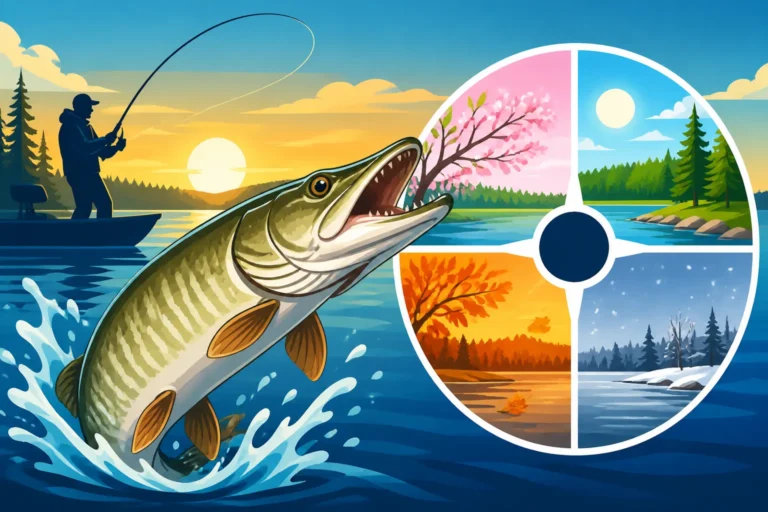
Clear water conditions aren't static; they change with the weather, time of day, and even the season. Being able to adapt on the fly is a hallmark of a successful walleye angler.
- Sun vs. Clouds: On bright, sunny days, walleye will generally be deeper, tighter to cover, or more active in low light. When cloud cover moves in, or on overcast days, they might push shallower and be more willing to bite throughout the day. Don't be afraid to experiment with shallower depths and more aggressive retrieves when the sky darkens. This also ties back into Best Time of Day to Catch Walleye – sunny days often force you into dawn/dusk/night fishing, while cloudy days open up more daytime opportunities.
- Wind and Waves: Wind can be your best friend in clear water. A choppy surface breaks up light penetration and your boat's outline, making walleye feel more secure. It also creates current, which can position baitfish and walleye in predictable areas. Don't shy away from fishing in a chop; sometimes it's exactly what you need. When fishing in windy conditions, consider using slightly heavier jigs to maintain bottom contact or to cast more accurately.
- Depth Adjustments: Always be willing to adjust your depth. If you're not getting bites at one depth, move shallower or deeper in increments. Walleye often suspend just above schools of baitfish, so if your fish finder shows bait at 20 feet, try fishing your lure just above that level, even if the bottom is at 40 feet. Paying attention to details, and understanding the general Michigan Fishing Regulations Every Angler Should Know, will ensure you're fishing effectively and legally as you adapt.
Catching walleye in clear water might seem daunting, but by understanding their unique behaviors and adapting your approach with finesse, stealth, and the right gear, you can turn challenging days into memorable catches. Remember to always check the Michigan Walleye Size and Bag Limits for the specific body of water you're fishing, as regulations can vary. Good luck out there, and tight lines!
Disclaimer
This article is for general informational purposes only and does not constitute professional advice. Laws, prices and regulations vary by location and change over time. Consult a qualified professional for guidance on your specific situation.