Michigan Ice Fishing Guide
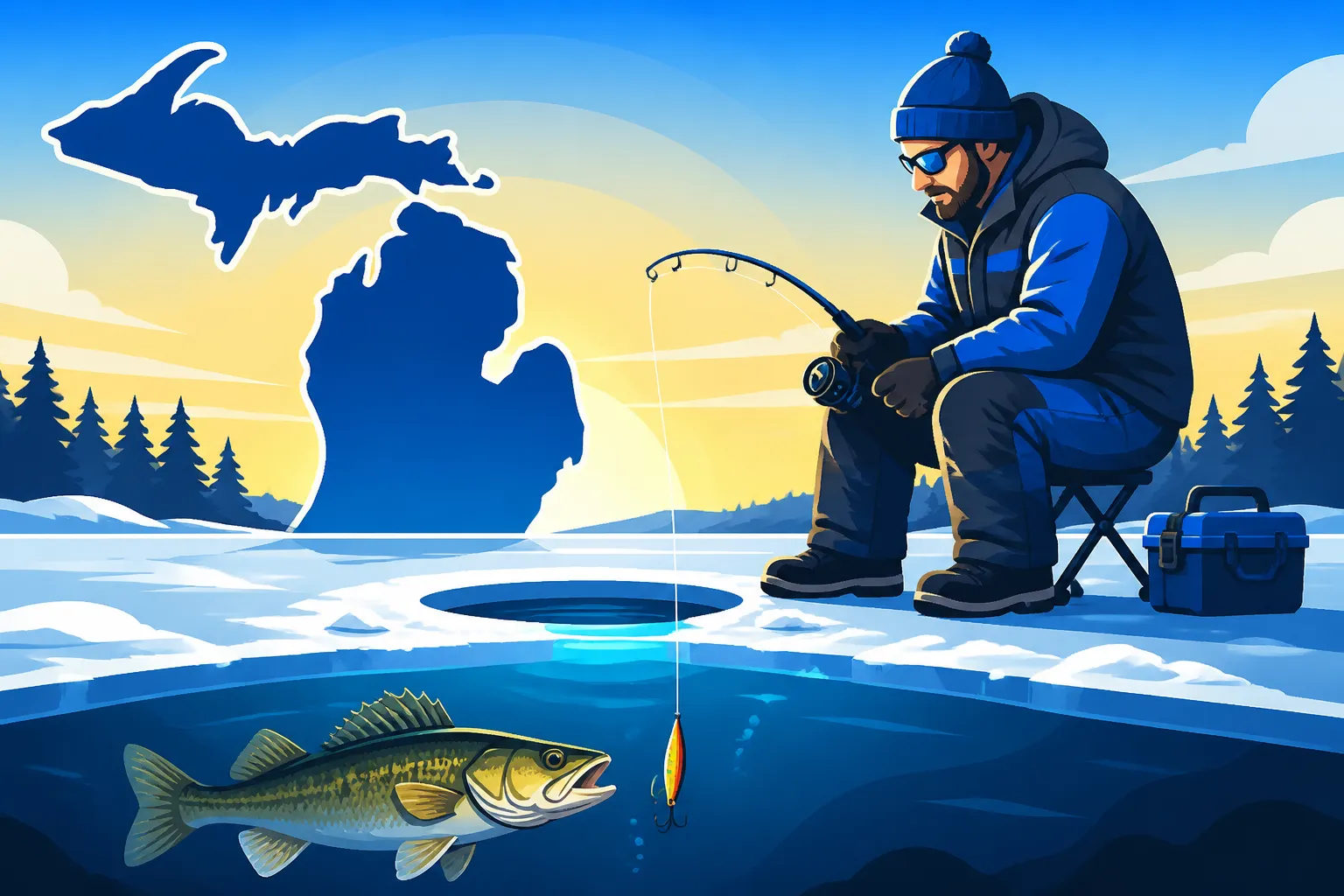
The crisp bite in the air, the vast expanse of frozen water, the quiet anticipation of a bite – there's something truly magical about ice fishing in Michigan. But for many, especially those new to the sport or just venturing onto bigger lakes, it can feel overwhelming, even a little dangerous. This comprehensive guide is here to demystify Michigan ice fishing, covering everything from staying safe to finding the hotspots and reeling in your next trophy, ensuring you have the knowledge for a successful and enjoyable hardwater season.
Understanding Michigan's Ice Fishing Season
When the temperatures consistently drop across Michigan, turning our beautiful lakes and rivers into solid, fishable surfaces, the ice fishing season kicks off. But it's not a universal start and end date, and knowing the nuances is crucial for both safety and success.
When Does Ice Fishing Season Start in Michigan?
The start of Michigan's ice fishing season is a bit of a waiting game, heavily dependent on Mother Nature's mood. Generally, smaller, shallower inland lakes in the Upper Peninsula and northern Lower Peninsula will freeze first, often by late November or early December. These early conditions are when anglers get their first taste of hardwater action, often targeting panfish or early season walleye. As winter progresses and sustained cold fronts roll in, larger inland lakes and even portions of the Great Lakes bays, like Saginaw Bay or parts of Lake St. Clair, will eventually cap over.
It's critical to understand that ice thickness is the only true indicator of when it's safe to venture out. While many eagerly await the first freeze, patience is a virtue. Rule of thumb dictates at least 4 inches of clear, solid ice for safe foot travel. Anything less, especially early in the season, is simply too risky. Areas with currents, underwater springs, or fluctuating water levels will take longer to freeze or may never freeze safely at all, making local knowledge and constant vigilance paramount. For a deeper dive into timing, check out our guide on Michigan Ice Fishing Season Timing.
When Does Ice Fishing Season End in Michigan?
Just as the season doesn't have a single start date, it also doesn't have a universal end date. As spring approaches and the sun gains strength, ice conditions begin to deteriorate. This period, often from late February through March, can be particularly treacherous. The ice becomes "honeycombed" or "rotten" – losing its structural integrity even if it appears thick. This rotting process can happen rapidly, turning seemingly safe ice into a death trap within hours.
Many anglers follow the general guideline that once daytime temperatures are consistently above freezing and nights are not consistently below, it’s time to pack up the ice fishing gear and wait for open water. Some hardy souls might try to squeeze in a few more weeks on large, deep lakes that hold ice longer, but this requires extreme caution and a constant check on conditions. Always prioritize safety over one more fish.
Michigan's Ice Fishing License Requirements
Before you even think about stepping onto the ice, you need to make sure your paperwork is in order. Fishing in Michigan, whether on open water or through the ice, requires a valid Michigan fishing license for anyone 17 years of age or older. This is non-negotiable and strictly enforced by the Michigan Department of Natural Resources (DNR).
For residents, options include annual licenses, senior licenses (for those 65 and older), or even a 24-hour license if you're just looking for a quick trip. Nonresidents also have annual and 24-hour options. The funds generated from these licenses are vital, directly supporting fisheries management, habitat restoration, and enforcement efforts across the state. You can purchase your license easily online through the Michigan DNR website, at most bait and tackle shops, or at any DNR customer service center. It’s always a good idea to have a physical copy or your digital license readily accessible on your phone, as conservation officers will frequently check licenses on the ice. Understanding the nuances of these requirements is essential, so consider reviewing our comprehensive Michigan Fishing License Guide for Residents and Nonresidents and Michigan Fishing License Costs and Types Explained.
Essential Ice Fishing Gear for Michigan
Venturing onto the ice without the right equipment is not only uncomfortable but potentially dangerous. Michigan winters can be brutally cold, and being prepared means having the right tools to stay warm, safe, and effective.
Shelter and Warmth: Staying Comfortable on the Ice
Staying warm is paramount when ice fishing in Michigan. Hypothermia is a serious risk, and proper shelter and clothing can make or break your trip. Layering is key, starting with moisture-wicking base layers, followed by insulating mid-layers, and finally, a waterproof and windproof outer shell. Don't forget insulated boots, a warm hat that covers your ears, and quality gloves or mittens – perhaps even a few pairs if one gets wet.
When it comes to shelter, you have a few options:
- Portable Ice Shanties (Flip-overs or Hub-style): These are fantastic for mobility and offer excellent protection from wind and snow. Brands like Eskimo, Clam, and Frabill offer a wide range. A flip-over shanty, for example, can be set up in minutes and often comes with integrated seats and sled bases for easy transport. Hub-style shelters offer more interior space, great for groups or if you plan to bring a portable heater. You can find a huge selection of these, often with great deals, on platforms like Amazon.
- Permanent Ice Shacks: For those with a favorite spot on certain lakes, a more permanent shack can be a great investment. These offer maximum comfort, often with wood stoves, bunks, and more amenities. However, they require significant effort to transport and maintain, and specific regulations apply to their placement and removal, especially on public waters.
- Heaters: A small, portable propane heater is a game-changer for keeping warm inside your shanty. Mr. Heater's "Buddy" series is incredibly popular for its safety features and efficiency. Always ensure adequate ventilation when using any propane heater to prevent carbon monoxide buildup.
Remember, a comfortable angler is a patient angler, and patience often leads to more fish! Our guide on Best Ice Shelters for Michigan Ice Fishing provides even more detail.
Drilling Through the Ice: Augers and Their Choices
To get your line in the water, you first need a hole, and that's where an auger comes in. The type of auger you choose often depends on your budget, physical strength, and how many holes you plan to drill.
- Hand Augers: These are the most affordable and simplest option. They are perfect for early-season ice (up to 10-12 inches thick) or if you're fishing close to shore and only need a few holes. They require physical effort but are lightweight and low-maintenance. They're a solid choice for beginners or those who prefer a minimalist approach.
- Propane Augers: These offer a good balance of power and convenience. They start easily in cold weather, are relatively quiet, and burn clean. Brands like Strikemaster and Eskimo make excellent propane models that can slice through thick ice with ease.
- Electric Augers: A popular choice for their quiet operation, lack of fumes, and instant start-up. They are powered by rechargeable lithium-ion batteries. While they can be pricey upfront, the convenience is unmatched. Eskimo and ION are leaders in this segment. The only downside is battery life, which can be affected by extreme cold, so always carry a spare.
- Gas Augers: The workhorses of the ice. They are powerful and can cut countless holes, ideal for frequent anglers or those who need to drill through very thick ice quickly. However, they are louder, heavier, require fuel mixing, and emit fumes. Brands like Jiffy and Strikemaster dominate this category.
No matter the type, choose an auger with a sharp blade (8-inch is standard for most fish, 10-inch for pike or muskellunge) and always keep blade covers on for safety. For detailed comparisons, check out our piece on Best Ice Augers for Michigan Ice Fishing.
Rods, Reels, and Tackle for Ice Fishing
Ice fishing gear is specialized, designed for vertical presentation and the unique challenges of fishing through a hole.
- Rods: Ice fishing rods are much shorter than conventional rods, typically ranging from 24 to 36 inches. This short length allows for easier maneuvering in a shanty and better feel for subtle bites. The action (from ultra-light for panfish to medium-heavy for walleye or pike) should match your target species.
- Reels: Small spinning reels (500-1000 series) are common, spooled with monofilament, fluorocarbon, or braided line. Braided line offers superior sensitivity and no stretch, often paired with a fluorocarbon leader for stealth. Ensure your reel is rated for cold weather, as some lubricants can seize up in freezing temperatures.
- Line: For most panfish and walleye, 2-6 lb test line is sufficient. For larger walleye or pike, you might go up to 8-10 lb test, especially if you're using tip-ups with heavier baits.
- Tackle: This is where things get fun!
- Jigs: Small tungsten jigs are excellent for panfish like bluegill and crappie. Their density allows them to sink quickly despite their small size. Tipped with a wax worm, spike, or plastic tail, they are irresistible.
- Spoons: Vibrating spoons or small jigging spoons are perfect for walleye, perch, and even trout. They mimic injured baitfish and can be fished actively. Popular choices include the Northland Forage Minnow or Rapala Jigging Raps.
- Rattling Baits: For aggressive fish, especially walleye, rattling baits like the Rapala Rippin' Rap or Slab Rap can be very effective in calling fish from a distance.
- Live Bait: Minnows are a staple. Small minnows for perch and crappie, larger shiners or suckers for walleye and pike. Maggots (spikes) and wax worms are prime choices for panfish.
- Tip-Ups: These are crucial for setting multiple lines, especially when targeting larger predators like pike and walleye. A flag signals a bite, allowing you to cover more ground.
When stocking up, consider checking out local bait and tackle shops like Frank's Great Outdoors or Cabela's, but for convenience and competitive pricing on a lot of hard goods, Amazon is always a solid option for initial purchases.
Choosing the Right Ice Fishing Location in Michigan
Michigan boasts an incredible array of lakes and rivers, offering diverse ice fishing opportunities. Knowing where to go and how to interpret the ice conditions can dramatically increase your success.
Best Ice Fishing Lakes in Michigan
Michigan is spoiled with fantastic ice fishing destinations, catering to every angler's preference, from panfish to pike and even salmon.
- Houghton Lake: As Michigan's largest inland lake, Houghton Lake is an absolute powerhouse for ice fishing. It's renowned for its consistent walleye bite, along with excellent opportunities for pike, perch, and bluegill. Its relatively shallow nature means it often freezes earlier than other large lakes. Key areas include the North Bay and near the weed lines in the deeper basins. You can expect to see a small city of shanties on this lake throughout the winter.
- Saginaw Bay (Lake Huron): For those seeking a trophy walleye, Saginaw Bay is arguably the top destination. It offers a vast, relatively shallow bay that produces incredible numbers of walleye, along with jumbo perch. Fishing pressure can be high, but the rewards are often worth it. Access points like Bay City State Park or Linwood are popular starting points. Be extremely vigilant about ice conditions here, as the sheer size of the bay can lead to variable and dangerous ice, especially with wind.
- Lake St. Clair: Famed for its world-class smallmouth bass and muskellunge fishing in open water, Lake St. Clair also offers superb ice fishing, particularly for yellow perch and pike. Near the shoreline, protected bays and channels can offer safe ice. The "Metro Beach" area (now Lake St. Clair Metropark) can be a popular launch point. However, the open expanse of St. Clair can be very dangerous, so stick to known safe areas and always consult local ice reports.
- Higgins Lake: A deep, clear, and cold lake in the northern Lower Peninsula, Higgins is known for its lake trout, rainbow trout, and whitefish. Ice fishing here requires different tactics, often targeting deeper structure. It holds its ice well into the season but demands careful planning for access and safety.
- Inland Lakes of the Upper Peninsula: Lakes like Lake Gogebic, Indian Lake, and numerous smaller waters across the U.P. offer fantastic fishing for walleye, perch, pike, and even some trout species. These lakes typically freeze earliest and often maintain thick, safe ice for extended periods due to the colder climate.
For a broader overview and more specific locations, our detailed guide on the Best Ice Fishing Lakes in Michigan is an invaluable resource. Always check local bait shops for current ice conditions and hot spots – they are often the best source of real-time information.
Reading the Ice: Where to Find Fish Under the Surface
Finding fish under the ice is more than just drilling a hole and hoping for the best. It requires understanding how fish relate to underwater structure and how their behavior changes in cold water.
- Structure is Key: Just like in open water, fish congregate around structure. This includes weed lines, drop-offs, points, humps, and submerged rock piles. For panfish, focus on the edges of weed beds in 8-15 feet of water. Walleye often patrol drop-offs, especially during low light, moving onto flats to feed. Pike will lurk in and around dense weed beds, ambushing prey.
- Depth Matters: Different species prefer different depths. Panfish are often shallower, particularly early and late in the day. Walleye might be shallower during feeding times (dawn, dusk, night) but will retreat to deeper humps or channels during the brighter parts of the day. Lake trout are typically found in much deeper water, often 40-100+ feet.
- Bottom Composition: Pay attention to your fish finder if it indicates bottom composition. Soft, mucky bottoms with scattered weeds are often prime panfish habitat. Harder bottoms, like rock or gravel, might hold baitfish and thus attract walleye or trout.
- Current and Oxygen: While seemingly still, some lakes or areas within lakes can have subtle currents or areas of higher oxygenation, which attract fish. River mouths, narrows, or inlets can be productive spots, but also inherently more dangerous due to thinner ice.
Don't be afraid to drill multiple holes and move around until you find active fish. The first hole is rarely the best hole!
Utilizing Technology for Spot Selection
Modern technology has revolutionized ice fishing, making it easier than ever to locate fish and structure, even in unfamiliar waters.
- GPS and Mapping: A good GPS unit or a smartphone app with detailed lake maps (like Navionics, C-MAP Genesis, or the Michigan DNR Hunt Fish App) is indispensable. These apps allow you to mark waypoints, track your movements, and, most importantly, view contour lines. Contour lines show changes in depth, revealing those critical drop-offs, humps, and submerged points that hold fish. You can scout potential spots from home before you even hit the ice. Many anglers use their phone with a robust, cold-weather case for this purpose.
- Flashers and Sonars: These devices are a game-changer.
- Flashers (like a Vexilar or Marcum): Provide real-time, instantaneous feedback on what's directly beneath your hole. They show you your lure, fish, and the bottom in different colors. This allows you to see how fish react to your presentation, when they approach, and when they strike. This immediate feedback is invaluable for fine-tuning your technique.
- Ice Sonar (like Humminbird Ice Helix or Lowrance Hook Reveal): These units offer a more traditional graph display, showing historical data in addition to real-time. They can offer more detailed bottom contour mapping and even side-imaging on some advanced models, allowing you to see fish off to the side of your hole without drilling.
Both flashers and sonars help you understand the water column, identify baitfish schools, and distinguish between bottom structure and individual fish. They are an investment but pay off tenfold in increased catch rates and less wasted time. When browsing for these, Amazon often has competitive prices and a wide selection, allowing you to compare features and reviews before making a purchase.
Targeting Popular Michigan Ice Fish Species
Michigan's frozen waters offer a diverse angling experience, with several species becoming prime targets for ice anglers. Each requires specific tactics and gear for optimal success.
Ice Fishing Techniques for Michigan Walleye
Walleye are one of Michigan's most sought-after ice fish, prized for their delicious taste and challenging fight. Ice fishing for walleye can be highly rewarding if you understand their behavior.
Walleye are often most active during low-light periods – dawn, dusk, and throughout the night. They tend to move from deeper holding areas onto shallower flats, humps, or the edges of weed beds to feed.
- Jigging: This is the most common and active method. Small jigging spoons (like a Rapala Jigging Rap, Moonshine Shiver Minnow, or Swedish Pimple) are very effective. Tip them with a minnow head or a piece of plastic. Aggressively jig the spoon, letting it flutter down, then pause. Walleye often hit on the pause. Vary your cadence until you find what they prefer.
- Deadsticking: This technique is often used in conjunction with jigging. A second rod (where regulations allow) is set up with a simple hook and a live minnow, often suspended just above the bottom or at the depth you're seeing fish on your flasher. The rod is left "dead" in a rod holder, relying on the live bait's natural movement. Walleye can be finicky, and sometimes a subtle, natural presentation is what they want.
- Location: Focus on sharp drop-offs, points extending into basins, and areas where currents might concentrate baitfish. On Saginaw Bay, expansive flats near channels are prime. On Houghton Lake, look for weed edges and sandy flats.
- Baits: Live minnows are king for walleye. Shiners, emerald shiners, or fatheads hooked through the back or lips are excellent. Artificial lures often mimic minnows in profile and action.
Remember that Michigan's walleye regulations can vary by body of water, including specific size limits and daily possession limits, so always consult the current Michigan Fishing Regulations Every Angler Should Know. For more in-depth strategies, explore Michigan Walleye Fishing Techniques.
How to Catch Perch Through the Ice in Michigan
Yellow perch are a true ice fishing staple in Michigan. They're abundant, relatively easy to catch, and absolutely delicious, making them a fantastic target for anglers of all skill levels.
Perch are schooling fish, so when you find one, you've likely found more. They prefer areas with structure like weed lines, drop-offs, and often hang out near soft bottom areas where insect larvae live.
- Small Jigs and Baits: Perch have small mouths, so use small tungsten jigs (1/16 to 1/32 ounce) or tiny ice flies. Tipping your jig with a few wax worms, spikes, or a piece of perch eye is incredibly effective. The small size and heavy weight of tungsten jigs allow them to sink quickly, getting back down to the school after you catch a fish.
- Active Jigging: Perch often respond well to active jigging. A series of short, quick lifts and drops, followed by a pause, can entice them. Sometimes, just holding the bait perfectly still a few inches off the bottom, or just above a suspended school, is all it takes.
- Depth and Location: Look for perch in 10-30 feet of water, often near the bottom but sometimes suspended mid-column if they're chasing baitfish. Areas with good weed growth or subtle changes in bottom contour are prime.
- Patience and Persistence: If the bite slows, try changing jig colors, bait types, or your jigging cadence. If nothing works, don't be afraid to drill more holes and move around; the school might have moved.
You can learn even more specific tips and tricks in our dedicated article on How to Catch Perch Through the Ice in Michigan.
Tip-Up Fishing for Michigan Pike and Other Predators
While jigging is active, tip-up fishing is a more passive, yet incredibly effective, way to target larger, predatory fish like Northern Pike, walleye, and even sometimes lake trout through the ice. It allows you to cover a wider area and present larger baits.
A tip-up is a device that spans an ice hole, holding your line, and when a fish takes the bait, it triggers a flag to "tip up," signaling a bite.
- Setup: A typical tip-up setup involves heavy braided or Dacron line (20-50 lb test) spooled onto the reel under the ice. To this, attach a fluorocarbon or steel leader (especially for pike, due to their razor-sharp teeth) and a large treble or single hook.
- Bait: Live minnows are the go-to for tip-ups. Larger shiners, suckers, or even small creek chubs are excellent choices for pike and walleye. Hook the minnow lightly through the back (above the lateral line, avoiding the spine) or just behind the dorsal fin. This allows the minnow to swim naturally and entice predators.
- Depth: Set your bait at various depths. For pike, suspend the minnow just above the weed tops or a few feet under the ice. For walleye, place it a foot or two off the bottom or at the specific depth where your fish finder is marking activity.
- Waiting for the Run: When the flag pops, don't immediately run to the hole! Give the fish time to take the bait and turn, ensuring a solid hookset. Slowly approach, grab the line, and feel for resistance. When you feel the fish, give a firm but controlled pull to set the hook, then hand-over-hand the fish to the hole.
Michigan regulations usually allow for up to two lines per licensed angler, but specific rules apply to tip-ups. Always check the current digest to know How Many Tip-Ups Can You Use in Michigan on your chosen body of water. For dedicated pike anglers, our Tip-Up Fishing for Michigan Pike article offers more in-depth advice.
Effective Ice Fishing Techniques and Strategies
Beyond the basic setup, employing smart techniques can significantly boost your success rate on the ice. It's about more than just drilling a hole; it's about understanding and adapting.
Jigging and Deadsticking for Active and Passive Fish
These two techniques are often employed simultaneously and perfectly complement each other.
- Active Jigging: This is where you actively manipulate your rod to give your lure action. For panfish, this might involve tiny twitches and pauses. For walleye, it could be a sharp 6-inch lift followed by a controlled fall, letting the lure flutter. The goal is to imitate an injured baitfish or an insect. Pay close attention to your flasher; you'll see fish appear, investigate your lure, and sometimes strike aggressively. If they're hesitant, try changing your jigging cadence, making it slower, faster, more erratic, or more subtle. Sometimes, even the slightest vibration from your lure is enough to entice a bite. This technique is fantastic for covering water and identifying active fish.
- Deadsticking (Passive Presentation): As mentioned earlier, this involves setting a rod in a holder with a live minnow or a subtle lure, allowing it to sit mostly still. While you're actively jigging another hole, your deadstick acts as an attractor for less aggressive fish or those that prefer a natural, unmoving meal. Often, the largest fish of the day come on a deadstick because they're wary of aggressive presentations. The key is to keep your live bait fresh and active. Ensure your line is relatively slack so the fish can take the bait without feeling immediate resistance from the rod or a tight line.
The beauty of using both is that your active jigging can attract fish to the area, and if they don't commit to the jig, they might pick up the easy meal presented by your deadstick. Many experienced ice anglers swear by this one-two punch.
Setting Up Multiple Lines and Tip-Ups
Michigan regulations typically allow an angler to fish with up to two lines at a time, and this regulation is a major advantage for ice anglers. Using multiple lines allows you to experiment with different depths, baits, and presentations simultaneously, increasing your chances of finding what the fish want.
- Strategic Hole Placement: Don't drill all your holes in a straight line. If you're targeting perch, drill a few holes in a small cluster, say 5-10 feet apart, to cover a small area where a school might be concentrated. For walleye, spread your holes out along a drop-off or point, perhaps 20-50 feet apart, to cover more ground.
- Varying Presentations: On one line, you might use a jigging spoon. On the second, a live minnow under a bobber or on a deadstick. This helps you quickly determine the preferred bait and presentation for the day. If you find success on one setup, you can then switch your other lines to match.
- The Power of Tip-Ups: For covering even more water, especially for larger predators, tip-ups are invaluable. If you're allowed two lines, you could run one jigging rod and one tip-up, or two tip-ups. Imagine a spread of five tip-ups (if regulations allow multiple anglers to manage them), covering a wide flat or the entire length of a weed edge. This greatly increases your odds of encountering a cruising pike or walleye. Just be sure to always keep a close eye on all your flags, as a dropped bait can quickly become a missed fish.
Effective deployment of multiple lines means less time searching and more time fishing. Just ensure you are always within sight and quick reaction distance of all your lines, especially tip-ups.
Understanding Fish Behavior Under the Ice
Fish behavior dramatically changes in the colder, darker environment under the ice. Understanding these adaptations is crucial for success.
- Metabolism Slows: Cold water slows down a fish's metabolism. They become less active and don't need to feed as often or as aggressively as they do in warmer months. This means bites can be incredibly subtle – sometimes just a slight "heft" on your line or a tiny twitch of your bobber. Using sensitive rods and fine lines helps detect these light bites.
- Oxygen Levels and Locations: While some lakes are well-oxygenated throughout the water column, others can develop low-oxygen zones in deeper water, particularly later in the winter under thick ice and snow cover. Fish will avoid these areas, often congregating in shallower, better-oxygenated zones near inflows or healthy green weeds.
- Light Sensitivity: With less sunlight penetrating the ice, fish become more light-sensitive. Walleye, in particular, are notorious for preferring low light conditions. This is why dawn, dusk, and night fishing are often so productive for them. For other species, overcast days might see them more active in shallower water.
- Sound and Vibration: Under the ice, sound travels far and fast. Loud noises from stomping, augers, or dropped gear can spook fish. Conversely, subtle vibrations from rattling lures or aggressive jigging can also attract curious fish from a distance, so it's a balance. Pay attention to how the fish react on your flasher to different levels of sound and vibration you create.
- Schooling Behavior: Many species, especially perch, crappie, and bluegill, school tightly under the ice. When you find one, keep dropping your line back into the same spot. The school often stays together, and you can enjoy rapid-fire action until they move on.
By considering these behavioral nuances, you can adjust your bait choice, presentation, and timing to maximize your chances of success. It's about thinking like a fish in its winter environment.
Ice Safety: Your Top Priority on Michigan Waters
I cannot stress this enough: ice safety is paramount. No fish is worth risking your life. Michigan winters, while beautiful, can be unpredictable, and ice conditions can change rapidly.
How Thick Does Ice Need to Be to Fish in Michigan?
This is the golden question, and there are well-established guidelines that every ice angler should commit to memory. Remember, these are minimums for clear, solid, new ice. Snow ice, slush ice, or honeycombed ice is significantly weaker.
| Ice Thickness (Clear, Solid Ice) | Activity Level |
|---|---|
| Less than 2 inches | STAY OFF! Absolutely no activity. |
| 2-3 inches | Suitable for single person on foot. VERY high risk. Not recommended. |
| 4 inches | Minimum for ice fishing on foot, single person. Still use extreme caution. |
| 5-7 inches | Group of people, snowmobiles, or ATVs (single rider). Check local regulations for vehicle weight limits. |
| 8-12 inches | Small car or truck (under 2 tons). Always check local reports and be extra cautious. |
| 12-15 inches | Medium truck (under 3.5 tons). Always check local reports and be extra cautious. |
These are general guidelines. Always check with local bait shops, the Michigan DNR, or online ice reports for current, specific conditions on the body of water you plan to fish. Never assume ice is safe just because others are on it. They might be taking risks you're not aware of, or their knowledge of local conditions might be more advanced. For a detailed breakdown of these crucial safety measures, please read How Thick Does Ice Need to Be to Fish in Michigan.
Essential Safety Gear for Every Ice Angler
Even with proper ice thickness, accidents can happen. Being prepared with essential safety gear can be the difference between a close call and a tragedy.
- Ice Picks: These are non-negotiable. Worn around your neck, they are designed to help you pull yourself out of the water if you fall through. They provide grip on the slippery ice edge.
- Spud Bar or Auger: Before stepping out, use a spud bar or your auger to test the ice thickness every few steps, especially as you move onto unfamiliar areas. You can see the ice thickness as you drill or chip.
- Rope: Carry at least 50 feet of sturdy rope. This can be used to throw to someone who has fallen through or to help secure gear.
- PFD (Personal Flotation Device): Wearing a lightweight, low-profile PFD (like an inflatable vest) is highly recommended. It won't keep you from getting wet, but it will keep your head above water, which is critical in frigid temperatures.
- Whistle: To call for help if you're in distress.
- First-Aid Kit: For minor cuts, scrapes, or other injuries.
- Change of Clothes: Kept in a waterproof bag, preferably in your vehicle. If you go in, you'll need dry layers immediately.
- Communication Device: A fully charged cell phone (in a waterproof case) or a marine radio can be vital for emergencies.
It's also a good practice to always fish with a buddy and inform someone of your fishing plans and expected return time. Safety in numbers is not just a saying; it's a critical strategy on the ice.
What to Do in Case of an Ice Emergency
Despite all precautions, an ice emergency can still occur. Knowing how to react quickly and calmly can save lives.
- If You Fall Through:
- Don't Panic: Control your breathing. The cold shock is intense, but panic will make things worse.
- Turn Towards the Direction You Came From: This is likely the strongest ice.
- Use Your Ice Picks: Dig them into the ice and kick your feet to propel yourself onto the surface like a seal. Once on the ice, roll away from the hole to distribute your weight, rather than trying to stand up immediately.
- Crawl Back to Safety: Do not stand until you are well away from the hole.
- If Someone Else Falls Through:
- Don't Run Directly to Them: This could lead to you falling in as well.
- Reach, Throw, Go:
- Reach: If they are close enough, extend a pole, tree branch, or even your fishing auger to them.
- Throw: Toss them a rope, a spare PFD, or a life ring.
- Go: As a last resort, if safe to do so and you have proper training and support, crawl towards them, distributing your weight, and attempt a rescue. Never put yourself in greater danger.
- Call for Help: Dial 911 immediately. Hypothermia sets in quickly, and professional medical attention will be needed even after a successful rescue.
- Keep Them Warm: Once out, get them into dry clothes (if available) and warm them slowly. Remove wet clothing, wrap them in blankets, and if conscious, give them warm, non-alcoholic drinks.
Being prepared for an emergency is just as important as preventing one. Knowing these steps can be life-saving for you or a fellow angler.
Michigan Ice Fishing Regulations and Ethics
Understanding and adhering to Michigan's fishing regulations is not just about avoiding fines; it's about preserving our fisheries for future generations. Additionally, practicing good ethics ensures a pleasant experience for everyone.
How Many Tip-Ups Can You Use in Michigan and Other Rules
Michigan's fishing regulations are comprehensive and can vary slightly by species or even specific bodies of water. Always consult the current Michigan Fishing Guide (available on the DNR website or at license retailers) before you head out.
Here are some key regulations common to ice fishing:
- Line Limits: A person holding a valid fishing license may use a maximum of two lines at a time. This includes jigging rods, tip-ups, or a combination. This means if you have two jigging rods, you cannot also use a tip-up. If you have one jigging rod, you can use one tip-up.
- Shelter Identification: Any shanty left overnight must have the owner's name and address (or DNR sport card number) clearly legible on its exterior. This helps the DNR identify owners and ensure proper removal.
- Shanty Removal Dates: Shelters must be removed from the ice by specific dates, which vary depending on whether you're in the Lower Peninsula or the Upper Peninsula. Generally, it's March 1st for the Lower Peninsula and March 15th for the Upper Peninsula. Leaving them past these dates can result in fines and the cost of removal.
- Daily Bag and Size Limits: These vary significantly by species and body of water. For example, the Michigan Walleye Daily Possession Limit might be different on Lake St. Clair compared to Saginaw Bay. Always verify the limits for the specific fish you're targeting and the water you're fishing. It's easy to make a mistake, and ignorance of the law is no excuse.
- Prohibited Activities: Spearing game fish through the ice is generally prohibited, though spearing certain non-game fish like suckers and carp might be allowed in specific waters with proper licensing. Check the regulations carefully.
It's a lot to remember, but a quick scan of the DNR digest or the DNR Hunt Fish app on your phone can save you a lot of trouble. Our guide to Michigan Fishing Regulations Every Angler Should Know can also clarify many points.
Respecting the Environment and Fellow Anglers
Ice fishing is a shared experience, and practicing good etiquette makes it more enjoyable for everyone on the hardwater.
- Noise Control: Sound travels very well on ice. Be mindful of loud music, shouting, or excessive vehicle noise, especially early in the morning or late at night. Respect the peace and quiet that many anglers seek.
- Trash No More: Pack out everything you pack in. This includes bait containers, fishing line, food wrappers, and especially cigarette butts. Leave the ice cleaner than you found it. Discarded fishing line is particularly harmful to wildlife.
- Shanty Spacing: Give other anglers space. While there are no hard rules, avoid drilling a hole right next to someone's shanty or setting up your tip-ups directly in front of their lines. A little distance (at least 50-100 feet if space allows) shows courtesy.
- Respect Private Property: If accessing the ice via private land, ensure you have permission. Park respectfully and don't block access roads or driveways.
- Waste Disposal: If you clean your fish on the ice, dispose of the entrails responsibly. Don't leave them scattered around or in piles that could attract scavengers or be unpleasant for others. Chop them up finely and distribute them over a wide area, or bag them and dispose of them off the ice.
By being a courteous and responsible angler, you contribute to a positive ice fishing community and help ensure access and enjoyment for all.
Catch and Release vs. Keeping Your Catch
The decision to keep fish or release them is a personal one, but it should also be guided by regulations and ethical considerations.
- Regulations First: Always adhere strictly to bag limits, size limits, and any slot limits that apply to the species you're targeting. These limits are in place to manage fish populations and ensure sustainable fishing. For example, Michigan's one muskellunge per year rule is strictly enforced.
- Fish for the Pan: Many species caught through the ice, especially perch and walleye, are considered excellent table fare. There's nothing quite like a meal of fresh-caught fish after a cold day on the ice.
- Conservation and Release: For certain species, or if you've already met your limit, practicing proper catch-and-release techniques is vital.
- Minimize Air Exposure: Get the fish back in the water as quickly as possible.
- Handle Gently: Support the fish horizontally, avoiding squeezing its internal organs. Wet your hands before touching the fish to protect its slime coat.
- Remove Hook Carefully: Use needle-nose pliers or a dehooking tool. If the fish is deeply hooked, cut the line as close to the hook as possible.
- Revive if Necessary: If the fish seems stressed, hold it gently in the water, facing into any current, until it regains its strength and swims away on its own.
- Trophy Fish: For species like large pike or muskellunge, many anglers choose to release them after a quick photo. These large fish are often the prime breeders and contribute significantly to the fishery. If you do catch a potential state record, know the proper steps for verifying and reporting your catch to the DNR.
Whether you're fishing for dinner or for sport, making informed and responsible decisions regarding your catch is a hallmark of a great angler.
Advanced Tips for a Successful Michigan Ice Fishing Trip
Ready to take your ice fishing game to the next level? These advanced tips can help you increase your catch and make your time on the ice even more productive.
Night Fishing for Walleye on the Ice
While many anglers pack up when the sun goes down, some of the best walleye fishing happens after dark. Walleye are highly crepuscular (most active at dawn and dusk) and nocturnal predators, using the cover of darkness to ambush prey.
- Prime Time: The first two hours after sunset and the two hours before sunrise are often the hottest bites. Walleye move shallower to feed during these periods.
- Location, Location, Location: Target transitions – the edges of flats, breaklines, or humps that top out at 10-20 feet. Walleye will cruise these areas. Using a portable GPS with good contour maps, like what you can find on Amazon, helps you pinpoint these structures even in the dark.
- Lighting: Use minimal light. A headlamp with a red-light option is ideal; red light is less disruptive to fish and preserves your night vision. Only use brighter lights when necessary for re-tying or unhooking fish.
- Presentation: Jigging spoons with glow-in-the-dark paint or rattles are highly effective. Charge glow lures with a camera flash or UV light before dropping them down. Deadsticking a lively minnow is also deadly for finicky night walleye.
- Safety First: Night fishing amplifies safety concerns. Always go with a buddy, inform someone of your plans, and have all your safety gear (ice picks, rope, charged phone) readily accessible. Visibility is reduced, so be extra cautious about ice conditions.
Night fishing can be a truly exhilarating experience, offering solitude and the chance at bigger fish, but it requires extra preparation and vigilance.
The Importance of Mobility and Finesse
Gone are the days of drilling one hole and waiting all day. Modern ice fishing is often about being mobile and precise.
- Drill, Fish, Move: Especially when targeting panfish or searching for active walleye, don't be afraid to drill many holes. If you're not getting bites within 10-15 minutes, move to another hole, even if it's just 20 feet away. Fish are often concentrated in small areas, and moving helps you find those active zones. An efficient electric auger can make this "run and gun" strategy much more feasible.
- Finesse is Key: In cold water, fish can be very lethargic and bites incredibly subtle.
- Light Line: Use the lightest line possible for your target species – 2-4 lb test for panfish, 4-6 lb for walleye. This allows for a more natural presentation and increased sensitivity.
- Sensitive Rods: Pair light line with a sensitive ice rod (graphite or carbon fiber) to detect those barely-there bites.
- Small Baits: Often, smaller baits are more effective. Tiny tungsten jigs, delicate spoons, or micro-plastics can outperform larger presentations when fish are finicky.
- Subtle Presentation: Sometimes the slightest twitch of the rod tip, rather than an aggressive jig, is what triggers a strike. Experiment with long pauses between movements. Watch your flasher to see how fish react to different actions.
Mobility allows you to find the fish, and finesse helps you catch them once you're on top of them. Together, they form a powerful combination for consistent success.
Preparing and Cooking Your Ice-Caught Fish
One of the great joys of ice fishing is enjoying a meal of fresh-caught fish, and Michigan's waters offer some fantastic eating.
- Proper Care on the Ice: As soon as you catch a fish you intend to keep, dispatch it humanely and place it on ice or in a slush bucket immediately. This ensures the best possible flesh quality. Don't let fish freeze solid on the ice if you plan to fillet them later, as freezing can make cleaning more difficult.
- Filleting Techniques: For most panfish and walleye, filleting is the preferred method. A sharp fillet knife is essential. Many instructional videos are available online to guide you through the process for different species. Practice makes perfect!
- Popular Cooking Methods:
- Pan-Fried: A classic for a reason. Lightly dredge fillets in seasoned flour or cornmeal, then pan-fry in butter or oil until golden brown and flaky. Walleye and perch are outstanding this way.
- Baking/Broiling: A healthier option. Season fillets with herbs, lemon, and a touch of butter, then bake or broil until cooked through.
- Fish Tacos: Flaky white fish like perch or walleye are perfect for fish tacos, especially with a fresh slaw and a zesty sauce.
- Deep-Fried: For a true treat, battered and deep-fried fish is hard to beat. Just be mindful of the oil temperature for a crispy, non-greasy result.
Remember to only keep fish you intend to eat and to respect all Michigan fishing limits. Sharing your delicious catch with friends and family is a wonderful way to cap off a successful day on the ice.
Disclaimer
The information provided in this Michigan Ice Fishing Guide is intended for general informational purposes only. Fishing regulations, ice conditions, and safety recommendations can change. Always consult the most current Michigan Department of Natural Resources fishing guide for specific regulations, and exercise extreme caution when on or near ice. The author and publisher assume no responsibility for accidents, injuries, or fatalities sustained while ice fishing. Your safety is your sole responsibility.