Best Michigan Bay for Salmon Fishing
Oh, the quest for the best Michigan bay for salmon fishing! If you've ever spent hours poring over maps, scanning forums, or simply staring out at the vastness of the Great Lakes wondering where those elusive kings and silvers are hiding, you're not alone. It can feel overwhelming with so many miles of shoreline, but trust me, some bays truly stand out as salmon hotspots. This guide is all about cutting through the guesswork and pointing you toward the prime locations and strategies to land those magnificent Michigan salmon.
Understanding Michigan's Salmon Species and Their Haunts
Before we dive into specific locations, it's really helpful to understand why salmon choose certain bays and how different species might utilize them. Knowing their preferences can drastically improve your chances of success, allowing you to anticipate their movements and concentrations.
Chinook Salmon The King of the Great Lakes
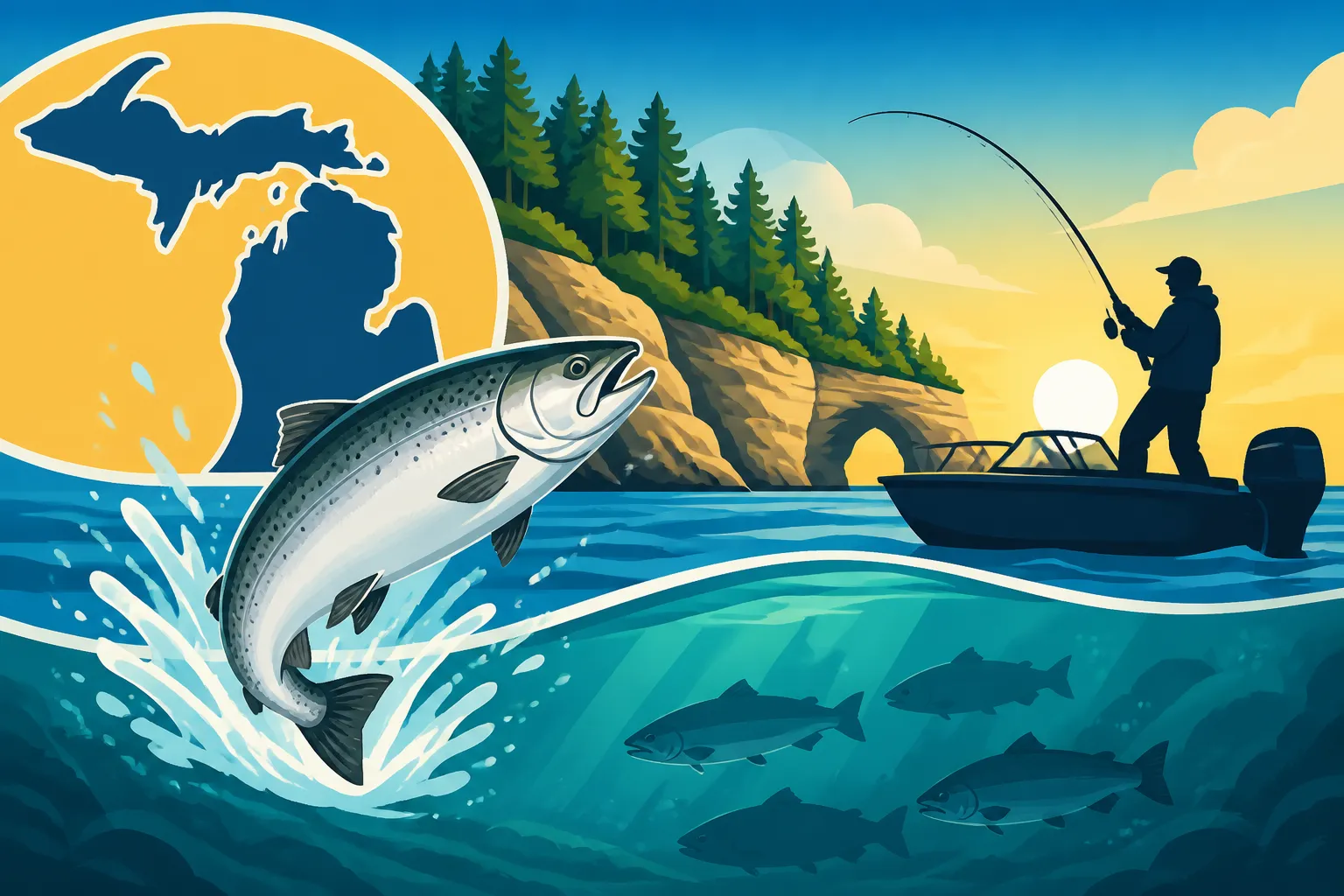
Chinook salmon, often called "King salmon," are truly the monarchs of Michigan's Great Lakes. They're known for their impressive size, incredible strength, and explosive fights once hooked. These fish can grow upwards of 30 pounds, making them a bucket-list catch for many anglers. When it comes to bays, Chinook often prefer deeper, cooler water, especially during the summer months. They'll venture into bays that offer easy access to profound depths where they can find their preferred forage, like alewives and smelt. As autumn approaches, these magnificent fish will stage in large numbers within bays and near river mouths, preparing for their upstream spawning migration. Think of these bays as their last buffet and waiting room before their big journey.
Coho Salmon The Silver Streak
While not typically as large as Chinooks, Coho salmon, or "silver salmon," are known for their acrobatic fights and delicious table fare. They're often found in schools and can provide fast-paced action, especially in the spring and early summer. Coho tend to cruise shallower waters than Chinook, often closer to the surface or near the shorelines and river mouths within a bay. They're opportunistic feeders and will often follow baitfish schools wherever they go. When you're fishing a Michigan bay, you might find Coho hugging break lines, current seams, or even structure like piers and jetties, especially when cooler water is available or when they're transitioning into feeding areas. They're a fantastic target for anglers who enjoy active casting or shallower trolling.
The Bay Advantage Why Salmon Love Michigan's Bays
Bays aren't just pretty scenery; they're vital ecosystems for salmon throughout their life cycle in the Great Lakes. They offer a unique combination of features that make them irresistible to these migratory fish. Firstly, bays often provide an abundance of forage. Baitfish species thrive in these relatively sheltered waters, creating a natural food source that attracts hungry salmon. Secondly, bays act as crucial staging areas. As the season progresses, particularly in late summer and fall, salmon will gather in the deeper sections of bays or near the mouths of rivers that flow into them. This staging behavior is essential as they wait for the right conditions (like cooler water temperatures and increased water flow) to begin their upstream spawning runs. Finally, bays offer shelter from strong winds and rough waters on the main lake, providing a more stable environment for both fish and anglers. This makes them accessible even on days when the open lake might be too challenging.
Top Michigan Bays for World-Class Salmon Fishing
Michigan boasts an incredible amount of Great Lakes shoreline, and many bays offer fantastic fishing. However, a few truly shine when it comes to consistent salmon action.
Grand Traverse Bay A Northern Michigan Gem
When people talk about prime Michigan salmon fishing, Grand Traverse Bay almost always comes up. Located in the northwestern Lower Peninsula, this sprawling bay on Lake Michigan is renowned for its incredible Chinook and Coho salmon fishing. It's actually two distinct arms—East Arm and West Arm—both offering deep, cold water that salmon absolutely love.
In spring, you'll find Coho salmon aggressively feeding in the shallower waters, often near the mouths of smaller rivers that feed into the bay, like the Boardman River. As summer progresses, the thermocline sets up, and both Chinook and Coho move to deeper, cooler waters, often found anywhere from 60 to 150 feet deep. This is when trolling with downriggers becomes the name of the game. Anglers using services like FishingBooker often target charters out of Traverse City to hit these productive waters. The sheer depth and vastness of Grand Traverse Bay mean you have a lot of water to explore, and the fish can be spread out, requiring patience and good electronics.
Come late summer and fall, the salmon begin their staging ritual. Large schools of Chinook will congregate at the mouth of the Boardman River and other tributaries, preparing to make their run upstream. This is a thrilling time for anglers, as these fish are at their peak size and fighting strength. Pier fishing from places like the Clinch Park Marina pier in Traverse City can also be productive during these staging periods, offering a chance to catch a king without a boat.
Saginaw Bay A Surprising Salmon Stronghold
Now, Saginaw Bay might surprise some people on a "best salmon bay" list, as it's famously known as one of the best walleye fisheries in Michigan. However, don't let that fool you! While the inner reaches of Saginaw Bay are shallower and warmer, better suited for walleye and yellow perch, the deeper, outer portions, particularly closer to the mouth of Lake Huron, can offer fantastic salmon opportunities, especially for Coho.
These salmon typically move into the clearer, deeper waters near the mouth of the bay during the cooler months or when there's an upwelling of cold water. Anglers who venture out past the main walleye grounds can be rewarded with impressive Coho catches, and occasionally a stray Chinook. It's a less conventional salmon spot compared to the pure Lake Michigan bays, but for those willing to explore and adapt their techniques, it can be incredibly productive. You'll often find success by targeting the edges of deeper channels or areas where the bay meets the main body of Lake Huron, often using similar trolling techniques as in other Great Lakes salmon fisheries.
Other Notable Bays and Nearshore Areas
Beyond the big two, Michigan has other fantastic bays and nearshore areas that deserve a mention for their salmon fishing potential, depending on the season and specific conditions.
Thunder Bay: On Lake Huron near Alpena, Thunder Bay offers some excellent opportunities for salmon, particularly during the spring and fall. While it might not have the sheer numbers of Chinook found in Lake Michigan bays, it can produce some impressive Coho and even Atlantic salmon, which are stocked in Lake Huron. The fishing here often involves trolling the deeper contours and structure within the bay.
Big Bay de Noc: Located in the Upper Peninsula on Lake Michigan, this bay offers fantastic smallmouth bass fishing, but also sees salmon activity, especially during migratory periods. Its connection to Lake Michigan means salmon will pass through, and occasionally stage, particularly near river mouths. It's a beautiful, wilder fishery, perfect for those seeking a more remote experience.
Little Bay de Noc: Also in the U.P., this bay is famous for its walleye, but like its larger counterpart, it can offer opportunities for salmon as they transition in and out of the main lake. It's less of a consistent salmon destination but worth keeping in mind if you're exploring the area.
Essential Techniques and Timing for Bay Salmon
Catching salmon in Michigan's bays isn't just about showing up; it's about understanding their behavior, using the right gear, and timing your efforts. Here's how to maximize your chances.
Mastering Trolling in Michigan Bays
Trolling is, without a doubt, the most effective method for targeting salmon in the vast open waters of Michigan's bays. It allows you to cover a lot of water and present multiple lures at various depths, increasing your chances of finding actively feeding fish.
- Downriggers are your best friend: These devices allow you to precisely control the depth of your lures. Salmon often hold in a narrow temperature band (the thermocline), and downriggers let you put your bait right in their strike zone. You'll typically run spoons, plugs, or dodgers with flies behind your downrigger balls.
- Planer Boards for wider coverage: To cover an even wider swath of water, especially when fish are dispersed or feeding near the surface, planer boards are indispensable. These boards pull your lines out to the side of the boat, presenting lures away from the boat's noise and wake. This is particularly effective for Coho and for covering shallower sections of the bay.
- Lure Selection: Spoons like the Michigan Stinger or Dreamweaver are perennial favorites, often in bright or metallic colors. Plugs, like Mag Lip or J-Plugs, can also be highly effective, especially for aggressive Chinook. Don't forget dodgers and flasher-fly combinations, which create attraction and mimic baitfish. Your Best Lures for Muskellunge article might focus on larger baits, but the principle of matching the hatch and creating attraction applies here, just on a smaller scale.
- Speed and Direction: Pay close attention to your trolling speed, often between 1.8 to 3.5 mph, but let the fish tell you what they prefer. Sometimes a slight increase or decrease, or even a sudden turn, can trigger a strike. Keep an eye on your fish finder to locate bait schools and salmon arches, then adjust your presentation accordingly. Learning How to Troll for Chinook Salmon on Lake Michigan can give you a significant edge.
Pier and Shore Fishing for Bay Salmon
Not everyone has a boat, and that's perfectly fine! Michigan's bays offer fantastic pier and shore fishing opportunities, especially during the spring and fall salmon runs. These can be some of the most accessible ways to hook into a big salmon.
- Strategic Locations: Look for piers, breakwalls, and river mouths that extend into deeper water or create current breaks. Good examples include the piers around Traverse City, or any pier on Lake Michigan's eastern shore that juts into the main body of the lake. These structures act as natural travel corridors and ambush points for salmon.
- Gear for the Bank: A longer rod (9-12 feet) with a medium-heavy action is ideal for casting long distances and handling powerful salmon. Pair it with a sturdy spinning reel spooled with 15-20 lb monofilament or braided line.
- Bait and Lure Choices: Casting spoons (e.g., Little Cleo, Krocodile) in chrome, blue/silver, or orange are highly effective. You can also try casting body baits like Rapala or Bomber long A's. For bait fishing, fresh spawn (salmon or steelhead eggs) drifted under a bobber or fished on the bottom is a deadly choice, especially when fish are staging for their river run.
- Best Times: Early morning and late evening often produce the best results, as salmon move closer to shore to feed under lower light conditions. Overcast days or periods just before a storm can also be surprisingly good. Keep an eye on local conditions and ask around about recent catches. Your Lake Michigan Pier Fishing for Salmon post would be a great resource for anglers looking for specific locations and tips.
Seasonal Strategies for Optimal Success
Salmon fishing in Michigan's bays is a year-round affair in some capacity, but understanding the seasonal movements of the fish is key to consistent success.
- Spring (April – June): This is prime time for Coho salmon. They'll be relatively shallow, often in the top 30 feet of water, feeding aggressively after the long winter. Trolling spoons and small plugs near surface or shallow planer boards is highly effective. As the water warms, you'll start seeing Chinook moving into the bays. For regulations, check the Michigan Fishing Season Dates and Rules.
- Summer (July – August): The "dog days" of summer see salmon moving to deeper, cooler waters as the thermocline develops. This is when downriggers are essential for targeting Chinook. Concentrate your efforts on the deeper sections of bays like Grand Traverse Bay, where cold water and baitfish are present. Don't forget about Michigan's Great Lakes Year-Round Trout Season which means you might encounter lake trout too.
- Fall (September – November): This is the peak of the Chinook run! Salmon begin to stage heavily in the bays, especially near river mouths, before their spawning migration. Trolling remains effective, but shore and pier anglers also have fantastic opportunities. Fish will be at their biggest and most aggressive, making for epic battles. Pay close attention to the Michigan Bag and Size Limits Explained for salmon, as these mature fish are a target for many anglers.
- Winter (December – March): While not typically a prime "bay salmon" season, in very mild winters or specific locations, you might find some resident salmon or steelhead in deeper bay areas, especially those connected to warmer tributaries. Ice fishing for salmon in bays is rare but not impossible in certain deeper, clear waters in the U.P. However, most anglers switch to other species during these months, using techniques described in a Michigan Ice Fishing Guide.
| Bay Name | Primary Salmon Species | Best Seasons | Key Techniques | Notable Features |
|---|---|---|---|---|
| Grand Traverse Bay | Chinook, Coho | Spring, Summer, Fall | Trolling, Pier Fishing | Deep waters, multiple access points, river staging |
| Saginaw Bay | Coho (some Chinook) | Spring, Fall | Trolling | Outer bay only, less common, often mixed with walleye |
| Thunder Bay | Coho, Atlantic Salmon | Spring, Fall | Trolling | Lake Huron focus, good diversity, beautiful scenery |
Navigating Regulations and Planning Your Trip
A successful and enjoyable fishing trip isn't just about catching fish; it's also about being prepared, safe, and respectful of the rules.
Understanding Michigan's Salmon Regulations
Michigan's fishing regulations are designed to protect fish populations and ensure sustainable fishing for everyone. Before you even think about casting a line, you absolutely must familiarize yourself with the current year's regulations. These can change annually, so never rely on old information. You'll need a valid Michigan Fishing License Guide for Residents and Nonresidents and to understand specific rules for salmon, including:
- Daily Possession Limits: There's often a combined daily possession limit for trout and salmon species. For instance, the Michigan's Combined Trout and Salmon Possession Limit might be 5 fish, but only a certain number of those can be specific species like Chinook or Coho.
- Size Limits: Minimum size limits are in place to ensure fish have a chance to spawn at least once. Make sure you know the legal size for each salmon species you're targeting.
- Special Regulations: Some bays or river sections might have specific rules, such as gear restrictions or season closures for certain species. Always check the Michigan Department of Natural Resources (DNR) website or pick up a printed digest. Ignoring these rules can lead to significant fines and penalties.
Chartering a Trip vs. DIY Adventures
Deciding whether to hire a charter or go it alone is a big part of planning your salmon fishing adventure. Both options have their pros and cons.
- Chartering a Trip: If you're new to Great Lakes salmon fishing, don't own a boat, or just want to maximize your chances, a charter is an excellent option. Experienced captains, often found through platforms like FishingBooker, have intimate knowledge of the bay, current fish movements, and all the specialized gear (downriggers, expensive rods, electronics) needed for successful salmon trolling. They'll also handle the boat, navigate, and help with fish cleaning. It's an investment, but it often pays off with a fantastic experience and a cooler full of fish. This is a great way to learn the ropes of How to Troll for Salmon on the Great Lakes without the upfront cost of equipment.
- DIY Adventures: If you have your own boat, gear, and experience on large bodies of water, a DIY trip offers immense freedom and is often more budget-friendly in the long run. However, it requires significant preparation, knowledge of your equipment, and a keen understanding of Great Lakes safety. You'll need reliable electronics, safety gear, and the ability to read weather patterns and navigate safely. Be sure your Michigan Boat Registration Requirements are up to date! Don't underestimate the power of the Great Lakes; they can turn rough very quickly.
Preparing for a Successful Bay Fishing Excursion
No matter how you choose to fish, preparation is paramount.
- Weather Watch: The weather on the Great Lakes can be unpredictable. Always check the forecast before heading out, paying close attention to wind speed and wave height. A calm morning can turn into a gale in a few hours.
- Safety First: Whether on a boat or a pier, safety should be your top priority. On a boat, ensure you have enough life jackets for everyone, a working marine radio, flares, and a first-aid kit. Let someone know your float plan. Even on a pier, be mindful of slippery surfaces and sudden waves.
- Essential Gear: Beyond your rod and reel, bring a good cooler with ice to keep your catch fresh, sharp fillet knives, and appropriate clothing for changing weather conditions (layers are key!). A quality net designed for large fish is also crucial, as trying to hand-land a thrashing king can be a challenge.
- Sun Protection: Even on cloudy days, UV rays reflect off the water. Sunscreen, a wide-brimmed hat, and polarized sunglasses are highly recommended to protect yourself from the elements.
Fishing Michigan's bays for salmon is an experience unlike any other. With the right knowledge, preparation, and a bit of luck, you'll be well on your way to creating unforgettable memories and perhaps even landing that trophy King you've always dreamed of!
Disclaimer
Please note that fishing regulations, seasons, and specific conditions can change. Always consult the official Michigan Department of Natural Resources (DNR) website or the current year's Michigan Fishing Guide before planning any fishing trip to ensure you have the most up-to-date and accurate information. This article is for informational purposes only and should not replace official sources.