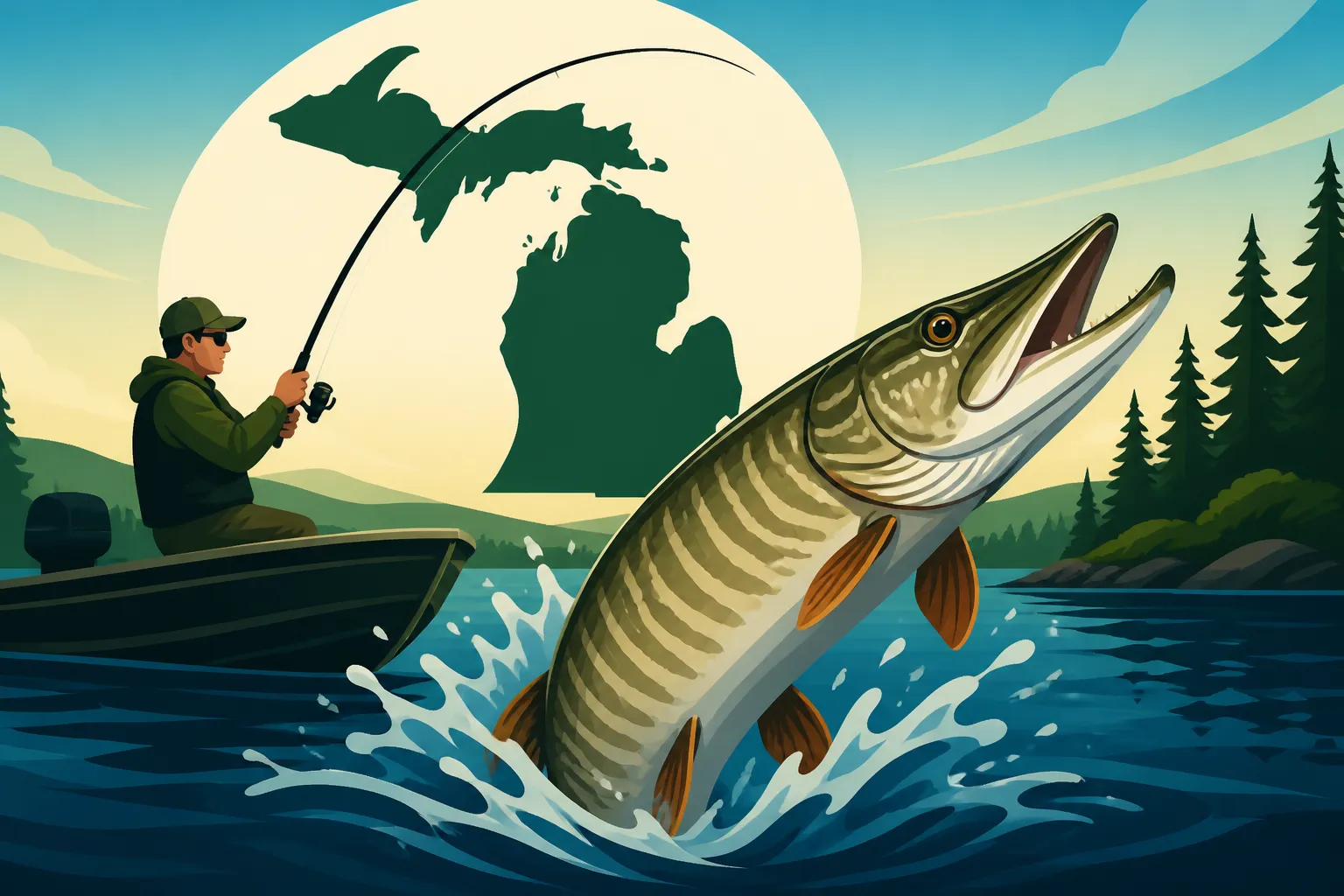
Best Michigan Lakes for Muskellunge
Few freshwater fish captivate anglers quite like the muskellunge, often dubbed the "fish of 10,000 casts." The sheer dedication required to pursue these apex predators can be daunting, and nothing is more frustrating than putting in countless hours on water that simply doesn't hold the potential for a true trophy. This guide aims to cut through the guesswork, sharing the best Michigan lakes renowned for their thriving muskellunge populations, helping you find those prime spots where your next cast might just connect with a beast.
The Allure and Challenge of Michigan Muskellunge Fishing
There's something uniquely exhilarating about chasing muskellunge in Michigan. These formidable fish command respect, not just for their size and power, but for their elusive nature. It's a pursuit that tests an angler's patience, skill, and even their sanity, but the reward of a true muskie encounter is unlike anything else in freshwater fishing. Understanding why they're so challenging and what makes them tick is the first step toward success. If you're looking for an overview of the pursuit, delving into Muskellunge Fishing in Michigan can provide a solid foundation.
Why the "Fish of 10,000 Casts" Lives Up to Its Name
The moniker "fish of 10,000 casts" isn't just a catchy phrase; it's a stark reality for many muskie anglers. These fish are relatively rare compared to other game species, they're incredibly intelligent, and they're notoriously picky eaters. You can spend an entire day, or several days, casting large, heavy lures, feeling nothing but the rhythmic pull of your retrieve, only for a giant shadow to suddenly appear behind your bait at the boat, inspect it, and then casually swim away. It’s a true mental game, demanding unwavering focus and an almost stubborn refusal to quit. But when that moment finally arrives, when a muskie commits and strikes with an explosive force that nearly rips the rod from your hands, all those "empty" casts are instantly forgotten.
The sheer power and fight of a muskellunge are legendary. Imagine a fish that can easily exceed 40 pounds, with a muscular, torpedo-shaped body built for speed and aggression. When hooked, they'll often make searing runs, head-shake violently to dislodge the lure, and might even try to jump, throwing spray and creating chaos. Landing one requires a strong back, proper gear, and often a team effort. Each battle is a test of will, a primal dance between angler and predator that leaves you both exhausted and exhilarated. It's this intense, high-stakes engagement that makes muskie fishing an addictive pursuit for so many.
Michigan's muskie populations benefit from dedicated conservation efforts by the Michigan Department of Natural Resources (DNR), including stocking programs and strict regulations. We have both naturally reproducing populations and those supplemented by stocking, often utilizing the aggressive Great Lakes strain. These efforts, combined with responsible angling practices, contribute to the opportunity for anglers to pursue not just any muskie, but genuine trophy-class fish, some even rivaling Michigan's Record Muskellunge.
Understanding Muskellunge Habitat and Behavior
Muskies are ambush predators, meaning they rely heavily on cover and structure to conceal themselves before launching a surprise attack on unsuspecting prey. When you're scouting a lake, think like a muskie: where would you hide to best intercept a meal? Look for distinct weed lines, particularly those made up of dense cabbage or coontail, where they can lurk on the edge, darting out into open water. Submerged fallen timber, often found along old creek channels or shorelines, provides excellent overhead cover. Rocky points, sharp drop-offs, and even isolated rock piles in otherwise featureless areas can be prime muskie holding spots, offering both cover and access to different depths.
Their movements and activity are highly influenced by the seasons and water temperature. In spring, as water temperatures rise, muskies often move into shallower bays and flats, seeking warmer water and preparing for spawning. This can be a great time for casting in relatively skinny water. As summer progresses, they'll typically shift to deeper weed edges, thermoclines, and offshore structures, where cooler water and abundant forage are found. Fall, however, is often considered the prime time for trophy muskie. As water temperatures drop, these fish go on a "feeding frenzy," bulking up for winter, becoming more aggressive and willing to chase larger baits. Understanding these seasonal patterns is absolutely crucial for putting yourself in the right place at the right time.
A healthy muskie population is directly tied to a robust forage base. These fish are apex predators and need a lot of food to grow to trophy sizes. In Michigan, their diet often includes large suckers, ciscoes (also known as lake herring), yellow perch, and various panfish. They're also opportunistic and won't hesitate to devour smaller walleye, bass, or even ducklings. Lakes with abundant populations of these prey species are inherently better muskie waters. For instance, a lake rich in ciscoes might hold bigger, fatter muskies than one relying solely on smaller panfish. The quality and availability of forage directly impact the size and health of the muskie in any given body of water.
Identifying Prime Muskellunge Waters in Michigan
Finding the "best" muskie lakes isn't just about knowing their names; it's about understanding the characteristics that make them productive. Michigan offers a diverse range of muskie fisheries, from shallow, fertile waters to deep, clear glacial lakes. Each offers a unique challenge and opportunity, but they all share fundamental environmental traits that foster healthy muskie populations.
Key Environmental Factors for Trophy Muskie
Muskies are adaptable, but certain water conditions are more conducive to growing truly monstrous specimens. Generally, lakes with good depth variations, offering both shallow feeding flats and deeper thermal refuges, are ideal. Water clarity also plays a role; while muskie can live in murky water, clear to moderately stained water often allows them to hunt more effectively and grow larger. Deeper lakes, especially those with cold-water forage like ciscoes, allow muskies to survive and thrive during the warmer summer months, providing essential vertical habitat.
Perhaps the most critical factor is a healthy and abundant forage base, as mentioned earlier. A lake simply cannot produce massive muskellunge without a continuous supply of large baitfish. Lakes with strong populations of suckers, ciscoes, smelt, and larger yellow perch provide the necessary fuel for muskie growth. Without this foundational food source, even a well-stocked lake will struggle to develop a trophy fishery. Anglers often research a lake's prey species before even considering targeting muskie there.
Lastly, complex and diverse cover and structure are non-negotiable. Muskies thrive in environments that offer plenty of ambush points. This includes vast, healthy weed beds—especially those with distinct inside and outside edges—submerged timber, expansive rock reefs, and sharp break lines that drop into deeper water. Think about areas where different types of structure converge, or where current flows, concentrating baitfish. These are the natural hunting grounds for muskie, allowing them to conserve energy and strike effectively.
Stocking Programs and Natural Reproduction
The Michigan DNR has played a vital role in establishing and maintaining many of Michigan's premier muskie fisheries through extensive stocking programs. Often, these programs involve the Great Lakes strain of muskellunge, known for its aggressive nature and potential for large size. These stockings have created opportunities in lakes where muskie might not naturally reproduce or where populations needed a boost. It's a testament to sound fisheries management, providing anglers with fantastic opportunities that wouldn't otherwise exist.
However, some Michigan lakes boast naturally reproducing muskie populations, which are incredibly valuable. These self-sustaining fisheries tend to have strong genetic diversity and resilience, often indicating a particularly healthy ecosystem capable of supporting the entire muskie life cycle. While perhaps less common, finding a lake with natural reproduction is often a sign of a truly special muskie fishery.
Regardless of whether a population is stocked or naturally reproducing, the active participation of anglers in catch-and-release practices is paramount. Muskies are long-lived and slow to mature, meaning that every released fish contributes significantly to the future of the fishery. Michigan regulations reflect this conservation mindset, with strict limits like Michigan's One Muskellunge Per Year Rule (where harvest is allowed) and a strong emphasis on Catch-and-Immediate-Release Rules for Muskellunge for most angling. Your actions on the water directly impact the quality of fishing for years to come.
Michigan's Premier Muskellunge Destinations
Michigan is blessed with several outstanding muskellunge fisheries, each with its own character and challenges. While the elusive nature of these fish means no guarantee, certain lakes consistently produce more encounters and bigger fish than others. Knowing where to start your search is half the battle.
Lake St. Clair: The Undisputed King
When it comes to muskellunge fishing in Michigan, and indeed North America, Lake St. Clair stands as the undisputed champion. Its reputation is legendary, and for good reason. This vast, shallow, and incredibly fertile lake in the southeastern Lower Peninsula is often called "The Muskie Capital of the World." Its massive weed flats, clear water, and abundant forage, particularly yellow perch and invasive round gobies, fuel an astonishingly high muskie population and incredible growth rates. It's not uncommon for anglers to encounter multiple fish in a day here, with legitimate trophy potential on every cast.
Fishing Lake St. Clair is often an exercise in covering water. Many anglers employ trolling massive crankbaits or bucktails across the expansive weed beds and along break lines, meticulously searching for active fish. Others prefer casting large bucktails, jerkbaits, or glide baits over the vast, shallow flats. The lake is so productive that many anglers get their first muskie here, and countless personal bests are set annually. While it can be intimidating due to its sheer size, its accessibility from major metropolitan areas like Detroit and its incredible fish numbers make it a prime destination for muskie fanatics.
Access to Lake St. Clair is generally good, with numerous public and private boat launches. There's also a thriving community of experienced muskie guides who can dramatically increase your odds of success, especially if you're new to the lake. Many experienced guides are available through platforms like FishingBooker, offering specialized charters for this unique fishery. Their knowledge of seasonal patterns, productive spots, and effective presentations can be invaluable. However you approach it, prepare for an intense and potentially very rewarding experience on this incredible body of water.
Northern Michigan's Trophy Waters
While Lake St. Clair gets much of the attention, Northern Michigan, particularly the Lower Peninsula's Inland Waterway system and some Upper Peninsula lakes, offers fantastic muskie opportunities for those seeking a different kind of challenge. Lakes like Burt Lake and Mullett Lake, part of the expansive Cheboygan River system, are known for producing truly giant muskie, often larger on average than those found in St. Clair, though catch rates might be lower. These are typically deeper, clearer glacial lakes, offering distinct habitat. You can find more information about these kinds of locations in our Michigan Inland Lakes Worth Fishing guide.
The fishing experience in these northern lakes often differs significantly from St. Clair. Anglers might focus more on targeting deep break lines, offshore suspended fish, or specific deep-water structure using sonar to locate baitfish schools. Cold-water forage like ciscoes and smelt contribute to the exceptional size of these fish. The pursuit often feels more solitary and wild, with fewer boats and a greater sense of wilderness. It's a hunt that rewards patience and a willingness to adapt techniques to deeper, clearer water conditions.
Beyond Burt and Mullett, other Northern Michigan lakes, including some in the Upper Peninsula, also hold impressive muskie populations. These lakes often require more exploration and self-reliance, but the reward can be an unpressured, giant muskie in a pristine setting. If you're looking for more details on the U.P.'s fishing options, our Michigan's Upper Peninsula Fishing Spots Guide is an excellent resource. Remember, while the scenery is beautiful, these waters demand respect, so check weather conditions and have reliable boat equipment.
Lower Peninsula Hotspots Beyond St. Clair
Beyond the legendary Lake St. Clair and the expansive northern lakes, Michigan's Lower Peninsula is home to several other excellent muskie fisheries, many of which are specifically managed for trophy potential. Thornapple Lake and Lake Hudson are two prime examples that immediately come to mind. These lakes are known for their strict regulations, including high minimum size limits, often 50 inches, which helps foster a genuine trophy fishery. Anglers pursuing muskie in these waters know they are specifically targeting fish of a truly exceptional size, making the pursuit all the more thrilling. These specific rules are highlighted in guides like Michigan Lakes With a 50-Inch Muskellunge Minimum.
Thornapple Lake, located in Barry County, offers diverse structure with weed beds, drop-offs, and timber, providing excellent habitat for muskie to thrive. It's known for its robust forage base, contributing to the growth of large fish. Lake Hudson, in Lenawee County, is another notable spot, often characterized by clearer water and deeper structure, offering a different challenge. These lakes are proof that excellent muskie fishing isn't confined to one region; careful management and dedicated conservation efforts can create fantastic opportunities throughout the state.
While not as widely publicized as St. Clair, these smaller, managed fisheries offer a unique experience. They might not boast the same sheer numbers, but the quality of the fish is often exceptional. Always remember to check the specific regulations for any lake you plan to fish, as rules can vary. A thorough read of the Michigan Fishing Regulations Every Angler Should Know or the latest DNR fishing guide is a must before hitting the water. These "hidden gems" can offer incredible fishing for those willing to do their homework.
Here's a quick overview of some top Michigan muskellunge lakes and their characteristics:
| Lake Name | Region | Key Characteristics | Primary Forage | Minimum Size Limit (inches) |
|---|---|---|---|---|
| Lake St. Clair | Southeast Lower Peninsula | Shallow, fertile, vast weed flats, high population | Perch, Goby, Suckers | 42 |
| Thornapple Lake | Southwest Lower Peninsula | Diverse structure, good forage, managed for trophy | Suckers, Panfish | 50 |
| Lake Hudson | Southeast Lower Peninsula | Clear water, deeper structure, managed for trophy | Gizzard Shad, Panfish | 50 |
| Burt Lake | Northern Lower Peninsula | Deep, clear, cold-water forage | Ciscoes, Smelt | 42 |
| Mullett Lake | Northern Lower Peninsula | Deep, clear, connected to Cheboygan River system | Ciscoes, Smelt | 42 |
| Fletcher Pond | Northeast Lower Peninsula | Flowage, shallow, abundant timber, good numbers | Perch, Suckers | 42 |
Essential Gear and Conservation Practices for Michigan Muskie
Chasing muskellunge isn't like bass fishing; it requires specialized gear that can handle large lures, powerful fish, and the occasional battle with dense weed beds. Beyond the gear, responsible angling practices are not just recommended, they are absolutely crucial for preserving these magnificent fish for future generations.
The Right Tools for the Job
Muskie fishing demands heavy-duty equipment. Forget your finesse bass rods; you'll need robust casting rods, typically 8 to 10 feet long, with a heavy or extra-heavy action. These longer rods provide better leverage for casting massive lures and handling powerful fish. Pair them with high-quality baitcasting reels designed for heavy line and big baits, featuring strong gears and a smooth drag system. This setup ensures you have the power to cast all day and the strength to turn a surging muskie.
Your line and leader setup are equally critical. Most muskie anglers spool their reels with 80- to 100-pound braided line. Braid offers incredible strength, sensitivity, and minimal stretch, which is vital for setting hooks into a muskie's bony mouth. Crucially, you must use a heavy-duty leader at the business end. A muskie's teeth are like razors, and standard monofilament or fluorocarbon will be shredded in an instant. Use a strong wire leader (at least 100-pound test) or a very heavy fluorocarbon leader (150-200 pound test) to prevent bite-offs. Safety first, always!
When it comes to lures, muskie anglers carry an arsenal. Bucktails, often weighing several ounces, are a staple, as are large crankbaits that dive to various depths. Jerkbaits and glide baits, which require specific retrieve techniques, are also highly effective, mimicking wounded baitfish. Big soft plastics and topwater lures, especially during low-light conditions, can entice explosive strikes. Selecting the right lure depends on the time of year, water depth, clarity, and the muskie's mood. For a deeper dive into lure choices, check out our guide on Best Lures for Muskellunge. Many professional muskie guides, often found through services like FishingBooker, can provide insight into the specific lures that are working best on a given day.
Handling and Releasing These Giants Responsibly
Due to their slow growth rates and the conservation-focused nature of Michigan's muskie fisheries, proper catch-and-release techniques are paramount. This isn't just a suggestion; it's an ethical imperative. Minimize the time the fish is out of the water. Have a large, rubberized landing net or a muskie cradle ready to safely secure the fish boat-side. Avoid touching their eyes or gills, as these are incredibly sensitive areas. Use long-nose pliers or specialized hook cutters to quickly remove hooks. If a hook is deeply embedded and cannot be removed without causing excessive harm, cut the hook and leave it in.
After a vigorous fight, a muskie can be exhausted. It's your responsibility to ensure its safe revival before release. Hold the fish gently in the water, supporting its belly and head, allowing water to flow over its gills. You might need to move it back and forth slightly to help oxygenate its blood. Wait until the fish shows strong signs of recovery—perhaps a powerful kick or a firm grip when you try to let go—before releasing it. Releasing a tired fish too soon can lead to delayed mortality. Our guide on How to Catch and Release a Muskellunge offers even more detailed techniques.
Finally, for any muskie that you harvest (which is very rare given the strict regulations and one-fish-per-year rule), Michigan requires that you report your catch to the DNR within 24 hours. This data is critical for biologists to monitor populations and make informed management decisions. You can find detailed instructions on this process in our guides on Michigan Muskellunge Harvest Reporting Rules and How to Register a Muskellunge Catch in Michigan. This seemingly small act makes a huge difference in the long-term health of our muskie fisheries.
Navigating Michigan's Muskellunge Regulations
Michigan's fishing regulations for muskellunge are some of the most stringent, reflecting the species' vulnerability and the state's commitment to fostering trophy fisheries. As responsible anglers, understanding and adhering to these rules is not just about avoiding fines; it's about being a steward of a precious resource.
Understanding Size and Bag Limits
Michigan has a very conservative approach to muskellunge harvest, designed to protect these slow-growing, long-lived fish. Across most waters, the general rule is a minimum size limit of 42 inches. However, as noted earlier, some specific lakes, such as Thornapple Lake and Lake Hudson, have an even higher minimum size limit of 50 inches, actively managing for true trophy fish. Beyond the size limit, anglers are generally permitted to harvest only one muskellunge per license year, and often, harvest is prohibited entirely on many waters, mandating catch and release.
These strict regulations are in place for excellent reasons. Muskies can live for 20 years or more and take many years to reach reproductive maturity and trophy sizes. Overharvesting could decimate a population very quickly, taking decades to recover, if at all. By implementing high minimum size limits and restricting harvest, the DNR ensures that muskie have ample opportunity to grow, reproduce, and contribute to a healthy, self-sustaining fishery. For a comprehensive look at how these rules fit into the broader picture, check out Michigan Bag and Size Limits Explained.
It's absolutely imperative to check the most current regulations for the specific body of water you intend to fish. Regulations can change annually, and special regulations often apply to individual lakes or river sections. The Michigan DNR publishes an annual fishing guide, which is your go-to source for the most up-to-date information. Always grab the latest version, or check the official DNR website, to ensure you're compliant with every rule.
Licensing and Conservation Efforts
To legally fish for muskellunge, or any other species in Michigan, you'll need a valid Michigan fishing license. Whether you're a resident or a nonresident, acquiring the correct license is a straightforward process, and you can find all the details in our Michigan Fishing License Guide for Residents and Nonresidents. The fees collected from license sales directly fund the Michigan DNR's extensive conservation programs, including fish stocking, habitat restoration, research, and enforcement, all of which benefit muskie populations.
Beyond the regulations and licensing, true conservation extends to every angler's choices on the water. This includes advocating for clean water, minimizing your environmental impact, participating in local conservation initiatives, and educating others on responsible angling practices. The muskie community, in particular, is often deeply passionate about conservation, understanding that the future of their sport hinges on healthy ecosystems.
In Michigan, the collective effort of anglers, conservation organizations, and the DNR is what allows us to enjoy such incredible muskie fishing. From the small details of reporting a rare harvest to the broader impact of supporting conservation efforts, every action counts. Many guides you might find on FishingBooker are not just expert anglers but also passionate conservationists, eager to share their knowledge of ethical fishing practices and the importance of preserving these magnificent fish.
Disclaimer
The information provided in this guide is for general informational purposes only and does not constitute legal advice. Fishing regulations in Michigan are subject to change. Always consult the most current Michigan Department of Natural Resources (DNR) fishing guide or website for the precise and up-to-date regulations before heading out on the water. Adherence to all local, state, and federal laws and regulations is the sole responsibility of the angler.